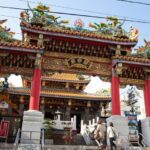
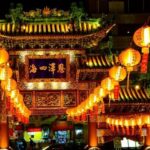
The novel idea here is simple: your visit joins an aquarium walk with a personal good-fortune reading. Your fortune number is based on details such as your birth date, and the fish displays offer a playful way to think about luck and the creatures’ ways of life.
I like two things in particular: the Chinatown setting, which gives this aquarium a distinctive Chinese-style mood, and the connection between fortune slips and animal behavior. It is an easy-to-reach, inexpensive stop that can add a different note to a day in Yokohama.
The main consideration is scale of expectation. This is not a large aquarium built around a long list of exhibits. The visit is usually one to two hours, and the fish collection may feel modest if you want a full day of marine displays.
- At a glance
- A Chinatown aquarium with a fortune twist
- How the fortune reading shapes your visit
- What the aquarium visit is like
- The value at a starting price of .79
- Getting there and planning your timing
- Who will enjoy this stop most
- Should you book Yokohama Fortune Aquarium?
- FAQ
- How long should I plan for Yokohama Fortune Aquarium?
- How much does admission cost?
- Where is the aquarium?
- Which train station is closest?
- Can children enter for free?
- Can I use my ticket on the day I buy it?
- What do I need to show at the entrance?
- The Best Of Yokohama!
- More Tickets in Yokohama
- More Tours in Yokohama
- More Tour Reviews in Yokohama
At a glance
 1 / 4
 2 / 4
 3 / 4
 4 / 4
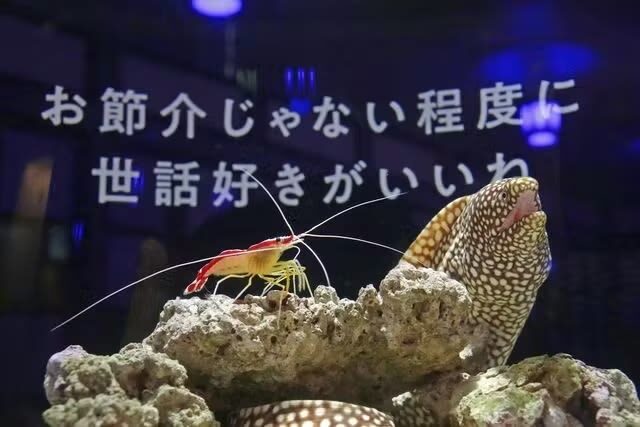
- Fortune-themed fish displays: The aquarium presents 88 kinds of good-luck fish, linked to themes such as love and money.
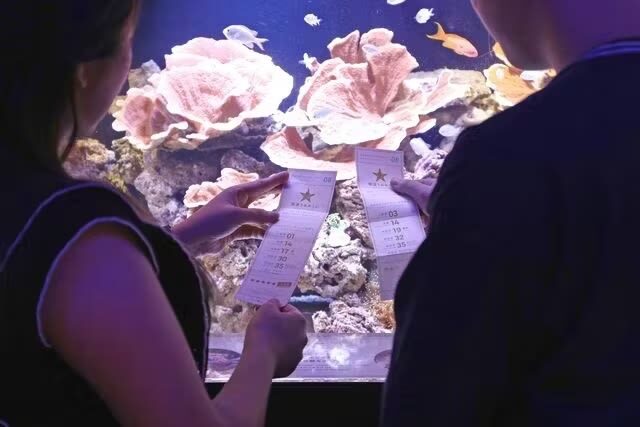
- A personal fortune number: Your fortune is based on information such as your date of birth.
- A quieter Chinatown stop: The aquarium has Chinese-style background music and a Love Luck area.
- A short visit: Plan for about one to two hours, rather than a full day.
- Easy access by train: Motomachi-Chukagai Station is about four minutes away on foot; Ishikawacho Station is about five minutes away.
- A low starting price: Admission starts at $3.79, with tax included. Check the price and ticket terms for your chosen date before booking.

👉 See our pick of the 6 Fantastic Workshops & Classes In Yokohama
A Chinatown aquarium with a fortune twist
Yokohama Fortune Aquarium sits at 144 Yamashitacho, in the heart of Yokohama Chinatown. Its idea is more specific than simply putting fish tanks in a neighborhood with Chinese character: the aquarium asks you to connect good fortune with the lives and traits of its aquatic residents.
That makes the visit feel different from a conventional aquarium outing. You are not just moving from tank to tank to see what is swimming. The fortune theme gives the displays a light narrative, with fish associated with subjects such as romance or financial luck. It is a cheerful bit of theater, but also a prompt to notice how different creatures live.
The aquarium has 88 kinds of good-luck fish on display. That number gives the idea some range, though it does not mean you should expect a large-scale marine attraction. One visitor described the collection as having not many fish and the setting as quiet. If your priority is a broad range of species or a full day of aquarium exhibits, this may not be the right match.
For a shorter, more unusual stop, the concept has real appeal. You can take in the displays at an unhurried pace, follow the fortune theme, and then continue exploring Chinatown. I would treat the aquarium as one part of a neighborhood visit, rather than the main event of an entire day.
You can also read our reviews of more tours and experiences in Yokohama


How the fortune reading shapes your visit
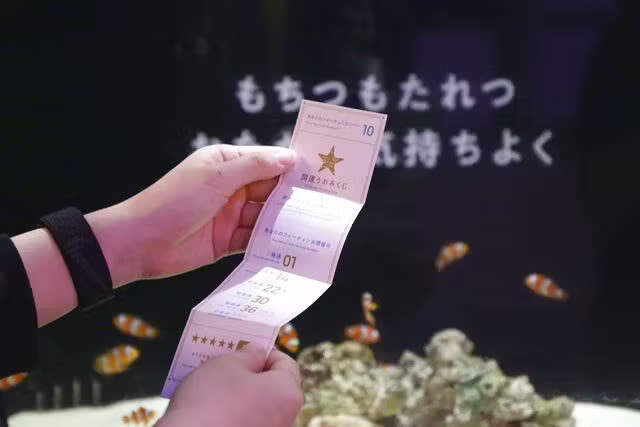
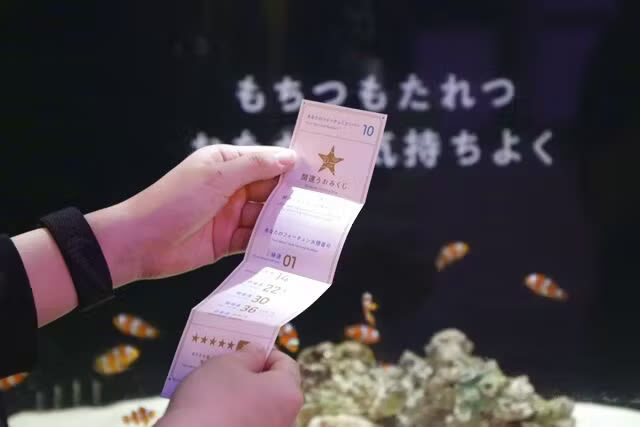
The personal element begins with a fortune number determined using information such as your date of birth. The aquarium then connects your good-fortune reading with the fish and their habits. The exact steps are not detailed, so don’t assume there is a long, staffed reading or a guide explaining each person’s result.
The central idea is the Good Luck Uomikuji, a fortune slip that encourages you to notice the lifestyle of the creatures on display. In that way, the fortune theme does more than assign a lucky fish or a category. It gives you a reason to pay attention to how aquatic animals live, and to consider what their habits can suggest about patience, adaptation or making the most of what you have.
That is a modest but appealing learning angle. The aquarium describes the creatures’ ways of life as a source of wisdom and everyday encouragement. You should expect a light, accessible interpretation, not a formal biology lesson. The pleasure is in the mix: a little fortune-telling, a little observation, and a relaxed walk through the exhibits.
I also like that the luck themes are concrete. Love and money are familiar subjects, and the Love Luck area gives the idea a clear focal point. The Chinese-style background music and design elements help the aquarium feel tied to its Chinatown location, rather than like a generic attraction dropped into the neighborhood.
What the aquarium visit is like
There is no lengthy guided itinerary described for this admission ticket. It gives you entry to the aquarium, and the visit is best understood as a self-paced walk through the fish displays and fortune-themed areas. Allow one to two hours, depending on how closely you read the fortune material and how long you spend at each tank.
A useful way to approach it is to let the fortune concept lead the visit. Start with your fortune number and reading, then look at the fish with the related themes in mind. As you move through the aquarium, give yourself time to observe the animals rather than rushing from one display to the next. The exhibits are the point, but the fortune element gives them a playful thread.
The Love Luck area is one of the more distinctive details. Its Chinese-style look, alongside the music, adds atmosphere without requiring a big production. If you are visiting with a partner, it may be a fun shared stop; if you are on your own, it still works as a themed section within the aquarium.
Keep expectations in proportion. The available details do not promise performances, large habitats, hands-on activities or a guided tour. The appeal is the unusual format and quiet setting, not a long slate of attractions. That makes it easy to fit between other plans, but less suited to anyone who wants a full day of aquarium entertainment.
The value at a starting price of $3.79
At a starting price of $3.79, this is an inexpensive way to add a short, distinctive visit to a Yokohama day. The ticket includes admission and tax. Since the visit takes about one to two hours, I would judge its value by how much you enjoy the fortune concept and the setting, not by comparing the number of exhibits with a major aquarium.
The low price makes the aquarium especially appealing as a small addition to Chinatown sightseeing. If you are already in the area, it offers a themed indoor stop that does not demand a large block of your schedule. It can also give a family or couple a light activity to share, though children aged five and under enter free and other age-based rates are not specified here.
The value is less certain if you are making a special trip only for extensive fish viewing. The collection is described as relatively modest, and the format has a specific fortune-reading focus. If you enjoy that concept, the admission price is easy to justify. If you want rows of large tanks and a full day of marine-life exhibits, spend your budget elsewhere or pair this with another Yokohama attraction.
The ticket is for admission only. Personal expenses and gratuities are not included, though no additional required service or guide is specified. The listed starting price is not a guarantee of the amount you will pay on every date, so check your selected option before confirming.
Getting there and planning your timing
The address is 144 Yamashitacho, Naka Ward, Yokohama. From Motomachi-Chukagai Station on the Tokyu Toyoko Line or Minato Mirai Line, walk about four minutes from Exit 2. From Ishikawacho Station on the JR Keihin-Tohoku Line or Negishi Line, use the Chinatown Exit and allow about five minutes on foot.
Those short walks make the aquarium simple to pair with a Chinatown outing. You do not need to build a complicated transfer or a long approach into your plans. If you arrive by car, the listed routes use the Yokohama Park exit from the Shuto Expressway Yokohane or Wangan lines, or the Shin-Yamashita exit from the Kariba Line. Parking details are not provided, so check local options before driving.
This is a date-specific ticket, and it cannot be used on the day you purchase it. Select your visit date carefully. The voucher is valid only for the specified date and, if applicable, time. If you want to enter after 6:00 pm, buy your ticket at the local counter instead.
You need to show the mobile voucher on a device that can connect to the internet. Open it through your Klook account and reservations, then show the voucher to staff, who must operate the electronic ticket for entry. Save the voucher where you can access it, and avoid trying to operate it yourself at the entrance, since an error can invalidate the ticket. There is no luggage storage at the aquarium.
The cancellation terms are strict: from the day of participation, the stated fee is 100 percent, and refunds or changes are not available if you arrive late or do not show up. Make sure your date and timing work before booking.


Who will enjoy this stop most
I would recommend the aquarium to anyone curious about a fresh, slightly whimsical way to experience Chinatown. It suits couples, friends and families who want a short activity with a clear theme, especially if the idea of matching fish and fortunes sounds more fun than odd. The Love Luck area and the Chinese-style music give the visit a distinct local flavor.
It can also suit aquarium fans who are open to a quieter, smaller-scale experience. The fortune format adds a different reason to look at the animals, and the short duration leaves room for other Yokohama plans. But if you collect aquarium visits for their size, rare species or lengthy displays, check your expectations before you go.
For children, the fact that ages zero to five enter free is useful. Children under elementary-school age are exempt from the stated mask rule, while other visitors may be refused entry without a mask or if they have a confirmed fever of 37.5°C or higher or cold-like symptoms. These conditions are worth checking before setting out, as they can affect your whole party.
Photography is allowed, but flash is prohibited. Tripods and monopods are not allowed, and commercial photography or video and live broadcasting are prohibited. Pets cannot enter, except service animals with valid identification. Keep those restrictions in mind if you are planning a photo-heavy visit.
Should you book Yokohama Fortune Aquarium?
Book this if you want a low-cost, one-to-two-hour attraction with a personality of its own. The strongest reasons to go are the fortune-reading idea, the 88 good-luck fish, and the Chinatown setting with its Chinese-style atmosphere. It is also convenient to reach from two nearby train stations.
Skip it if your main goal is a large aquarium experience or a packed schedule of activities. This visit is deliberately focused, and its quieter mood is part of the appeal. For the right kind of afternoon, it is a pleasant way to add a little fish lore and good luck to a Yokohama Chinatown visit.
Yokohama Kaiun Aquarium Fortune Aquarium Admission Ticket (Yokohama)
“The format is very innovative, and the staff are enthusiastic.”
FAQ
How long should I plan for Yokohama Fortune Aquarium?
Plan for about one to two hours. Your visit may be shorter or longer depending on how much time you spend with the fortune readings and displays.
How much does admission cost?
The listed starting price is $3.79, including tax. The final price may depend on the option and date you select.
Where is the aquarium?
It is at 144 Yamashitacho, Naka Ward, Yokohama, Kanagawa 231-0023, Japan, in Yokohama Chinatown.
Which train station is closest?
Motomachi-Chukagai Station is about a four-minute walk from Exit 2. Ishikawacho Station is about a five-minute walk from its Chinatown Exit.
Can children enter for free?
Children aged zero to five enter free. A student ID is required to use the junior high school or high school student discount.
Can I use my ticket on the day I buy it?
No. This ticket is advance sale only and cannot be used on the day of purchase. It is valid only for the date and time shown on the voucher, if a time is specified.
What do I need to show at the entrance?
Present your mobile voucher on a smartphone or other internet-connected device. Facility staff must operate the electronic voucher for you to enter.