Banff: AST 1 – Avalanche Skills Training Level 1
Location: Alberta, Canada
Duration: 2 days
Provider Rating: 4.7
If you’re heading to the Canadian Rockies and want to venture beyond the groomed trails, this two-day Avalanche Skills Training Level 1 (AST 1) course offers a solid foundation in backcountry safety. The adventure unfolds in the stunning landscapes of Banff National Park, with a mix of online classroom sessions and hands-on fieldwork at Bow Summit or Vermilion Pass.
Led by experienced guides like Sam or Lisa, you’ll learn how to interpret mountain conditions, recognize avalanche risks, and even practice rescue techniques.
What we love most about this experience is the combination of theory and practice—the classroom Zoom sessions make it easy to fit learning into a busy schedule, and the field day immerses you in real-world scenarios, which is priceless. Also, receiving an official AvCan certificate at the end adds tangible value for future backcountry adventures.
A possible consideration? The small group size (max 8 students per guide) ensures personalized attention but also means spots can fill quickly, so booking in advance is wise. The course is perfect for snow enthusiasts, skiers, snowboarders, or anyone planning to explore the mountains confidently and responsibly.
This course suits individuals with a basic level of outdoor activity experience who want to add essential safety skills, and it’s especially valuable for those planning to spend time in backcountry terrain in Banff and beyond.
- Key Points
- A Deep Dive into the Experience
- The Classroom: Foundation of Knowledge
- The Field Day: Putting Skills Into Practice
- The Scenery and Practicalities
- What Makes This Course Stand Out?
- Worth Considering
- The Cost and Value
- Who Should Take This Course?
- The Sum Up
- FAQ
- The Best Of British Columbia!
- More Tour Reviews in British Columbia
Key Points
- Practical Skills: Learn to assess snowpack, identify weak layers, and interpret weather patterns that can trigger avalanches.
- Hands-On Experience: Field testing your skills through simulated rescue scenarios and snowpack analysis enhances confidence.
Expert Guidance: Led by certified guides who focus on safety, terrain use, and group dynamics.
- Certification: An official AvCan certificate of completion adds credibility for future outings.
Flexible Learning: The combination of online classroom and in-field training makes it accessible and convenient.
- Limited Groups: Small class sizes foster personalized instruction and safer learning environments.
👉 See our pick of the Top 5 Hiking And Trekking Tours In British Columbia
A Deep Dive into the Experience
You can also read our reviews of more tours and experiences in British Columbia.
The Classroom: Foundation of Knowledge
The first day is centered around understanding the hazards of backcountry travel. Conducted via Zoom at 9:00 am, the classroom session lasts roughly 6-7 hours, covering everything from mountain weather patterns to snowpack structure. This theoretical groundwork is vital, especially for those new to avalanche safety.
We appreciated how the instructor explained complex concepts with clarity, emphasizing practical takeaways that make sense on the mountain.
Participants learn how avalanches occur, the importance of terrain choices, and how to use weather forecasts effectively. The online format lets you absorb the information comfortably from your own space, but be prepared to stay engaged—these sessions are interactive, with questions and discussions encouraged.
The Field Day: Putting Skills Into Practice
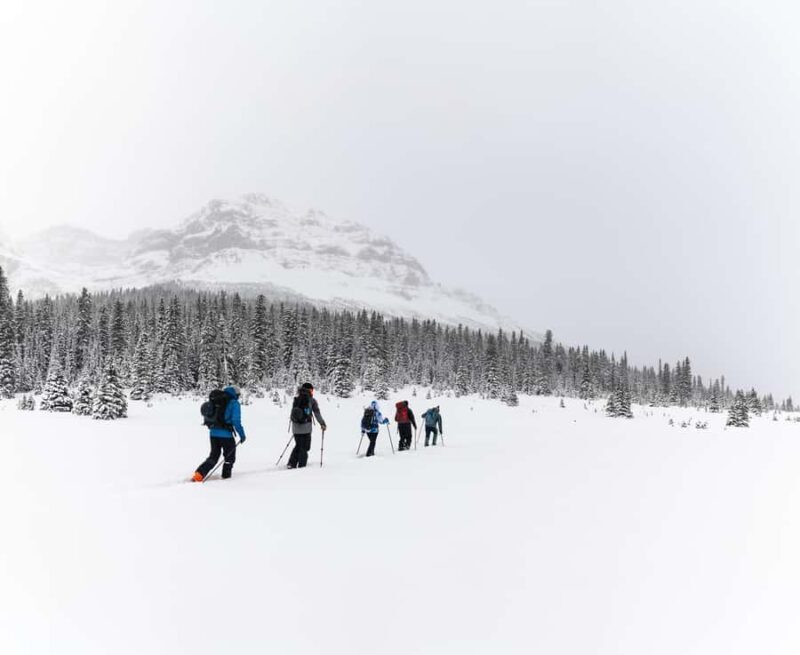
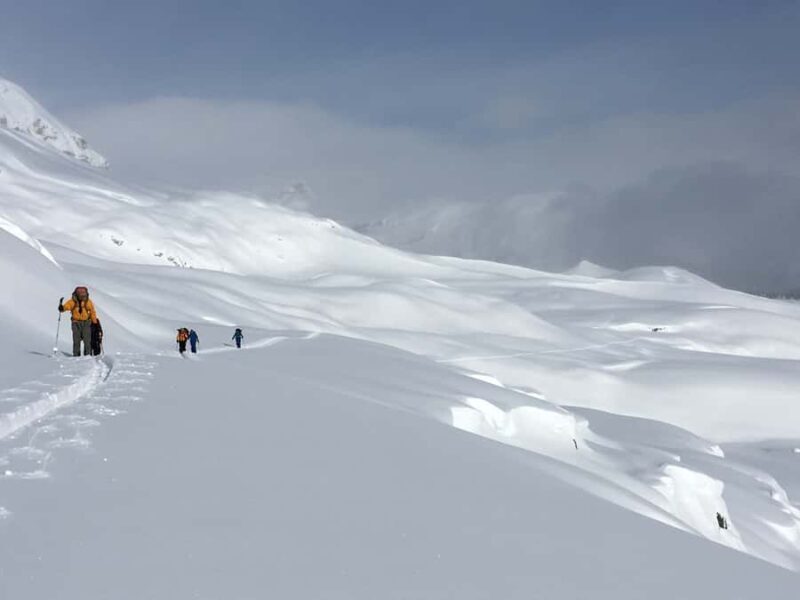
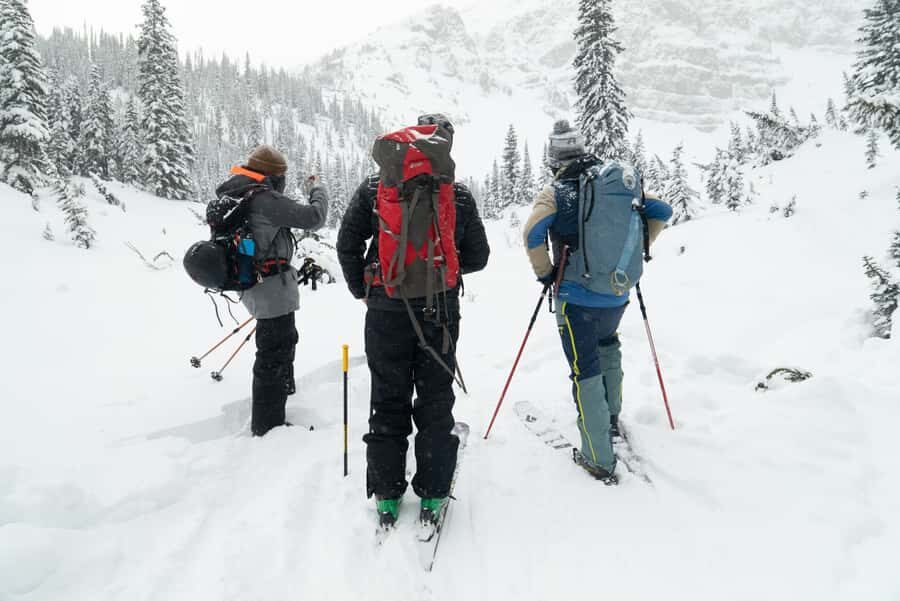
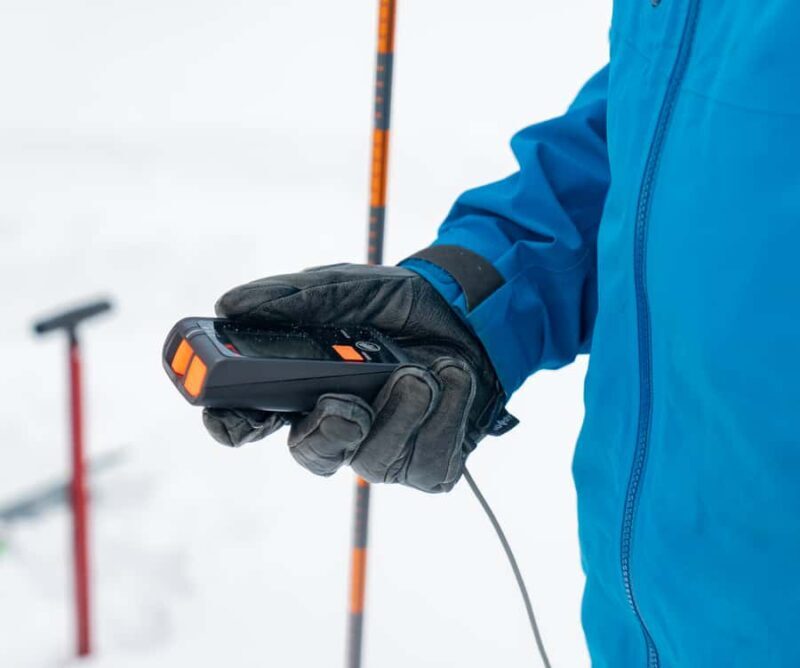
Day 2 takes you to Banff’s breathtaking backcountry—either Bow Summit or Vermilion Pass—where the real fun begins. Here, the focus is on applying what you’ve learned. The guided fieldwork incorporates companion rescue simulations, snowpack analysis, and recognition of weak layers—skills that could someday save your life or a friend’s.
The guides keep the group size small (up to 8 students), which means plenty of personalized feedback. We loved how the guides explained terrain use and risk management, helping us understand how to avoid dangers in the actual mountains. You’ll also learn about group dynamics and risk tolerance, essential for making smart decisions when you’re out in the backcountry.
The Scenery and Practicalities
Banff National Park’s scenery offers an inspiring backdrop to your training. Expect crisp mountain air, snow-covered peaks, and expansive views that remind you why safety is so essential when exploring these pristine environments. The start and finish times mirror each other—roughly 9:00 am to around 3/4 pm—giving you plenty of daylight for the practical exercises.
Participants are required to bring snow clothing and winter sports gear—think layered clothing, waterproof pants, gloves, and sturdy boots. Transportation to the field site is on your own, which is worth noting if you’re relying on local transport or car rentals.
More Great Tours NearbyWhat Makes This Course Stand Out?
We found the personalized attention from guides invaluable—being in small groups fosters a more engaging learning experience. The certification received at the end not only validates your new skills but also enhances your confidence to venture into backcountry terrain independently.
Another highlight is the realistic rescue simulation, which isn’t just a dry drill but a high-energy, practical exercise that makes the importance of quick, coordinated action clear. Participants shared that these simulations “felt surprisingly real,” which makes the learning stick.
Worth Considering
While the course provides a rundown, it’s primarily designed as an introductory course—if you’re already experienced, you might find the content somewhat basic. Also, since the field day requires participants to drive themselves to the site, travelers without their own transport should plan accordingly. The course isn’t suitable for wheelchair users, which might be a limitation for some.
The Cost and Value
At a competitive price point, considering it includes two full days of expert instruction, hands-on practice, and an official certificate, the course offers good value for safety-focused travelers. The small group size and certified guides add to the quality, ensuring you walk away with skills you can confidently rely on.
Who Should Take This Course?
This training is ideal for winter sports enthusiasts—skiers, snowboarders, snowshoers—who want to go beyond the resort and explore the backcountry safely. It’s perfect for beginners to avalanche safety who are eager to learn practical skills and for intermediate backcountry travelers seeking a refresher.
It’s especially recommended if you value small group instruction and a structured learning environment rooted in Canadian Avalanche Association standards.
The Sum Up
This two-day Avalanche Skills Training Level 1 course in Banff delivers practical, usable knowledge for anyone venturing into mountain terrain. The blend of online learning and on-the-ground practice makes it accessible and engaging, with guides who emphasize safety without sacrificing the adventure.
You’ll leave with valuable skills—from recognizing danger signs to executing rescues—plus a certificate that recognizes your new competence. For travelers who want to enjoy the mountains responsibly and add a crucial safety layer to their outdoor activities, this course is hard to beat.
If you’re planning to spend time in Banff’s backcountry or simply want peace of mind during winter outings, investing in this training will pay off. It’s best suited for those who prioritize preparedness and safety, and who are ready to learn from experienced guides in an awe-inspiring setting.
Banff: AST 1 – Avalanche Skills Training Level 1
FAQ
Is this course suitable for complete beginners?
Yes, it’s designed as an introductory course, making it accessible for those new to avalanche safety, as long as you’re comfortable with winter outdoor gear and snow.
Do I need to have previous backcountry experience?
No, prior backcountry experience isn’t required. The course covers fundamental concepts suitable for beginners and those seeking a refresher.
Will I get a certificate at the end?
Yes, upon completing the coursework and field training, you receive an official AvCan certificate of completion, which can be useful for future trips.
How physically demanding is the field day?
While some walking and snow travel are involved, guides tailor the exercises to accommodate varying fitness levels. Expect some outdoor exertion, but it’s manageable for most people.
What should I bring?
Bring snow clothing, winter sports gear, and be prepared for cold weather. Detailed packing lists are provided beforehand.
Can I cancel if my plans change?
Yes, you can cancel up to 24 hours in advance for a full refund, offering flexibility if your schedule shifts.
This Banff avalanche safety course balances education, adventure, and peace of mind. For those planning to explore the snow-covered mountains responsibly, it’s a wise investment that could make all the difference when it counts.
You can check availability for your dates here: