If you’re visiting Willemstad and want a meaningful, eye-opening experience, the Kurá Hulanda Museum offers a compelling look into the history of the Transatlantic Slave Trade. For just $12 per person, you can spend around 1 to 2 hours exploring a well-curated collection of artifacts from continental Africa and learning how these histories continue to influence the Caribbean today.
What we genuinely appreciate about this experience is how it balances educational depth with accessibility. The museum’s location right at the harbor of Otrobanda makes it easy to include in a day of exploring Willemstad. We also love that the museum offers moblie tickets, making entry straightforward and contactless—a small but appreciated detail in today’s travel world.
A potential consideration is that the self-guided visit can be a bit overwhelming for some, especially if you’re not used to absorbing a lot of information quickly. While the museum offers guided tours for an extra $5, many reviews suggest that hiring a guide can significantly enhance the experience—adding context and answering questions you might have along the way.
This tour is perfect for history buffs, educational travelers, or anyone interested in understanding how slavery shaped Curaçao and the wider Caribbean. It’s also suitable for those who appreciate authentic cultural experiences and are prepared for a sobering but important journey through history.
- Key Points
- A Detailed Look at the Kurá Hulanda Museum
- Location and Atmosphere
- Entry and Basic Info
- The Itinerary and Highlights
- The Museum Experience
- Practical Tips for Visitors
- Reputation and Reviews
- Who Should Consider Visiting?
- Final Thoughts
- FAQ
- The Best Of Willemstad!
- More Guided Tours in Willemstad
- More Tour Reviews in Willemstad
Key Points
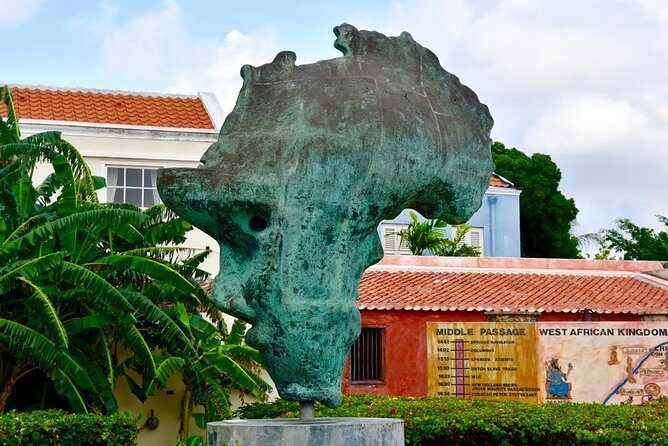 1 / 3
1 / 3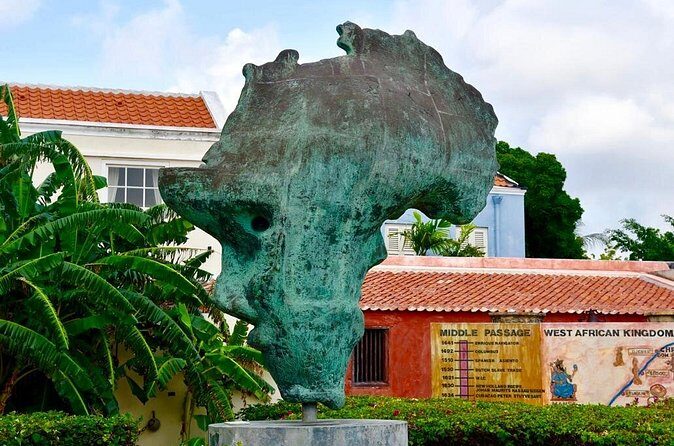 2 / 3
2 / 3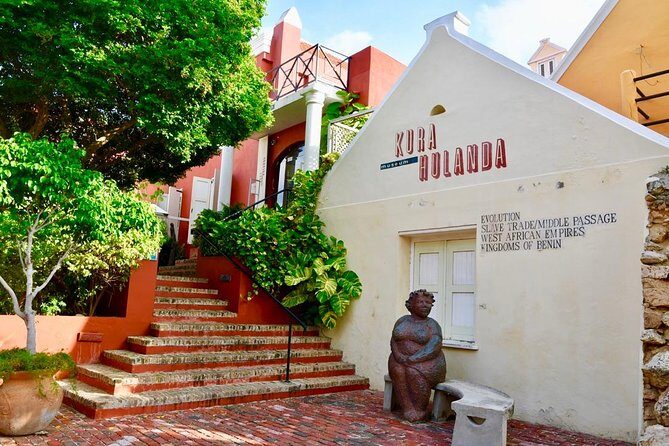 3 / 3
3 / 3- Location and Accessibility: Situated in Willemstad’s harbor, the museum is easily reached and offers a deep dive into regional history.
- Cost and Value: At $12, it’s an affordable way to gain insight into an essential part of Caribbean history.
- Guided Tours: Optional guides are available, often highly praised for their knowledge, but the self-guided visit is still impactful.
- Powerful Exhibits: Artifacts and stories vividly illustrate the realities of the slave trade, provoking reflection.
- Considerations: The experience involves a fair amount of reading and walking, which may be tiring for some visitors.
- Authentic Experience: The museum’s focus on the legacy of slavery makes it more than just a collection—it’s a vital educational stop.

👉 See our pick of the 2 Best Scuba Diving Experiences In Willemstad (With Prices)
A Detailed Look at the Kurá Hulanda Museum
You can also read our reviews of more tours and experiences in Willemstad.



Location and Atmosphere
The Kurá Hulanda Museum’s prime spot at Willemstad’s harbor of Otrobanda means you’re immediately immersed in a historically significant setting. The building itself is part of the story—an old Dutch West India Company hub that was central to Caribbean trade routes. Walking into the museum, you can sense the weight of history, with exhibits carefully curated to preserve the stories of millions of Africans forcibly taken across the Atlantic.
Entry and Basic Info
The entrance fee of $12 includes a museum map and a welcoming receptionist. It’s important to note that this fee does not include guided tours, which are available for an extra $5, but many visitors find the self-guided experience sufficiently powerful. The hours are Monday through Saturday from 8:00 am to 4:00 pm, and on Sundays from 9:00 am to 2:00 pm. The museum is closed on public holidays, so planning your visit ahead of time is wise.
The Itinerary and Highlights
First Stop: Transatlantic Slavery Exhibition
Right at the entrance, the museum confronts visitors with powerful displays about the role of Willemstad’s harbor in the slave trade. This area was a key transshipment point—think of it as a hub of unimaginable human suffering and resilience. The exhibits include artifacts, maps, and narratives that illustrate the scale and brutality of the trade.
What makes this section impactful? Several reviews highlight how the stories told can be quite emotional. One visitor said, “The stories told were heart breaking and I cried.” The exhibits don’t shy away from the harsh realities, making it clear why the museum’s purpose is so important.
African Artifacts and Cultural Influence
Beyond the sobering stories, the museum displays a vast collection of artifacts from Africa, shedding light on the rich cultures and traditions that persisted despite the horrors of slavery. Visitors often comment on the beautiful and thought-provoking pieces—clothing, tools, art objects—that connect the past with present-day Caribbean life.
Educational Value and Guided Tours
While a self-guided visit offers plenty of material, many reviewers recommend investing in a guided tour. For just $5 more, guides like Ms. Milva bring the exhibits to life with passion and expertise—sometimes making the stories so vivid that visitors are moved to tears. One review praises her as “a genius; she’s well spoken and very knowledgeable,” emphasizing how much a guide can deepen your understanding.
Walking and Reading
Expect a good amount of walking and reading. The museum’s layout is extensive, with exhibits spanning multiple rooms. Some visitors noted that lots of reading can be overwhelming, especially if you’re not used to processing dense historical information. A tip from a reviewer: “Plan for at least 3 hours to truly experience this museum,” which allows enough time to absorb the stories without feeling rushed.
The Museum Experience
Reviews overwhelmingly praise the authenticity and depth of the artifacts. Many mention how the stories bring history to life and leave a lasting impression. For example, one reviewer said, “History brought to life. So good to see that our teen was so impressed.” This highlights how the museum appeals to all ages, especially those interested in understanding the human side of history.
You can also read our reviews of more guided tours in Willemstad



Practical Tips for Visitors
- Plan ahead: Allocate at least 1.5 to 2 hours, and consider hiring a guide to maximize your understanding.
- Wear comfortable shoes: There’s a considerable amount of walking involved.
- Book a guided tour: For an extra $5, guides significantly enhance the experience, according to many reviews.
- Check opening hours: Avoid visiting on major holidays or outside operating hours.
- Respect the exhibits: The artifacts are not only educational tools but also bear witness to ongoing struggles for justice and recognition.
Reputation and Reviews
With a 4.6/5 rating based on 123 reviews, the museum’s feedback is largely positive. Visitors consistently mention the powerful storytelling, knowledgeable guides, and impactful artifacts. A common thread is that this museum is more than just a collection—it’s a transformative experience that prompts reflection on a crucial chapter of history.
Who Should Consider Visiting?
This tour is a must for history enthusiasts, students, or anyone interested in African heritage and Caribbean history. It’s especially meaningful for those who want to understand the roots of racial and cultural identities in Curacao. If you’re open to confronting difficult truths and appreciating the resilience of enslaved peoples, this museum offers more than just facts—it’s a deeply human experience.
It’s also suitable for groups and large families—many reviews emphasize how guides tailor the experience for different ages and backgrounds. However, if you’re sensitive to emotional content, prepare yourself for some heart-wrenching stories.
Final Thoughts
The Kurá Hulanda Museum represents a rare opportunity to see history through the lens of those who lived it. Its collection of artifacts and narratives offers a powerful reminder of the enduring impact of slavery on Caribbean culture and identity. For $12, you’re not just buying admission—you’re investing in understanding a story that shaped whole communities and nations.
Whether you opt for a guided tour or explore independently, this visit will leave you with a deeper appreciation of Curacao’s complex past. It’s a sobering but essential visit, especially for those who want to leave with a richer perspective on human resilience and injustice.
If you’re seeking an experience that combines educational depth, cultural insight, and emotional impact, the Kurá Hulanda Museum is well worth your time. It’s the kind of stop that makes your trip truly meaningful—an honest reflection of a difficult but important chapter in world history.
Entrance Ticket Kurá Hulanda Museum (not including guide service)
FAQ
Is the entrance ticket only for self-guided visits?
Yes, the $12 ticket covers admission for a self-guided experience. Guided tours are available separately for $5.
How long should I plan to spend at the museum?
Most visitors recommend at least 1.5 to 2 hours to fully appreciate the exhibits. Some suggest up to 3 hours if you want to explore thoroughly.
Are guided tours worth the extra cost?
Many reviews say yes. Guides like Ms. Milva significantly improve the experience by providing context, answering questions, and bringing the exhibits to life.
Is it suitable for children or teenagers?
Yes, many visitors mention their teens were impressed by the stories. However, be aware that some exhibits contain emotionally intense content, which might be upsetting for younger children.
What are the museum hours?
It’s open Monday to Saturday from 8:00 am to 4:00 pm, and on Sundays from 9:00 am to 2:00 pm. It’s closed on public holidays.
Can I visit without a guide?
Absolutely, but hiring a guide enhances understanding—especially for complex topics like slavery and cultural history.
In all, the Kurá Hulanda Museum is a vital visit for anyone interested in learning about the human stories behind Caribbean history. It combines powerful artifacts with thought-provoking narratives—a worthwhile stop that will likely resonate long after your visit.