Everest Base Camp Trek is a journey that many travelers dream about — and for good reason. For around $1,230, you get roughly two weeks of breathtaking Himalayan scenery, visits to iconic sites like Tengboche Monastery, and a close-up view of Mount Everest from Kala Patthar. Guided by Himalayan Holyland Treks and Expedition, this 12-day trek from Kathmandu to the foot of the world’s highest peak offers an unforgettable adventure balanced with cultural richness and natural beauty.
What we love most about this trip? First, the expert guidance provided by knowledgeable guides like Ajay, who is praised for being attentive and caring. Second, the stunning vistas—from the towering peaks of Everest to the colorful monasteries—are simply spectacular, making every challenging step worth it.
A potential consideration? The trek is physically demanding, with altitudes rising over 5,300 meters. Travelers should have moderate fitness levels and be prepared for some tough days on rugged terrain.
This adventure suits those with a spirit of adventure, an appreciation for culture, and the stamina to handle high-altitude trekking. If you enjoy natural beauty, awe-inspiring views, and meaningful interactions with local Sherpa culture, you’ll find this trek a perfect fit.
- Key Points
- A Detailed Breakdown of the Everest Base Camp Trek
- Starting Point: Kathmandu to Lukla and Phakding
- From Phakding to Namche Bazaar
- Acclimatization and Exploring Namche Bazaar
- Tengboche and the Monastery
- Dingboche and Higher Altitude Living
- Lobuche and the Glacial Giants
- Everest Base Camp and Goraqshep
- Kala Patthar for the Ultimate View
- Descent and Return
- Final Stretch to Lukla and Return Flight
- Why This Trek Offers Great Value
- Who Should Consider This Trek?
- FAQs
- The Best Of Kathmandu!
- More Hiking & Trekking Tours in Kathmandu
- More Tour Reviews in Kathmandu
- Not for you? Here's more nearby things to do in Kathmandu we have reviewed
Key Points
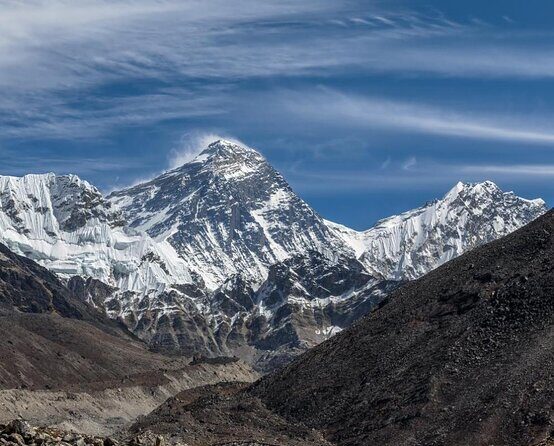
- Breathtaking Views: Get close to Everest and other iconic peaks, especially from Kala Patthar.
- Cultural Encounters: Visit monasteries, explore local villages, and learn about Sherpa traditions.
- Well-Organized Itinerary: Carefully paced with acclimatization days and scenic stops.
- Expert Guides & Porters: Reliable support, ensuring safety and comfort.
- Comfortable Accommodation: Stay in cozy tea houses that foster authentic Himalayan experiences.
- All-Inclusive Value: Meals, transportation, guide services, and a trek map included.

👉 See our pick of the 15 Best Workshops & Classes In Kathmandu
A Detailed Breakdown of the Everest Base Camp Trek
You can also read our reviews of more hiking tours in Kathmandu
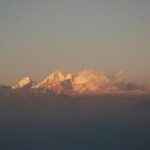
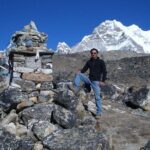
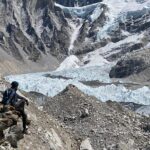
Starting Point: Kathmandu to Lukla and Phakding
The adventure begins with a short, 25-minute flight from Kathmandu to Lukla — a thrill in itself for many travelers, thanks to the narrow, high-altitude runway. From there, we start trekking toward Phakding, walking roughly 3 hours through lush forests and alongside rushing rivers. We love how this first day gently introduces us to the environment, setting the tone for the trek ahead.
This initial stretch is manageable, offering glimpses of Kanguru Peak if weather permits, and helps us acclimate to the altitude. Staying overnight at Phakding gives us a taste of local mountain life, with small teahouses providing simple yet hearty meals.
From Phakding to Namche Bazaar
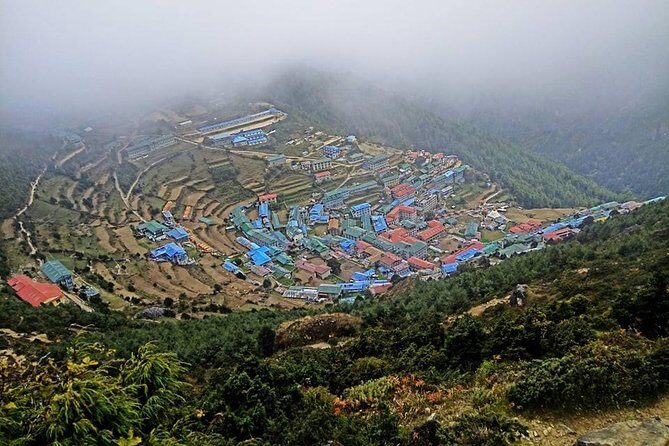
Day 2 ramps up the scenery and the elevation. Walking about 6 hours, we traverse rivers and forests, passing prayer flags and monasteries. The highlight? Reaching Namche Bazaar, a bustling hub of Sherpa culture at 3,440 meters. From here, we can see Mount Everest from “Top Danda” if the weather is clear — a moment that stays with us.
We appreciate how the guides organize this section, making it possible for us to absorb the stunning surroundings without feeling rushed. The town itself is charming, with shops, cafes, and a lively market area.
Acclimatization and Exploring Namche Bazaar
Day 3 is dedicated to acclimatization — a smart move to prevent altitude sickness. We’re encouraged to hike nearby peaks like Kusum Kanguru or visit the Sagarmatha National Park Museum. The guides recommend exploring the local markets, which is a fantastic way to experience Sherpa life firsthand.
This day is also perfect for shopping souvenirs and absorbing the mountain atmosphere. We love how this balance of activity and rest prepares us for the higher altitudes.
Tengboche and the Monastery
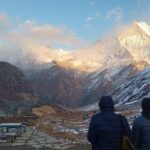
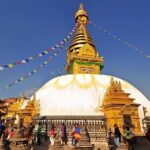
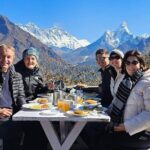
The next step takes us through rhododendron forests toward Tengboche at 3,860 meters, famous for its monastery. The 5-hour trek is scenic, with views of peaks like Everest and Ama Dablam. Visiting the monastery, we see monks performing ancient rituals, which adds a spiritual dimension to our journey.
The monastery’s location offers a sweeping view of the Himalayas, making it a highlight for many. Staying overnight here allows us to soak in the quiet majesty of the mountains.
Dingboche and Higher Altitude Living
From Tengboche, the trail continues to Dingboche, a village at 4,400 meters. The trek takes about 5 hours, crossing stone-paved paths and open fields. The views of Nuptse and Island Peak are spectacular. Here, we start feeling the effects of altitude, so the guides emphasize proper hydration and pacing.
At Dingboche, you can take a leisurely walk to acclimatize further, and the village itself offers a warm community vibe, with cozy teahouses and friendly locals.
Lobuche and the Glacial Giants
After Dingboche, we trek to Lobuche (4,910 meters). The 5-hour walk provides more dramatic mountain scenery — we see peaks like Lobuche and Taboche. This is where the landscape starts to feel more rugged and grand.
Overnight in Lobuche prepares us for the most challenging days ahead. The distance and altitude require focus, but the views of glaciers and towering peaks are worth every effort.
Everest Base Camp and Goraqshep
Day 7 is a long, rewarding day: from Lobuche to Gorakshep, about 3.5 hours of trekking, followed by an ascent to Everest Base Camp at 5,364 meters. Standing here, surrounded by the Khumbu Glacier and close to Everest itself, is genuinely humbling. The guides excel at helping us manage the physical strain — hot soups in high places are a thoughtful touch.
This day is the emotional climax of the journey. You’ll love the feeling of being at the foot of the world’s highest mountain.
Kala Patthar for the Ultimate View
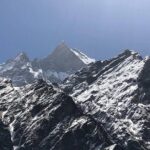
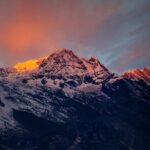
Next morning, we rise early for the Kalapatthar climb, about 3 hours, to get the best possible panorama of Everest. The view from here is stunning — a photographer’s dream. After soaking in the vistas, we return to Gorakshep, have breakfast, and trek back to Lobuche.
Descent and Return
The trek back down from Lobuche to Tengboche takes about 5.5 hours, with scenic stops at Pangboche and Deboche. We appreciate the descent after days of elevation gain, and the peaceful forests and monastic sights provide a reflective end to the high-altitude portion.
On Day 10, we descend further to Manjo, passing through familiar villages and lush forests.
Final Stretch to Lukla and Return Flight
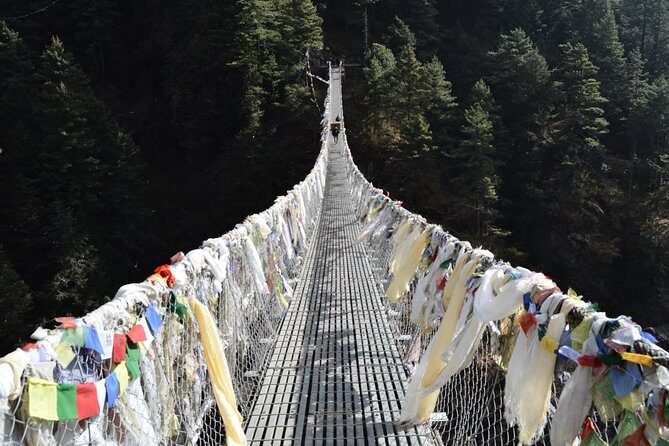
The last days involve about 5 hours of trekking back to Lukla, passing familiar landscapes and crossing suspension bridges over the Dudh Koshi river. The final flight from Lukla to Kathmandu, at just 25 minutes, is both a logistical and emotional milestone — a quick departure after days of mountain majesty.
Once back in Kathmandu, you’ll have the chance to unwind, explore, or reflect on your journey. The included farewell dinner is a lovely way to celebrate your achievement.
Why This Trek Offers Great Value
This trek isn’t cheap, but considering the comprehensive services — airport pickups, all accommodations, meals, experienced guides, porters, and guaranteed safety — it’s a solid investment in a lifetime experience. Plus, the inclusion of a trek map and a T-shirt adds a personal touch.
The reviews emphasize the professionalism of the guides and their attentiveness, which is crucial when you’re navigating high-altitude environments. As one traveler put it, “Our guide Ajay was always on top of my needs — a true asset to this experience.”
The ability to enjoy stunning, close-up views of Everest from Kala Patthar makes this trek uniquely rewarding. The combination of natural beauty and Sherpa culture offers a well-rounded Himalayan adventure.
Who Should Consider This Trek?
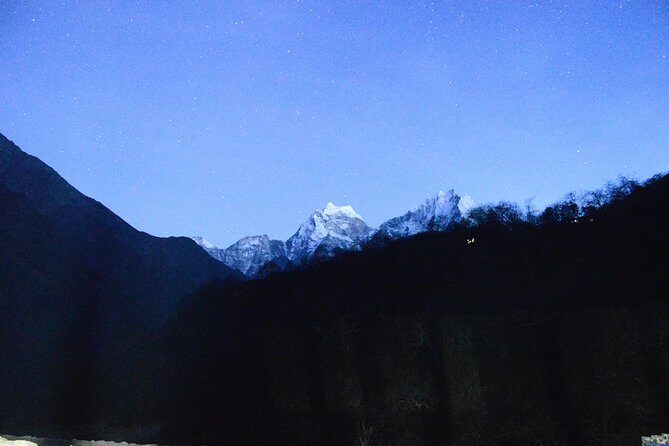
This trek is best suited for those who have moderate physical fitness and are prepared for some strenuous days. If you’re looking for a challenge and want to experience the Himalayas’ grandeur firsthand, this journey is for you. It suits travelers who value guidance and support, as well as those eager to learn about Sherpa traditions and mountain life.
While the trek requires altitude acclimatization, the organized schedule with rest days helps mitigate risks, making it accessible for many fit travelers.
FAQs
How physically demanding is the Everest Base Camp Trek?
It’s moderately challenging; you should have a decent level of fitness and be prepared for steep climbs and high altitudes, with the highest point being Kala Patthar at 5,550 meters.
Is this tour suitable for first-time trekkers?
While it’s geared toward those with moderate fitness, some previous trekking experience is recommended. The guides emphasize acclimatization and safety, making it manageable for motivated beginners.
What is included in the price?
The price covers airport pickups and drops, accommodations in teahouses, meals during the trek, a professional guide, porters, insurance for guides and porters, all taxes, a trek map, and a souvenir T-shirt.
Are meals provided?
Yes, three meals a day are included, including hot soups at high altitudes, which are essential for maintaining energy and warmth.
What about the flight from Kathmandu to Lukla?
The scenic 25-minute flight is part of the package, giving you a quick, exhilarating transition from city to mountains.
Can I cancel if my plans change?
Yes, the tour offers free cancellation up to 24 hours before the start, with a full refund.
What should I pack?
While not specified, travelers generally bring layered clothing, sturdy trekking boots, a warm hat, gloves, sunglasses, and personal essentials.
Is there an age limit?
This information isn’t specified, but due to physical demands, a moderate fitness level is recommended.
What’s the best time to do this trek?
Timing isn’t detailed here, but generally, clear weather in spring or autumn offers the best views.
To sum it up, the Everest Base Camp Trek with Himalayan Holyland Treks and Expedition offers a well-structured, rewarding Himalayan adventure. With expert guides, authentic cultural encounters, and breathtaking panoramas, it’s a journey that’s worth every step — if you’re prepared for the physical challenge. Whether you’re a seasoned trekker or an adventurous first-timer with a good fitness level, this trek provides incredible value and memories that will last a lifetime.