- Discovering the Soul of Old Patan with Folklore and Daily Life
- Key Points
- A Closer Look at the Tour Experience
- Location and Duration
- The Itinerary in Detail
- The Monastery Visit and Optional Extras
- Why This Tour Offers Real Value
- The Cultural Depth
- The Practical Aspects
- Who Should Book This Tour?
- The Sum Up
- FAQ
- The Best Of Kathmandu!
- More Tour Reviews in Kathmandu
- Not for you? Here's more nearby things to do in Kathmandu we have reviewed
Discovering the Soul of Old Patan with Folklore and Daily Life
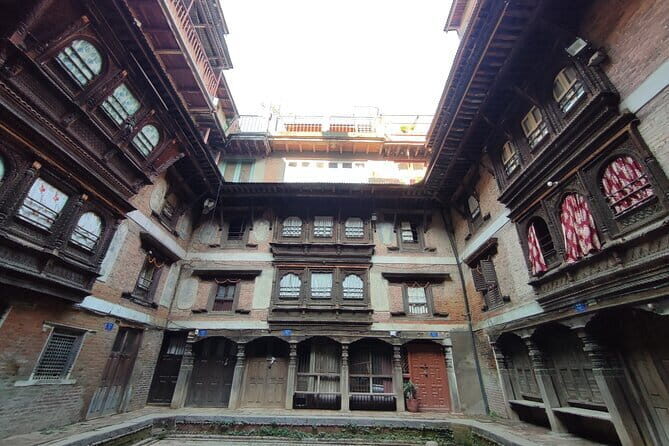
A visit to Patan isn’t complete without understanding its vibrant local traditions, folklores, and spiritual practices. This 2-hour to 2.5-hour guided walk, led by friendly and informed local guides, takes you through the city’s lesser-known corners, offering a nuanced perspective beyond the usual tourist sights. For just $15 per person, you’ll explore hidden courtyards, traditional architecture, and sacred sites, all while learning how faith, art, and community flow through everyday life in this ancient city.
What we love about this experience is how it combines storytelling with authentic visits—from a 15th-century Buddhist monastery to indigenous shrines—revealing the layers of Nepalese culture that often stay under the radar. Also, the tour’s focus on local faith practices and modern cultural evolution makes it a meaningful way to connect with Patan’s identity. A minor consideration is that the tour doesn’t include Patan Durbar Square itself; if you’re eager for the main square’s grandeur, it’s worth visiting afterwards independently. This tour suits travelers who enjoy cultural stories, architecture, and small-group explorations—perfect for those curious about everyday life in Kathmandu’s ancient heart.

👉 See our pick of the 15 Best Workshops & Classes In Kathmandu
Key Points

- Authentic Experience: Focuses on the old town’s courtyards and lesser-known sites, offering a local perspective.
- Deep Cultural Insights: Learn about Newar Buddhism, Tantric Hinduism, and indigenous faith practices.
- Expert Guides: Guides like Sandip bring wealth of knowledge, humor, and local stories.
- Affordable Price: At $15, it offers great value for a rich, authentic cultural walk.
- Flexibility: The tour doesn’t include Patan Durbar Square but ends nearby, allowing for independent exploration.
- Small Group: With a maximum of 10 travelers, expect personalized attention and meaningful interaction.
You can also read our reviews of more tours and experiences in Kathmandu.


A Closer Look at the Tour Experience
Location and Duration
Starting at Patan Dhoka, the tour is designed to give you a deep, focused look at Patan’s less touristy corners. Lasting around 2 to 2.5 hours, it strikes a great balance—long enough to uncover meaningful stories but short enough to fit into a busy travel day. The mobile ticket system adds convenience, letting you join seamlessly.
The Itinerary in Detail
Stop 1: Pimbahal and the Buddhist Monastery
Our journey begins at the Pimbahal courtyard, where the 15th-century Pimbahal Buddhist monastery immediately transports you back in time. Here, guides like Sandip explain the faith practices and art of Buddhist philosophies, making the spiritual aspects tangible. We loved the way this monastery’s artwork and architecture embody centuries of tradition, revealing a layered history of Nepalese spirituality.
Adjacent to the monastery is the Pimbahal Pond, a tranquil spot that’s perfect for reflection and photos. It’s a simple yet powerful reminder of how water and spirituality remain intertwined in Patan’s cultural landscape.
Stop 2: Nyakhachowk and the Traditional Architecture
Next, we wandered along the cozy alleys to Nyakhachowk, which features traditional Vernacular houses, ancestral shrines, and falchaa (resting areas). This area showcases how urban living in Patan blends spiritual routines with daily life. The highlight here is the Theravada monastery, an important religious hub that still functions actively.
Close by, we find an indigenous shrine to Nyasa Dyo, a deity of arts and crafts—revealing how animist beliefs persist alongside organized religions. We appreciated the contrast between the old and new, especially as we visited Aki Bhahal, where modern architecture has begun to overwrite traditional buildings, illustrating urban change in real time.
Stop 3: Nagbahaa and Cross-Cultural Influences
Our walk then took us to Nagbahaa, one of Patan’s largest courtyards, where the art and iconography reflect an Hellenistic influence—a reminder of global exchanges over history. The Greek-inspired Buddhist and Hindu imagery is striking, and guides explained how globalization in ancient times shaped local artistic expression.
If you’re interested, you can visit the Golden Temple nearby, which is ticketed and famous for its intricate woodwork. Many say it’s well worth the extra fee for a closer look at Nepalese craftsmanship.
Stop 4: Swotha Square and Optional Main Square Visit
The tour’s final stop is Swotha Square, a charming public space with temples, shrines, and cafes. It’s a perfect spot for a relaxed moment before you decide whether to explore Patan Durbar Square on your own. The museum inside the main palace is highly recommended if you want more context about Patan’s history, but that’s an independent step outside the tour.
The Monastery Visit and Optional Extras
On the way out, we pass by one of the most respected Buddhist monasteries in the area, home to over 4,000 monks. The woodwork and metal carvings are breathtaking, and although the entrance fee isn’t included, it’s a worthwhile stop for those interested in monastic traditions.



Why This Tour Offers Real Value
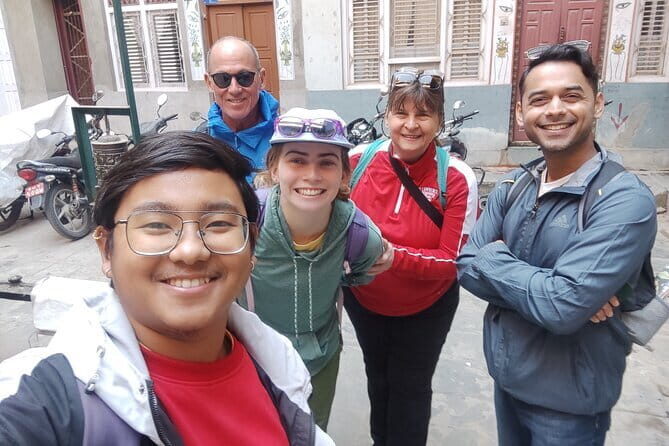
At just $15, this tour is a rare chance to see Patan through local eyes. The emphasis on hidden gems—from intimate courtyards to indigenous shrines—sets it apart from more conventional, large-group sightseeing runs. The small group size ensures you get personalized attention and the chance to ask plenty of questions.
The guides’ knowledge stands out, with reviews praising Sandip for sharing stories, folklore, and detailed insights that make the history come alive. Several travelers noted how much they appreciated the off-the-beaten-path nature of the tour, discovering parts of Patan they would never find alone.
The Cultural Depth
What makes this experience genuinely special is the blend of spiritual, artistic, and cultural stories. We loved the way guides explained how faith practices influence daily routines, from monastic rituals to local festivities. The focus on Newar Buddhism and Tantric Hinduism provides a well-rounded picture of Nepalese spirituality.
The Practical Aspects
The timing—starting at 10 am—fits well into most itineraries. The meeting point at Patan Dhoka is easy to find, and the tour concludes near Swotha Square, giving you options for further exploration or a relaxed return journey. The admission costs for sites like the monastery are extra, but the overall price remains a bargain for such rich insights.
Who Should Book This Tour?

This walk is perfect for travelers eager to understand Nepalese society beyond surface-level sights. If you enjoy learning stories and traditions, are interested in local faith practices, or simply want a more intimate view of Patan’s streets and courtyards, you’ll find this tour rewarding. It’s especially suited for those who value authentic experiences over quick sightseeing, and who don’t mind walking through narrow, sometimes bustling streets.
The Sum Up
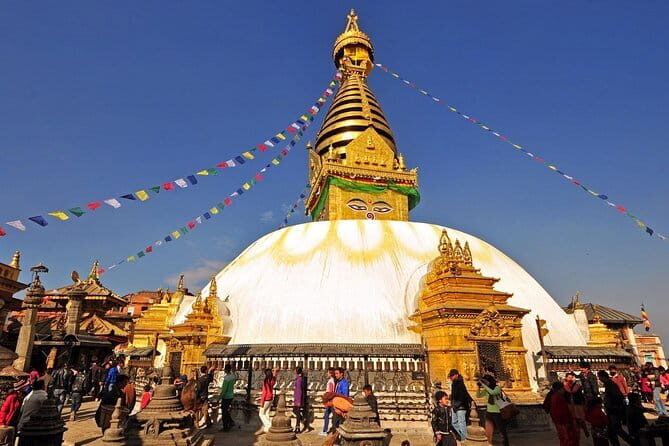
This Folklore and Everyday Life in Ancient Patan tour offers a genuine insight into how Nepal’s spiritual, artistic, and social fabric weave together in this historic city. The combination of knowledgeable guides, hidden sites, and rich stories makes it a value-packed experience, ideal for curious travelers seeking a more meaningful connection with Patan’s local life.
While it doesn’t cover Patan Durbar Square directly, the tour’s focus on small courtyards and faith sites gives you a different, often overlooked perspective—one that’s deeply rooted in local traditions and modern evolution. If you’re up for a thoughtful, well-rounded walk in Nepal’s ancient city, this tour is a great choice.
FAQ
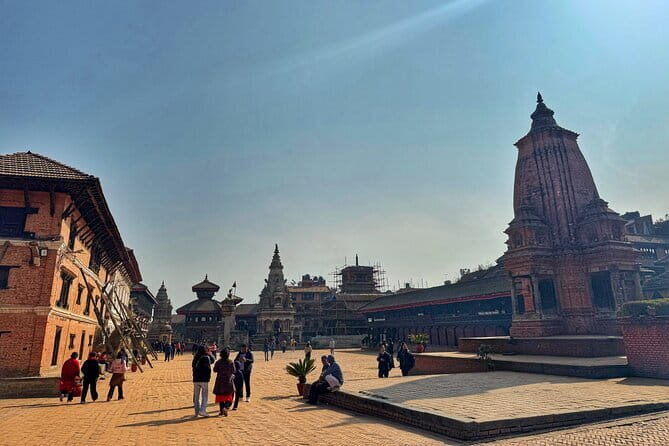
Does the tour include Patan Durbar Square?
No, it focuses on the old town around the main square but does not include the Durbar Square itself. You can visit the main square afterward independently.
How long does the tour last?
The tour lasts approximately 2 to 2.5 hours, making it a manageable and relaxed experience.
What is the price of the tour?
It costs $15 per person, which offers excellent value given the depth and authenticity of the experience.
Are site entrance fees included?
No, some sites like the monastery or Golden Temple have additional admission fees (e.g., NPR 100 for the monastery), which are paid separately.
Is it suitable for all travelers?
Yes, most travelers can participate, and the group size is limited to 10, ensuring a comfortable, personal experience.
Where does the tour start and end?
It begins at Patan Dhoka and ends at Swotha Square, close to Patan Durbar Square.
Is transportation provided?
No, the tour does not include pick-up or drop-off services; it’s a walking tour, so wear comfortable shoes.
Can I cancel if my plans change?
Yes, you can cancel free of charge up to 24 hours in advance for a full refund.
Would you recommend this tour?
Absolutely. It’s a fantastic way to see Patan beyond the main attractions and connect with local stories, faith, and architecture—great for curious travelers looking for an authentic experience.