Shirakawa-go is the famous stop, but this day trip gives you more than its steep-roofed farmhouses. You also visit Inami, where wood carving is part of the town’s everyday character, and quieter Ainokura, where you can make traditional paper.
I like the contrast between the three stops, and the way an English-speaking guide helps explain the crafts and buildings you might otherwise simply admire from the outside. Guides such as Andy, Daniel and Liam have been praised for clear explanations and warm, attentive care.
The day is long, and Shirakawa-go can be crowded. The paper-making workshop is brief, too, so think of it as a hands-on introduction rather than a full craft class.
- Inami’s carved streets: See woodwork displayed across a town known for its craft, then visit the 300-year-old Zuisenji temple.
- Ainokura’s quieter setting: Visit a smaller Gokayama village, take in its view from above and try washi paper making.
- A farmhouse in Shirakawa-go: Go inside one of the traditional homes to get a closer look at how it was built and used.
- Three distinct stops: The route joins local craft, a small mountain village and a well-known UNESCO World Heritage site.
- A full day from Kanazawa: Depart at 8:30 a.m. and return around 5:50 to 6:20 p.m., with transport and an English-speaking guide included.
- Three different sides of rural Japan
- Inami’s carved details and Zuisenji temple
- Ainokura: mountain houses and washi paper
- Shirakawa-go: inside a gassho-style farmhouse
- A guided day that saves a complicated journey
- What the price includes, and what it does not
- Prepare for mountain weather and a full schedule
- Should you book this Kanazawa day trip?
- FAQ
- Where does the tour depart from?
- What time does the tour leave and return?
- Is lunch included?
- Is the paper-making activity available year-round?
- Can I finish the tour in Takayama?
- What is included in the tour price?
- The Best Of Shirakawa!
- More Tours in Shirakawa
- More Tour Reviews in Shirakawa
Three different sides of rural Japan
This tour makes a satisfying day of the journey from Kanazawa to Shirakawa-go. Instead of spending the whole day at the best-known village, you also get time in Inami and Ainokura, two stops that offer a more local-scale look at the region’s crafts and village life.
The appeal is the variety. Inami brings you close to wood carving, Ainokura offers a quieter setting and a chance to make paper, and Shirakawa-go gives you the best-known collection of gassho-style houses. The guide ties those pieces together with explanations about the places and their traditions.
I see the tour’s biggest strength as the mix of guided context and free time. You get help understanding what you’re looking at, but there is also time to wander, take in the views and, at some stops, find a snack or meal. The trade-off is a tightly scheduled day with several hours on the road and limited time in each place.

👉 See our pick of the 11 Top-Rated Shirakawa Tours
Inami’s carved details and Zuisenji temple
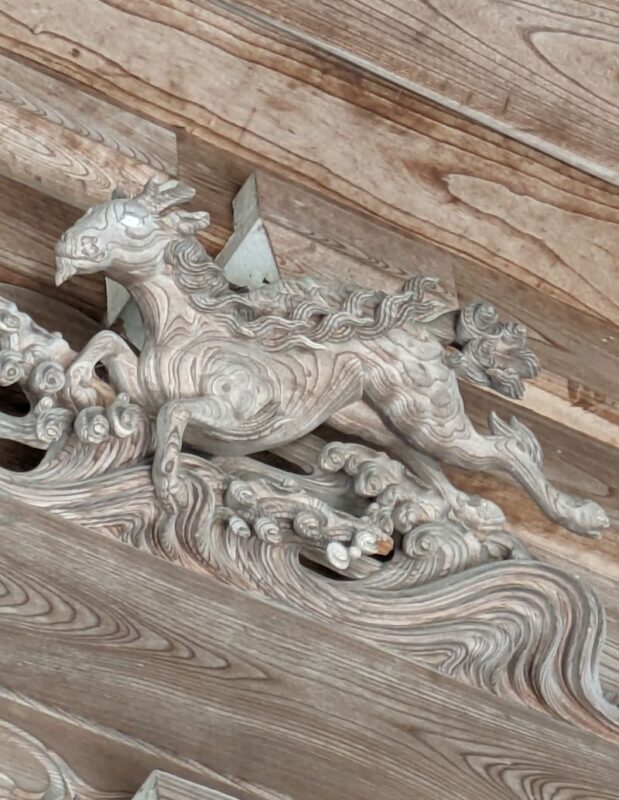
The first stop is Inami, reached at about 9:50 a.m. You have around 1 hour and 50 minutes here, including a guided walk along the main street. Look for carvings woven into the town’s appearance, not just displayed as objects in a shop. The craft tradition is the point of the visit, and the town is a chance to see how local skill shapes a place.
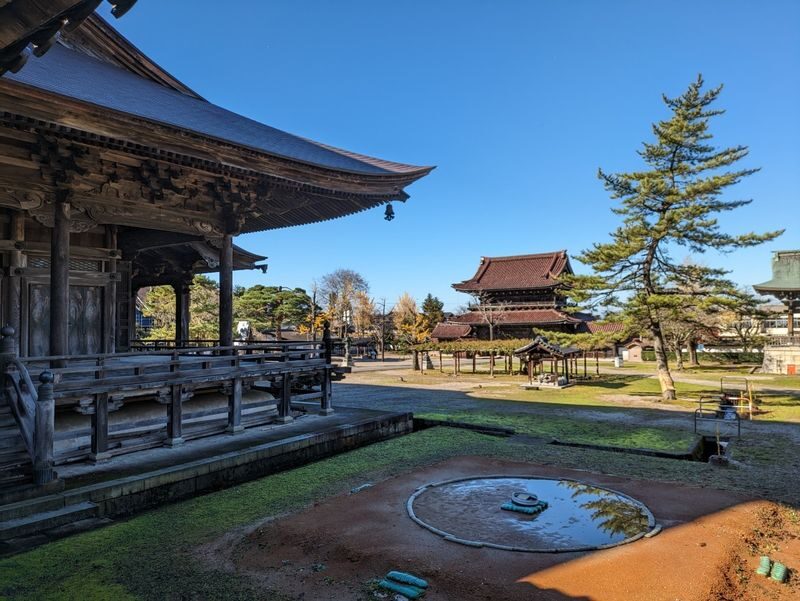
Zuisenji, a temple about 300 years old, is another reason this stop is more than a quick photo break. Its carved details give you a chance to look closely at the work of the area’s woodcarvers in a different setting. The temple has been described as one of Japan’s largest wooden temples, but the most useful thing to notice is the sheer care in its carved decoration.
There are playful details, too. Inami has wooden cats placed around town for a small cat-spotting hunt. It gives children a reason to look carefully, and it makes the walk feel less like a formal tour of craft exhibits. Some groups have also enjoyed small local treats, but these should not be counted on as a set part of the experience.
The stop is an unusual opener because Inami is less familiar than Shirakawa-go. If you’re mainly interested in dramatic mountain scenery, this town is not the visual high point. Its value lies in seeing a working craft tradition and understanding why the later farmhouse stops are part of a wider culture of local making.
You can also read our reviews of more tours and experiences in Shirakawa.


Ainokura: mountain houses and washi paper
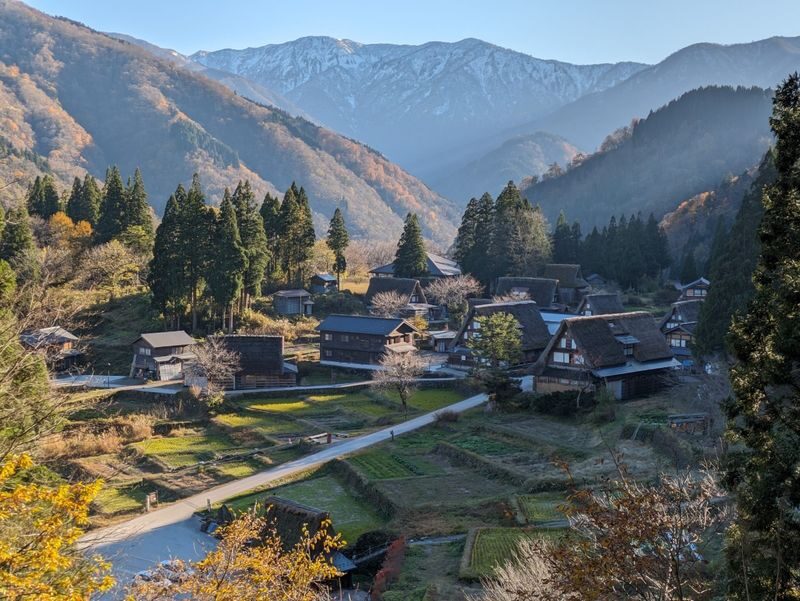
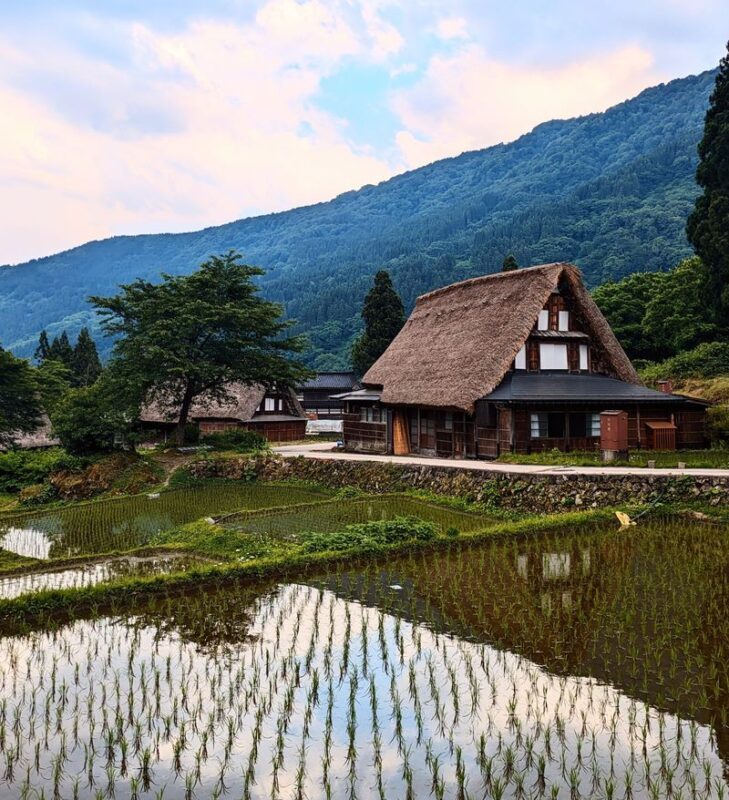
At about noon, the tour reaches Ainokura in Gokayama. You spend roughly 2 hours and 15 minutes here, with time for a panoramic viewpoint, the village and a paper-making activity. Ainokura shares the gassho-style architecture of Shirakawa-go, but it is smaller and quieter. That contrast is useful: you can appreciate the same broad building tradition without the larger crowds associated with the better-known village.
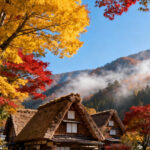
The viewpoint gives you a look across the settlement and its surroundings before you explore at ground level. The steep thatched roofs are designed to shed heavy snow, and the houses reflect the practical needs of mountain farming communities. Some buildings in the region are more than 250 years old, so the visit offers a glimpse of a way of life shaped by climate, materials and local work.
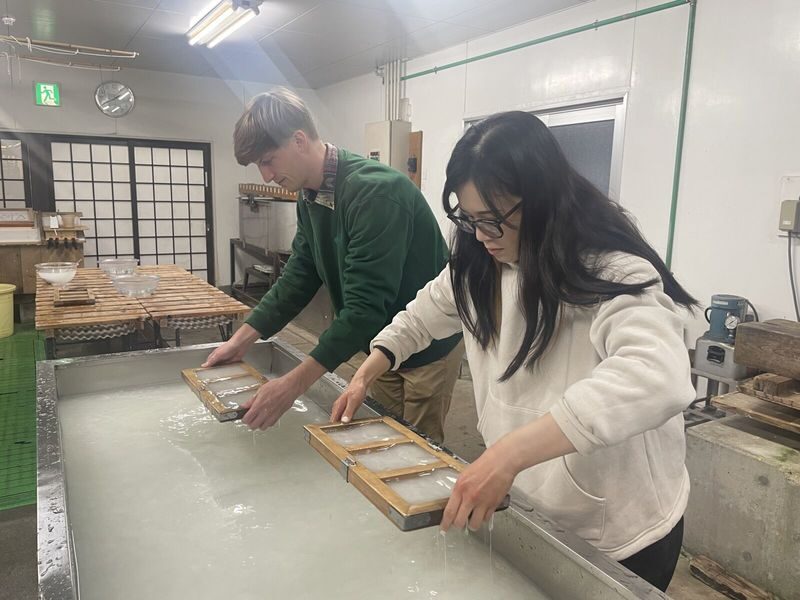
The washi paper activity is a hands-on change of pace. You get to try a traditional Japanese paper-making process rather than only hear about it. Expect an introduction, not a long workshop: the activity has been described as short, and you should not expect to gather fibers or complete every stage yourself. Still, making something by hand helps explain the care behind a craft that can otherwise feel abstract.
Ainokura is also where a little breathing room matters. You have time to look around, and there are places to eat in the area. Lunch is not included, so follow your guide’s advice and keep an eye on the clock. A visitor has singled out a soba and udon restaurant, but the tour does not promise a particular meal or restaurant.
The paper workshop is unavailable from December 28 through January 5. Inami and Gokayama shops also close around New Year, from December 28 through January 3, while Shirakawa-go is mostly open. If the craft stops are a main reason you’re booking, check your date carefully.
Shirakawa-go: inside a gassho-style farmhouse
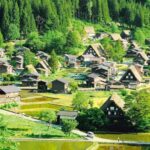
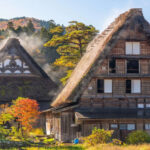
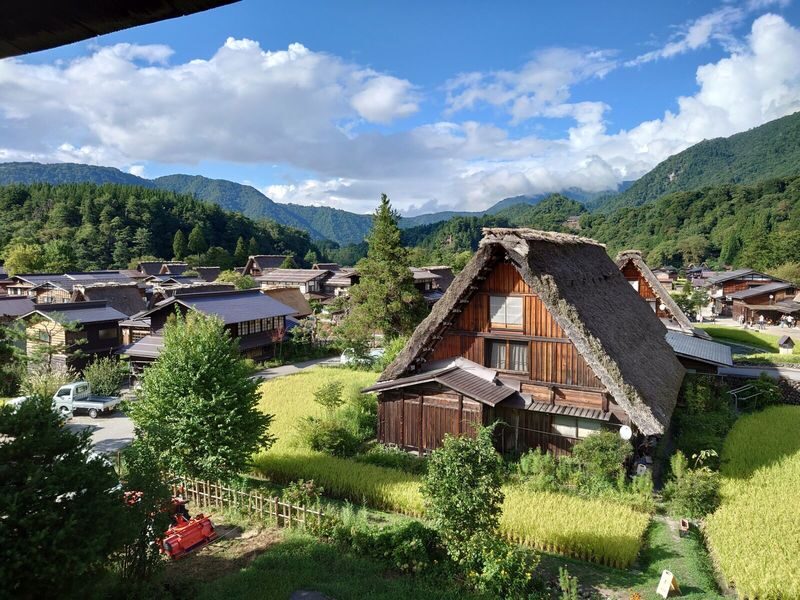
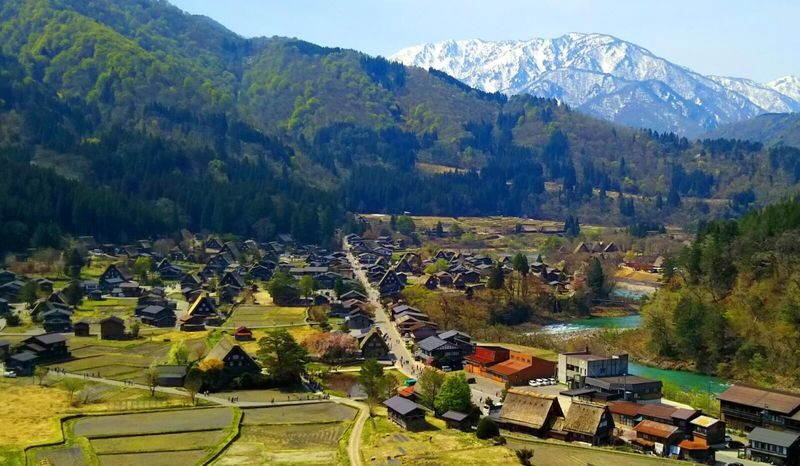
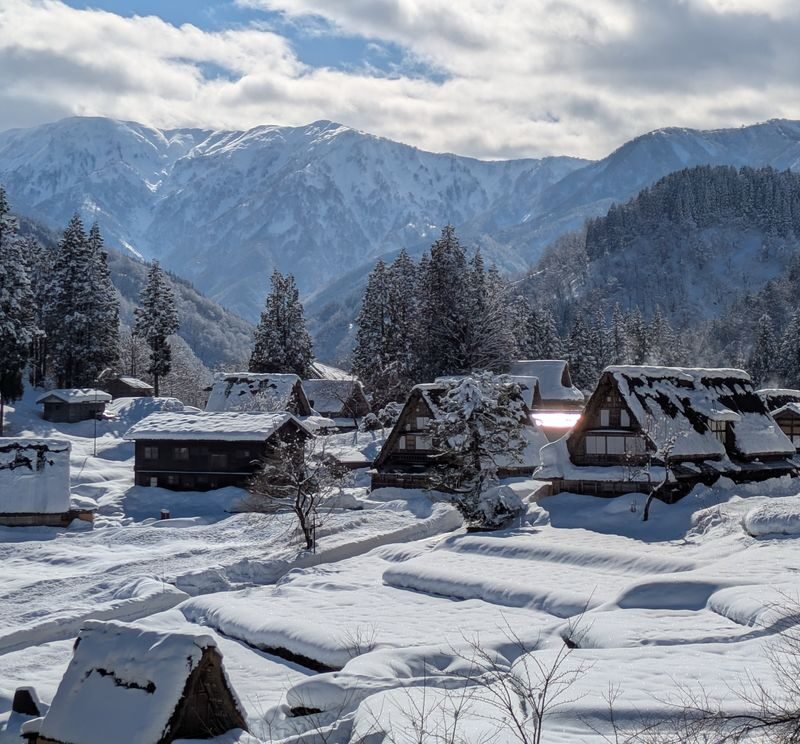
The final major stop is Shirakawa-go, scheduled for about 2:30 p.m. You have around two hours to explore. The village is a UNESCO World Heritage site and the most famous destination on the route, with gassho-style houses recognized for their steep, hands-shaped roofs. The buildings were designed for demanding mountain conditions, and some are centuries old.
A key part of the visit is entering one of the farm buildings. From outside, you can admire the roofline; inside, you get a closer sense of the structure and craftsmanship. The guide explains the homes and their history, helping you connect what you see to the communities that lived and worked here. Admission to attractions is included in the tour price.
The village can be busy, particularly compared with Ainokura. That difference is worth expecting rather than treating as a surprise: Shirakawa-go is the signature stop, and it draws more people. You’ll have time to explore, but not the freedom of an unstructured day. Make the most of the visit by following the guided introduction, then using your remaining time for the village and its views.
Some visitors head to the panoramic viewpoint for a broader view of the houses. The route description includes a village viewpoint at Ainokura, while the Shirakawa-go visit focuses on the village and a farmhouse. If a specific viewpoint is essential to you, ask the guide what is possible on the day rather than assuming it is part of the timed schedule.
A guided day that saves a complicated journey
The tour leaves from Kanazawa Station at 8:30 a.m. Meet outside the Shinkansen ticket gates, across the concourse and in front of the information center; look for the sumo wrestler cutouts. Arrive ten minutes early. Late arrivals and no-shows are not refundable, so allow time to find the meeting point.
Round-trip transport and an English-speaking guide are included. That matters here: the stops are spread across a rural mountain region, and arranging the same route independently can take more planning. A guide also adds context at places where signs or small museums may offer little explanation. Past guides have included Andy, Daniel, Liam, Mike and Emily, among others. Their clear storytelling and attention to the group are among the tour’s most consistently praised strengths.
The planned return to Kanazawa is between 5:50 and 6:20 p.m. Traffic and weather can shift the schedule, so avoid booking a tight onward connection that evening. There is also an option to finish at Takayama Station instead of returning to Kanazawa, which may suit an onward itinerary. That package starts at a higher price.
The vehicle may be a bus or a smaller van, and group size can vary. Some departures have been very small, while one visitor noted that a van could feel cramped with a larger group. You cannot count on getting a private tour, even if a small group happens to be booked on your date.
What the price includes, and what it does not
The Kanazawa round-trip option starts at US$176.99. That is not a bargain-basement bus fare, but it buys a full day of transport between three out-of-town stops, an English-speaking guide and admission to attractions. The price is easier to justify if you value having the route and explanations handled for you, especially if you would otherwise struggle to fit Inami, Ainokura and Shirakawa-go into one day.
Meals, drinks and personal expenses are not included. Budget for lunch and any purchases, and bring a little flexibility if you like browsing local craft shops. The Takayama finish option starts at US$192.15, a practical alternative if it matches your route better than returning to Kanazawa.
The activity has a 4.9 out of 5 rating from 27 reviews, and the operator, Snow Monkey Resorts, has a 97 percent good review rate across 888 reviews. Those figures are encouraging, but your experience will still depend on the weather, the group and the pace of the day. Rain has made the scenery feel less inviting for some, while snow can make the villages especially striking.

Prepare for mountain weather and a full schedule
Wear shoes with good grip, especially in winter. Snow and wet paths can make village walks slippery, and one winter visitor specifically recommends boots with traction. Check the forecast and dress for changing conditions rather than assuming the Kanazawa weather will match the mountain villages.
Keep your day bag simple. You’ll be getting on and off the vehicle several times, walking in village streets and making time for a craft activity. Bring money for lunch and personal purchases, and consider carrying a small snack if you prefer not to rely on finding food quickly during a short stop.
The tour is a good fit for families who want more than a scenic bus ride. Children can take part in paper making and look for the wooden cats in Inami. Children aged 13 and up are charged the adult rate; children from 0 to 5 can join free if they do not need their own seat.
Should you book this Kanazawa day trip?
Book it if you want to see Shirakawa-go while adding two less familiar stops that give the day more substance. Inami’s woodwork and Ainokura’s paper-making activity keep the trip from becoming a single-village visit, while the guide helps make sense of what you’re seeing. It is particularly useful if you do not have a car or prefer not to organize rural transport yourself.
Think twice if you want long, unhurried time in Shirakawa-go alone, or if you expect a detailed, multi-hour craft class. The schedule is full, Shirakawa-go can be crowded, and paper making is a short activity. If those limits suit you, the mix of craft, village life and classic farmhouse architecture makes this a strong way to spend a day from Kanazawa.
From Kanazawa: Shirakawa-go, Gokayama and Wood Carving Village
“Andy , our guide, was absolutely fantastic and very natural, felt like a friend rather than a guide. Very knowledgeable. Booked tour after individu…”
FAQ
Where does the tour depart from?
It departs from Kanazawa Station. Meet outside the Shinkansen ticket gates, across the concourse and in front of the information center, near the sumo wrestler cutouts.
What time does the tour leave and return?
Departure is at 8:30 a.m. The scheduled return to Kanazawa Station is between 5:50 and 6:20 p.m. Traffic and weather can change the timing.
Is lunch included?
No. Meals and beverages are not included, so plan to buy lunch during the day.
Is the paper-making activity available year-round?
No. Paper making is unavailable from December 28 through January 5. Inami and Gokayama shops also close around New Year, from December 28 through January 3.
Can I finish the tour in Takayama?
Yes. A package starts at Kanazawa Station and finishes at Takayama Station. It starts at US$192.15, compared with US$176.99 for the option that returns to Kanazawa.
What is included in the tour price?
The price includes round-trip transfers, an English-speaking guide and admission to attractions. Meals, beverages and personal expenses are not included.