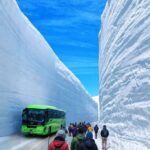
At 2,450 meters, Tateyama’s spring snow corridor can rise as high as 20 meters. This two-day trip pairs that startling wall of snow with the old streets of Takayama and Shirakawa-go’s steep-roofed farmhouses, a useful mix of alpine spectacle and traditional town life without arranging the transport yourself.
I like that you get time to walk around each place rather than only stepping off for a photo, and that the overnight stop breaks up a long circuit through central Japan. Guides such as Yumi, Tom and Toshi have earned praise for clear schedules and practical tips. The trade-off: this is a long bus tour with fixed stop times, and poor weather can change or cancel the Snow Wall visit.
- At a glance
- Three very different sides of central Japan
- Day 1: Takayama’s streets and Shirakawa-go’s roofs
- Day 2: Murodo and the Snow Wall
- What the guide and bus add
- Who should book this two-day route?
- Should you book it?
- FAQ
- How long is the tour?
- Which places does the tour visit?
- How much time do I get at each stop?
- Are meals included?
- What happens if bad weather closes the Tateyama toll road?
- Is the Snow Wall walk guaranteed?
- How much luggage can I bring?
- Is the tour wheelchair- and stroller-accessible?
- The Best Of Shirakawa!
- More 2-Day Experiences in Shirakawa
- More Tours in Shirakawa
- More Tour Reviews in Shirakawa
At a glance
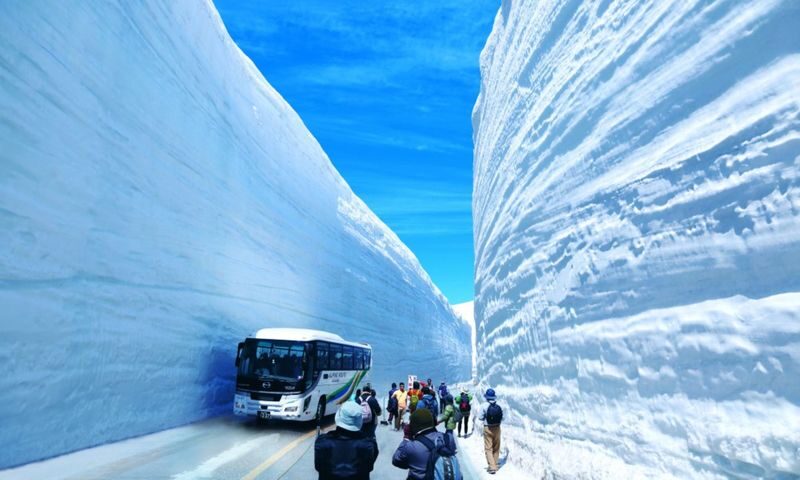
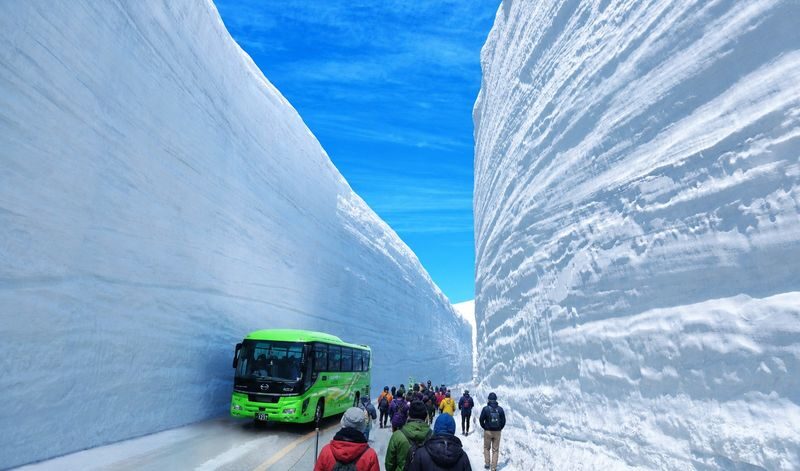
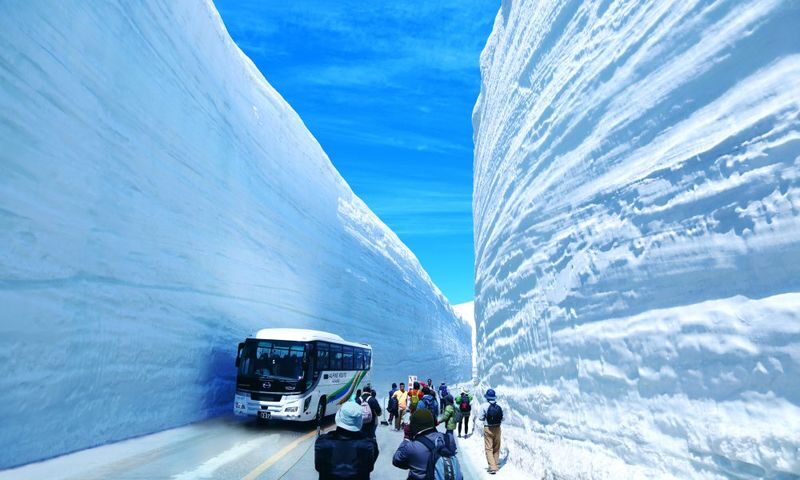
- Murodo’s spring snow corridor: Walk among snow walls that can reach about 20 meters high, weather and access permitting.
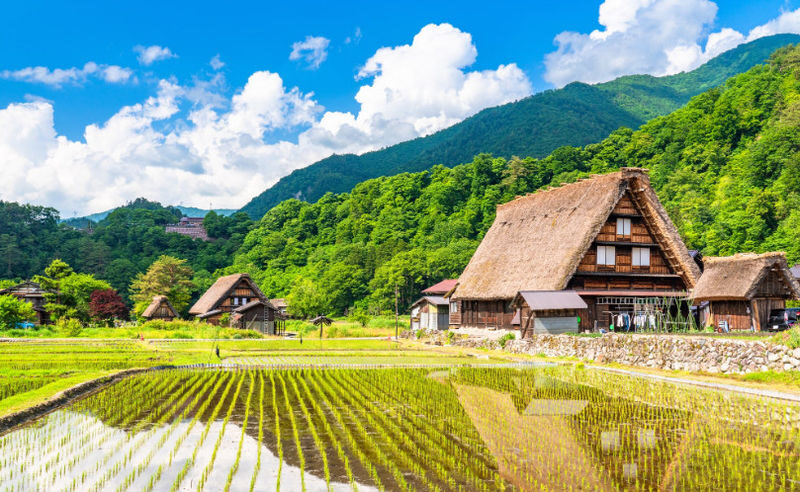
- Three contrasting stops: Explore Hida Takayama’s old town, Shirakawa-go’s UNESCO-listed village and the high plateau at Murodo.
- Two days by bus: Transport, one hotel night and breakfast are included, making the route simpler than arranging each leg independently.
- Free time, not a private guide: Your guide handles the group and logistics, while sightseeing in Takayama and Shirakawa-go is self-guided.
- A weather-dependent highlight: Bad conditions can mean a cable-car surcharge, a Kanazawa substitute, or no Snow Wall walk.
- Pack light and plan meals: Dinner is not included, and the schedule does not set aside a dedicated lunch stop on Day 2.

👉 See our pick of the 11 Top-Rated Shirakawa Tours
Three very different sides of central Japan
This tour is built around contrast. Takayama offers a preserved old-town setting, Shirakawa-go gives you a village of historic gassho-zukuri houses, and Tateyama swaps lanes and rooftops for high mountain snow. In two days, you get a broad introduction to the region without having to stitch together several transport connections.
That variety is also the reason to choose a group tour. The route covers substantial distance, and the second day includes access to a high-altitude area through a road that private cars cannot use. A bus, guide and prearranged hotel simplify the practical side. You give up the freedom to linger, though, and the group must keep to its schedule.
The tour costs from $289.25. For that price, the package includes round-trip bus transfers from the selected departure city, one night in a Toyama Prefecture hotel or similar, a guide, an English and Chinese video interpreter, and breakfast on Day 2. You pay separately for dinner, personal expenses and any cable-car charge required if weather closes the toll road.
The value depends on what you want. If you are trying to see all three places in a short visit, having transport and an overnight stay arranged can be worth more than the price of the bus seat alone. If you prefer long meals, quiet walks and a flexible pace, you may find the allotted time at each stop restrictive.
You can also read our reviews of more tours and experiences in Shirakawa
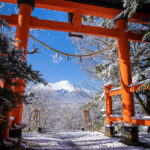
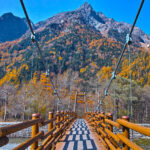
Day 1: Takayama’s streets and Shirakawa-go’s roofs
The day begins with an early departure at 7:40. The published Nagoya meeting point is the West Side Station Front Plaza at JR Nagoya Station, by the Taiko-dori Exit. The instructions say to look for a blue Wonder Tour flag near the former West Police Box and not to cross the road to Bic Camera. If you select an Osaka departure, check your voucher for its specific meeting details: the tour offers Osaka packages, but the precise instructions provided here are for Nagoya.
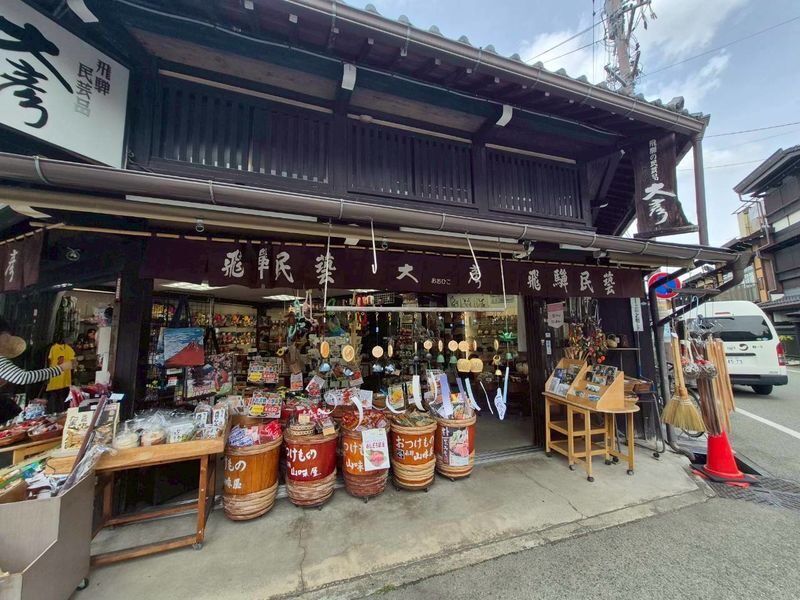
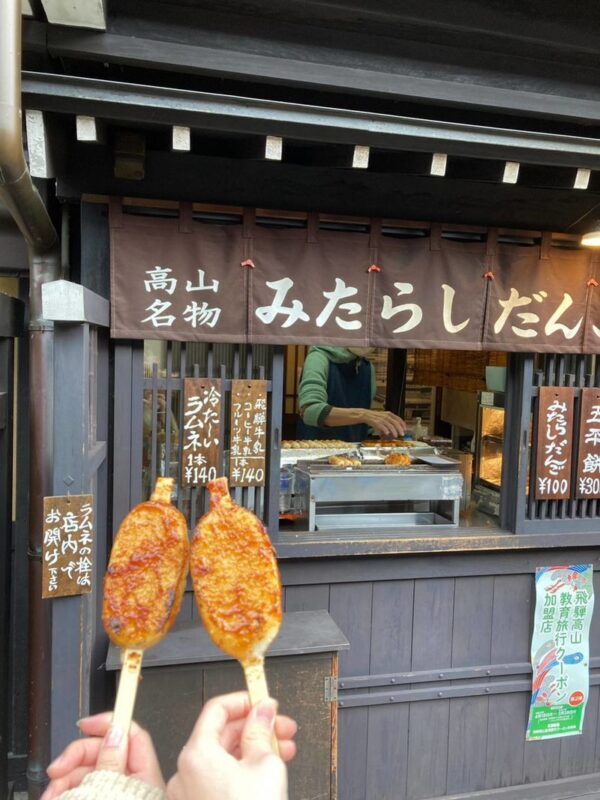
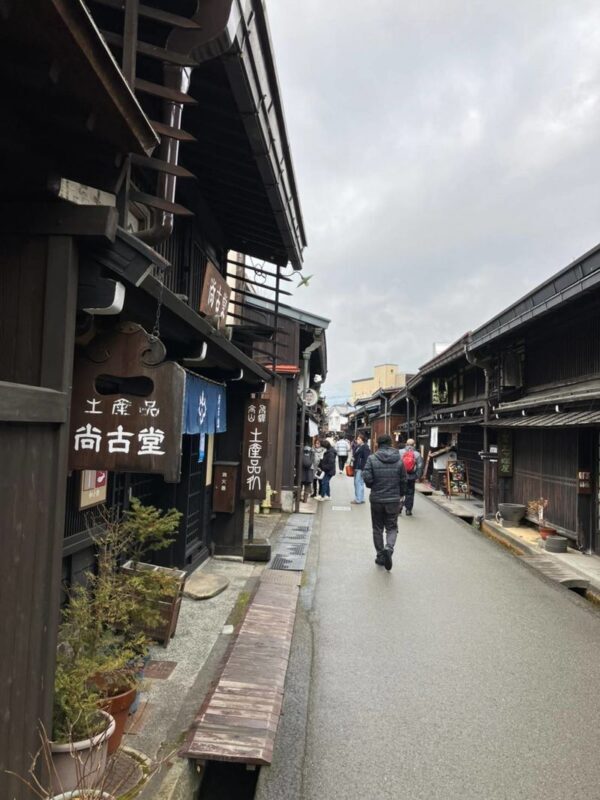
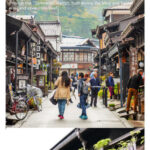
After the bus ride, you get about 1 hour and 40 minutes for Hida Takayama, beginning around 11:00. The old town is the draw: traditional streets and historic buildings give you a chance to wander at your own speed. This is free time rather than a guided walking tour, so use the guide’s directions to decide what to see before splitting off. You will need to watch the clock and leave room for getting back to the meeting point.
Takayama is also a sensible place to try a local meal or pick up snacks, but the schedule does not specify a meal stop or include lunch. Ask the guide for current suggestions, and avoid spending the full visit in a restaurant if you want time to explore. Guides have offered practical food recommendations and clear meeting instructions, which matter when the stop is short and the group must move together.
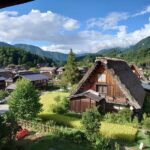
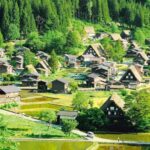
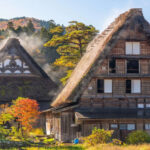
Around 14:00, the bus continues to Shirakawa-go. You have roughly 60 to 90 minutes to explore the World Heritage settlement, depending on the day’s conditions. The village is known for gassho-zukuri houses, some more than 250 years old, with steep roofs that help define its familiar rural profile. Walking among the buildings gives you a different view of Japan than the city stops many visitors make.
The time limit is the catch. If you want to take photos, browse and eat, an hour or so can pass quickly. Keep the walk focused, and follow the guide’s directions about where to meet and when to return. You can enjoy the village’s setting and architecture, but this stop is not long enough for a leisurely visit to every corner.
The bus heads to your hotel around 16:30. Accommodation is arranged according to availability, so the property may be the named hotel or a similar one. The package options include rooms shared by two or three people, as well as a single-room option. The exact room setup can vary; even people travelling together may be assigned separate single rooms. Some stays have included an onsen, but the hotel is not fixed, so treat that as a possible bonus rather than a promise.
Dinner is not included. You’ll want to sort it out near the hotel or buy something earlier, especially if you have dietary needs or prefer not to hunt for food after a long day. The hotel location and size can vary too. Pack a soft-sided or smaller bag if possible: a 28-inch suitcase may be awkward in a compact room, and the stated allowance is one standard-size piece of luggage, about 24 inches.
Day 2: Murodo and the Snow Wall
Breakfast is included before the group leaves the hotel, with departure around 7:45. The bus takes you toward Murodo, the plateau in the Tateyama area, at an elevation of 2,450 meters. The direct bus route uses the Tateyama toll road, which private cars cannot enter. That access is a major convenience: you avoid planning the mountain transfer yourself, while the group travels together to the main attraction.
Around midday, you get about 100 to 120 minutes at Murodo for the Snow Wall walk. In spring, the route can pass between towering banks of snow, sometimes close to 20 meters high. It is the trip’s signature sight, and the scale is hard to grasp from a photograph. You can walk, take pictures and enjoy the alpine air, but this is a short visit, not a full day on the mountain.
The time can feel especially tight if the area is crowded or you want lunch. There is no lunch included, and no dedicated lunch stop appears in the schedule. Guides have advised people to buy food in advance rather than count on a quick restaurant meal at Murodo, where lines may take time. I’d bring something easy to carry and eat, then use the available hours for the walk and views.
Weather governs the day. If the toll road is inaccessible, the operator may use a cable car to reach Murodo, with an additional charge of about JPY 5,000 to 7,000 per person. If adverse weather makes the mountain inaccessible, the plan may change to Kanazawa city sights such as Kanazawa Castle Town, Higashi Chayagai and Omicho Market, with a JPY 1,000 refund per person. Even when the area is reached, the Snow Wall walk may be cut because of conditions, with no refund for that change.
Those are meaningful limits, not fine print to ignore. You are paying for a chance to see the Snow Wall, not a guarantee that the weather will cooperate. Some trips have had clear skies; others have faced snow, fog or access problems. If the wall is the only reason you are booking, be sure you are comfortable with that uncertainty.
The return to Nagoya is scheduled for 18:30, but traffic and weather can shift the timetable. The drive is long, with rest stops along the way. One guide’s practical approach has been to use a WhatsApp group to send maps, reminders and recommendations; guides vary, but the reviews repeatedly praise careful timing, helpful instructions and attentive drivers. Don’t plan a tight onward connection for the evening.
What the guide and bus add
The guide is less a constant lecturer than the person who keeps a complicated two-day route workable. You can expect instructions at each stop, help with meeting points and, depending on the guide, suggestions for food and what to see. Names mentioned on recent departures include Yumi, Tom, Toshi and Yukari. The assigned guide will vary, and language ability can vary too.
The tour lists English, Chinese and Japanese-speaking guides, plus an English and Chinese video interpreter. Some guides have communicated through WhatsApp, maps or translation tools. If polished spoken English or Chinese is essential for you, treat the language support as a practical aid rather than a guarantee of fluent conversation with every guide.
The bus matters just as much. You spend long stretches on the road, but stops for toilets and rest breaks help break up the ride. You avoid the work of connecting between Takayama, Shirakawa-go, Toyama and the Tateyama area, and the driver handles the mountain approach. On the other hand, bus time is still bus time: bring water, snacks and something to occupy you between destinations.
Who should book this two-day route?
This trip suits first-time visitors to central Japan who want to see several major sights in a short window, especially anyone keen on the spring Snow Wall. It also works well if you do not want to coordinate intercity transport or secure a hotel on your own. Families can bring children, but infants aged zero to two travel without their own bus seat unless booked as a three-year-old. Children aged six and older pay the adult rate.
It is less suited to anyone who needs a wheelchair or stroller, as the tour is not accessible for either. The activity is not recommended for people with disabilities. There is also a minimum group size of 15; if the minimum is not met, the operator says it will notify you 14 days before departure and issue a full refund.
Before booking, check the selected departure city, the room option and the weather terms. The detailed meeting instructions are for Nagoya, while the tour also has Osaka departures and the activity details mention Higashi-Umeda Station. Use the meeting point shown for your chosen package and confirm it in your voucher. The voucher is valid only on its selected date and time, and late arrivals or no-shows are not refundable.

Should you book it?
Book this tour if you value a straightforward way to combine Takayama, Shirakawa-go and Tateyama’s spring snow corridor in two days. The strongest reasons are the unusual mountain access, the overnight break and the chance to see three distinct places without arranging a string of transfers.
Skip it if you want long, unhurried visits or need certainty that the Snow Wall will be open. The schedule is fixed, meals beyond breakfast are on you, and weather can change the main event. If those terms suit you, pack light, bring food for the mountain day and leave room in your plans for a late return.
Shirakawago&HidaTakayama&Tateyama 2 Days Trip from Osaka/Nagoya
“The tour guide's explanations were very detailed, and the driver was very polite. Overall, the itinerary and accommodations were arranged perfectly…”
FAQ
How long is the tour?
It is a two-day, one-night trip. The schedule runs from a 7:40 departure on Day 1 to a planned 18:30 return on Day 2, with changes possible due to traffic or weather.
Which places does the tour visit?
The planned stops are Hida Takayama, Shirakawa-go and Murodo in the Tateyama area.
How much time do I get at each stop?
The schedule gives about 1 hour and 40 minutes in Takayama, 60 to 90 minutes in Shirakawa-go, and 100 to 120 minutes at Murodo. Conditions on the day may affect the timing.
Are meals included?
Breakfast on Day 2 is included. Dinner and other personal expenses are not included, and the schedule does not list a dedicated lunch stop on Day 2.
What happens if bad weather closes the Tateyama toll road?
The tour may use a cable car to reach Murodo, at an extra charge of about JPY 5,000 to 7,000 per person. If the mountain cannot be reached, the schedule may switch to sightseeing in Kanazawa, with a JPY 1,000 refund per person.
Is the Snow Wall walk guaranteed?
No. Adverse weather can prevent access or cause the Snow Wall walk to be cut. No refund is made if the walk itself is cut.
How much luggage can I bring?
The stated allowance is one standard-size piece of luggage, approximately 24 inches.
Is the tour wheelchair- and stroller-accessible?
No. The activity is not wheelchair- or stroller-accessible.