- Discover Bariloche’s German Footprint & Nazi Presence: A Walking Tour of History
- Key Points
- An In-Depth Look at the German Footprint & Nazi Presence Tour
- Setting the Scene: What Makes This Tour Special?
- The Itinerary: A Step-by-Step Breakdown
- The Guides: Knowledge That Enhances the Experience
- Practical Details: What You Need to Know
- Authenticity and Authentic Experiences
- The Value for Travelers
- Who Should Take This Tour?
- FAQ About the Tour
- Final Thoughts
- References
- More Walking Tours in Bariloche
- More Tours in Bariloche
- More Tour Reviews in Bariloche
Discover Bariloche’s German Footprint & Nazi Presence: A Walking Tour of History
If you’re headed to San Carlos de Bariloche, famous for its stunning Swiss-style architecture and snow-capped slopes, you might also want to explore the lesser-known side of its history. This 1 hour 30 minutes small-group walking tour takes you through the historic center, focusing on the German-speaking immigrants who arrived before and after World War II—and the controversial presence of Nazi fugitives that has stirred curiosity and debate for decades. Led by passionate guides, this experience costs around $41 per person and offers a compact yet deep dive into a complex part of Argentine history.
What we love about this tour is how it balances fascinating facts with personal stories, making history feel alive and relevant. The stops at Centro Civico and Plaza Belgrano are more than just sightseeing—they’re windows into the community’s roots and the waves of migration that shaped the town. Plus, the small group size ensures you get more attention from your guide and plenty of opportunities to ask questions.
One thing to consider is that the tour involves walking through uphill streets, which might be a challenge for some travelers with mobility issues. Also, since it’s a walking tour, noisy streets or larger crowds could make it harder to hear the guide at times. But overall, this tour is perfect for history buffs, anyone interested in immigration stories, or travelers seeking a meaningful context behind Bariloche’s beautiful scenery.
If you enjoy learning about hidden histories and are comfortable walking for about an hour and a half, this tour will give you a new perspective on this mountain town—beyond the ski slopes and chalets.
Key Points
- Authentic insight into German migration and post-WWII fugitives in Bariloche.
- Small-group format enhances interaction and personalized attention.
- Visiting historic sites like Centro Civico and Plaza Belgrano offers visual context.
- Guides are highly praised for their knowledge, storytelling, and clarity.
- Uphill walking may be a consideration for some, but it contributes to the authentic neighborhood experience.
- The tour’s value lies in combining history, culture, and local architecture in a manageable timeframe and budget.
You can also read our reviews of more walking tours in Bariloche
An In-Depth Look at the German Footprint & Nazi Presence Tour
Setting the Scene: What Makes This Tour Special?
Bariloche’s postcard-perfect scenery often overshadows the layers of history beneath. This tour shines a light on how German-speaking immigrants arrived in the late 1800s, establishing roots that influence the town’s architecture and cultural feel. More controversially, it explores the stories of Nazis who fled Europe and settled in this remote corner of Argentina, fueling rumors and conspiracy theories about Hitler’s possible escape.
What sets this tour apart is its focus on lesser-known stories that add depth to your visit. It’s not just about sightseeing; it’s about understanding how history shaped the community. The guide’s expertise and storytelling skills turn what could be dry facts into engaging narratives.
The Itinerary: A Step-by-Step Breakdown
Stop 1: Centro Civico
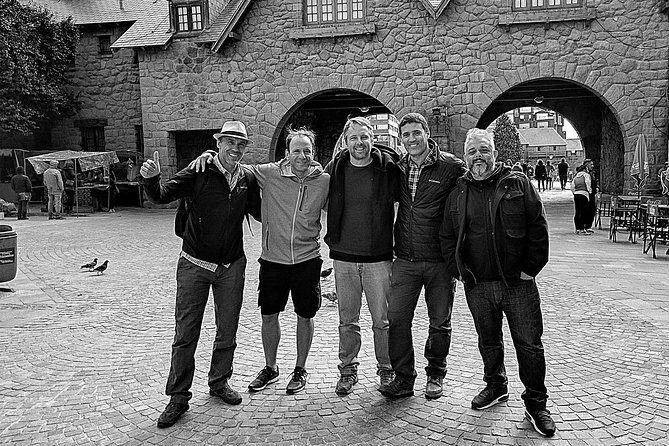
Your journey begins at Centro Civico, the town’s iconic square. Here, you’ll learn about the founding of Bariloche and its early German-speaking settlers. The guide explains how immigration shaped the town’s architecture and cultural identity. Interestingly, this spot is free to visit, making it a perfect starting point.
According to multiple reviews, visitors appreciated how this stop set the tone for the tour, with one saying, “Very entertaining and interesting tour into the history of German migration into Bariloche, including a stop and some details on some milestone buildings.”
Stop 2: Club Andino Bariloche (CAB)
Next, outside the historic building of Club Andino Bariloche, the tour discusses the community’s German heritage and the influence of European immigrants on outdoor sports and recreation. This site isn’t included in the admission fee, but the outside view reveals a building that’s part of the town’s social fabric.
Travelers noted that this stop helped connect the cultural dots between the town’s development and European roots. One reviewer mentioned that the guide’s knowledge made the history come alive.
Stop 3: Primo Capraro Institute
Here, the tour pauses outside the Primo Capraro Institute, a building linked to a milestone in German influence. The guide details how this institution marked a turning point in the integration of German customs and education in Bariloche, further cementing the German presence.
This site’s historical significance is appreciated by those wanting a deeper understanding of the community’s evolution. It’s a key spot for photo opportunities and pondering the cultural mosaic.
Stop 4: Plaza Belgrano
Finally, you’ll stroll through Plaza Belgrano, the heart of the German neighborhood. This 30-minute segment is packed with houses and sites related to German and Nazi influence. The guide highlights specific homes linked to Nazi fugitives and discusses the controversy and myths surrounding this part of the town.
Visitors say this is the most thought-provoking part of the tour, with one remarking, “A fascinating window into an interesting and controversial aspect of history in Bariloche.” The walking here is a bit uphill, so comfort with stairs or inclines is useful.
The Guides: Knowledge That Enhances the Experience
Multiple reviewers emphasized the quality and expertise of the guides, especially mentioning Diego (or Federico in some reviews). They describe guides as passionate storytellers who can answer questions and make complex history accessible. That’s crucial for such a nuanced topic—people want context, not just dates.

Practical Details: What You Need to Know
- Meeting Point: Secretaría de Turismo, on Libertad 56, close to public transportation.
- Duration: About 1 hour 30 minutes, walking mostly on city streets.
- Group Size: Small groups mean more interaction and better chances to ask questions.
- Price: At $41, it offers good value, especially considering the expert guides and exclusive site visits.
- Accessibility: Expect uphill walking, which might be a consideration for some.
Authenticity and Authentic Experiences
This tour doesn’t sugarcoat the complicated history but presents it with respect and factual storytelling. Reviewers highlight that the guides tell things as they are, providing a balanced view of immigration, cultural influence, and the darker chapters involving Nazi escapees. The stories are supported by historic sites, giving you visual cues to the history.
The Value for Travelers
Given the cost and the depth of information, this tour is particularly valuable for those interested in immigration history, European influence, or the myths and truths about Nazi fugitives in Argentina. It’s a focused, engaging way to learn about Bariloche’s complex past in a manageable timeframe.
Who Should Take This Tour?
This experience is ideal for history enthusiasts and curious travelers who enjoy stories that challenge simple narratives. It’s perfect for those who want a deeper understanding of Bariloche’s origins beyond scenic photos. If you’re comfortable walking uphill and like guided discussions, you’ll find this tour both informative and engaging.
It’s also a good choice for small groups seeking a personalized experience, as reviews praise the guides’ knowledge, storytelling, and ability to answer questions thoroughly. If you’re traveling with family members who are interested in cultural history or European migration, this tour offers a meaningful perspective.
FAQ About the Tour
Is the tour suitable for all ages?
Most travelers can participate, but keep in mind that walking involves some uphill sections. It’s best suited for those who are comfortable with light walking and stairs.
How long does the tour last?
Approximately 1 hour 30 minutes, covering several historic sites and neighborhoods in central Bariloche.
What is the price?
It costs about $41 per person, which is a reasonable price considering the expert guides and the historical sites visited.
Are tickets included for the sites?
Admission is free at Centro Civico, but other sites like Club Andino and Primo Capraro Institute are outside and their admission fees are not included.
What language is the tour conducted in?
The reviews mention guides speaking English clearly, making it accessible for international travelers.
Can I cancel or change the tour?
The tour is non-refundable and cannot be changed once booked. Be sure of your schedule before reserving.
Final Thoughts
This walking tour offers a thoughtful exploration of Bariloche’s German influence and Nazi-related history—a side of the town many visitors overlook. The knowledgeable guides, well-chosen sites, and balanced storytelling make it a compelling experience for anyone interested in the cultural fabric of this South American mountain town.
The tour’s value lies in providing context to the charming scenery—transforming your visit from a postcard snapshot into a story about migration, community, and the shadows of history. It’s an excellent choice for history lovers and curious travelers eager to understand the complex layers that make Bariloche more than just a winter paradise.
Whether you’re a seasoned historian or just intrigued by stories of European migration and fugitives, this experience offers insightful, authentic, and well-presented content that enriches any trip to Argentina’s lake district.
German Footprint & Nazi presence – Walking Tour in Bariloche