
At Ghibli Park, the films do not sit behind glass in one museum. Their worlds are spread across the broad grounds of Expo 2005 Aichi Commemorative Park, where you walk between themed areas and encounter familiar buildings, displays, and figures along the way. The Grand Warehouse is the most substantial indoor stop, while the outdoor areas reward a slower pace.
I like the contrast between the Warehouse’s detailed displays and the storybook streets of the Valley of Witches. I also like that the Standard pass gives you three distinct areas for a starting price of $22.95. The trade-off: the grounds are large, the day is short, and several popular interiors or activities require extra tickets.
- At a glance: what the Standard pass covers
- The Grand Warehouse sets the pace
- Mononoke Village: a quieter change of scene
- Valley of Witches: buildings worth slowing down for
- Two areas that need a different ticket
- What the price buys, and what it does not
- Give the park more time than the map suggests
- Getting there and making the ticket work
- Who will get the most from Ghibli Park?
- Should you book this Ghibli Park ticket?
- FAQ
- What areas are included in the Standard day pass?
- Do I need to choose an entry time?
- Can I enter Howl’s Castle with the Standard pass?
- How do I get to Ghibli Park by train?
- Is Ghibli Park open every day?
- Can I bring a large suitcase into the park?
- More Tours in Aichi
- More Tour Reviews in Aichi
At a glance: what the Standard pass covers
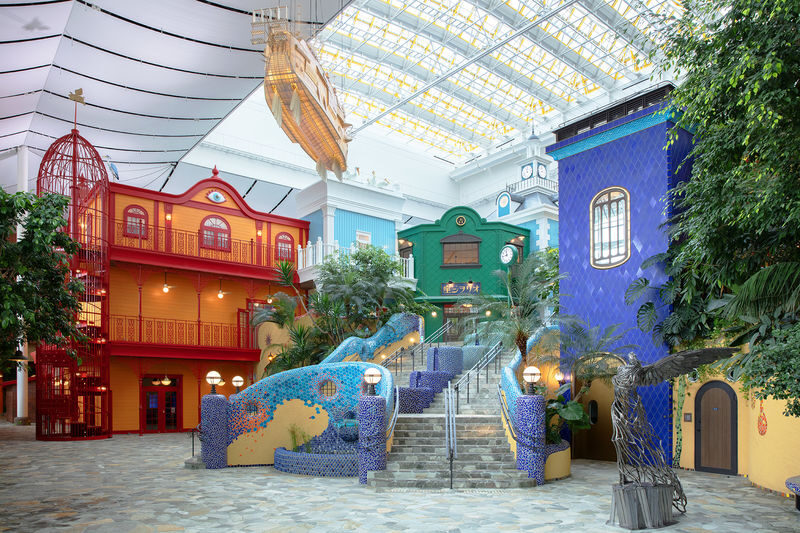
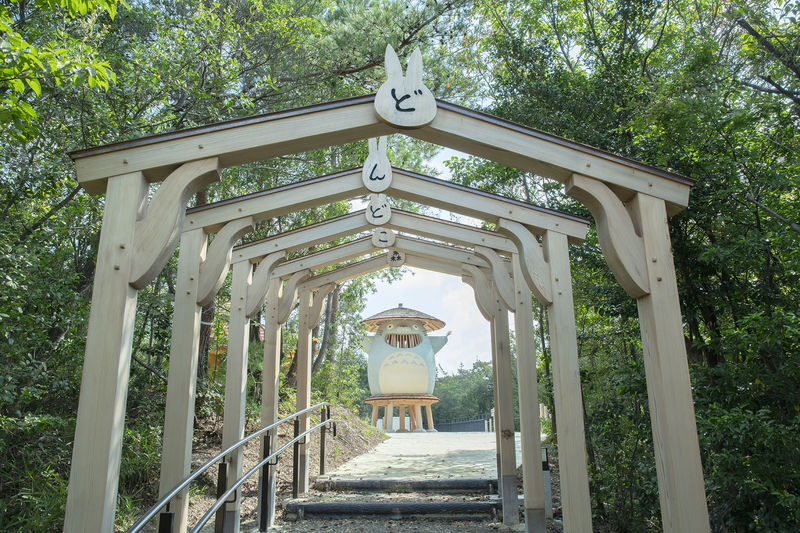
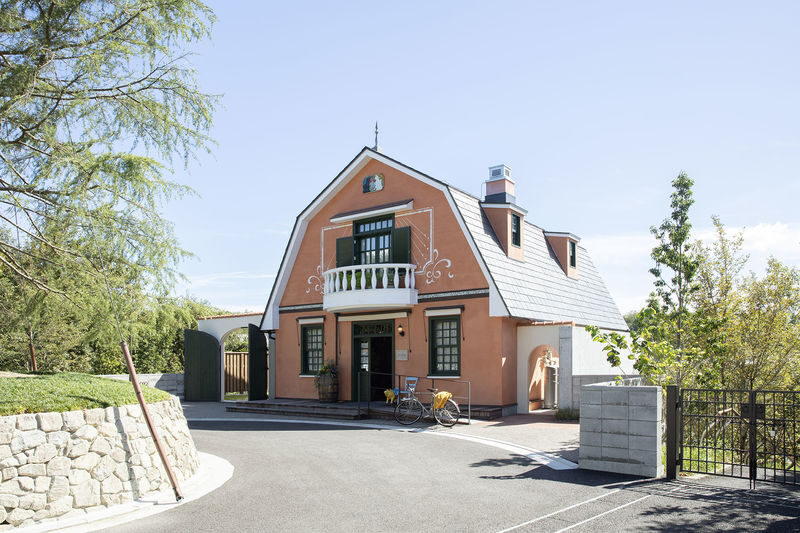
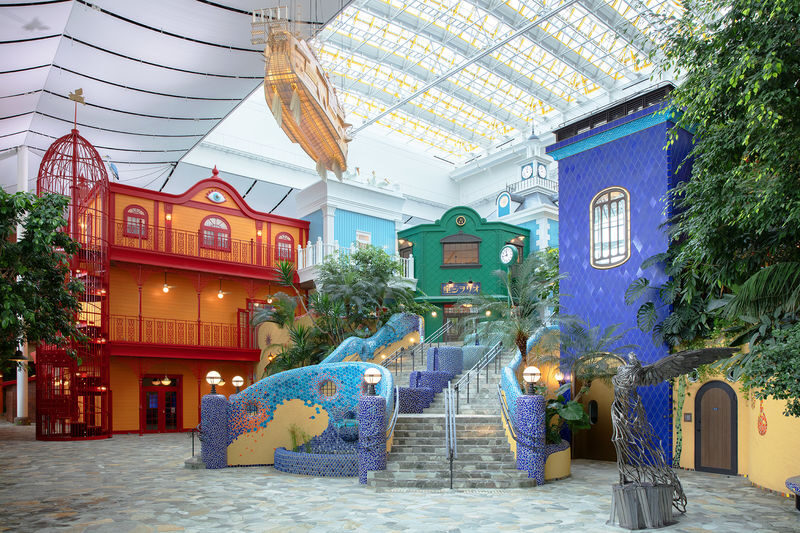
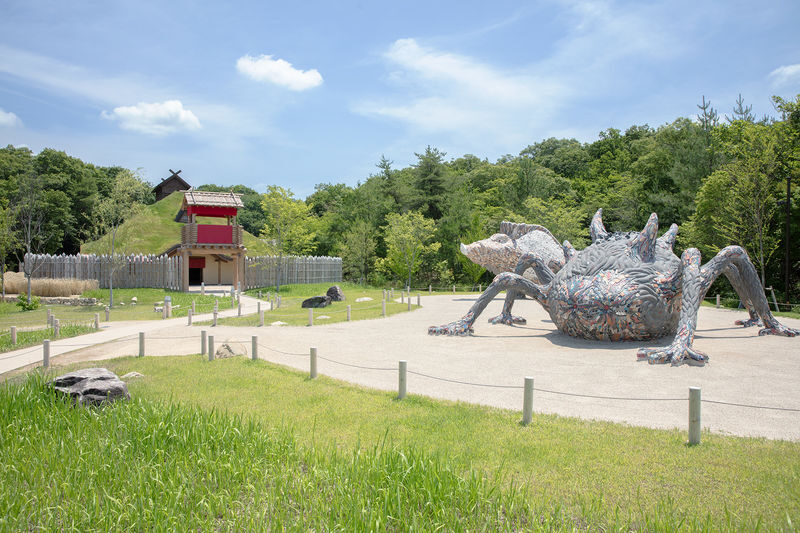
- Grand Warehouse: Indoor exhibits, play areas, production materials, a café, and a gift shop. You must choose a timed entry when booking.
- Mononoke Village: A village setting inspired by Princess Mononoke, with sculptures of the Demon Spirit and Lord Okkoto.
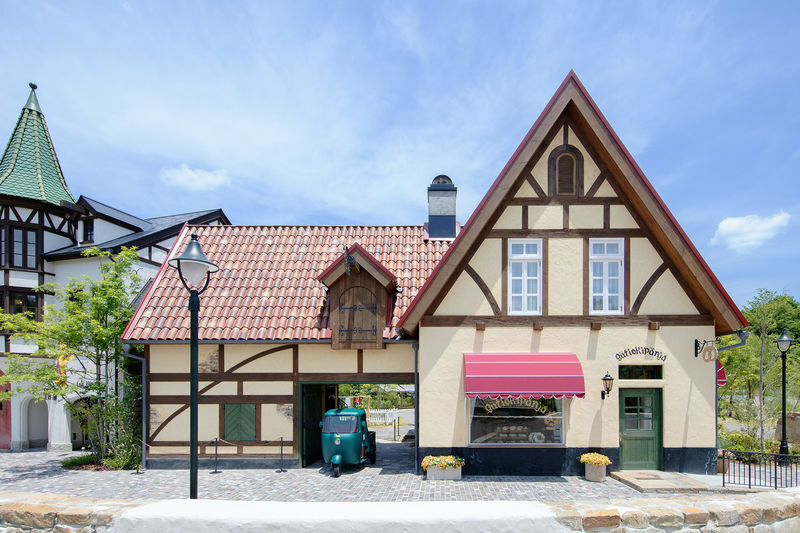
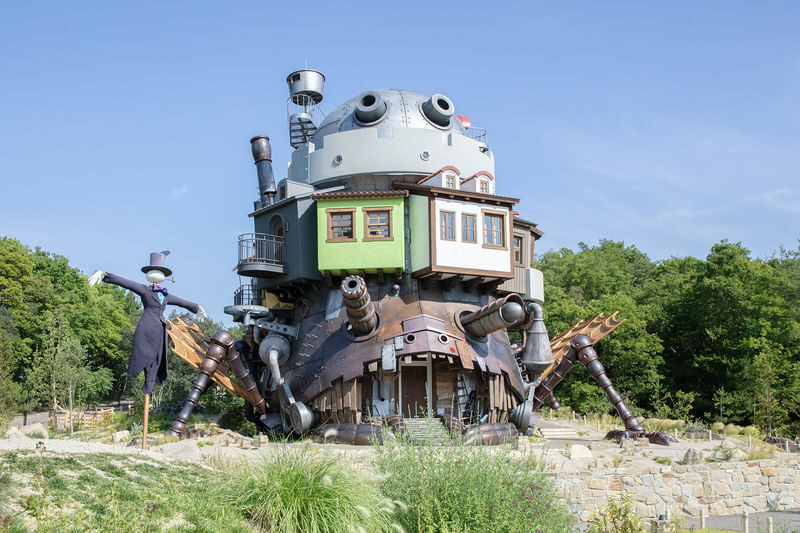
- Valley of Witches: European-style streets and buildings connected to Kiki’s Delivery Service, Howl’s Moving Castle, and Earwig and the Witch.
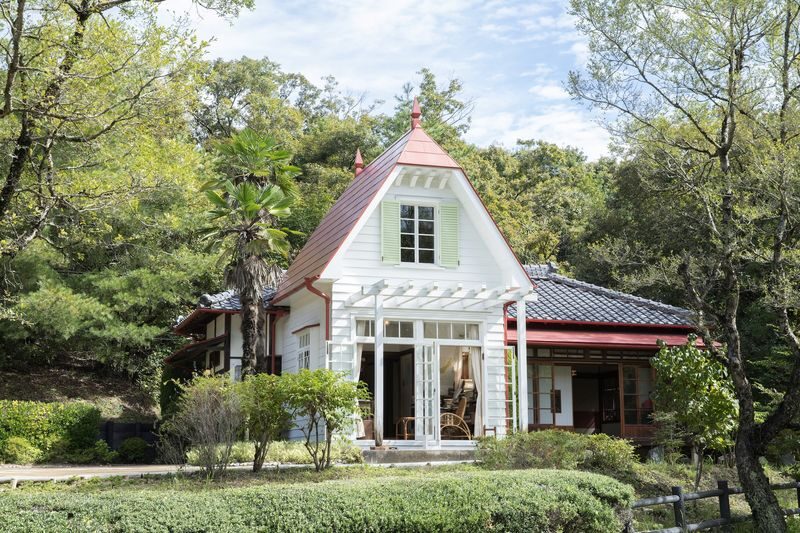
- Not included: Hill of Youth and Dondoko Forest, including Satsuki and Mei’s house.
- Extra costs: Some house interiors, workshops, and rides need separate tickets or fees.
- Plan for walking: The areas are spread across a large public park. Comfortable shoes and a realistic schedule matter.
The Grand Warehouse sets the pace
The Grand Warehouse is the only area on this pass with a fixed entry time, so build your day around it. You choose a 10:00 or 14:00 slot when booking. You cannot enter early, and you must go in within one hour of your reserved time. If your slot is 14:00, for example, the entry window runs until 15:00.
Once inside, allow more time than a quick photo stop. The Warehouse is a large indoor space with displays, play areas, production materials, a café, and a gift shop. It brings together a broad range of Ghibli references, making it the place where fans can linger over details rather than simply tick off a single set.
Popular photo scenes can create queues. The central red exhibition hall, including the Spirited Away train scene, is a particular draw. A useful approach is to see other parts of the Warehouse first and return to the photo spot later, when the line may have eased. Some visitors have also found that arriving partway into the one-hour entry window can mean a shorter wait at the door, but do not cut it close: entry is not allowed after that window.
An afternoon slot can work well if you want to see outdoor areas first. But the park closes early by theme-park standards, generally at 17:00, so a late Warehouse entry leaves less time for the rest. If you want a less rushed day, choose the earliest available slot and keep an eye on the clock.
You can also read our reviews of more tours and experiences in Aichi.
Mononoke Village: a quieter change of scene
Mononoke Village draws on the Emishi village setting from Princess Mononoke. Its appeal is more about place and atmosphere than a long list of attractions. You can walk among the village buildings and see the Demon Spirit and Lord Okkoto sculptures, then visit Tatara-ba, the learning center.
Some activities at Tatara-ba, including interactive workshops, cost extra. Lord Okkoto may be unavailable in rain, so do not make that sculpture the sole reason for crossing the park. This area has no assigned entry time, but plan to arrive with your whole party during the permitted entry period. The stated final entry is 16:30, with instructions to enter by 16:00; arriving earlier gives you a safer margin.
Mononoke Village is one of the three areas included in the Standard pass, but not every activity within it is included. If you want to join a workshop, check the cost and availability before you commit time to the queue.
Valley of Witches: buildings worth slowing down for
The Valley of Witches turns several Ghibli stories into an outdoor town. Its European-style streets bring together buildings associated with Kiki’s Delivery Service, Howl’s Moving Castle, and Earwig and the Witch. The most recognizable stops include Guchokipanya Bakery, Howl’s Castle, and the House of Witches.
The buildings are a major part of the visit, but the Standard pass does not automatically include every interior. Same-day tickets for Okino Residence, Howl’s Castle, and the House of Witches are sold in the Valley of Witches, in limited quantities, and sales stop when they sell out. If a particular house matters to you, go early and ask where its ticket is sold rather than assuming you can decide at the end of the day.
The Carousel and Flying Machine also require extra payment. Both may be unavailable in rain. The Valley is the one area where re-entry is permitted, which can help if you want to return after visiting another part of the park. Still, account for the walking time between areas and the closing schedule.
There is a practical choice here: enjoy the exteriors and spend more time in the included areas, or budget extra for one or more interiors and activities. The buildings can be highly detailed, but those add-ons make it worth checking your likely total before you book.
Two areas that need a different ticket
The Standard pass covers the Grand Warehouse, Mononoke Village, and Valley of Witches. It does not include Hill of Youth or Dondoko Forest. That distinction matters, especially if your must-see list includes Satsuki and Mei’s house from My Neighbor Totoro.
Hill of Youth features World Emporium and The Rotary from Whisper of the Heart, the Cat Bureau from The Cat Returns, and the Elevator Tower. Dondoko Forest is the area connected to My Neighbor Totoro. If either is a priority, check the available ticket type carefully before paying. The ticket details here identify Standard and Premium options, but the access offered can depend on the selected product.
For many first-time visitors, three areas are already a full day. The grounds are big enough that trying to cover every corner can turn a pleasant wander into a march. If you are a devoted fan with specific film settings on your list, choose your ticket for those priorities rather than assuming the lowest-priced pass includes the whole park.
What the price buys, and what it does not
The pass starts at $22.95 and includes admission to the three named areas, plus a system fee of JPY 330 per ticket. The listed price is an entry point, not a complete measure of what you may spend. House interiors, workshops, rides, food, and personal purchases can add to the bill.
That can feel like a lot of separate decisions once you are inside. On the other hand, you can keep the day within the ticket price by treating the included areas as the main event and skipping paid extras. The attraction is not a collection of rides; it is a large walk through film settings, displays, and carefully made buildings. If that is what you came for, the Standard pass can offer good value without the add-ons.
The best value depends on your interests. A casual fan may find the three included areas enough, especially with time to enjoy them rather than hurry through. A completist should compare ticket types and extra admissions before booking. Tickets are limited and sold first come, first served, so waiting until the day of your visit is risky.
Give the park more time than the map suggests
A visit is listed as four to six hours, but that is a planning guide, not a promise that you can see everything in that time. The grounds are spread out, and a stop can take longer than expected when you pause for photos, browse a shop, eat, or wait for an indoor scene. Several popular photo spots can have long lines, sometimes more than an hour.
The park generally opens at 10:00 on weekdays and 09:00 on Saturdays, Sundays, and public holidays, and closes at 17:00. Tuesday is listed as a closure day. The last admission is normally 16:30, but the timed Warehouse entry and the rules for the other areas have separate cutoffs. For Mononoke Village and Valley of Witches, aim to enter by 16:00 rather than relying on the later final-entry time.
Food and seating can be limited at busy times, so take a break when you find a convenient place rather than assuming there will be plenty of seats later. The indoor Warehouse may also feel warm; it is not a reason to skip it, but dress for walking and changing conditions. The park is wheelchair accessible in most areas, though some locations are not, and buses within the park may be useful if walking is difficult.
Getting there and making the ticket work
Ghibli Park is inside Expo 2005 Aichi Commemorative Park in Nagakute, Aichi. By train, take the Linimo line to Ai-Chikyuhaku Kinen Koen station. The park is just outside Exit 2. Meitetsu buses run from Meitetsu Bus Center at Nagoya Station, stop 24, and shuttle service from Chubu International Airport is also available.
A phone with internet access is required to show the mobile voucher. Screenshots of the QR code are not accepted; if you do not have a smartphone, bring a printed PDF voucher. One voucher is issued per booking and is valid for the group, but the named ticket holder must be present and may need identification. Your group may need to enter together.
There is no baggage storage at Ghibli Park, and large bags and suitcases are not permitted. Lockers are available at the North Gate Information Center near the Linimo station, the Global Center, and the West Gate Information Center and Lounge, but space is limited. Travel light, and check the park’s current entry requirements before setting out.
Photography is prohibited in some areas. Where indoor photography is allowed, do not use flash. Severe weather or maintenance can close areas, and rain can affect the availability of Lord Okkoto, the Carousel, and the Flying Machine. Opening hours and closure dates can change, so confirm the latest schedule before your visit.
Who will get the most from Ghibli Park?
This pass makes the most sense if you already know and love the films, enjoy looking closely at sets and displays, and are happy to walk rather than ride. The park’s strongest moments come from seeing familiar fictional places recreated at human scale. Children who like wandering and spotting characters may enjoy it, but there are rules, queues, extra fees, and not many conventional rides to break up the day.
If you are visiting with someone who has limited stamina, plan the route carefully and use available park transport where useful. If you want every house interior and every area, do not assume the Standard ticket covers them. Check the ticket type, budget for likely extras, and choose a Warehouse time that leaves enough hours to explore.
Should you book this Ghibli Park ticket?
Book the Standard pass if the Grand Warehouse, Mononoke Village, and Valley of Witches match what you most want to see, and you are comfortable treating extra interiors as optional. It offers a substantial Ghibli-focused day at a starting price that can be reasonable if you keep add-on spending in check.
Look at other ticket options before booking if Hill of Youth or Dondoko Forest is essential, or if you want access to more interiors. The park is beautiful and rewarding, but it is spread out, ticket rules matter, and the short opening day leaves little room for indecision. Pick your priorities, secure the right entry time, and leave space in your schedule for walking and queues.
Ghibli Park Ticket in Aichi
“The most worthwhile and interesting part is the Big Warehouse, where visitors can linger and lose track of time. Everyone's cameras and phones were…”
FAQ
What areas are included in the Standard day pass?
It includes Ghibli’s Grand Warehouse, Mononoke Village, and Valley of Witches. Hill of Youth and Dondoko Forest are not included.
Do I need to choose an entry time?
Yes. Ghibli’s Grand Warehouse is the only area with an assigned entry time. You must enter within one hour after your booked time, and early entry is not allowed.
Can I enter Howl’s Castle with the Standard pass?
Admission to Howl’s Castle is not included. Same-day tickets may be sold in Valley of Witches, but availability is limited and sales end when tickets sell out.
How do I get to Ghibli Park by train?
Take the Linimo line to Ai-Chikyuhaku Kinen Koen station. The park is just outside Exit 2.
Is Ghibli Park open every day?
No. Tuesday is listed as a closure day. Hours vary by day, and schedules may change, so check the official website before visiting.
Can I bring a large suitcase into the park?
No. Large bags and suitcases are not permitted, and Ghibli Park does not provide baggage storage. Lockers are available at several locations in the park, but availability is limited.