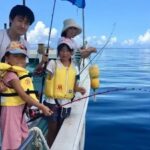
Okinawa’s fishing appeal is wonderfully direct: head out from Naha, try your hand at catching dinner, then decide whether to take the fish home or have it cooked near the port. You don’t need fishing experience, and the boat provides the basic gear and bait.
I like two things in particular: the chance to learn a local, hands-on activity, and the practical comforts of a boat with a toilet and a device intended to reduce rocking. The sea views are a bonus, especially when the fishing is slow.
The main catch is that this is not the hotel-transfer experience its title might suggest. The available package is join-in, without pickup, and the crew speaks Japanese. Sea conditions can also make the ride rough, so take seasickness seriously.
What to know before booking
- Fishing takes place beyond the harbor: The boat ride to the fishing area can take about 45 minutes to an hour, leaving less time with lines in the water than the five-hour schedule may suggest.
- Beginners can join: Gear and bait are supplied, and the crew can demonstrate the basics, though instructions are mainly in Japanese and by gesture.
- Your meal is an extra: A nearby restaurant may cook your catch for a fee, but food and drinks are not included in the tour price.
- Bring a hat, water, and a towel: Wear light, comfortable clothes and shoes that can handle a wet deck.
- A cooler costs extra: If you want to keep your fish, budget for a cooling box, listed at ¥1,500 to ¥2,500 per box.
- Five people are needed to run the trip: The operator may cancel if the minimum is not met, and weather or sea conditions can also change the plan.
👉 See our pick of the 3 Best Workshops & Classes In Naha (With Prices)
- What to know before booking
- From Naha Port to Open Water
- Learning the Fishing Method
- Catching Fish, or Enjoying the Ride
- Turning the Catch into a Meal
- Does the Starting Price Add Up?
- Who Should Book This Fishing Trip?
- FAQ
- Is hotel pickup and drop-off included?
- How long is the fishing trip?
- Do I need fishing experience?
- Are meals included?
- What should I bring and wear?
- Can children join, and what is the minimum age?
- The Best Of Naha!
- More Fishing Tours in Naha
- More Tours in Naha
- More Tour Reviews in Naha
From Naha Port to Open Water
 1 / 6
 2 / 6
 3 / 6
 4 / 6
 5 / 6
 6 / 6
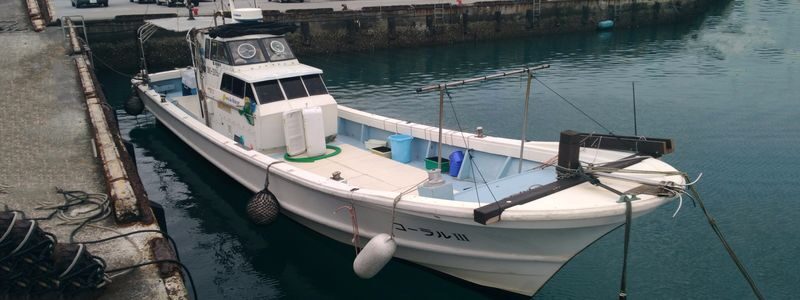
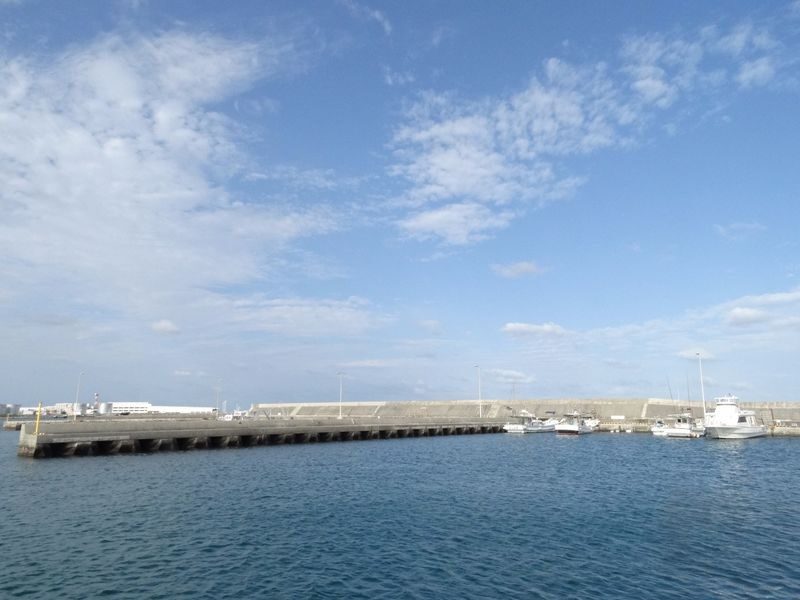
The meeting point is Naha Engan Fishing Pier, at 3 Chome-1-17 Minatomachi. The supplied address for the general meeting location is also in Minatomachi, so check the exact meeting instructions before setting out. Arrive on time: late arrivals and no-shows are not refundable.
The morning trip is scheduled to meet at 7:30 a.m., depart at 8:00, and return at 12:30 p.m. The afternoon option meets at 12:30 p.m., departs at 1:00, and is scheduled back at 5:30. Both are described as five-hour experiences, but those hours include the harbor routine and boat travel, not five hours spent actively fishing.
That distinction matters. The ride out can take roughly 45 minutes, and some accounts put the time at the fishing spots at about two to two and a half hours. The route and timing can change with conditions, so treat the schedule as a useful framework, not a promise of uninterrupted fishing.
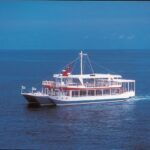
The boat’s onboard toilet is a welcome practical feature on a half-day outing. It is also equipped with a device intended to reduce shaking. That does not make the sea motion-free: the boat still has to cross open water, and the ride can be choppy. If you are prone to seasickness, plan ahead rather than counting on the equipment to solve it.
The pier is close to central Naha and has been described as convenient for people arriving by car, with free parking reported there. But the package does not include hotel pickup or drop-off. Arrange your own way to the port, and leave suitcases and large bags at your accommodation or in your vehicle. There is no luggage storage, and space aboard is limited.
You can also read our reviews of more tours and experiences in Naha

Learning the Fishing Method
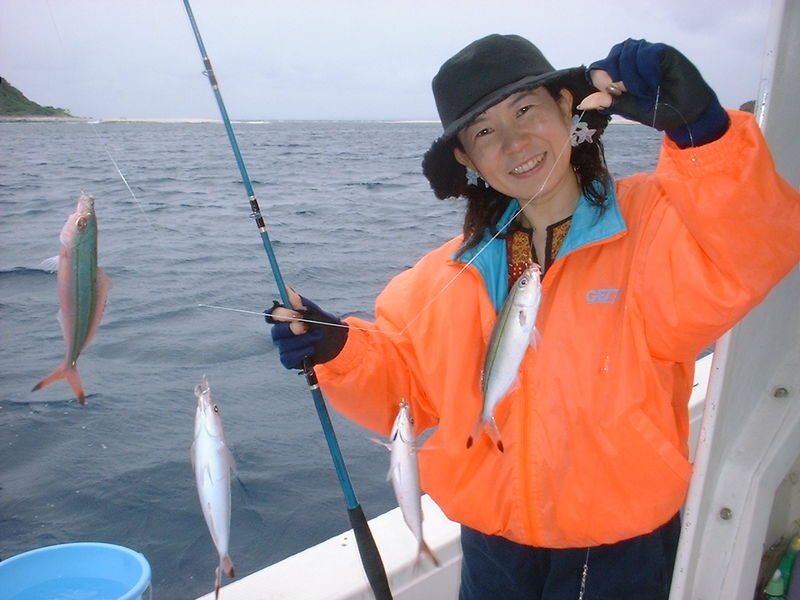
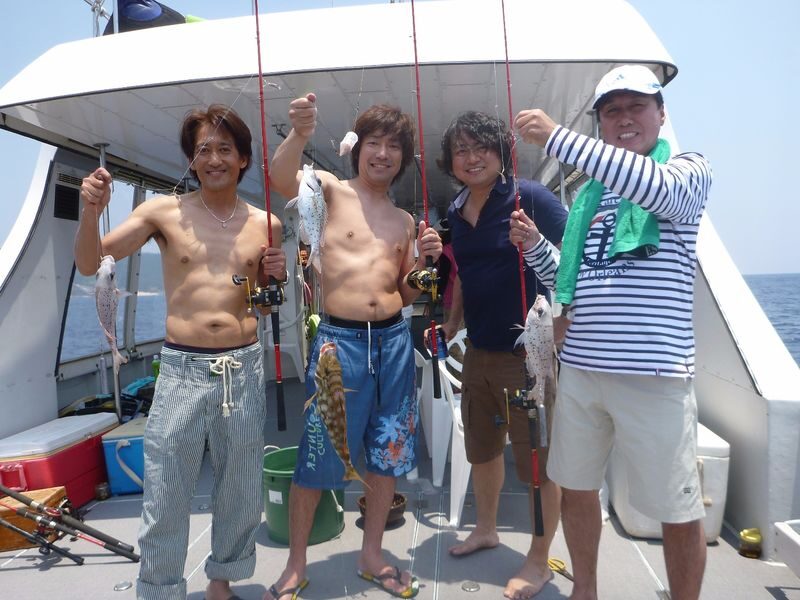
Once the boat reaches a fishing area, the crew supplies the rod, line, hooks, bait, and safety equipment. The method described by participants uses a small cage filled with krill to attract fish, rather than simply putting bait on every hook. It may differ from the fishing you know, so watch the demonstration before setting up.
The crew is Japanese-speaking. Some basic English may be available, but you should be ready for instructions delivered through demonstration and gestures. That has been enough for many first-timers to get going, but it can be frustrating if you need detailed explanations or want to adjust the tackle yourself. Bring patience, pay attention, and ask for help early if something is unclear.
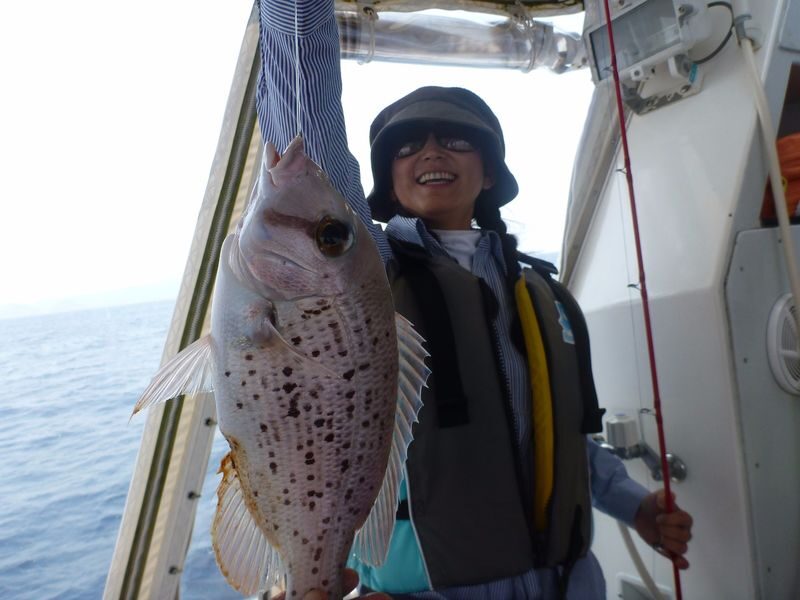
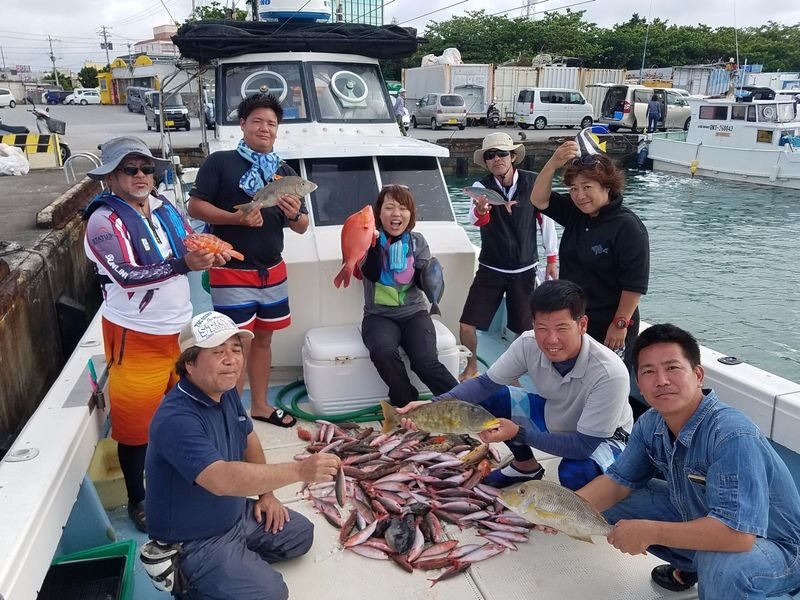
The boat operator may move between fishing areas if the bite is slow, though you should not assume that every trip will make frequent changes. Fish are not guaranteed. Some people have caught several, even dozens, while others have returned with only one or none. That is the honest bargain of a fishing trip: you pay for the outing and the chance to catch fish, not a guaranteed seafood haul.
The supplied gear is another variable. Many outings have gone smoothly for beginners, but equipment has not always satisfied more experienced anglers. If you are used to choosing your own rod and rig, this may feel basic. Take care of the rented tackle, too: you may be charged if you lose or damage it.
Cleanliness on the boat appears to be a point of emphasis. The operator may rinse the deck and clear away spilled bait, which helps keep the space tidy but can leave the floor wet. Wear shoes with a good grip, and expect that your clothes or footwear could get splashed. There may not be a proper seat for every person, and standing for a stretch can tire your back.
Catching Fish, or Enjoying the Ride
Okinawa’s waters are known for abundant marine life, and the activity is designed to be accessible to novices. Still, abundance is not a guarantee that fish will bite on your particular morning or afternoon. Your luck, the conditions, and the fishing spot all matter.
I would book this for the process, not as a cheap way to secure a meal. The satisfying version is learning the basic technique, watching the water, and feeling the line tug. The less satisfying version is a slow bite, a rough ride, and a small catch. If you can enjoy the boat trip even when the fish are scarce, you are a better fit for this outing.
Sea conditions deserve a clear-eyed check. Okinawa weather can change quickly, and the operator may alter the location or return early for safety. One account describes being soaked by spray on a rough crossing, while others found the boat comfortable. Those are not contradictory: conditions vary. Bring a towel, water, and a cap or hat, and wear quick-drying clothing if you have it.
Children aged six and older may participate. Children from six to eleven must be accompanied by a paying adult, and minors need a guardian’s consent signature. The age rule makes the trip possible for families, but a child’s comfort with boats, wet decks, and potentially rough water is just as important as meeting the minimum age. Do not treat a family-friendly age limit as a promise of calm seas.
Alcohol is prohibited aboard. Anyone who has consumed alcohol that day, or is hung over, will be refused boarding without a refund. That is sensible on a boat, and worth remembering if you have plans the night before.
Turning the Catch into a Meal
The meal is the most appealing extra, but it is not included in the advertised starting price. After returning to port, you may be able to take your fish to a nearby restaurant for preparation. Cooking charges mentioned by people who arranged this themselves range from around ¥1,800 to ¥2,000 per person, but prices and arrangements can differ. Confirm the cost and whether the restaurant is open before you count on eating your catch there.
The available cooking has included preparations such as sashimi, fried fish, and fish simmered in sauce, often served with rice or soup. The exact dishes depend on the restaurant and the fish you bring. Processing takes time, too. If several people arrive with a large catch, expect a wait rather than an instant lunch.
You’ll need a cooler if you want to keep the fish fresh. The listed extra cost varies by box size, from ¥1,500 to ¥2,500. This purchase is unnecessary if you plan to have the fish cooked nearby or do not want to keep your catch, so ask what you are buying before paying. Bring a little extra cash for cooking or other personal expenses, since neither meals nor drinks are part of the tour price.
There is an appealing bit of local life in carrying your catch from the harbor to a nearby kitchen. It makes the meal personal in a way that a standard restaurant lunch cannot. But think of the restaurant as a separate arrangement, not a guaranteed part of the tour. Opening hours, distance, cost, and waiting time can affect the plan.
Does the Starting Price Add Up?
At from $56.85, the package covers the boat trip, fishing tackle, bait, safety equipment, insurance from the operator, and Japanese-speaking staff. That is a reasonable entry point if you want to try fishing without buying gear or arranging a private boat.
The final cost is higher if you add a cooler, a cooked meal, drinks, or your own transport to the pier. The tour does not include pickup, meals, or beverages, despite the experience title suggesting pickup and drop-off. Read the selected package carefully: the option described here is the join-in tour without pickup.
Value depends on what you want. If the main goal is catching your own fish and eating it nearby, this can make for a memorable half-day, provided you are comfortable paying separately for preparation. If you expect a guaranteed catch, a polished English-language lesson, or hotel transport, the price may feel less attractive.
There is also a minimum of five participants. Your booking is confirmed first, but if the minimum is not reached by the day before, the trip may be canceled and the experience fee refunded. Weather cancellations also come with a full refund when the operator cancels before departure. If bad conditions force an early return after the trip has begun, however, the stated policy does not provide a refund or compensation.
You can also read our reviews of more tours and experiences in Naha

Who Should Book This Fishing Trip?
This outing suits curious beginners, casual anglers, and families with older children who are comfortable on a boat. It is especially appealing if you like the idea of eating fish you helped catch and can treat the fishing itself as part of the fun, whether or not you land a big haul.
I would look elsewhere if seasickness is a serious concern, if you need detailed English instruction, or if you want a full five hours with lines in the water. It is also a poor fit if you need hotel transfers or expect your meal to be included.
Before you book, check that the selected package has no pickup, set aside money for transport and possible fish preparation, and bring a hat, water, towel, and grippy shoes. Take seasickness medicine if you know you need it. With those expectations in place, this is a practical way to spend a morning or afternoon on the water and try a small, satisfying piece of Okinawan fishing culture.
Half-Day Fishing Experience in Naha with Pick up & Drop off Service
“The experience was great! There were no issues with bad attitudes; the boat captain was very patient and easy to communicate with. After fishing, w…”
FAQ
Is hotel pickup and drop-off included?
No. The package described here is the join-in half-day fishing tour without pickup service. You must make your own way to Naha Engan Fishing Pier.
How long is the fishing trip?
The scheduled experience lasts five hours, including meeting and boat travel. The ride to the fishing area may take about 45 minutes to an hour, so time actively spent fishing can be shorter.
Do I need fishing experience?
No. Beginners can participate, and fishing gear and bait are provided. The crew speaks Japanese, so instruction may rely on demonstrations and gestures.
Are meals included?
No. Meals and drinks are not included. You may be able to pay a nearby restaurant to prepare your catch, but confirm availability and cost separately.
What should I bring and wear?
Bring a hat or cap, bottled water, and a towel. Wear light, comfortable clothing and walking shoes with a good grip; quick-drying clothing is a practical choice.
Can children join, and what is the minimum age?
Participants must be at least six years old. Children aged six to eleven must be accompanied by a paying adult, and minors need a guardian’s consent signature.