This experience made our article of The Top 15 Tours In Akita Prefecture.
- Exploring the Charm of Kakunodate: Crafts, Culture, and Cuisine in a Half Day
- Key Points
- Discovering Kakunodate: A Perfect Balance of History and Handicrafts
- What to Expect at Each Stop
- ORENCHI
- Yayanagi Shoten (1 Hour)
- Ando Jozo Brewery (45 Minutes)
- Samurai Residences
- Final Stop: Ishiguro-ke Samurai House
- Authentic Experiences and Authenticity
- The Value of This Tour
- Who Will Love This Tour?
- The Sum Up
- FAQ
- The Best Of Akita Prefecture!
- More Tours in Akita Prefecture
- More Tour Reviews in Akita Prefecture
Exploring the Charm of Kakunodate: Crafts, Culture, and Cuisine in a Half Day
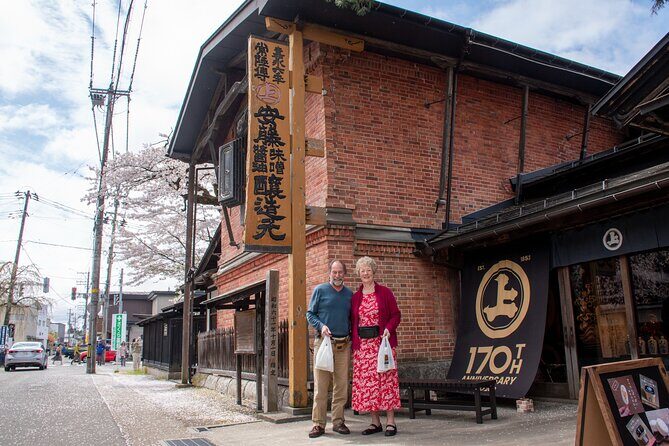
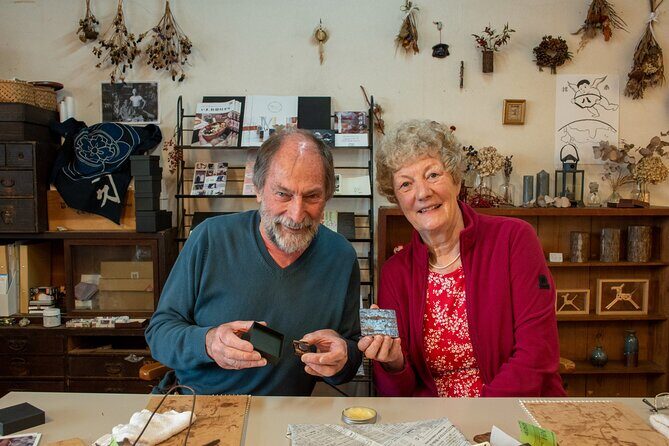
Imagine stepping into a town that echoes with the footsteps of samurai and merchants, where centuries-old crafts still thrive, and local flavors tempt your taste buds. This Half Day Kakunodate Tour of Crafts, Culture, and Cuisine offers a well-balanced glimpse into this historic town in Akita Prefecture. With a concise three-hour itinerary, a friendly local guide, and a small group setting, you’ll get a taste of what makes Kakunodate a true hidden gem.
The tour is priced at $174.13 per person, which might seem steep for just three hours, but the experience balances education, hands-on craft activities, and delicious tasting opportunities. What we love most is how the tour combines authentic local craftsmanship—like cherry bark crafts and traditional miso and soy sauce brewing—with visits to the stunning samurai residences. Plus, the guided storytelling makes the history come alive in a way that reading a book never could.
A slight consideration for travelers is the moderate walking involved in exploring the samurai district and artisan workshops. Also, since the tour is limited to six participants, it’s best suited for those who appreciate a more intimate, in-depth experience rather than large-group sightseeing. This tour is perfect for history buffs, craft lovers, or anyone wanting an authentic taste of Japan’s Tohoku region.
👉 See our pick of the You’ll Love These 3 Walking Tours In Akita Prefecture
Key Points
- Authentic craftsmanship: Experience cherry bark craftwork and taste traditional miso and soy sauce.
- Intimate group size: Small tours with knowledgeable guides create a personalized experience.
- Rich history: Visit well-preserved samurai residences and learn about the Edo period.
- Local flavors: Tasting opportunities at breweries and workshops highlight regional cuisine.
- Cultural contrast: See the difference between samurai and merchant districts firsthand.
- Educational value: Guided commentary and hands-on activities deepen understanding.
You can also read our reviews of more tours and experiences in Akita Prefecture.

Discovering Kakunodate: A Perfect Balance of History and Handicrafts
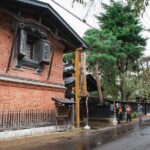
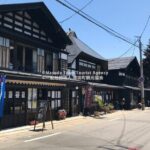
Kakunodate, often called the Little Kyoto of Tohoku, is a town where history is alive in the streets. This tour walks you through two main districts: the merchant area, full of traditional shops and crafts, and the samurai quarter, where stately residences tell tales of noble life during Japan’s Edo era.
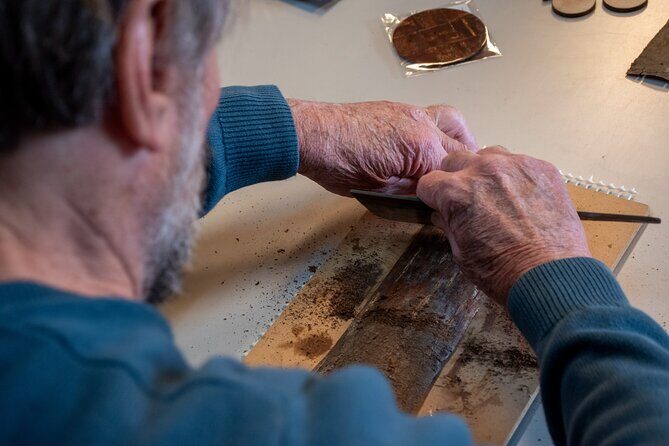
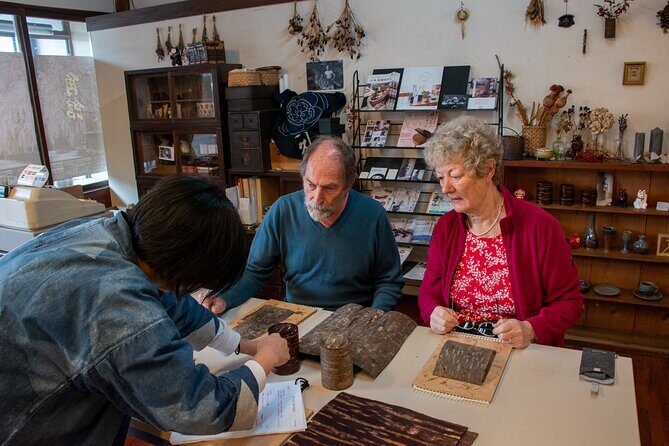
The guided tour begins at ORENCHI, where your guide will brief you on the town’s history and significance. From there, you’ll visit Yayanagi Shoten, established in 1876, where skilled artisans produce kabazaiku—a traditional craft involving cherry bark. The experience here isn’t just a look; you’ll see how the local craftsmen have preserved their skills for over a century, making beautiful objects that reflect Japan’s artisanal heritage.
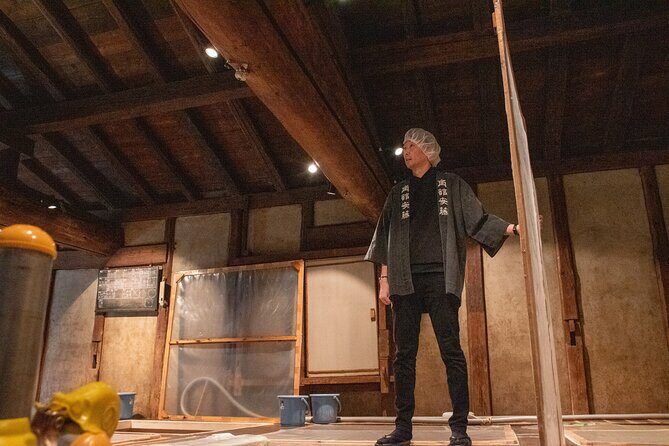
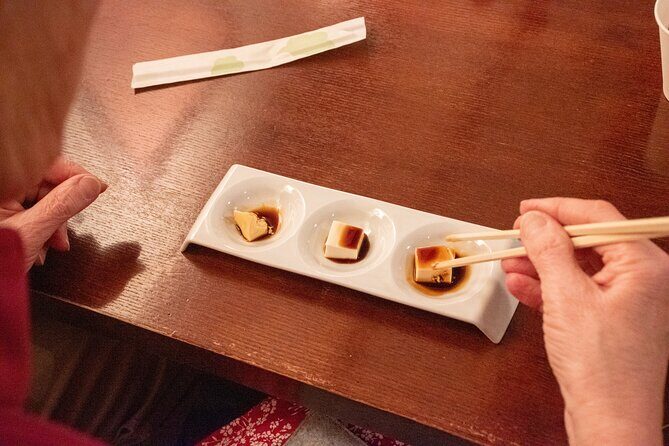
Next is the Ando Jozo Brewery, which began brewing in 1853. Here, you are invited to taste their miso and soy sauce, products that have been brewed in the same location for generations. The factory retains its original appearance, offering a real sense of stepping back in time. Tasting these traditional fermented foods provides insight into regional flavors that have shaped local cuisine for over 150 years.
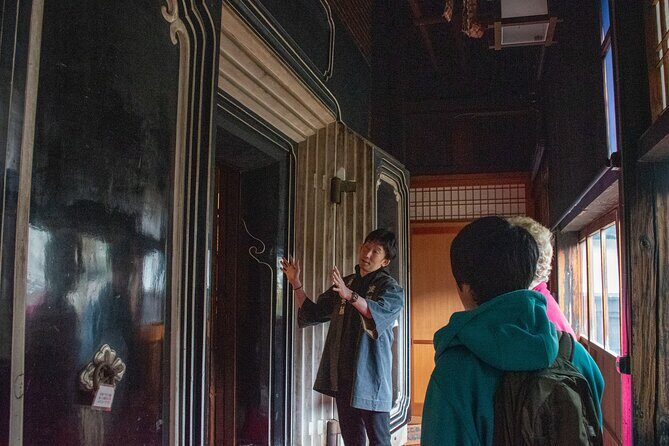
The highlight for many visitors is wandering the Kakunodate Samurai Residence Street. The 800-meter area showcases impeccably preserved samurai homes, where you can imagine the noble lifestyle of the Edo period. One of the stops is the Ishiguro-ke Samurai House, built around 1809, which remains occupied by descendants today. This gives a rare glimpse into living history, making it more personal and immersive.
What to Expect at Each Stop
ORENCHI
This is the meeting point and a perfect place to get your bearings. Your guide will give you a quick overview of Kakunodate’s dual identity as both a samurai and merchant town. It’s a friendly introduction that sets the tone for the rest of the tour.
Yayanagi Shoten (1 Hour)
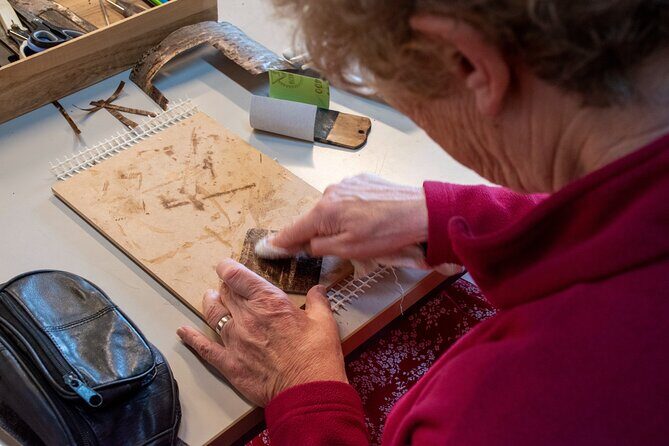
Expect to see artisans at work, creating cherry bark crafts. The workshop is visually engaging, displaying a variety of intricate objects—jewelry boxes, decorative items—all crafted from natural materials. You may even get the chance to try your hand at making a small piece, which adds a fun, personal touch to this craft-focused stop.


Ando Jozo Brewery (45 Minutes)
At this family-run brewery, you’ll learn about traditional fermentation techniques while tasting their signature miso and soy sauce. The setting is authentic, with barrels and equipment dating back over a century. The tasting is typically generous, allowing you to appreciate the nuanced flavors of these staples of Japanese cuisine.
Samurai Residences
Your guide will walk you through the residential streets filled with well-preserved homes, giving you a vivid picture of samurai life during the Edo period. The Ishiguro-ke residence, in particular, offers the chance to see how these families lived and worked, with some parts still occupied by descendants.
Final Stop: Ishiguro-ke Samurai House
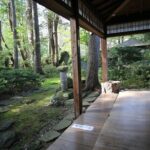
This residence, built in 1809, is the oldest among the publicly open samurai homes. It remains a lived-in family home, which adds a layer of authenticity to your visit. Expect to see traditional tatami rooms, samurai armor, and family artifacts. This close connection to current residents makes the experience feel genuine and personal.
Authentic Experiences and Authenticity
Many reviewers have highlighted the passion and knowledge of the local guides, who bring history and craftsmanship to life with engaging storytelling. One reviewer noted, “Ginji was the perfect guide,” emphasizing how a knowledgeable guide can dramatically enhance the experience. They also appreciated the small group size, which allowed for more interaction and personalized attention.
The craft workshops are particularly praised for their hands-on nature. Making cherry bark objects is a rare opportunity; many travelers never get to see this traditional craft firsthand, let alone try it. The tasting sessions at the brewery provide a delicious, tactile connection to the regional flavors, making the history tangible through taste.
Many reviews mention how beautifully preserved the residences and streets are, especially during cherry blossom season, but even outside that season, the architecture and layout evoke a sense of stepping back in time. The contrast between the opulent samurai homes and the humble merchant workshops offers insight into the social structure of historic Japan.
The Value of This Tour
At around $174.13, the value hinges on both the depth of experience and the intimacy of the group. The tour includes all entrance fees and activities like the craft workshop and tasting, which would cost significantly more if booked separately. Plus, the guided storytelling enriches your understanding, making it more than just sightseeing.
While the price isn’t pocket change, what you get is a thorough, authentic, and personalized view into Kakunodate’s history, crafts, and local flavors. For those interested in Japan’s Edo-era culture, traditional crafts, and regional cuisine, this experience offers a well-rounded introduction that’s hard to beat for depth and quality.
Who Will Love This Tour?
This experience suits travelers who value authentic, hands-on encounters. If you enjoy craftsmanship, history, or food tasting, you’ll find plenty to love. It’s also ideal for those who prefer small group tours with knowledgeable guides, ensuring a personal and engaging experience.
People who appreciate learning from locals and want a balanced mix of cultural sites and practical activities will find this tour particularly rewarding. It’s a perfect fit for history enthusiasts, culture seekers, and foodies looking to deepen their understanding of Japan’s regional traditions.
The Sum Up
The Half Day Kakunodate Tour of Crafts, Culture, and Cuisine offers a memorable, well-structured introduction to a lesser-known but incredibly charming corner of Japan. With its focus on traditional crafts, authentic residences, and regional flavors, it brings the history and culture of Kakunodate to life in a way that’s engaging and meaningful.
The small-group setting, knowledgeable guides, and hands-on activities make it especially valuable for travelers who want to experience Japan beyond the typical tourist spots. Whether you’re a history buff, craft lover, or foodie, this tour provides genuine insight into the craftsmanship and lifestyle of Edo-era Kakunodate—a true cultural treasure.
For anyone looking to connect with Japan’s past and present through authentic experiences, this tour is a smart choice. It balances education, entertainment, and taste in a way that leaves you with lasting impressions—and maybe a few souvenirs to bring home.
Half Day Kakunodate Tour of Crafts Culture and Cuisine
FAQ
Is this tour suitable for all ages?
Yes, most travelers can participate. It involves walking around the samurai district and some hands-on craft activities, so comfortable shoes and a curiosity for history are recommended.
How long is the tour?
It lasts approximately 3 hours, making it a great half-day activity that fits into a broader travel itinerary.
What’s included in the price?
The tour includes craft workshop fees, the brewery visit and tasting, entry to the Ishiguro House, guiding services, and tour insurance.
Are transportation arrangements included?
No, private transportation is not included, so you’ll need to arrange your own travel to and from the meeting point in Kakunodate.
Is it worth paying extra for the craft and tasting experiences?
Absolutely, as they offer a tangible connection to local traditions that you can take home and remember.
What’s the best time to join this tour?
While the reviews mention the cherry blossom season, the tour is enjoyable year-round, with beautifully preserved architecture and crafts to admire at any time.
Can I book this tour in advance?
Yes, most travelers book about 23 days in advance, ensuring your spot in a small, intimate group.
Whether you’re savoring the flavors of traditional miso, admiring samurai architecture, or trying your hand at cherry bark crafts, this Kakunodate tour provides a genuine, enriching window into Japan’s cultural heart.