Kosanji’s most unexpected sight is Miraishin no Oka, a broad hilltop garden made with white Italian marble. It feels far removed from the temple’s elaborate, traditional buildings, and that contrast is part of the appeal: this is a place where Buddhist art, dramatic decoration, and a modern sculpture garden share one visit.
I like the chance to explore at your own pace, and I especially like that the grounds offer two very different highlights: the Thousand Buddha Cave and the open, bright Hill of Hope. One caveat: the architecture and marble garden are distinctly man-made and ornate, so their style may feel too showy if you prefer quiet, restrained temple grounds.
At a glance
- Hill of Hope: A 5,000-square-meter garden of white marble, with a striking contrast against the sky and views toward the Seto Inland Sea.
- Thousand Buddha Cave: A memorable indoor stop filled with Buddhist sculptures, paintings, and small waterfalls.
- Elaborate temple buildings: Expect colorful decoration and detailed stonework rather than understated design.
- Four-season grounds: Cherry blossoms, azaleas, hydrangeas, and autumn foliage bring changing color through the year.
- Simple entry: The ticket is for one person and one visit, and you can enter the venue directly with the voucher.
- Plan for the extra charge: Admission to Shoin Choshokaku costs extra at the site.

👉 See our pick of the 6 Top Bike Tours In Onomichi (With Reviews & Prices)
- At a glance
- What Makes Kosanji Different
- The Temple Buildings and Their Details
- Inside the Thousand Buddha Cave
- Miraishin no Oka, the White-Marble Hill
- Gardens That Change With the Seasons
- How Long to Allow and What to Prioritize
- Ticket Value and Practical Details
- Who Will Enjoy Kosanji Most?
- Should You Book This Ticket?
- FAQ
- Where is Kosanji Museum?
- What are the opening hours?
- Is Kosanji open every day?
- What are Choseikaku’s hours?
- How do I use the admission ticket?
- How long is the ticket valid?
- Can I cancel or change my ticket?
- Do children or visitors with disability certificates pay admission?
- The Best Of Onomichi!
- More Tours in Onomichi
- More Tour Reviews in Onomichi
What Makes Kosanji Different
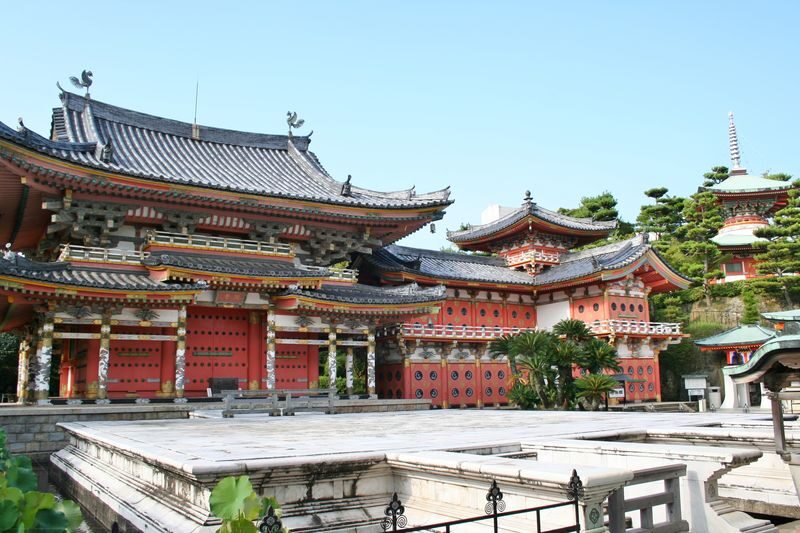
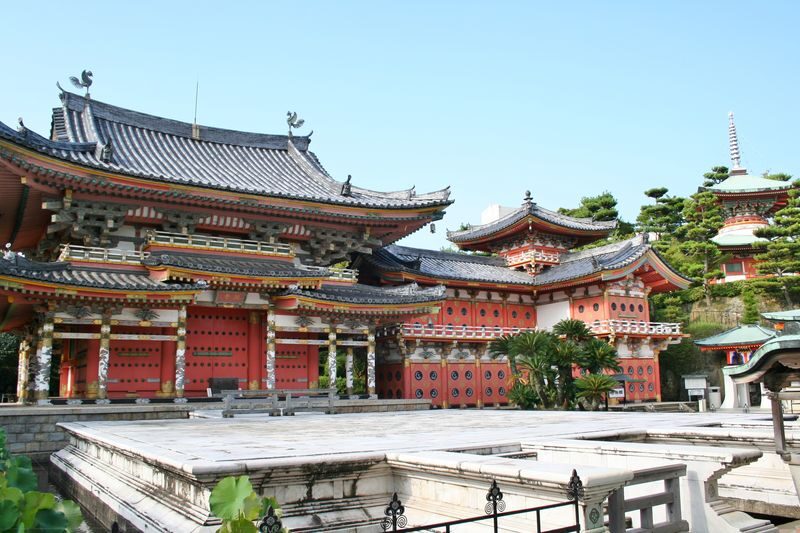
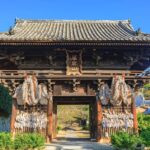
Kosanji is not a spare, quiet temple where the beauty lies in a few weathered beams and a small garden. Its buildings are highly decorated, with colorful surfaces and intricate details, and the grounds include a large modern marble garden. If you enjoy bold architecture and art that gives you plenty to look at, the scale and variety make this a rewarding stop.
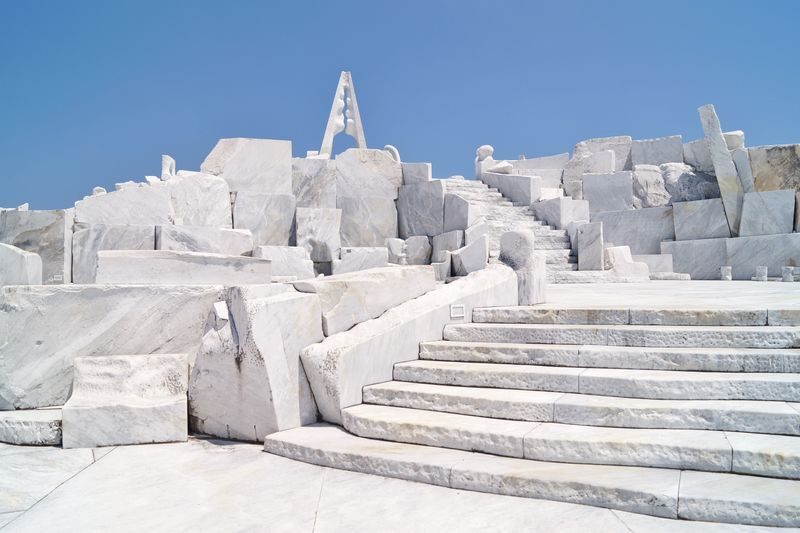
The contrast is especially clear between the temple precincts and Miraishin no Oka, also known as the Hill of Hope. The garden covers 5,000 square meters and is made from white marble imported from Italy. Its pale forms can seem almost otherworldly beside the temple’s traditional Buddhist imagery, and the open setting creates a different mood from the enclosed spaces elsewhere on the grounds.
Kosanji is on Ikuchijima, part of Onomichi in Hiroshima Prefecture. The visit can appeal to people who want more than a quick look at a single building: you can move between architecture, sculpture, a cave, museum displays, and planted grounds. The ticket is admission only, not a guided tour, so you set your own pace and choose where to linger.
You can also read our reviews of more tours and experiences in Onomichi.

The Temple Buildings and Their Details
Give the temple buildings time. Their appeal is not just their overall shape, but the decoration that rewards a slower look. Colorful ornament, carved stone, and careful detail make the architecture feel theatrical. That style is not for everyone. If you favor simple forms and muted colors, some parts may seem gaudy or mismatched. But if you enjoy a place that commits fully to its visual language, Kosanji offers plenty to study.
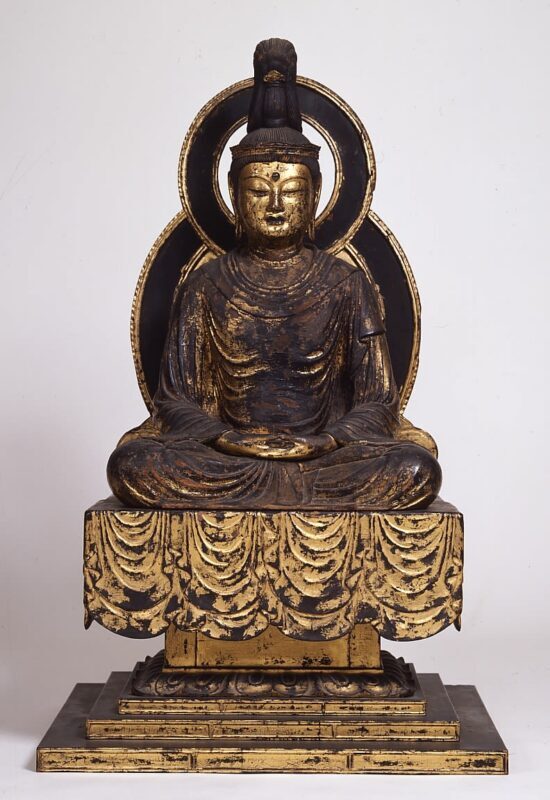
The site also connects Buddhist beliefs and practices with family and personal reflection. Its founding story is associated with honoring a mother’s sacrifice, a theme that gives the visit a human dimension beyond the visual spectacle. You do not need to arrive with specialist knowledge to appreciate the idea: take a little time to consider what the site’s imagery and buildings are meant to express.
The museum holds important cultural properties and works of art. The exact displays and their arrangement are not specified here, so treat the museum portion as an opportunity to see what is on view rather than expecting a particular exhibit. The range of buildings and displays helps balance the visit, especially if you want context for the Buddhist objects and imagery around the grounds.
Inside the Thousand Buddha Cave
The Thousand Buddha Cave is one of the site’s most distinctive stops. Inside, you can see numerous Buddhist sculptures and historic paintings, along with small waterfalls. The shift from open courtyards to a cave setting gives the visit a change of pace, and the many figures make this a place to look carefully rather than hurry through.
The cave’s imagery may be the most absorbing part of Kosanji if you are interested in Buddhist art. You can take in the sculptures as works of craft, but the setting also encourages a more reflective visit. It is worth allowing enough time to look at the scenes and details rather than treating the cave as a passage on the way to the marble hill.
There is no requirement to follow a fixed route, and the ticket does not include a guide. That freedom suits independent visitors, though it also means you will need to decide how long to spend at each stop. If the cave is a priority, make room for it before you reach the end of your visit, rather than giving all your time to the garden and buildings.
Miraishin no Oka, the White-Marble Hill
The Hill of Hope is the most unusual feature of the grounds. Its white Italian marble creates a bright, open space that looks very different from the colorful temple architecture. On a clear day, the contrast with the blue sky is particularly striking, and from the higher part of the garden you can see toward the Seto Inland Sea.
This is also the natural place to pause for photos or simply take in the view. The marble and open sky give the site a calm, spacious feel, even though the garden itself is a large, deliberately designed artwork. If you come expecting an old garden shaped by centuries of growth, you may be surprised. It is a modern marble setting, and its appeal comes from its scale, light, and contrast.
The hill is not the only reason to visit, but it is a strong reason to include Kosanji in an Ikuchijima itinerary. The garden’s size means it feels like a substantial part of the experience rather than a single statue tucked into a corner. At the same time, you should consider the physical effort involved in moving around the grounds. Stairs are present, though an elevator option is available in at least part of the site.
Gardens That Change With the Seasons
Kosanji’s grounds include flowering trees and seasonal foliage. Cherry blossoms and azaleas bring spring color, hydrangeas appear in another part of the year, and autumn leaves offer a later-season draw. The exact view depends on your dates, so do not plan around a specific bloom unless you have confirmed its timing separately.
The seasonal plantings add a softer counterpoint to the temple’s carved details and the marble garden. They also give repeat visitors a reason to see the grounds in a different season. Even outside peak flowering periods, the mix of buildings, cave, museum, and hill means the visit does not depend on a single garden display.
Kosanji is open year-round, which makes it a flexible stop. Still, the grounds are an outdoor attraction in part, so weather can affect how comfortable it is to spend time on the hill and among the gardens. The ticket is nonrefundable, so check your plans and the forecast before purchasing.


How Long to Allow and What to Prioritize
A specific visit duration is not provided, and the ticket does not impose a guided schedule. Your time will depend on how closely you examine the buildings and museum, and how long you spend in the cave and on the hill. If you are short on time, prioritize the Thousand Buddha Cave and Miraishin no Oka, then leave room for the temple architecture that connects the two.
If you have more time, slow down. Look at the decorations on the buildings, take in the museum displays, and walk through the grounds at an unhurried pace. The site’s variety is its strength, but it can also feel like a lot of visual information at once. A measured visit helps the different sections register rather than blur together.
The regular opening hours are 9:00 a.m. to 5:00 p.m., with last admission at 4:30 p.m. Choseikaku has shorter hours, from 10:00 a.m. to 4:00 p.m., and requires a separate admission fee paid at the site. If you are hoping to see it, check the clock before setting off through the other areas.
Ticket Value and Practical Details
The admission ticket starts at $11.35. For that price, you get access to the attractions included in the admission package, including the temple grounds and the site’s main features. The value is strongest if you plan to see several parts of Kosanji, rather than just stopping briefly at the marble hill or one building.
The ticket is valid for one person and one entry. The stated package is valid until March 31, 2027, and the voucher validity runs from April 1, 2026, at 9:00 a.m. through March 31, 2027, at 5:00 p.m. The ticket information also says tickets are valid from purchase until the expiration date printed on the ticket, so check the dates on your own voucher.
You can enter the venue directly with the voucher. A QR-code scan has been used for direct entry, so keep the voucher available on your phone or in the format provided. There is no ticket exchange step described.
The address is 553-2 Setodacho Setoda, Onomichi, Hiroshima 722-2411, Japan. The ticket information does not include transport directions, so plan your route to Ikuchijima separately. Junior high school students and younger can enter free. University students should bring student identification. People with a listed disability certificate and one caregiver are admitted free.
The ticket cannot be canceled, changed, or refunded after payment, and commercial resale is prohibited. Those terms matter if your schedule is uncertain. If weather or a change of plans could disrupt your visit, weigh that risk before buying.
Who Will Enjoy Kosanji Most?
Kosanji is a good fit if you like Buddhist art, detailed architecture, unusual gardens, and places with several distinct areas to explore. It also suits visitors who appreciate a self-guided visit and want time to stop for photos, read displays, or look closely at sculpture without keeping pace with a group.
Families and mixed-interest groups may find the variety useful: the cave, colorful buildings, garden, and views each offer something different. The grounds include stairs, but an elevator option is available. If mobility is a concern, consider that the visit involves moving around the site rather than viewing everything from one level.
You may be less taken with Kosanji if you prefer historic sites to feel unaltered or understated. The architecture is deliberately elaborate, and the Hill of Hope is a modern marble garden, not a traditional landscape. That does not make the experience less worthwhile, but it does set expectations. Go for the unusual combination, not for a quiet, minimalist temple visit.
Should You Book This Ticket?
I would book Kosanji if you have time on Ikuchijima and are curious about a site that pairs Buddhist imagery with striking modern art. The strongest reasons are the Thousand Buddha Cave and the scale of the white-marble Hill of Hope, with the decorated buildings and seasonal grounds adding more to explore.
At a starting price of $11.35, admission can be good value if you plan to spend time across several areas. Skip it if you have little interest in ornate architecture or outdoor sculpture, or if a fixed schedule makes the nonrefundable ticket a risk. For the best visit, check the weather, arrive well before last admission, and leave enough time for both the cave and the hill.
Hiroshima Kosanji Museum Admissiom Ticket
“Just scan the QR code directly to enter; no need to exchange tickets. There aren't many people, so you can take your time exploring and looking aro…”
FAQ
Where is Kosanji Museum?
It is at 553-2 Setodacho Setoda, Onomichi, Hiroshima 722-2411, Japan, on Ikuchijima.
What are the opening hours?
The regular hours are 9:00 a.m. to 5:00 p.m. Last admission is at 4:30 p.m.
Is Kosanji open every day?
The site is listed as open all year round.
What are Choseikaku’s hours?
Choseikaku is open from 10:00 a.m. to 4:00 p.m. It requires an additional admission fee paid at the site.
How do I use the admission ticket?
Enter the venue directly with the voucher. The ticket is valid for one person and one entry.
How long is the ticket valid?
The stated voucher validity is April 1, 2026, at 9:00 a.m. through March 31, 2027, at 5:00 p.m. Check the expiration date printed on your ticket.
Can I cancel or change my ticket?
No. After payment, the ticket cannot be canceled, changed, or refunded.
Do children or visitors with disability certificates pay admission?
Junior high school students and younger can enter free. People presenting a listed disability certificate and one caregiver are also admitted free.