
The mistake I made on my first Chamonix day trip from Geneva was treating it as a Swiss day trip. Chamonix is in France, the language is French, the currency is euros, the cable car ticketing system is set up for French residents who already know how it works, and the Swiss bus ride to get there is the shortest part of the day. By the time I had figured out where to buy the Aiguille du Midi summit ticket and which queue was for the upper cable car versus the mid-station, half my mountain time was gone. The trip works — but only if you accept it is a French day trip with a Swiss bus stop on the front and back.
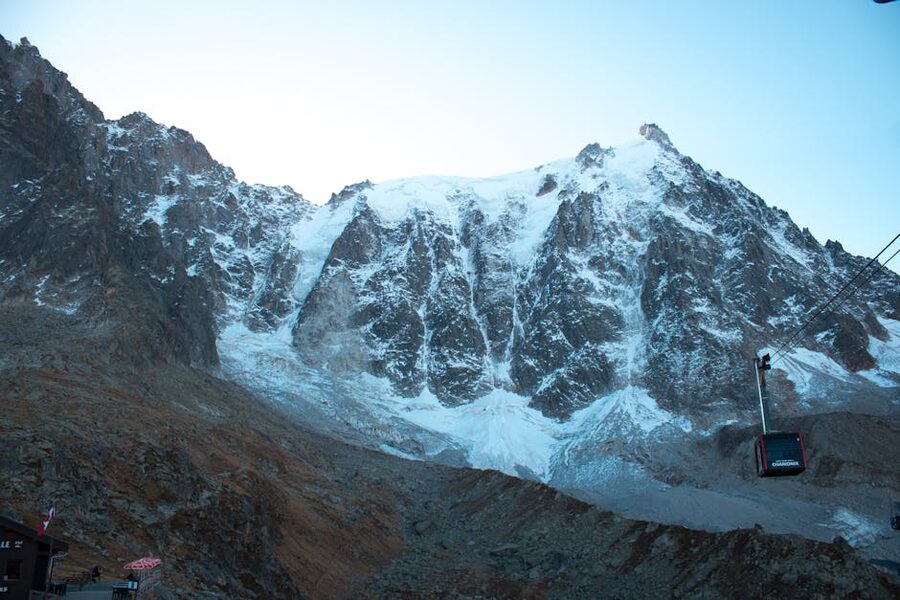
This guide covers how to book a Chamonix and Mont Blanc day trip from Geneva: which tour to pick (and whether to do it as an organised tour at all), what to actually do at the summit of the Aiguille du Midi cable car, and the small French-versus-Swiss logistics that catch travellers out.
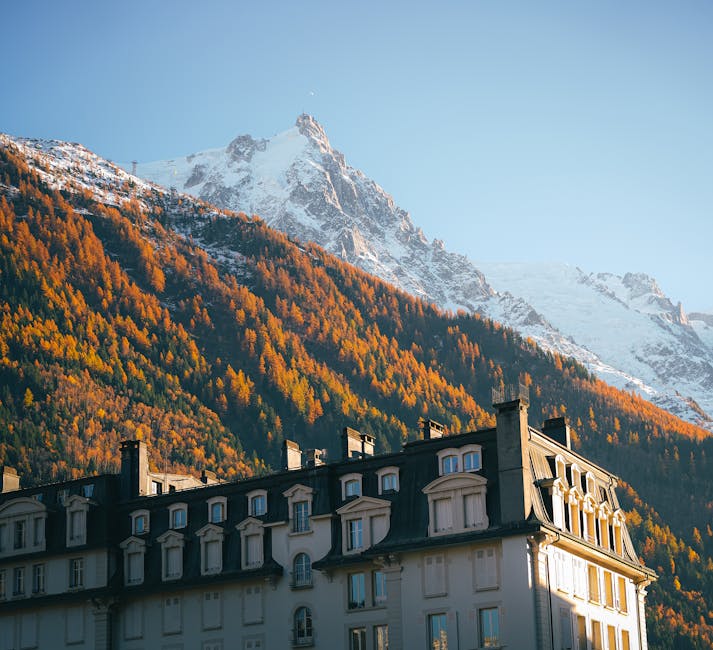
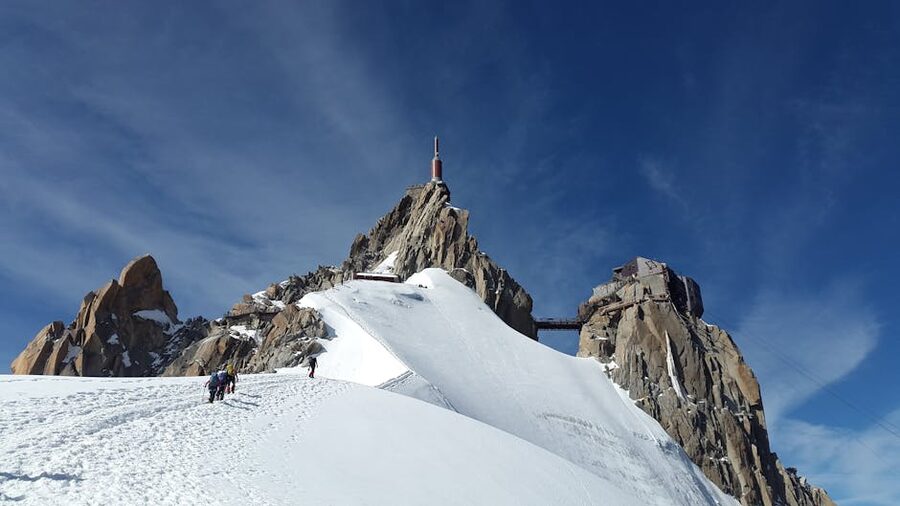
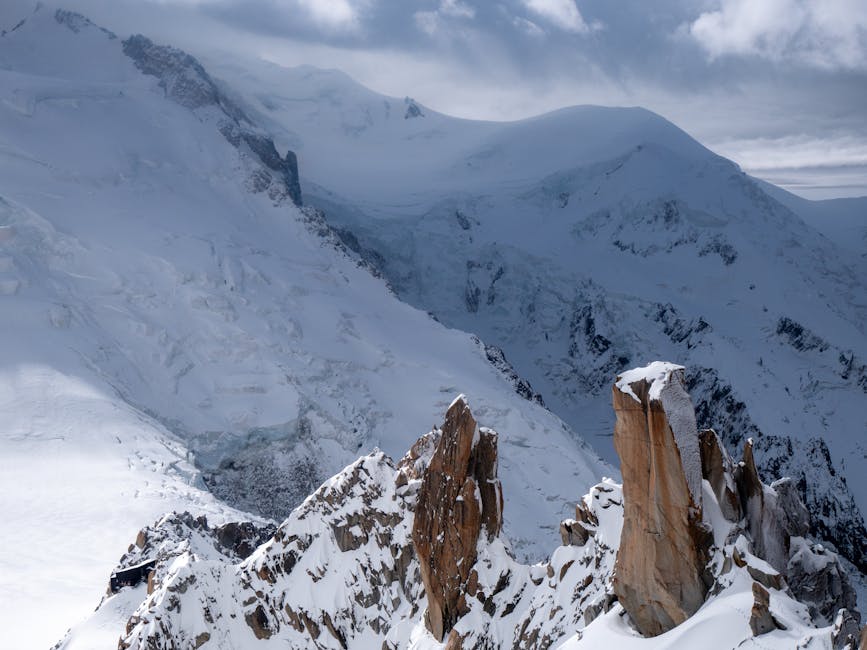
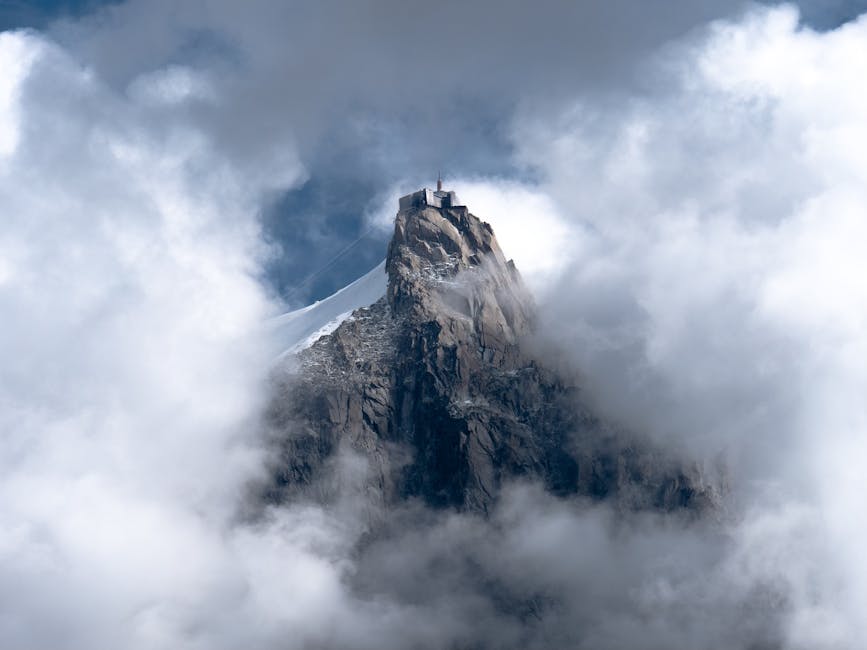
Chamonix-Mont-Blanc is a French alpine town about 90 minutes south of Geneva by coach. The town itself is a long ribbon along a single valley, with the Mont Blanc Massif filling the southern horizon. The headline attraction is the Aiguille du Midi cable car, which lifts you from the valley floor at 1,035 metres to a viewing platform at 3,842 metres in two stages. From the top you stand among the highest accessible peaks in Western Europe, with Mont Blanc itself visible directly to the south.
In a Hurry? The Three Tours Worth Knowing
- Cheapest option: Chamonix and Mont Blanc Day Trip from Geneva — around $131, 10 hours, just the bus and free time in town.
- With cable car included: Chamonix Day Trip with Cable Car and Train — around $253, 10 hours, includes the Aiguille du Midi ascent and Montenvers train.
- Smaller guided alternative: Chamonix Mont-Blanc Full Day Guided Tour — around $132, 8-9 hours, smaller group with a guide.
- In a Hurry? The Three Tours Worth Knowing
- Which Tour to Book
- 1. Chamonix and Mont Blanc Day Trip from Geneva — from 1
- 2. From Geneva: Day Trip to Chamonix with Cable Car and Train — from 3
- 3. Chamonix Mont-Blanc Full Day Guided Tour — from 2
- What the Aiguille du Midi Cable Car Actually Does
- The Mer de Glace Train
- The Logistics — Why French Versus Swiss Matters
- What the Trip Is Really Like
- Mont Blanc — The Mountain You Never Quite See
- When to Go
- What to Bring
- Pairing With the Rest of Your Geneva Trip
Which Tour to Book
The cheap version drops you in Chamonix town and gives you free time — you book the cable car tickets yourself at the station. The expensive version has the Aiguille du Midi ascent plus the Montenvers train to the Mer de Glace bundled in. The math: separately the Aiguille du Midi costs about $80 and the Montenvers about $40, so the bundle saves you $20-30 plus removes the queueing decision. If you want both excursions, take the cable-car-included tour.
1. Chamonix and Mont Blanc Day Trip from Geneva — from $131
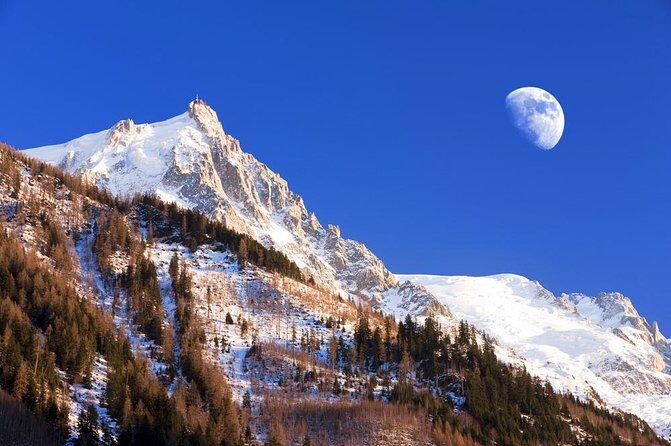
The most-booked Chamonix day trip from Geneva. Bus pickup in central Geneva around 7.30am, drive 90 minutes to Chamonix (you cross the French border on the way), arrive in town with about 6 hours of free time before the return coach. You manage your own ticket purchases at the cable car station. Our full review walks through the day timing and the ticket logistics.
2. From Geneva: Day Trip to Chamonix with Cable Car and Train — from $253
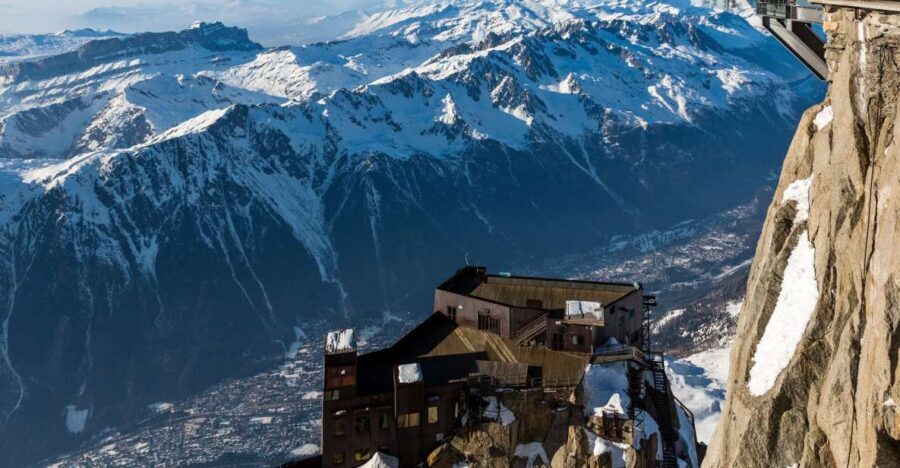
The premium version with both major excursions included. You skip the cable car ticket queue entirely (a real factor in summer), the guide handles the Montenvers train logistics, and you get pre-booked time slots so you do not waste mountain time waiting in line. The price gap over the cheap version is roughly the cost of buying both tickets separately, so the convenience is essentially free. Our full review covers what is actually included and the difference at the ticket booth.
3. Chamonix Mont-Blanc Full Day Guided Tour — from $132
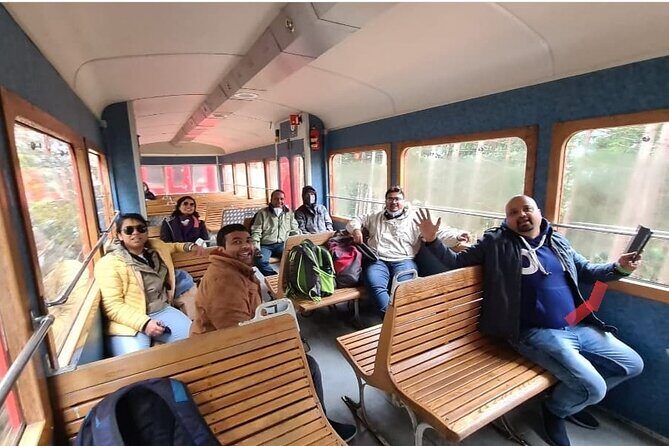
The smaller-group version with an active guide. Same price as the cheap option but you get a real guide who walks you through Chamonix town, helps with the cable car ticketing, and gives context about the mountains. Group size is typically 12-16 people instead of the standard 40-50 on the coach tours. Cable car ticket is not included. Our full review covers the small-group dynamics and what the guide does on the day.
What the Aiguille du Midi Cable Car Actually Does
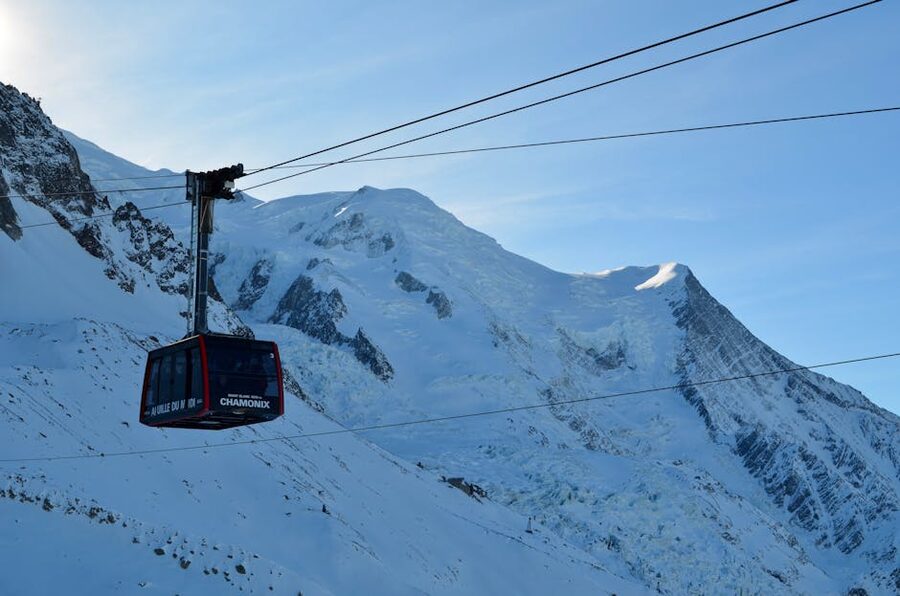
The Aiguille du Midi cable car is the centrepiece of any Chamonix day. It runs in two stages from the valley town up to a 3,842-metre peak with viewing platforms. The first stage takes you from Chamonix (1,035m) up to a mid-station at Plan de l’Aiguille (2,317m) in about 8 minutes. You change cabins at the mid-station and the second stage climbs another 1,500 vertical metres to the summit complex in about 12 minutes.
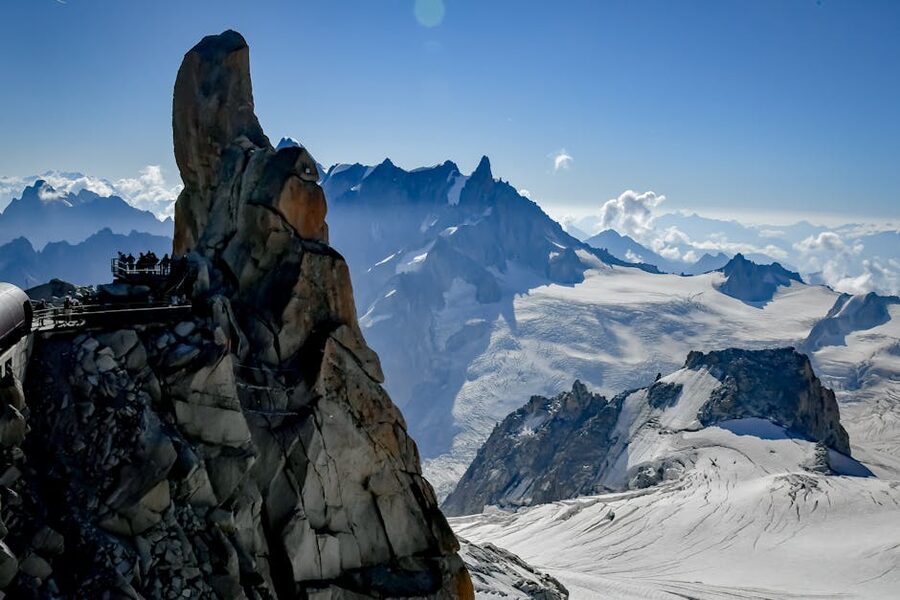
The summit complex is more impressive than people expect. Two viewing terraces (one outdoor, one enclosed), a glass-floored “Step into the Void” platform that extends out from the cliff with 1,000 metres of nothing under your feet, a small museum about the history of mountaineering in the area, a cafe-restaurant, and a tunnel that opens onto the Vallée Blanche where serious mountaineers depart for ski tours and climbs. Most visitors spend 60-90 minutes at the summit before descending.
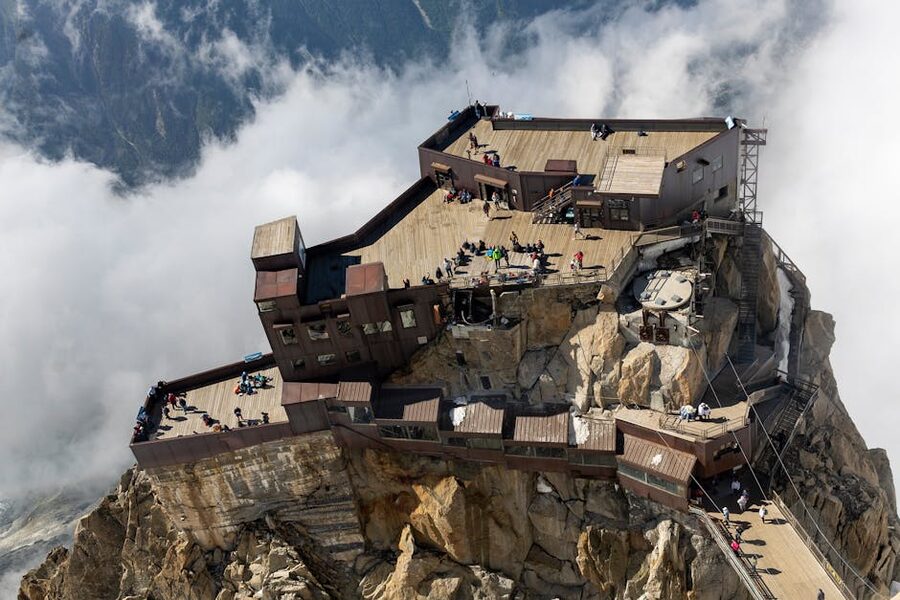
The single most-photographed feature is the “Step into the Void” — a glass cube that hangs out from the cliff edge with see-through floor, walls, and ceiling. You step into it wearing felt slippers (provided, to protect the glass) and stand suspended above 1,000 metres of empty air. People who have no problem with heights normally still get a moment of vertigo here. People who are afraid of heights mostly cannot do it. There is no extra charge for the cube; it is included with the summit ticket.
The Mer de Glace Train
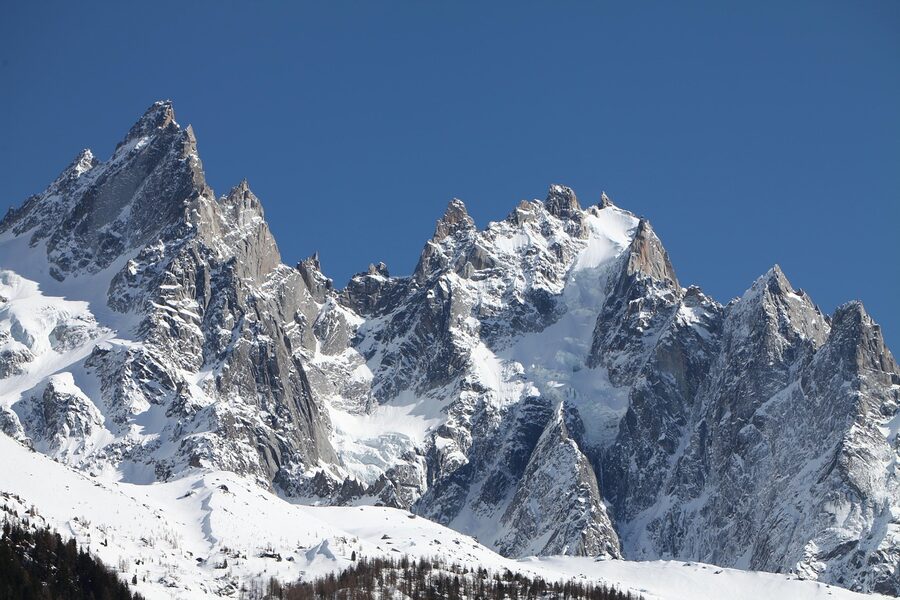
The second major Chamonix excursion is the Montenvers train to the Mer de Glace, France’s largest glacier. The train is a cogwheel railway from Chamonix town up to a viewing platform at 1,913 metres. The ride takes 20 minutes through forest, with the glacier slowly emerging on your right. From the platform you can see the full sweep of the glacier — about 7 km long, snaking down between the peaks.
You can also descend a flight of stairs and a short cable car to reach the glacier itself, where there is an ice grotto carved fresh each year (similar to the Katla cave in Iceland but smaller). The grotto is interesting but not essential. The train ride and the platform view give you the bulk of the experience. Most travellers do the platform only and skip the descent.
The Logistics — Why French Versus Swiss Matters
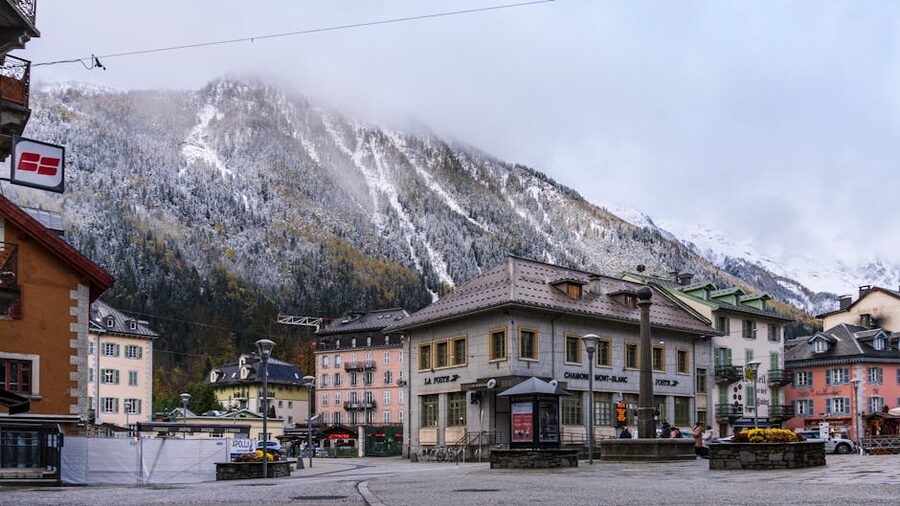
This trips up Switzerland-based travellers more than expected. Chamonix is in France. The currency is euros, not Swiss francs. The language at the cable car ticket office is French (English available but secondary). The credit card systems sometimes hassle Swiss-issued cards. The lunch in Chamonix is paid in euros — bring some, or use a card with no foreign transaction fees.
The border crossing on the coach is now seamless thanks to Schengen, but cross-border phone roaming kicks in the moment you enter France. If you have a Swiss SIM with EU roaming included you are fine; if not, your phone may switch to expensive international rates. Worth checking your plan before the trip.
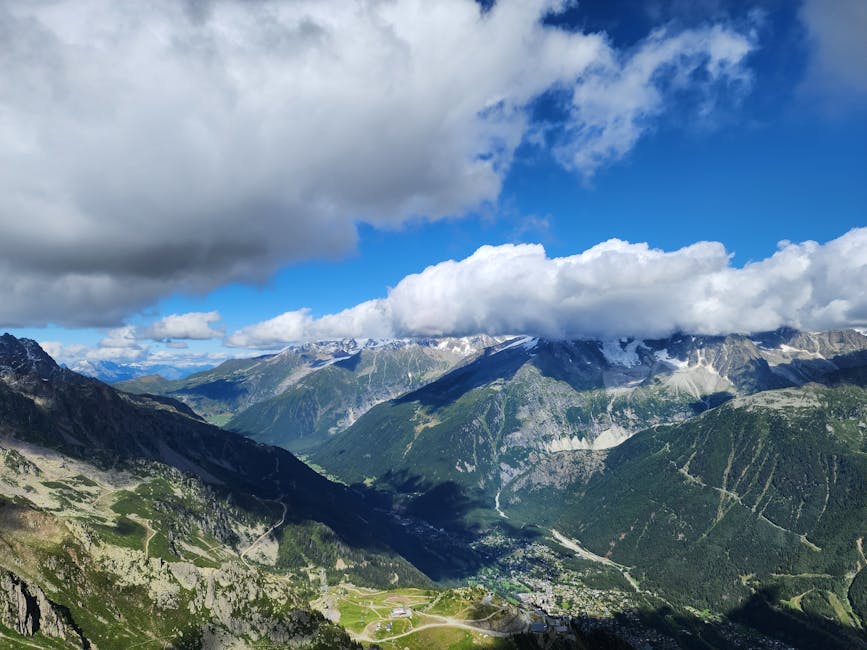
If you are doing the cheap tour and need to buy your own cable car tickets, the system is: queue at the kiosk in the cable car base station, request the slot you want, pay (cards accepted but cash backup useful), and get a printed ticket with a specific time slot. In peak summer the slots can be 2-3 hours later than your arrival, which is the friction the premium tour removes by pre-booking your slot.
What the Trip Is Really Like
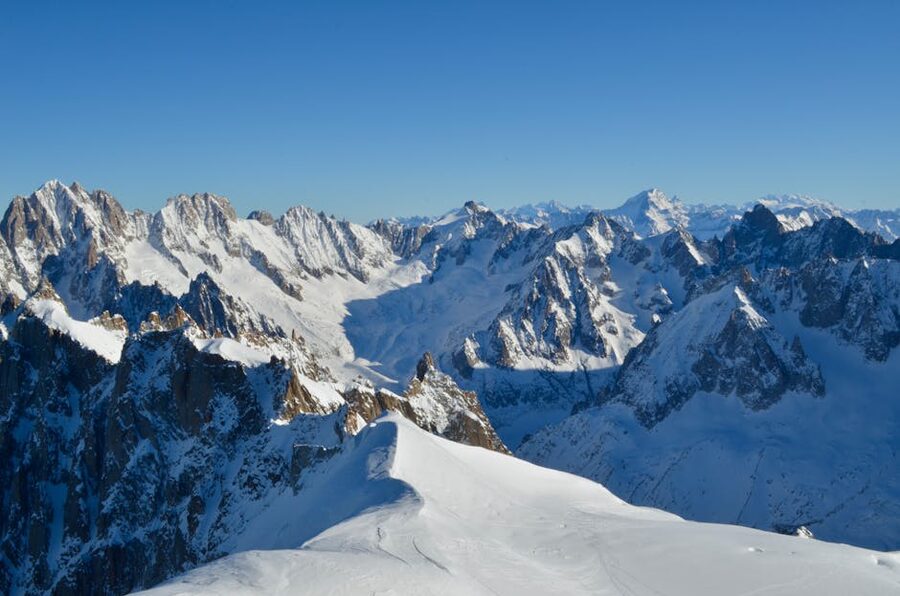
The day breaks into clear segments. You spend roughly 90 minutes on the bus each way (3 hours of total bus time), 60 minutes of sit-around-and-eat-lunch in Chamonix town, 60-90 minutes of cable car ascent and queueing, 60-90 minutes at the summit, and 30 minutes descending. That is essentially the whole day.
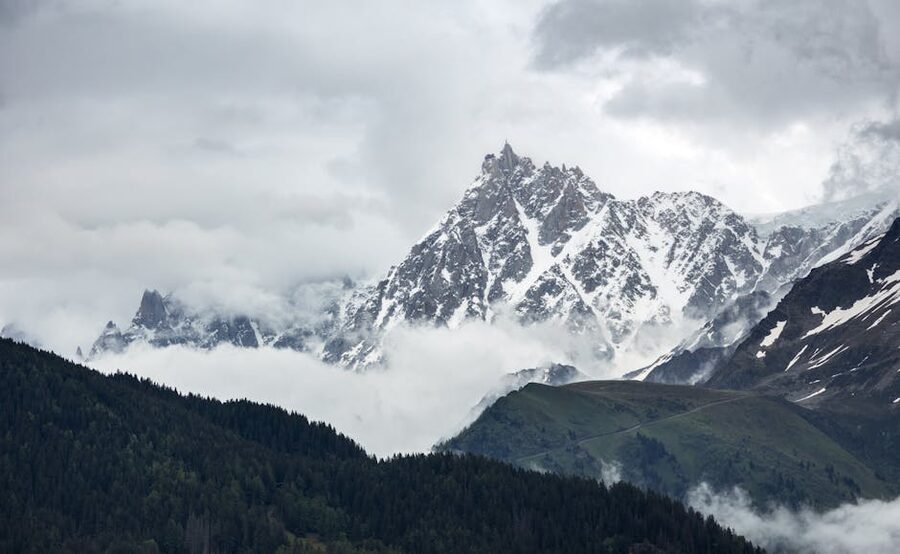
What surprises most travellers: the variability of the weather. The summit can be in cloud while Chamonix town is in clear sun, or the reverse. The cable car operators sometimes pause runs for high winds (above 80 km/h) which can leave you stranded in town for an extra hour. A clear summit day is the kind of weather you remember; a clouded-out summit day is still the experience of the cable car ride and the platform, just without the view down the valley.
Mont Blanc — The Mountain You Never Quite See
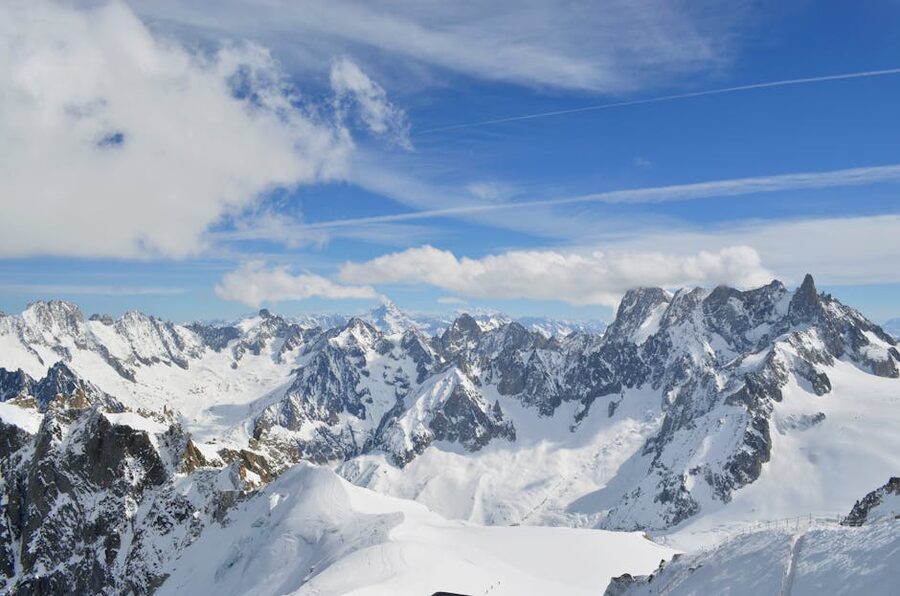
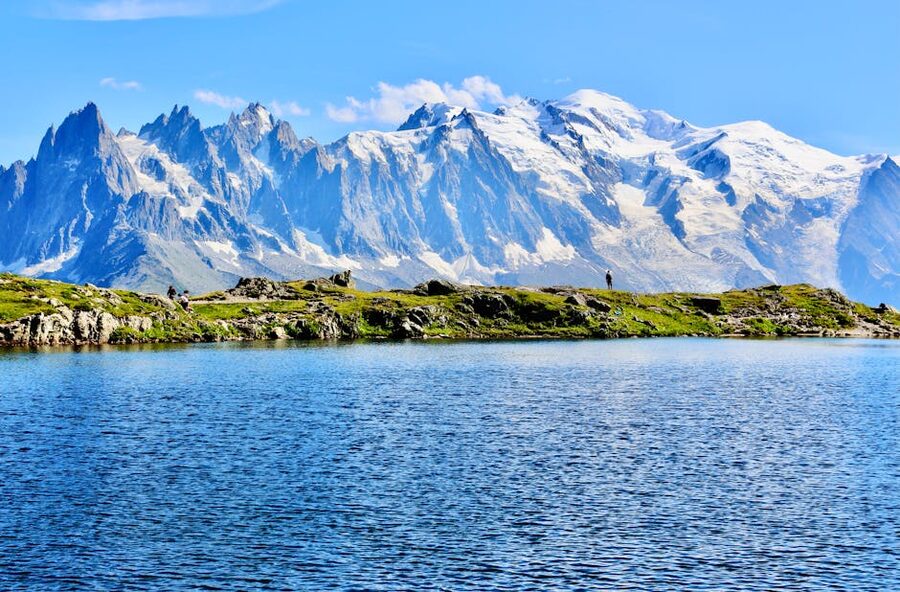
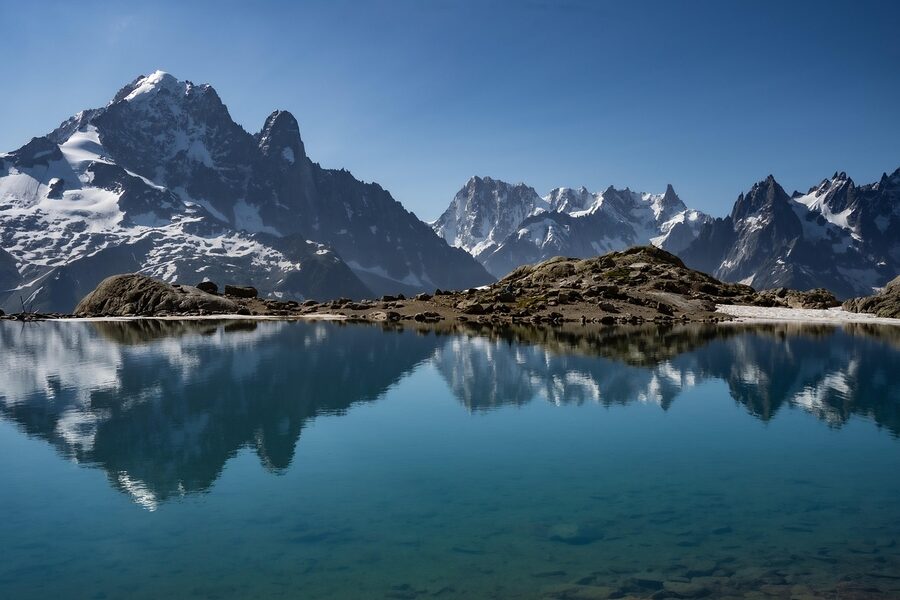
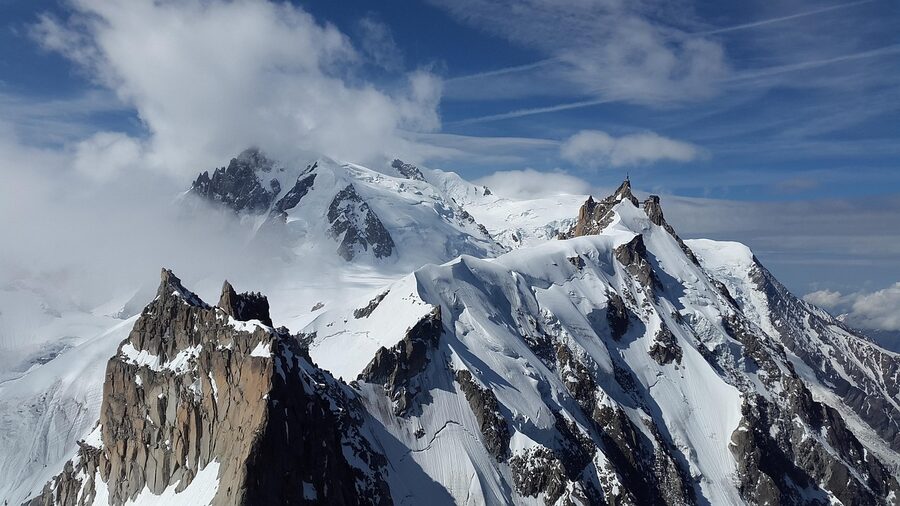
Mont Blanc itself is the headline of the day, but most travellers never get a clear look at it. The actual peak (4,810 metres) is hidden from Chamonix town by the foreground Aiguille peaks. You can see it from the upper sections of the cable car ride and from the Aiguille du Midi summit terrace, but you do not climb it, walk on it, or even particularly approach it. The day is about the surrounding peaks and the view of Mont Blanc, not the mountain itself.
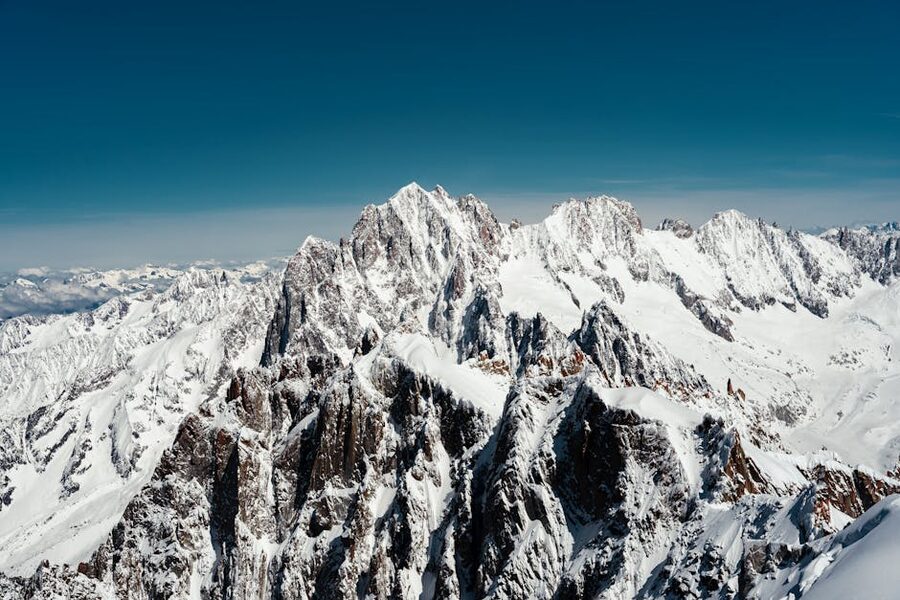
This catches some travellers out. People expect “Mont Blanc” to be a single dramatic peak that dominates every photograph. It is not — it is the highest point in a cluster of similar-looking peaks, all of which are dramatic on their own. The view from the summit terrace gives you the geographic reality: you can see Mont Blanc, you can identify it among its neighbours, but it is not the singular vertical spire of the cliché.
When to Go
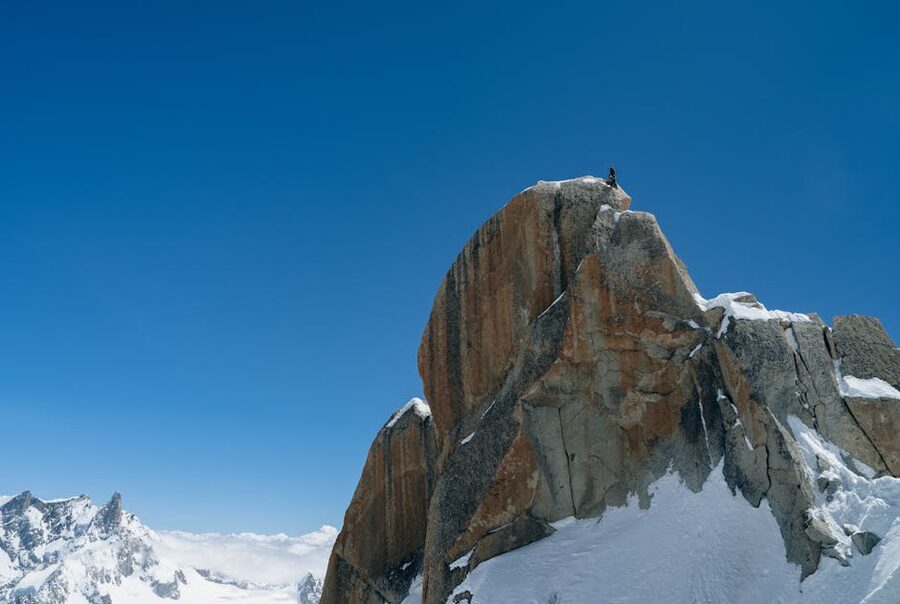
The cable car runs year-round and the trip works in any season, but the experience differs significantly by month. Summer (June-August) has the longest daylight, the most reliable weather, and the warmest summit temperatures (around 0°C versus -15°C in winter). The trade-off is the crowds — peak July-August has 2-3 hour cable car queues without pre-booked tickets.
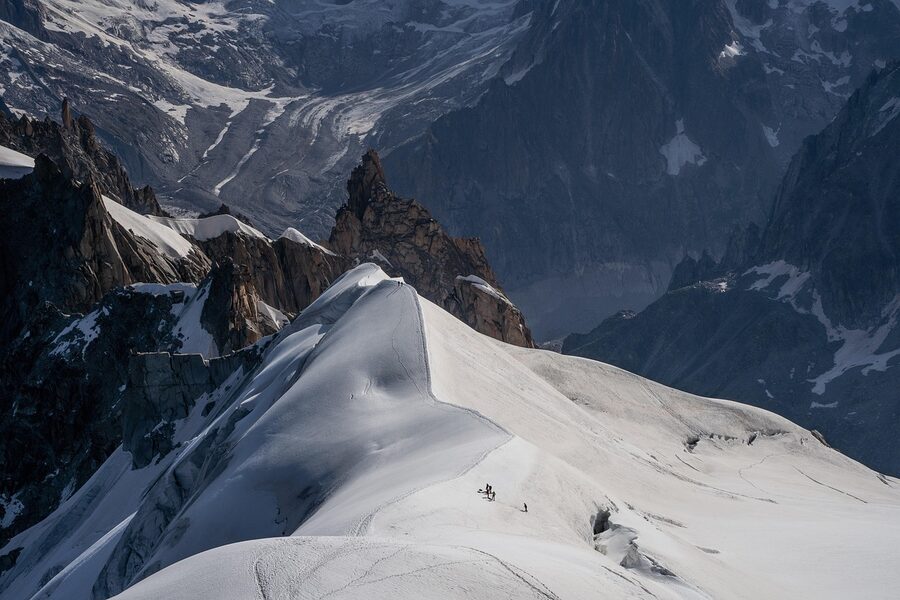
Winter (December-March) is when the cable car becomes a skiing access route. The cable car runs but the summit is dominated by skiers using it as an entry point for the Vallée Blanche — a 17 km off-piste descent that is one of the most famous ski routes in Europe. Cold (-15°C is typical), few queues, and a different atmosphere from summer tourism.
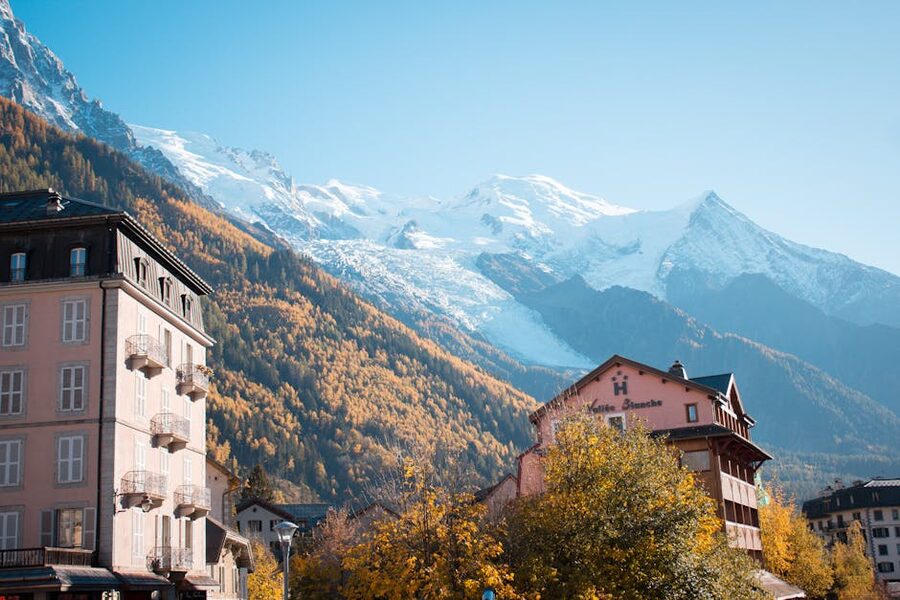
Shoulder seasons (April-May, September-October) are the photographer’s pick. Some risk of weather closures but generally clear, the autumn larches in October give you golden colours below the summit, and the queues are minimal. Spring is the most weather-variable; autumn is the most stable.
What to Bring
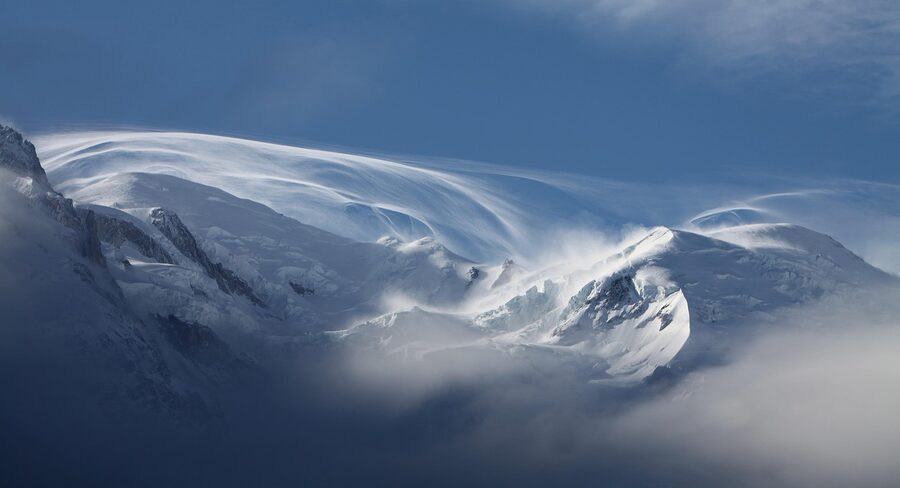
The summit is 25-30°C colder than Geneva on any given day. In summer, layer with a fleece and windproof shell over a t-shirt. In winter, full alpine gear including hat, gloves, and proper insulated boots. Closed shoes mandatory — there is no walking around the summit terraces in sandals.
Sunglasses are non-optional in any season; the snow glare at altitude is intense even on overcast days. Sunscreen for the same reason. A water bottle (the summit cafe charges $5+ for water). A real camera if you have one — phone cameras struggle with the contrast between bright snow and dark rock at this altitude.
Pairing With the Rest of Your Geneva Trip
Chamonix is the obvious “go big” day trip from Geneva. The natural Geneva-based pattern: arrive Geneva, do a Lake Geneva cruise in the late afternoon to orient yourself, do the Chamonix day on day two, fly out or transit to the next Switzerland city on day three. Two nights in Geneva is the right amount for this pattern.
For travellers doing a wider Switzerland trip, the Chamonix day is best slotted into a Geneva stop on the bigger loop. Done as part of a Geneva-Lucerne-Interlaken-Zurich week, it takes one of your Geneva days and gives you the alpine experience that Geneva itself does not have. Pair with city activities (museums, the Old Town) on the other Geneva day. If your trip continues east, the natural next stop is Lucerne for Mount Pilatus or further to Interlaken for the Bernese Oberland. The Swiss Travel Pass covers the Geneva-side trains for the next leg, but not the French coach to Chamonix — book that separately.
If you are doing both Mount Blanc from Geneva AND Mount Titlis from Zurich, you are essentially doing two Alps days in different countries. The two are similar enough in concept (cable car to high summit, glacier views, valley town below) that doing both feels somewhat repetitive. Pick one as your headline alpine day rather than trying to do both. Chamonix is the more dramatic; Titlis is the easier and includes the rotating cable car gimmick.
One last note. The cable car closes when winds at the summit exceed about 80 km/h, which is more common in winter and at the shoulder months than in midsummer. If your day-of-trip morning has high wind in the forecast, the operators may close the upper cable car (you can still reach the mid-station). Check the weather and the operator’s status updates the morning of your trip. If the upper cable car is closed, the cheap tour saves you 80 dollars; the premium tour usually still runs because the package includes the train and other elements.
This article contains affiliate links. If you book through our links, we may earn a small commission at no extra cost to you. This helps us keep producing detailed travel guides.