
My friend Mark has a passport stamp from Liechtenstein. He paid for it at the tourist information office in Vaduz, because nobody actually stamps your passport at a border that does not exist between Switzerland and Liechtenstein. The stamp is unofficial — a souvenir, not a real entry stamp — and Mark loves it more than any other stamp in his passport. That tiny absurdity is the entire experience of visiting Liechtenstein in a sentence: a country that has worked out how to package its own existence into a tourist product, and does it well enough that you leave with a souvenir you cannot get anywhere else.

This guide covers how to book the Heidiland and Liechtenstein day trip from Zurich: which tour to pick, what the actual day looks like (it is not all wine country and castles, and the bus does not visit the prince’s house), and whether the trip earns the seven-and-a-half hours it takes from Zurich and back.
)).jpg)
The day trip is one of the more unusual day trips Switzerland sells. You are essentially paying to visit a country that almost no traveller would otherwise add to their itinerary, plus a Swiss wine region that does not market itself heavily, plus the souvenir of having been to a real reigning monarchy that fits inside the surface area of a single Swiss canton. Whether that combination appeals to you tells you most of what you need to know about whether to book.
In a Hurry? The Three Tours Worth Booking
- Most reviewed pick: Heidiland and Liechtenstein Bus Day Trip from Zurich — around $115, 7.5 hours, the standard coach combo.
- Alternative reseller: Heidiland and Liechtenstein Tour from Zurich — around $121, 7.5 hours, similar itinerary on the Viator platform.
- Private four-country option: Four Countries Private Day Trip — around $1,800 per group, 11 hours, adds Austria and Germany to the same loop.
- In a Hurry? The Three Tours Worth Booking
- Which Tour to Book
- 1. From Zurich: Heidiland and Liechtenstein Bus Day Trip — from 5
- 2. Heidiland and Liechtenstein Tour from Zurich (Viator) — from 1
- 3. Trip to 4 Countries: Private Day Tour — from id="section-1",815 per group
- What the Day Actually Looks Like
- Vaduz — The Capital That Takes 30 Minutes to See
- The Heidiland Bit — What Is Actually There
- The Crossing Itself — Why There Is No Border Check
- What Else Is in Vaduz Worth Seeing
- Should You Even Book This Day Trip
- Doing It Yourself by Train
- Pairing With the Rest of Your Switzerland Trip
Which Tour to Book
The two coach tours are essentially the same trip — same coaches, same stops, sold by different platforms. Pick whichever has a better departure time for your day. The four-country private trip is a different category entirely; it makes sense for groups of three with a specific desire to add Austria and Germany to the day’s haul.
1. From Zurich: Heidiland and Liechtenstein Bus Day Trip — from $115
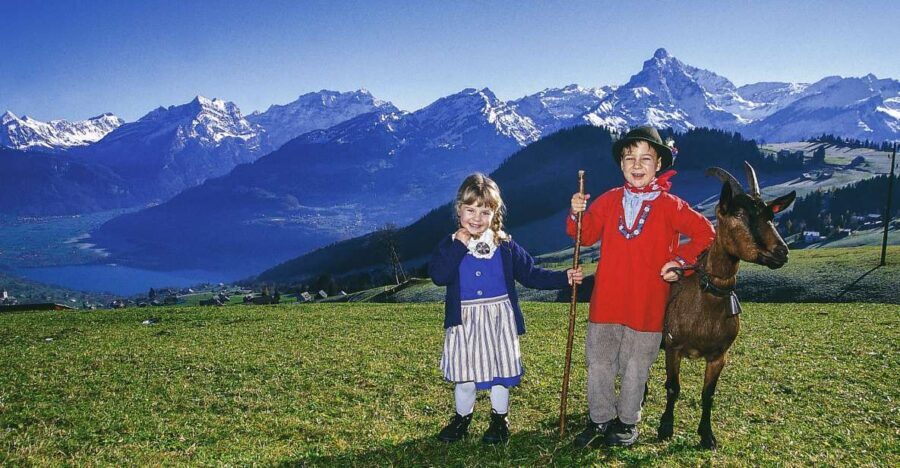
The most-booked of the two coach options. You leave Zurich mid-morning, drive south-east into the Heidiland wine region, stop at a small winery for a tasting, continue to Vaduz for about two hours of free time, then loop back via a viewpoint over the Rhine valley. Our full review walks through what each stop actually contains and how much guided versus self-guided time you get.
2. Heidiland and Liechtenstein Tour from Zurich (Viator) — from $121
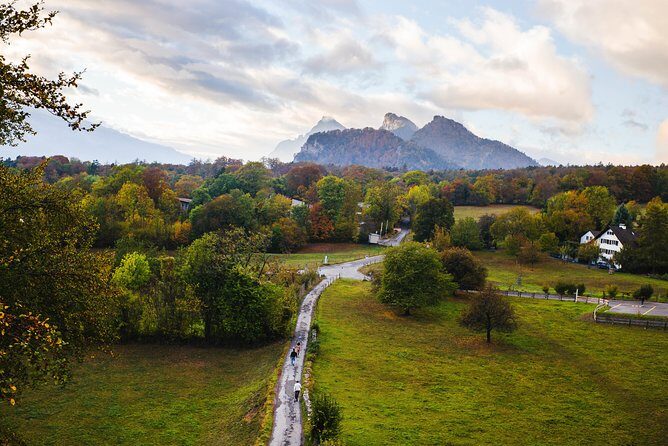
The Viator version of essentially the same coach tour. Same stops, same approximate timing, slightly higher price as Viator’s margin runs higher than GetYourGuide’s on this kind of multi-country day. Functionally interchangeable. Our full review covers the booking mechanics and any small differences in the included content.
3. Trip to 4 Countries: Private Day Tour — from $1,815 per group
The four-country trip is a private vehicle (driver included) that adds short crossings into Austria and Germany to the standard Heidiland-Liechtenstein loop. You technically set foot in four countries (Switzerland, Liechtenstein, Austria, Germany) in one day. It is a long day with not enough time anywhere — but if the bragging rights are the point, this is the way to do it. Our full review covers the actual itinerary and whether the four-country claim earns the cost.
What the Day Actually Looks Like
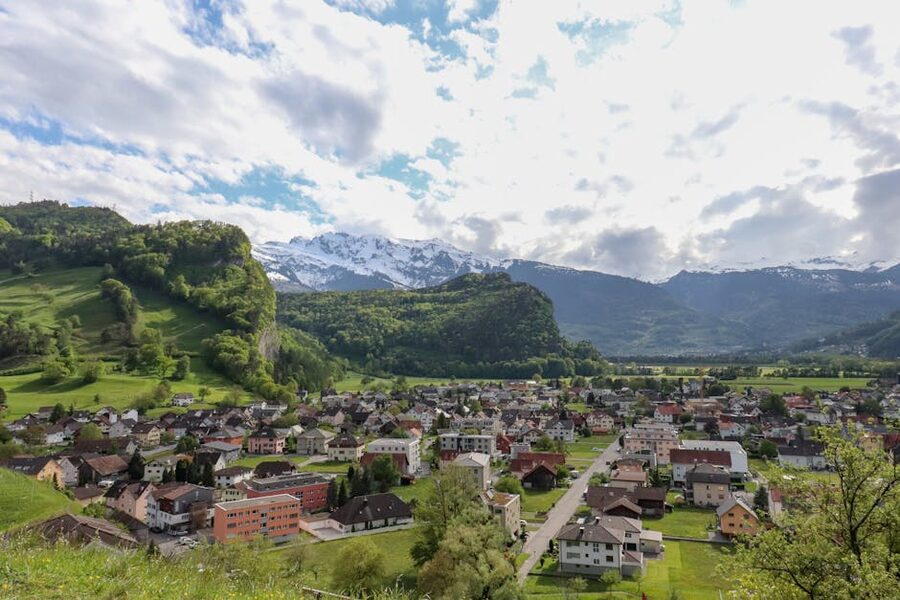
The coach picks you up around 9am from the central Zurich meeting point. The first leg is the drive south-east toward the Heidiland region — about 90 minutes on the A3 motorway through the Linth valley, passing the Walensee lake on the way. The guide does most of the talking on this stretch, covering Swiss history, Liechtenstein’s role as the world’s largest exporter of false teeth (genuinely true), and the marketing story of how Heidi became a regional brand.
The first proper stop is at a winery in the Heidiland region — usually a family-run operation in Maienfeld or Bad Ragaz. The visit is about 45 minutes including a tasting of three or four local whites and reds. The wines are good. The pour is genuinely generous for a $115 tour. You get back on the coach and continue south for the 30-minute drive to Vaduz.
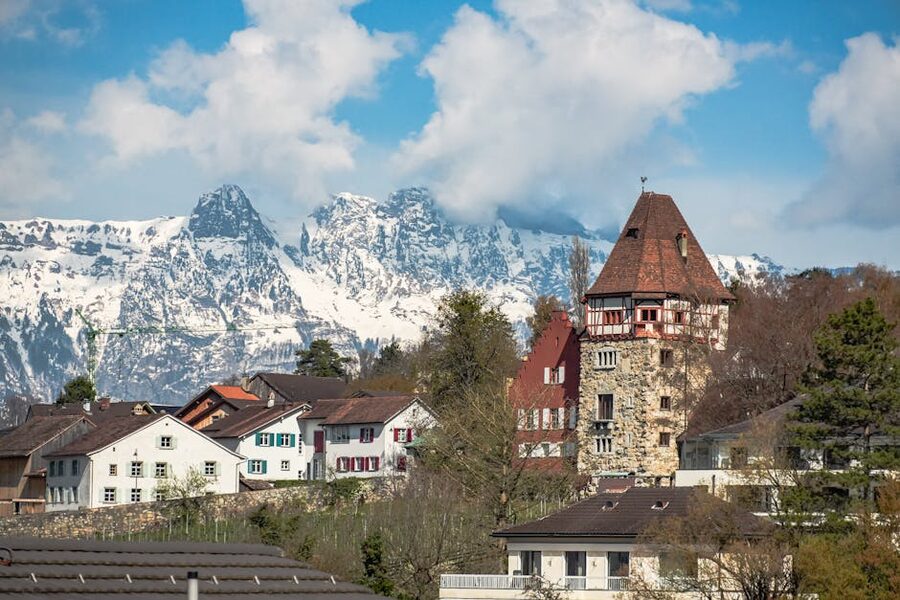
You arrive in Vaduz around midday. The coach drops you in the city centre and you have approximately two hours of free time before the meeting point. This is the part of the day most travellers find awkward — Vaduz is small, the headline sights take 30 minutes to walk, and what to do with the remaining 90 minutes is a real question. The guide gives suggestions but does not lead anything during the free time.
Vaduz — The Capital That Takes 30 Minutes to See
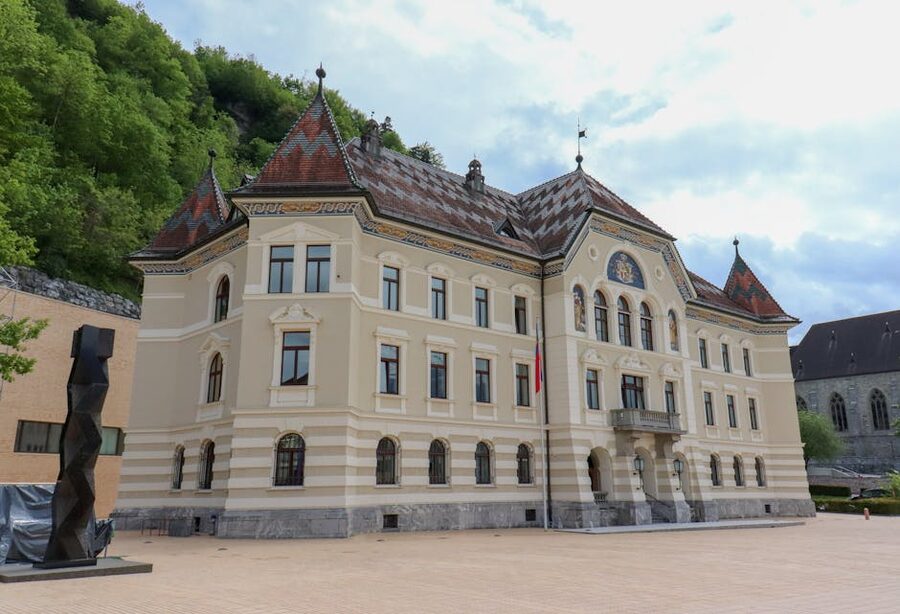
Vaduz is the capital of Liechtenstein and houses about 5,500 people. The pedestrianised main street (Städtle) is essentially the entire downtown — a single line of shops, restaurants, the tourist information office, and the parliament building. You can walk it end to end in eight minutes. There is the Postal Museum (free), the National Museum (small but well done), the Kunstmuseum (modern art), and the cathedral. None of them takes more than 45 minutes if you commit.
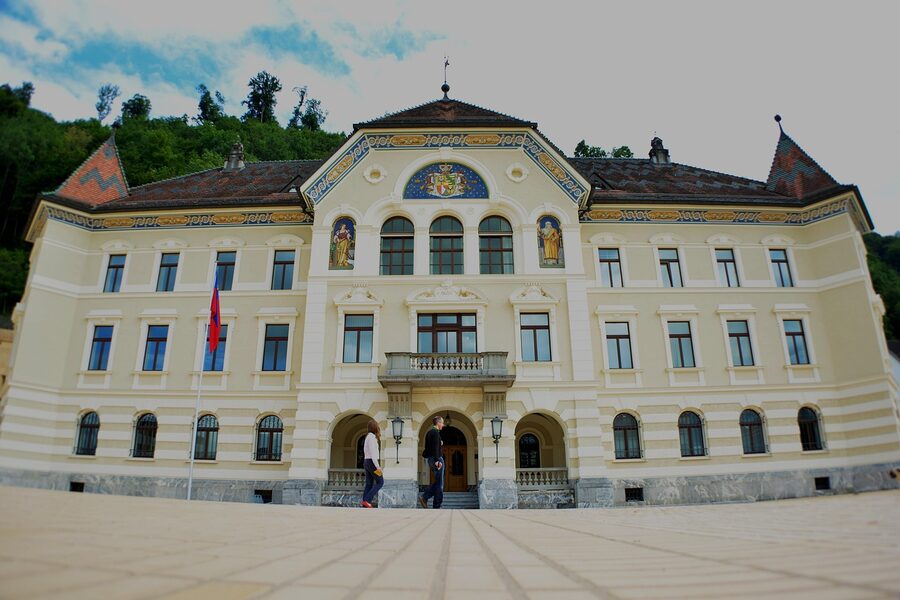
The single most useful thing to do with two hours: walk the main street first to get a sense of the place, then stop at the tourist information office and pay $4 for the unofficial Liechtenstein passport stamp. The stamp is the souvenir most travellers come for whether they realise it or not. After that, take the 25-minute walk up the path behind the village to the viewpoint below Vaduz Castle.
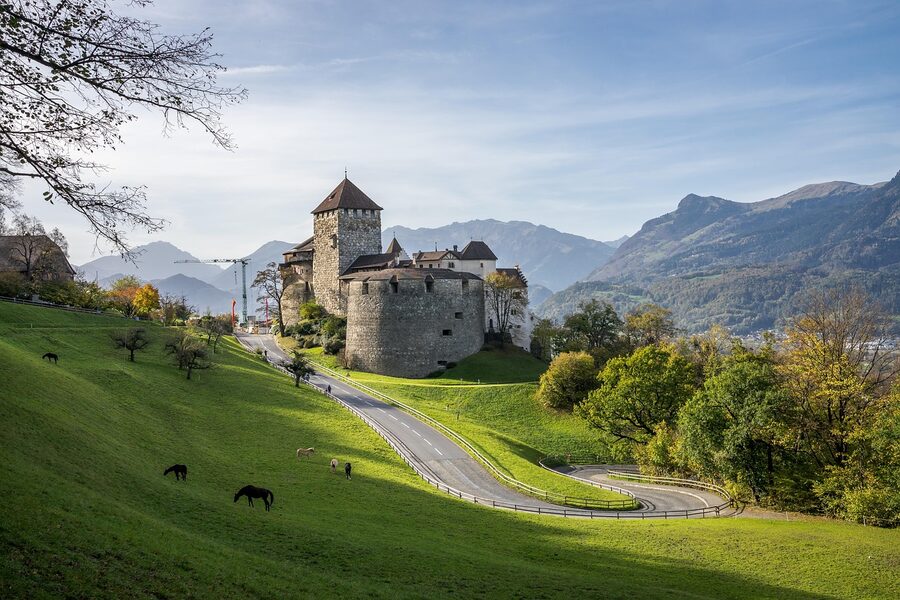
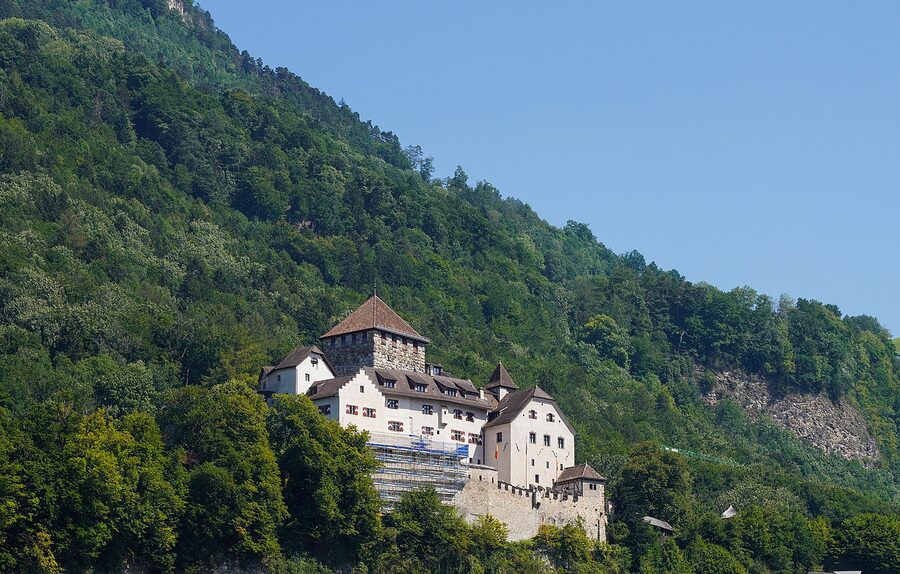
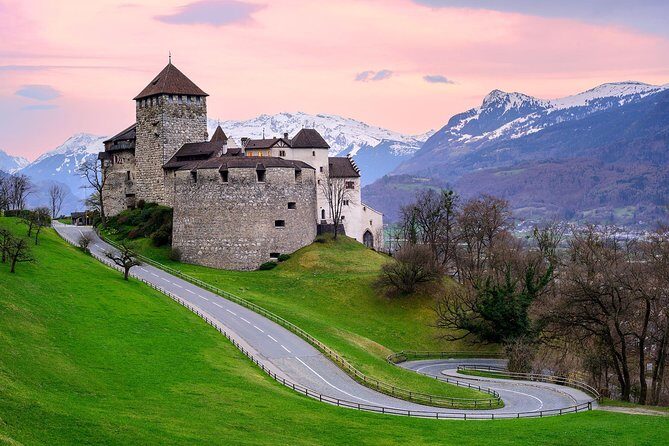
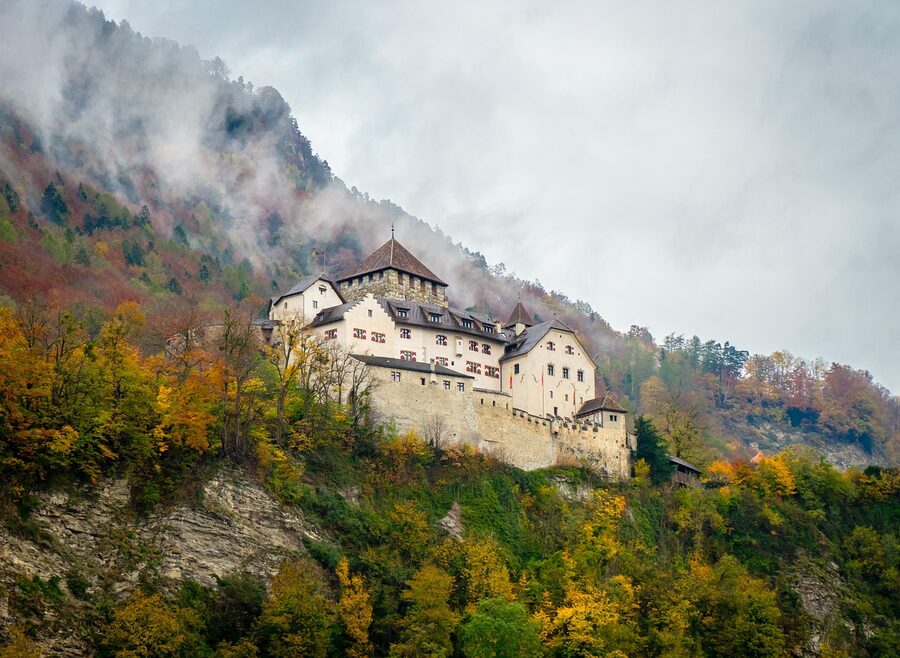
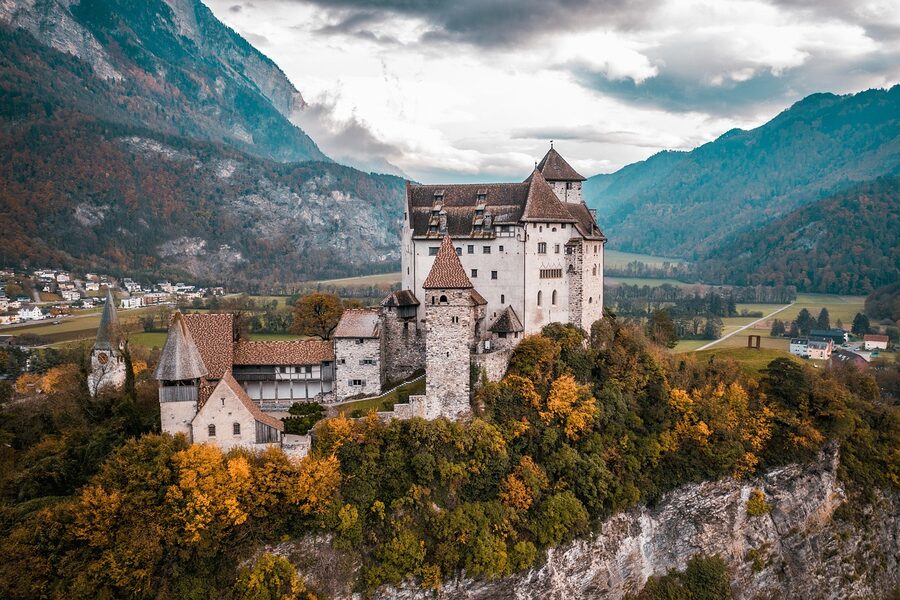
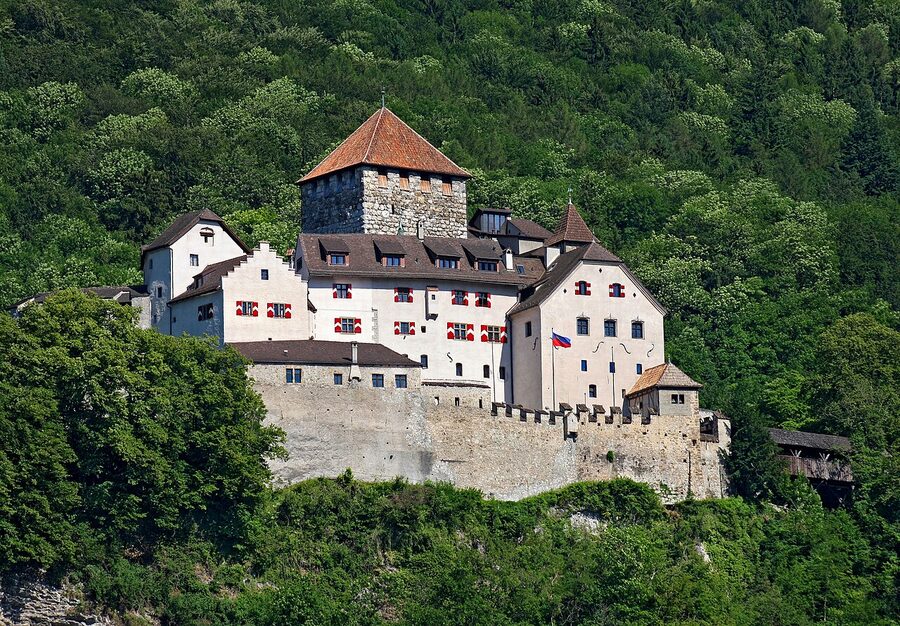
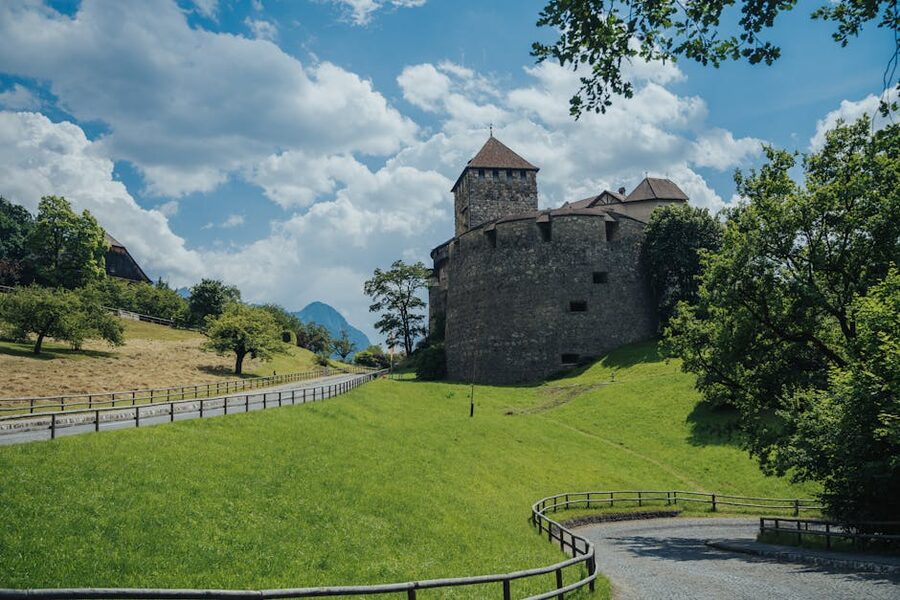
The castle itself is the headline image of the trip. It sits on a wooded hill 120 metres above the village, and the Princely Family of Liechtenstein still lives in it as their full-time residence. You cannot enter the castle. You cannot take a tour. You cannot peek over the wall. What you can do is walk up the path that loops around the cliff to the south side, which gives you a clear view of the castle from the front. That walk is the best 25 minutes of the Liechtenstein day.
The Heidiland Bit — What Is Actually There
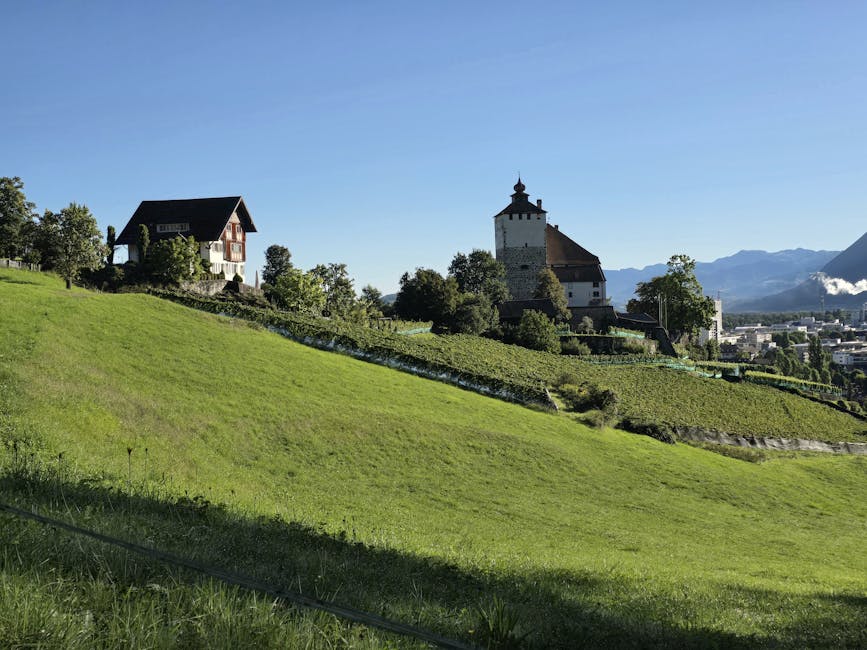
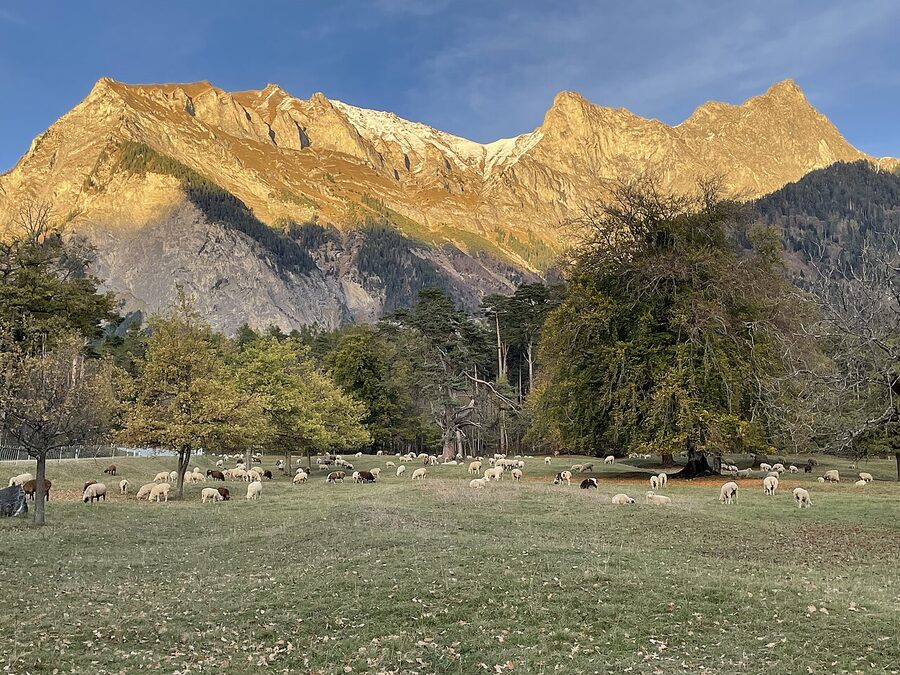
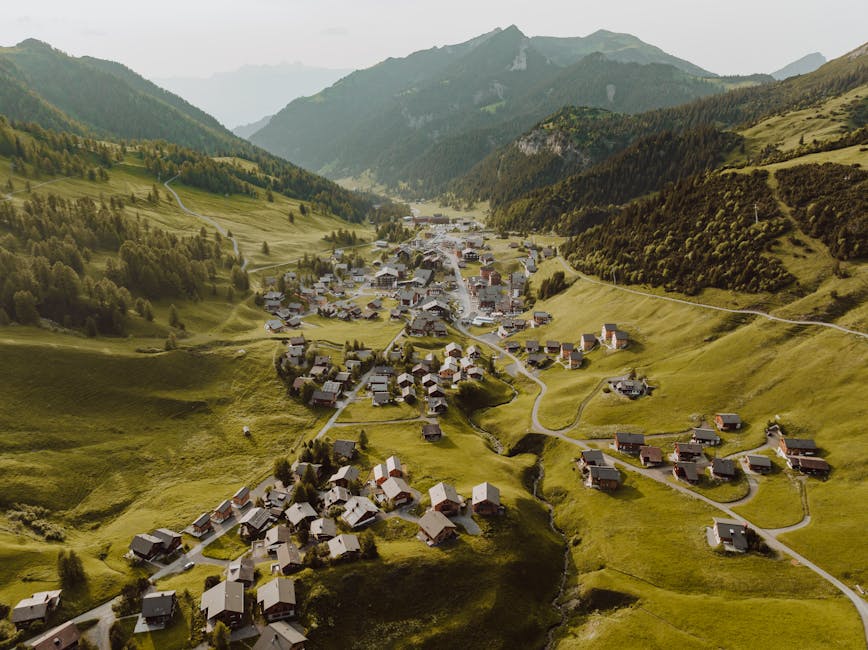
The “Heidiland” name was invented in the 1990s as a marketing brand for the wine region around Maienfeld and Bad Ragaz, on the basis that Maienfeld was the inspiration for Johanna Spyri’s 1880 children’s novel Heidi. There is a Heididorf (a Heidi-themed visitor village) in Maienfeld with a recreated 1880s farmhouse, but the bus tours generally skip it — the stop is at a working winery rather than the Heidi attraction itself.
The wine region is genuinely good though. The Bündner Herrschaft area produces some of Switzerland’s best Pinot Noir and a regional white called Completer that is essentially impossible to find outside the area. The wineries are small family operations. The tasting included with the tour is short but the wines pour are not the cheap stuff — the operators have negotiated proper pours from established producers.
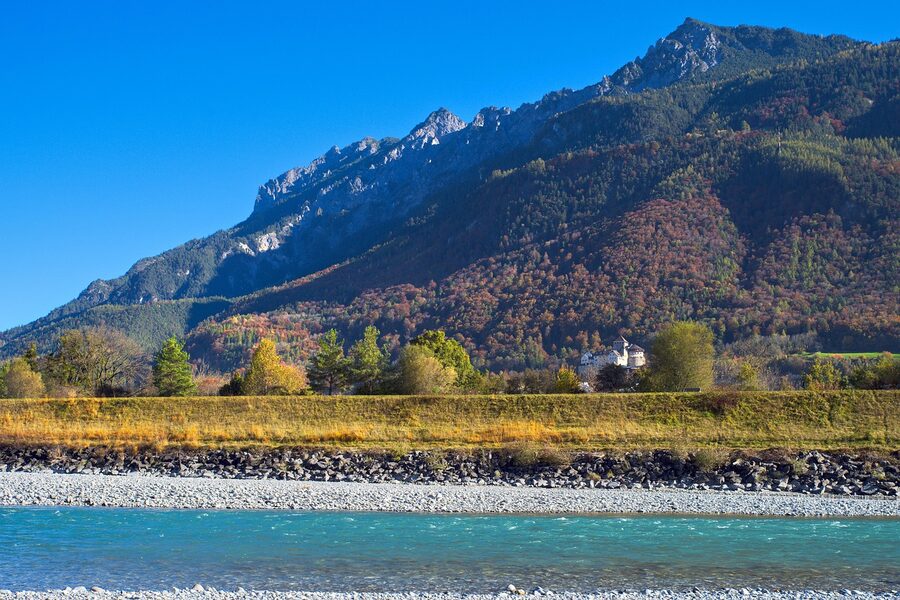
The Crossing Itself — Why There Is No Border Check
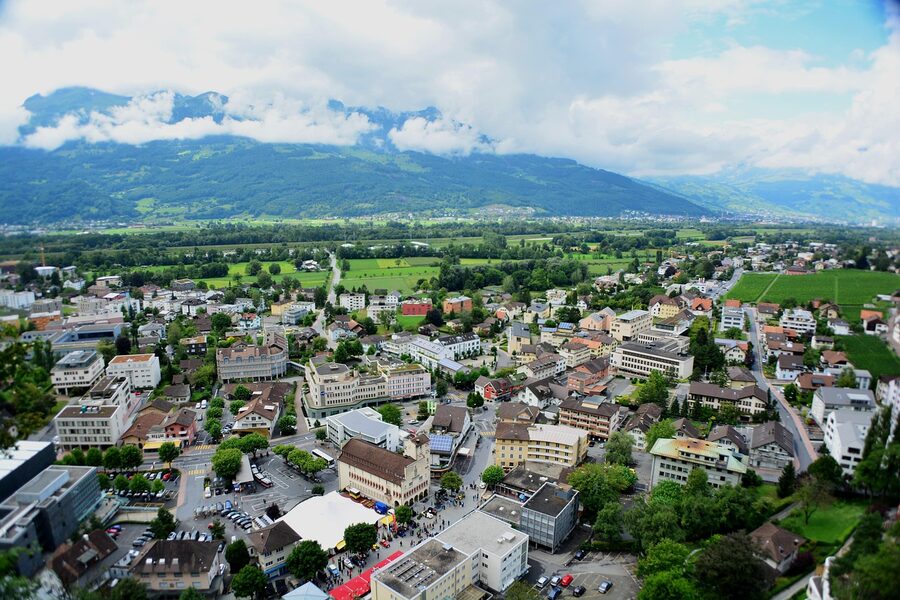
Liechtenstein is in a customs and currency union with Switzerland, has open borders with both Switzerland and Austria, and uses the Swiss franc as its currency. There is no border control, no passport check, no customs declaration. The only sign you cross from Switzerland into Liechtenstein is a small blue road sign with the Liechtenstein flag on it. Most travellers miss it entirely.
This is why the unofficial passport stamp at the tourist office matters. Without it, there is no physical record that you visited a foreign country. Some travellers spend the morning being confused by this and the afternoon insisting on the stamp. Both reactions are correct — Liechtenstein is functionally Switzerland’s eastern annex for daily purposes, and ceremonially a separate sovereign nation that has been independent since 1719.
What Else Is in Vaduz Worth Seeing
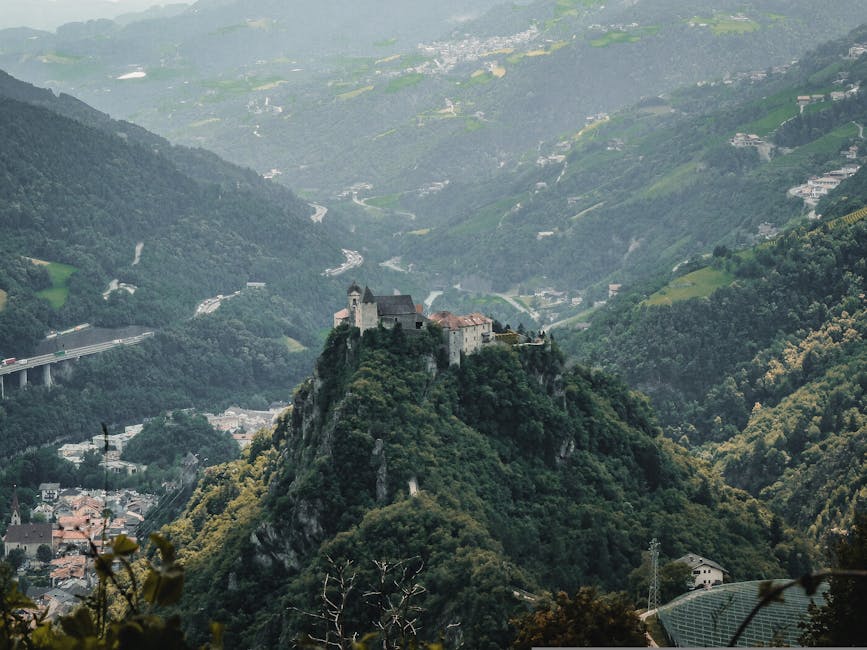
If you have done the castle viewpoint walk and the main street and you still have time before the bus, here are the genuine extras worth fitting in. The Postal Museum (Kirchstrasse) is free and is one of the better small museums in Europe — Liechtenstein’s stamp programme has been a major source of national income since the 1920s, and the museum tells that story well. The Kunstmuseum ($14) is the modern art gallery; it has rotating exhibitions and is worth a visit if the current show interests you. The cathedral takes 10 minutes.
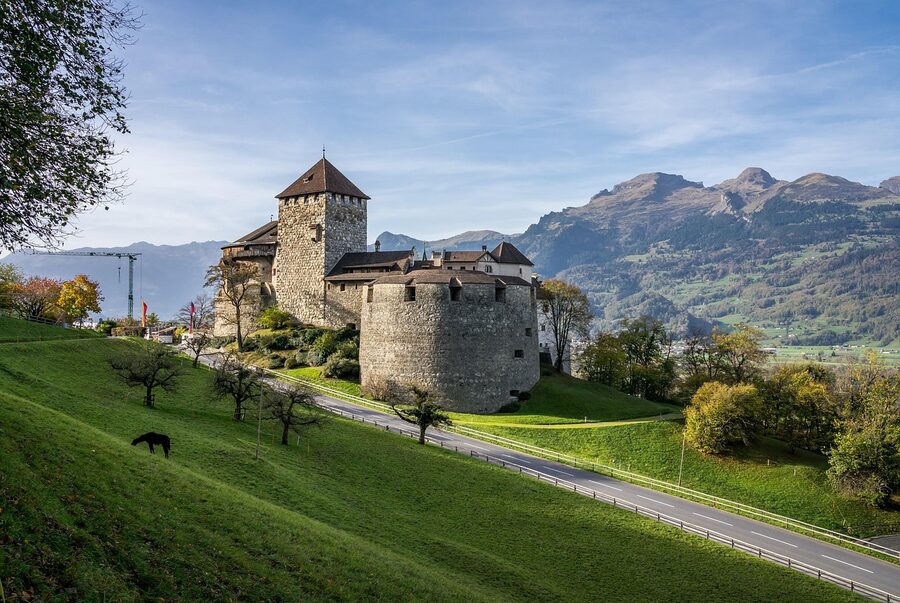
The thing most travellers do not know about: there is a small wine bar called Torkel on the Schloss path, owned by the Princely Family, that uses grapes from the Princely vineyards on the slope below the castle. Open lunch through dinner. The wines are not cheap but they are the only place outside the castle itself where you can drink wine made by the prince. If you have an extra 45 minutes and a craving for a small absurdity, this is it.
Should You Even Book This Day Trip
Honest answer: no, for most people. The Heidiland-Liechtenstein day is the kind of trip you book if you have already done the better Switzerland day trips and want something genuinely different — or if you specifically want the country count for collectors’ reasons. The actual scenery is good but not better than what you get on the Mount Titlis day trip, and the cultural content (Vaduz, the prince, the wine) is interesting but thin compared to what an extra Lucerne day or an Interlaken trip gives you.
Honest counter-argument: there is something real about visiting a country that essentially nobody else has been to. Of all the people you know who have travelled to Switzerland, almost none of them have set foot in Liechtenstein. The unofficial passport stamp, the prince’s house, the wine bar with the prince’s wine, the country that does not check your passport at the border — these are small absurdities that add up. If you collect them, this is your day.
Doing It Yourself by Train
Worth knowing: you can do this trip without a tour. Take the Swiss train from Zurich Hauptbahnhof to Sargans (90 minutes, $40 each way), then a 30-minute bus across the border into Vaduz. The Liechtensteinian local bus that runs the loop costs around $4. You can spend as long as you want in Vaduz, walk to the castle viewpoint at your own pace, and time the day around your own meals rather than the coach schedule.
The trade-off with self-driving the same trip: the wine tasting and the guide commentary are both included in the bus tour and you would have to organise them separately. The wine bar at Torkel sells the same wines you would taste on the tour, but at retail prices rather than included. The guide commentary is replaceable with a Wikipedia tab on the train.
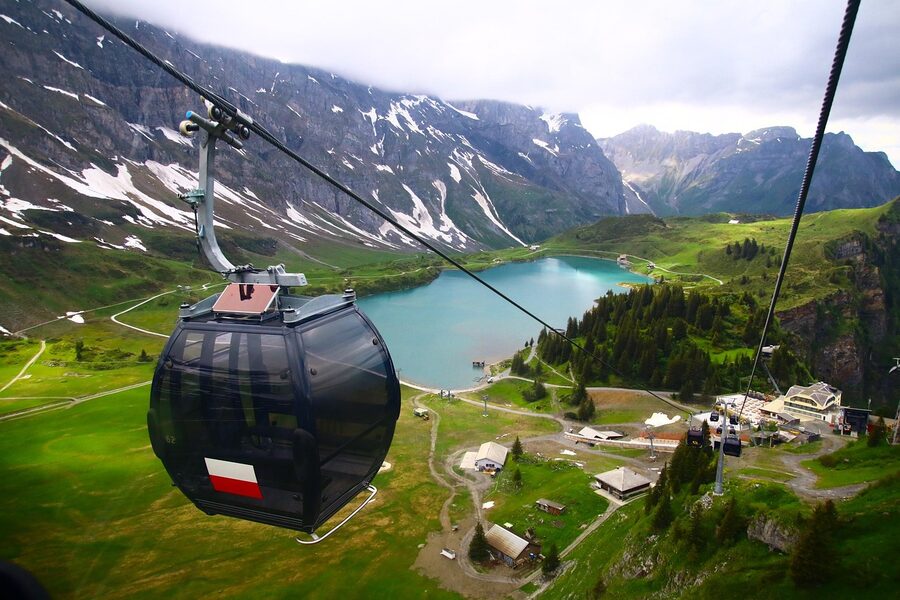
For travellers with the Mount Titlis trip already booked and a Swiss Travel Pass in hand, the DIY version of the Heidiland trip is the obvious move. Take the train to Sargans, the bus to Vaduz, walk the castle path, get the passport stamp, eat a sandwich on the bench overlooking the Rhine valley, take the bus and train back to Zurich. Total cost in time and money is significantly less than the coach tour, and you set your own pace.
Pairing With the Rest of Your Switzerland Trip
The natural place for this day is the buffer day between two more demanding excursions. After a brutal Mount Titlis trip or a long Rhine Falls combo, the relatively gentle 7.5-hour Heidiland-Liechtenstein day is a soft alternative. You spend most of it sitting in the bus, the walking is minimal, and the wine tasting takes the edge off whatever else has been hard about your week.
If you are doing a longer Switzerland trip and have a Zurich base for several days, this is also the natural pick for your “one easy day” — slot it between a Mount Titlis day and a Lucerne day, both of which take more out of you. Pair the evening with a relaxed dinner in central Zurich rather than another big activity. The wine from the tasting will be enough buzz for the rest of the night.
If you are not based in Zurich, consider whether the trip is worth the journey at all. From Lucerne, Geneva, or Interlaken, the route adds two or three hours each way over the Zurich-based timing. The day stops being a half-day and becomes a real commitment. Better to either stay a night in Zurich first or skip the trip entirely.
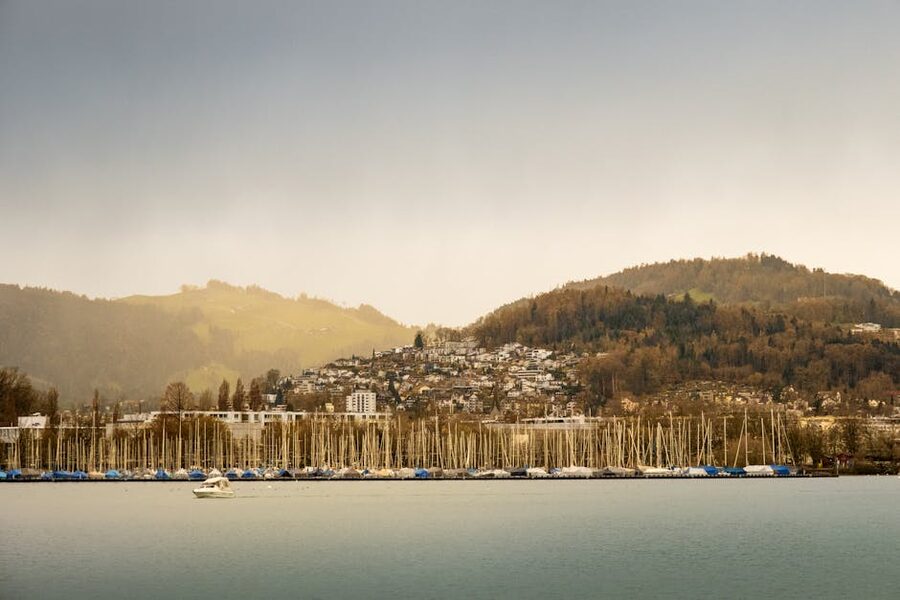
One last note. The bus tour does not include lunch — you eat in Vaduz on your own dime. Lunch options are reasonable but not cheap. The two restaurants worth knowing about are Torkel (the prince’s wine bar, lunch from $25) and Adler (the local pub, lunch from $18). Most coach travellers eat sandwiches from the supermarket and save the spend for the wine bar later.

This article contains affiliate links. If you book through our links, we may earn a small commission at no extra cost to you. This helps us keep producing detailed travel guides.