
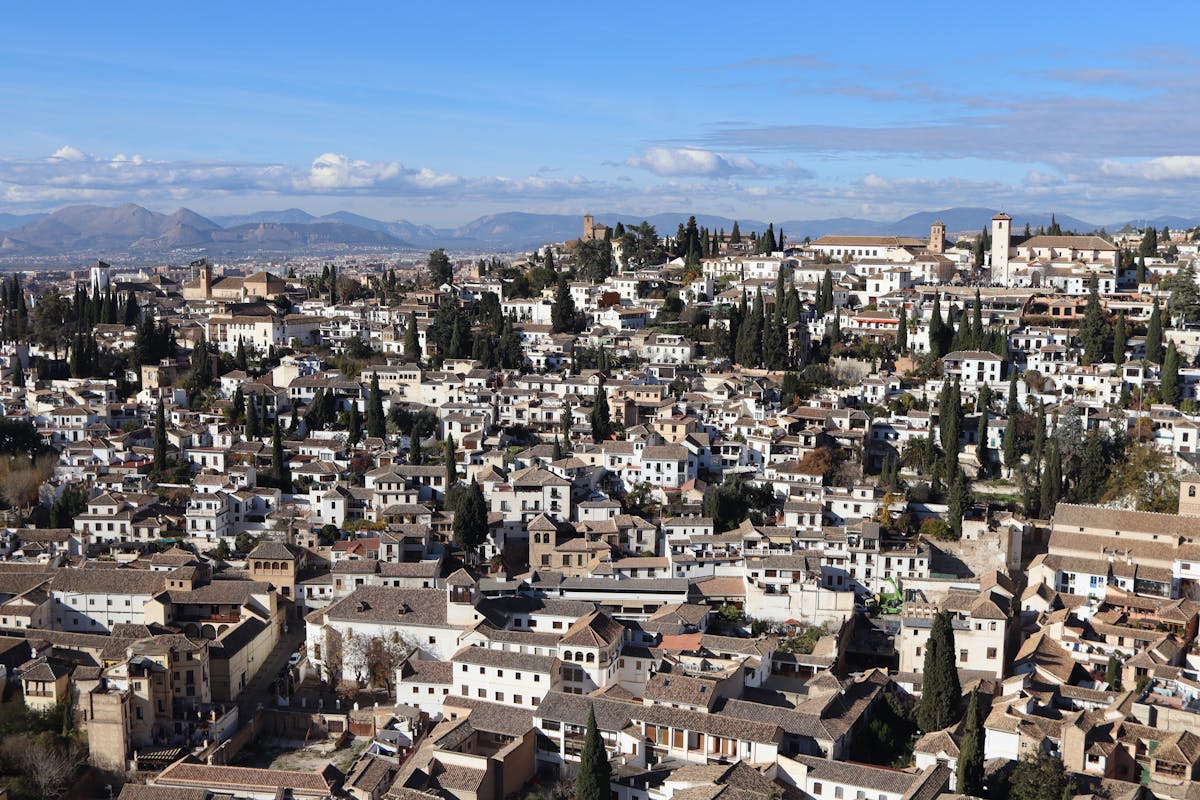
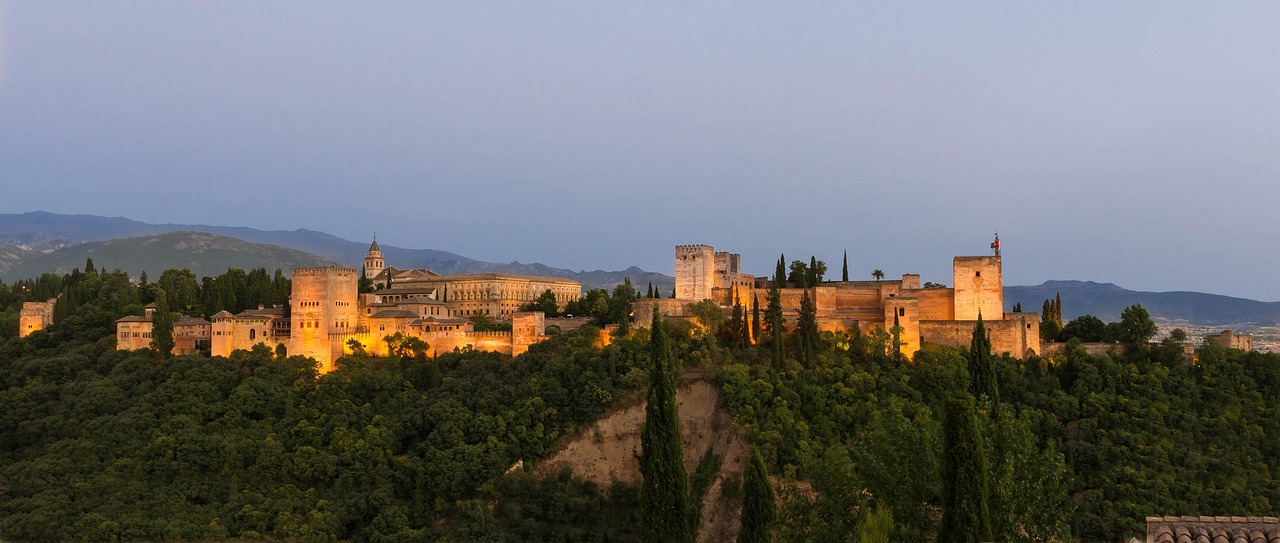
The Mirador de San Nicolas at sunset is one of those travel moments that actually lives up to the hype. The Alhambra turns gold against the Sierra Nevada, the city drops away below you, and a guitarist is almost certainly playing somewhere behind you while someone sells cold beer from a cooler. It’s a scene so perfect it feels staged. But the viewpoint is just the headline. The neighbourhood around it — the Albaicin — is the real story.
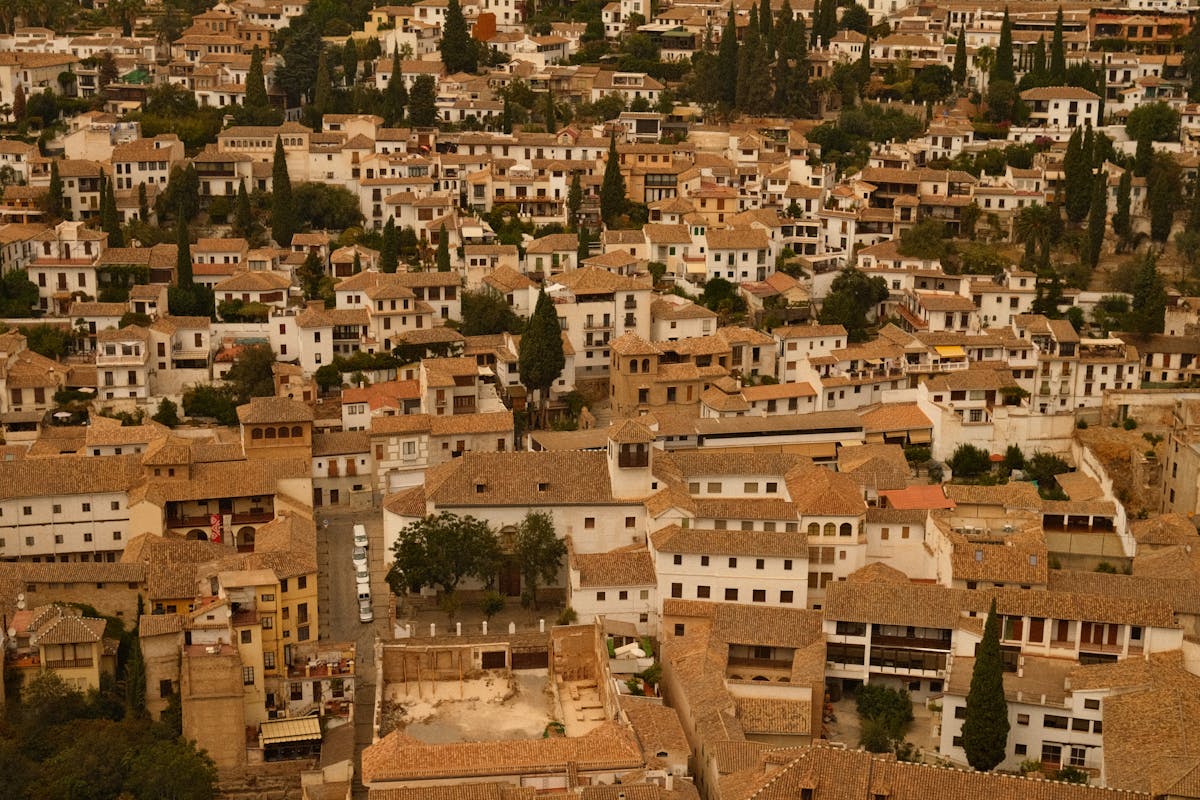
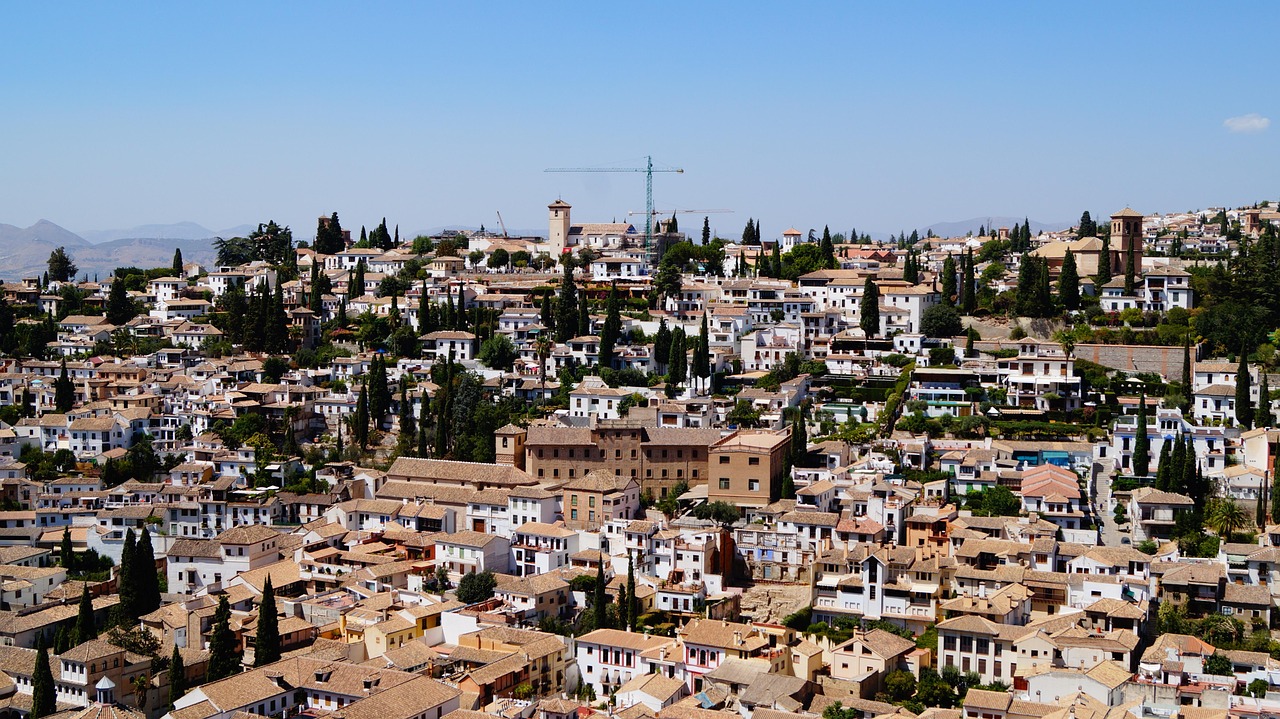
This is the oldest part of Granada. A UNESCO World Heritage district that still feels like a Moorish village in places — winding alleys that dead-end at someone’s front door, white walls with jasmine spilling over the top, and the sound of water running through channels the Arabs built a thousand years ago. Next door is Sacromonte, the hillside where Roma families carved homes into the rock and where flamenco went from private ritual to the art form the world knows today.
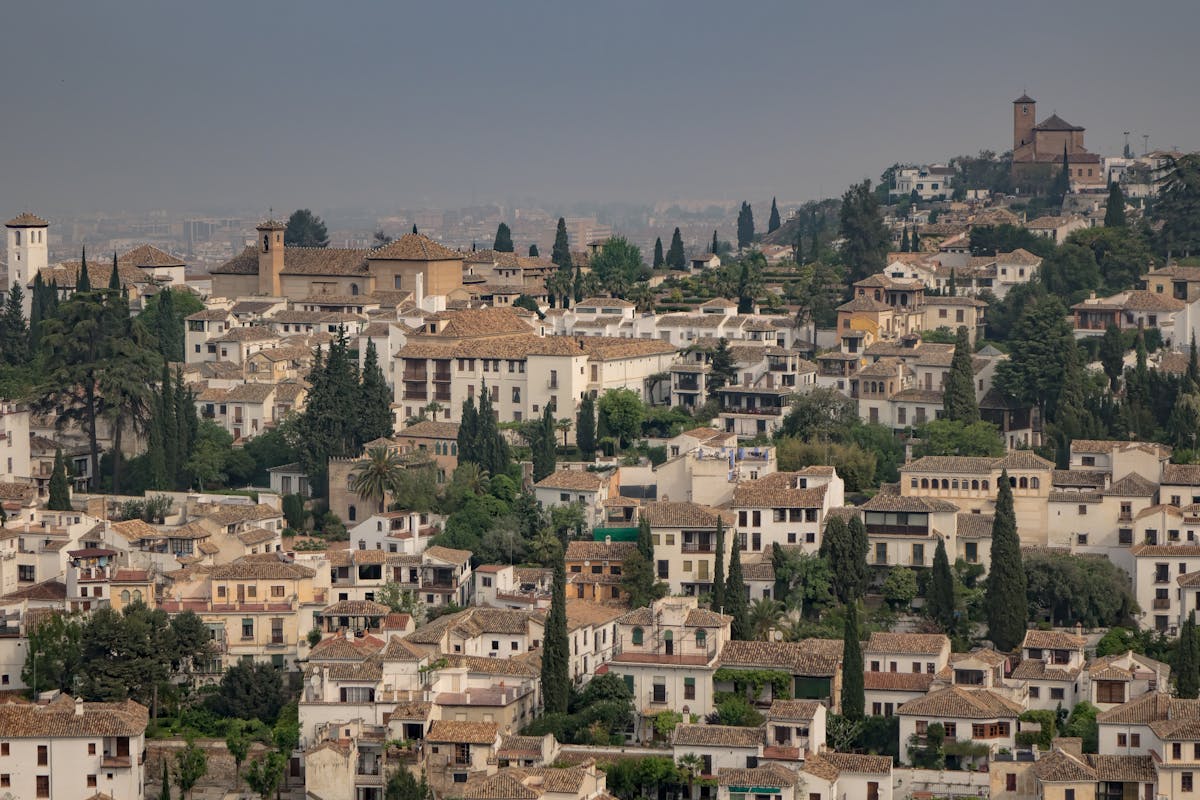
Walking these streets on your own is possible, but you’ll miss most of what makes them interesting. The history is invisible unless someone points it out — a door frame that was once a mosque entrance, a cistern hidden behind a restaurant, a wall where you can still see the Arabic script if you know where to look. That’s why most visitors book a guided tour, and honestly, for this particular neighbourhood, I think they’re right to.
Below is everything you need to plan a visit: the best tours, what to see, when to go, and the practical stuff nobody puts on their blog because they copied it from the last blog.
In a Hurry? My Top Picks
- Best overall experience: Albaicin & Sacromonte Sunset Walking Tour — $17 per person. Two and a half hours through both neighbourhoods, timed so you hit the Mirador de San Nicolas right as the light goes gold. At seventeen dollars, this is absurdly good value. Book this tour
- Most fun way to explore: Albaicin & Sacromonte Electric Bike Tour — $54 per person. Covers more ground in two hours than you’d manage in a full day on foot, and the e-bike takes the sting out of the hills. Book this tour
- Best cultural add-on: Flamenco Show at Jardines de Zoraya — $22 per person. One hour of raw flamenco in an intimate courtyard setting inside the Albaicin itself. Pair it with the sunset walking tour for a perfect Granada evening. Book this show
- In a Hurry? My Top Picks
- Why Tour the Albaicin (Instead of Just Walking Around)
- Best Tours for Visiting the Albaicin
- 1. Albaicin & Sacromonte Sunset Walking Tour —
- 2. Albaicin & Sacromonte Electric Bike Tour —
- 3. Flamenco Show at Jardines de Zoraya —
- When to Visit the Albaicin
- What to See in the Albaicin and Sacromonte
- Practical Tips
- More Granada Guides
Why Tour the Albaicin (Instead of Just Walking Around)
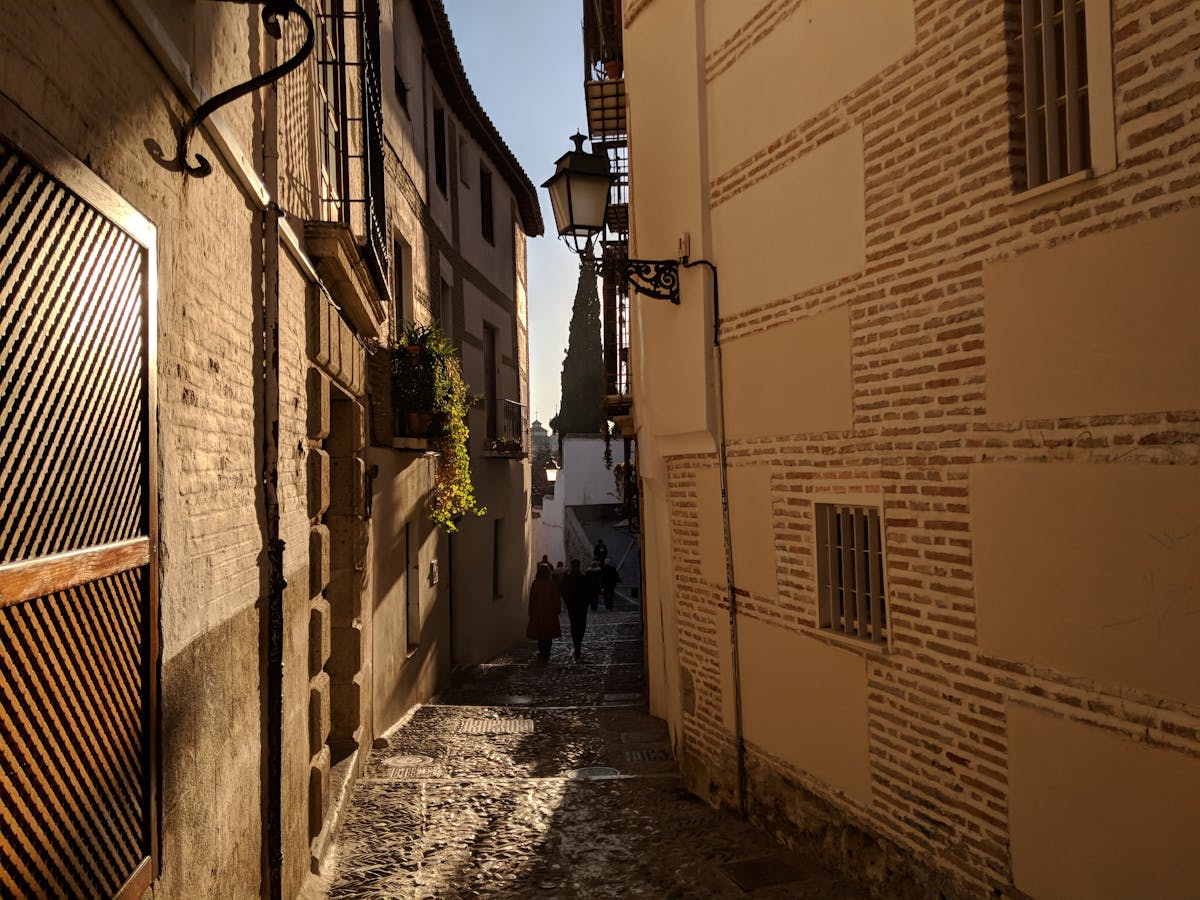
I’ll be honest — I usually prefer exploring cities on my own. But the Albaicin changed my mind about guided tours in historic districts. The reason is simple: almost everything worth knowing here is hidden.
The Moors ruled Granada for nearly 800 years, and the Albaicin was their residential heart. When the Catholic Monarchs took the city in 1492, they didn’t demolish the neighbourhood. They built churches on top of the mosques, plastered over the Arabic calligraphy, and converted the hammams into storage rooms. The bones of Moorish Granada are still there, but they’re buried under 500 years of Catholic renovation.
A good guide peels those layers back. They’ll point out the horseshoe arch hidden inside a church doorway, show you where the old medina gates stood, and explain why the streets spiral inward instead of running in a grid. Without that context, you’re walking through a pretty neighbourhood. With it, you’re walking through a thousand years of religious conflict, cultural exchange, and architectural genius that somehow survived both.
The hills are also no joke. The Albaicin climbs steeply from the River Darro up to the San Nicolas viewpoint, and Sacromonte is even steeper. A tour means someone else has figured out the route — which streets connect, which staircases to avoid, and where to stop for water. On your own, you’ll probably end up going in circles or climbing the same hill twice.
Best Tours for Visiting the Albaicin
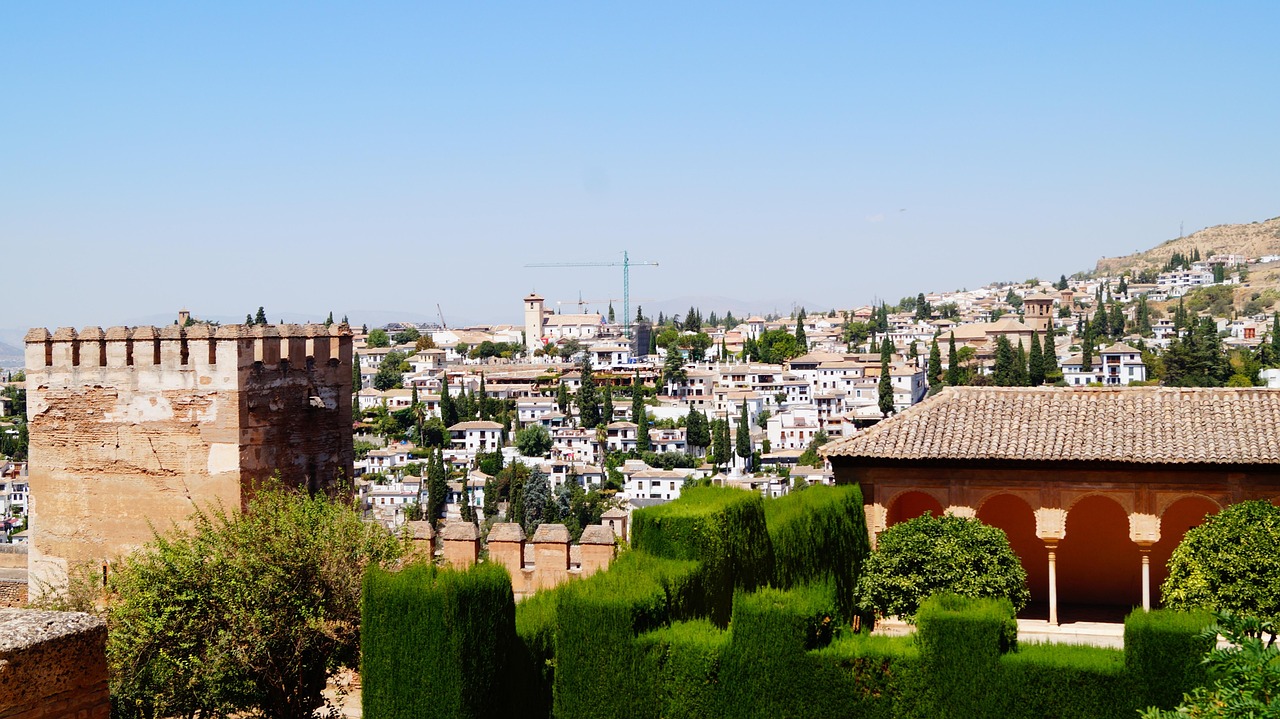
Three different ways to experience the neighbourhood. A sunset walking tour for the classic approach, an e-bike tour for anyone who wants to cover more ground (or whose knees object to cobblestone hills), and a flamenco show for the cultural deep cut.
1. Albaicin & Sacromonte Sunset Walking Tour — $17
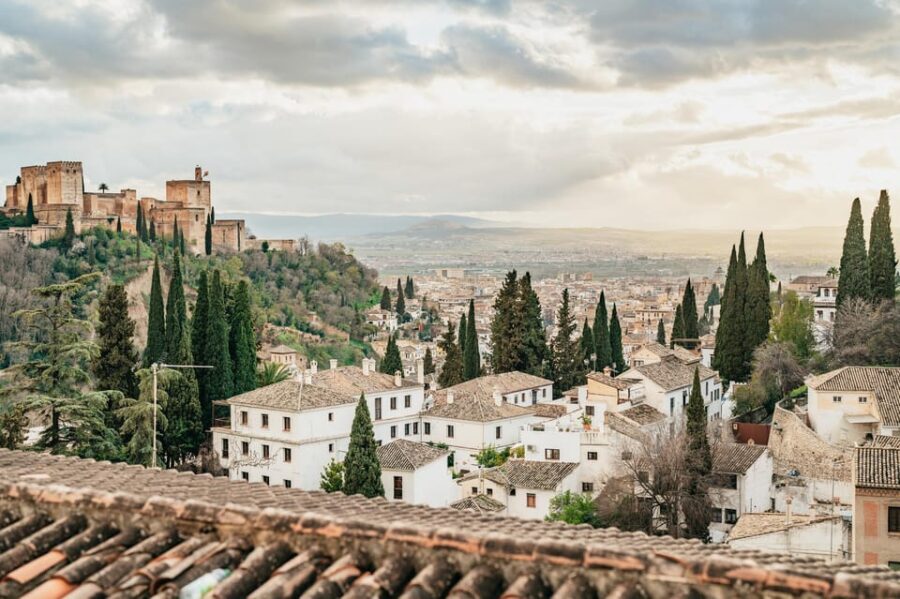
Duration: 2 – 2.5 hours | Price: $17 per person | Type: Guided walking tour
Seventeen dollars for a two-and-a-half hour guided walk through two UNESCO neighbourhoods, timed to arrive at the most famous viewpoint in Andalusia right as the sun drops. The value here is ridiculous.
The route covers the key highlights of both the Albaicin and Sacromonte. You’ll walk through the old Moorish quarter, past the remains of the Nasrid walls, along streets where every doorway has a story. The guide points out details that are invisible if you don’t know where to look — Arabic inscriptions still visible on stone lintels, the remains of a 12th-century hammam tucked behind a restaurant, the exact spot where the last Moorish king is said to have paused and wept as he left Granada.
In Sacromonte, you’ll see the cave dwellings that the Roma community carved into the hillside. Some are still lived in. Others have been turned into small museums. The guide explains how this community developed its own form of flamenco — rawer and more percussive than the Seville style — in these caves where the acoustics turned the rock walls into natural amplifiers.
The timing is deliberate. The tour is designed so you reach the Mirador de San Nicolas as the light changes. The Alhambra shifts from orange to red to purple over about twenty minutes, and the crowd at the viewpoint watches it happen like a slow-motion show. It’s the single best free spectacle in Granada.
At this price point, there’s simply no reason not to book it. The only downside is group size — these tours can get busy during peak season. Arrive early to the meeting point so you can position yourself near the guide.
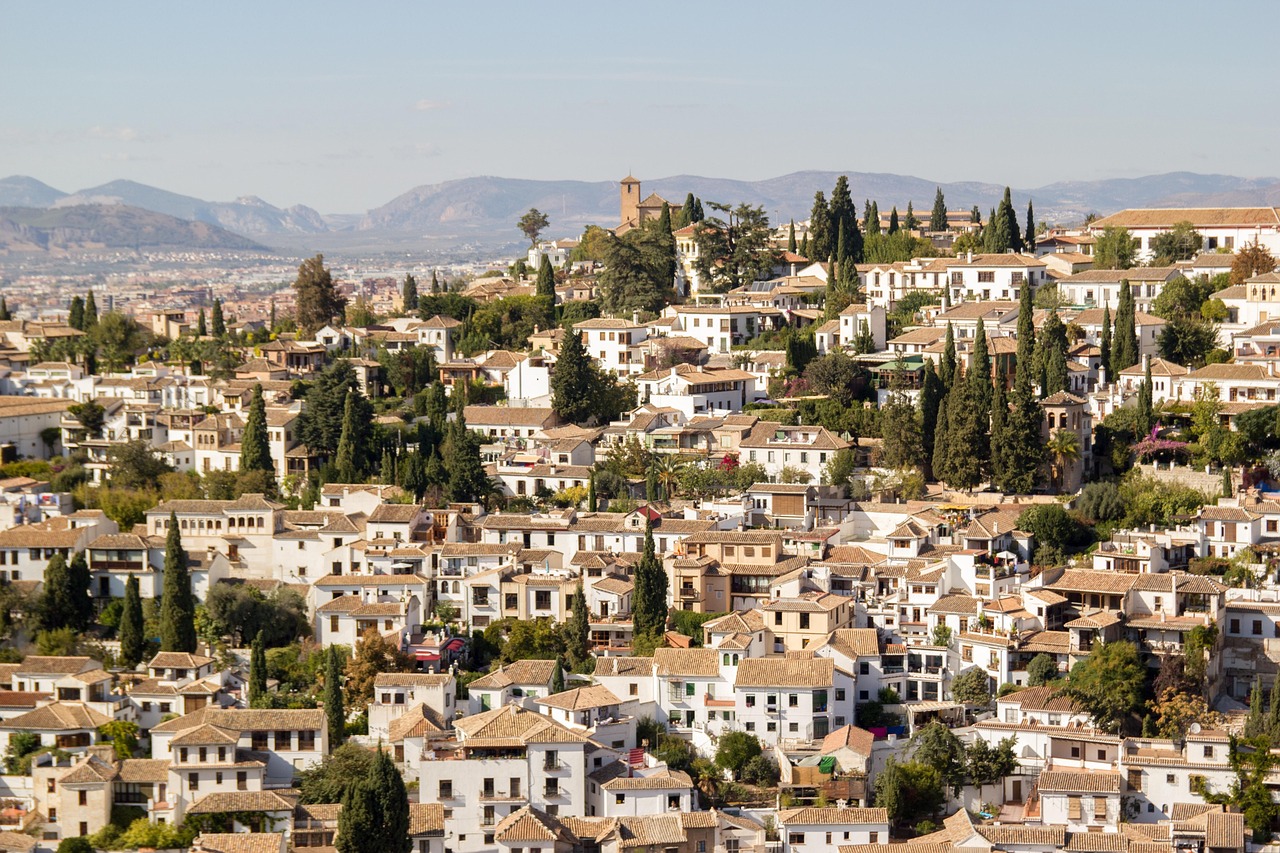
2. Albaicin & Sacromonte Electric Bike Tour — $54
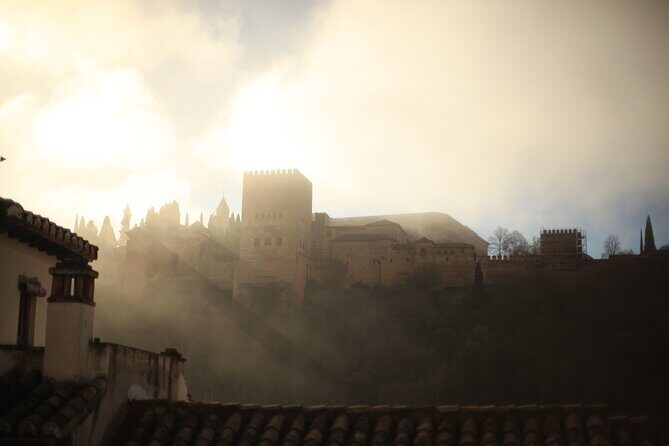
Duration: 2 hours | Price: $54 per person | Type: Guided e-bike tour
The Albaicin is built on a hill. Sacromonte is built on a steeper hill. By the time you’ve walked both on foot, your calves are burning and your enthusiasm for that “one more viewpoint” has evaporated. The e-bike solves this entirely.
The electric assist means you cruise up the same cobblestone streets that leave walkers panting. You cover the full Albaicin-Sacromonte circuit in two hours — roughly the same route as the walking tour but with energy to spare and several extra stops that foot tours skip because they’re too far out of the way. The guide leads the group through the backstreets (not main roads), so you get the authentic neighbourhood feel without traffic.
One thing to know: the cobblestones can be bumpy, and some of the streets are narrow enough that you’re threading between parked cars and whitewashed walls. It’s not dangerous, but if you haven’t been on a bike in years, give yourself five minutes to get comfortable before the tour starts. The bikes have adjustable assist levels — crank it up to max for the steep sections and dial it back on the flats.
At $54, it’s three times the price of the walking tour but delivers a fundamentally different experience. You’re laughing your way up hills, feeling the wind through the narrow streets, and covering ground that would take half a day on foot. For anyone who wants to see more of the neighbourhood without the physical cost, this is the pick.
3. Flamenco Show at Jardines de Zoraya — $22
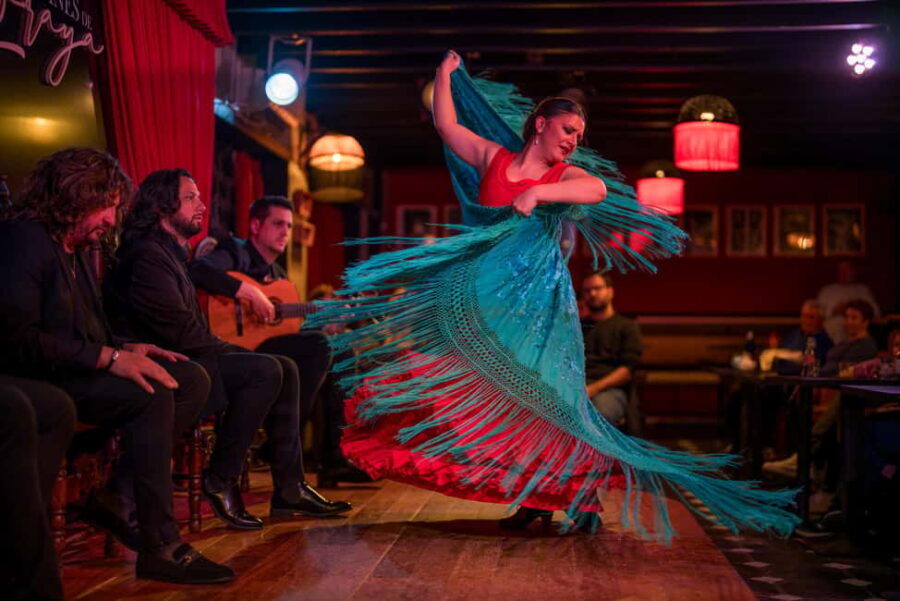
Duration: 1 hour | Price: $22 per person | Type: Live flamenco performance
Granada’s flamenco tradition is different from Seville’s. It’s rougher, more guttural, more connected to the Roma cave culture of Sacromonte. Jardines de Zoraya captures that energy in a way the big tablaos in the city centre don’t.
The venue is a restaurant with a courtyard stage inside the Albaicin. The show runs about an hour — a guitarist, a singer, and two dancers. The space is small, maybe sixty seats, which means you’re close enough to see the sweat on the dancers’ faces and hear the guitarist’s fingers on the strings without amplification. That intimacy changes everything. In a large venue, flamenco becomes a performance. In a room this size, it becomes a conversation between the musicians and the audience.
The show doesn’t need context or language. The emotion is in the footwork, the singing, and the way the guitarist and singer lock into each other during the improvised sections. But knowing that this particular form of flamenco developed in the caves two hundred metres uphill from this venue — that the dancers are performing an art their grandparents’ grandparents created in Sacromonte — adds a layer that makes it feel less like entertainment and more like witnessing something that belongs to this specific place.
At $22 for an hour of professional flamenco in an intimate setting in the heart of the Albaicin, this is one of the best-value cultural experiences in Spain. Book the evening show and pair it with the sunset walking tour for a full Granada night that costs under forty dollars total.
When to Visit the Albaicin
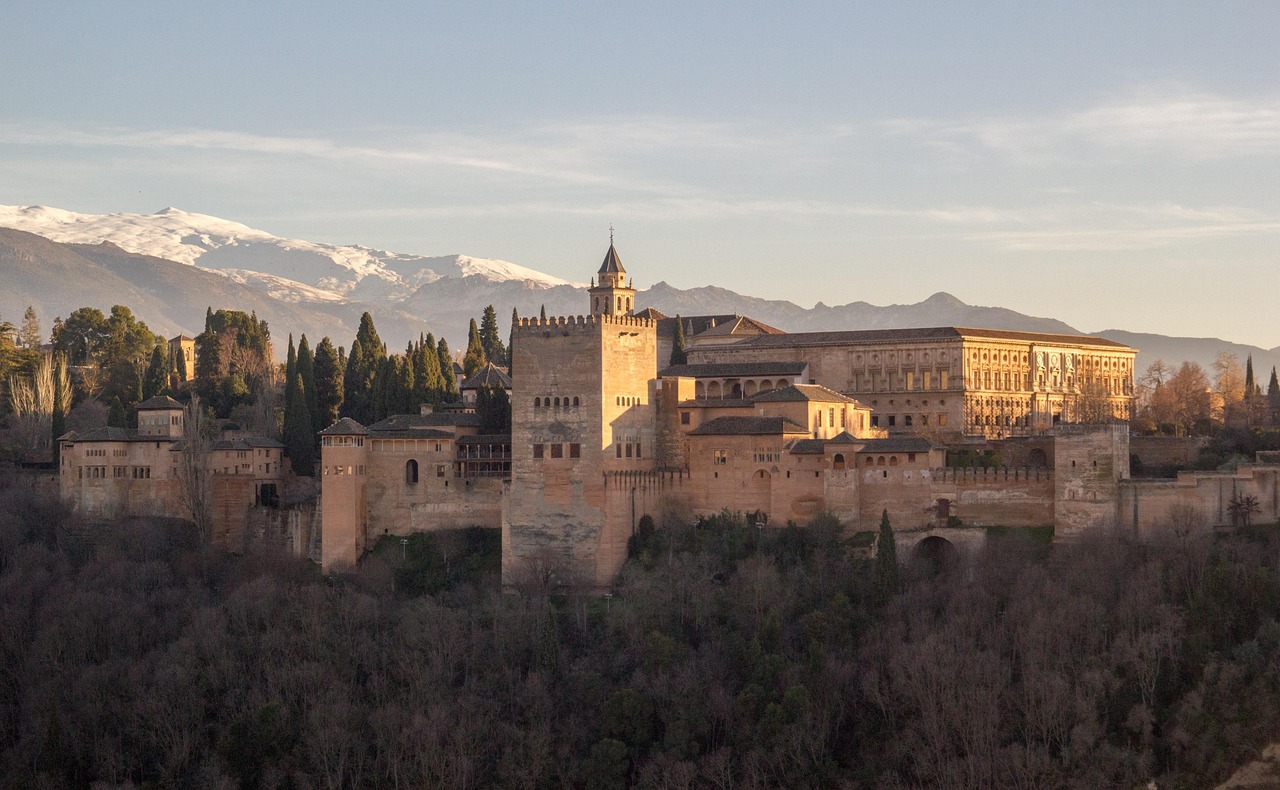
Best months: March through May, and September through October. Granada sits in a valley surrounded by mountains, so summers are brutal — regularly above 38C (100F) in July and August. Walking uphill through cobblestone streets in that heat is genuinely miserable. Spring and autumn give you warm days, cool evenings, and manageable crowds.
Best time of day: Late afternoon into sunset. The Albaicin faces west toward the Alhambra, so the golden hour light is spectacular. Start a walking tour around 5 or 6 PM (depending on the season) and you’ll finish at the Mirador de San Nicolas right as the sun drops. Morning visits are quieter but miss the best light.
Worst time: Midday in summer. The streets offer almost no shade, the stone walls radiate heat, and every viewpoint becomes an oven. If you’re visiting in July or August, go early morning (before 10 AM) or wait until 7 PM.
Weekends vs. weekdays: The Mirador de San Nicolas gets packed on weekend evenings, especially Fridays and Saturdays. The actual streets of the Albaicin stay quiet regardless — the crowds concentrate at the viewpoint and thin out within two blocks in any direction. Weekday sunsets are noticeably calmer.
Winter: Don’t rule it out. December through February is cold (hovering around 5-10C) but the skies are often clear, the Sierra Nevada has fresh snow, and you’ll share the viewpoint with a handful of people instead of hundreds. The Alhambra against a snow-covered mountain backdrop is a sight most travelers never see.
What to See in the Albaicin and Sacromonte
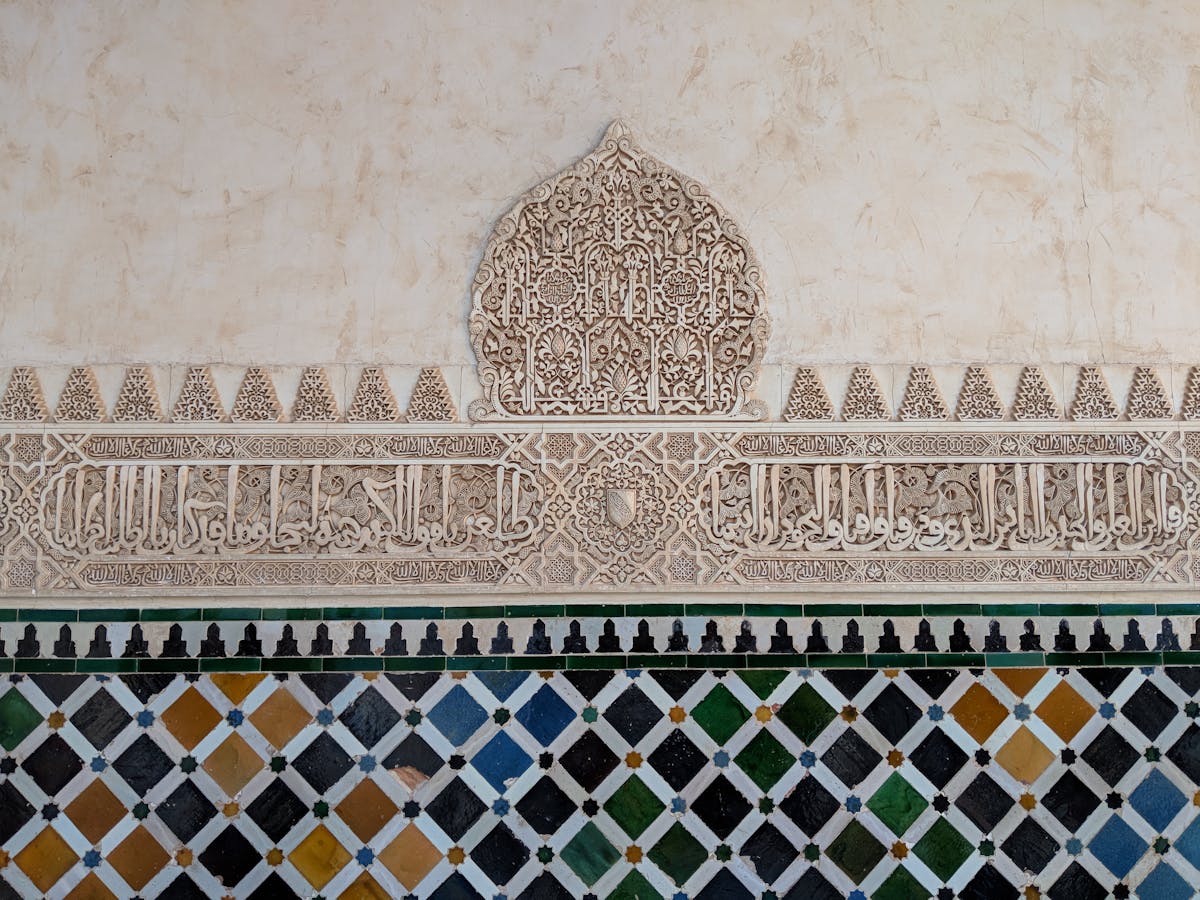
Mirador de San Nicolas: The viewpoint everyone comes for. Straight-on view of the Alhambra with the Sierra Nevada behind it. Best at sunset but worth visiting at any hour. Free. Gets crowded. There’s a smaller, quieter viewpoint called the Mirador de San Cristobal about ten minutes’ walk northwest — almost as good, a fraction of the people.
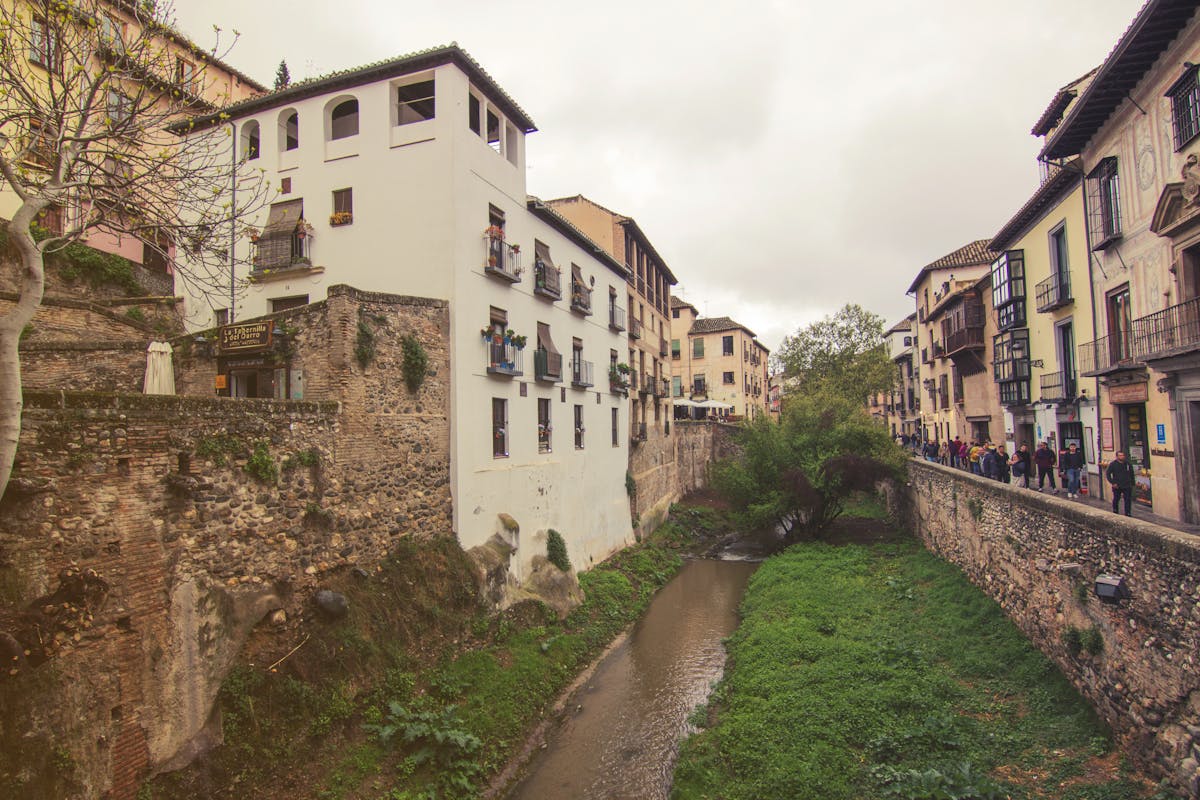
Carrera del Darro: The street that runs along the River Darro at the base of the Albaicin. Old stone bridges, the sound of running water, and the remains of a Moorish bathhouse (El Banuelo) that you can visit for a couple of euros. This is where most walking tours start before heading uphill.
El Banuelo (Arab Baths): One of the best-preserved Moorish bathhouses in Spain. Star-shaped skylights cut into the ceiling, stone columns holding up brick arches, and the original heating system still visible underneath. It’s small — a ten-minute visit — but it gives you a physical connection to how people actually lived here a thousand years ago.
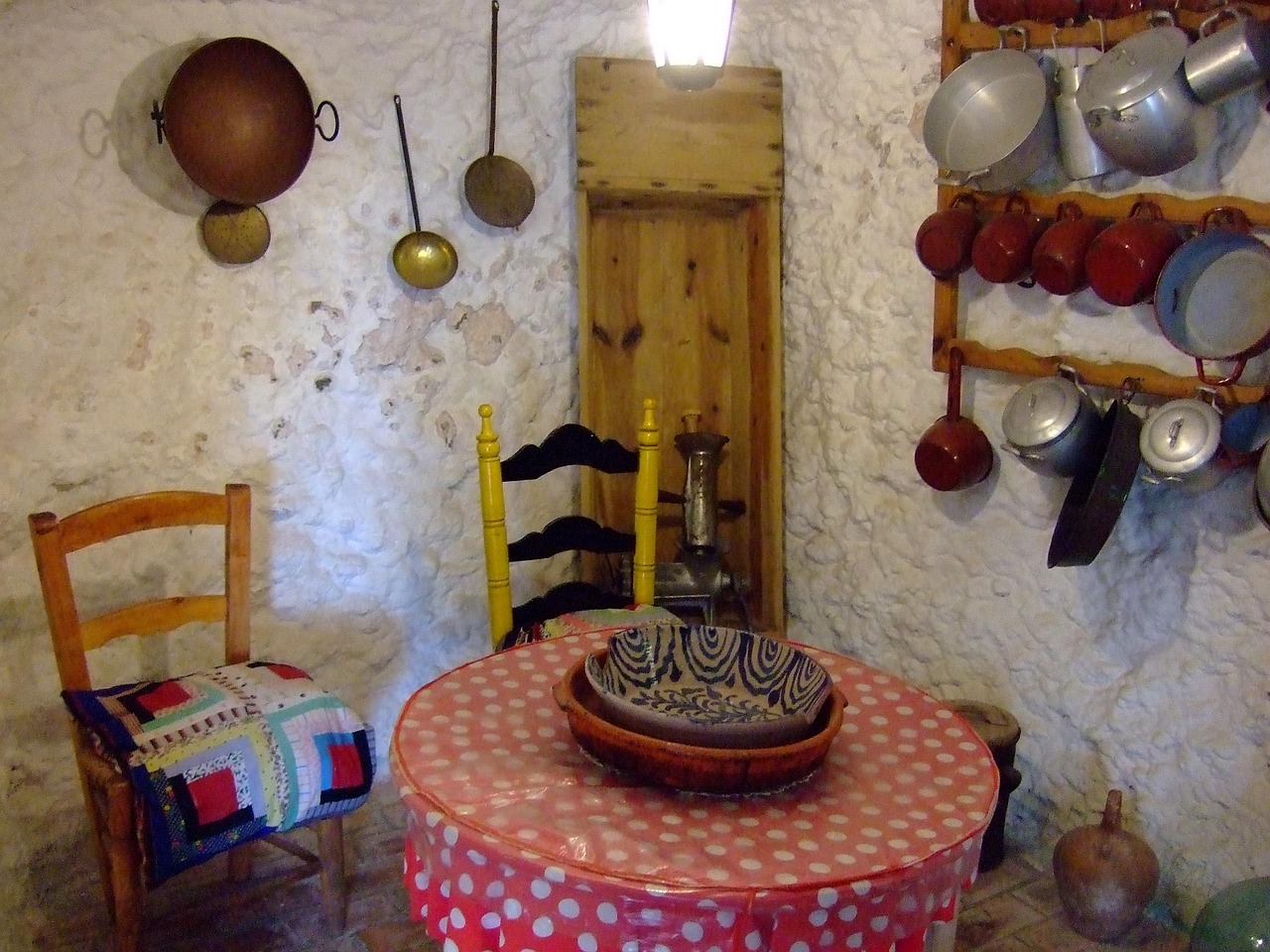
Sacromonte Caves: The Roma community has lived in cave dwellings carved into the hillside here since the 15th century. The Museo Cuevas del Sacromonte shows what life inside these caves looks like — the rooms are larger and more comfortable than you’d expect. Some cave houses are still inhabited. Others host flamenco shows in the evenings, which is how the Sacromonte zambra tradition has survived for centuries.
Placeta de San Miguel Bajo: A quiet square in the Albaicin that feels miles from the tourist trail. A few restaurant terraces, a small church, and locals drinking coffee at outdoor tables. This is the neighbourhood’s living room — the place where actual residents hang out. Get a drink here and watch the square do its thing.
Paseo de los Tristes: The “Walk of the Sad” — named because funeral processions used to pass this way. Today it’s one of the prettiest stretches in Granada, with restaurant terraces lining the river and the Alhambra looming directly above. Less touristic than Plaza Nueva, better food, better atmosphere.
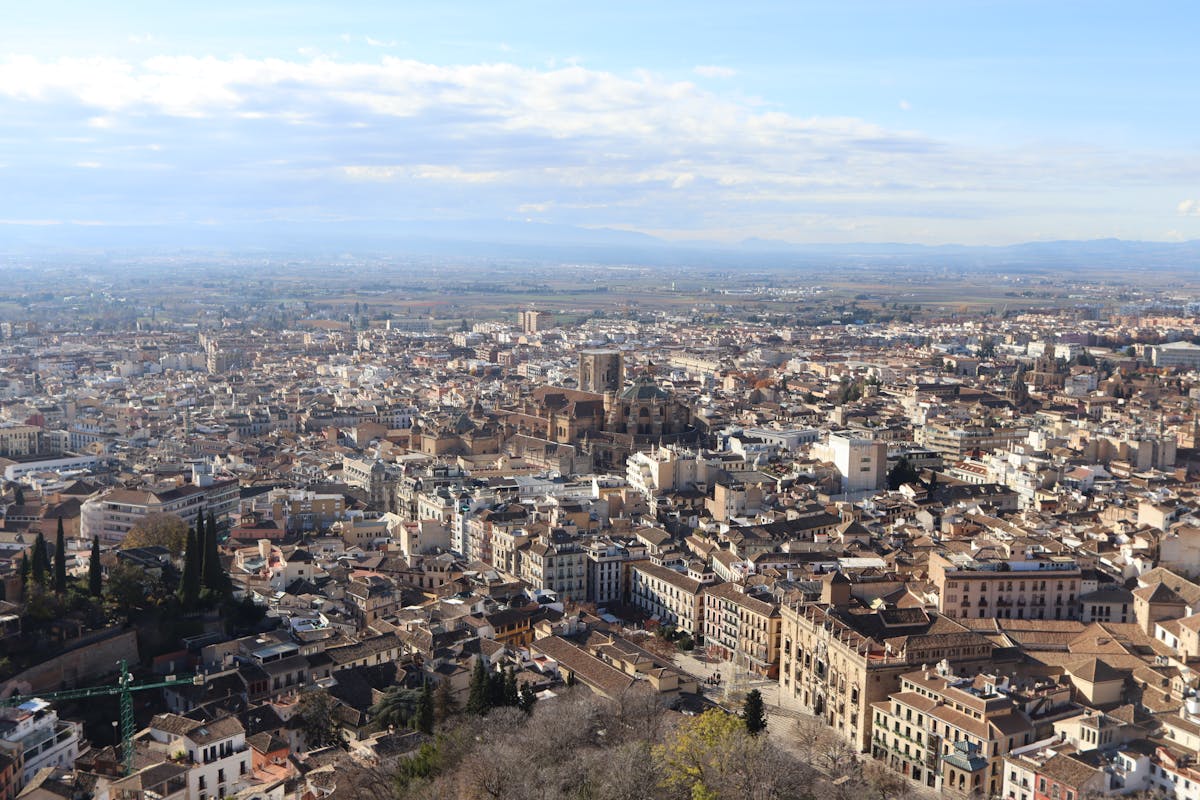
Church of San Salvador: Built directly on top of the main mosque of the Albaicin. The courtyard still has the original ablution fountain and some of the mosque’s columns. It’s one of the clearest examples of the Christian-over-Islamic layering that defines this neighbourhood.
Practical Tips
Wear proper shoes. The cobblestones are uneven and some of the streets are steep enough that flip-flops become a genuine hazard. Trainers or sandals with grip. Not negotiable.
Bring water. There are few shops once you’re deep in the Albaicin’s upper streets. A 500ml bottle won’t cut it on a warm day — bring a full litre. The public fountain in Placeta de San Miguel Bajo has drinkable water if you need a refill.
Watch your belongings. The Albaicin and especially Sacromonte have a pickpocket reputation. It’s not dangerous, but keep your phone in a front pocket and don’t leave bags unattended at viewpoints. The Mirador de San Nicolas at sunset is the highest-risk spot simply because everyone is distracted by the view and packed close together.
Getting there from the city centre: Walk up from Plaza Nueva along Carrera del Darro (scenic, 20 minutes, mostly flat until the final climb). Or take the C1 minibus from Plaza Isabel la Catolica — it winds through the Albaicin streets and drops you near the Mirador de San Nicolas. The bus is free with a Granada Card and costs 1.40 euros otherwise.
Combine with the Alhambra. If you’re visiting the Alhambra, do it in the morning and the Albaicin in the late afternoon. The two face each other across the Darro valley, so after spending the morning inside the Alhambra, you cross the valley and look back at it from the Albaicin side at sunset. That sequence gives you the full Granada experience in a single day.
Book a Granada walking tour if you want to see the city centre and Albaicin combined. Several tours cover the cathedral, Royal Chapel, and then continue up into the Albaicin — a good option if you only have one day.
Eating in the Albaicin: The neighbourhood has some excellent restaurants, but the tourist traps near the Mirador de San Nicolas are overpriced and mediocre. Walk five minutes downhill to Placeta de San Miguel Bajo or along Calle Caldereria Nueva (the “tea street” with Moroccan-influenced shops and cheap mint tea) for better food at honest prices. Granada is one of the last cities in Spain where every drink still comes with a free tapa — order a beer or wine at any local bar and they’ll bring food with it, no charge.