
Copenhagen has more bicycles than people. I know that sounds like the kind of meaningless stat travel writers throw around, but it genuinely hits you the moment you step out of Central Station. The bike lanes are wider than some car lanes. Traffic lights have separate phases for cyclists. And during rush hour, the bicycle bridges over the harbour carry more commuters than the roads below them.
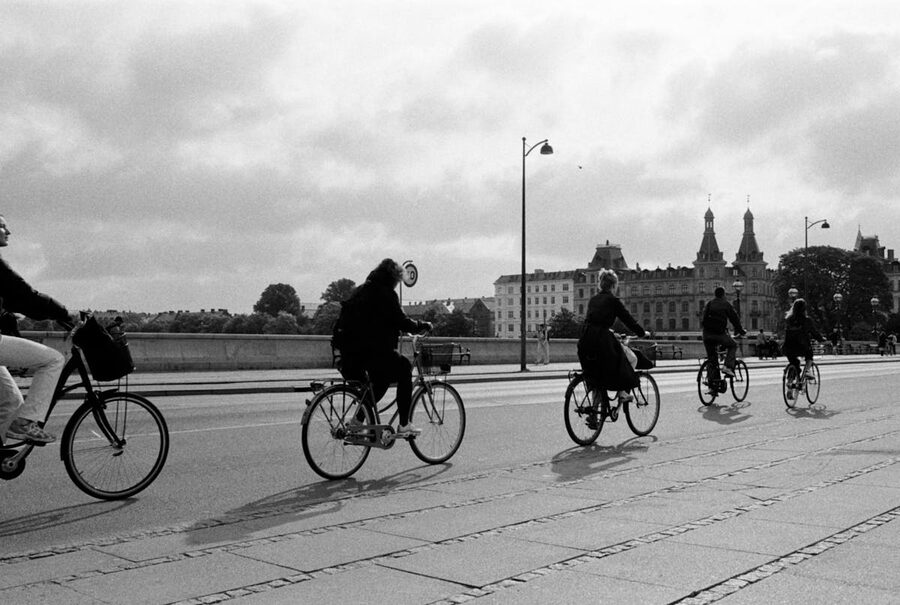
I booked my first Copenhagen bike tour on a whim, mostly because walking seemed almost rude in a city this obsessed with two wheels. Three hours later, I’d covered more ground than two full days of walking would have managed, and I’d learned things about Danish urban planning that changed how I think about cities entirely.
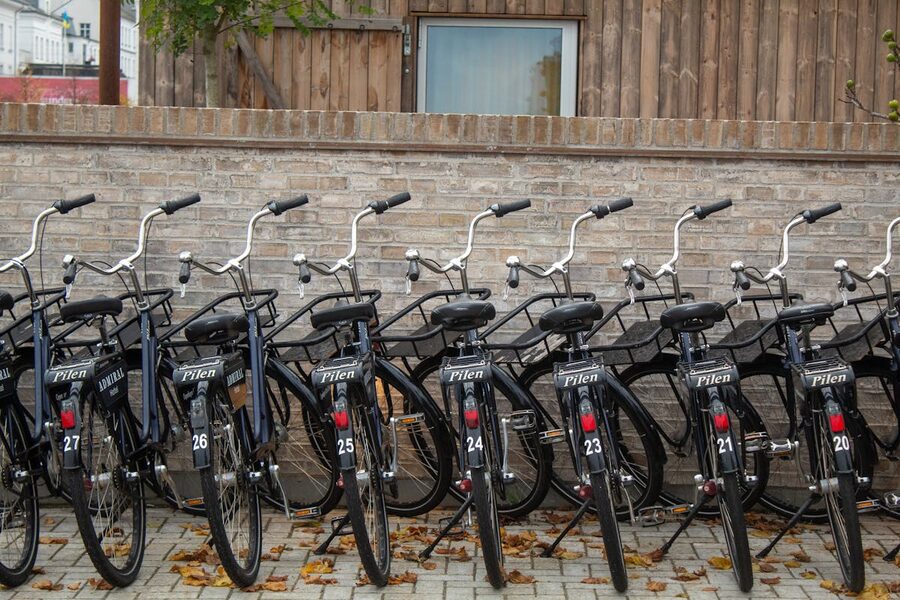
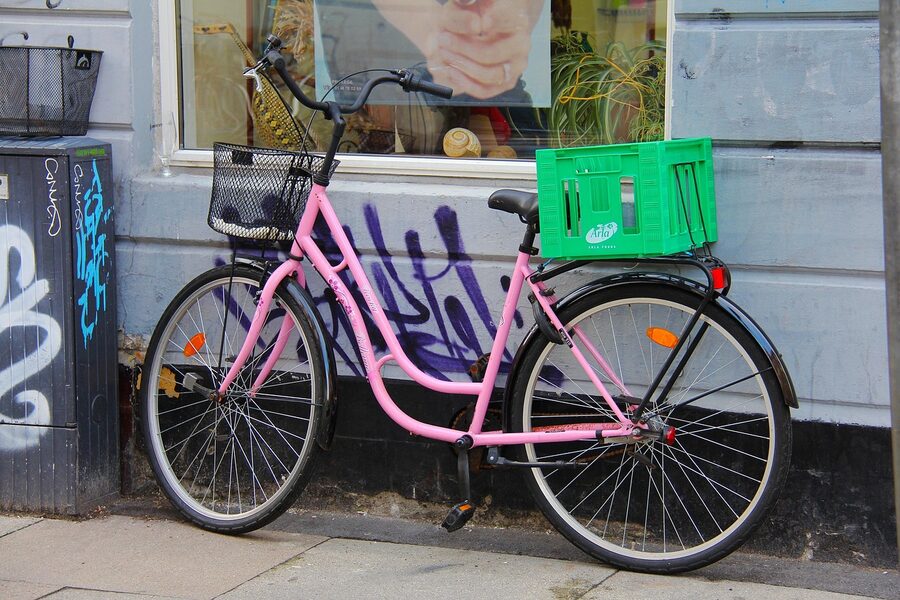
Best overall: Copenhagen Highlights 3-Hour Bike Tour — $62. The most-booked bike tour in the city for a reason. Three hours, local guide, hits everything from Nyhavn to Christiania.
Best budget: 1.5-Hour City Highlights Bike Tour — $38. Same quality, half the time. Perfect if you’ve only got a morning free.
Best for foodies: 3-Hour Culinary Bike Tour — $110. Six tasting stops plus cycling. You’ll eat your way through Danish food culture and burn it off at the same time.
- Why Copenhagen Is the World’s Best City for a Bike Tour
- How to Book a Bike Tour (The Actual Process)
- Guided Tour vs. Renting a Bike Yourself
- The Best Copenhagen Bike Tours to Book
- 1. Copenhagen Highlights 3-Hour Bike Tour with a Local Guide —
- 2. Copenhagen 3-Hour City Highlights Bike Tour with Guide —
- 3. Copenhagen 1.5-Hour City Highlights Bike Tour —
- 4. Copenhagen 3-Hour Culinary Bike Tour — 0
- 5. 2-Hour Copenhagen E-Bike Guided Tour —
- When to Book Your Bike Tour
- What You’ll See on a Copenhagen Bike Tour
- How to Get to the Tour Meeting Point
- Tips That’ll Save You Time and Money
- While You’re in Copenhagen
Why Copenhagen Is the World’s Best City for a Bike Tour
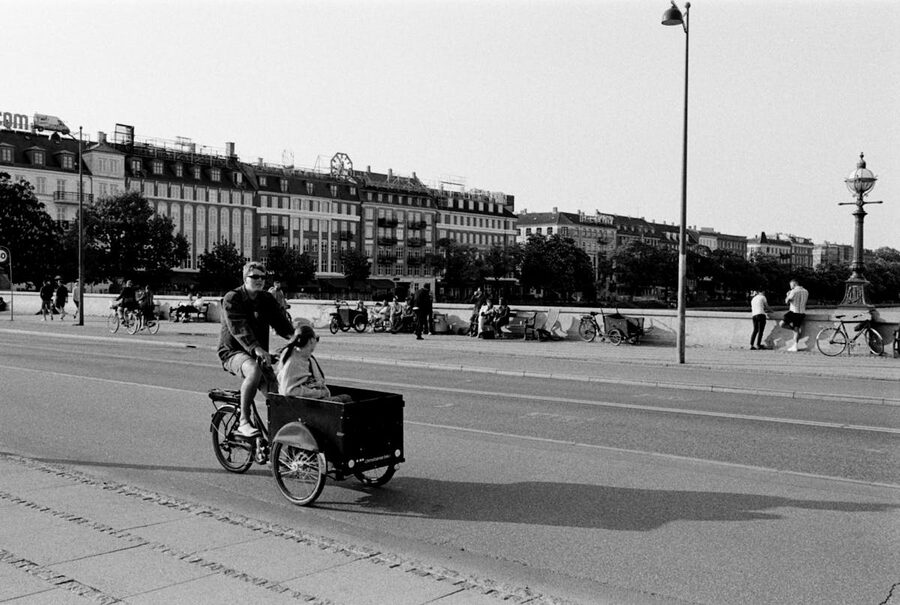
This isn’t marketing spin. Copenhagen has been ranked the world’s most bike-friendly city on the Copenhagenize Index more times than any other place on earth. The numbers back it up: over 390 kilometres of dedicated bike lanes, five major cycling bridges crossing the harbour, and roughly 49% of all commuters in the city riding to work every single day.
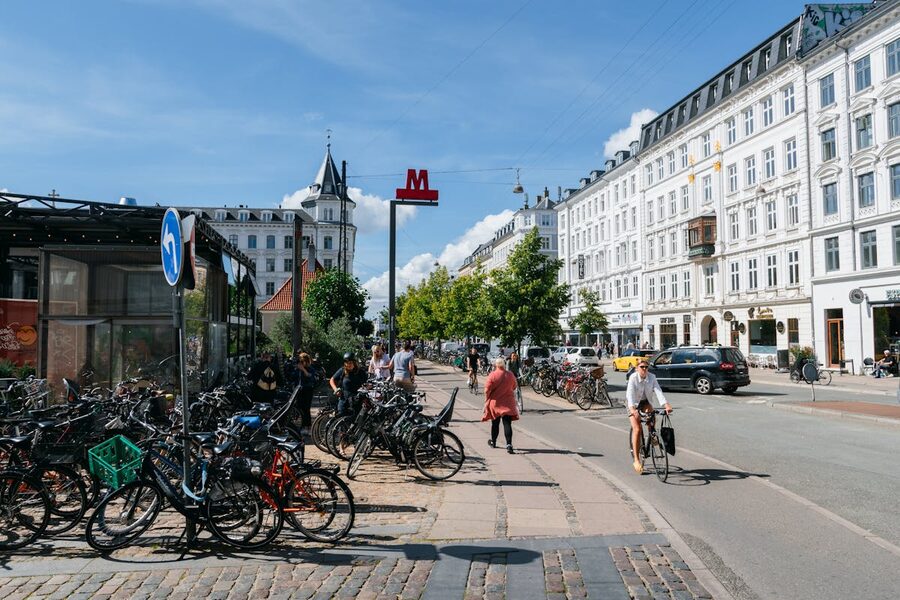
But the real story is how it got this way. In the 1960s, Copenhagen was heading down the same car-dominated path as every other European capital. Highways were planned through the medieval centre. Then the oil crisis hit in 1973, the Danes had a collective rethink, and architect Jan Gehl started a decades-long campaign to redesign the city around people instead of vehicles. The first car-free street, Stroget, opened in 1962 and was supposed to fail. It didn’t. And the philosophy spread from there: close a lane to cars, add a protected bike path, widen the pavement, plant trees. Repeat for fifty years.
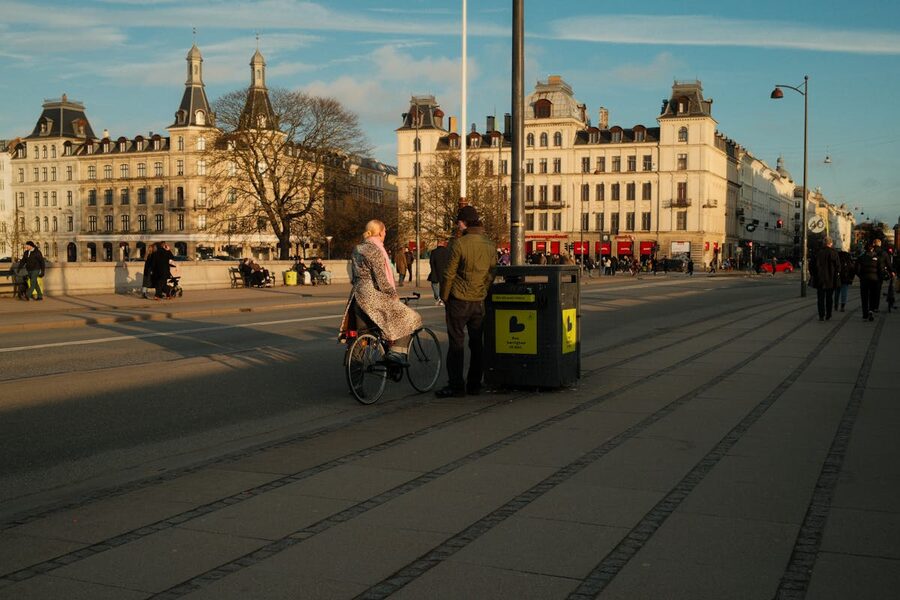
That’s why a bike tour here isn’t just a fun way to see sights. It’s genuinely the best way to understand what makes Copenhagen tick. You ride the same infrastructure the locals use. You feel the flow of a city designed, from the ground up, around cycling. And a good guide will point out the design choices you’d never spot on foot: the slightly tilted rubbish bins cyclists can use without stopping, the green wave traffic signals timed to cycling speed, the heated handrails at traffic lights so riders don’t have to put their feet down in winter.
How to Book a Bike Tour (The Actual Process)
Booking is straightforward, but there are a few things to know before you hand over your money.
The two main platforms are GetYourGuide and Viator. Both list the same tour operators, but prices occasionally differ by a few dollars because of currency conversion. Most Copenhagen bike tours cost between $38 and $110 per person depending on length and whether food is included. A standard 3-hour city highlights tour runs $50-65.
Here’s the booking process:
1. Pick your tour type. Standard city highlights (3 hours, $50-65), short highlights (1.5 hours, ~$38), culinary bike tour (3 hours, ~$110 with food), e-bike tour (2 hours, ~$90), or private tour ($240-395 for up to 10 people).
2. Book at least 2-3 days ahead in summer. Copenhagen bike tours fill up fast from May through September. The most popular 3-hour tours sell out 3-5 days in advance during July and August. Off-season (October to April), you can often book same-day.
3. Check what’s included. Every guided tour includes the bike rental and a helmet. Most include a basket or bag for your stuff. Rain ponchos are usually provided if the weather turns. Culinary tours include all food tastings. None include hotel pickup.
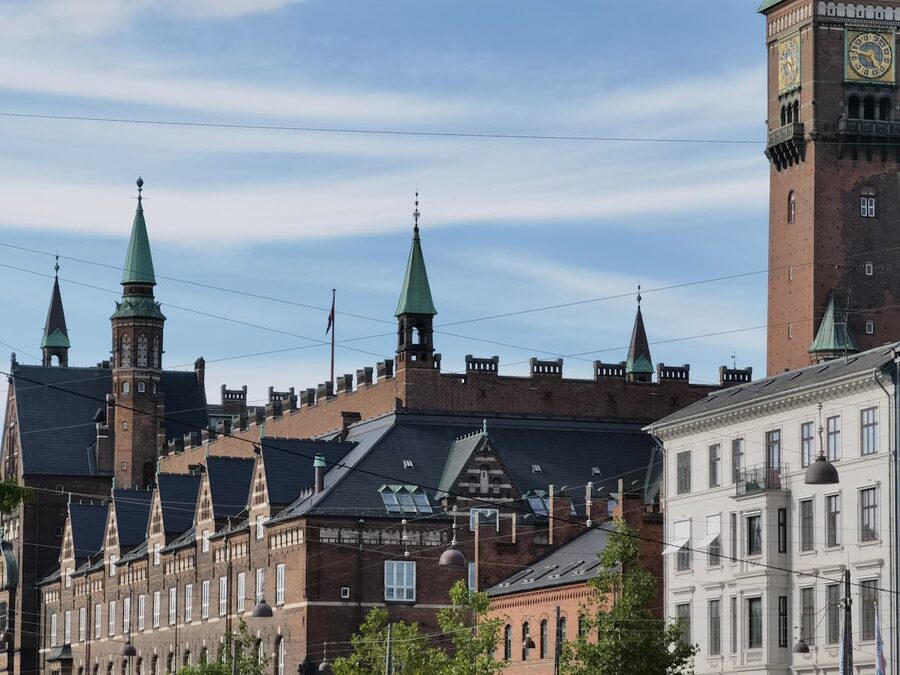
4. Meet at the starting point. Most tours depart from central Copenhagen, typically near Nyhavn or City Hall Square. You’ll get the exact address in your confirmation email. Arrive 15 minutes early to get fitted for your bike.
5. No cycling experience needed. If you can ride a bike at all, you can do these tours. The pace is gentle, the routes follow separated bike lanes, and guides wait at every stop. I watched a 70-year-old couple complete the full 3-hour tour without breaking a sweat.
Guided Tour vs. Renting a Bike Yourself
You can rent a bike in Copenhagen for about $15-20 per day. The city’s Bycyklen (city bike) stations offer electric bikes for about $4 per hour. So why pay $55+ for a guided tour?
Honestly, it depends on what you want. If you already know the city and just want wheels, rent. But if it’s your first or second visit, a guided tour is worth the premium for three reasons:
Route knowledge. Guides take you through the car-free zones, along the harbour cycling bridges, and through neighbourhoods like Christiania that you’d probably skip or get lost in on your own. They know which streets are pleasant and which ones are just noisy roads.
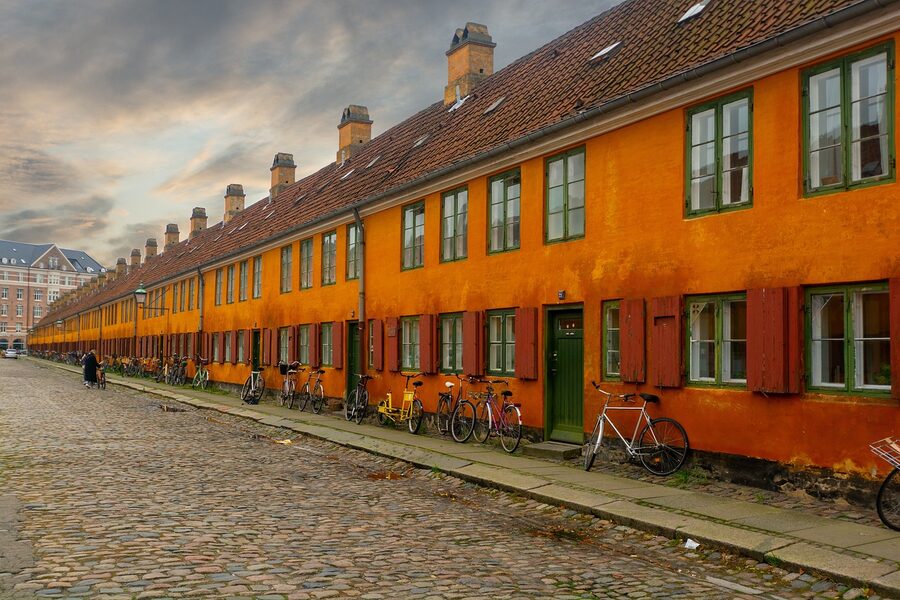
Context you can’t Google. Why are the houses in Nyboder all yellow? What’s the story behind the Freetown Christiania flag? Why does the Little Mermaid face away from the city? Good guides turn a bike ride into an actual education about Danish culture, politics, and design philosophy.
Safety in numbers. Copenhagen’s bike lanes have their own etiquette. You don’t stop in the bike lane. You signal before turning. You don’t ride side by side in heavy traffic. A guide teaches you this in the first five minutes, so you don’t become the tourist that 50 angry Danish commuters are cursing behind.
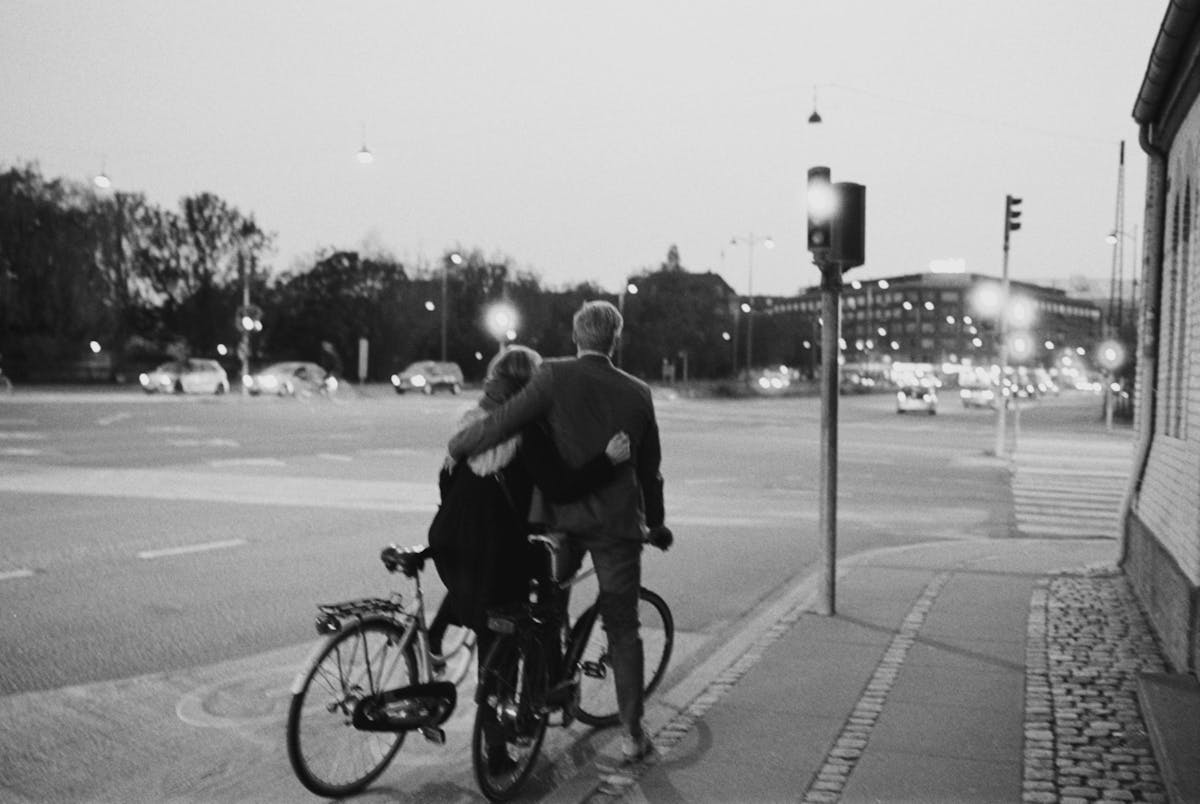
If you’ve already been to Copenhagen and want to explore further out, the self-guided multi-day options from operators like Biking People cover routes into the Danish countryside and across to Sweden. But for a first-time city experience, guided is the way to go.
The Best Copenhagen Bike Tours to Book
I’ve narrowed this down to five tours across different budgets and styles. All of them have strong track records and consistently high marks from thousands of riders.
1. Copenhagen Highlights 3-Hour Bike Tour with a Local Guide — $62
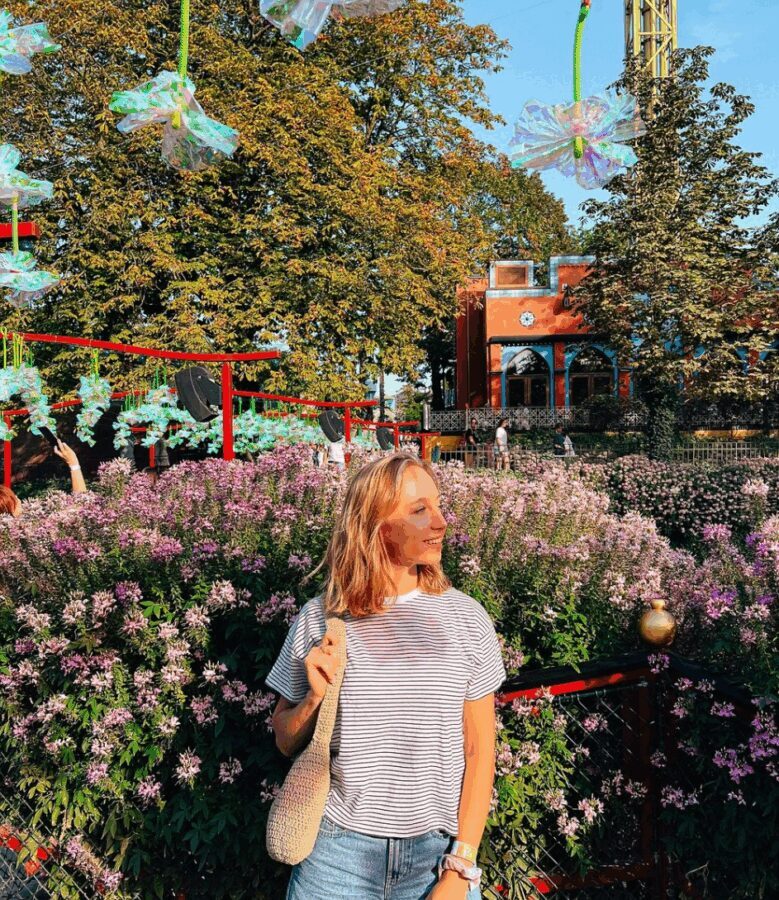
This is the one to book if you only do one bike tour in Copenhagen. It’s the most popular option in the city by a wide margin, and after doing it myself, I get why. The route covers Nyhavn, the Little Mermaid, Amalienborg Palace, Rosenborg Castle, Christiania, and the harbour cycling bridges, all in three hours with frequent stops for photos and storytelling.
The guides are local residents, not seasonal workers reading a script. Mine went on a 10-minute tangent about Danish hygge culture while we were stopped outside a cafe near the Round Tower, and honestly it was the highlight of the day. Group sizes stay under 15, which means you can actually hear the guide and ask questions.
At $62 per person, it’s squarely mid-range for a 3-hour guided tour in Copenhagen. That includes the bike, helmet, and rain gear if needed.
2. Copenhagen 3-Hour City Highlights Bike Tour with Guide — $55
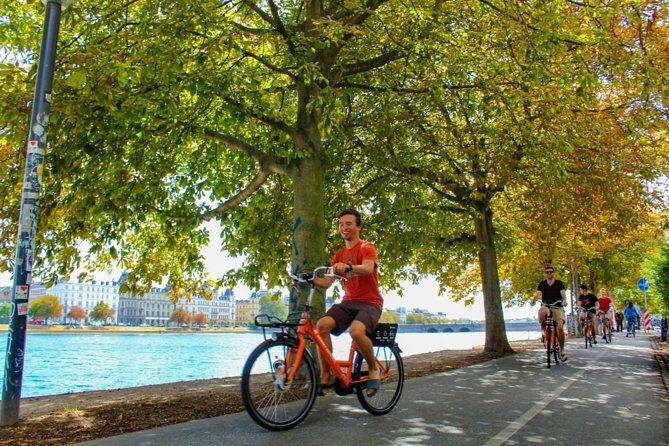
A very close alternative to the tour above. Same 3-hour format, same major landmarks, slightly lower price point. This one’s run through GetYourGuide and covers The Little Mermaid, Rosenborg Castle, and Christiania on a route that sticks to separated bike lanes the entire way.
The key difference is the feel. This tour has a more structured approach with set stops and timed talks, while the #1 pick above is more free-flowing. Neither is better or worse, it’s just a style preference. If you like knowing exactly what’s happening when, this one will suit you. If you prefer a looser, more spontaneous vibe, go with the top pick.
At $55 per person, it’s the cheapest 3-hour option with a strong reputation.
3. Copenhagen 1.5-Hour City Highlights Bike Tour — $38
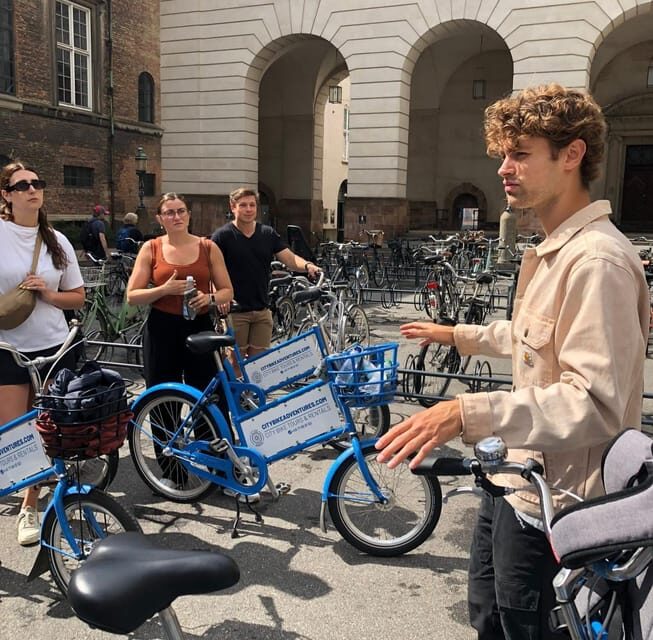
The budget pick, and it’s genuinely good. In 90 minutes, you’ll hit the key landmarks, including Nyhavn, the harbour, and the main palace area. You won’t get to Christiania or the outer neighbourhoods, but for an overview of central Copenhagen on two wheels, this covers a lot of ground fast.
I’d recommend this for anyone arriving in Copenhagen on a cruise ship or with limited time. It’s also a solid option if you’re not sure whether you’ll enjoy a bike tour and don’t want to commit three hours. At $38 per person, there’s not much to lose.
4. Copenhagen 3-Hour Culinary Bike Tour — $110

This is the splurge option, and it’s a completely different experience from the standard highlights tours. You’ll cycle between six different food venues across three hours, tasting everything from traditional smorrebrod to modern Danish pastries. The route goes through food-focused neighbourhoods that the standard tours skip entirely.
The guides on this one know their food. Mine explained why New Nordic cuisine happened (short version: a manifesto, a restaurant called Noma, and a national identity crisis about Danish food being boring). You eat a lot. Like, skip breakfast a lot. The tastings are generous and by the fifth stop I was genuinely struggling to get back on the bike.
At $110 per person including all food, it’s actually reasonable for what amounts to a guided Copenhagen experience plus lunch.
5. 2-Hour Copenhagen E-Bike Guided Tour — $90
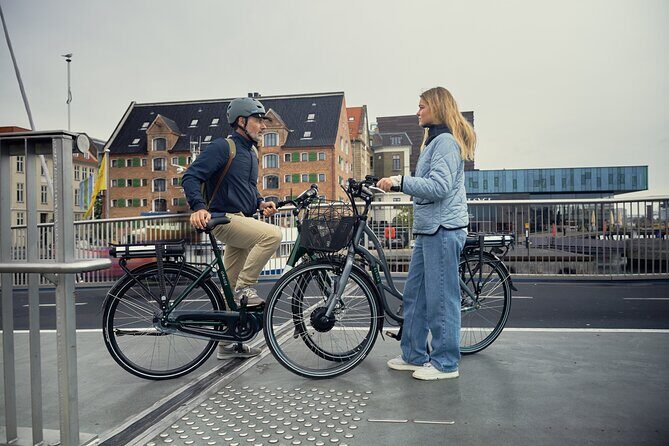
If your legs aren’t up for three hours of pedalling or you simply want to cover more ground in less time, the e-bike option solves both problems. The electric assist means you cruise at a comfortable pace without working hard, which is particularly useful if there’s a headwind coming off the harbour (and there usually is).
The two-hour format covers roughly the same ground as the three-hour standard tour because you move faster between stops. You’ll hit all the major landmarks plus some spots further out near the harbour bridges. The bikes themselves are high-quality Gazelle e-bikes, not the cheap rental kind that die after an hour.
At $90 per person, it’s pricier than the standard tours, but you’re paying for the e-bike rental, which would cost you $30+ on its own anyway.
When to Book Your Bike Tour
Best months: May, June, and September. The weather is warm enough to enjoy riding (15-22C), the days are long (sunrise before 5am in June), and the summer tourist crush hasn’t fully peaked or has just eased off. July and August are warm but packed, and tours fill up days in advance.
Shoulder season (April and October): Still perfectly rideable. Temperatures hover around 8-14C. You’ll want a decent jacket, but the bike lanes are emptier and tours are easier to book last-minute. Some operators run reduced schedules.
Winter (November to March): Some tours still run, but options shrink. Copenhageners cycle year-round (the city clears bike lanes before car lanes after snowfall), but guided tours are weather-dependent. If you’re visiting in winter and want to ride, the e-bike tour is the best cold-weather option because the motor means you stay warmer.
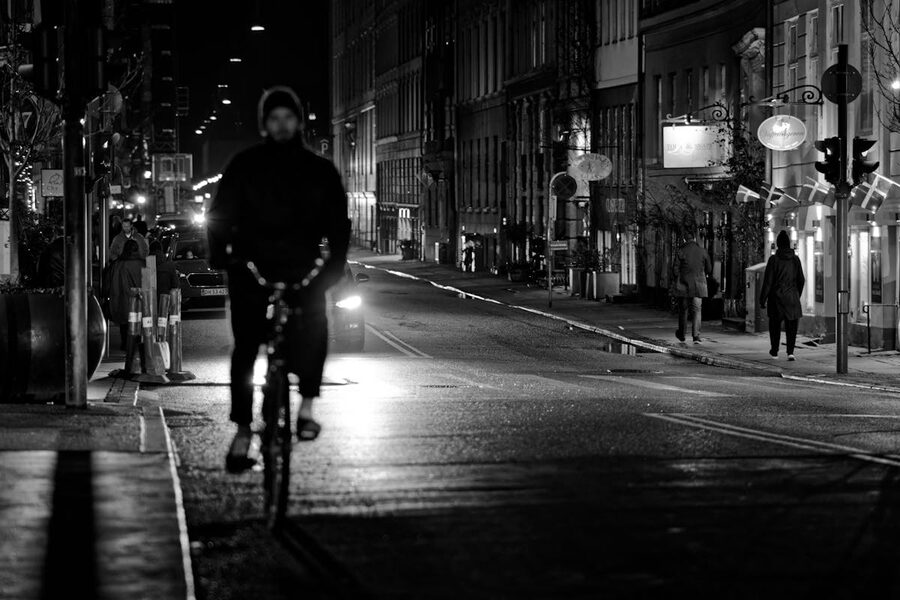
Time of day: Morning tours (typically 10am) tend to have fewer people at the sights. Afternoon tours (1pm-2pm) hit more traffic but benefit from warmer temperatures in spring and autumn. There are no evening bike tours currently running, which is a shame because Copenhagen at dusk is spectacular.
What You’ll See on a Copenhagen Bike Tour
Most 3-hour tours follow a similar route with stops at these landmarks. The order varies by operator, but you’ll hit most of these:
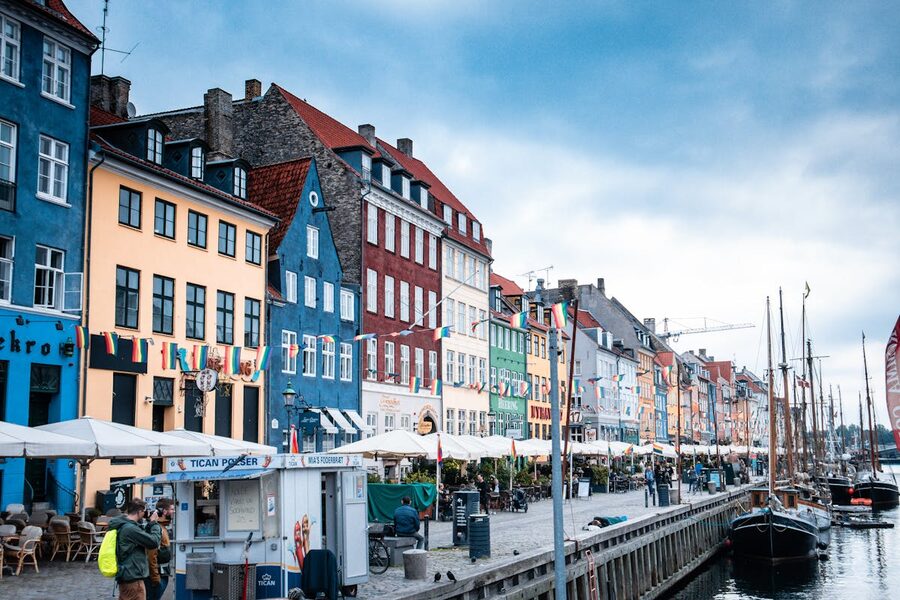
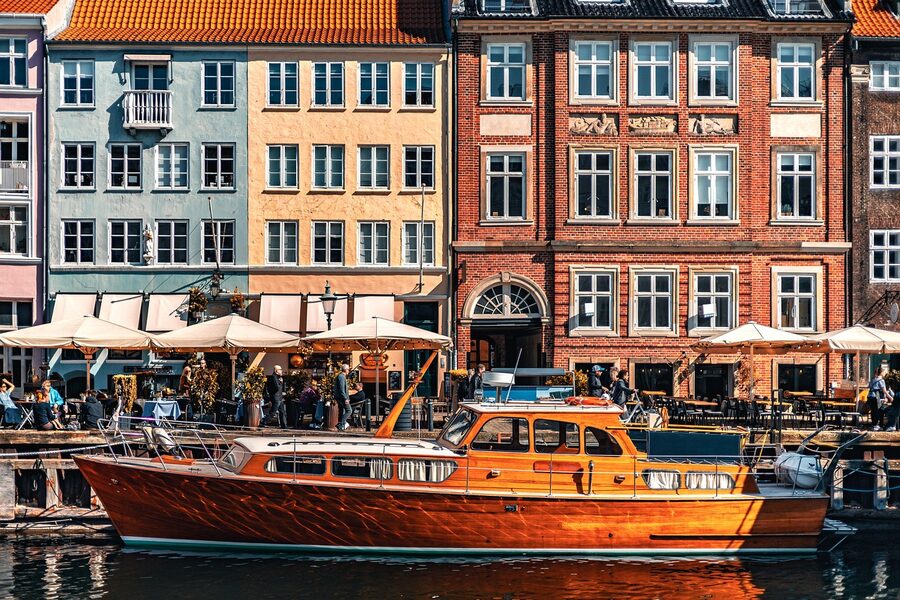
Nyhavn — The colourful waterfront that appears on every Copenhagen postcard. Hans Christian Andersen lived in three different houses here (at numbers 18, 20, and 67). The harbour side is packed with restaurants, but the buildings themselves are what make it worth stopping.
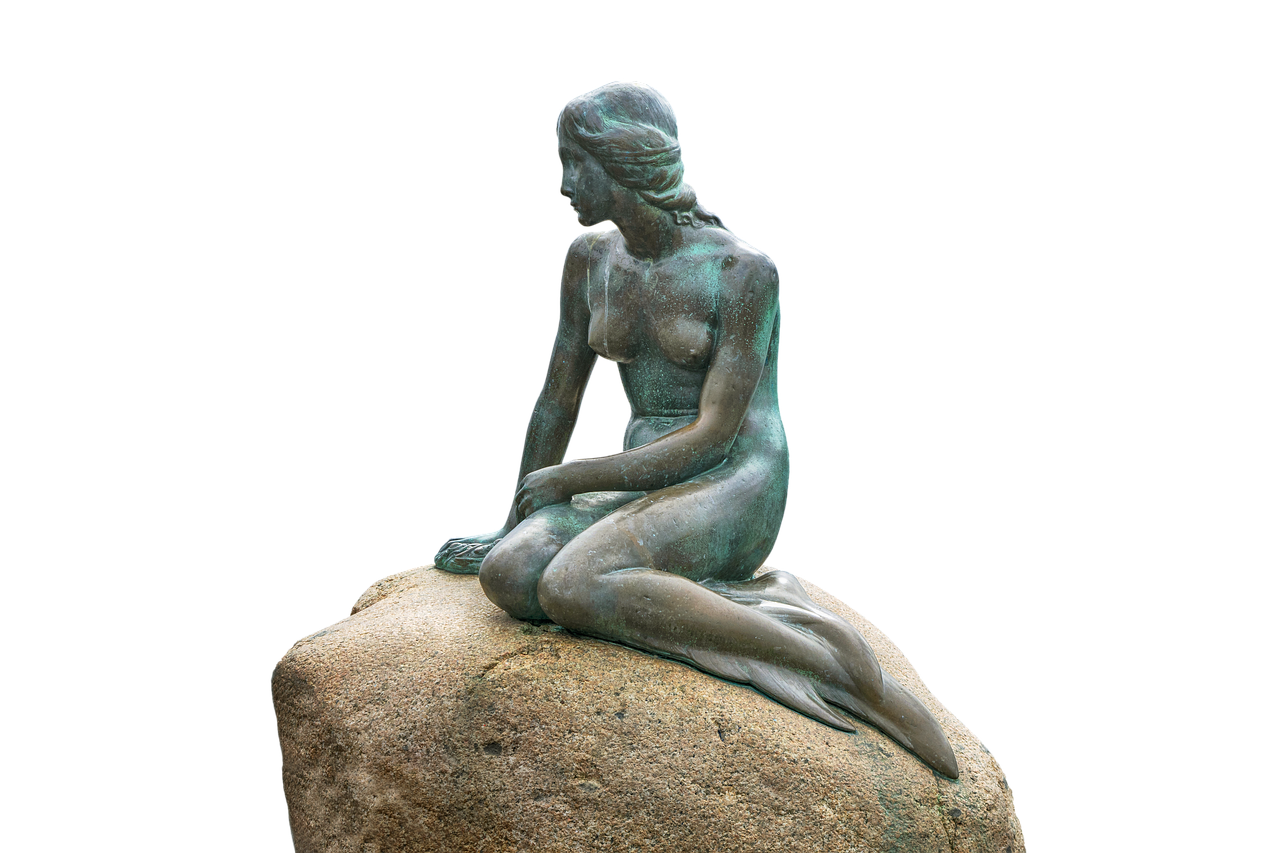
The Little Mermaid — Smaller than you expect (it’s only 1.25 metres tall) and usually surrounded by travelers. But arriving by bike means you approach from the Langelinie promenade side, which gives you a cleaner angle than the crowds coming from the bus park. The statue has been beheaded twice, painted red three times, and had an arm sawed off. The Danes have a complicated relationship with their most famous sculpture.
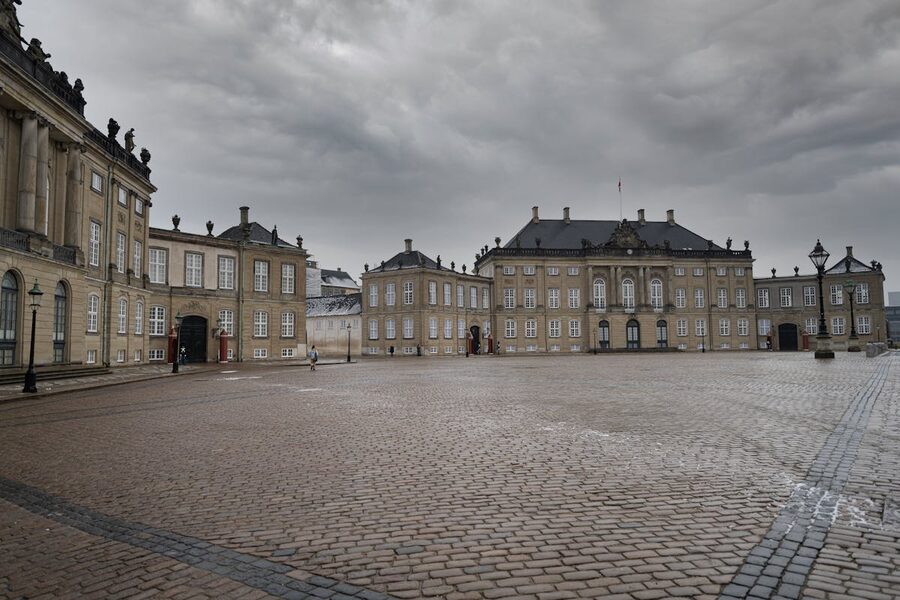
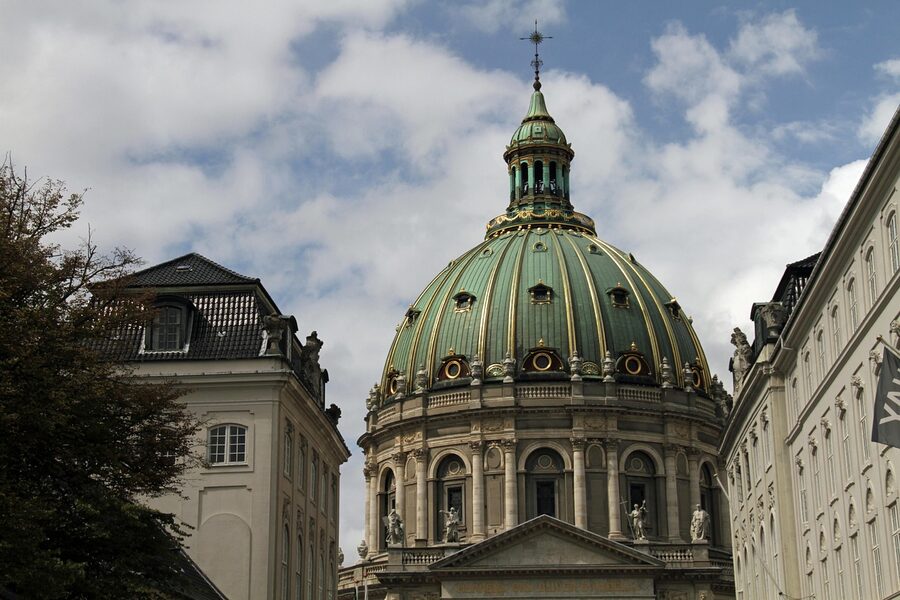
Amalienborg Palace — The Danish royal residence. Four identical Rococo palaces around an octagonal courtyard. The changing of the guard happens daily at noon and is worth timing your tour around if possible. Bike tours usually time their stop here for it.
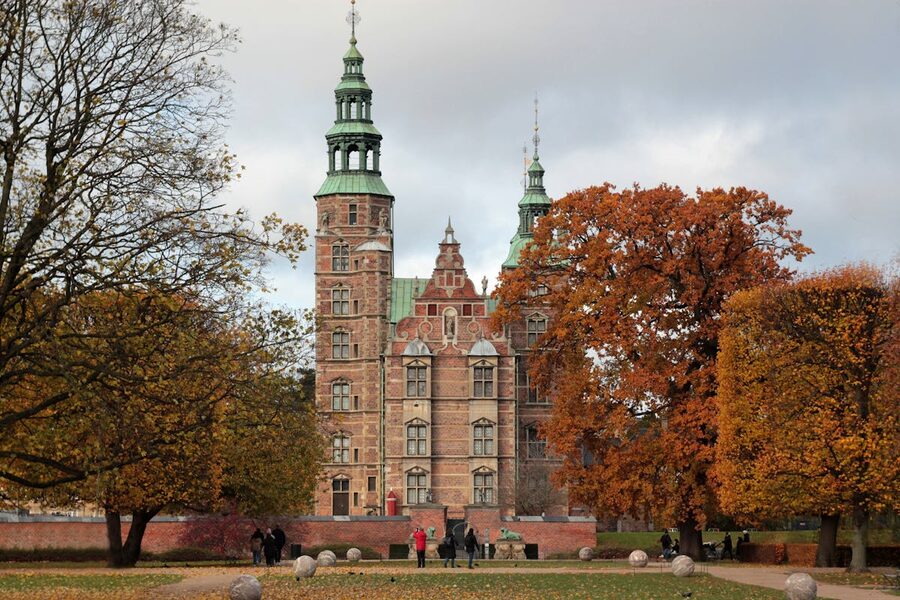
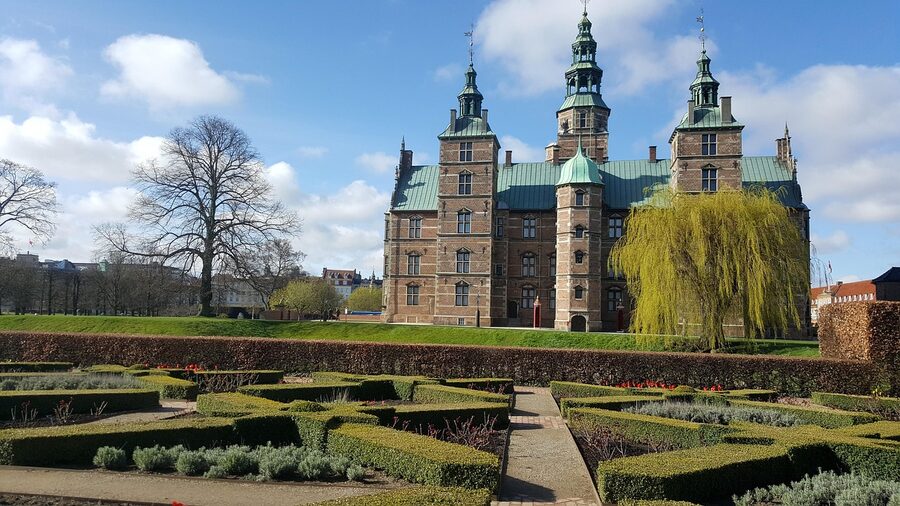
Rosenborg Castle — A 400-year-old Renaissance castle in the middle of the city, surrounded by King’s Garden. Inside are the Crown Jewels (separate ticket), but the exterior and gardens are free and beautiful. Most bike tours stop in King’s Garden for a break.
Christiania (Freetown) — The self-governing neighbourhood that’s been running its own rules since 1971. Love it or find it uncomfortable, it’s undeniably unique. Bike tours ride through the main entrance and along Pusher Street (no photos there, that’s enforced). The architecture ranges from DIY shacks to genuinely impressive eco-builds. Your guide will explain the legal situation, which is more complicated than most people realise.
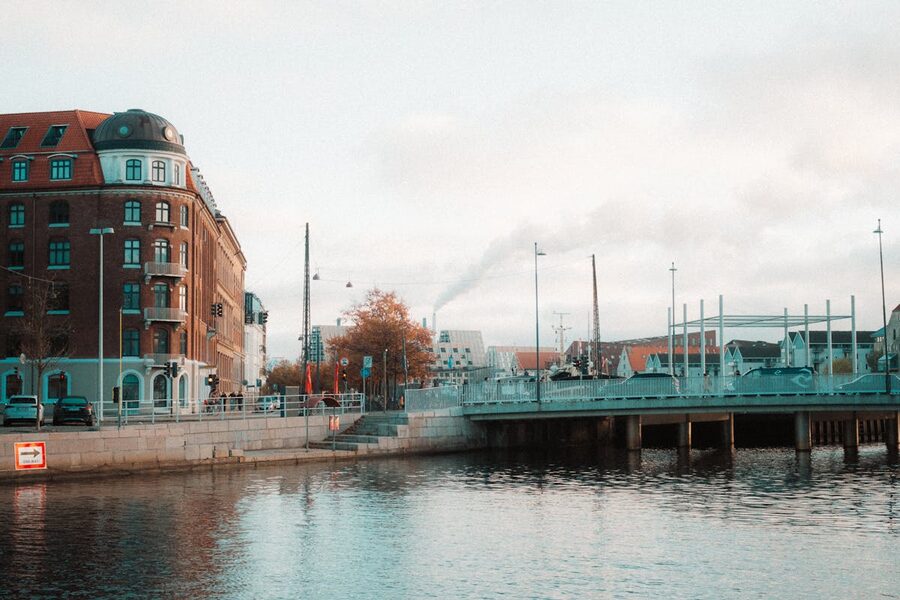
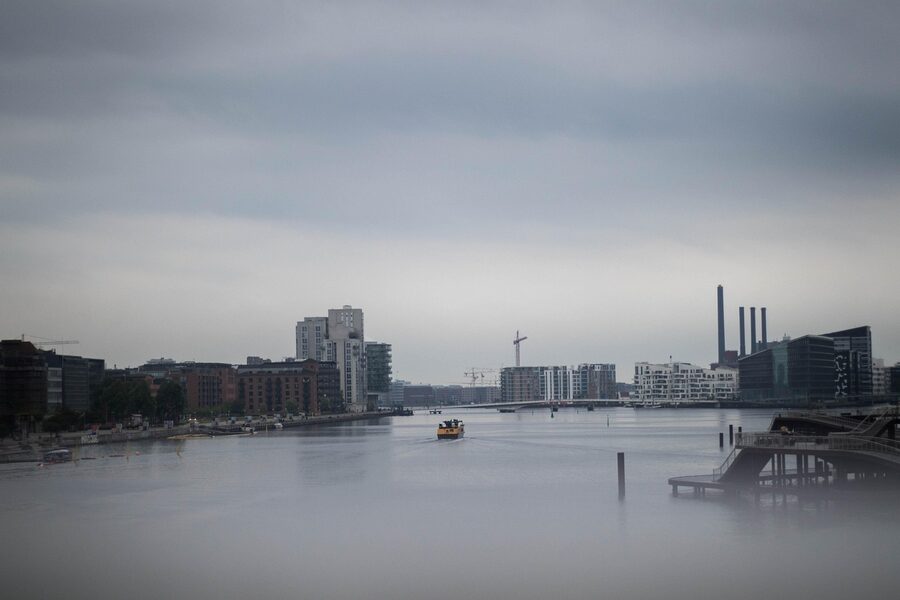
The Harbour Bridges — Copenhagen’s cycling bridges are engineering showpieces. The Circle Bridge (Cirkelbroen), designed by Olafur Eliasson, looks like ship masts rising from the water. The Bicycle Snake (Cykelslangen) is an elevated orange ramp that sweeps you from street level down to the harbour in a long curve. Riding these is one of the genuine thrills of a bike tour here.
How to Get to the Tour Meeting Point
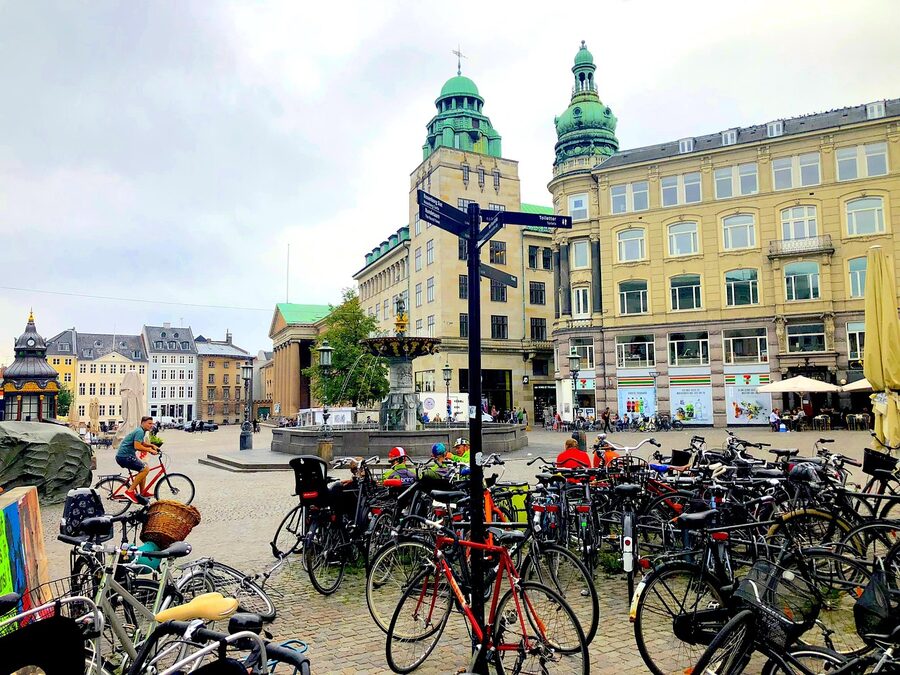
Most bike tours meet in central Copenhagen, either near Nyhavn, City Hall Square (Radhuspladsen), or Copenhagen Central Station. All three are within walking distance of each other (10-15 minutes).
From the airport: Metro line M2 runs directly from Copenhagen Airport to Kongens Nytorv (for Nyhavn) in about 15 minutes, or to Radhuspladsen in 18 minutes. Trains cost about 38 DKK (~$5.50).
From Central Station: Walk. It’s 5-10 minutes to most meeting points. If you’re staying near the station, you’re already there.
From Christianshavn/Amager: The harbour buses (route 991/992) are a fun way to arrive. They stop at Nyhavn and take about 10 minutes from Christianshavn.
Tips That’ll Save You Time and Money
Bring a water bottle. None of the tours provide water, and Copenhagen tap water is excellent. You’ll be cycling for 1.5-3 hours with stops but no refreshment breaks (except the culinary tour, obviously).
Wear layers, not sportswear. Copenhageners cycle in suits, dresses, and heels. The pace on guided tours is leisurely. You don’t need cycling shorts or technical gear. But the wind off the harbour can be chilly even in summer, so a light jacket you can tie around your waist is smart.
Book through the links, not at the meeting point. Walk-up spots are first-come, first-served and unreliable. Pre-booking guarantees your spot and often locks in a lower price. Most tours offer free cancellation up to 24 hours before.
Left side, always. In bike lanes, stay to the right. Faster cyclists pass on the left. Signal with your hand before turning or stopping. These aren’t optional courtesies, they’re the law. Your guide will cover this in the first two minutes.
Lock the bike at every stop. Copenhagen has bike theft. Not as bad as Amsterdam, but it happens. Tour bikes come with locks, and your guide will remind you. Use them every time, even for a 5-minute photo stop.
Combine with a canal cruise for the full experience. Do the bike tour in the morning, canal cruise in the afternoon. You’ll see the city from every possible angle. If you’re planning multiple activities, check whether the Copenhagen Card covers enough of your plans to be worth it.
While You’re in Copenhagen
A bike tour is the best introduction to the city, but there’s plenty more to fill a few days. The Tivoli Gardens are right next to Central Station and are worth at least an evening visit for the lights and atmosphere alone. For something more relaxed, a canal cruise through Copenhagen’s waterways covers the harbour from a completely different perspective, and it pairs perfectly with a morning bike tour. If you prefer exploring on foot, our Copenhagen walking tour guide covers the best options for the old town and palace district. And if you’re planning your days strategically, look at the Copenhagen Card which bundles transport and attractions into one pass.
This article contains affiliate links. When you book through our links, we may earn a small commission at no extra cost to you. This helps us keep creating free travel guides.