
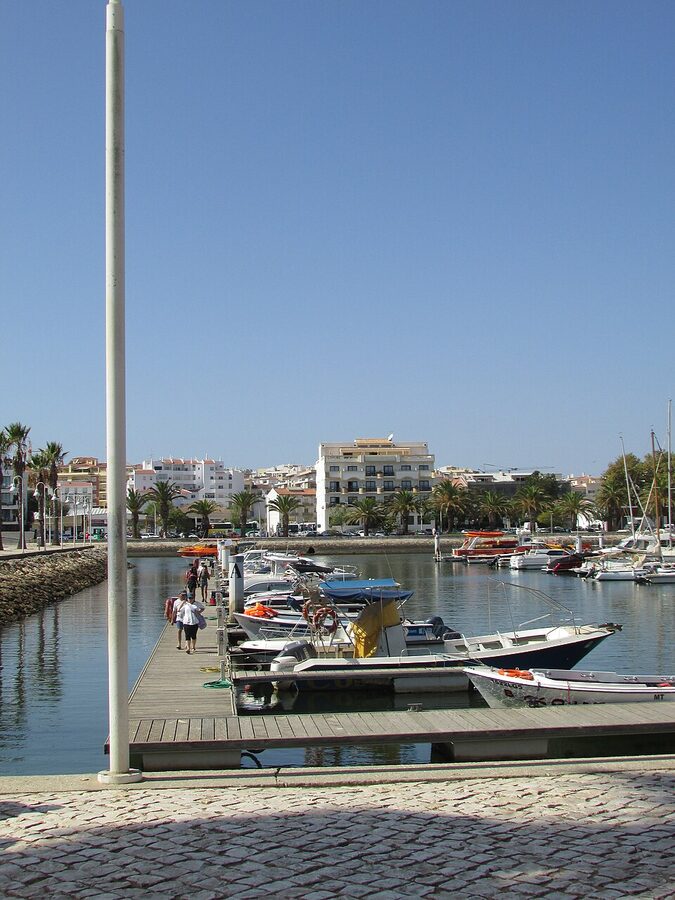
Coming around the headland, the first thing you notice is the sound — water slapping against limestone, then folding into a sudden boom inside a cave you didn’t see until you were already in it. Ten minutes earlier you were sipping coffee in Lagos marina. Now there’s a strip of golden cliff rising twenty metres above your head and the captain is killing the engine so the boat can drift, slowly, into a grotto wide enough for one open dinghy at a time.
That’s the Ponta da Piedade boat trip. This guide covers how to actually book the right one, what to expect on board, and which tour I’d put my own money on.
- In a Hurry? My Top 3 Picks
- What “Ponta da Piedade” actually means on a boat trip
- The three tours I’d actually book
- 1. From Lagos: Boat Cruise to Ponta da Piedade —
- 2. Lagos: Boat Cruise to Ponta da Piedade —
- 3. Lagos: Ponta da Piedade Rock Formations Guided Boat Tour —
- How the booking actually works
- Which boat type should you actually pick?
- What about kayaking instead?
- When to go — and when to skip it
- What to bring (and what’s a waste of space)
- Where Ponta da Piedade fits in an Algarve trip
- The history bit — why these cliffs even exist
- Common questions
- If you’ve got more time in southern Portugal
In a Hurry? My Top 3 Picks
Most booked: From Lagos: Boat Cruise to Ponta da Piedade — $21, 75 minutes, the standard small-boat run with the friendliest skippers.
Best value: Lagos: Boat Cruise to Ponta da Piedade — $20, 75 minutes, near-identical route, same departure point, slightly cheaper.
Smaller group: Lagos: Ponta da Piedade Rock Formations Guided Boat Tour — $20, 75 minutes, capped numbers and a real guide rather than just a skipper.
What “Ponta da Piedade” actually means on a boat trip
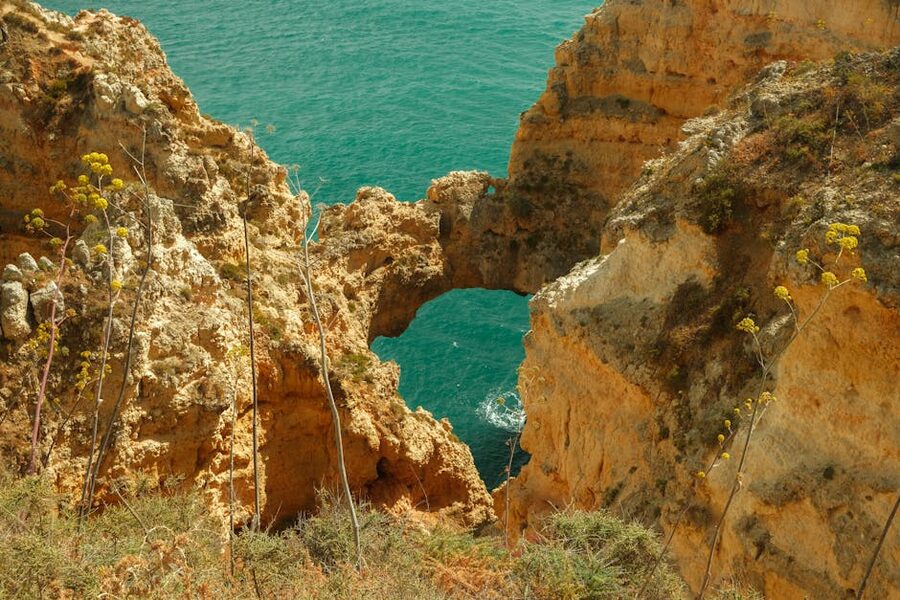
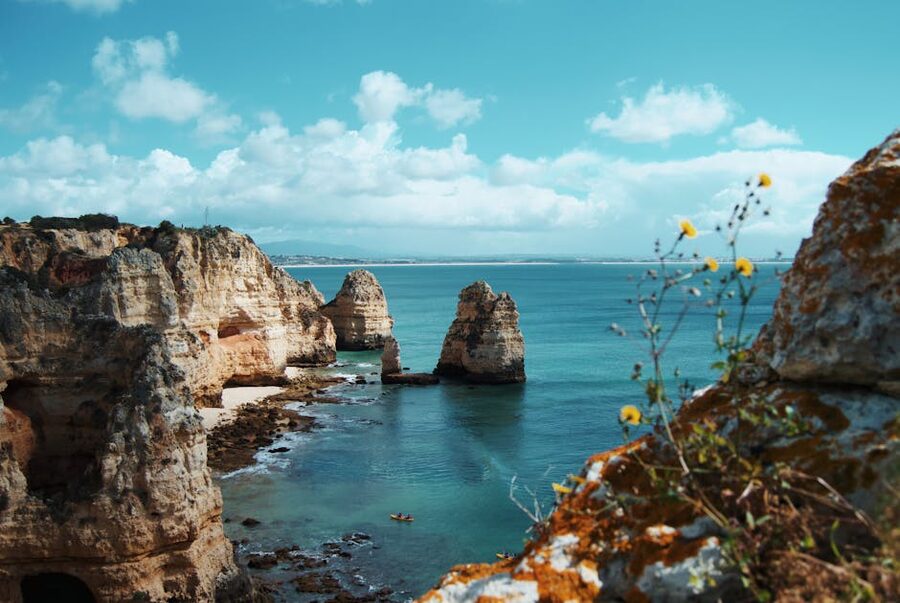
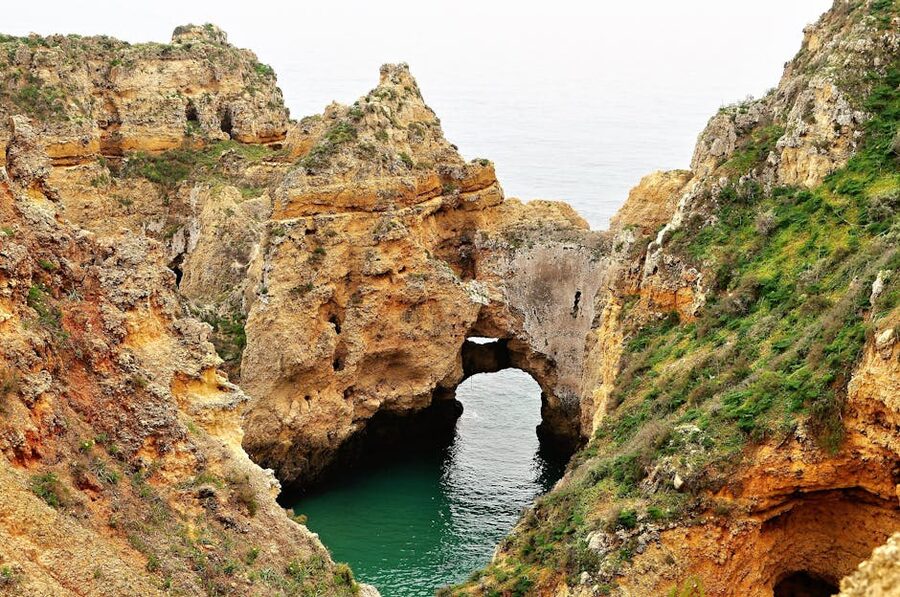
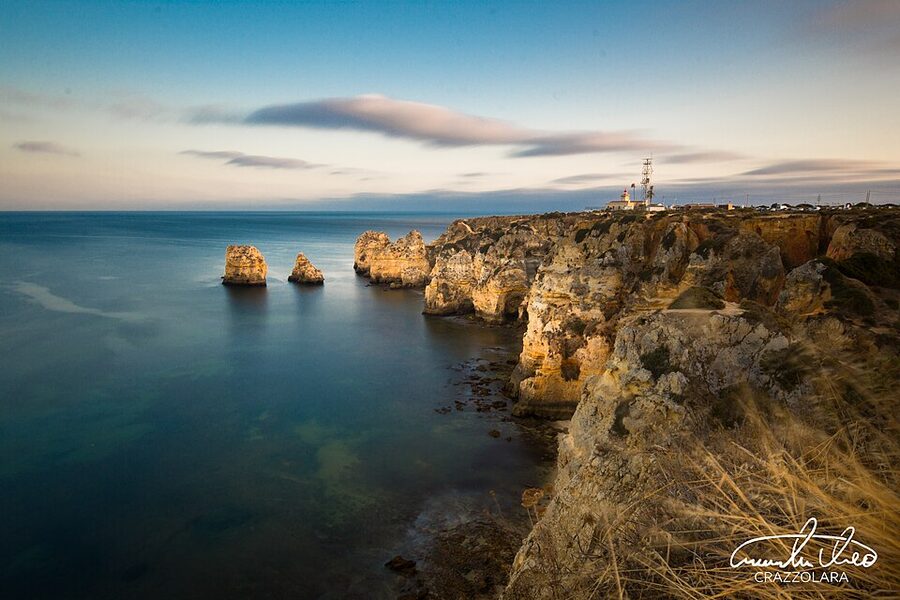
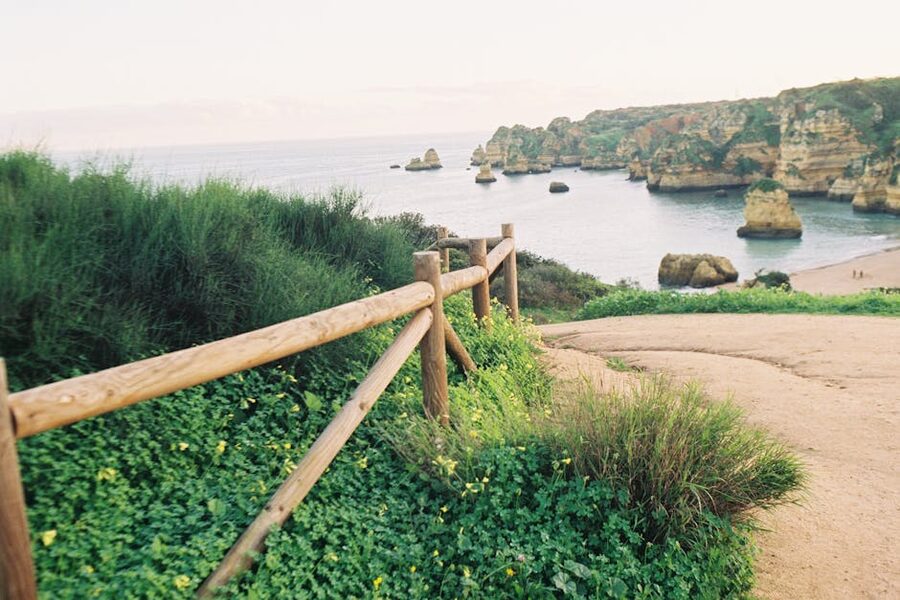
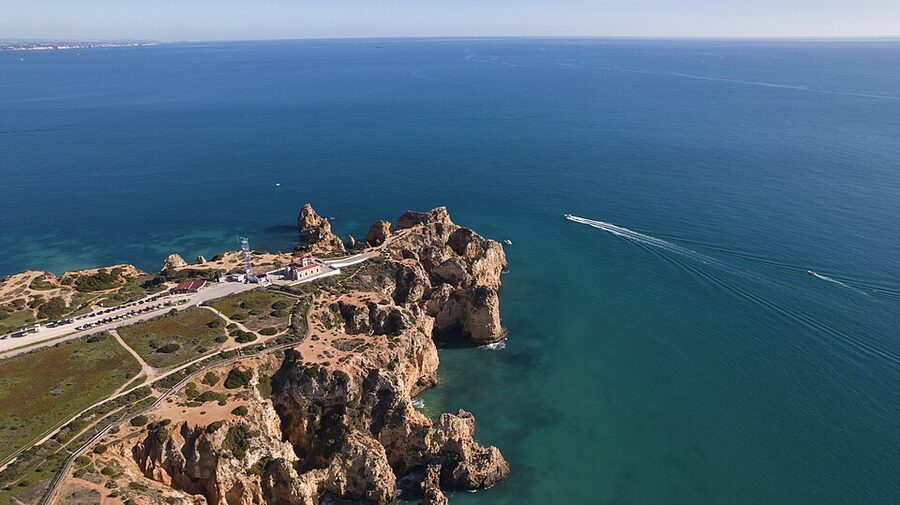
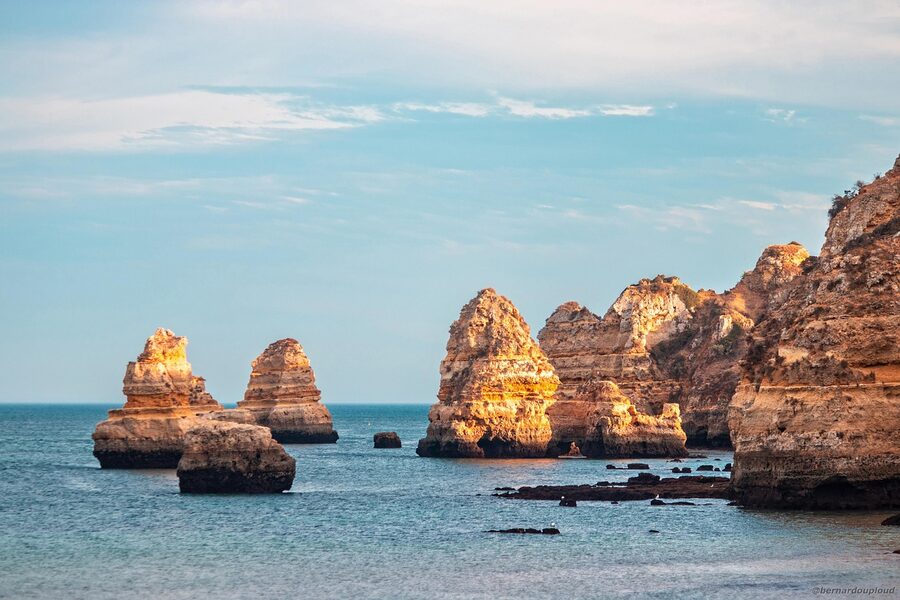
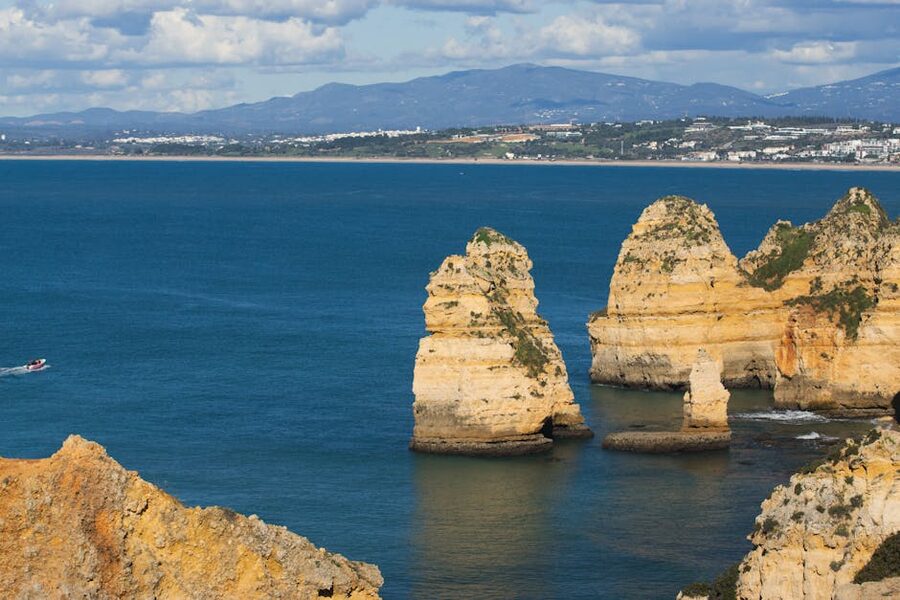
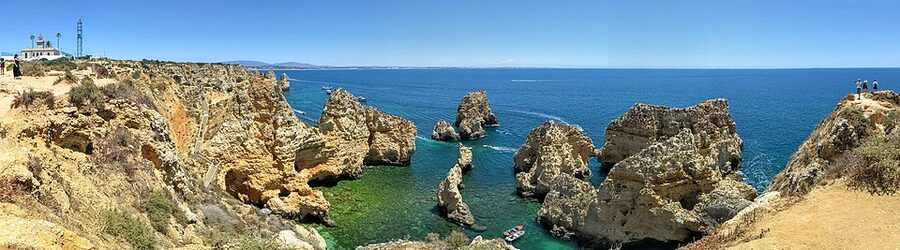
Ponta da Piedade is the limestone headland just south of Lagos town. Walk out there from the marina and you’ll see it from the cliff-top — the lighthouse, the staircase down to the sea, the cluster of stacks and arches that show up on every Algarve postcard. That’s the land version, and there’s a separate guide for visiting it on foot if you’d rather walk.
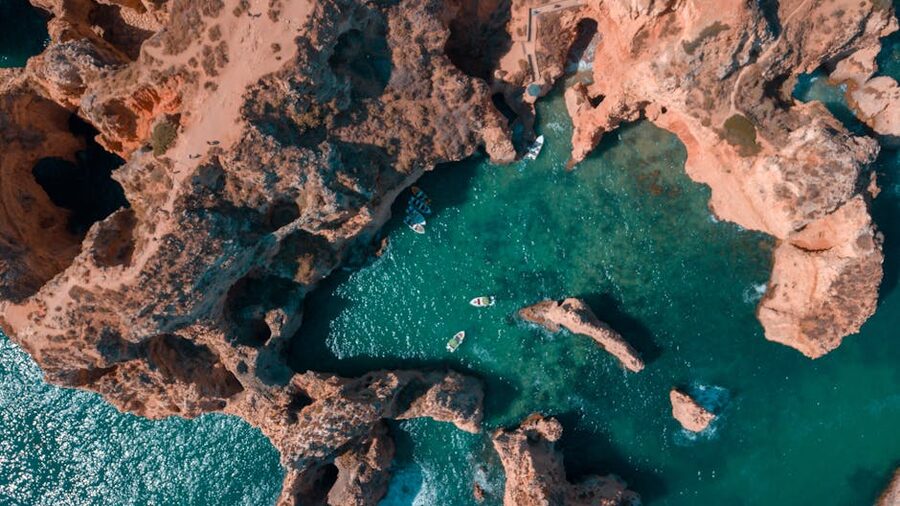
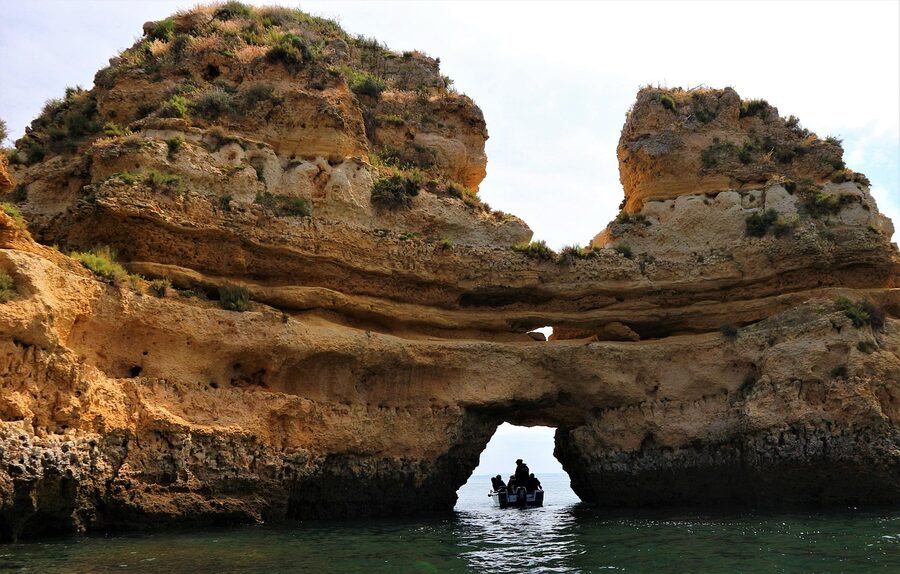
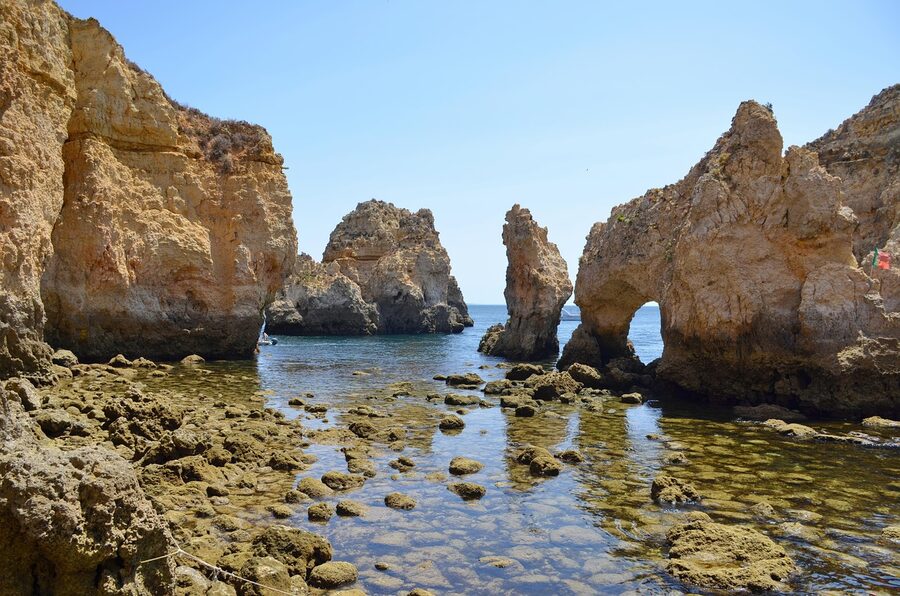
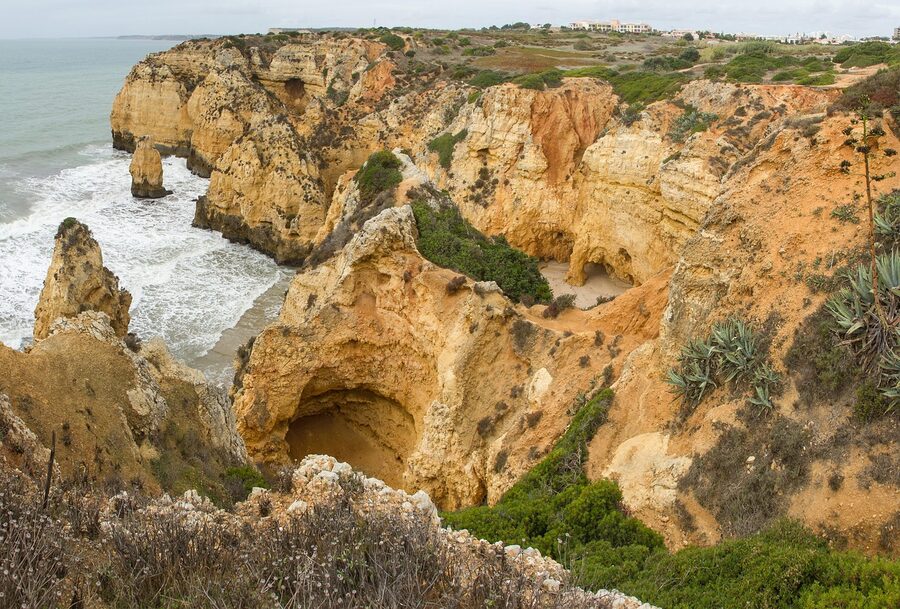
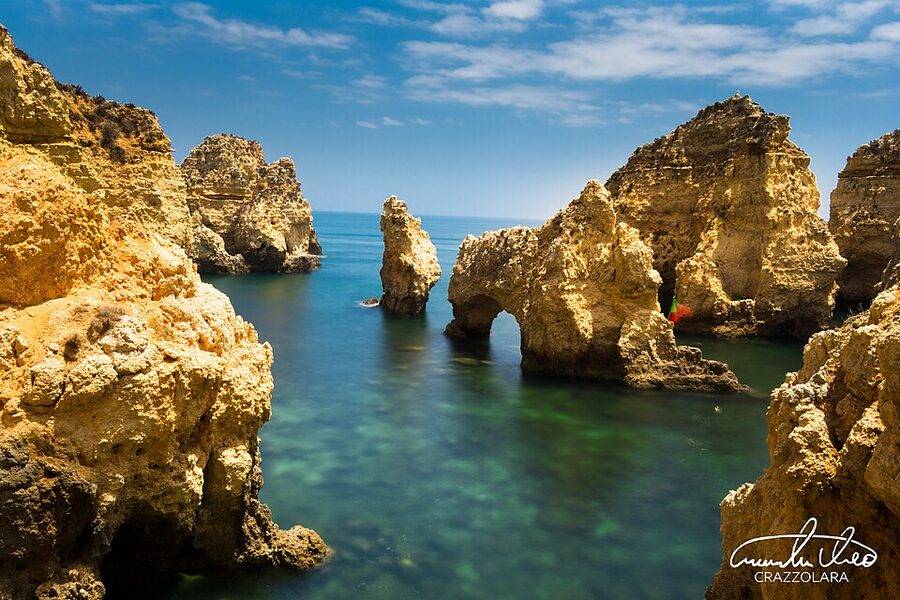
The boat trip is a different experience. You don’t see Ponta da Piedade from above — you go through it. The grottos, the arches you can pass under, the little cave with a window of light at the back: those only exist from the water side. The cliff-top walk is a postcard. The boat trip is the inside of the postcard.
The three tours I’d actually book
There are easily fifteen Lagos-Ponta da Piedade boat tour listings on the booking sites. Most are the same product with a different name. After cross-referencing review counts, departure points, boat sizes, and the actual route, three rise to the top.
1. From Lagos: Boat Cruise to Ponta da Piedade — $21
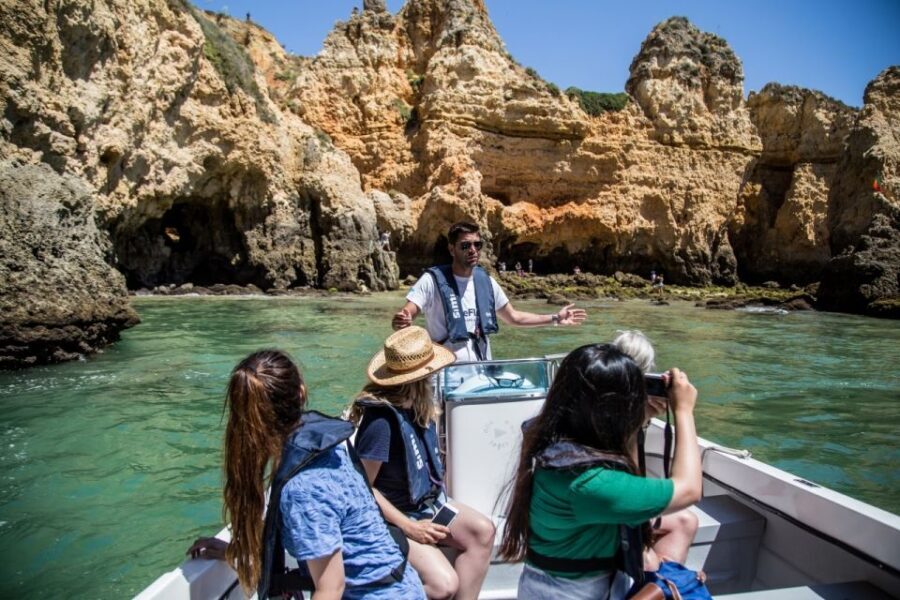
This is the one to book first. It’s a 75-minute small-boat run from Lagos marina around the full Ponta da Piedade headland and into the grottos — and our full review goes deeper into the on-board experience and which times of day work best. The skippers are the strongest part of this product. They know exactly which grottos can be entered at the current tide and they don’t rush the photos.
2. Lagos: Boat Cruise to Ponta da Piedade — $20
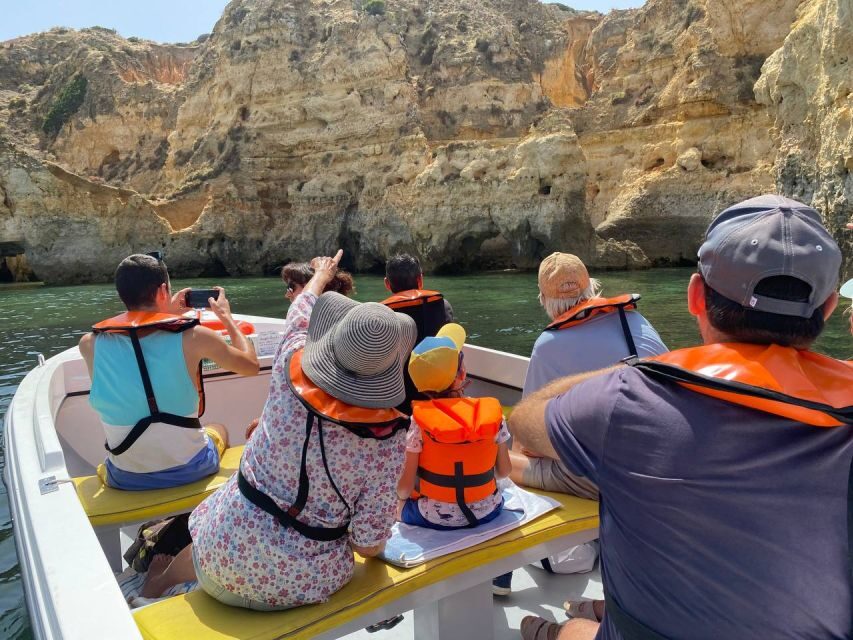
A near-clone of the first tour, run by a different operator, a dollar cheaper. Same 75 minutes, same departure from Lagos marina, same grotto stops. Our review compares the two in detail — the only consistent difference travellers flag is that the boats here tend to skew slightly larger (15-18 passengers rather than 8-12).
3. Lagos: Ponta da Piedade Rock Formations Guided Boat Tour — $20
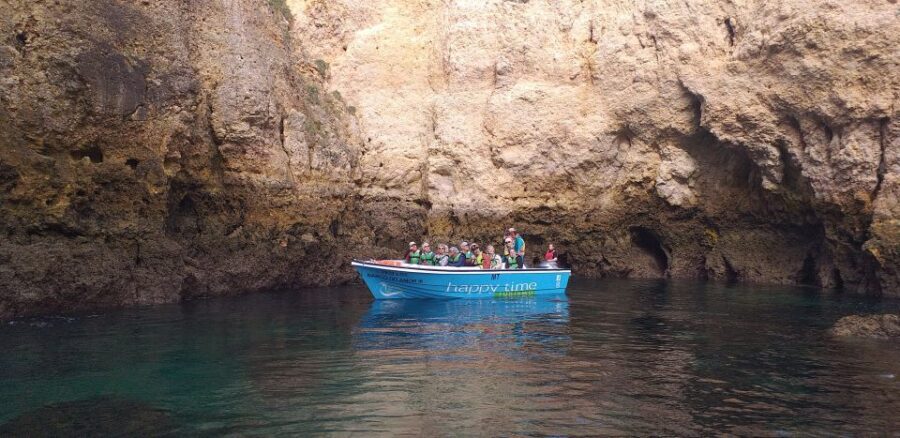
The structural difference here is the guide. On the two listings above, the skipper does light commentary and that’s it. On this one there’s a dedicated guide who’ll talk you through the limestone formations, the bird life on the cliffs, and the names of every arch you pass — our review rates the guides as the best on the route. Pick this one if you’re travelling with anyone who likes to know what they’re looking at.
How the booking actually works
Three things to know before you click confirm.
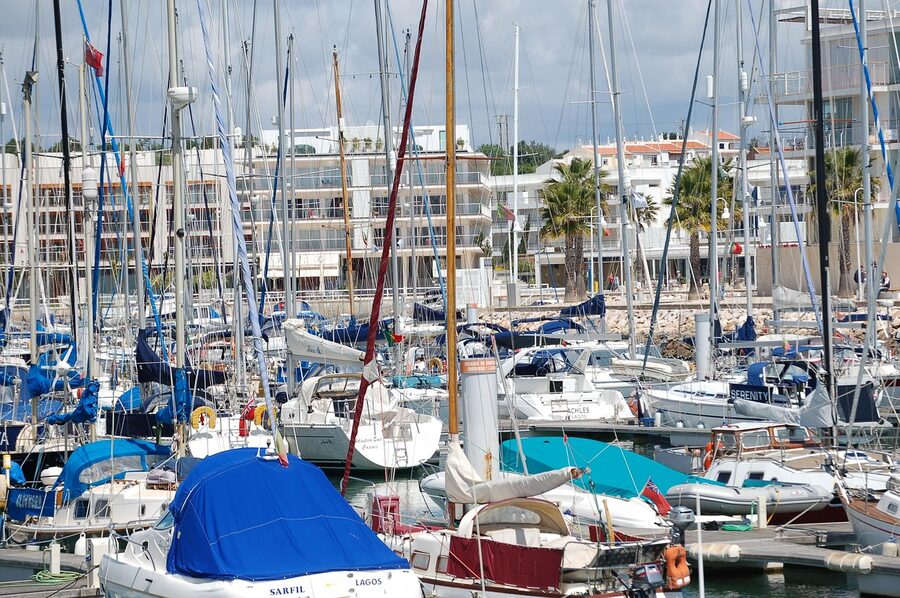
You don’t pick the boat in advance. When you book a Ponta da Piedade trip from Lagos, you book a slot and a route — not a specific vessel. On the day, the operator allocates whatever boat fits the headcount. That’s why a “small-boat” listing sometimes shows up as a 20-person catamaran. Read the description carefully, and if the boat size matters to you, message the operator before booking.
Tides change which grottos open. At high tide some of the larger caves are accessible but the lowest-roofed ones are sealed. At low tide it flips. There’s no way for the operator to guarantee in advance which caves you’ll see. The captains adjust on the day, which is why the same tour can give you four caves one morning and seven the next.
Cancellation rules are stricter than they look. Most Lagos boat operators offer free cancellation up to 24 hours before, but only the operator can cancel for weather. If they sail and you don’t show, that’s on you. Check the forecast the night before and message them if you’re uncertain — they’d rather move your booking than refund half of it.
.JPG)
Which boat type should you actually pick?
The Lagos fleet falls into three buckets, and the bucket matters more than the operator name.
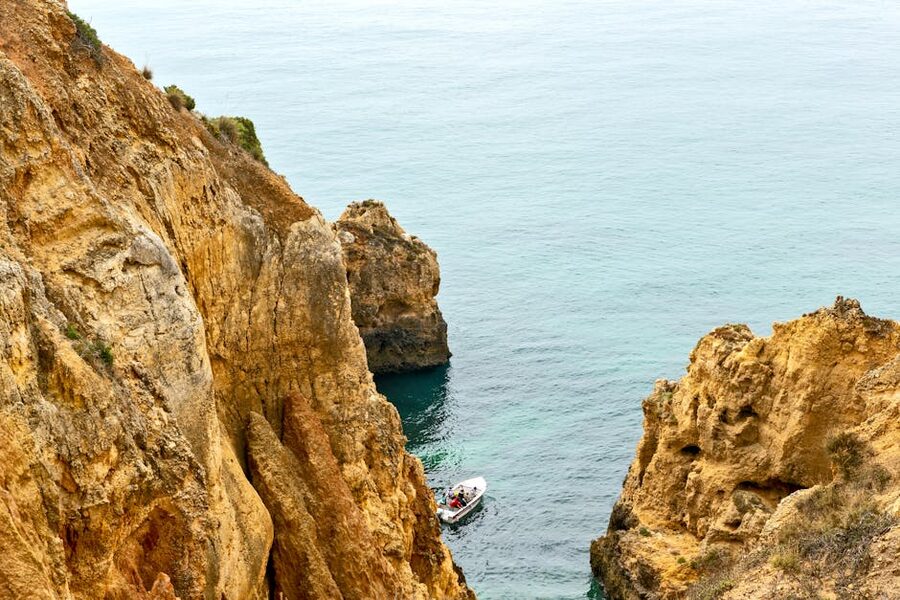
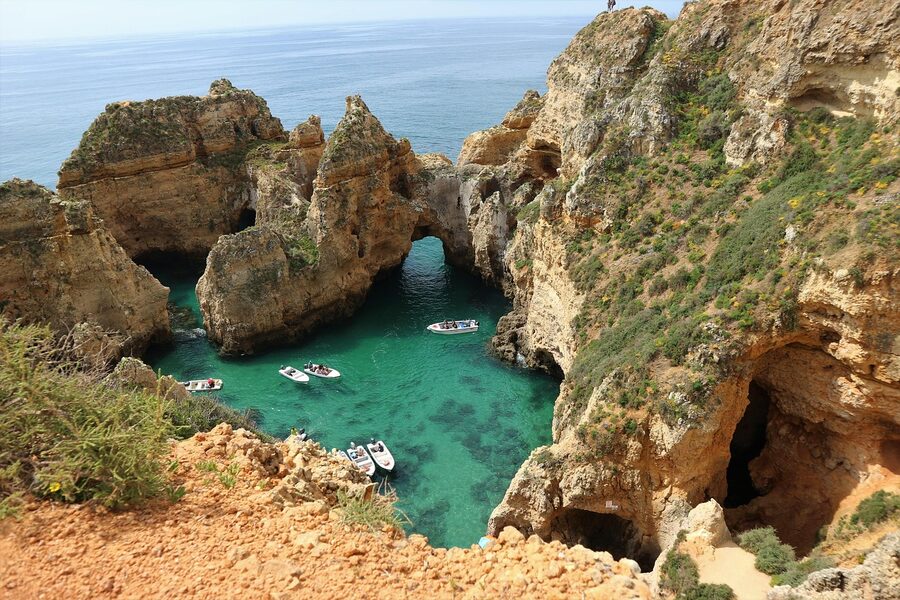
Small open dinghies (8-12 passengers). These are the boats that can fit inside the grottos. If your priority is going inside the caves, you want one of these. They’re loud, splashy, and there’s no shade. The advertised duration is 75 minutes but the in-grotto time is what makes them.
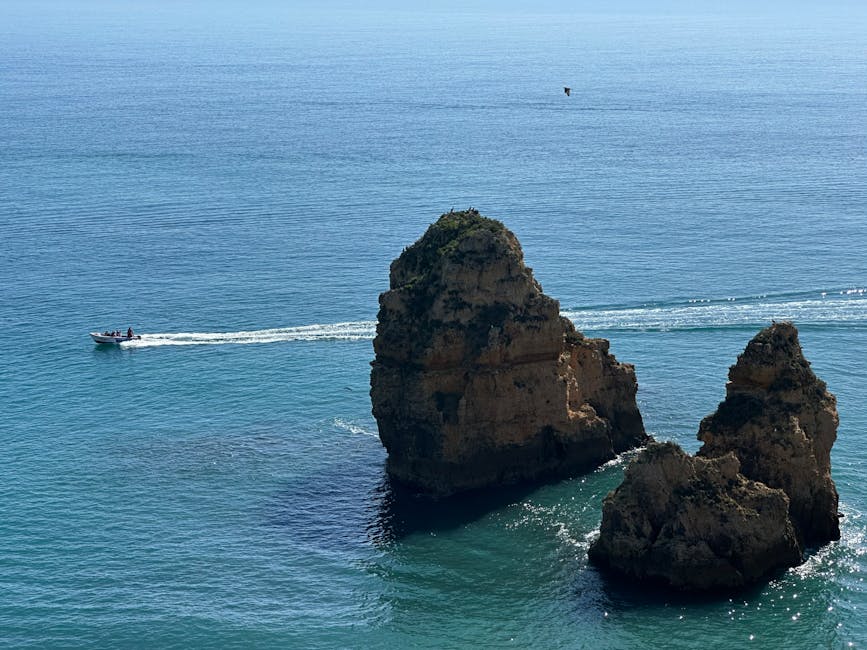
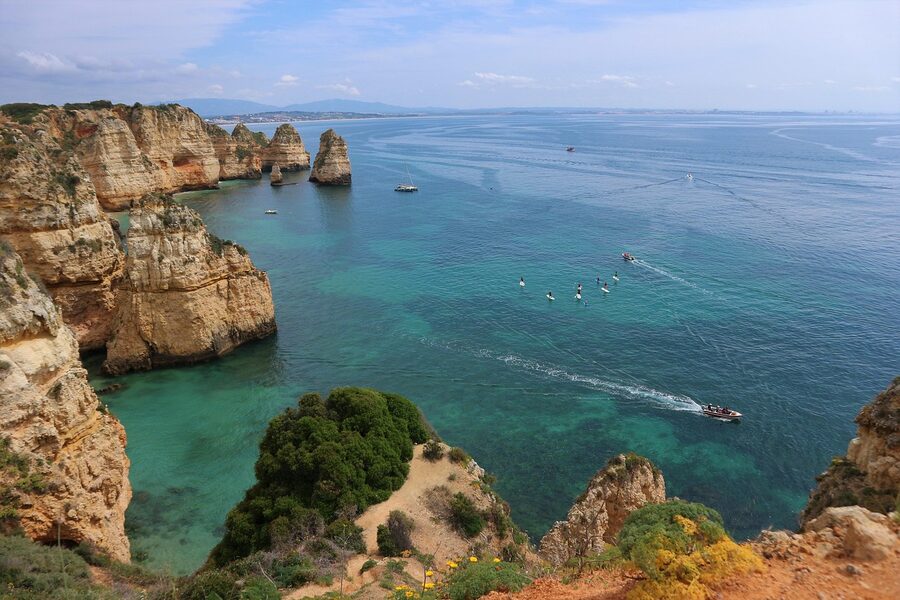
Mid-sized open boats (15-25 passengers). The default for the cheap GetYourGuide listings. They follow the same route around the headland but only go right up to the grotto entrance — too big to enter most of them. If you mainly want photos of the cliffs and arches from outside, this is fine and cheaper.
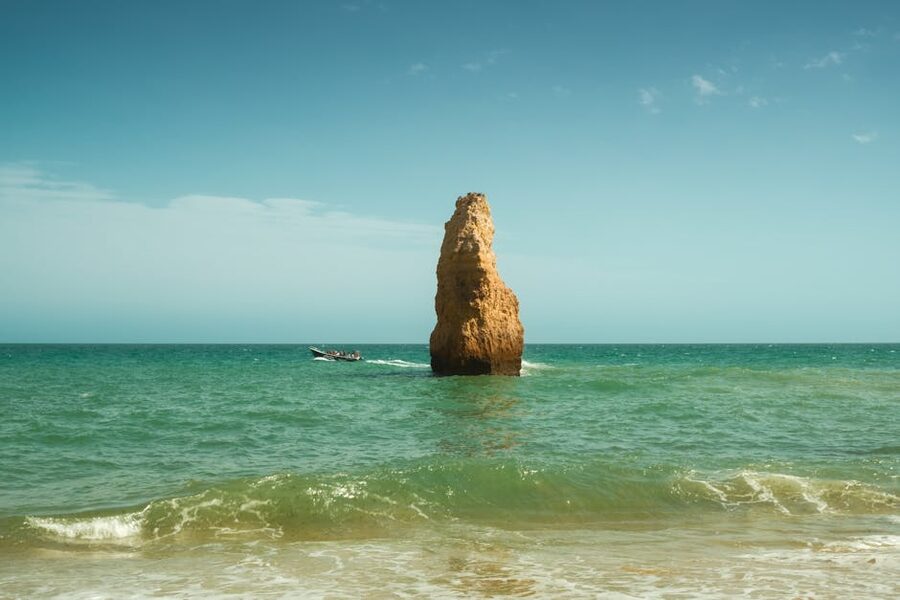
Catamarans (40+ passengers). A different product. They cruise past Ponta da Piedade rather than into it, often combined with a longer route to Praia da Luz or Burgau. Good for sunsets and onboard drinks. Bad if you came specifically to be inside the grottos.
What about kayaking instead?
Worth a separate paragraph because a lot of people Google “Lagos boat tour” and end up wondering whether they should do a kayak instead. The short answer: do both, on different days, if you can.
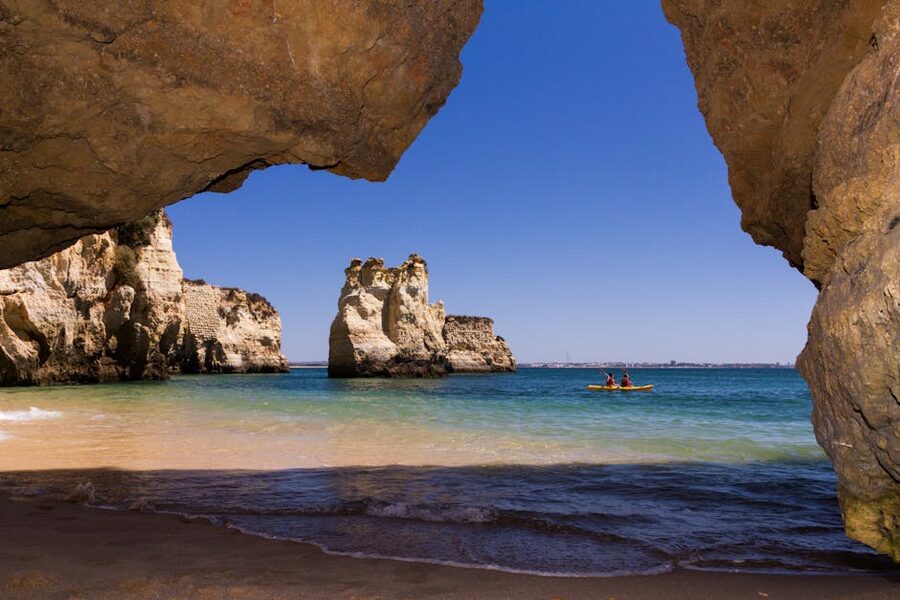
Kayaking gets you closer. You can paddle into the smallest caves and spend longer inside each one. There’s no engine noise, the water under you is so clear you can see the bottom in eight metres, and the photos are extraordinary. The trade-off is effort and weather sensitivity — wind picks up by 11am most days and the kayak trips often cancel when the boat trips don’t.
If a kayak appeals, our guide to the Benagil kayak tour covers the slightly longer (and more famous) version of this experience. There’s also a general Benagil Cave guide if you’re trying to decide between the two regions.
When to go — and when to skip it
Boat conditions in Lagos aren’t seasonal in the way you might assume. The high season for tourism is July and August. The high season for boat conditions is May, June, and September. June is the sweet spot — water already warm enough that the photos pop, the wind hasn’t started its August routine, and the prices haven’t peaked.
July and August are fine but the marina is hectic, you’ll queue at boarding, and the early-morning slots fill out a fortnight in advance. If you’re locked into those months, book a 9am or 9.30am slot. Anything from 11am onwards risks both crowds in the grottos and a chop that bounces the boats around.
Winter (December to February) trips do run on calm days, and the cliffs in low winter sun are genuinely stunning, but the cancellation rate is high — figure on a 50% chance the trip you booked actually sails. Build a spare day into your itinerary if you’re booking off-season.
.jpg)
What to bring (and what’s a waste of space)
You don’t need much.
- Sunscreen and a hat with a chin strap. The wind takes hats overboard. The crew won’t turn around for one.
- A waterproof case for your phone. Not because you’ll fall in, but because the boats throw spray and the spray is salt water. Phones die on Lagos boat trips more often than people realise.
- Water and a snack if it’s hot. Most operators don’t sell anything on board.
- A light layer. Even in July, the wind on the water at 9am can feel cool. By 11 you’ll have it stuffed under the seat.
What you don’t need: serious camera kit (the boats vibrate too much for a long lens to work, and your phone is fine), a swimsuit (the standard 75-minute tours don’t stop for swimming), or a bag bigger than a small backpack (storage is non-existent).
Where Ponta da Piedade fits in an Algarve trip
If you’ve got two days in Lagos, the boat trip and the cliff-top walk pair perfectly. Do the boat first thing in the morning when the water is calmest, then walk the same headland from above in the late afternoon when the light goes gold. You’ll see how the inside and outside of the same place are essentially two different attractions.
If you’ve got a week in the Algarve, Ponta da Piedade is one of three boat trips worth doing. The other two are the Benagil Caves speedboat from Portimão (faster, longer route, more dramatic single cave) and the dolphin watching combo from Albufeira if marine life matters more than rocks. They’re different enough that doing all three doesn’t feel repetitive.
For families with kids who get restless on a 75-minute boat ride, Slide & Splash water park is the obvious indoor backup. Less photogenic. Better lunch options.
The history bit — why these cliffs even exist
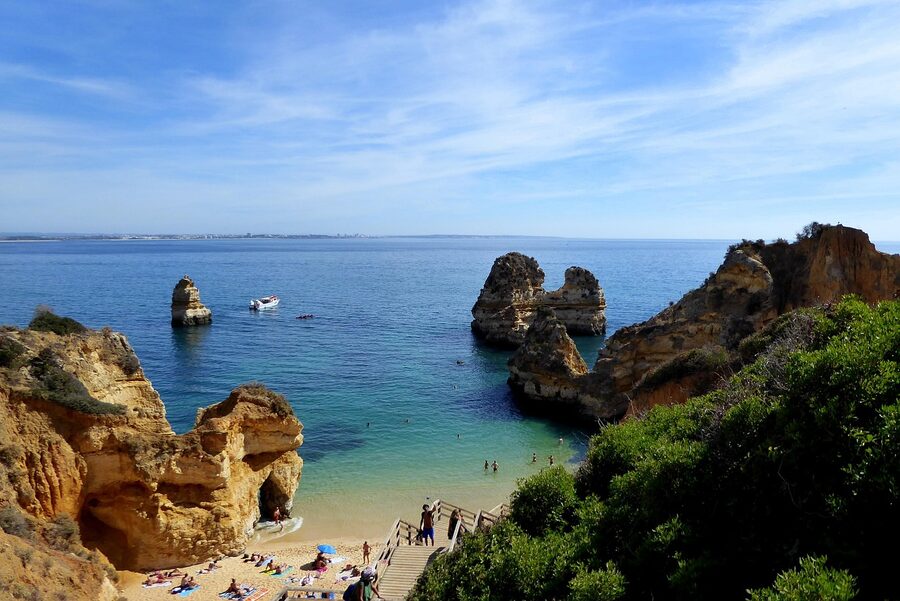
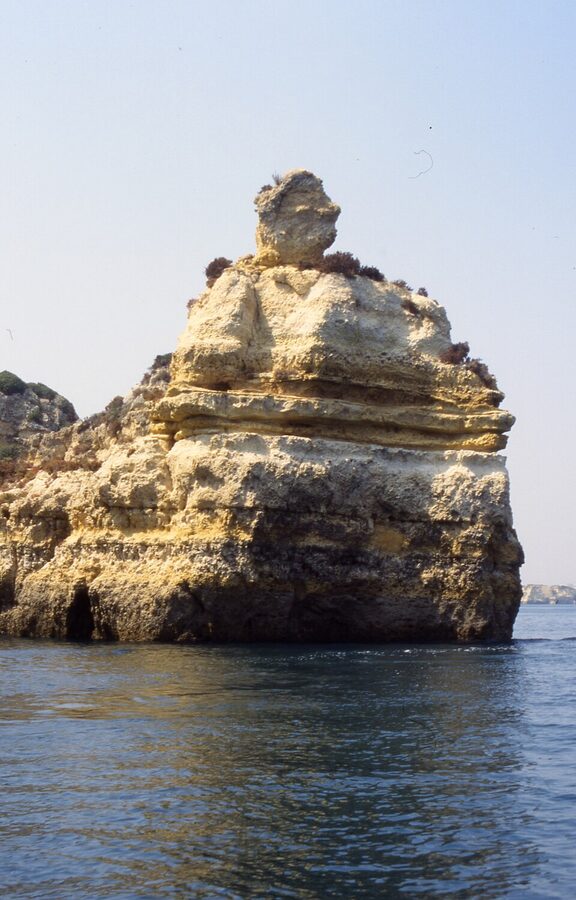
Ponta da Piedade is a textbook example of carbonate karst eroded by Atlantic waves. The yellow-gold colour is iron-stained limestone laid down 18 to 20 million years ago, when the whole western Algarve was a shallow tropical sea. As Atlantic waves attacked the softer rock the headland kept retreating, leaving behind the harder pillars and arches you see today. The grottos are the most recent erosion — sea-level swells punching through joint lines in the rock.
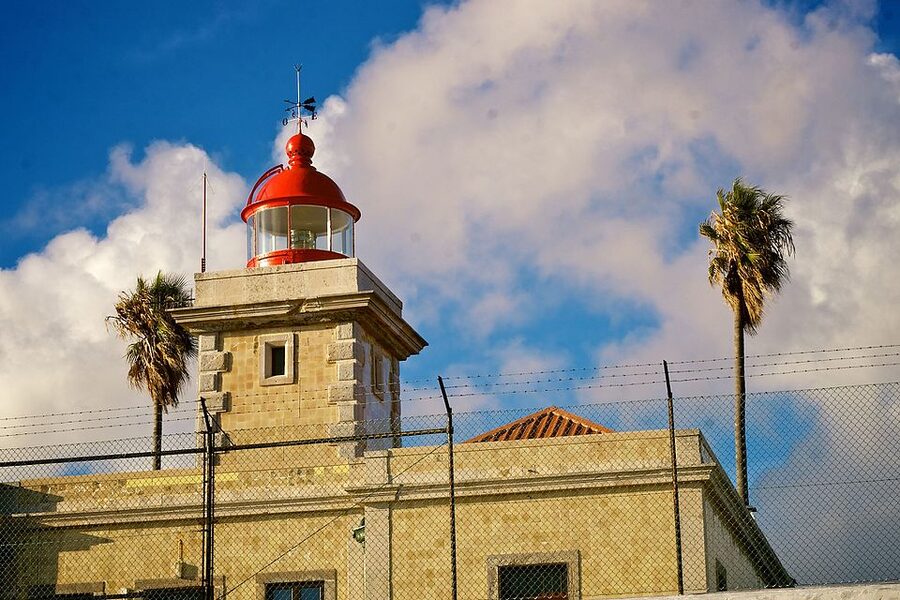
The lighthouse on top of the headland (the Farol da Ponta da Piedade) dates from 1913. It’s one of the lowest range lighthouses on the Portuguese coast — visibility about 14 nautical miles — because the cliffs themselves act as a natural beacon. Sailors used to navigate by counting the stacks. The story locals tell is that the headland’s name (literally “Point of Pity”) comes from a chapel that once sat at the cliff edge as a refuge for shipwrecked crews.


Common questions
Can you swim from the boat? Not on the standard 75-minute Ponta da Piedade tours. Some longer 2-3 hour tours include a swim stop, but the short ones don’t.
Do they go inside Benagil Cave? No. Benagil is a different cave on a different stretch of coast — about 30 minutes east. The Lagos boats do Ponta da Piedade only. If Benagil is what you want, book from Portimão or Albufeira instead.
Are the boats wheelchair accessible? Most aren’t. The mid-sized boats from the cheaper listings are easier to board than the small dinghies, but no Lagos operator I’ve used has a proper accessible setup. Email the operator directly if this matters.
Will I get seasick? Inside the headland, no — the water there is sheltered. On the outbound run before you reach Ponta da Piedade, sometimes yes if the wind has come up. Take seasickness tablets an hour before if you’re prone.
Can I bring kids? All three tours above accept children. Most have a 4-year-old minimum. Children under 7 often go free or half price — check the listing for the exact rule.
.jpg)


If you’ve got more time in southern Portugal
Lagos sits in the western Algarve. From here, a half-hour drive east lands you in Portimão for the Benagil speedboat trip, or in Albufeira for the bigger marine theme park scene and the dolphin watching combo cruises. East again gets you to the lagoon system covered in our Ria Formosa guide — totally different ecosystem, much calmer water, kid-friendly.
Heading inland, most travellers either pivot up the coast to Lisbon (about three hours by train or car) or push on to Sintra. We’ve covered the Sintra side of things in detail — the day-trip logistics, Pena Palace tickets, Quinta da Regaleira, and the combined Sintra-Cascais day trip if you want to hit the lot in one go. None of it overlaps with the Algarve coast — which is a big part of why two-week Portugal trips work so well.
If your trip starts in Lisbon, the Lisbon Card is worth a look for the museums-plus-transport package; it doesn’t do anything for you in Lagos but it pays off the day before or after.
This article includes affiliate links. If you book through them we may earn a small commission at no extra cost to you — it helps keep this site going. We only recommend tours we’d book ourselves.