
Cambridge University has been teaching since 1209. Punting on the River Cam has been a student tradition since at least 1875, and probably much earlier. There’s a specific satisfaction in climbing into a flat-bottomed boat that undergraduates have been falling out of for 150 years.
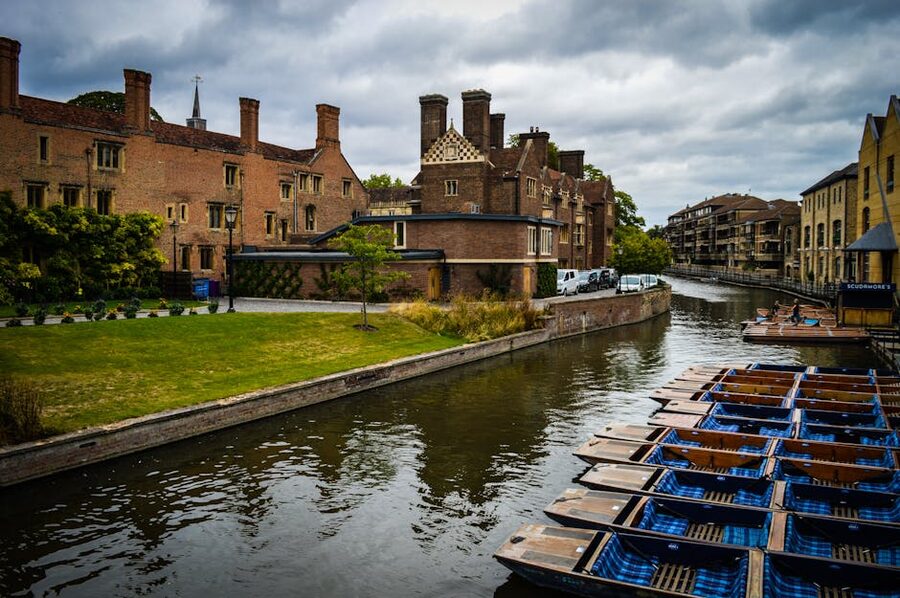
Punting is what London day-trippers come to Cambridge for. It’s 50 minutes by train from King’s Cross, and the punting stations are all within a 5-minute walk of the station or the bus stop — making it one of the easier day trips out of the capital. Compared to Oxford, Cambridge is smaller, less touristy, and feels more like a working town around a university than a theme park of one.

This guide covers how punting actually works, which tour to book, and whether you should add a King’s College Chapel visit to the same day.
- In a Hurry? Here Are the Top Picks
- How Punting Actually Works
- What You’ll See on the Route
- Queens’ College and the Mathematical Bridge
- King’s College
- Clare College
- Trinity College
- St John’s College and the Bridge of Sighs
- Magdalene College
- The Best Tours to Book
- 1. Cambridge: Guided River Cam Punting Tour — per group
- 2. Cambridge: University Alumni Tour with King’s College —
- 3. Cambridge: Alumni-led Walking Tour with King’s Chapel —
- Should You Punt Yourself?
- King’s College Chapel: The Must-See
- When to Visit Cambridge
- How to Get to Cambridge from London
- What to Bring
- Worth Knowing Before You Book
- Pairing Punting with Other UK Activities
- Worth the Day or Skippable?
- More UK Guides
In a Hurry? Here Are the Top Picks
Best value: Cambridge: Guided River Cam Punting Tour — $39 per group of 3. A 45-minute shared punt with a chauffeur. The most-booked option.
Best for history: Cambridge: University Alumni Tour with King’s College — $33 per person. Walking tour led by a former Cambridge student, with optional King’s College Chapel entry.
Best combined option: Cambridge: Alumni-led Walking Tour with King’s Chapel — $34 per person. Walking + optional punting add-on + chapel entry. Good all-rounder.
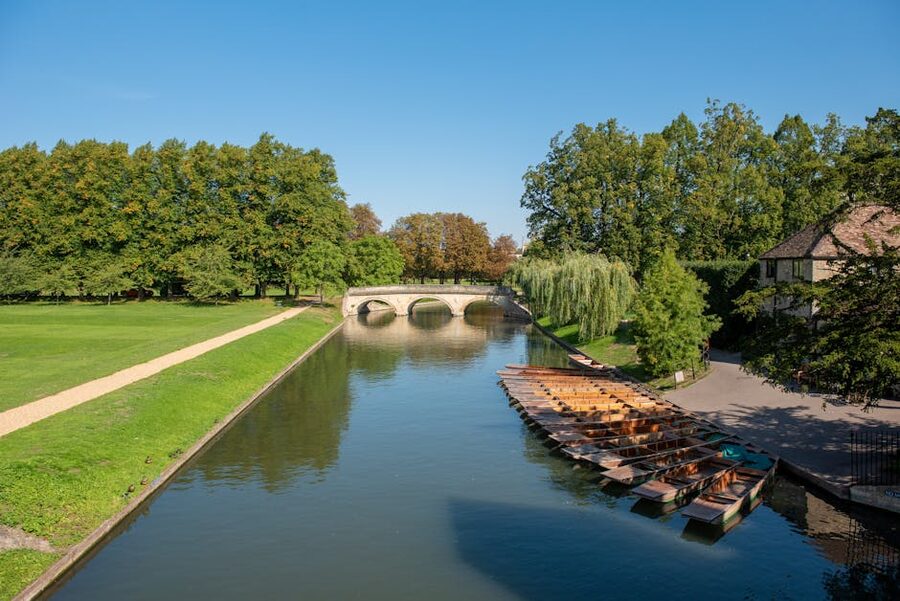
How Punting Actually Works
Punting is a specific Cambridge verb, not just “taking a boat.” Here’s how it works.
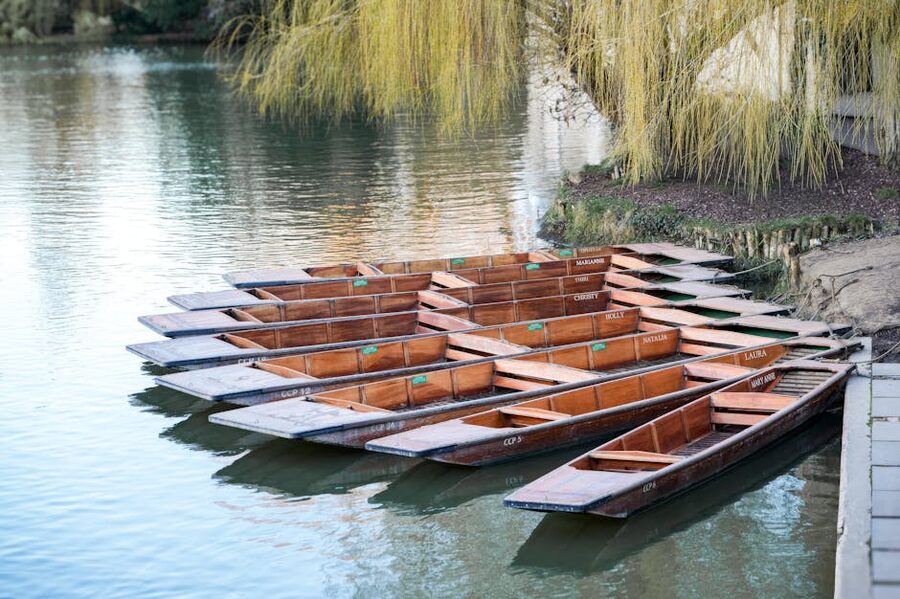
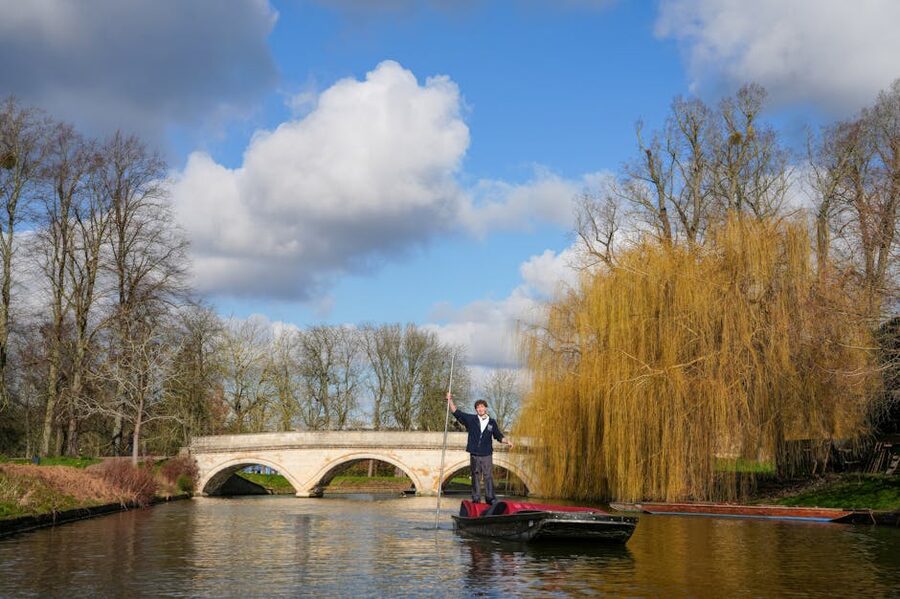
A punt is a flat-bottomed wooden boat, roughly 7 metres long and 1 metre wide, with a platform at one end where the “chauffeur” stands. The chauffeur uses a 5-metre aluminium pole (traditionally wooden, now rarely) to push off the riverbed. Passengers sit facing forward, on wooden benches with cushions.
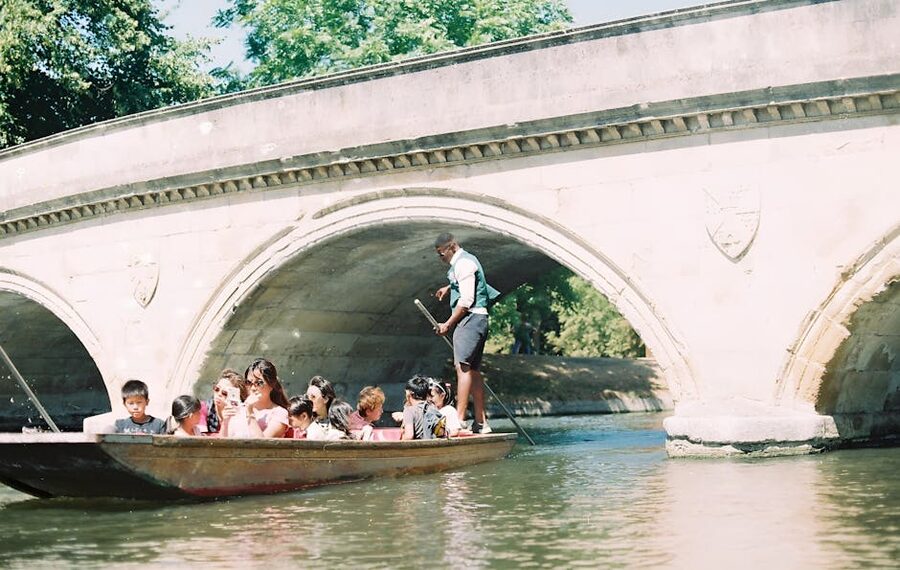
The River Cam is shallow — usually 1-1.5 metres — and slow. Falling in is mostly just embarrassing; the pole occasionally gets stuck in the mud, which is the traditional way to fall in.
There are two types of punt tour:
Shared/group tours run on fixed schedules every 15-20 minutes. You share a punt with 8-12 other passengers and a chauffeur narrates the sights as you pass. These are the cheapest option.
Private punts are chartered for your group only. You can either hire a chauffeur (most people) or steer the punt yourself (brave people; dry clothes recommended). Private tours are 3-4x more expensive but more flexible.
What You’ll See on the Route
The standard punting route covers about 3 km of the “Backs” — the stretch of the river behind the old colleges. Takes 45-60 minutes depending on traffic and tide.
Queens’ College and the Mathematical Bridge
The start of most routes. The Mathematical Bridge is a wooden bridge built in 1749 that looks like it’s been engineered without nails (a persistent myth — it was originally screwed together and is now bolted).
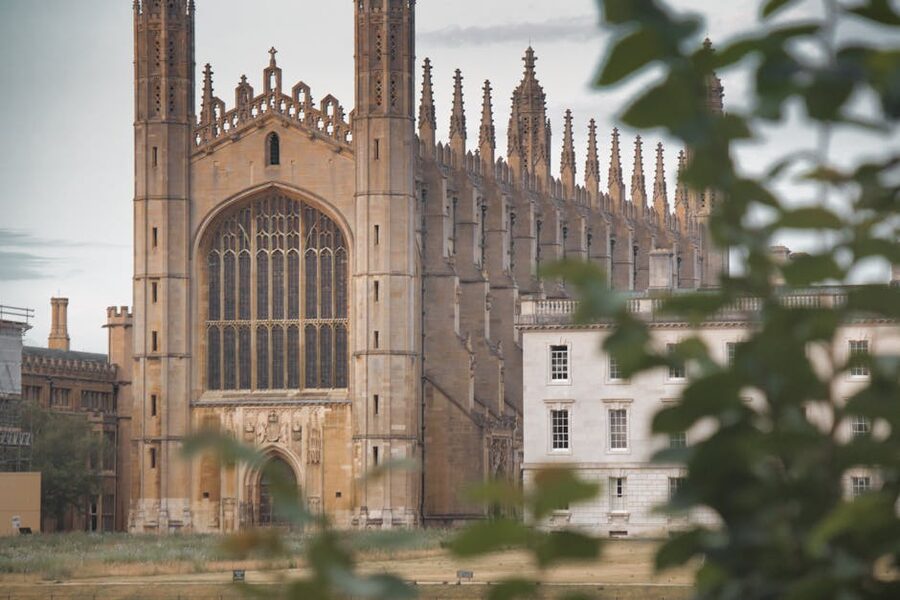
King’s College
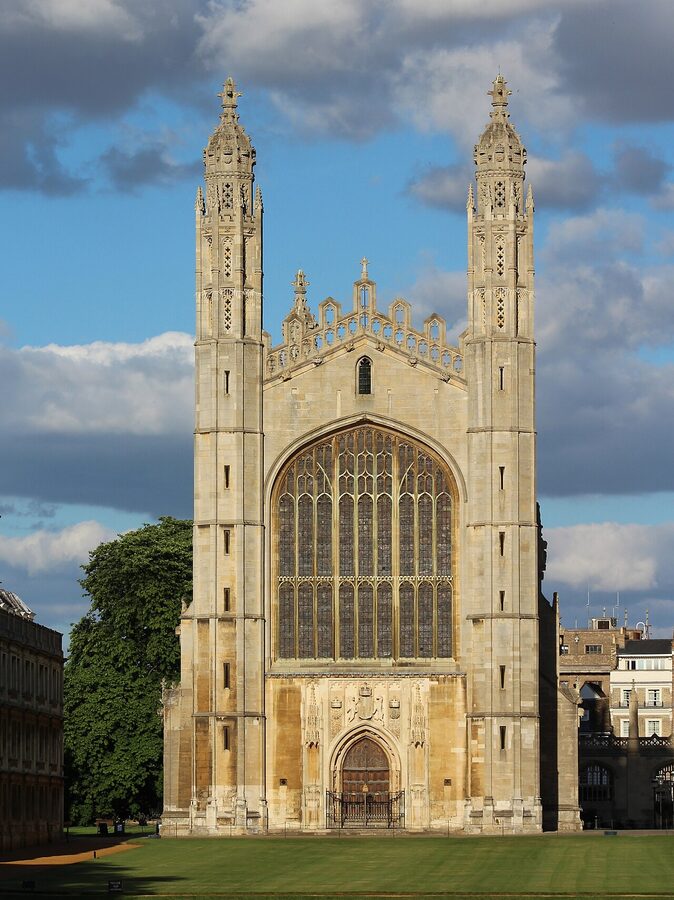
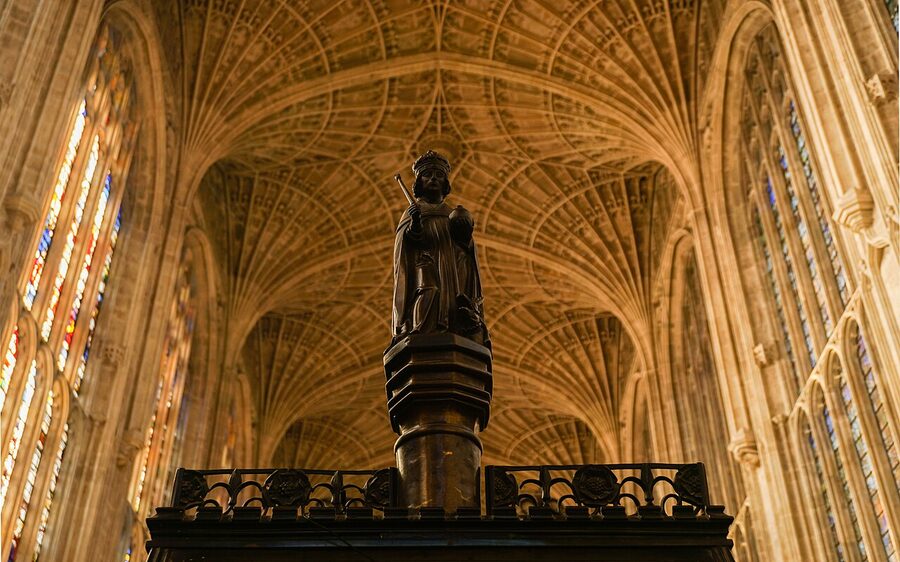
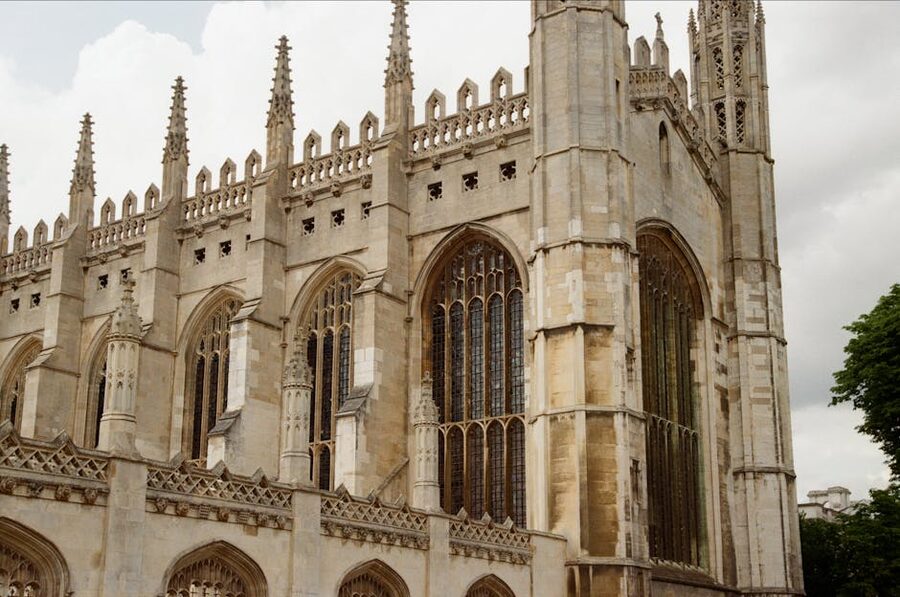
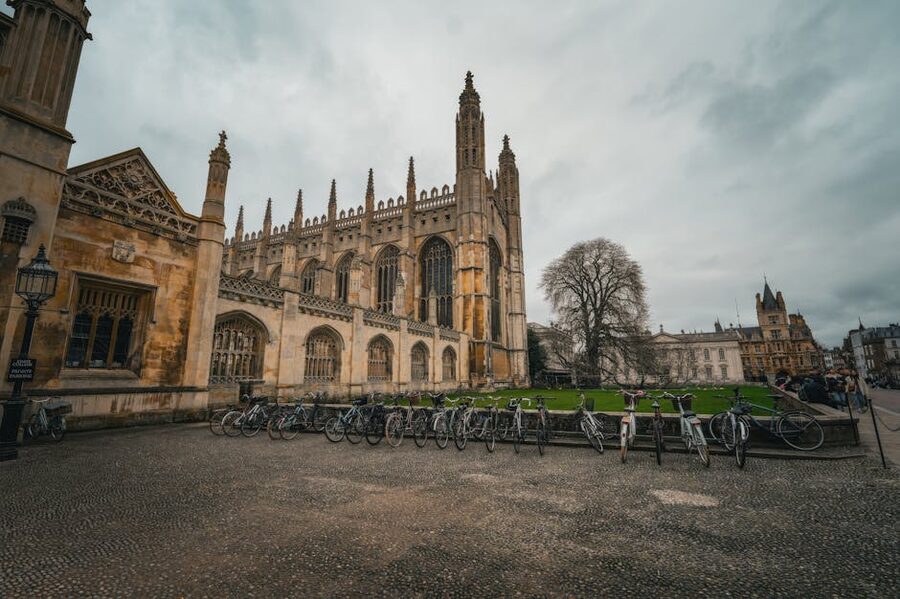
The biggest wow moment on the tour. King’s College Chapel rises straight out of the riverbank — the choir’s ceiling fan vaulting is the largest in the world, and the chapel is the place where the Nine Lessons and Carols service is broadcast every Christmas Eve.

Clare College
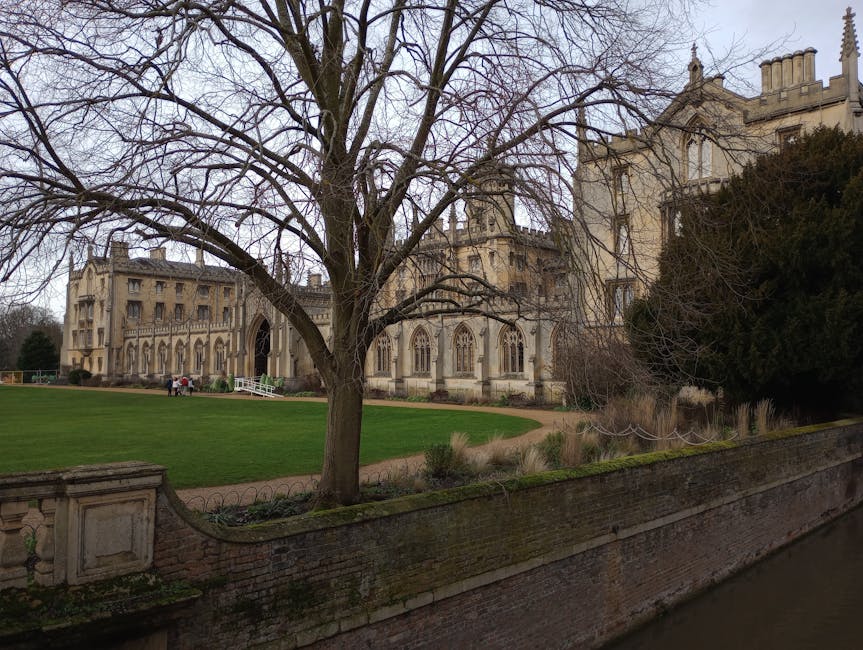
Cambridge’s second-oldest college (1326), sitting right next to King’s. Famous for its “Clare Bridge” — the oldest surviving bridge over the Cam (1640).
Trinity College
The biggest college, and traditionally the most academically successful (33 Nobel Prize winners). You’ll pass the Wren Library (designed by Christopher Wren, 1676) along the Cam.
St John’s College and the Bridge of Sighs
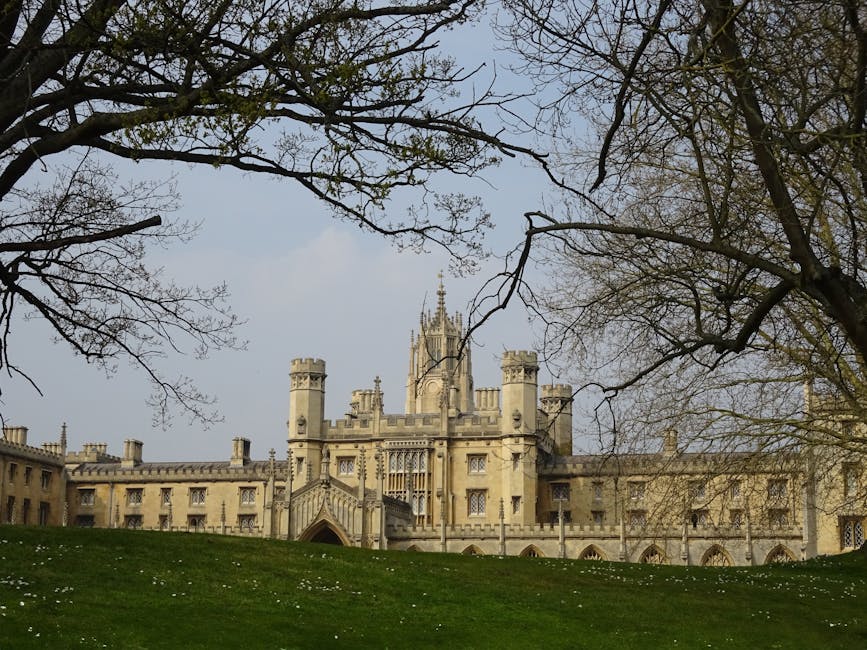
Named after the Venetian Bridge of Sighs, though it looks almost nothing like its namesake. Built in 1831, it connects the old court to a newer part of the college.
Magdalene College
The end of most tours. The chauffeur turns around here and takes you back to the starting station.
The Best Tours to Book
1. Cambridge: Guided River Cam Punting Tour — $39 per group
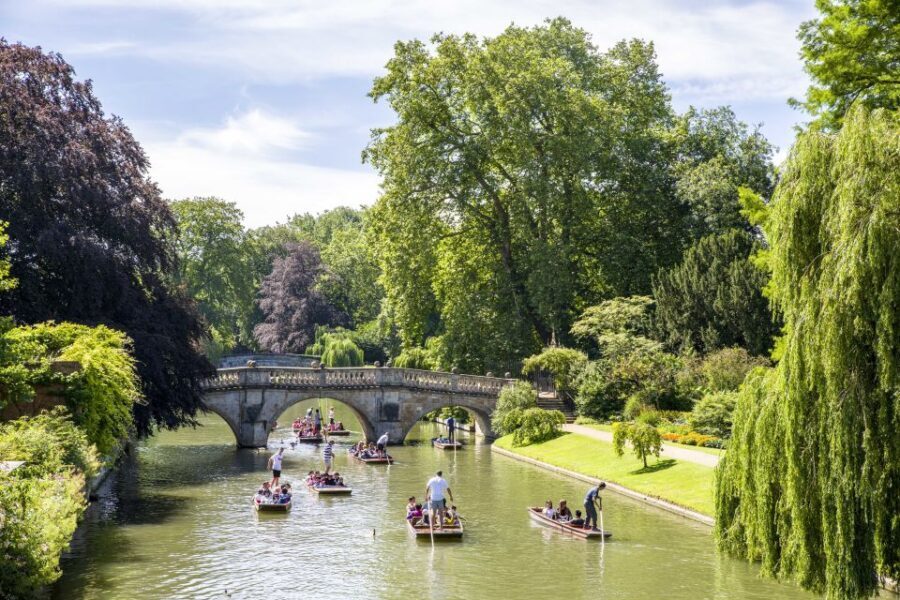
The classic. 45 minutes on the river, all major colleges covered, chauffeur narrates as you drift. Priced per group of 3 (about $13 per person), which is one of the best-value single activities in Cambridge. Past travellers consistently name their chauffeurs by first name in reviews — Peter, Tom, Sophie — which tells you something about the personal quality of the guides. Our review covers exactly what you can expect and which season gets the smoothest water.
2. Cambridge: University Alumni Tour with King’s College — $33
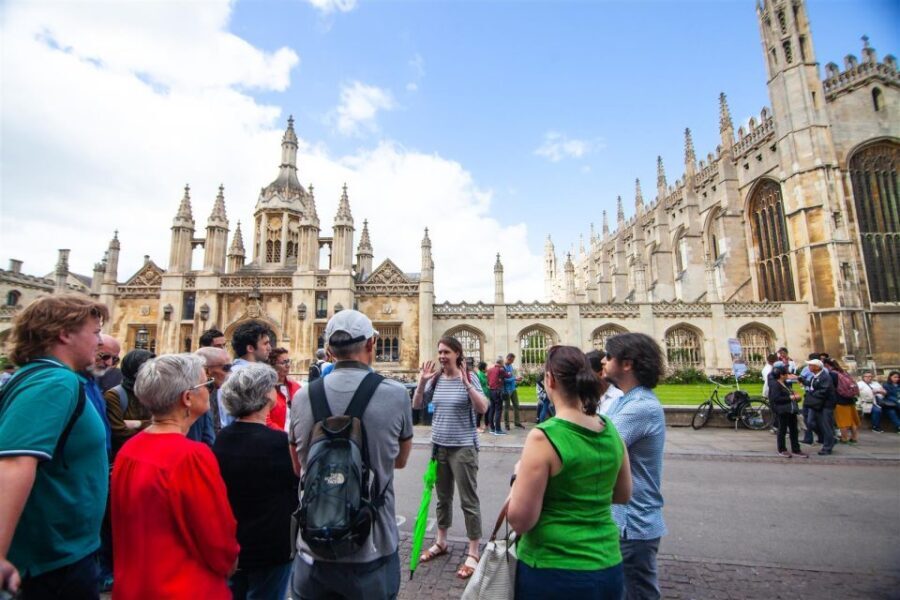
If you want depth rather than water. A 1.5-hour walking tour led by a Cambridge graduate — someone who actually studied there and knows the town’s academic politics as well as its architecture. Past visitors praise the guide’s knowledge of college tradition and university history specifically. Our review covers what the optional King’s College add-on includes. Can be booked as walking-only or combined with the chapel entry — the chapel tickets alone cost about £12 on the door, so the combo is a small saving.
3. Cambridge: Alumni-led Walking Tour with King’s Chapel — $34

Essentially the same product as #2 from a different operator. Same alumni guide pool, same core route, $1 more expensive. The tiebreaker is group size — this tour tends to run smaller groups (max 8) while the other tour runs larger (max 15). If group intimacy matters, book this one. Our review compares the two alumni tours directly. The operator here also has a combined punt + walking tour package — ask when booking if you want both in one booking.
Should You Punt Yourself?
You can hire a punt without a chauffeur for about £30-40 per hour. Three hundred-year tradition of Cambridge students punting themselves, and a rite of passage for locals.
Honest reality: if you haven’t punted before, you will struggle. The pole gets stuck in the mud, the boat spins unexpectedly, and the turning manoeuvres near the bridges are genuinely tricky. Half the punts on the river on a Saturday afternoon are rotating slowly in circles because the chauffeur has lost control.
If you want the full authentic Cambridge experience, book a 1-hour self-punt and accept that you’ll laugh at yourself. If you want the river view without the drama, book a guided tour and let someone else do the poling.
King’s College Chapel: The Must-See
Cambridge has 31 colleges and they’re not all equally impressive. King’s College Chapel is genuinely special and worth the separate £12 entry even if you don’t book a full tour.
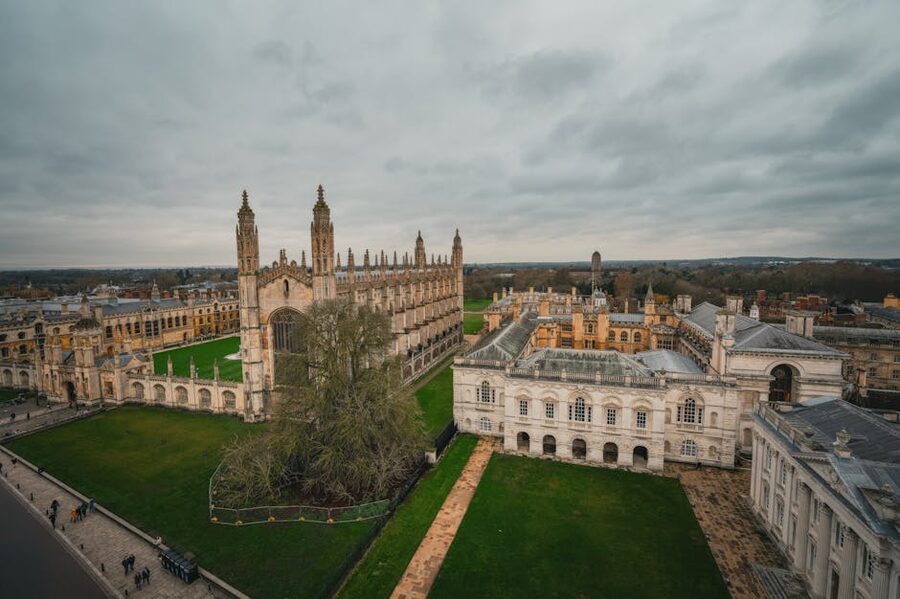
Inside, you’ll see the fan vaulting (the world’s largest), 26 enormous stained glass windows (original 16th-century, miraculously survived the Civil War), and the altar (featuring Rubens’ “Adoration of the Magi”, donated by Major Alfred Allnatt in 1961).
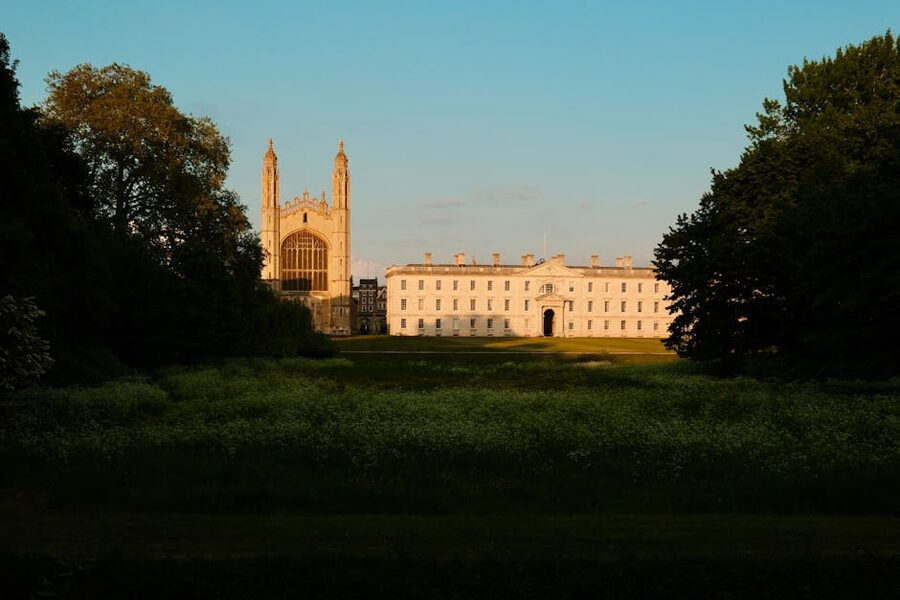
The choir is the part most people know — King’s College has one of Britain’s most recorded boys’ choirs, and their annual Christmas Eve Service of Nine Lessons and Carols is broadcast on BBC Radio 4 globally. If you’re in Cambridge from October to June and can make an Evensong (usually 5:30pm, Sunday-Friday during term time), you’ll hear the choir for free.
When to Visit Cambridge
Punting runs year-round but summer is peak. April-September has the most boats on the river; October-March has fewer operators and shorter days but nicer light.
May-June: Peak season. Also the end of the academic year, so the town fills with graduating students and their families. Busy and atmospheric.
July-August: Full tourist mode. Punts are busy, river can be choked. King’s Chapel gets long entry queues.
September-October: Quieter, still warm enough, beautiful autumn colours along the Backs.
November-March: Fewer punts but guaranteed tours run. Bring waterproofs. The chapel interior is at its best with low winter sun through the west windows.
How to Get to Cambridge from London
Train: King’s Cross to Cambridge is 48-55 minutes direct. Services run every 10-15 minutes during the day. Standard tickets around £25 each way; off-peak cheaper. Cambridge station is 20 minutes’ walk from the city centre, or a quick taxi/bus.
Car: 90 minutes from central London via the M11. Parking in Cambridge is terrible — the city centre is mostly pedestrianised and the Park & Ride lots fill fast on weekends. Use the train if you can.
Coach: National Express runs from Victoria. Cheaper (£15-20 return), slower (2-2.5 hours), but reliable for budget travellers.
Day tours from London: Several operators run “Cambridge + King’s Chapel + Punting” coach tours from London for £80-100 per person. Convenient if you want everything arranged; more expensive than doing it yourself by train.
What to Bring
Waterproofs. This is the River Cam in England — wet weather is the norm. Even on bright days, punting can get splashy.
Comfortable walking shoes. The city centre is cobblestone and the college quads have uneven gravel.
Sunglasses or sunhat. The river reflection is strong on clear days; shade on the punt is minimal.
Cash for pub lunch. Cambridge has dozens of pubs within 5 minutes of the river. Budget £12-18 for a decent one. The Eagle (Free School Lane) is famous — Watson and Crick announced their discovery of DNA here at lunchtime in 1953.
Camera or phone. The Backs are one of the most photographed stretches of English countryside. Photos from a punt are tricky — the boat moves constantly — but you’ll still get something special.
Book in advance in summer. Punting slots in July-August can sell out 24-48 hours ahead. Winter months usually have day-of availability.
Worth Knowing Before You Book
Shared punts fill first-come first-served. If you’ve booked a specific time slot, arrive 15 minutes early to avoid being slotted into a later boat.
The chauffeurs are students. Most are actual Cambridge undergraduates working a summer job. They’re often first-year graduates who’ve just finished their Tripos (Cambridge’s name for final exams) and have time between graduation and job-starting. This is part of the charm.
Solo travellers do fine on shared punts but are less common. A lot of tours are bachelorette parties or groups of 4 — you’ll get pleasant English small-talk but it can feel slightly lonely if you’re alone.
Self-punting requires a deposit (£50-100, refunded on return of a dry, upright boat). Falling in is embarrassing but not unusual — don’t bring your phone if you think you might.
Cambridge colleges have strict entry times. King’s College Chapel usually closes to tourists at 3:30pm for Evensong preparation. Check the specific college’s opening hours before your visit; some close entirely during exam periods.
Punting is not wheelchair-accessible. The boats are low-hulled and boarding requires a small step down. Guided walking tours are a better option for visitors with limited mobility.
Pairing Punting with Other UK Activities
Cambridge is a full-day trip from London. You’re generally back by 6-7pm, so pairing with evening London activities works well.
Cambridge morning + London evening: Train up at 9am, punt at 11am, walking tour at 1pm, train back at 4pm, dinner in London. Classic structure.
Cambridge + Oxford in 2 days: The cliché UK trip. Both towns have their virtues — Cambridge is smaller and more compact, Oxford is older and grander. Our Oxford walking tour guide covers the southern twin.
Cambridge + Windsor-Stonehenge-Bath: Three big out-of-London days in one week. Combine with the Windsor-Stonehenge-Bath day trip guide.
For a lower-key London-based alternative, the Thames River Cruise is the city version of a river experience — same slow pace, different architecture.
Worth the Day or Skippable?
Worth the day if: you want a classic English-countryside day trip, you’re an architecture or history fan, or you want to see a real working university rather than a tourist-only heritage site.
Skippable if: you’ve already done Oxford on the same trip and don’t need a second university day, or if you’re on a 3-day London trip that’s already packed with London-based activities.
For most first-time UK visitors with 5+ days, Cambridge is a solid addition. It’s quieter than Oxford, smaller than London, and the punting is a genuinely unique experience you can’t replicate elsewhere.
More UK Guides
If Cambridge is one of several UK stops, the natural pairings are the Oxford walking tour guide (the rival-university day), the Windsor-Stonehenge-Bath day trip (the big coach day out), and a Thames River Cruise for the London evening. For a Harry Potter-themed day, the Harry Potter walking tour and Studio Tour guide are the starting points. And for more of the same slow-pace UK charm, the Cotswolds day trip and York walking tour are the obvious further reads.
Affiliate disclosure: We may earn a small commission from bookings made through the links on this page. It doesn’t change the price you pay and helps keep the site running.