
You cover 5,000 years of British history in 11 hours. Stonehenge is roughly 5,000 years old, Bath’s Roman Baths are 2,000 years old, and Windsor Castle is 1,000 years old. The combination is absurd on paper and makes complete sense on the road — all three sit within 80 miles of London, and a coach can loop through them in a single clockwise day.
This is the most-booked single day trip out of London, and for good reason. You hit three genuine headline attractions in one long but doable day, avoid doing three separate day trips from London, and see the Cotswolds or the Thames countryside through the coach window on the drives between stops.
This guide covers which version of the combo day trip to book, how the 11-hour day actually runs, and whether the Oxford variant is worth considering instead.
- In a Hurry? Here Are the Top Picks
- What the Day Actually Looks Like
- Stop 1: Windsor Castle (2-2.5 hours)
- Stop 2: Stonehenge (1.5 hours)
- Stop 3: Bath (2-3 hours)
- The Drive Back
- The Best Tours to Book
- 1. London: Windsor, Stonehenge, Bath & Roman Baths Day Trip — 0
- 2. London: Windsor, Stonehenge, and Oxford — 0
- 3. From London: Stonehenge and Bath Full-Day Tour — 1
- How the Stops Actually Compare
- Which Variant to Pick
- A Short History of Each Site
- When to Go
- Physical Reality of the Day
- What to Bring
- Worth Knowing Before You Book
- Pairing This Day Trip with Other London Activities
- Worth It or Skippable?
- More UK Guides
In a Hurry? Here Are the Top Picks
Best overall: London: Windsor, Stonehenge, Bath & Roman Baths Day Trip — $120 per person. The classic three-stop day. 11-12 hours, all three headline sites.
Best with Oxford: London: Windsor, Stonehenge, and Oxford — $120 per person. Same price but swaps Bath for Oxford. Good choice for literary travellers.
Best two-stop option: From London: Stonehenge and Bath Full-Day Tour — $101 per person. Skips Windsor for more time at Bath. Cheaper and slightly less rushed.
What the Day Actually Looks Like
Pickup from central London is usually 7:30-8am. Typical meeting points are Victoria Coach Station, Gloucester Road, or a central hotel block. You’ll be on the coach for about 30 minutes as they finish the pickups, then you hit the road.
Stop 1: Windsor Castle (2-2.5 hours)
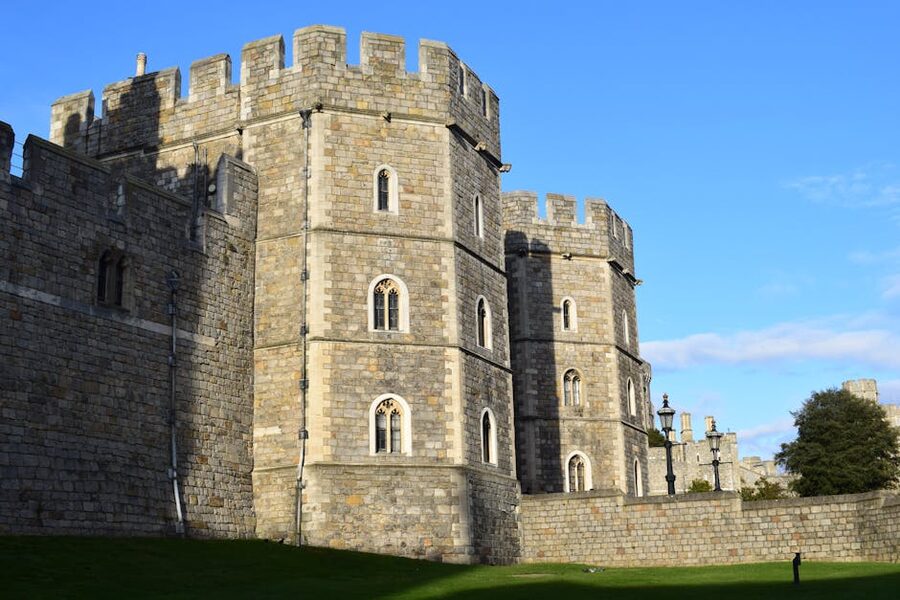
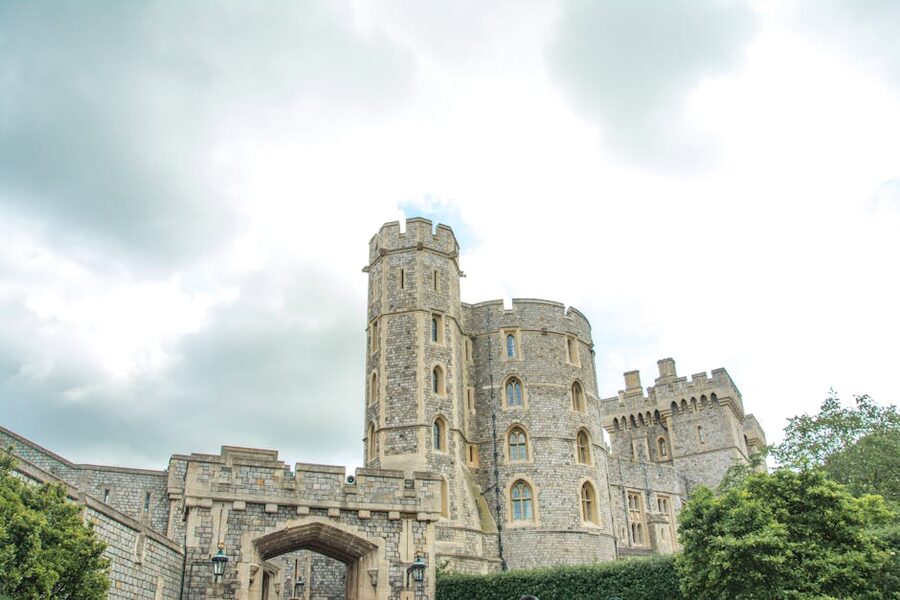
First stop on the clockwise loop — Windsor is 30 minutes west of London along the M4. You get 2-2.5 hours, which is enough to see the State Apartments, St George’s Chapel (where Queen Elizabeth II and Prince Philip are buried), and the Changing of the Guard ceremony if you time it right (11am most days, weather permitting).
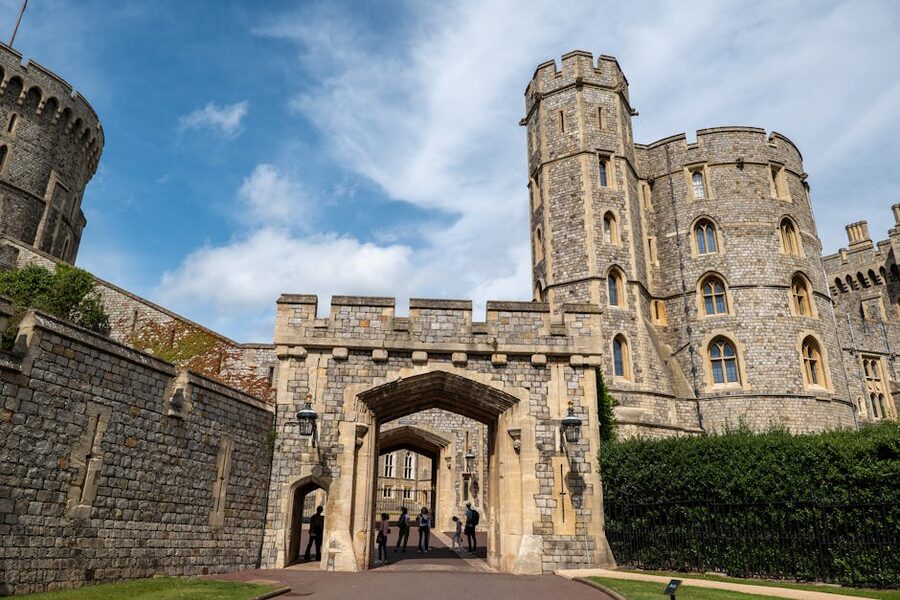
Windsor is the oldest continuously-occupied castle in Europe — built by William the Conqueror around 1070 and lived in by every English monarch since. If you’re on a four-day London trip, this is the single best place to see the British monarchy as a living institution rather than a museum piece.
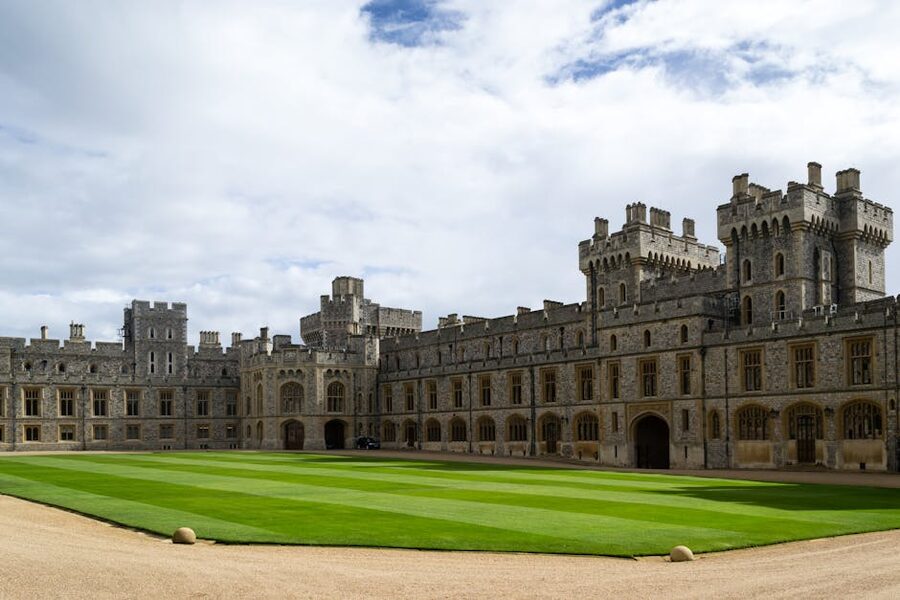
Entry to Windsor Castle is included in most combo tour prices. The audio guide is free and genuinely worth using.
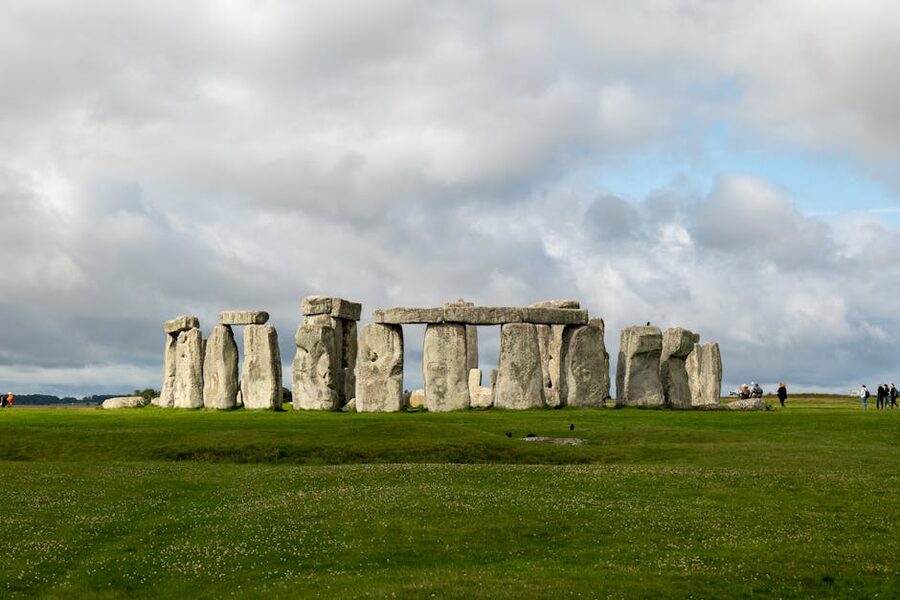
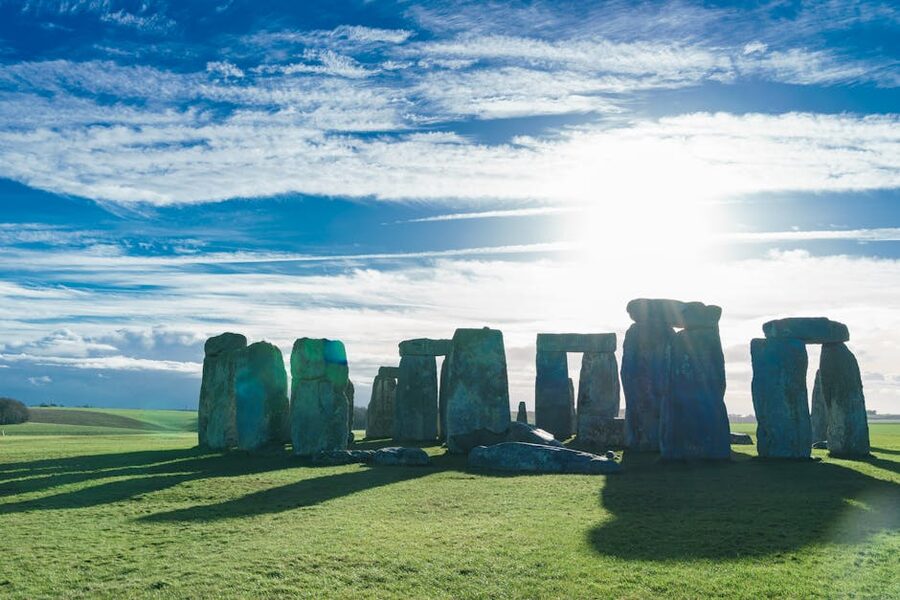
Stop 2: Stonehenge (1.5 hours)
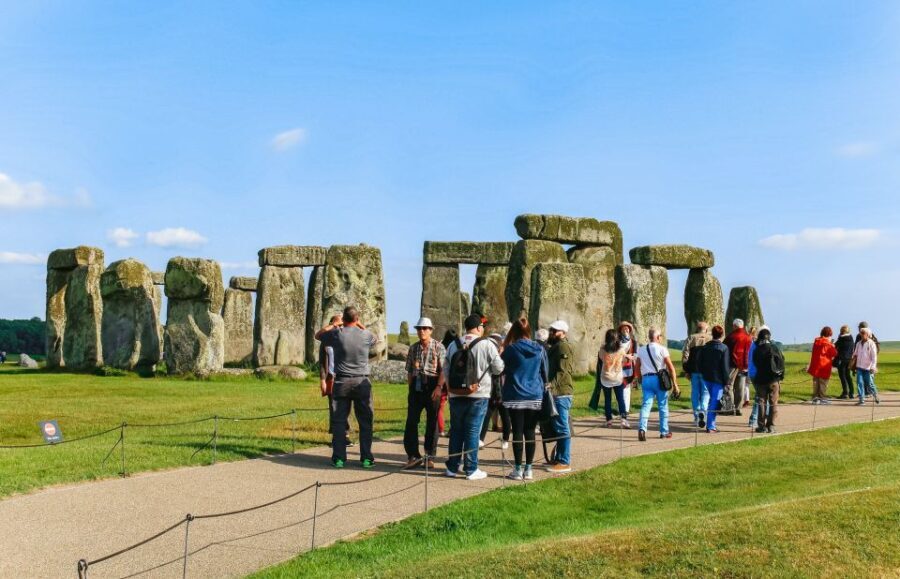
The drive from Windsor to Stonehenge takes about 90 minutes — mostly motorway. You’ll stop at the visitor centre, which is about 1.5 km from the stones themselves; a shuttle bus runs constantly between the two (included in your ticket).
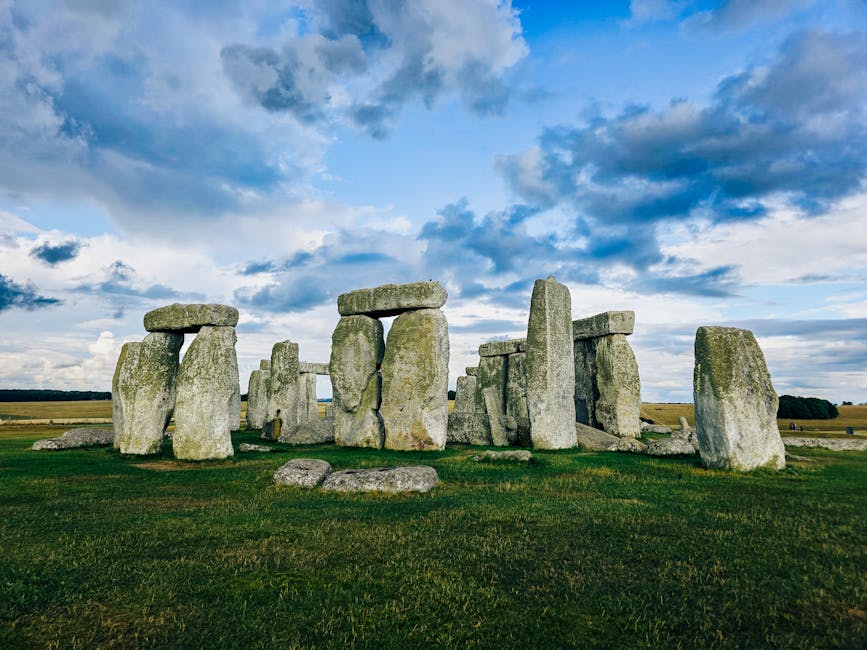
The visitor centre has a decent exhibition — reconstructed Neolithic houses, a few original artefacts, and a 360-degree video of how the site might have looked 4,000 years ago. Most tours give you 30 minutes at the centre and an hour at the stones themselves.
Stop 3: Bath (2-3 hours)
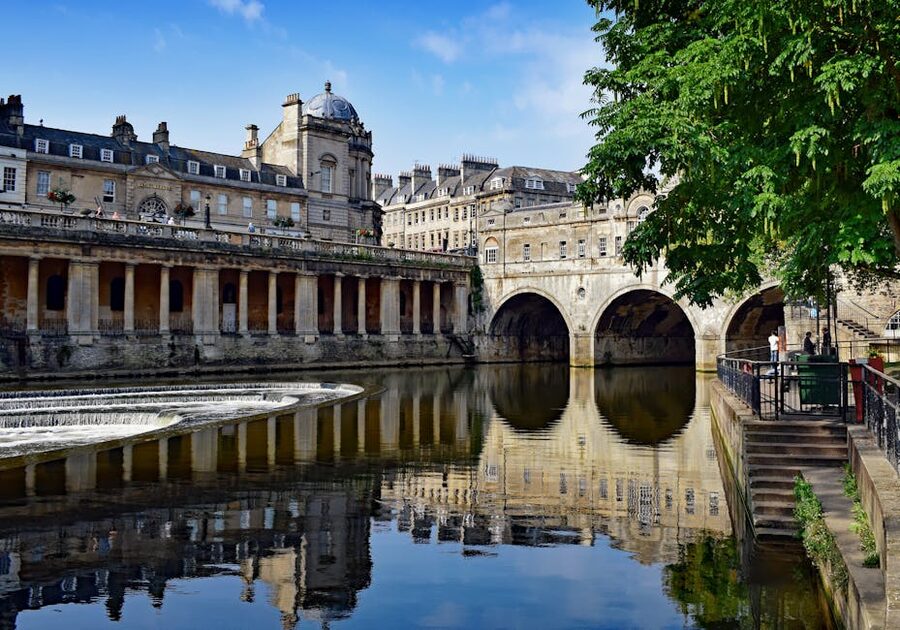
The drive from Stonehenge to Bath is about 75 minutes. Bath is a UNESCO World Heritage city, and your tour will typically give you 2-3 hours here — enough for the Roman Baths, lunch, and a quick walk through the Georgian streets.
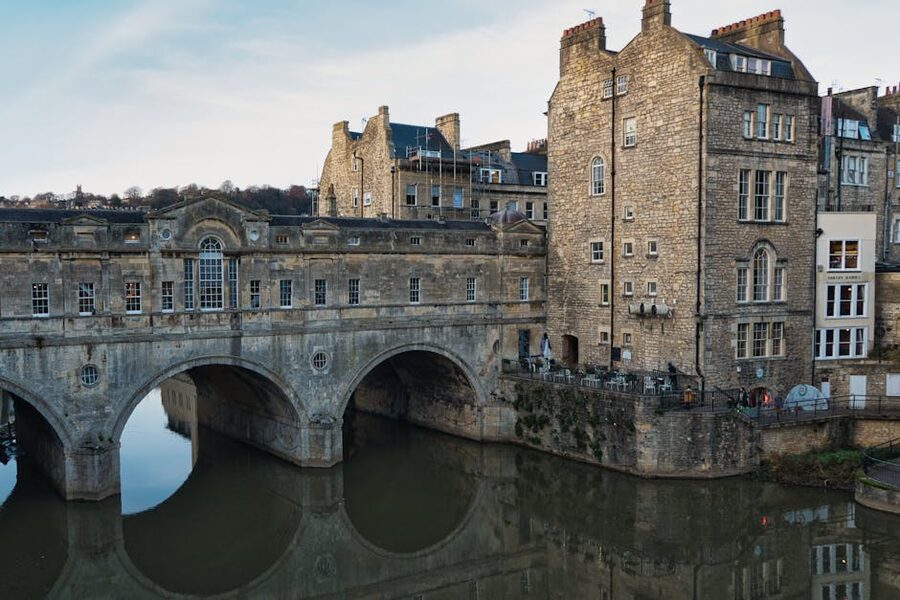
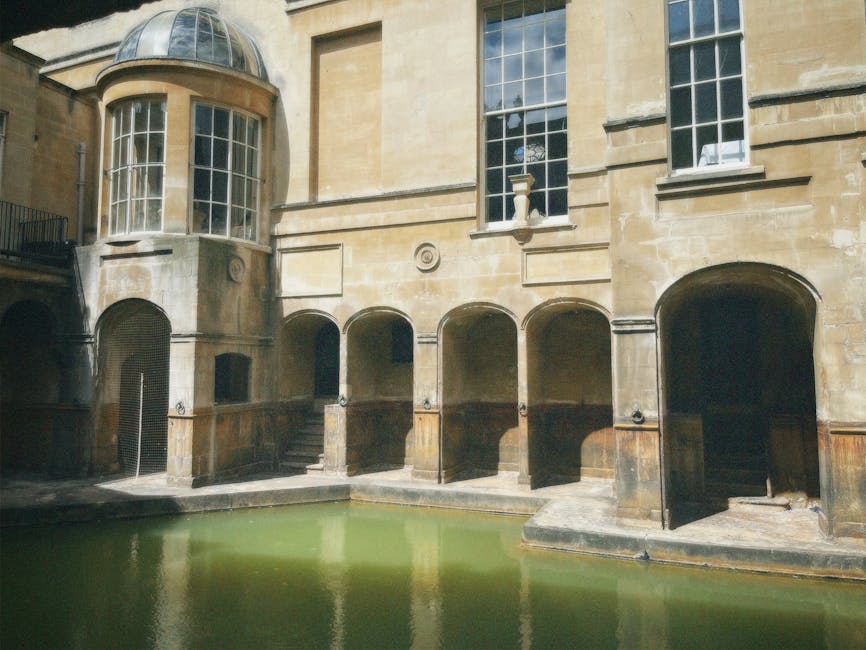
The Roman Baths are the main attraction and entry is usually included. The baths themselves were built around 70 AD when this area was the Roman province of Britannia. The hot spring that feeds them still produces 240,000 litres of 46°C water per day, and you can see (but not touch) the green pool in the centre of the complex.
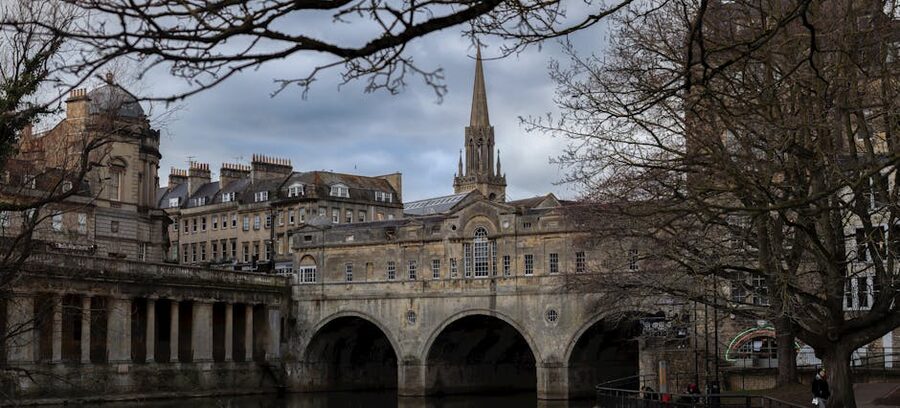
Lunch typically happens in Bath — either a guided stop at a pub or 30 minutes of free time to grab something yourself. The city centre has dozens of good cafés and pubs within a 3-minute walk of the Roman Baths.
The Drive Back
About 2 hours back to London on the M4. Some tours add a drive-by of Henley-on-Thames or a short stop at a pub, but mostly this is straight coach time. Most tours drop off around 7-8pm.
The Best Tours to Book
1. London: Windsor, Stonehenge, Bath & Roman Baths Day Trip — $120
The most-booked version. All three main stops with entry to each included. Twelve hours is genuinely long, but the coach is comfortable and the pacing feels reasonable because each stop has a different character — one castle, one ancient site, one Georgian city. Our review covers exactly what’s included at each stop. At $120 it works out cheaper than doing each site separately by train (Windsor ticket alone is £33, Stonehenge £23, Bath Roman Baths £27, plus train fares of £50+ each way).
2. London: Windsor, Stonehenge, and Oxford — $120
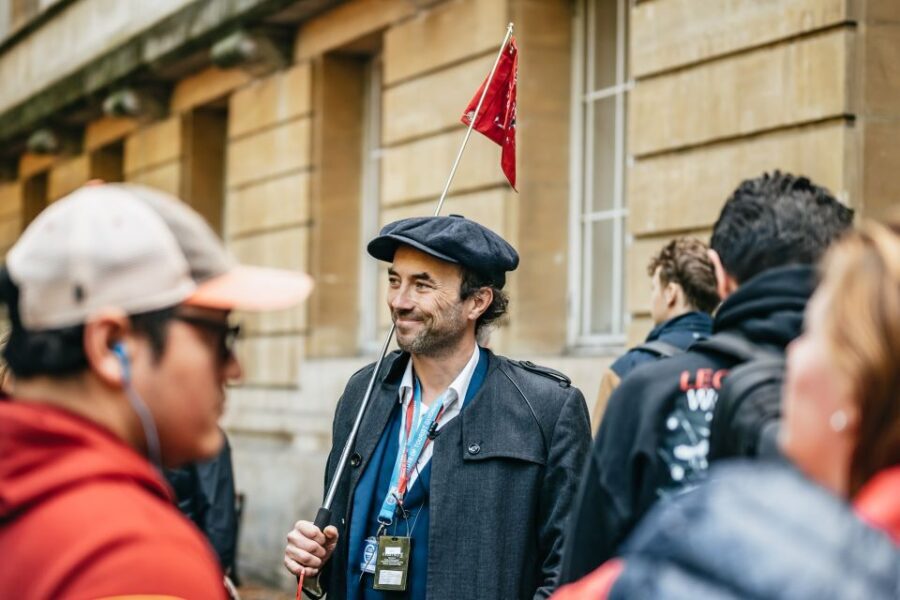
Same basic format, but swaps Bath for Oxford. A good pick if you’re a literary visitor — Oxford is the Harry Potter filming location that most tourists want to see, plus the 38 colleges that trained most of Britain’s prime ministers. Our review covers how the Oxford stop compares to the Bath version. Oxford is more compact than Bath and you’ll see it more thoroughly in the same time. Not a better trip, just a different one.
3. From London: Stonehenge and Bath Full-Day Tour — $101
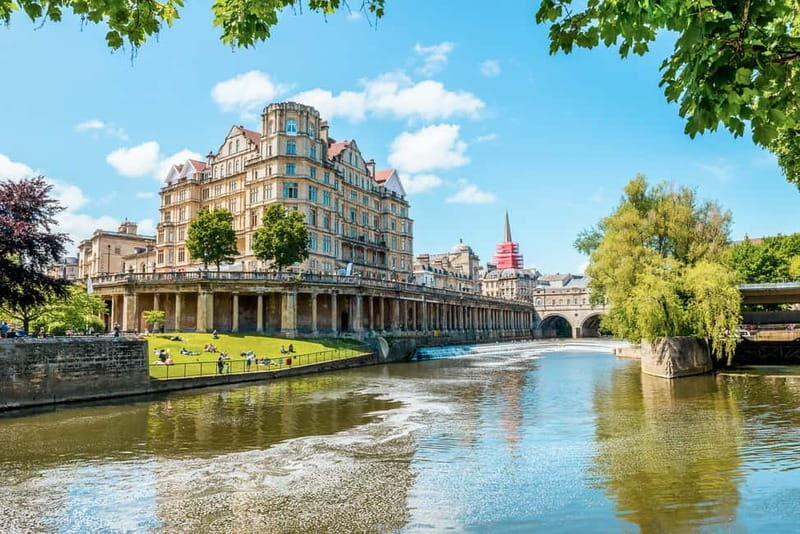
The less-rushed alternative. No Windsor, so you get a full 4 hours at Bath instead of 2-3. A good call if Windsor isn’t a priority for you, or if you’ve already seen Windsor separately. Our review covers what you miss by skipping Windsor and whether the extra Bath time is worth it. For Jane Austen fans, the extra Bath hours let you do the Jane Austen Centre as well as the Roman Baths; not possible on the three-stop tour.
How the Stops Actually Compare
Three very different experiences. Here’s how each one lands.
Windsor: A working castle. Visitors rate it highly because it’s genuinely still a royal residence and feels like one — the State Apartments are formal, the guards are real, and the art collection rivals the British Museum for quality of single pieces. Downside: if the King is there you lose access to some rooms.
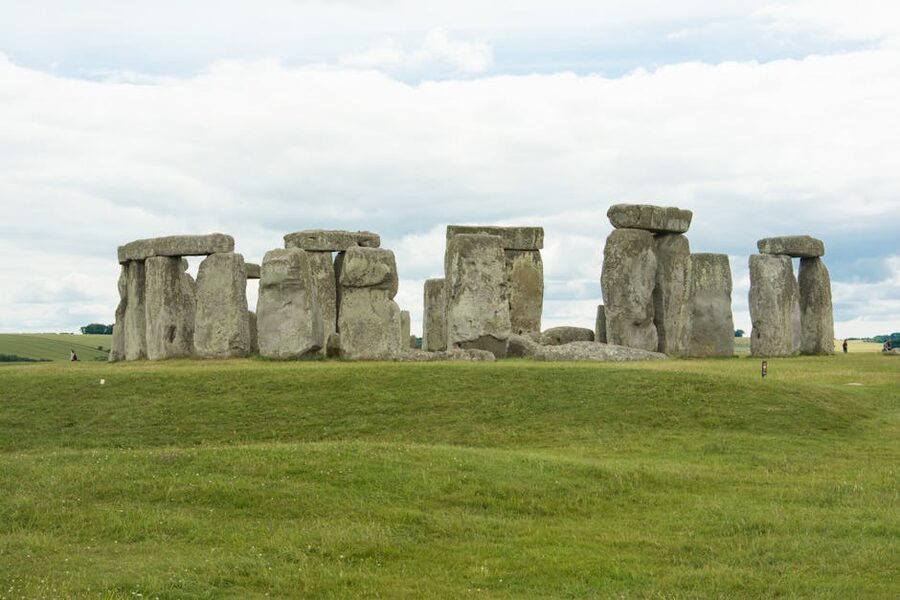
Stonehenge: A monument. Many visitors find Stonehenge underwhelming relative to the photos — you’re 30 metres back from the stones and they look smaller in real life. Others find it moving in the way you expected. How you respond depends on whether you’re a “genuinely-ancient-stuff” person or a “wants-a-close-up” person. The audio guide helps a lot.
Bath: A Georgian city. Visitors consistently like Bath because it works on multiple levels — the Roman Baths themselves are genuinely world-class (Britain’s best Roman site after Hadrian’s Wall), but the surrounding Georgian townscape is also beautiful, and the food scene is strong for a small English city.
Which Variant to Pick
Most people should book the three-stop classic (Windsor + Stonehenge + Bath). It gives you the best overview of British history in a single day.
Pick the Oxford variant if: you’ve already been to Windsor, you’re a Harry Potter fan, or you prefer smaller historic towns to bigger cities.
Pick the two-stop (Stonehenge + Bath) if: you’ve already been to Windsor, you hate rushed sightseeing, or you want more time at Bath specifically. This also works well if you’ve pre-booked a Windsor day trip separately.
A Short History of Each Site
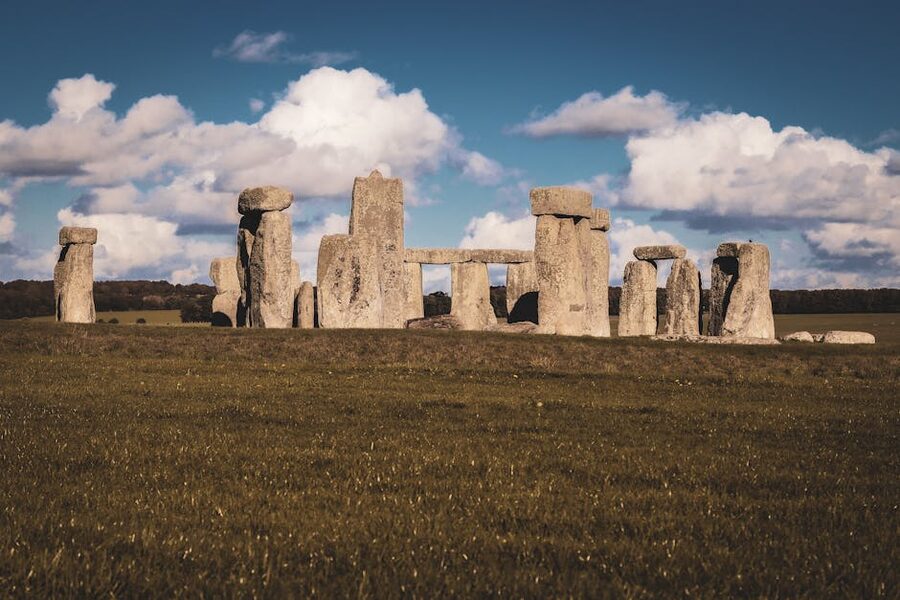
Stonehenge was built in three phases between 3000 BC and 1600 BC. It’s a Neolithic-to-Bronze-Age monument whose original purpose is still debated. Current best guesses: ritual calendar (stones align with summer solstice sunrise), healing site (skeletons buried nearby have signs of disease), or burial monument (they’ve found cremations from around the site). Most likely it was all three over its 1,500-year active life.
Bath’s Roman Baths were constructed around 70 AD by Roman soldiers stationed in Britain. The hot springs here — the only hot springs in Britain — had been sacred to Celtic tribes before the Romans arrived. Romans built a bathing complex and a temple to Sulis Minerva (a fusion of the Celtic goddess Sulis with the Roman Minerva). The baths fell out of use when the Romans left Britain in 410 AD, were rediscovered in the Victorian era, and have been a major attraction since.
Windsor Castle was built by William the Conqueror around 1070 as one of a ring of fortresses protecting London. It’s been a royal residence ever since — the longest continuously-used royal residence in the world. The current building is mostly 19th-century remodelling, but the Norman motte (hill) is original and the State Apartments preserve rooms from Edward III’s 1360s rebuilding.
When to Go
April to September is peak season. Tours run daily year-round but less frequently in winter.
May and June are the best months — warm but not crowded, and the long English evenings mean you’ll arrive back in London while it’s still light.
July and August see the highest demand. Book 3-4 days ahead minimum. The queues at Windsor and the Roman Baths are longer in summer; skip-the-line access is included in most tour tickets but the physical crowds are still present.
October through March sees weather variability. Stonehenge on a stormy day is genuinely dramatic; on a grey wet day it’s just grey and wet. Windsor Castle’s state apartments close on some Christmas dates — check before booking.
Physical Reality of the Day
11-12 hours is long. Here’s what to expect.
Coach seat time: roughly 5 hours total (London to Windsor, Windsor to Stonehenge, Stonehenge to Bath, Bath to London). Bring a book or download something to watch.
Walking: 2-3 hours across the day. Windsor’s State Apartments involve a lot of stairs. Stonehenge has a 2 km walking loop around the stones. Bath’s Roman Baths are largely flat but involve some narrow Roman passageways.
Standing: you’ll spend 60-90 minutes on your feet at each stop.
Toilets: available at each stop and on most newer coaches. Older coaches without toilets will stop at a service station during the longer legs.
What to Bring
Water bottle. A big one. The day is long and English attractions don’t always provide drinking water for free.
Layers. Even in July, Stonehenge is windy and cold. Bring a jumper or light jacket.
Rain jacket. English weather is predictable in only one direction. Expect some rain most days.
Comfortable walking shoes. Fashion boots are a bad choice for the Roman Baths — the cobbles around the complex are slippery when wet.
Camera or phone. Photos are allowed at all three sites, though some State Apartments at Windsor prohibit photography inside.
Cash for lunch. Most tours don’t include lunch; budget £10-15 for a pub lunch in Bath.
Worth Knowing Before You Book
Some honest specifics:
The order of stops varies. Most tours go Windsor first, but some do Stonehenge first on summer days to avoid afternoon crowds. Check the itinerary.
Entry tickets are usually pre-booked by the tour operator, which means you skip the ticket queue but still queue for security checks.
Windsor occasionally closes without warning (state visits, royal events). Your tour operator will offer a refund or rebooking. Check on the morning of your tour.
The Roman Baths have timed entry. Tour operators book specific slots, so you can’t linger past your assigned window.
Stonehenge’s “inner circle access” (touching the stones) is a separate product, not available on standard day trips. You need to book directly with English Heritage 3-6 months ahead.
Coach quality varies. Budget-tour coaches are older and slower; premium tours use modern coaches with Wi-Fi and USB charging. The price difference is usually £10-20.
Refunds are typically offered for weather-related closures, but not for delays caused by traffic or slow queues.
Pairing This Day Trip with Other London Activities
This is a full day. You’ll be exhausted by 8pm. Don’t plan anything ambitious for the evening.
The day before: something low-key indoors. The British Museum or St Paul’s Cathedral are both excellent pre-day-trip options.
The day after: rest. Or a Thames cruise — our Thames River Cruise guide covers the relaxed afternoon options that work well as a recovery day.
For another day trip on the same London base, the Cotswolds day trip covers the chocolate-box villages that this tour skips. Or if Stonehenge alone interests you more than the combo, the Stonehenge-only guide covers the shorter half-day versions.
Worth It or Skippable?
Worth it if: you’re on a short 3-5 day London trip, you want to see three headline attractions in one day, or you have a British history itch that needs scratching.
Skippable if: you’re on a longer UK trip that includes separate Bath, Oxford, and Windsor days. In that case you’re better off doing them slower and separately.
For most first-time London visitors, this is the single best day trip you can book. One day, three landmark sites, and a coach that does the driving so you can actually look out the window.
More UK Guides
If you’ve done the combo day, the natural follow-ups are a Thames River Cruise (easy recovery afternoon), a British Museum visit (rainy-day backup), and a Cotswolds day trip (the picture-book English villages). For a London-focused day, the London walking tour guide is the natural pair. And if you’re extending the trip into Scotland or Ireland, the Giants Causeway guide and the Scottish Highlands guide are the next two reads.
Affiliate disclosure: We may earn a small commission from bookings made through the links on this page. It doesn’t change the price you pay and helps keep the site running.