
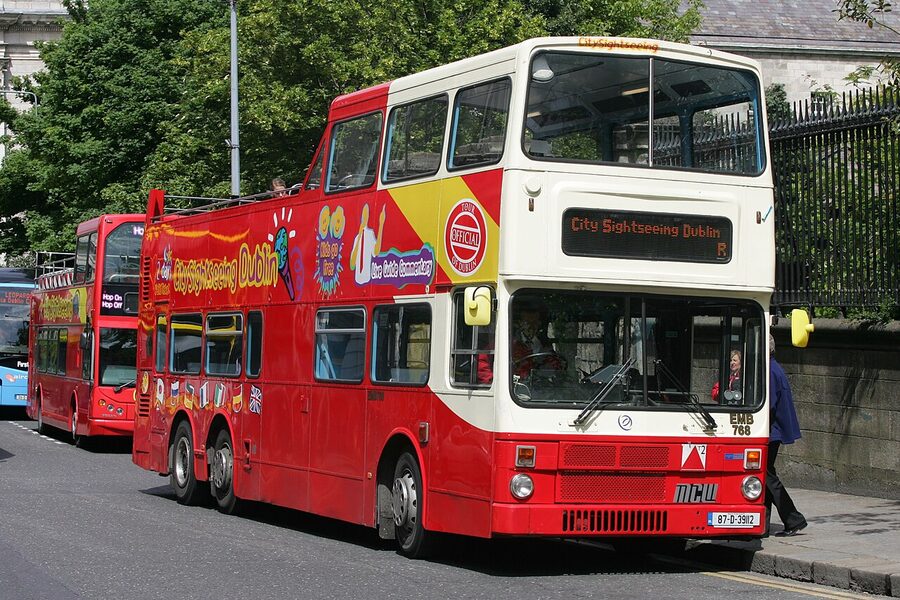
The moment the Hop-On Hop-Off bus paid for itself was when it started raining in front of Guinness Storehouse. I stayed on the covered top deck for 40 minutes until the sky cleared, then got off at the next stop. €27 for 24 hours of that kind of weather flexibility in Dublin is actually fair.
_1987_MCW_Super_Metrobus,_14_May_2011.jpg)
This guide covers Dublin’s three hop-on hop-off bus options: City Sightseeing ($33, two circuit operators), Big Bus ($41 with live English-speaking guide), and the Dublin Freedom Pass ($59 combining the HoHo with public transport). All three run the same rough route — Trinity → Temple Bar → Cathedrals → Guinness → Phoenix Park → Museums — at 15-20 minute frequencies.

In a Hurry? The Three Dublin HoHo Options
- Cheapest, most stops: City Sightseeing Dublin Hop-On Hop-Off — around $33, 24 or 48-hour tickets, 28 stops.
- Live guide on board: Big Bus Dublin with Live Guide — around $41, 24 or 48-hour tickets, live commentary instead of recorded.
- Combined with public transport: Dublin Freedom Pass — around $59, 72 hours, adds Luas tram + Dublin Bus.

- In a Hurry? The Three Dublin HoHo Options
- How Dublin HoHo Actually Works
- The Three Options Compared
- 1. City Sightseeing Dublin —
- 2. Big Bus Dublin with Live Guide —
- 3. Dublin Freedom Pass —
- What’s on the Route
- St Patrick’s and Christ Church — the Two Cathedrals
- Phoenix Park — the Big Green Space
- How to Actually Use the 24-Hour Pass
- Tickets — Validity and Format
- When to Use It / When to Skip It
- Route Frequencies and Waits
- Practical Details
- Other Dublin Guides
How Dublin HoHo Actually Works
Dublin is compact — you can walk between every HoHo stop in 15-20 minutes, and walking is often faster than waiting for the next bus. The HoHo value isn’t speed; it’s not-walking. Particularly in the rain (Dublin gets 150+ rainy days a year), having a covered bus that lets you move between attractions dry is the real product.
Every operator runs a loop taking roughly 90-110 minutes to complete without stopping, with buses departing each stop every 15-20 minutes. You buy a 24 or 48-hour ticket, board at any stop, ride as long as you want, hop off when you see something interesting, and catch the next bus when you’re ready. Headphones with recorded commentary plug into each seat on City Sightseeing; Big Bus has a live guide speaking into a microphone.

The Three Options Compared
1. City Sightseeing Dublin — $33
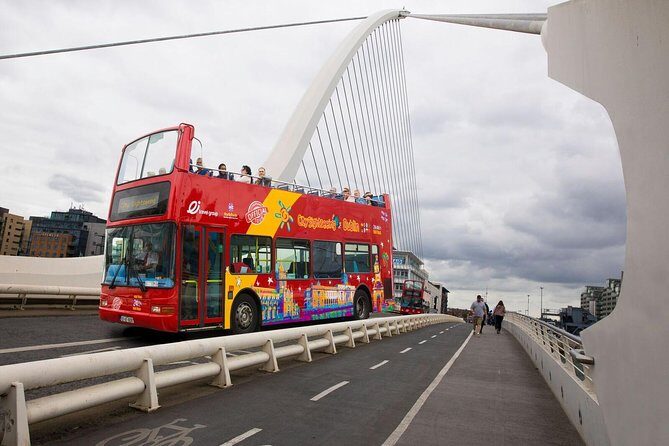
The default choice. 28 stops (the most comprehensive route), recorded audio commentary in 10+ languages, buses every 15 minutes in summer. The red bus brand is globally recognisable and the operator has the largest fleet, so you rarely wait long for the next bus. Our review covers which stops are the most useful and how the audio commentary compares to the live-guide alternative.
2. Big Bus Dublin with Live Guide — $41
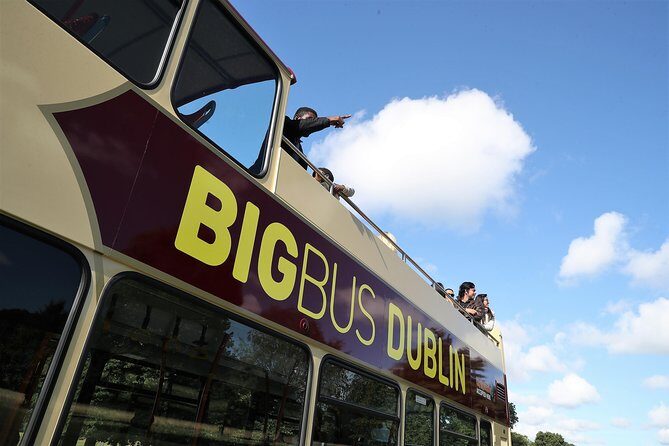
The pick if you’re an English speaker and care about tour commentary quality. Live Dublin guides tell actual stories with local colour — they’ll point out the specific pub where Brendan Behan got thrown out most frequently, or the exact window where U2 first busked. The recorded City Sightseeing commentary covers facts but misses this. Smaller route (22 stops vs 28) but all the major attractions. Our review explains when the $8 premium is worth it.
3. Dublin Freedom Pass — $59
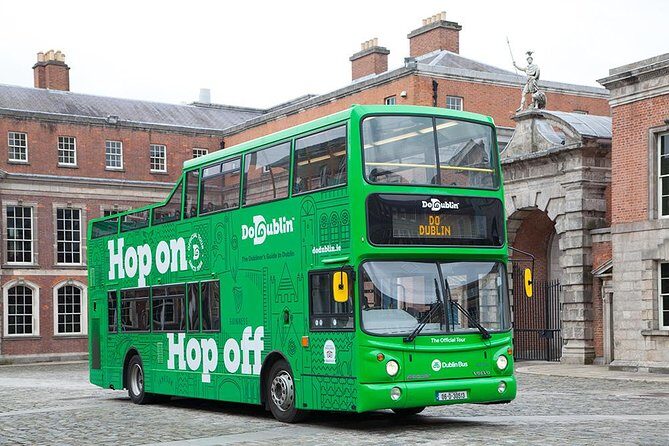
The pick if you’re staying outside central Dublin (airport, Drumcondra, Sandymount) and will actually use the Luas or local buses beyond the tourist route. $59 vs $33 feels steep for just the HoHo element, but the transport add-on is worth $15 for 72 hours if you’re moving around the city beyond the tourist core. Our review covers when the pass pays for itself.
What’s on the Route
A typical Dublin HoHo circuit hits roughly these stops (numbers vary slightly by operator, but the anchors are the same):
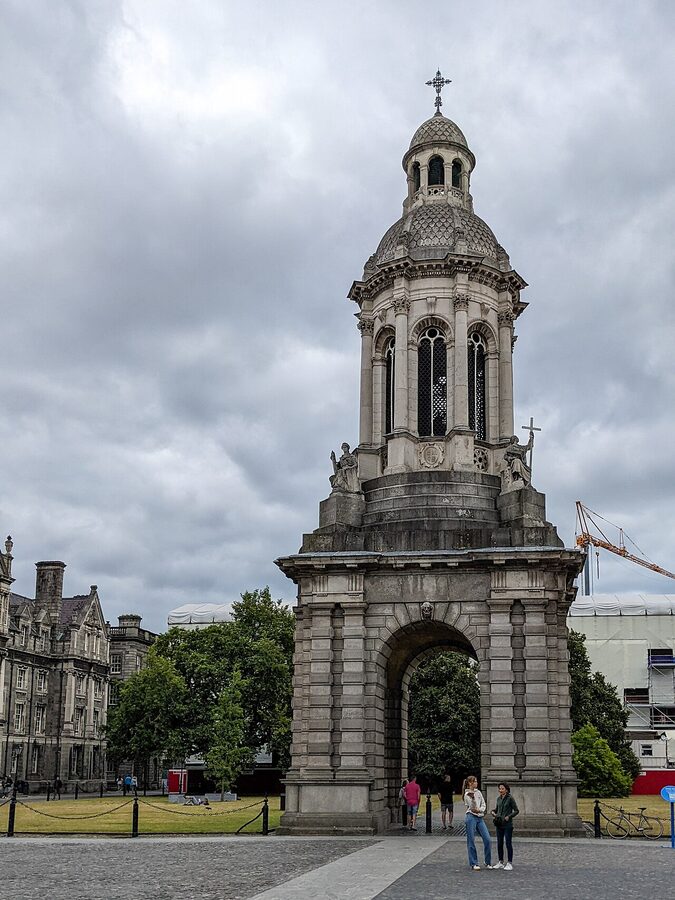
- Trinity College / College Green — Start point. Access the Book of Kells from here.
- St Stephen’s Green — Georgian park, statues, the Iveagh Gardens nearby.
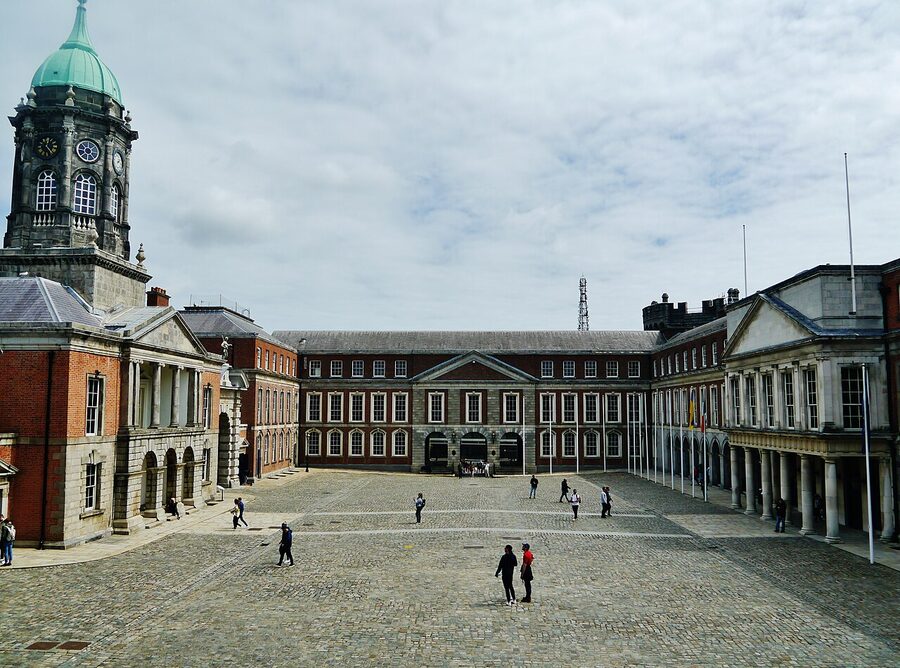
- Dublin Castle — Chester Beatty Library is inside and free.
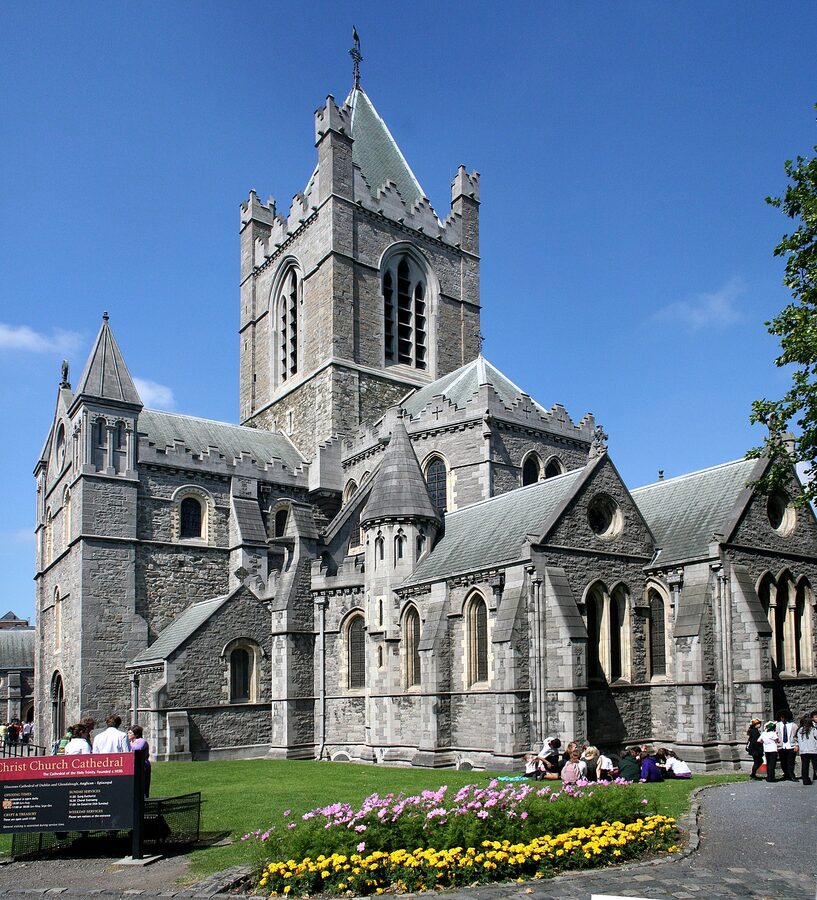
- Christ Church Cathedral — Dublin’s oldest church, 1172.
- St Patrick’s Cathedral — Ireland’s largest, Jonathan Swift’s Dean-ship.
- Guinness Storehouse — Ireland’s most-visited attraction. Expect a 30-minute exit queue.
- Kilmainham Gaol — Where the 1916 leaders were executed. Bookings in advance required.
- Phoenix Park — Europe’s largest walled urban park.
- Dublin Writers Museum — Closed for renovation 2024-2026; check current status.
- Croke Park — GAA stadium and the GAA Museum.
- EPIC Emigration Museum — Custom House Quay.
- Jeanie Johnston Famine Ship — Replica famine-era emigrant ship.
- O’Connell Street / The Spire — Dublin’s main north-south axis.
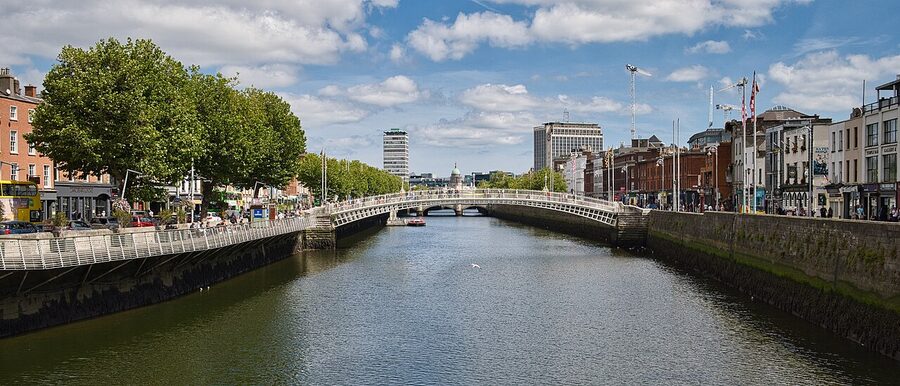
- Ha’penny Bridge — Iconic 1816 pedestrian bridge.
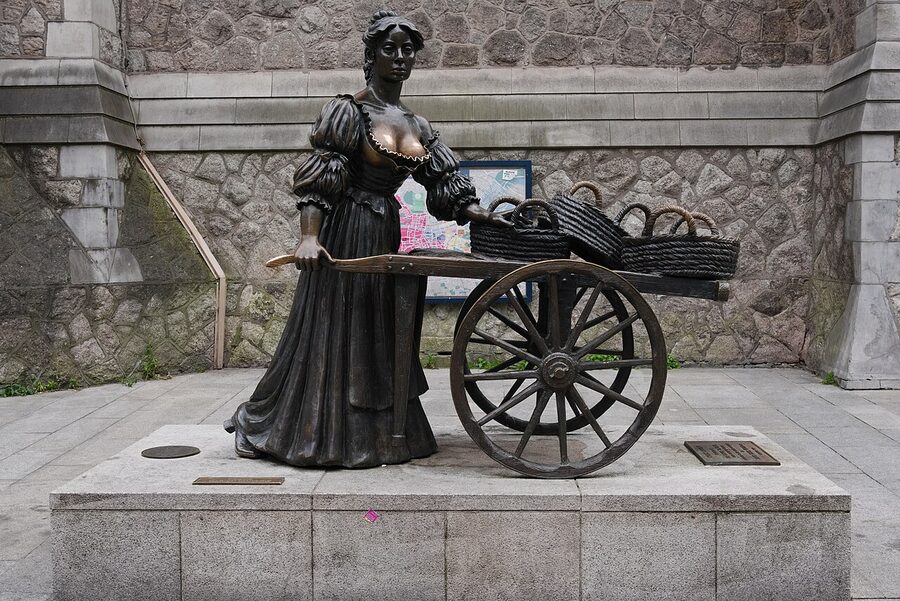
- Molly Malone statue — Back toward Trinity.
.jpg)
St Patrick’s and Christ Church — the Two Cathedrals
Most visitors are confused that Dublin has two cathedrals — St Patrick’s and Christ Church — both about 500 metres apart. Short version: they’ve both been the Anglican Cathedral of Dublin at various times, the arrangement settled in 1870 with Christ Church as the official cathedral of the Diocese of Dublin and St Patrick’s as the “National Cathedral” of the Church of Ireland.
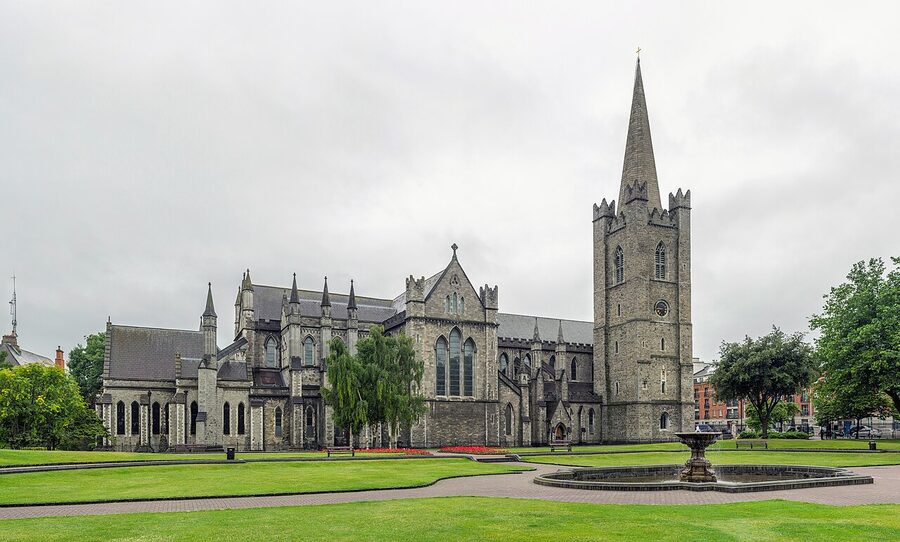

Both are worth 30-45 minutes. St Patrick’s is architecturally more impressive (bigger, better stone vaulting, the Swift tomb). Christ Church is older and has the crypt (where you can see medieval armour, a mummified cat, and a Romanesque stone carving trail). Entry is €9 each; the HoHo doesn’t include cathedral admission.
Phoenix Park — the Big Green Space
Phoenix Park is the largest enclosed urban park in Europe at 707 hectares (for comparison: Central Park NYC is 341 hectares). It contains Dublin Zoo, the President of Ireland’s residence (Áras an Uachtaráin), the former British Lord Lieutenant’s residence (now the US Ambassador’s), the Wellington Monument, and a herd of roughly 600 wild fallow deer.
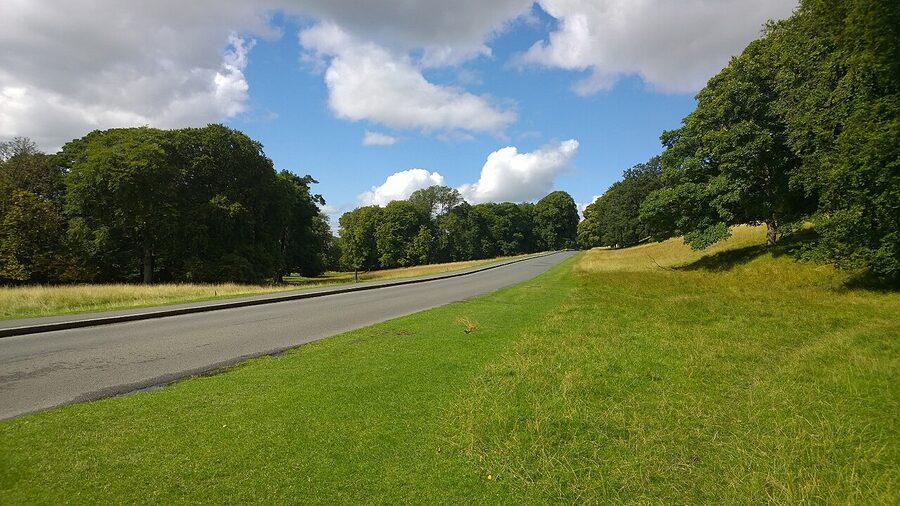

The HoHo stops at the park entrance and at Dublin Zoo; to reach the deer fields and Wellington Monument you walk 10-15 minutes from the bus stop. Good 60-90 minute break from the city, especially if the weather is cooperative.
How to Actually Use the 24-Hour Pass
Honest usage tip: don’t try to hit every stop. You can’t. A 24-hour pass realistically covers 4-6 substantive stops across a day plus the riding-around time between them. The classic sensible Dublin day using the HoHo looks like:
- 9:00am. Trinity College, early-access Book of Kells. 75 minutes.
- 10:30am. HoHo to Christ Church / St Patrick’s. 45 minutes at one cathedral.
- 11:30am. HoHo to Guinness Storehouse. 90 minutes there.
- 1:30pm. Lunch (walk from Guinness, or HoHo to Temple Bar for pub food).
- 3:00pm. HoHo to Kilmainham Gaol. 90 minutes (pre-booked entry required).
- 5:00pm. HoHo back to Trinity area. Day done.
That’s six stops, roughly 10 hours door-to-door, and you’ll have used the HoHo for about 2 hours of actual bus time. If you try to squeeze in Phoenix Park or EPIC Museum too, the day becomes stressful. Better to pick 4-5 priority stops and do them properly.
Tickets — Validity and Format
All three tickets are QR-code based. You show the code to the driver or scan it at the bus door. Validity counts from first use, not from purchase — you can buy online ahead of time, activate when you board.
24-hour tickets start on first boarding and expire 24 hours later. So a 10am Monday boarding works until 10am Tuesday.
48-hour tickets give you two consecutive days. Good value if you’re doing a slow 2-day Dublin itinerary.
72-hour (Freedom Pass only) extends that to three days and adds public transport access.
When to Use It / When to Skip It
HoHo makes sense if:
- You’re in Dublin 2-3 days and want to see lots of stops briefly
- You have limited mobility and don’t want to walk long distances
- You’re travelling with kids who’ll enjoy the open-top novelty
- The weather is bad and you want a covered base of operations
Skip HoHo if:
- You’re in Dublin only 1 day and can focus on 2-3 attractions
- You’re a confident walker (Dublin is flat and compact)
- You prefer local context over recorded commentary
- You’re specifically doing the castles/day trips route
For budget travellers: Dublin Bus route 69 runs between Trinity College and Phoenix Park for €2. It’s not a tour, but it covers a lot of the same ground. Not the same experience, but a 10-day traveller on a budget can use it to partially substitute.
Route Frequencies and Waits
In summer (May-September) buses run every 10-15 minutes on the busiest operators. Early mornings (before 9am) and late afternoons (after 5pm) the frequency drops to every 20-30 minutes. First bus leaves around 9am; last bus is typically 5:30-6pm.
Winter (November-February) service is reduced to every 20-30 minutes with fewer operating days per week. Always check the specific dates before buying a winter ticket.

Practical Details
Price. $33 (City Sightseeing), $41 (Big Bus), $59 (Freedom Pass).
Duration. Full circuit 90-110 minutes. Ticket validity 24h / 48h / 72h.
Frequency. Every 10-20 minutes in summer; 20-30 in winter.
First/last bus. Approximately 9am – 5:30pm year-round.
Languages. Recorded commentary on City Sightseeing covers 10+ languages. Big Bus live guide is English only.
Accessibility. All operators have lower-deck wheelchair spaces; ramps at specific stops. Contact ahead for guaranteed boarding.
Cancellation. 24-hour free cancellation on all three.
Other Dublin Guides
The HoHo pairs naturally with a detailed visit to one or two of its anchor stops. The Book of Kells walking tour is the morning of a HoHo day; Guinness Storehouse is the usual afternoon anchor. For an evening that uses the last hour of your HoHo, hop off near Temple Bar and finish at a Jameson distillery tasting.
For day trips that use your HoHo’s last afternoon, book the morning bus out to the Wicklow and Glendalough day trip, then use the HoHo for the remaining afternoon hours back in Dublin.
Disclosure: This site earns a commission on bookings made through the links above, at no extra cost to you. We only recommend tours we’ve researched and would book ourselves.