
The Portuguese guitar has twelve strings and a sound that doesn’t belong to any other instrument. It cries. That’s the only honest way to put it. The first time you hear one in a small room — not through speakers, not on a recording, but live, three meters from where you’re sitting — something shifts. The singer opens her mouth and the sound fills the entire space, bouncing off the stone walls, and you forget about the glass of port wine in your hand.
That’s fado. Lisbon’s musical soul. Born in the back alleys of Alfama somewhere in the 1820s, argued over by scholars ever since, and performed every single night in dozens of venues across the city. It’s not background music. It’s the kind of thing that makes a table of loud travelers go completely silent within thirty seconds.
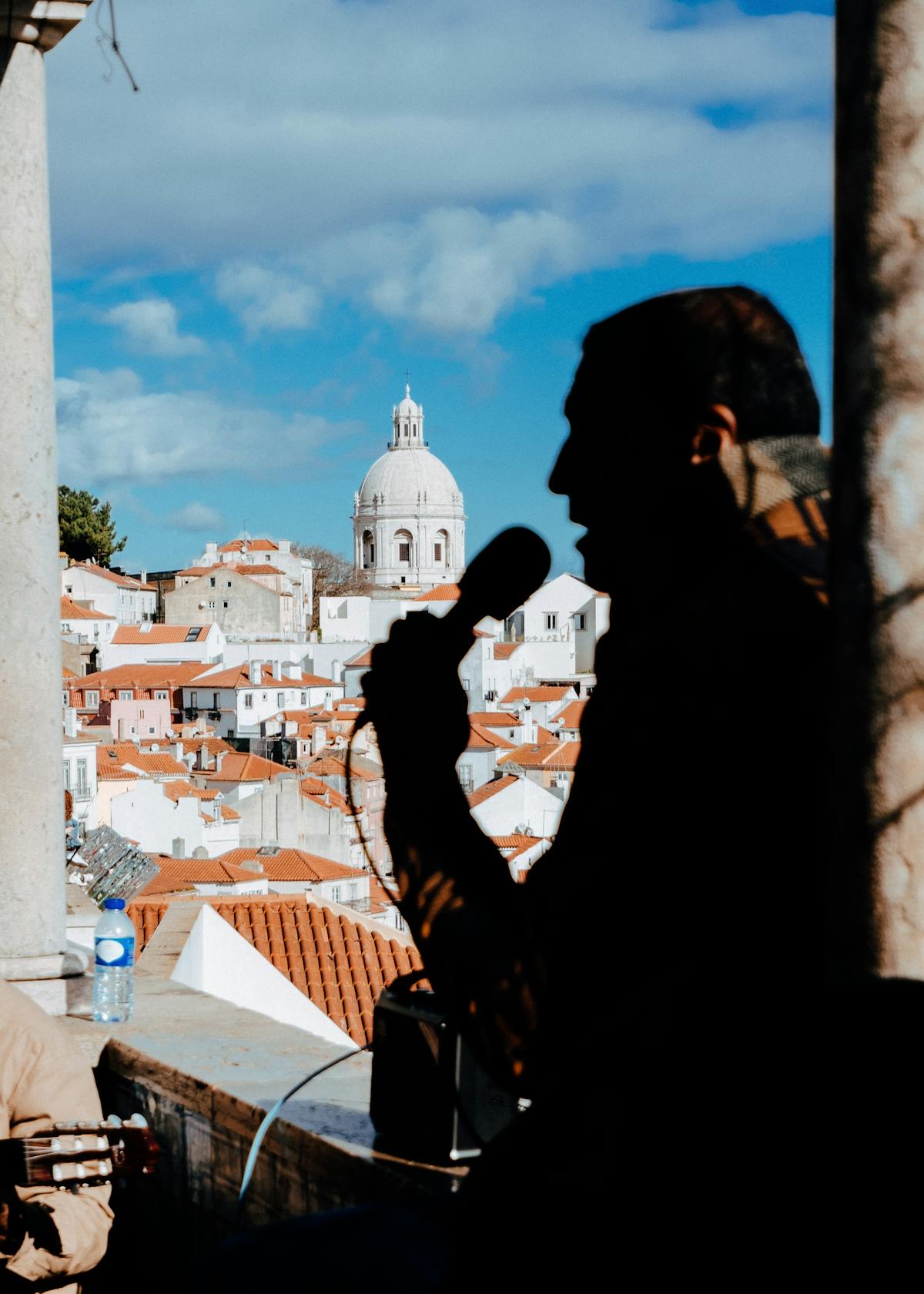
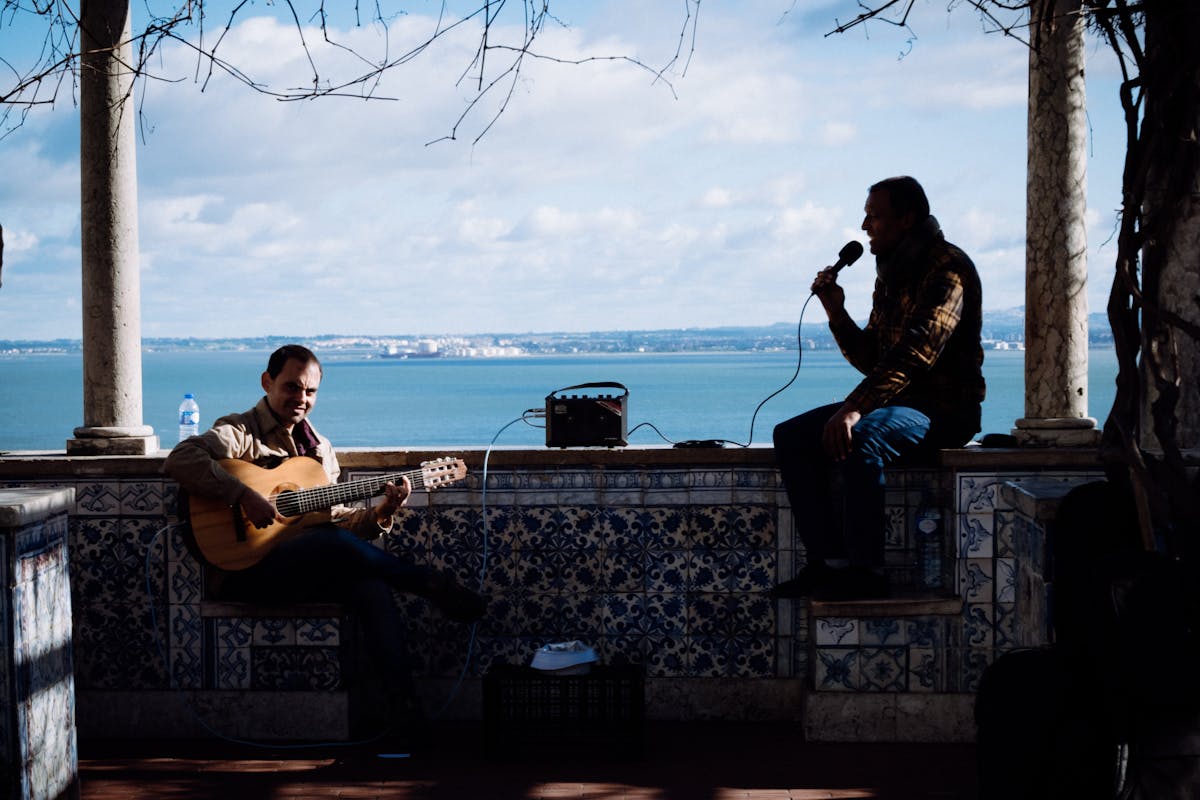
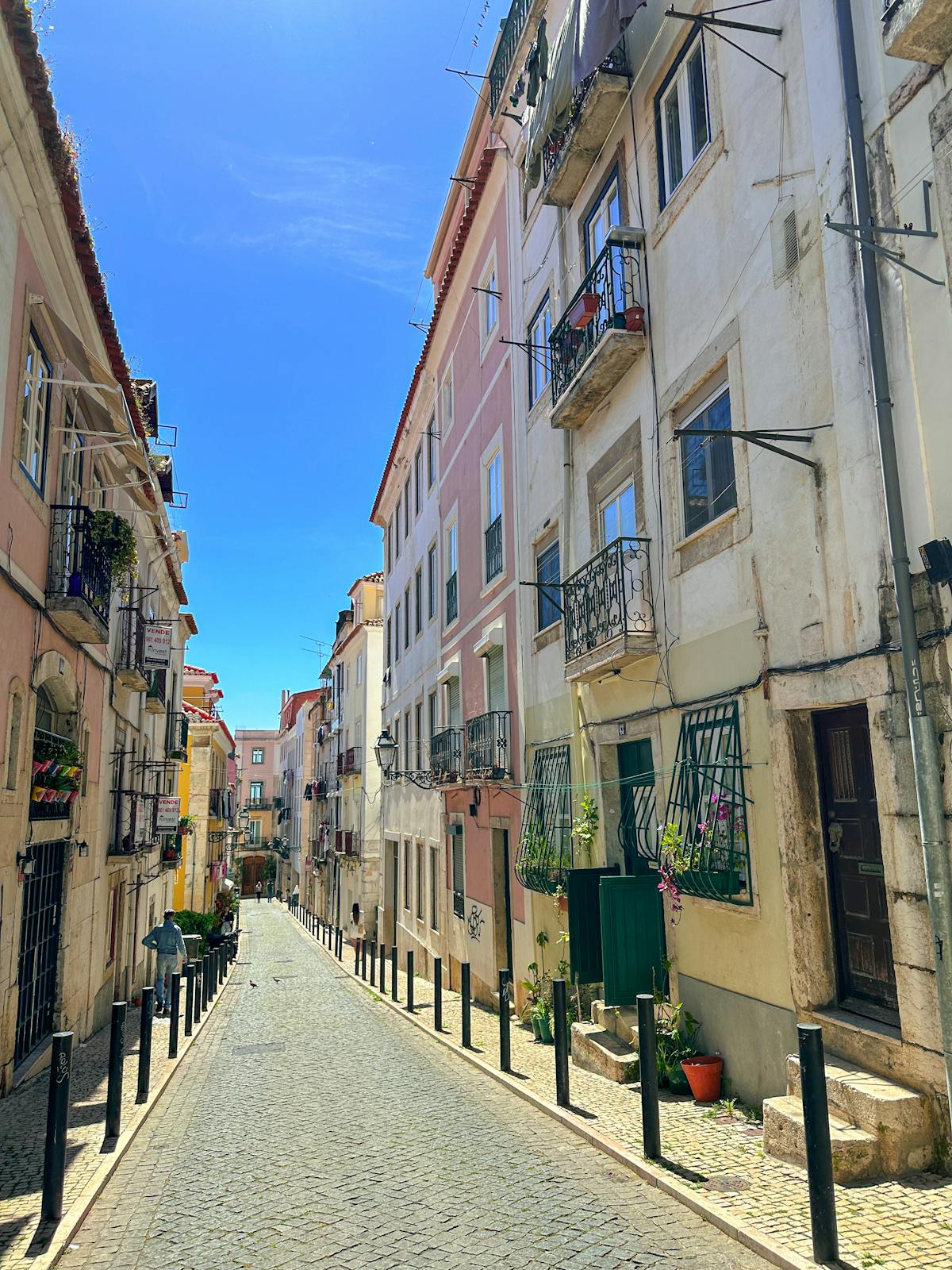
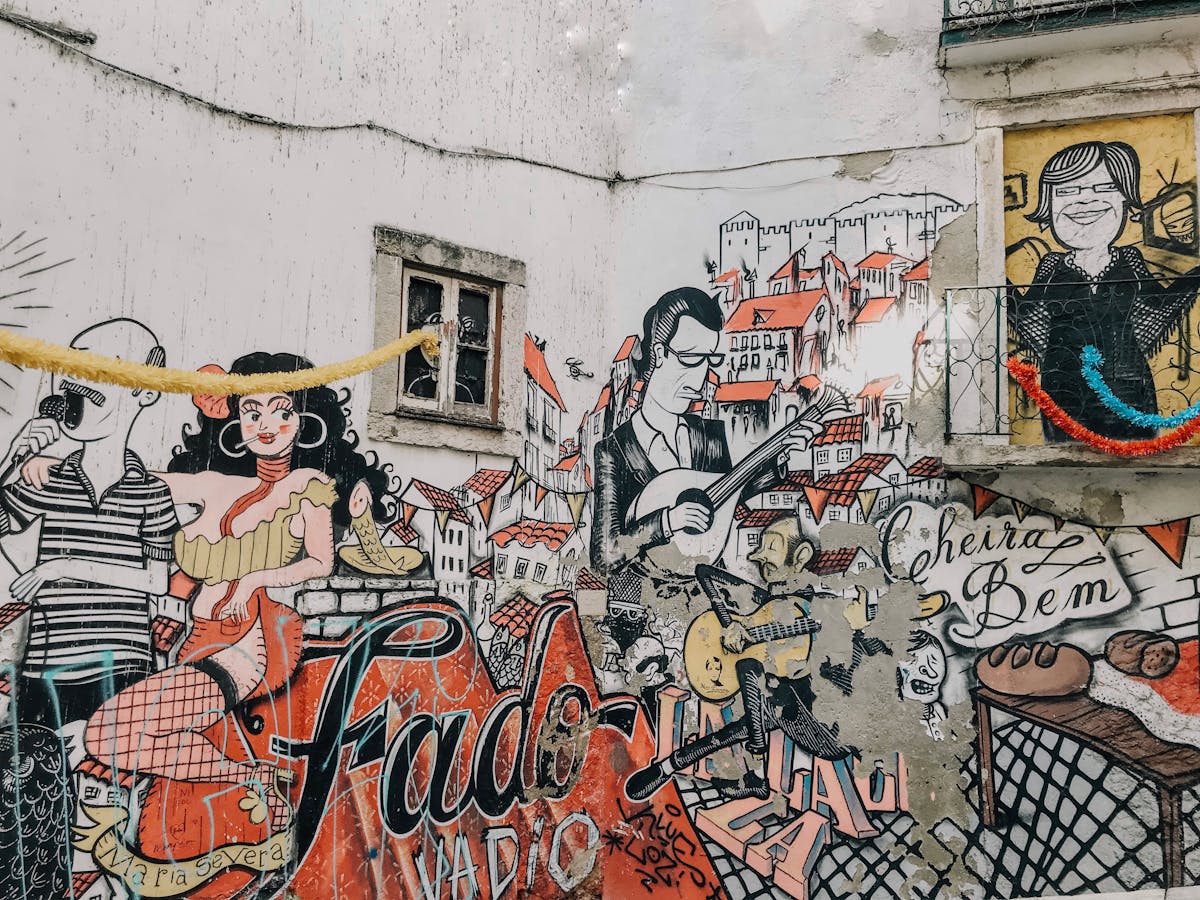
Booking a fado show is simple enough — walk into any venue in Alfama or Bairro Alto and they will seat you. But the difference between a tourist-trap fado house and a genuinely good one is enormous. Some serve overpriced reheated food while a bored singer goes through the motions. Others give you an evening you will remember for years. The trick is knowing which is which before you hand over your money.
Here is what I found after going through the options.
Best value: Fado Show and Wine inside Medieval Walls — $18. Fifty minutes of live fado with a glass of wine in a venue built within actual medieval walls. Hard to beat at this price.
Best overall: Live Fado Show and Port Wine — $19. The most reviewed fado experience in Lisbon, and for good reason. A proper show in a historic venue with port wine included.
Best with dinner: Fado Show and Portuguese Dinner — $57. Two hours of food and fado together, which is how the Portuguese actually do it — you eat, you drink, and the music happens around you.
- What a Fado Show Actually Includes
- Show Only vs. Dinner Show vs. Walking Fado Tour
- The Best Fado Experiences to Book in Lisbon
- 1. Live Fado Show and Port Wine in Historic Central Venue —
- 2. Fado Show and Wine inside Medieval Walls —
- 3. Fado Show and Portuguese Dinner —
- 4. Alfama Tour and Live Fado with Traditional Dinner —
- When to Book and What to Know
- Tips for Your First Fado Show
- More Lisbon Guides
What a Fado Show Actually Includes
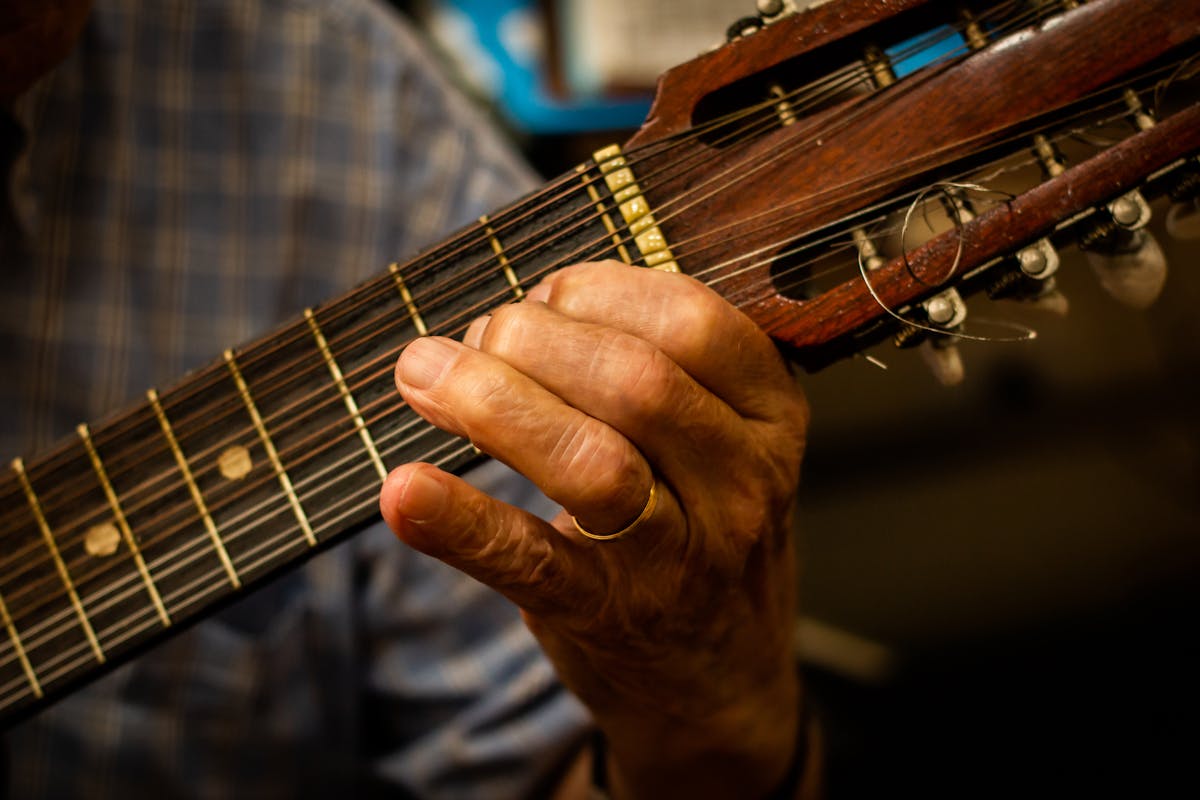
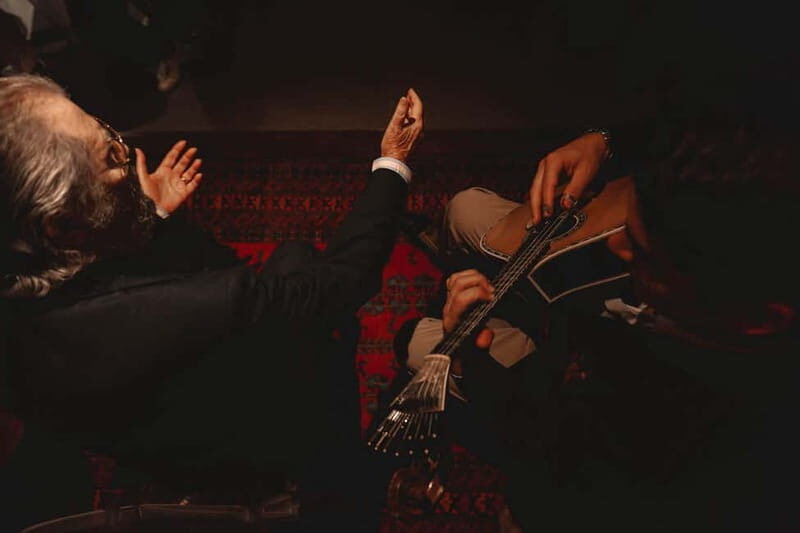
A traditional fado performance has three musicians: a singer (fadista), a Portuguese guitar player, and a classical guitar player. That is it. No drums, no bass, no amplification in the proper houses. The singer stands, the guitarists sit, and the audience is expected to be silent during the performance. This is not a suggestion — locals will absolutely shush you if you talk.
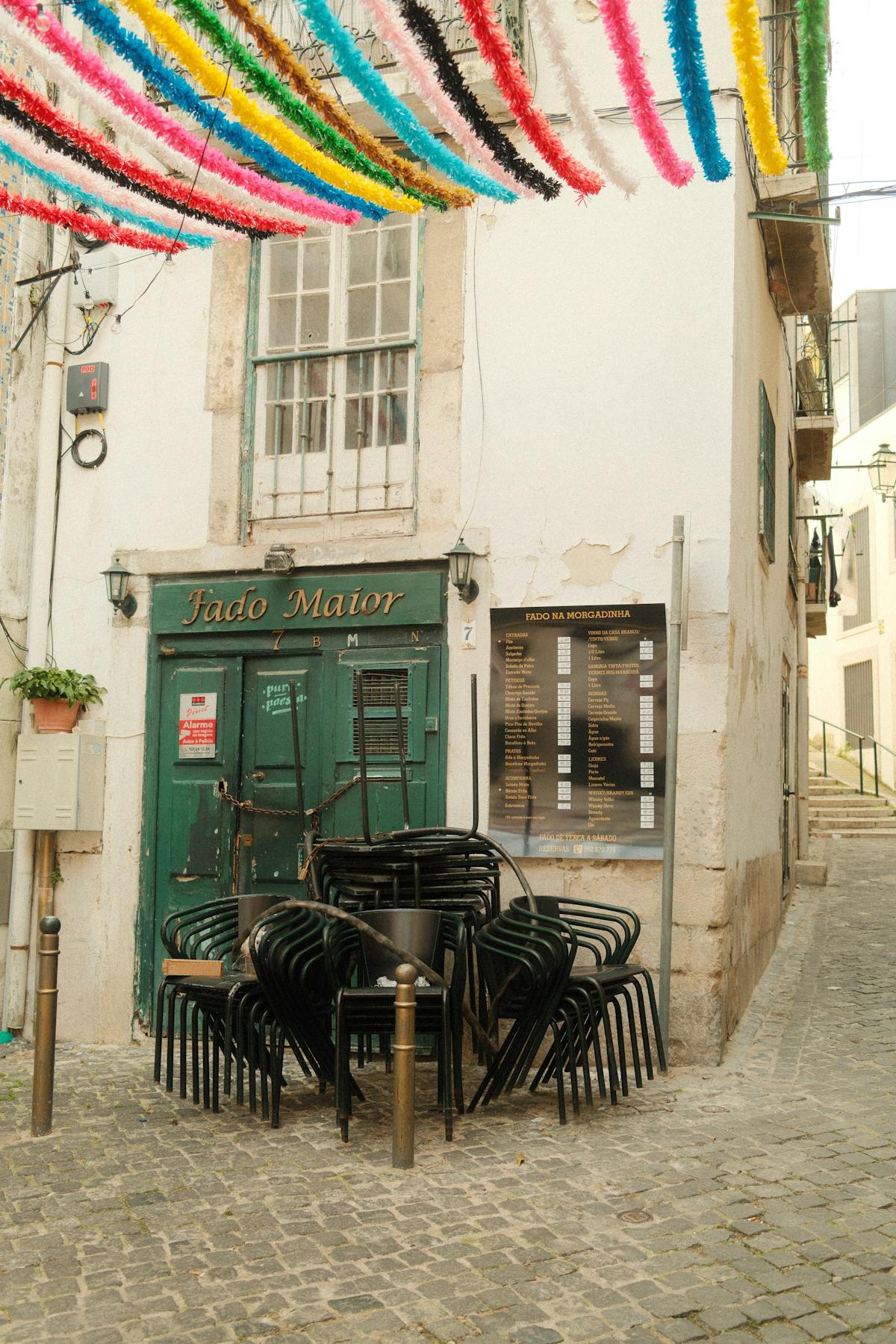
The songs are about saudade — a Portuguese word with no clean English translation. Longing, nostalgia, the ache of missing something you may never have had. The melodies are minor-key and often devastating. But fado is not all sadness. There are faster, almost playful songs too, and the best performers shift between moods across a set.
Most ticketed shows run between 50 minutes and an hour for show-only options. Dinner shows go longer, usually two to three hours, because the food service happens between sets. Either way, you are sitting down. This is not a standing-room concert.
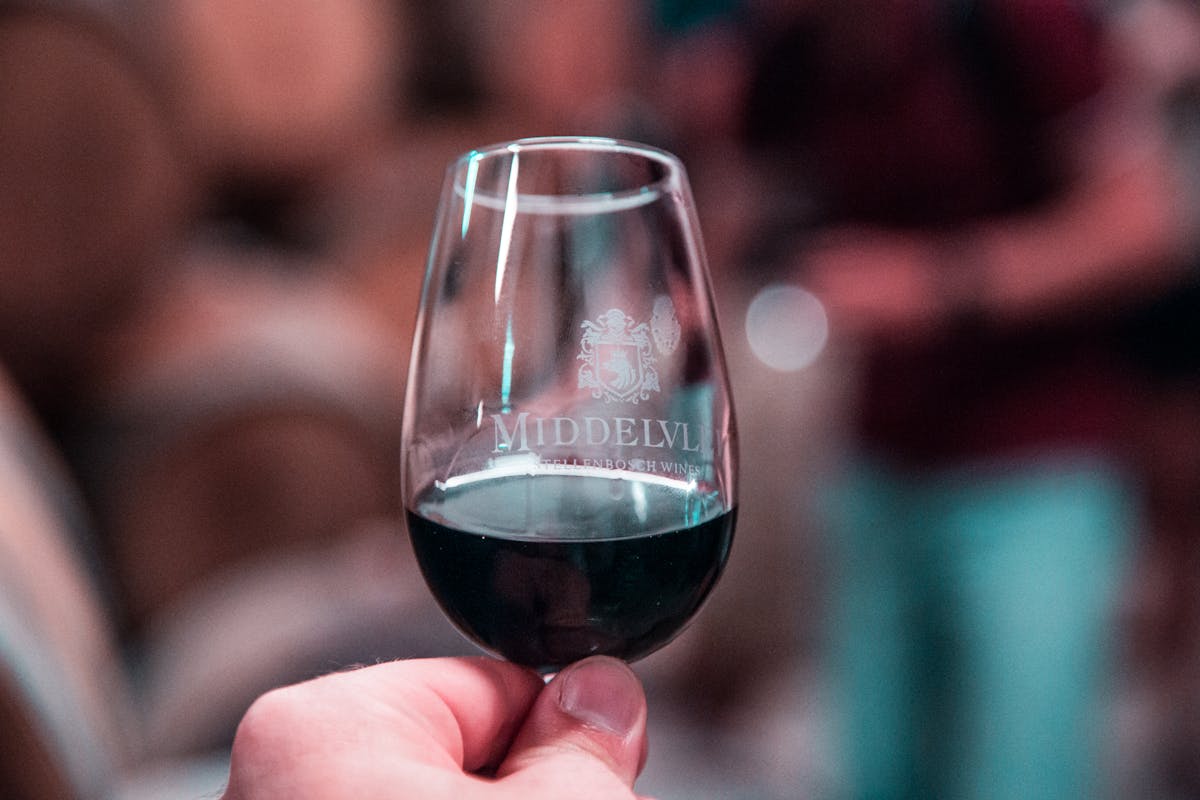
Drinks are almost always included with the ticket. Port wine is the standard — sweet, strong, and very Portuguese. Some venues offer a glass of regular wine or a drink from a short menu instead.
Show Only vs. Dinner Show vs. Walking Fado Tour
There are three main ways to experience fado in Lisbon, and the right one depends on your budget, your schedule, and how much context you want around the music.
Show-only tickets ($17-27) get you into a venue for 50-60 minutes of live performance with a drink included. You show up, sit down, listen, and leave. This is the purest way to hear fado — no distractions, no waiting between courses, just the music. The best show-only options cost under $20, which makes them one of the cheapest cultural experiences in Lisbon.
Dinner shows ($57-70) combine a Portuguese meal with live fado. The food usually includes bacalhau (salt cod), grilled fish, or cozido, with wine. Dinner shows run two to three hours and feel more like an evening out than just a performance. The downside is that some dinner fado houses treat the food as the main event and the music as background, which defeats the purpose. The ones I have listed below don’t do that — the fado is front and center.

Walking fado tours ($58-68) take you through Alfama or Mouraria on foot with a guide who explains fado’s history, then end at a venue for a live show with dinner. These are the longest option (three to four hours) and the most informative. If you are the kind of traveler who wants to understand why fado sounds the way it does, not just hear it, this is the format for you.
The Best Fado Experiences to Book in Lisbon
I pulled these from our database of tour reviews and picked four that cover the full range — two show-only options at different price points, a dinner show, and a walking tour with live performance. Prices are current as of early 2026.
1. Live Fado Show and Port Wine in Historic Central Venue — $19
This is the most reviewed fado experience in Lisbon across all the major booking platforms, and it is easy to see why. The price is almost absurdly low for what you get — a proper live fado show with professional musicians in a historic venue, plus a glass of port wine. Nineteen dollars. In a city where a mediocre cocktail costs twelve.
The show runs in the evening and the venue is centrally located, so you can walk to dinner afterward without needing a taxi. The performers rotate, which means repeat visitors get a different show each time. The one thing to know is that seats go fast, especially in summer. Book at least a few days ahead if your dates are fixed.
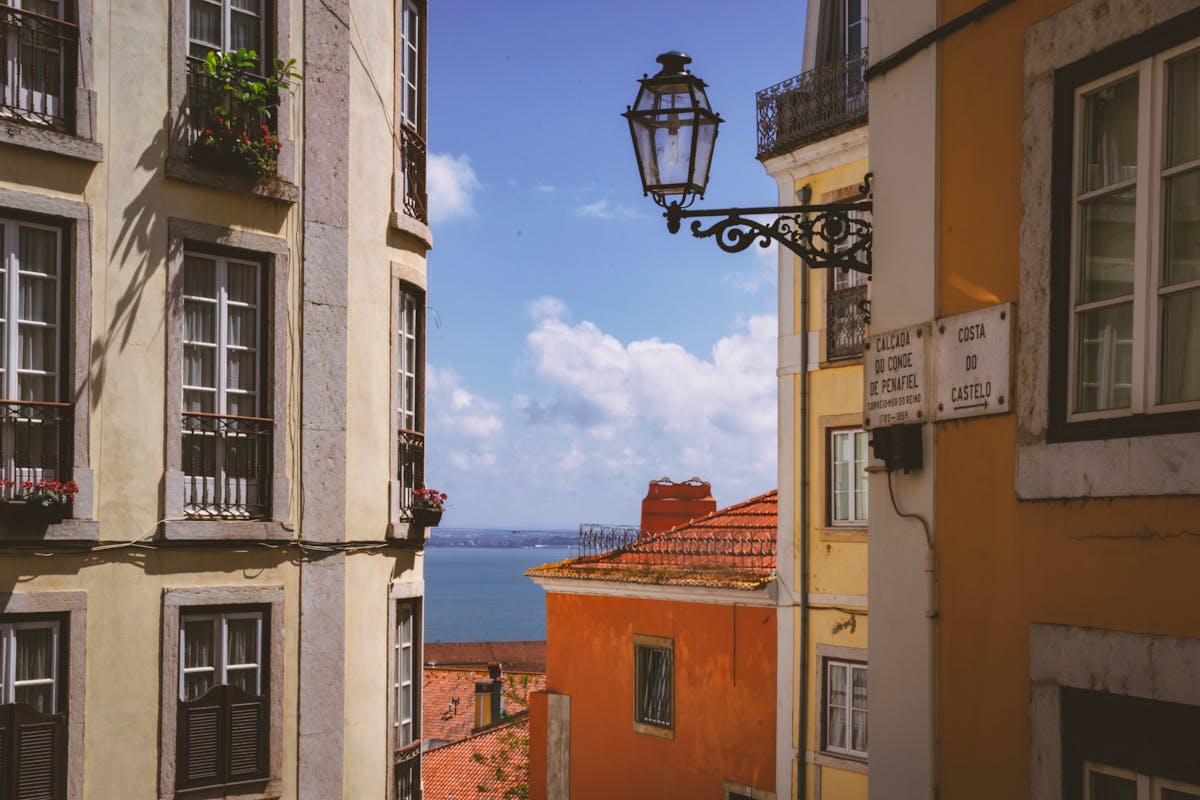
2. Fado Show and Wine inside Medieval Walls — $18
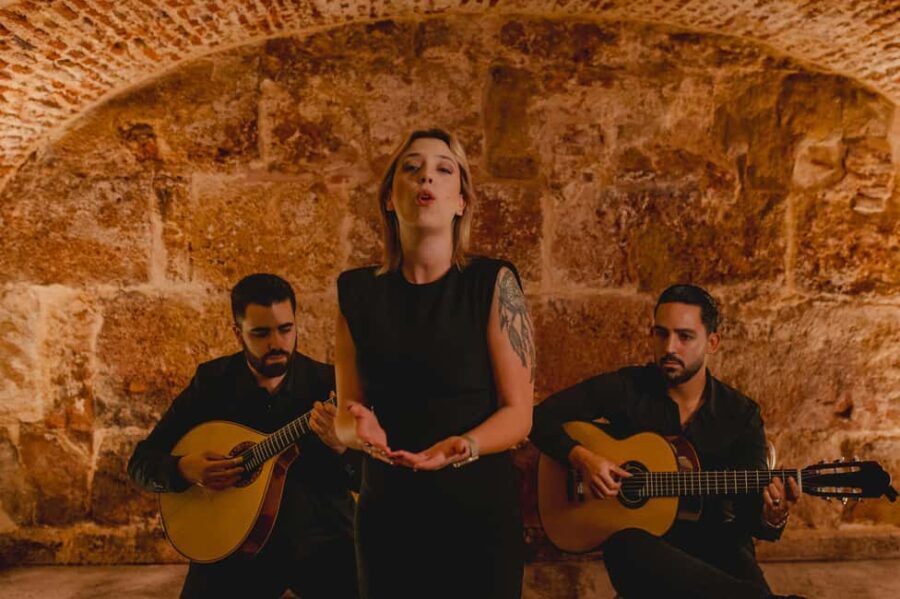
The setting makes this one special. The venue is built into actual medieval walls — stone arches, low ceilings, the kind of atmosphere that makes you feel like you have stumbled into a secret. The show runs fifty minutes, which is long enough to hear several styles of fado without it dragging. A glass of wine is included.
At $18, this is the cheapest quality fado show in Lisbon. Some will look at that price and wonder what the catch is. There is not one. The venue is smaller than some of the more expensive places, which actually works in its favor — smaller room means better sound and a more personal feel. The performers are professional and take it seriously. This is not a tourist cafeteria with a guitar player in the corner.
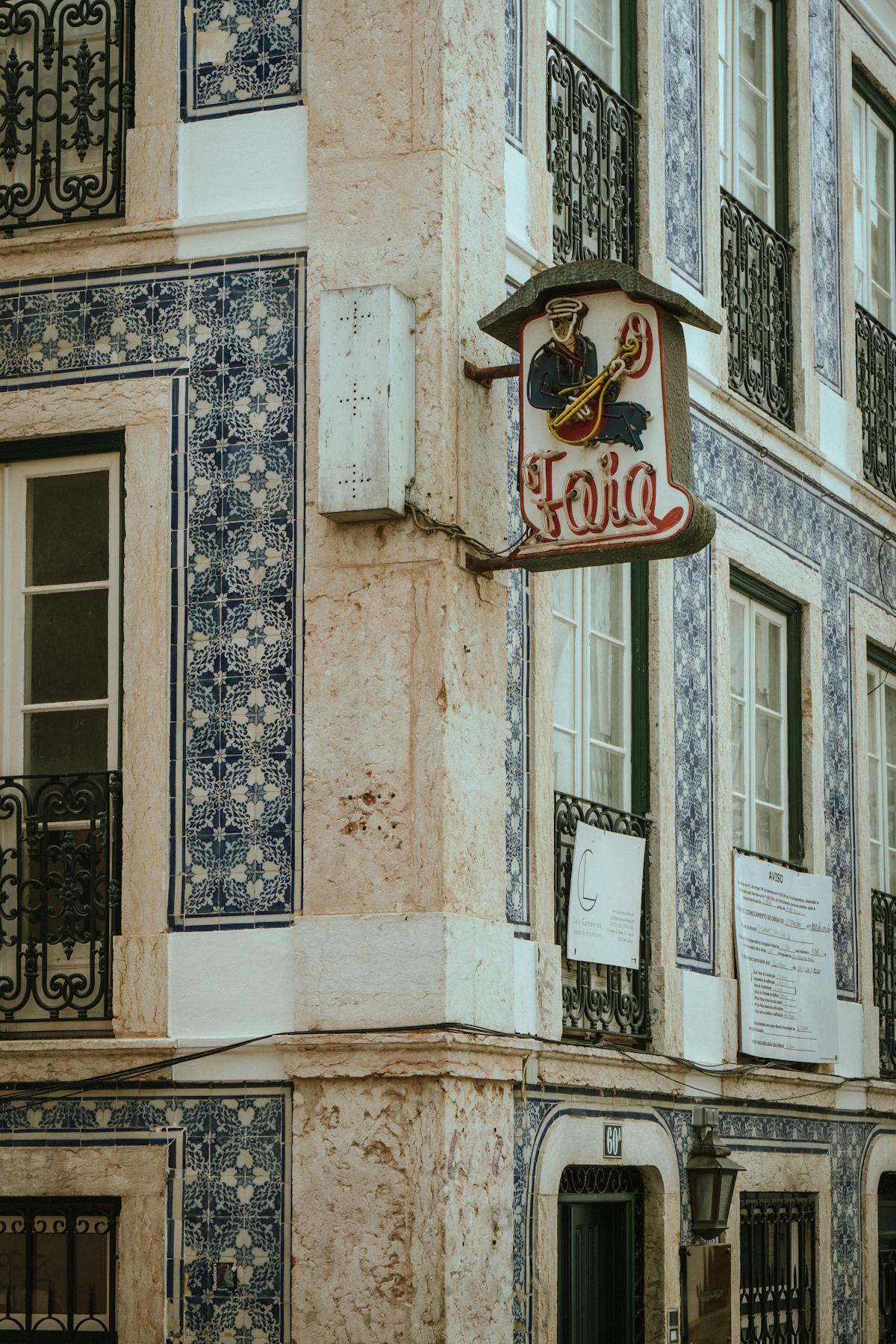
3. Fado Show and Portuguese Dinner — $57
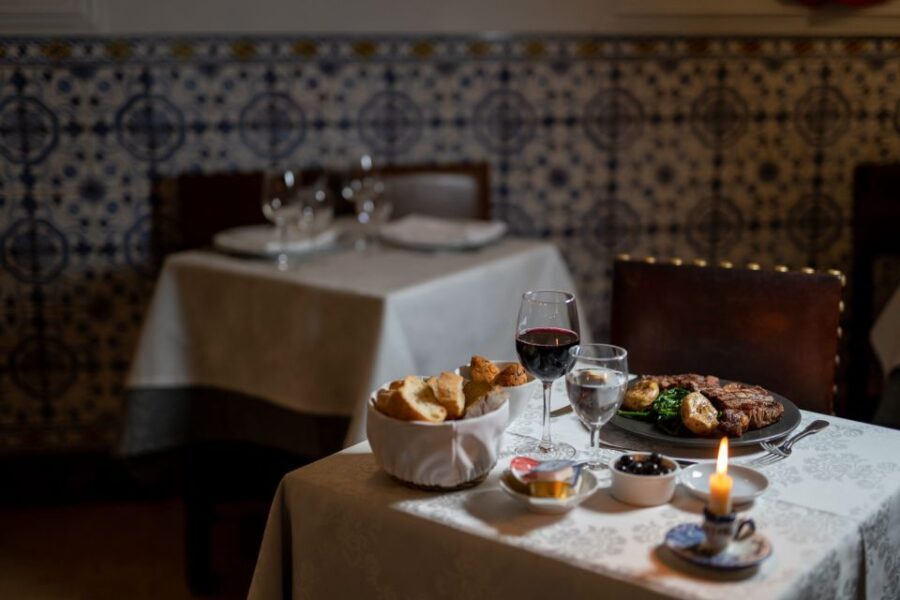
If you want the full evening experience — eat, drink, and listen to live fado without moving from your seat — this is the one. Two hours, a proper Portuguese dinner with multiple courses, wine, and live performers who play between (and sometimes during) the meal.
The food is honest Portuguese cooking, not the upscale reimagined kind. Bacalhau, grilled meats, soup, bread, dessert. It is the kind of meal your host grandmother would serve if you had a Portuguese host grandmother. The fado is woven into the dinner service, which means you get the music in shorter sets with breaks for eating and conversation. Some people prefer this to a straight show because it feels more natural — this is, after all, how fado was traditionally experienced in Lisbon. Not in a concert hall, but around a dinner table.
The price is fair for what is included. Dinner alone at a mid-range restaurant in Alfama would run you $30-40 without any music. Add in the fado and the drink, and $57 is reasonable.
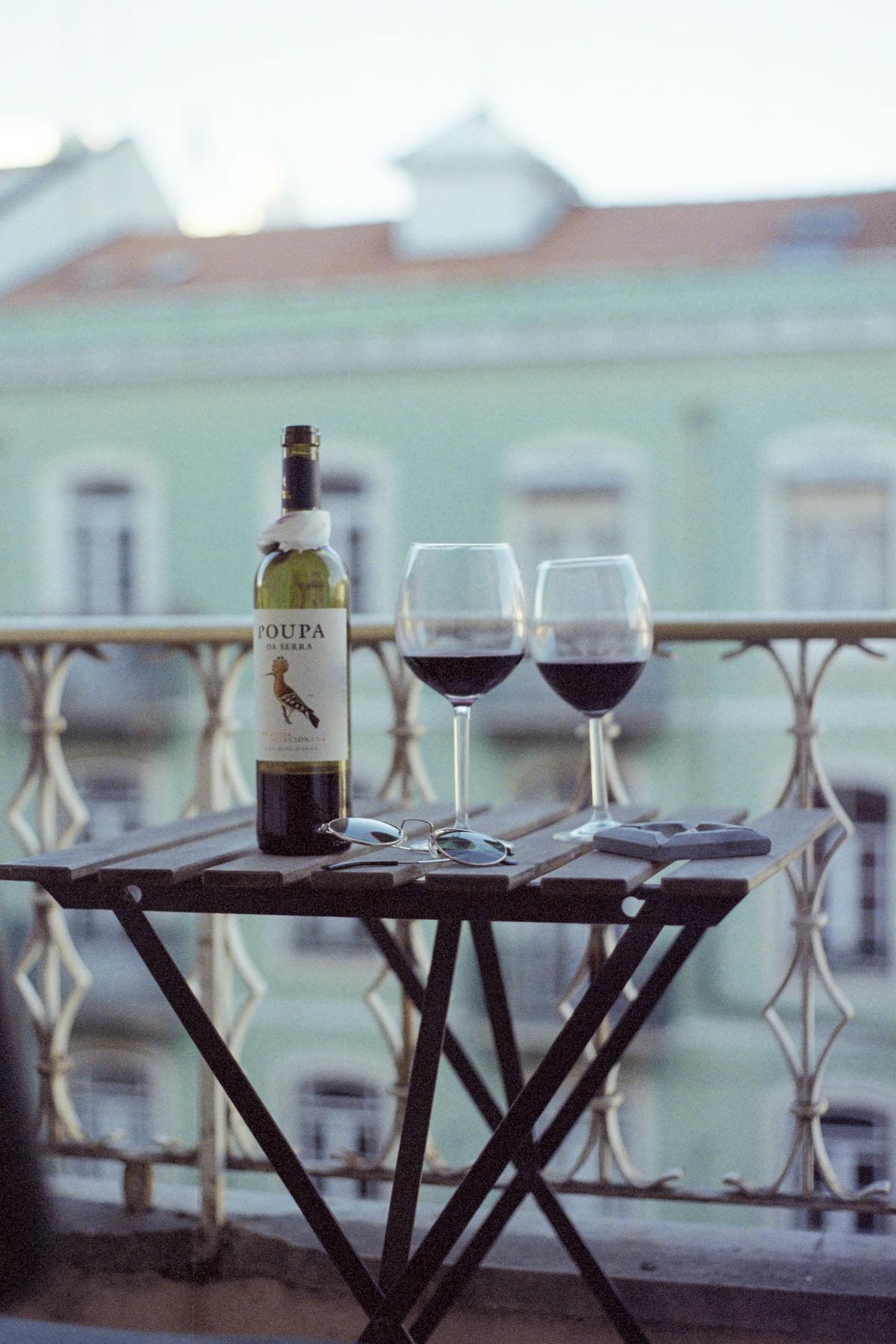
4. Alfama Tour and Live Fado with Traditional Dinner — $58
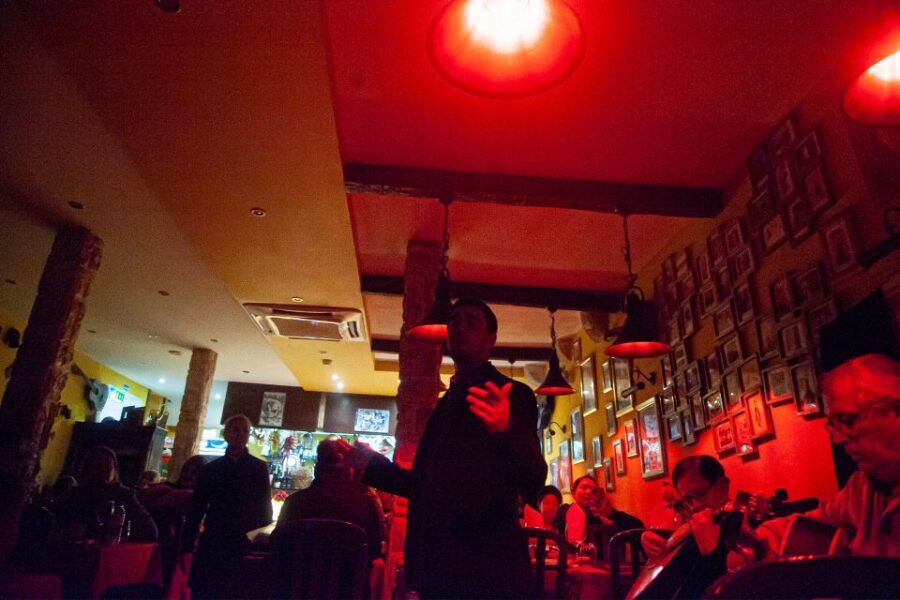
This is the deep-dive option. Four hours that start with a guided walk through Alfama — the birthplace of fado — and end with a traditional dinner and live performance. The walking portion covers the history of the neighborhood, the origins of fado, and the landmarks that shaped both. Then you sit down for a meal and hear it all come alive.
The walking tour part is what separates this from a standard dinner show. You arrive at the fado house with context. You know what saudade means. You have seen the streets where the genre was born. The music hits differently when you understand where it came from. At $58, you are essentially getting a guided walking tour and a dinner show combined, which would easily cost $80+ if you booked them separately.
The group size stays small, which matters in Alfama because the streets literally cannot handle large crowds. The guide is local and has strong opinions about which fado houses are authentic and which are performing for cruise ship passengers. That distinction matters.
When to Book and What to Know
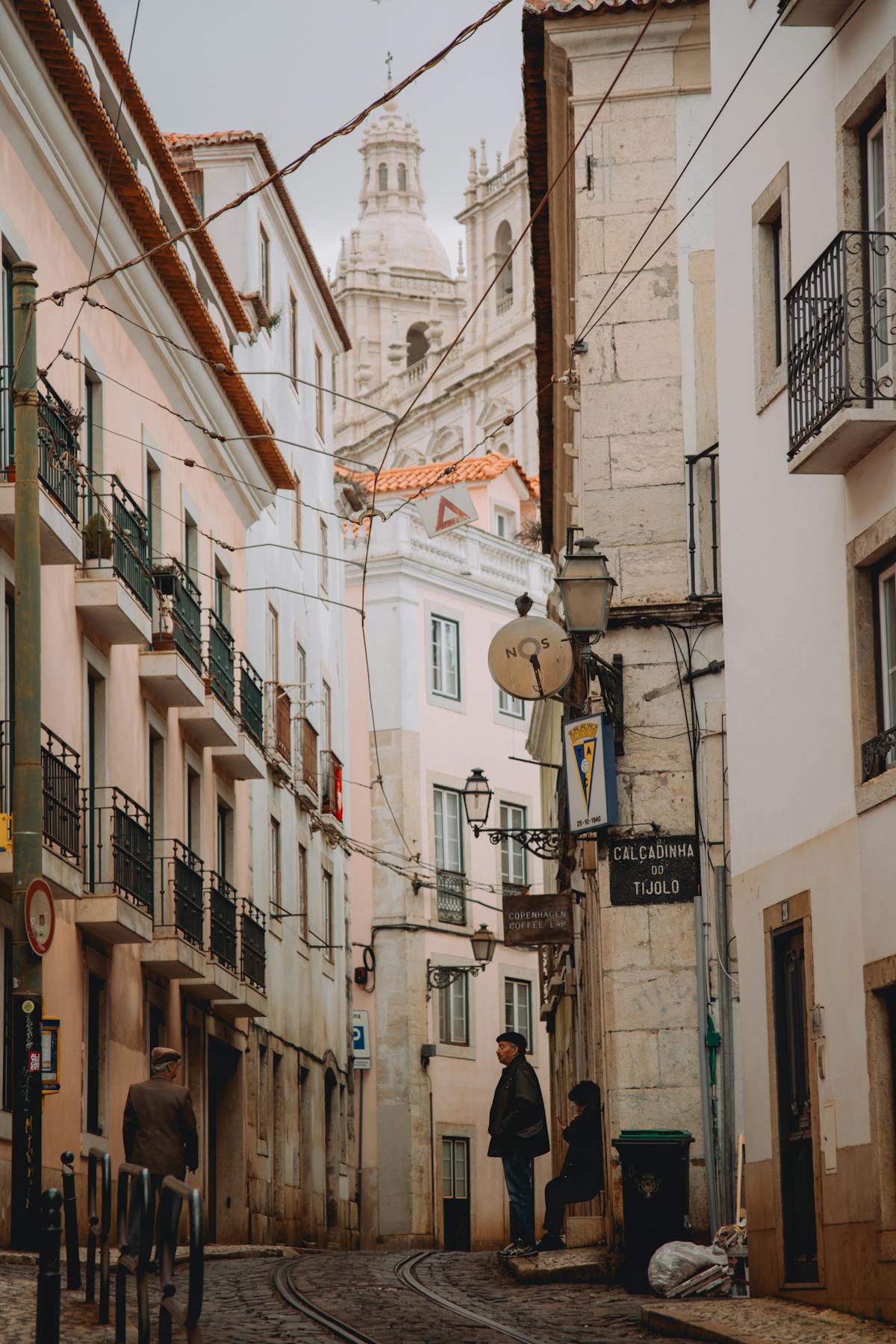
Peak season (June through September): Book at least a week ahead. The popular shows sell out, particularly weekend evenings. Tuesday and Wednesday tend to have better availability.
Shoulder season (April-May, October): A few days notice is usually enough, though the top-rated shows can still fill up on weekends.
Winter (November through March): You can often book same-day, and this is actually a wonderful time to see fado. The rooms feel warmer, the wine tastes better when it is cold outside, and the crowds are thinner. Some argue fado sounds best in winter. I would not disagree.
Show times are almost always evening — typically 7pm, 8pm, or 9pm starts. Some venues run afternoon shows, but these tend to be less atmospheric. Fado is night music.
Tips for Your First Fado Show
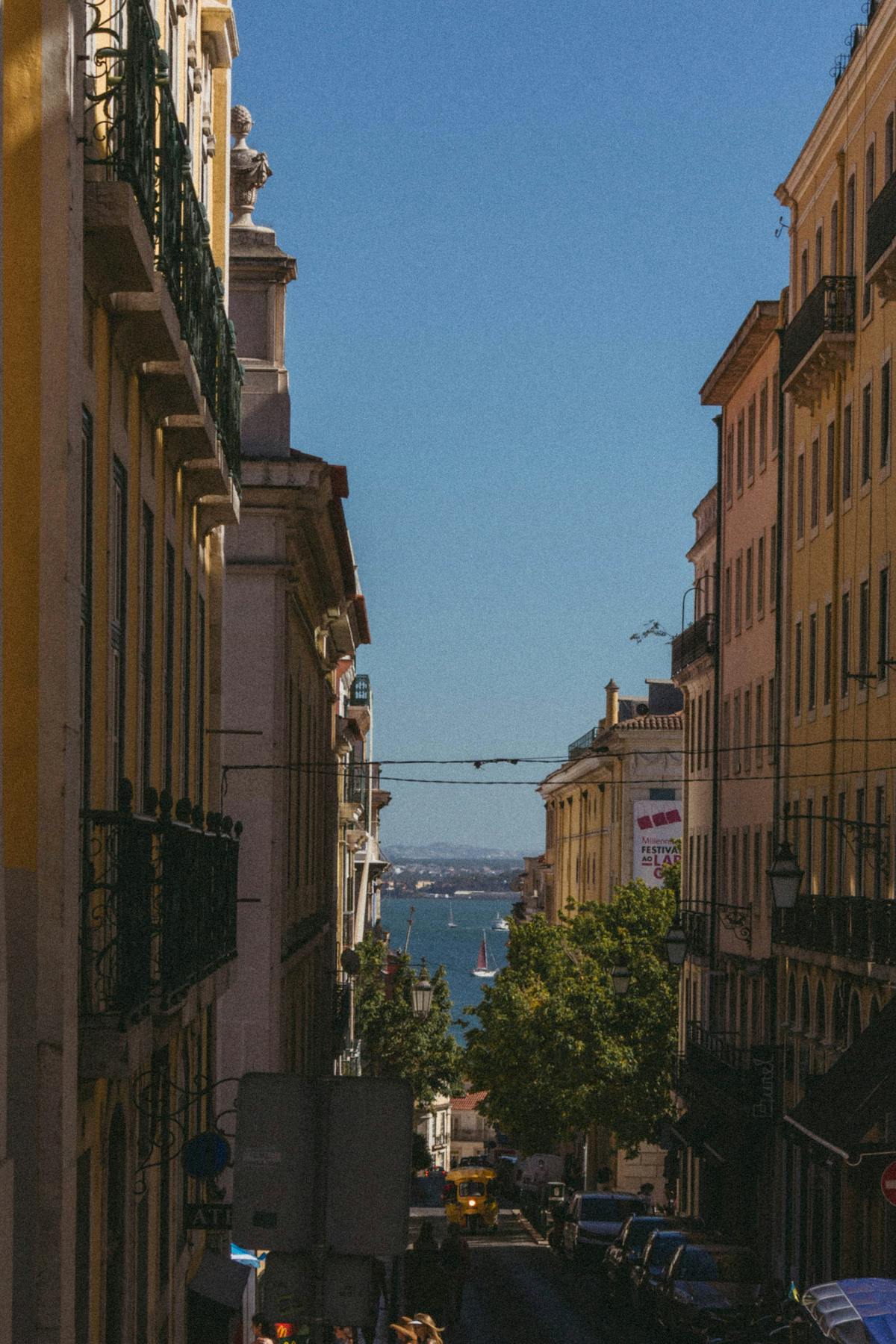
Stay quiet during the music. This is not a bar with live music. Talking, even whispering, during a fado performance is considered deeply disrespectful. Wait for the breaks between songs.
Don’t clap between verses. Fado songs often have pauses within them that can sound like endings. Wait until the singer clearly finishes and the guitarists stop playing before you applaud.
Arrive ten to fifteen minutes early. Seating is usually first-come within the ticketed group, and the closer tables fill first. Early arrival gets you a better view of the performers.
Eat before a show-only ticket. The $18-19 show-only options include wine but not food. You are going to be sitting in Alfama, which has excellent restaurants on every corner. Eat first, then walk to the show.
Dress is casual but not sloppy. You don’t need a jacket or heels, but swim trunks and flip-flops won’t feel right. Smart casual — a nice shirt, decent shoes — matches the mood.
If you have a full day in Lisbon, a guided walking tour in the morning pairs perfectly with a fado show in the evening. And if you are planning a day trip, Sintra is an easy half-day from Lisbon that gets you back in time for the evening shows.
Fado is not something you schedule between the castle and the pasteis de nata shop. It is better when you let the evening unfold around it — walk through Alfama as the sun drops, eat something simple at a tasca with paper tablecloths and house wine, then find your seat in a room with stone walls and low light. The Portuguese guitar starts, the singer takes a breath, and for fifty minutes the entire world shrinks to the size of that room. Saudade does not translate into English, but in those moments you don’t need it to. You feel it anyway. That is the whole point.
This article contains affiliate links. If you book through our links, we may earn a small commission at no extra cost to you. This helps us keep producing these guides.
More Lisbon Guides
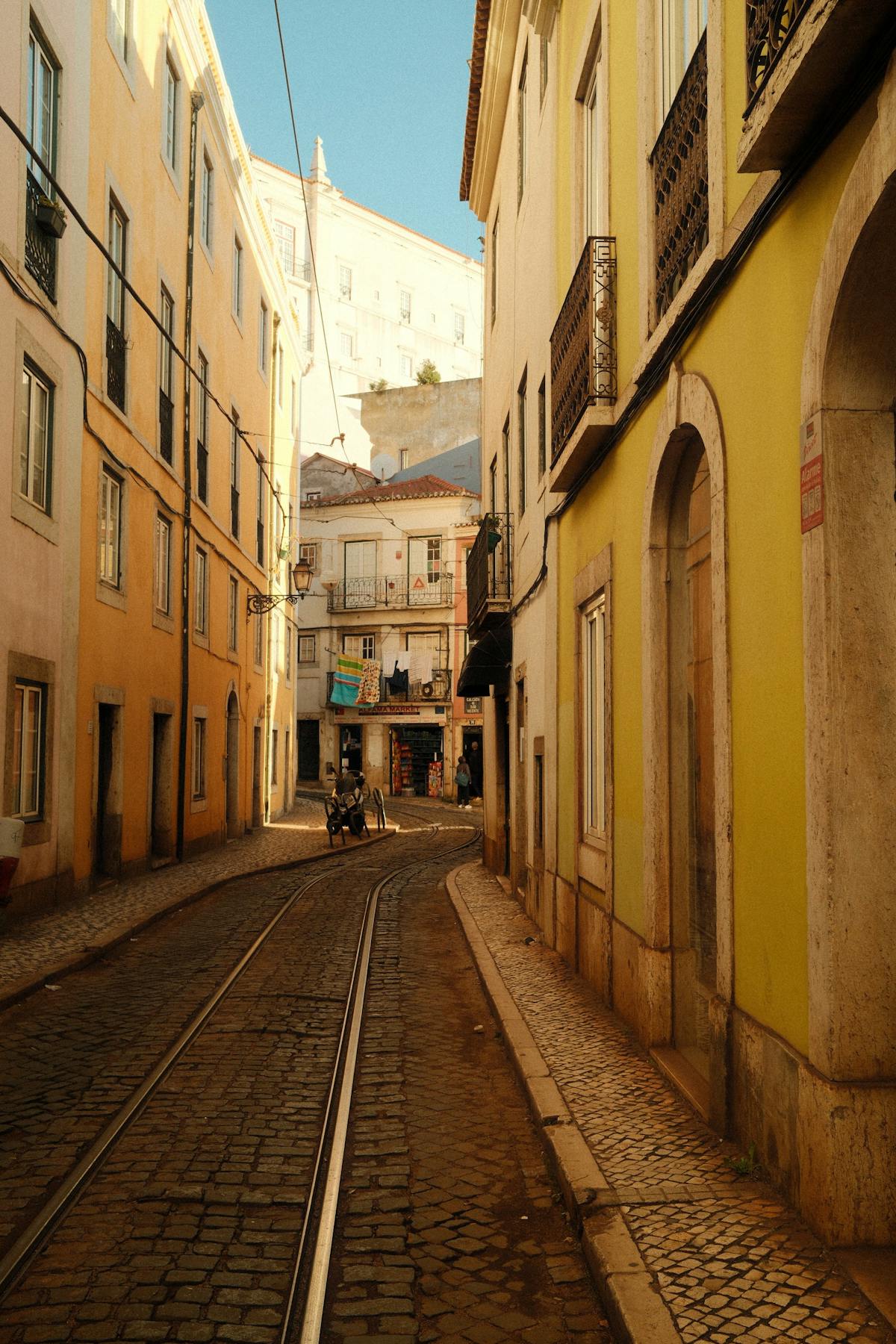
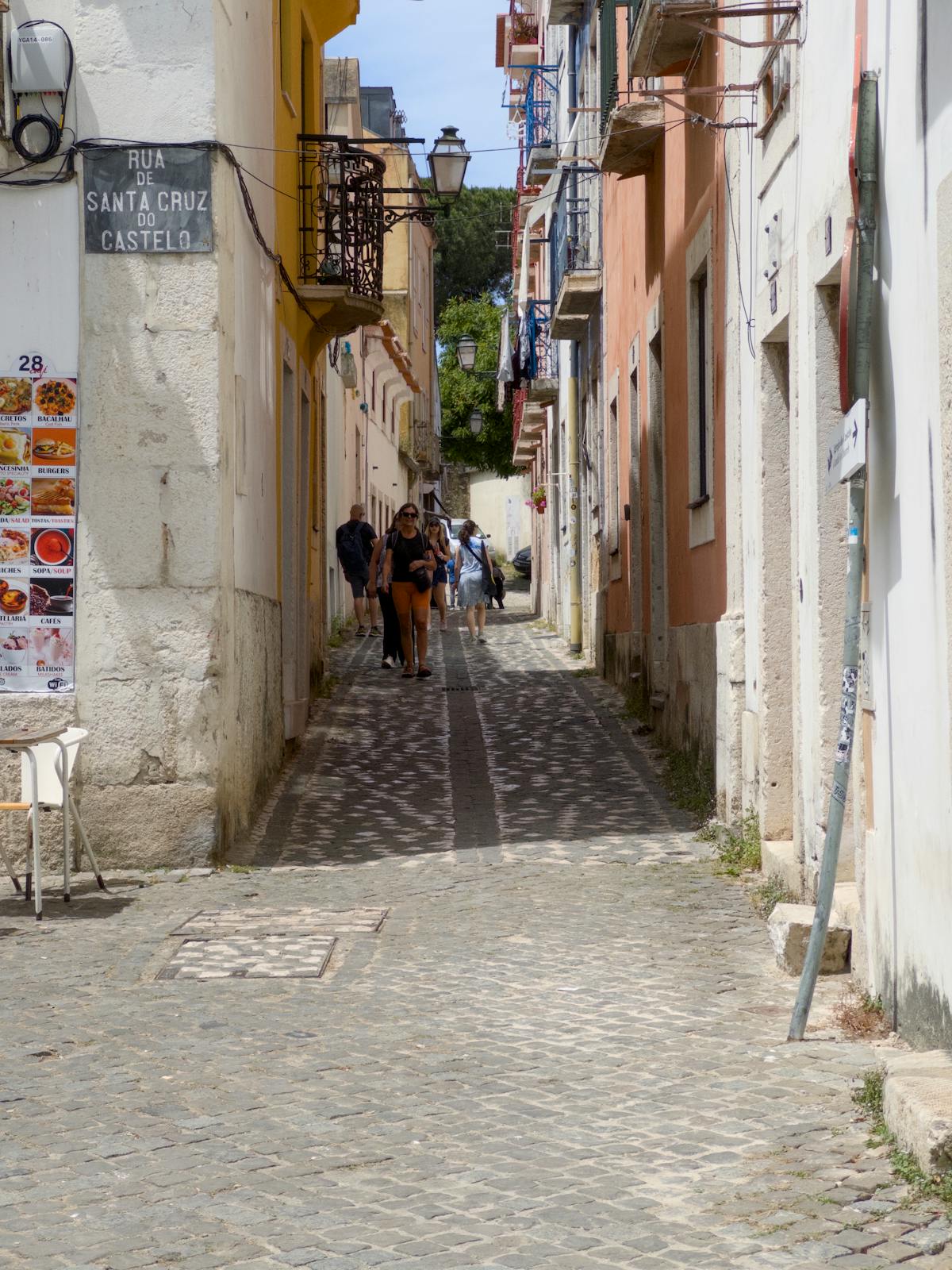
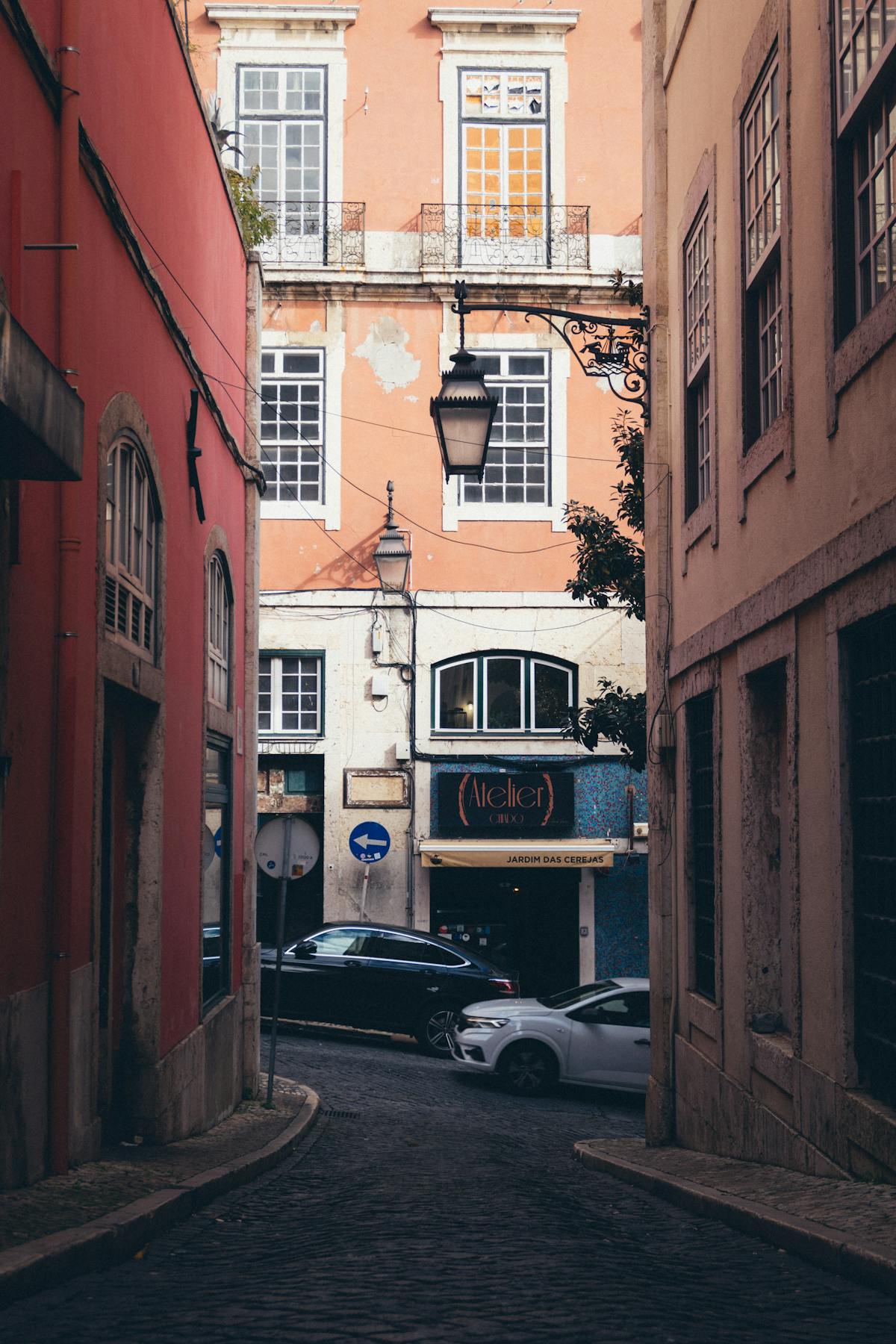
A fado show gives you one unforgettable Lisbon evening, but the city has plenty more to fill the rest of your trip. The same Alfama streets where you heard fado are worth coming back to in daylight with an Alfama walking tour, when you can actually see the azulejo tiles and hidden courtyards. a food tour in Lisbon takes you through a different side of the old quarters with tastings that explain why Portuguese food punches above its weight. For getting around the hills, a tuk-tuk tour in Lisbon is the fun option and the hop-on hop-off bus in Lisbon is the practical one. When you need a break from the city, visiting Sintra from Lisbon is an hour away by train and feels like stepping into a fairy tale, while visiting Fatima from Lisbon heads north to somewhere much more solemn and equally moving.