
You’ll spend the first ten minutes thinking the snow brake is going to hold forever. The dogs are screaming. The guide is shouting last-minute instructions over the noise. You’re standing on two thin runners gripping a wooden bow, boots planted on a metal claw dug into hard-packed snow. Then the guide nods, you lift your foot, and the entire team explodes forward like someone fired a starting pistol. That first second is the whole reason people fly to Tromsø in winter.
This guide covers how the tours actually work, the difference between self-drive and passenger options, when to go, what to wear, and which three operators consistently get this right.
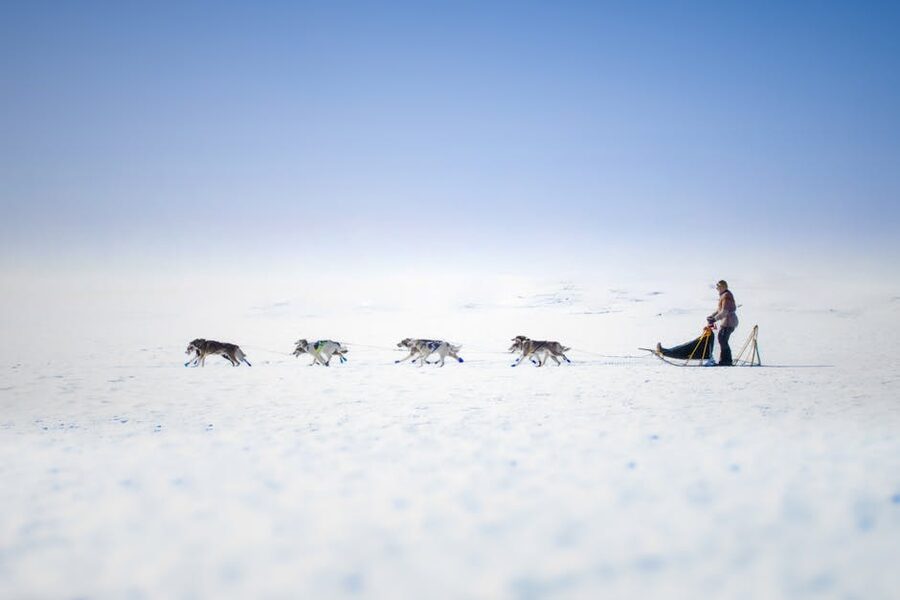
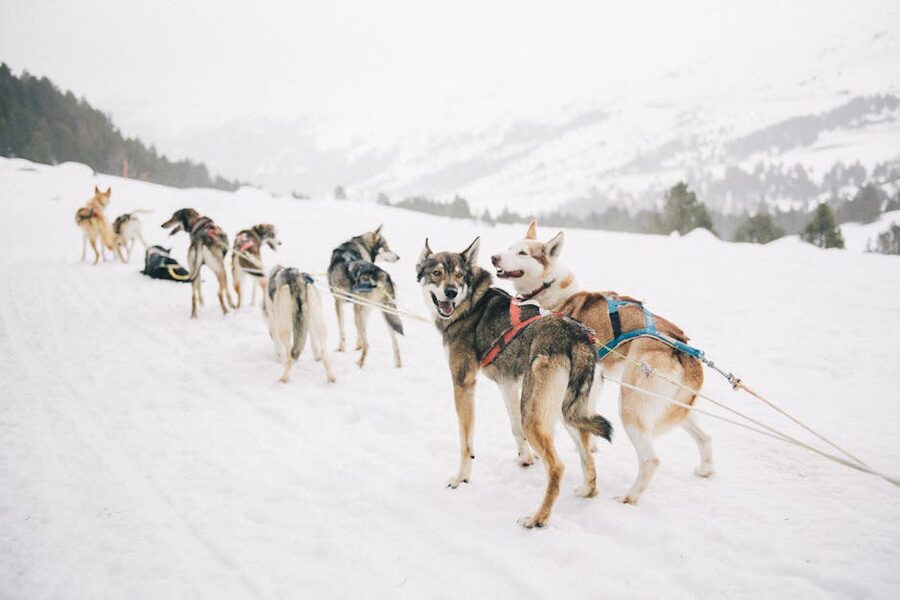
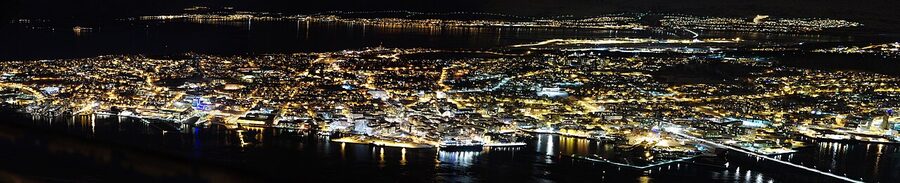

Best self-drive: Tromsø Self-Drive Husky Dog Sledding Adventure from $351. Four hours, your own team, lavvu break with hot drinks. The most-booked one for a reason.
Best for hesitant first-timers: Fun and Easy Dog Sledding Adventure from $282. You sit, the musher drives. Same scenery, none of the steering panic.
Best with the Sami lunch: Husky Sled Self-Drive with Traditional Lunch from $282. Bidos stew by the fire after the run.
- Self-drive or passenger: pick this first
- How the booking actually works
- What you’ll pay
- The three best operators in Tromsø
- 1. Tromsø Self-Drive Husky Dog Sledding Adventure: 1
- 2. From Tromsø: Fun and Easy Dog Sledding Adventure: 2
- 3. Husky Sled Self-Drive with Traditional Lunch: 2
- What actually happens at the kennel
- Right before the run: the holding stage
- What it actually feels like once you’re moving
- The lavvu stop
- Best time to book in the season
- Should you go on the same day as a Northern Lights chase?
- What to wear under the thermal suit
- Common questions before you book
- Is it ethical?
- Can kids do it?
- Do you need experience?
- What if I get cold halfway through?
- Is it disappointing if I’ve seen it on TV?
- Getting to Tromsø in the first place
- The other Tromsø winter experiences worth pairing
- Why Alaskan huskies, not Siberian
- One on Siberian show types
- The kennels you’ll encounter and what makes them different
- One last thing to plan around
- What to do once you’ve sorted the husky day
Self-drive or passenger: pick this first
Every other decision flows from this one. Tromsø operators split their husky tours into two camps and the difference is bigger than you think.
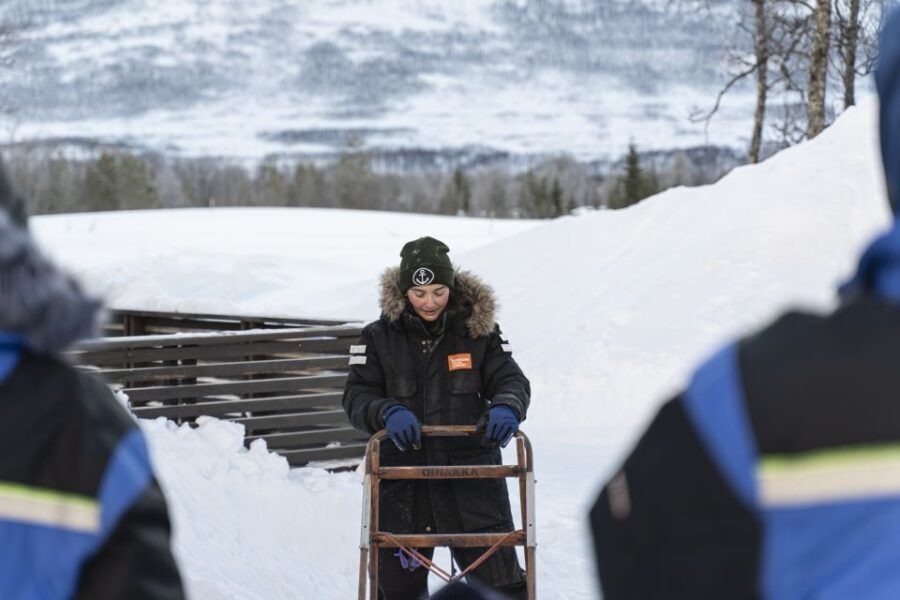
Self-drive means you stand on the runners at the back of the sled. You hold the handlebar, you work the snow brake (a metal claw you stomp into the snow with your foot), and you steer by leaning. There’s a guide in front on a snowmobile or another sled, but the team is yours. You can fly. You can also tip the sled if you take a corner badly. People do tip them. The guides shrug, help you up, the dogs wait, and you keep going.
Passenger means you sit in the sled wrapped in reindeer hides while a professional musher stands behind you. You’re closer to the dogs, lower to the snow, and you can actually look around without worrying about steering. Couples often do this with one person driving and one sitting, then swap halfway.
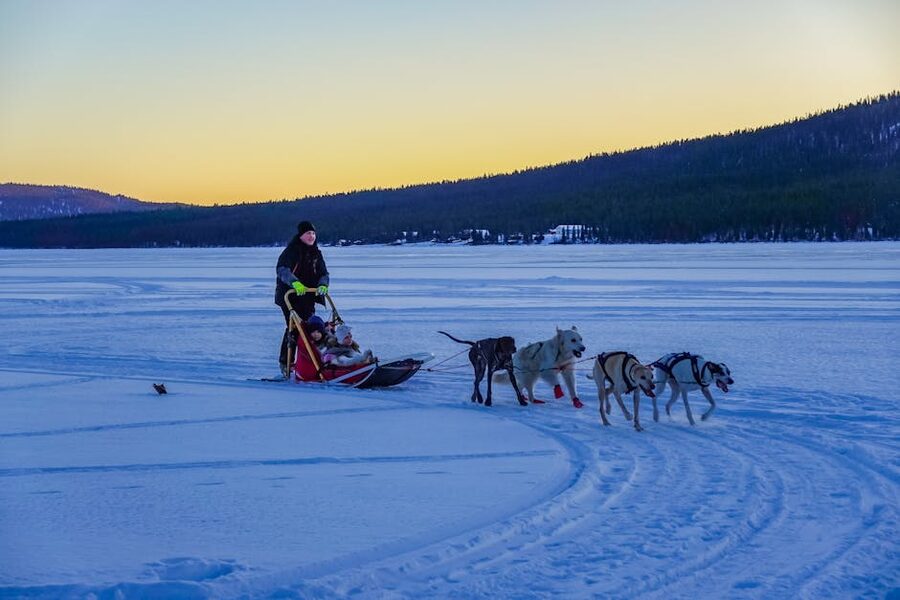
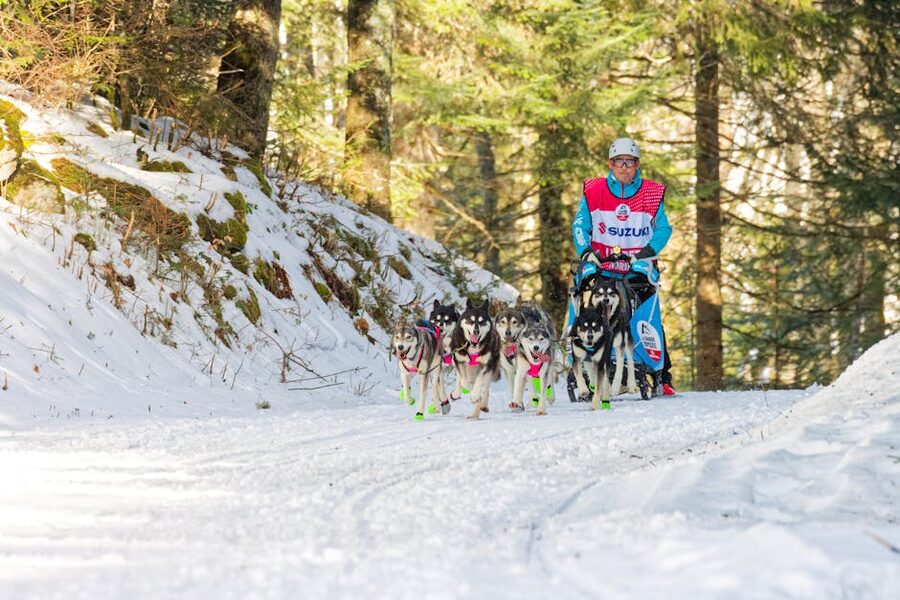
If you’ve never done it, most people are happiest in a passenger sled. The self-drive thing sounds amazing in your kitchen at home and then you’re standing on a sled with twelve sled dogs about to tear off, and you realise you have no idea what you’re doing. That’s part of the fun, but it’s also why the passenger option exists. Don’t feel like you have to prove anything.
If you’re a confident outdoors person, go self-drive. The control is the whole point. You learn the brake in about ninety seconds and after the first kilometre you stop white-knuckling the bar.
How the booking actually works
Most Tromsø husky tours run as half-day experiences. The advertised duration is usually 4 to 4.5 hours, but only about 60 minutes of that is actual sledding. The rest is transfer, kitting up, briefing, and the lavvu break afterwards.
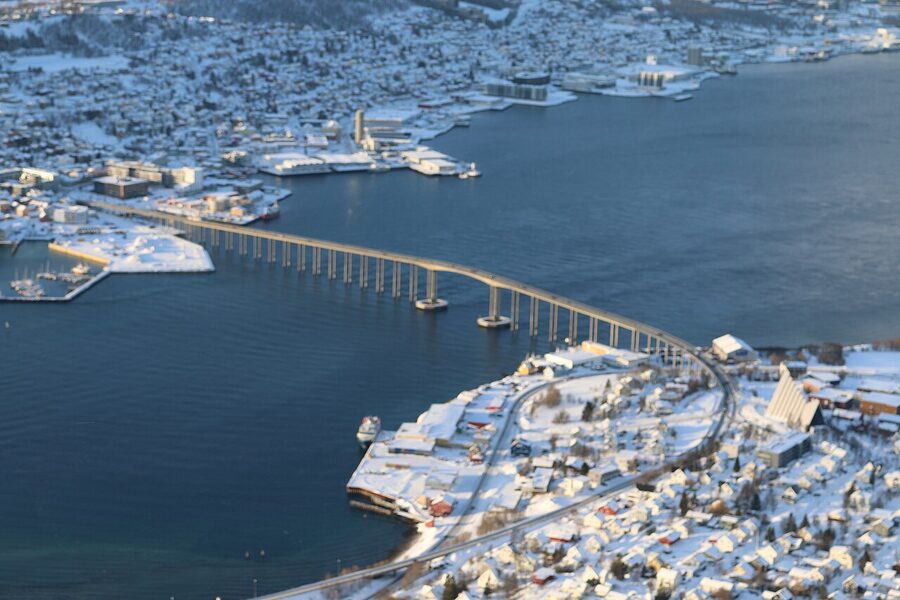
You book online, you get a meeting point (usually outside one of the central hotels on Storgata or the waterfront), and a minibus picks you up. The kennel is normally 30 to 40 minutes outside the city, often on Kvaløya island or further east toward Breivikeidet. They have spare thermal suits, balaclavas, mittens, and big winter boots that go over whatever you’re wearing. You’ll need them.

_04.jpg)
Booking timing matters. Husky season in Tromsø runs roughly mid-November through early April, depending on snow. Christmas, New Year, and February half-term week sell out weeks in advance. If you’re going then, book before you fly. The rest of winter you can usually find space three to five days out, but the popular morning slots go first.
Cancellation policies are mostly 24 hours full refund, then nothing. A few operators give you a partial refund up to 4 hours before, but assume not. If the weather is genuinely dangerous, the operator cancels and you get a full refund. They don’t run tours in storms; the dogs hate it and the guides know it.
What you’ll pay
Real prices for a half-day self-drive husky run sit around $280 to $360 per person right now. The cheaper end is usually the simpler tours that skip the lunch or run shorter. Anything under $200 is suspicious; check what’s actually included before you book. Anything over $400 is starting to charge for things you don’t need (private transfer, restaurant lunch, premium photo package).
Passenger tours run roughly $50 to $80 cheaper than the self-drive equivalent. You’re getting the same sledding distance, just not the controls.
The three best operators in Tromsø
I’ve ranked these by booking volume, repeat customer reports, and what actually shows up in the GetYourGuide reviews when you read past the first page. All three run reputable kennels and follow Norway’s strict husky welfare standards.
1. Tromsø Self-Drive Husky Dog Sledding Adventure: $351
This is the default pick if self-drive sounds appealing. You get your own sled, six dogs, a proper briefing, and a guide who actually teaches you how to brake into corners rather than letting you figure it out at 20km/h. Our full review covers the kennel logistics and why the lavvu break at halfway matters more than people expect. The Alaskan huskies here are bred specifically for this terrain, not Siberian show lines.
2. From Tromsø: Fun and Easy Dog Sledding Adventure: $282
This is the one to book if standing on a sled at speed sounds like work. You ride as a passenger, wrapped in furs, while a professional musher handles the team. It’s still 4.5 hours total, still based at a real kennel near Breivikeidet, still hot drinks in the lavvu after. Our review spells out the family-friendly bits, including why kids under six tend to do better here than on self-drive runs.
3. Husky Sled Self-Drive with Traditional Lunch: $282
If you want the self-drive experience without the top-tier price, this is the one. The sledding portion is slightly shorter than the premium tour and the route is less dramatic, but you get a full Sami-style lunch (usually bidos, the traditional reindeer stew) by the open fire. Our review covers the small-kennel feel here, which works in your favour for staff attention but means group sizes are tighter.
What actually happens at the kennel
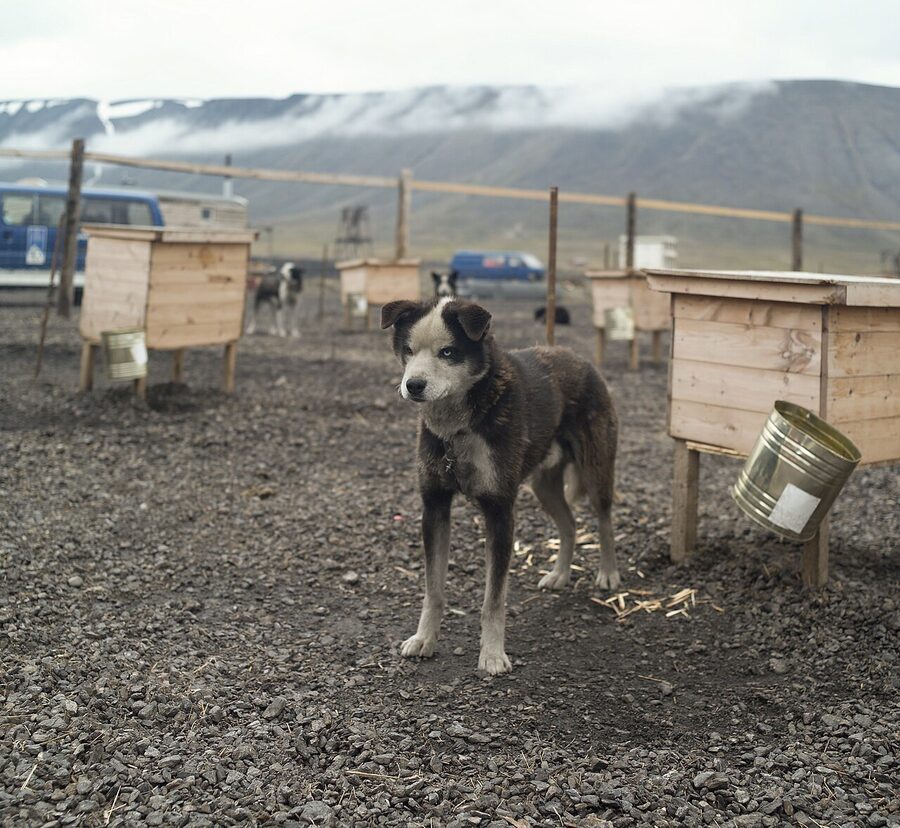
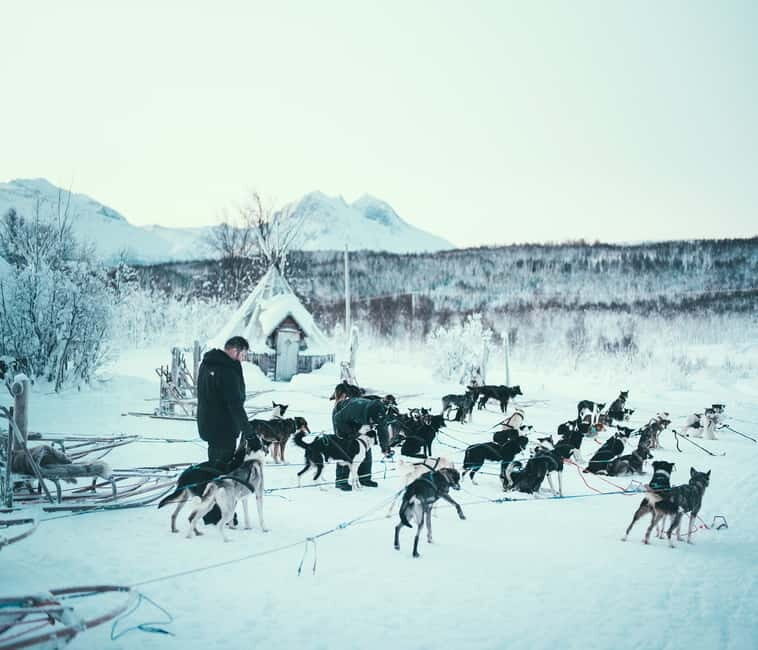
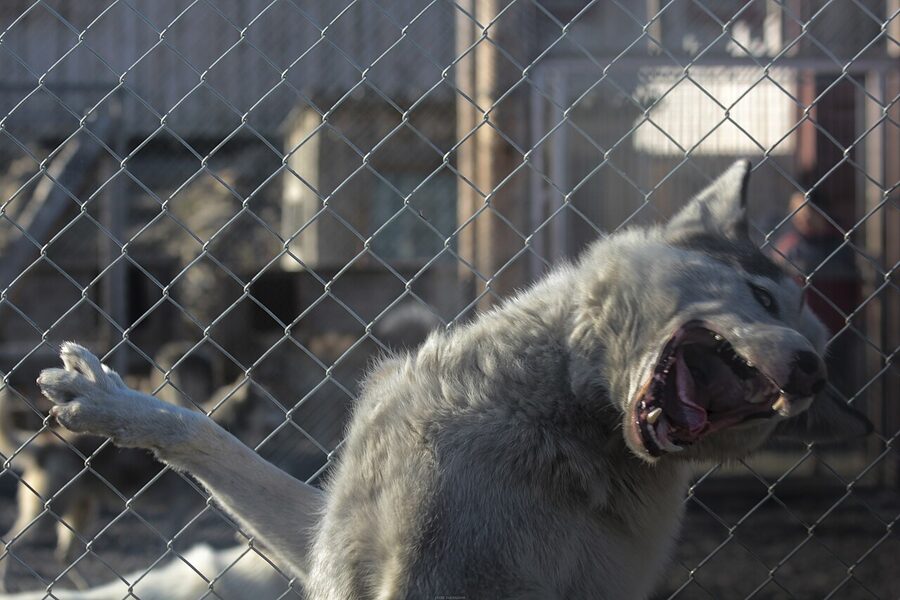
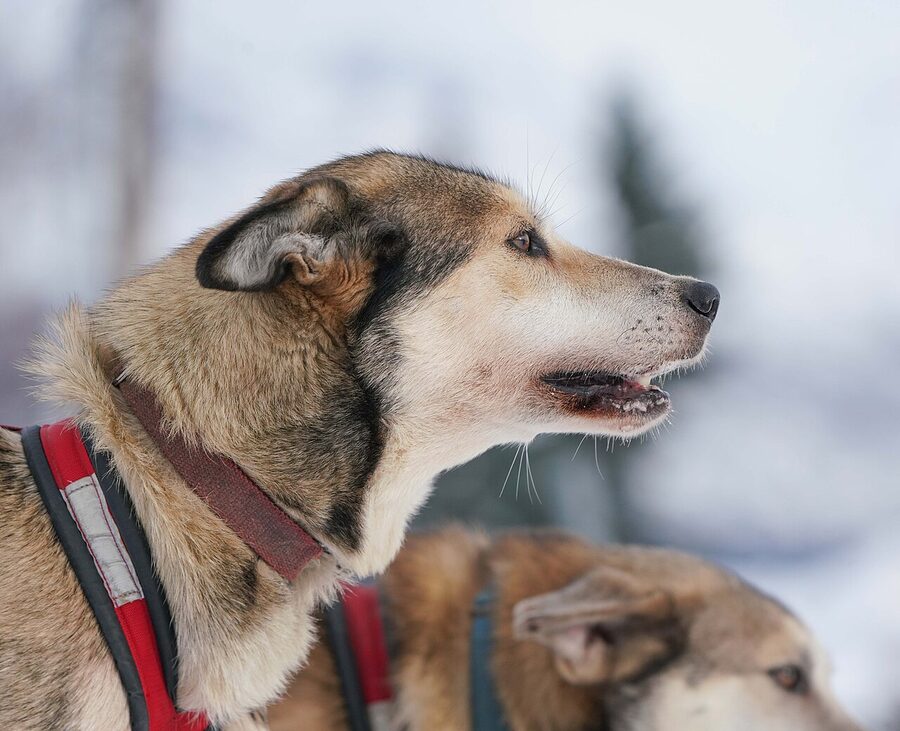
You arrive after the minibus drops you off. Twenty to a hundred dogs are tethered around the yard, and they all start screaming the moment they see strangers. This is normal. They’re not in distress; they’re excited because they know what visitors mean. It’s an extraordinary sound. Bring earplugs only if you have very small kids.


.jpg)
You’ll get suited up in a heated room. Thermal overall, balaclava, gloves over your gloves, big rubber boots over your boots. You’ll feel like a marshmallow. That is correct. The first time you step outside in the full kit it’ll feel ridiculous, then ten minutes later when you’re moving at speed against the wind you’ll be glad of every layer.
The briefing covers three things: how the brake works, how to stay on the sled, and what to do if you tip. Spoiler on the last one: hold onto the sled. Don’t let go. The dogs will run home without you and they don’t slow down. If you can keep gripping the bow even while you’re being dragged, the team will eventually stop. If you let go, you’re walking back.
Right before the run: the holding stage
This is the loudest part of the whole experience. The handlers walk each dog out of its stall, clip them into the harness, and hook them onto the gangline in pairs. The dogs go absolutely feral. Howling, jumping in their harnesses, biting the snow, occasionally nipping their teammates. Your sled has a heavy snow brake holding everything in place plus often a second handler standing on the back. You climb on, plant your boots on the brake, and grip the bar.
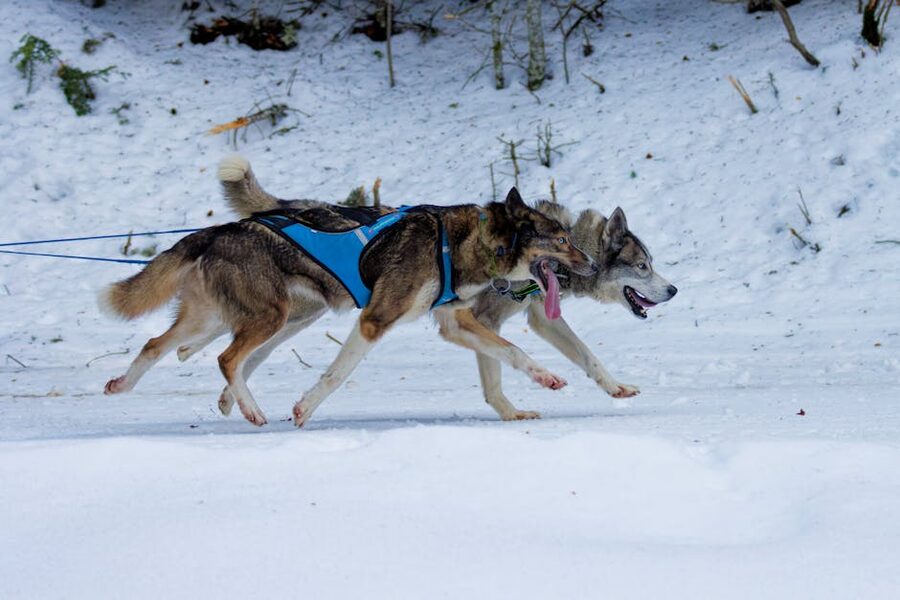
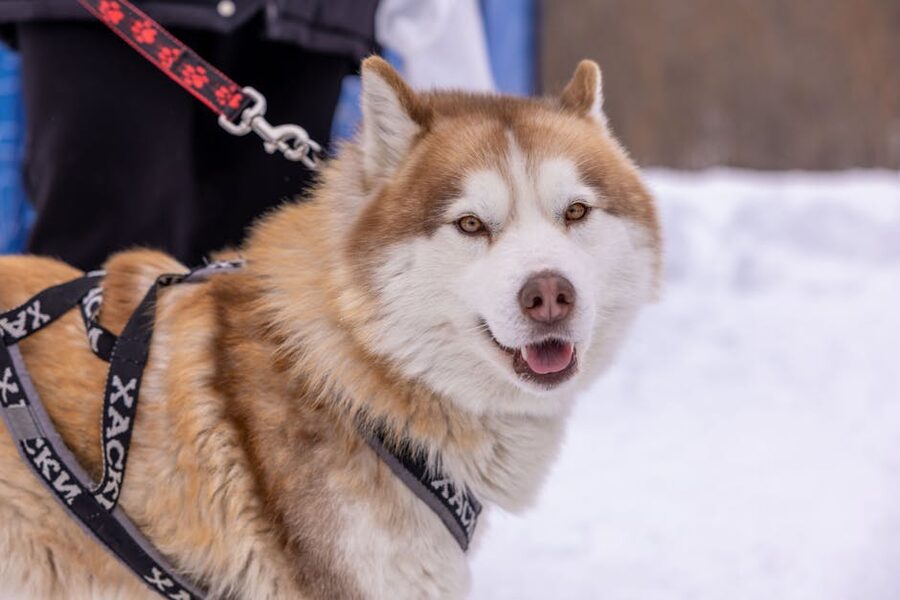
Then the guide gives you the nod. You lift your boot off the brake. The team launches forward and the noise stops. That’s the bit. That’s why people come.
What it actually feels like once you’re moving
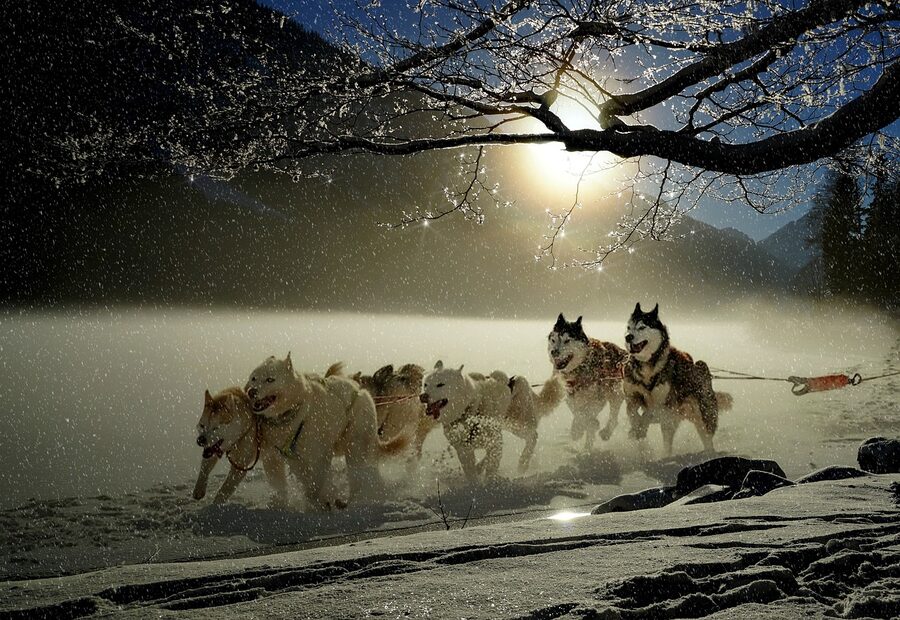
Faster than you’d expect. You’re cruising at maybe 15 to 20 km/h on the flat, which doesn’t sound like much, but you’re inches off the snow and the wind is hitting you square in the face. Your eyes will water unless you have proper goggles, and the cold reaches you in waves whenever the trail dips into a hollow.
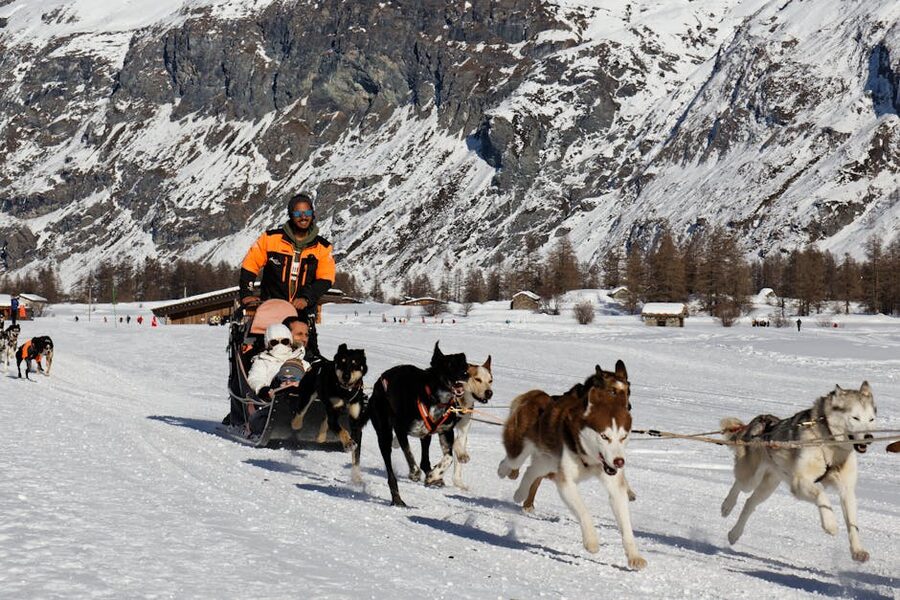
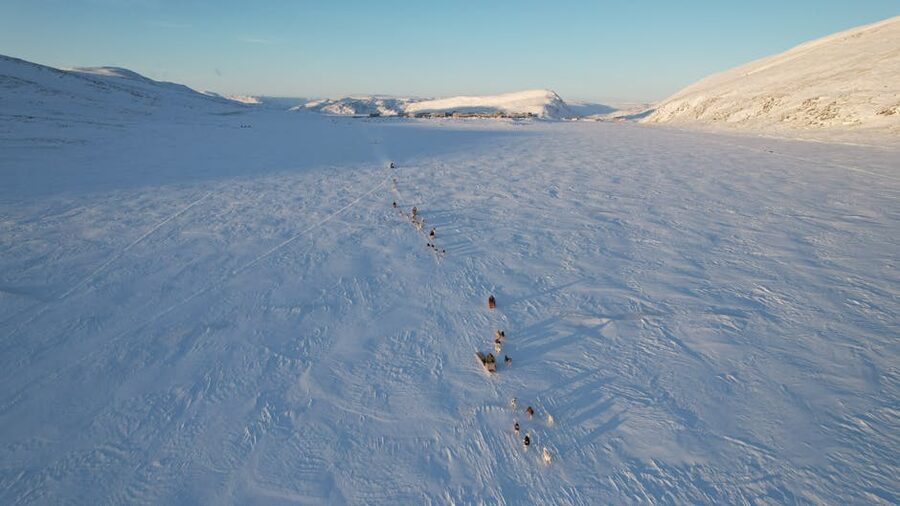
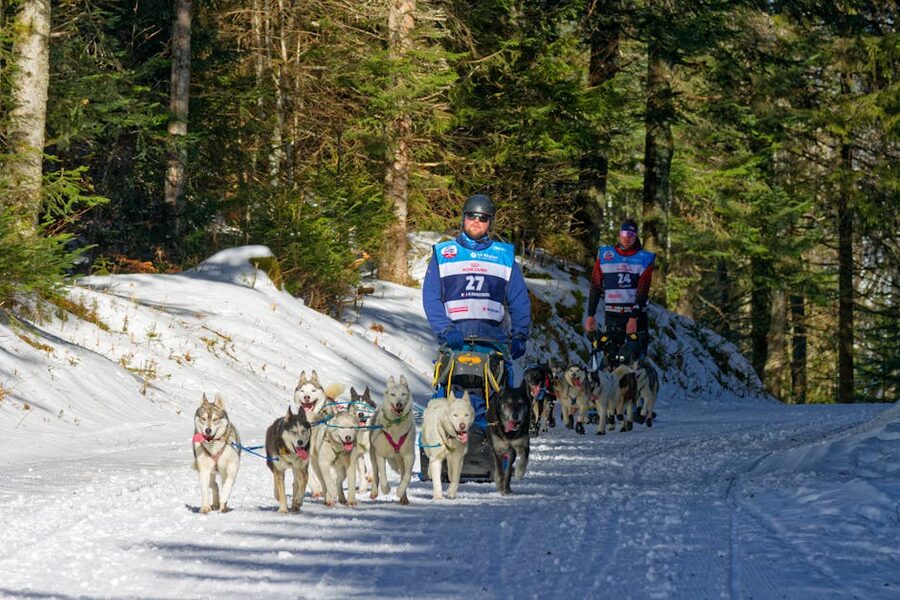
The dogs settle into a rhythm after about five minutes. Their tongues come out, they stop yelping, and the only sound is their feet on the snow plus your runners. It’s hypnotic. There’s a moment, usually about fifteen minutes in, when you stop concentrating on the brake and just look up. The trail’s been climbing through forest, the trees thin out, and you’re suddenly on an open snow plain with mountains in the distance and nobody else for miles. That’s when most people get the I-can’t-believe-I’m-doing-this feeling.
You’ll have to brake on the downhills. Stomp the metal claw into the snow with your boot, lean back, the team slows. Take your foot off, the team accelerates. There’s a foot-board between the runners as a softer brake for cruising speed adjustments. Most guides will tell you to use the foot-board liberally and the snow brake only on real descents.
The lavvu stop
Roughly halfway through the loop you’ll pull up at a Sami-style lavvu, which is a conical canvas tent with a fire pit in the centre. The smoke goes up through the hole at the top. Inside is reindeer hide on the benches, hot drinks, sometimes lunch.
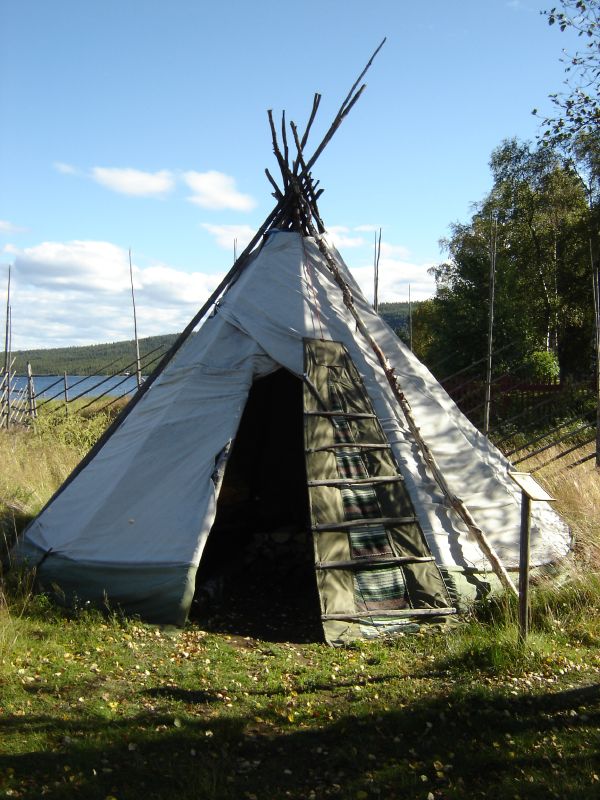

If your tour includes the traditional lunch, you’ll get bidos here. Bidos is a thick reindeer stew with potatoes and root vegetables, served in wooden bowls. It’s salty, fatty, deeply restorative. Vegetarians get a vegetable equivalent if they ask in advance. You’ll want it; the cold bites harder once you stop moving and the lavvu fire is what saves the experience from being purely brutal.
Toilets at the lavvu are usually outhouses, sometimes none at all. Use the one at the kennel before you set off. This is genuine advice, not a tip from a brochure.
Best time to book in the season
Snow conditions in Tromsø are reliable from late November through early April most years. Within that window, here’s how the months actually feel.
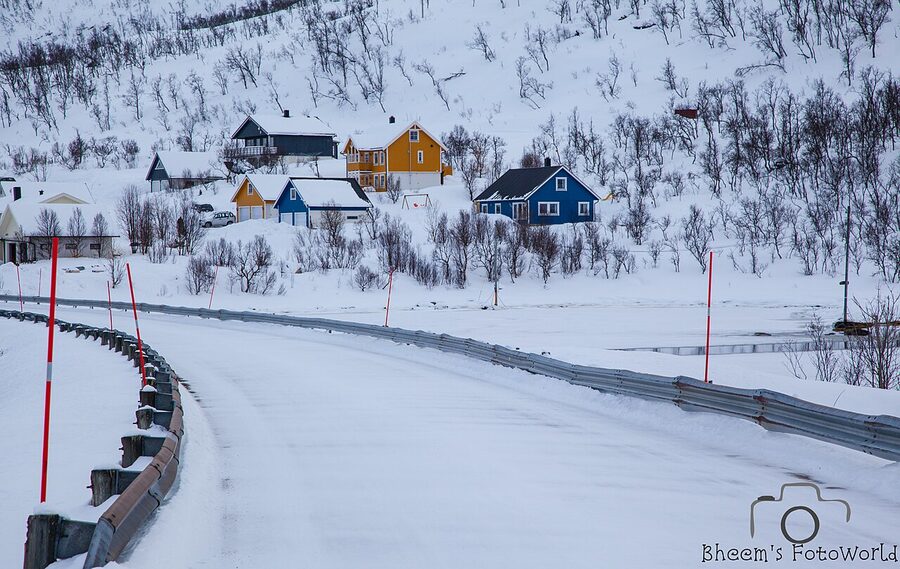
Late November to mid-December is shoulder season. There’s snow but not always enough for the longest routes. Operators run shorter loops and prices are slightly lower. The polar night means there’s no proper daylight, which sounds depressing but the blue twilight from 10am to 2pm is photographically extraordinary.
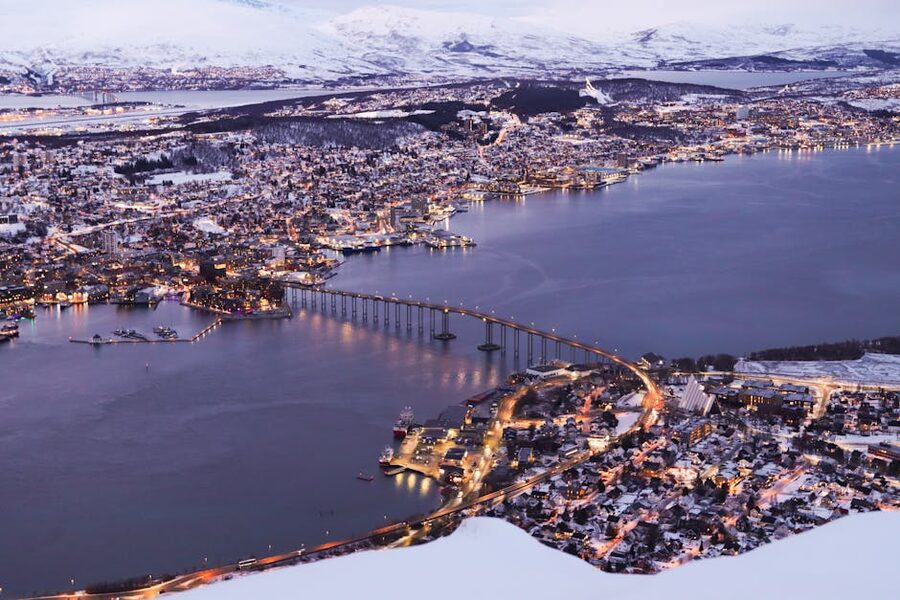
Mid-December through January is peak Christmas demand. Book months ahead. Snow is usually solid, conditions are stable, and a fair share of operators run special evening tours under the aurora. Worth knowing: the dogs aren’t running fastest in the deep cold, so don’t expect race-pace speeds.
February is the sweet spot for most international visitors. Daylight is back to roughly 8am to 4pm, snow is at its deepest, and the dogs run in their fittest condition because they’ve had a full month of training. Aurora odds are also high if the skies cooperate.
March means longer days, often warmer afternoons (zero to minus five rather than minus twenty), and more energetic dogs. The downside is variable snow on the lower trails. April is the very end of the season; some operators close mid-month if the snow goes patchy.
Should you go on the same day as a Northern Lights chase?
Plenty of people try to fit both into one day. It works, but you’ll be tired. A morning husky run finishes around 1pm, you’re back at your hotel by 2:30pm, and most aurora chases leave at 6pm or 7pm. That’s a four-hour gap to nap and refuel, which is fine but not generous. If your trip is longer than three nights, book them on separate days. If you only have two full days, doing both in one day is reasonable. Our Tromsø Northern Lights guide covers the chase logistics in detail.
What to wear under the thermal suit
The operator gives you the outer layer. You provide everything underneath. Get this wrong and the cold will find you within twenty minutes.
Base layer: merino wool top and bottoms, not cotton. Cotton holds sweat against your skin and freezes you from the inside. Mid-layer: a thick fleece or wool jumper. Outer layer (your own): a regular winter jacket and trousers, which the thermal suit goes over. On your feet: thick wool socks (two pairs is fine if your boots fit; not if they’re tight). Hat under the balaclava if you have one.
Hand warmers (the chemical kind, available at any pharmacy in town) are worth their weight in gold. Stash one in each glove. Same for toe warmers. The operator’s mittens are huge but they don’t always seal at the wrist.
Camera advice: leave the DSLR in the bus. Bring a phone in an inside pocket. Pull it out at the lavvu stop, take your shots, put it away. Cold drains phone batteries in minutes. A spare battery in your inside chest pocket gives you a backup. GoPros mounted on the sled work but only if you’ve practised attaching them with frozen fingers.
Common questions before you book
Is it ethical?
At the established Tromsø kennels, yes. Norway has some of the strictest animal welfare regulations in Europe, and the operators that show up on GetYourGuide and Viator with thousands of reviews are the same ones that pass repeated welfare inspections. The dogs in this area genuinely love running. They’re bred for it across generations, they’re worked hard but well, and they’re not muzzled or beaten or starved.
That said, you can read the kennel before you book. Look at how many dogs they have versus how many tours they run per day. Look at whether they keep specific dog names on their site. Look at whether they offer kennel-only visits in summer (a sign that the operation is interested in the dogs as more than seasonal labour). The big three operators in this guide all check those boxes.
The cheaper, less-reviewed kennels deeper outside town are sometimes a different story. Stick to the established ones for your first time.
Can kids do it?
Most operators allow kids from age 4 or 5 as passengers. Self-drive usually starts at 16 or 18 because of the strength needed for the brake. Smaller kids ride with a parent in the passenger basket, wrapped in furs. The minibus transfer can be a long sit for a five-year-old; bring snacks.
Do you need experience?
None. The briefing assumes you’ve never seen a sled in your life. Most people learn the brake, the body lean, and the verbal commands (“hike” to go, “easy” to slow, “whoa” to stop) within the first ten minutes. The dogs already know the route; you mostly just have to not fall off.
What if I get cold halfway through?
You can usually swap to passenger mode at the lavvu stop. Tell your guide on the way out if you think you might need to. Mid-route swaps are harder logistically but most operators will work with you. The lavvu is heated, so the worst part of the cold lifts as soon as you step inside.
Is it disappointing if I’ve seen it on TV?
No. Genuinely no. The thing TV doesn’t capture is the volume in the kennel before the start, the precise moment of release, and the smell of wet dog and woodsmoke at the lavvu. You can’t film any of that. Even people who’ve already done it in Lapland say Tromsø feels different because the terrain is more dramatic.
Getting to Tromsø in the first place
Tromsø Airport (TOS) has direct flights from Oslo, plus seasonal connections from London, Munich, and a handful of other European capitals. Flight time from Oslo is about 2 hours. The airport is a 10-minute drive from the city centre; an Airport Express bus runs roughly hourly and a taxi costs about 250 NOK.
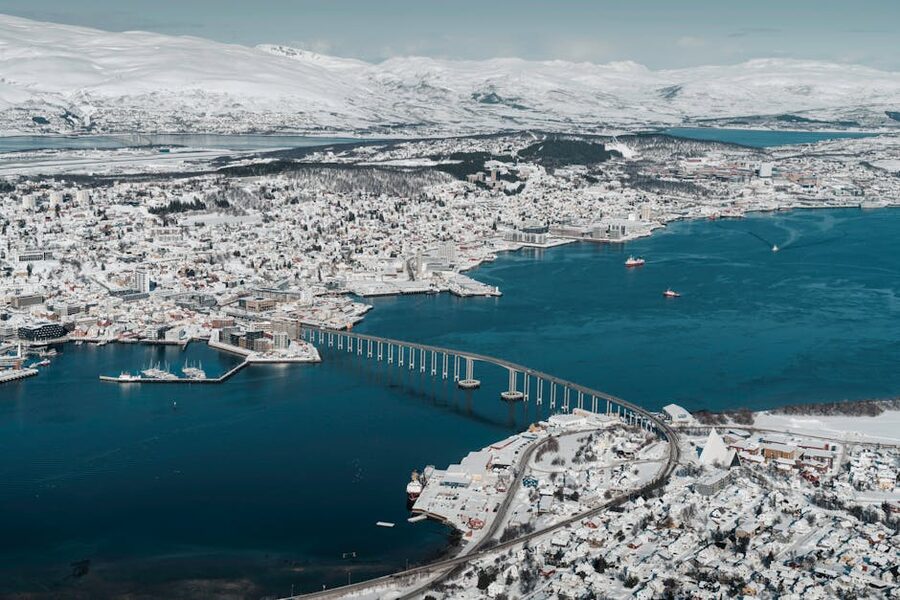
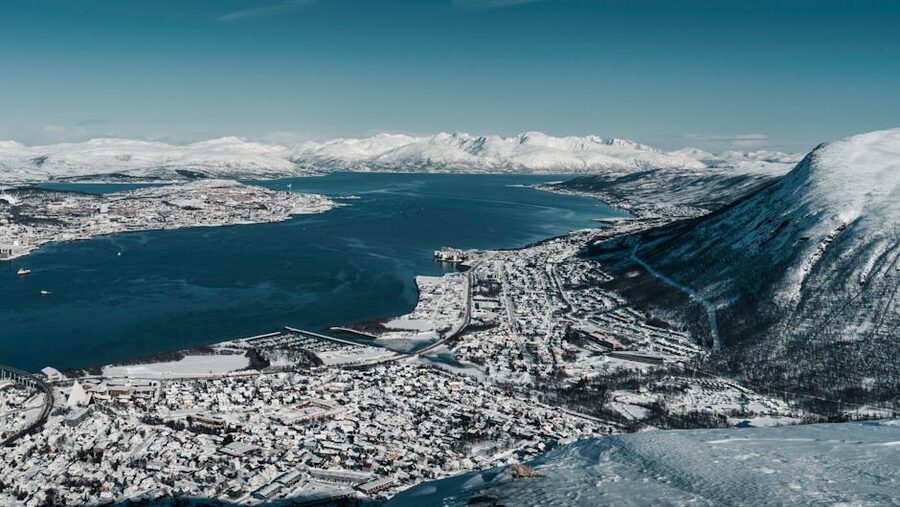
Stay near the harbour. The Scandic Ishavshotel and the Radisson Blu are two of the most popular meeting points for tours; if your hotel is right there, you save 15 minutes of walking with frozen toes every time. Budget options are the Tromsø Activities Hostel and the Comfort Xpress.
For getting around the city itself, walk. Tromsø has buses but the centre is small enough that they’re rarely worth it for travellers. Wear proper winter boots with good grip; the pavements are snow and ice from late November onwards.
The other Tromsø winter experiences worth pairing
Husky sledding is the marquee activity, but it’s not the only one. The smart play is to book one big experience per day across a 3 to 4 day stay rather than cramming everything into a single 24-hour blitz.
If you want a different style of Arctic-animal experience, reindeer sledding runs at a completely different pace. The reindeer walk where the huskies sprint, and the focus is more on the Sami cultural experience than the speed. People often do both in the same trip and don’t find them repetitive.
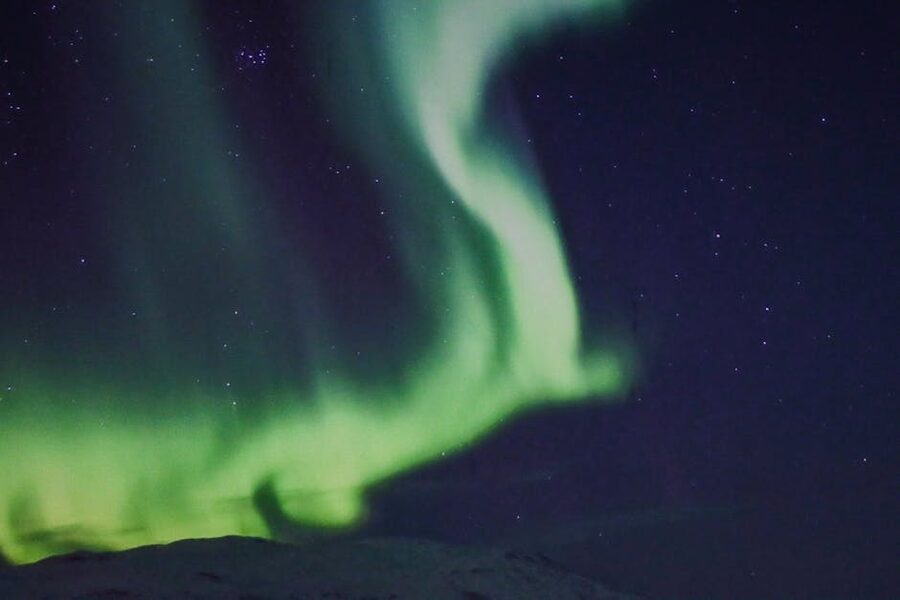
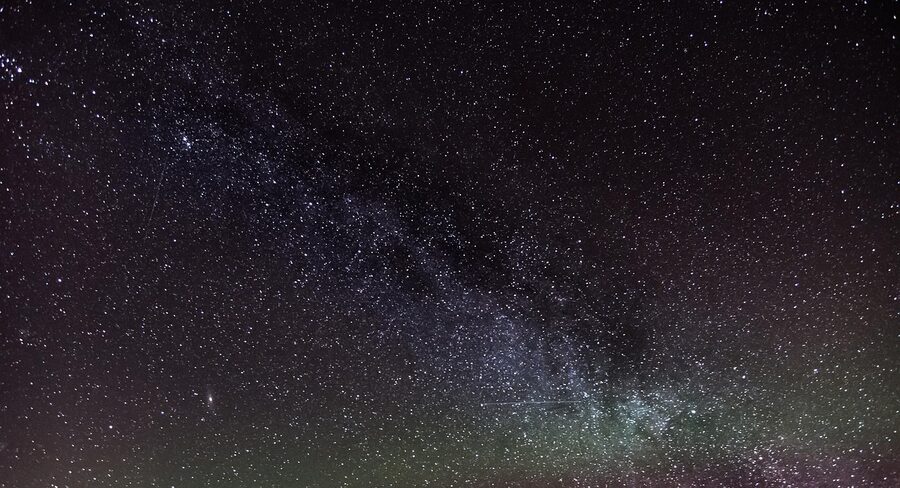
For a daytime trip out of town that doesn’t involve animals, a Sommarøy Islands tour takes you to white-sand beaches an hour west. It sounds absurd to talk about beaches at 70°N until you see them. The other water-based option is a fjord and fishing cruise where you catch cod, see fish-drying racks, and have lunch from the catch.
Why Alaskan huskies, not Siberian
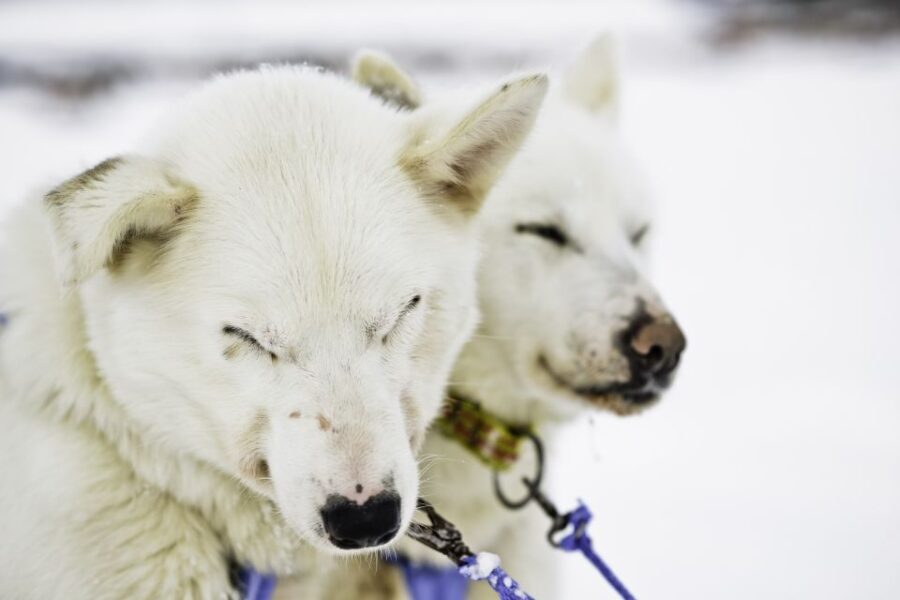
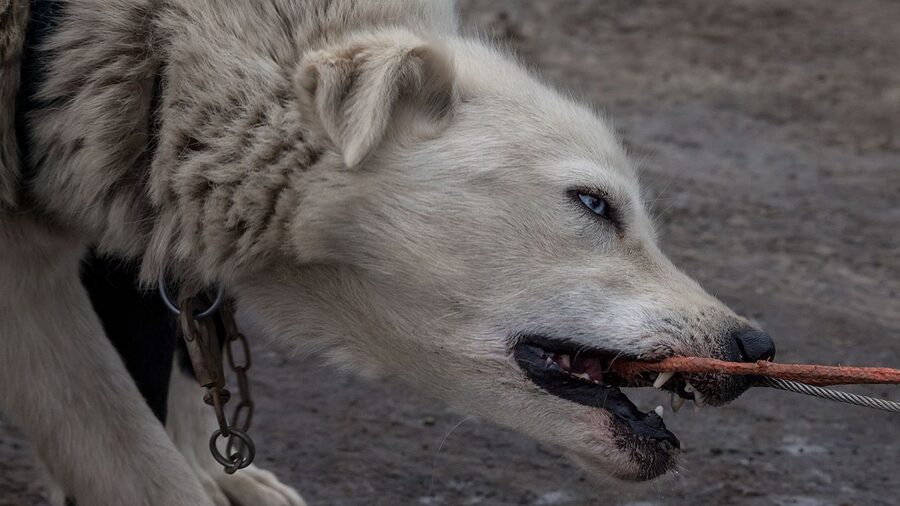
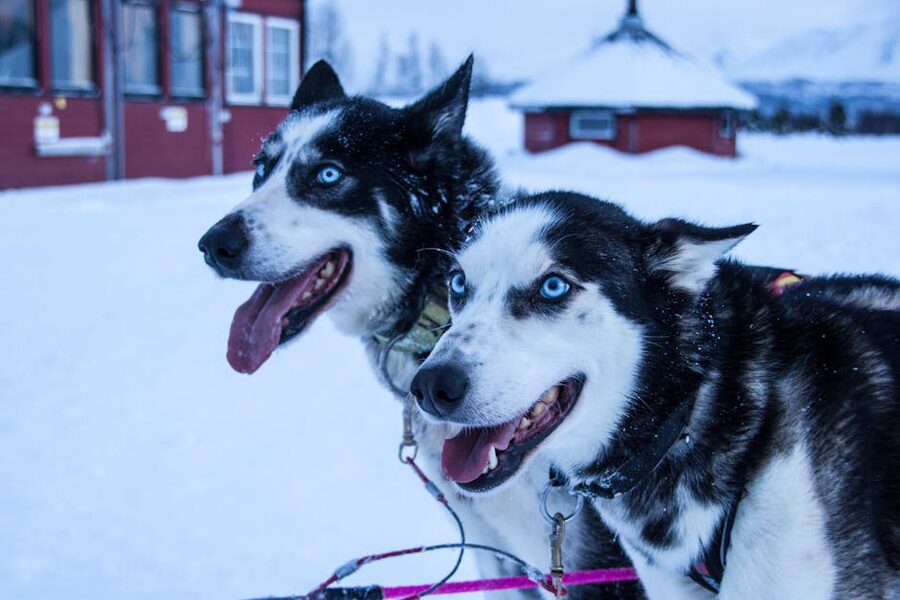
Worth knowing because it’ll come up at the kennel. Most working sled dogs in Tromsø are Alaskan huskies, which are not a registered breed but a working type. They’re crossbred over generations from Siberian huskies, Alaskan malamutes, German short-haired pointers, and even greyhound stock in some lines. The result is leaner, faster, and tougher than the show-line Siberians you might be picturing.
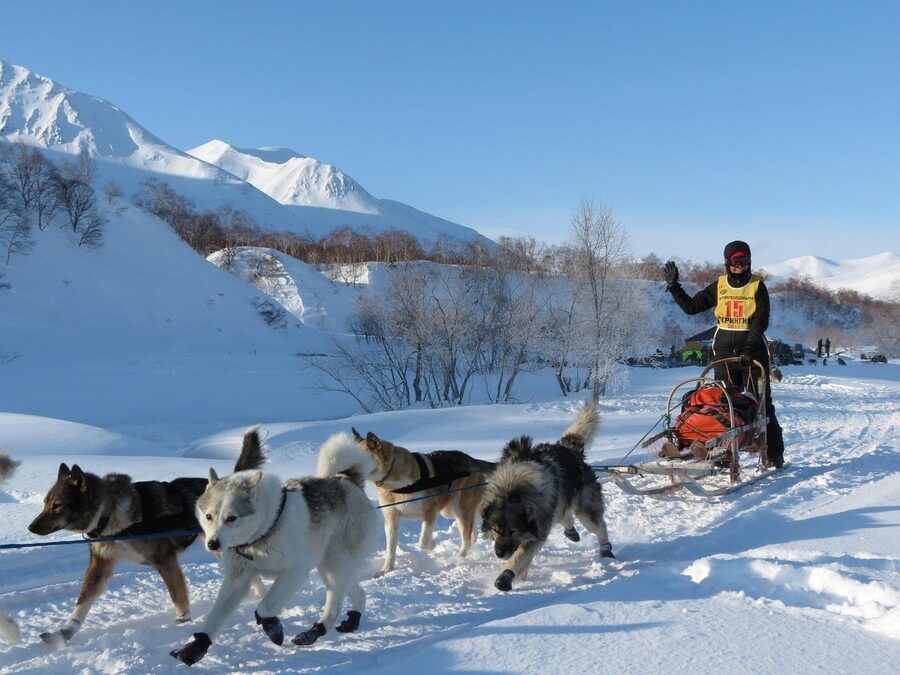
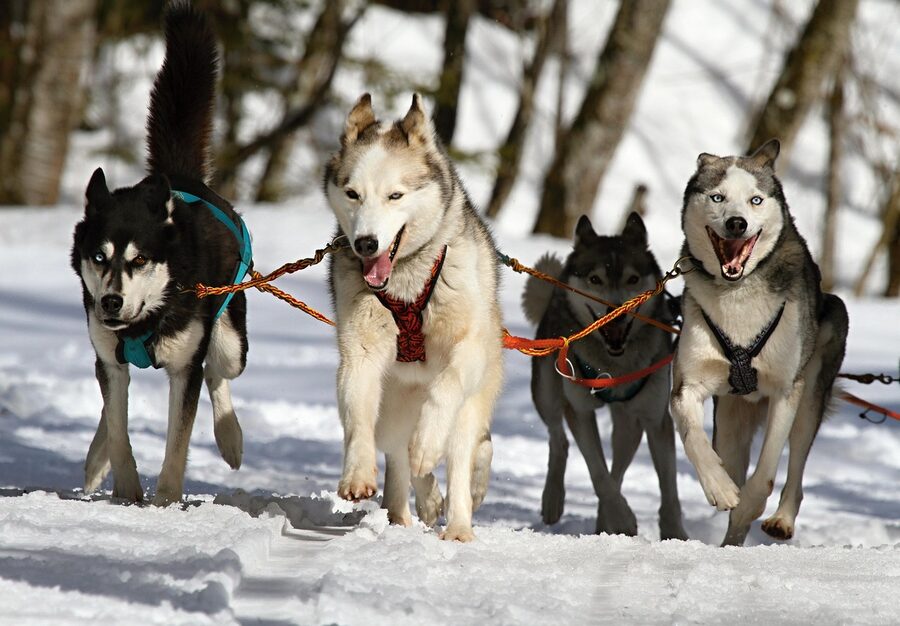
This is why the dogs you meet might not look like the cover of a children’s book. They’re working athletes. Lower coats, often mismatched ear sets, eye colours all over the place. Don’t be disappointed; these are the dogs that win the Finnmarksløpet, Norway’s 1,200km race. They’re built for what you’re about to do.
One on Siberian show types
You’ll meet a few Siberians at smaller kennels and on social media; they exist on Tromsø teams but they’re a minority. The fluffy, blue-eyed ones in adoption ads are mostly companion dogs in Russia and Canada, not pulling sleds in Norway. If you specifically want to see Siberians, ask the operator before booking. Some lean that way deliberately.
The kennels you’ll encounter and what makes them different
Tromsø has roughly fifteen husky operators of varying sizes. The four or five that dominate online bookings tend to share certain features: 50 to 200 dogs, professional welfare standards, multiple tour options across the week, and bilingual guides.
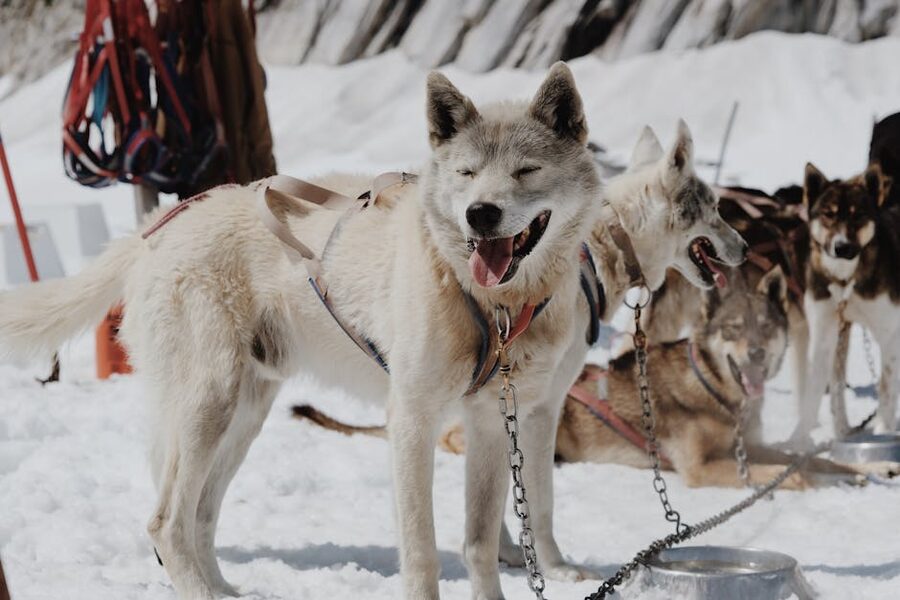
Some lean adventure (longer routes, faster pace, fewer rest stops) and some lean cultural (more Sami context, more lavvu time, more food). The price difference is rarely about the dogs. It’s about the lavvu, the lunch, and the transfer length. Cheaper tours often run shorter sledding distances or skip the hot meal.
The kennel you don’t want is the one with thirty-plus customers per session, three-stage briefings on a microphone, and a cafeteria-style lunch. They exist. They’re not bad necessarily, but they don’t feel like the Arctic adventure you flew in for.
One last thing to plan around
If your only goal in Tromsø is huskies, you can do this on a 2-night trip. Fly in on a Thursday night, husky tour Friday morning, walk around Tromsø Friday afternoon, fly out Saturday. This works.
If your goal is huskies plus aurora, plan for 3 nights minimum. Aurora chases are weather-dependent and can get cancelled at short notice. Three nights gives you two attempts, which is the difference between probably-seeing-them and definitely-seeing-them.
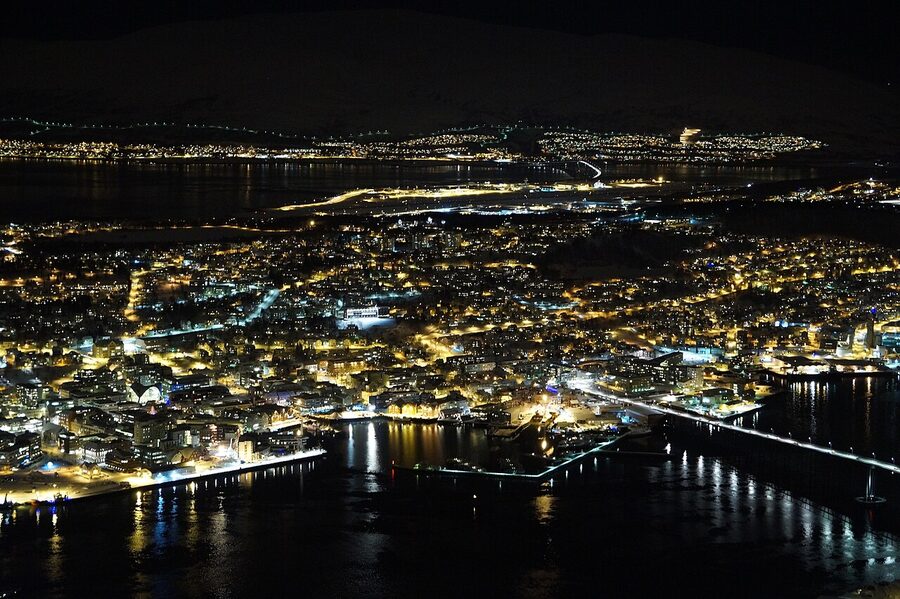


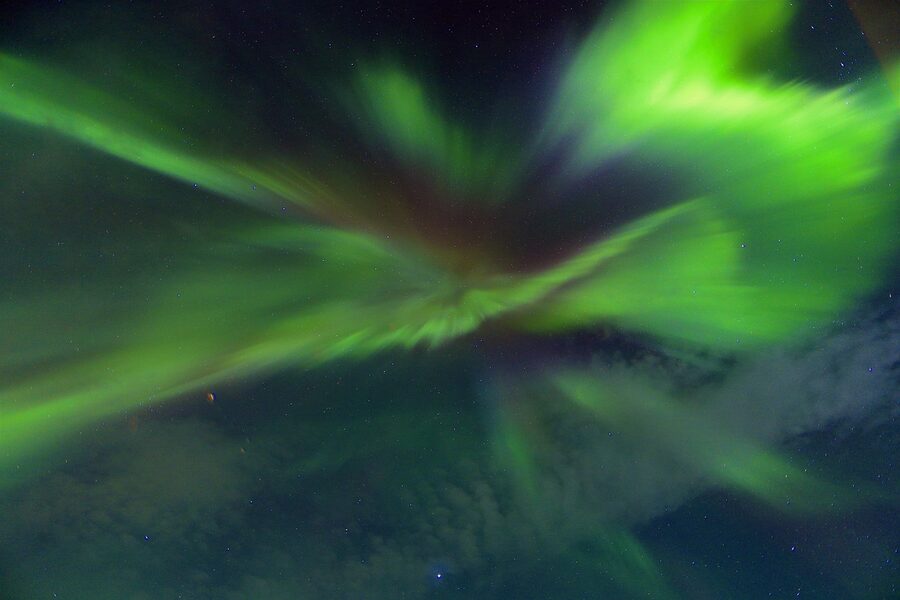
If your goal is huskies plus aurora plus a couple of other Arctic experiences, you’re looking at a 4-night stay. That gets you a husky day, an aurora night, a Sommarøy day trip or a fjord cruise, and a buffer day for weather. Four nights is the sweet spot for a Tromsø winter trip.
What to do once you’ve sorted the husky day
Once your husky run is booked, the rest of the trip is easier. Most travellers anchor their Tromsø itinerary around two or three big experiences and leave the gaps for walking around the city, eating well, and sleeping off the cold. The Northern Lights chase is the obvious second pick. Reindeer sledding is the obvious counter-experience to balance out the huskies. A Sommarøy day trip gets you outside the city limits without the wildlife angle, and a fjord and fishing cruise works well for travellers who like being on the water. If you’ve got time before or after Tromsø, the Norway south is another country in feel: the Bergen fjord cruise and Flåm railway are the standard pairings, and Pulpit Rock from Stavanger gives you a very different kind of dramatic landscape.
This guide contains affiliate links. If you book through them we may earn a commission at no extra cost to you, which helps us keep researching and updating these guides.