
The guitarist was already playing when I walked in. Not performing — playing. Eyes closed, fingers moving through a falseta like he was alone in the room. The dancer hadn’t started yet, and the 40-odd people crammed into this tiny Triana venue were dead silent, holding their breath without realising it.
That’s the thing about flamenco in Seville. It’s not a show you watch. It’s a thing that happens to you.
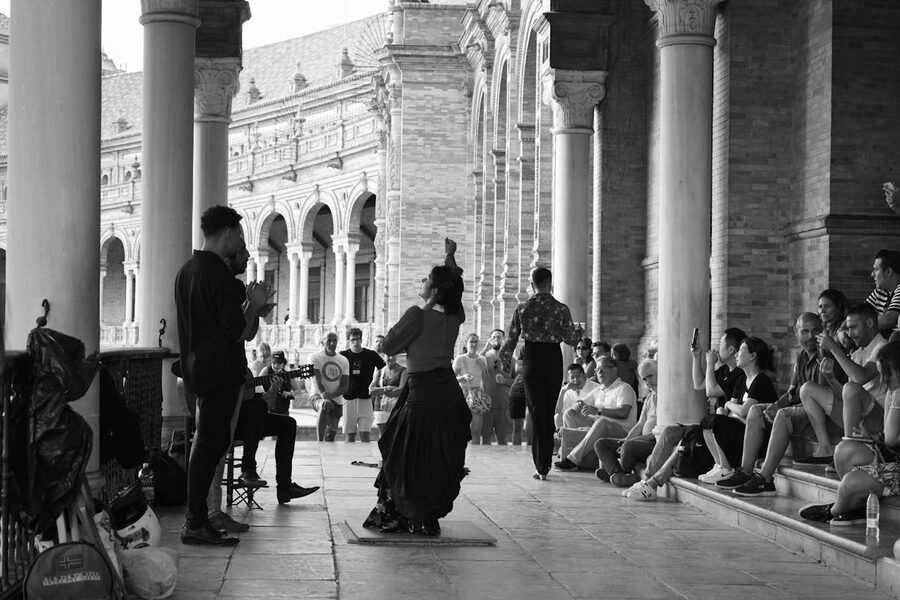
I’ve seen flamenco in Madrid, in Barcelona, in Granada. Seville is different. This is where the art form was born — specifically in Triana, the neighbourhood across the Guadalquivir River, where Romani families developed what we now call flamenco in the cramped courtyards of 18th-century tenement houses. The tradition runs so deep here that you can still hear guitar drifting out of open windows on a warm evening.
But booking a flamenco show in Seville can be confusing. There are tablaos, theatres, intimate peñas, Triana bars, and street performers — all offering wildly different experiences at wildly different prices. Some are worth every euro. Some are tourist traps that would make an actual Sevillano cringe. Here’s how to tell the difference, and which shows are actually worth booking.
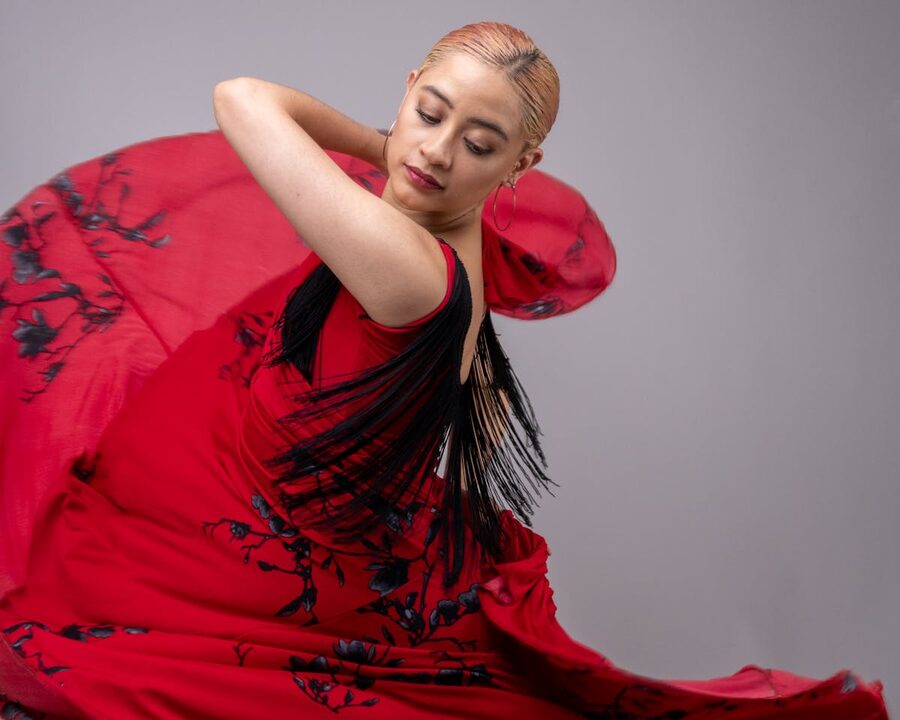
Best overall: Teatro Flamenco Sevilla — $27. Full theatrical production with multiple dancers, proper lighting, and the best sound in the city. Most-booked show in Seville for good reason.
Most intimate: Casa de la Memoria — $28. Tiny 18th-century courtyard venue in Santa Cruz. You sit so close you can feel the floor vibrate under the dancer’s feet.
Best for authenticity: Teatro Flamenco Triana — $28. In the actual neighbourhood where flamenco was born. A stripped-back venue with serious performers and zero pretence.
- Three Schools of Seville Flamenco
- How to Book a Flamenco Show in Seville
- Tablaos vs Theatres: Which to Pick
- The Best Flamenco Shows to Book in Seville
- 1. Teatro Flamenco Sevilla —
- 2. Casa de la Memoria —
- 3. Teatro Flamenco Triana —
- When to See Flamenco in Seville
- How to Get to the Main Flamenco Venues
- Tips That Will Actually Save You Time and Money
- What You’re Actually Watching: A Quick Guide to Flamenco Styles
- The History Behind What You’re Hearing
- While You’re in Seville
Three Schools of Seville Flamenco
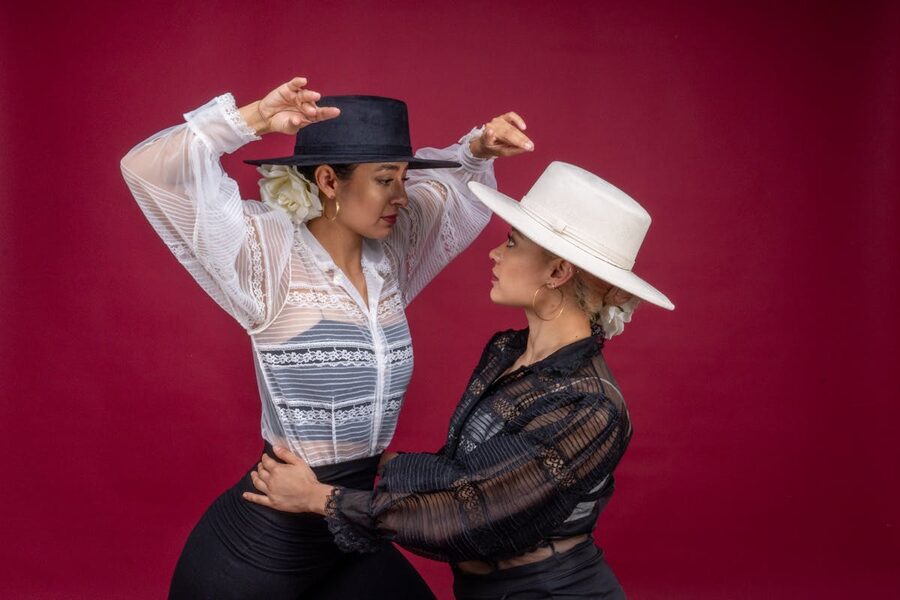
Before you book anything, it helps to understand that Seville flamenco breaks into three distinct worlds, and they couldn’t be more different from each other.
The theatrical shows (tablaos and theatres) are the most accessible. Professional dancers, proper staging, usually an hour long. These are designed for visitors and there’s nothing wrong with that — the performers are genuine artists. Places like Teatro Flamenco Sevilla and the Museo del Baile Flamenco run multiple shows daily with predictable, high-quality performances. If you have one night in Seville and want a guaranteed great experience, this is where to go.
The intimate peñas are private flamenco clubs. Members perform for each other, and shows happen on their own schedule. Getting into a peña as a visitor is difficult but not impossible — some open their doors for special events or if you know someone. The quality is inconsistent (members range from beginners to masters) but when it’s good, it’s unlike anything you’ll see in a theatre.
The Triana bars are the wild card. On any given night, a guitarist might start playing at a bar on Calle Betis or in the side streets behind the market. Someone joins in with palmas (hand clapping), a dancer stands up. It’s raw, unpredictable, and sometimes transcendent. But you can’t book it. You either get lucky or you don’t.
For most visitors, the theatrical shows and intimate venues are the sweet spot — world-class flamenco you can actually plan around. And in Seville, the standard is higher than anywhere else in Spain because the performers grew up surrounded by the art form.
How to Book a Flamenco Show in Seville
Most Seville flamenco venues sell tickets both at the door and online. But here’s the thing — the popular shows sell out, especially during high season (March through June, and September through October). During the Semana Santa and Feria de Abril period, getting same-day tickets to the top venues is genuinely difficult.
Book at least 2-3 days ahead for the venues listed below. A week ahead during peak periods. The small venues (Casa de la Memoria seats about 80 people, for context) fill up fast because everyone recommends them.
Prices range from EUR 22 to EUR 40 for a standard show without dinner. Dinner-and-show packages exist at places like El Palacio Andaluz for around EUR 65-75, but honestly the food at these combos is rarely worth the premium. Better to eat at a proper tapas spot before or after — Seville has some of the best tapas in Spain and wasting a meal on venue catering feels like a missed opportunity.
What to expect at a typical show: Most performances last 60-75 minutes. You’ll see 2-3 dancers rotating, backed by a guitarist and a cantaor (singer). Some venues include one drink. Shows run at either 7pm and 9pm, or 7:30pm and 9:30pm — the later show tends to have a better atmosphere because the performers are warmed up and the audience has had a glass of wine.
Tablaos vs Theatres: Which to Pick
This is the question everyone gets stuck on. Both are proper flamenco, but the experience is quite different.
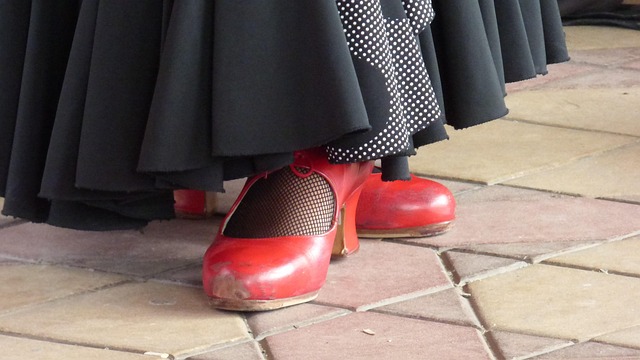
Tablaos (like Casa de la Memoria, La Casa del Flamenco, Tablao Almoraima) are small, intimate spaces. You’re close enough to see sweat on the dancer’s face and feel the vibration of the zapateado through the floor. Capacity is usually 50-100 people. The atmosphere is intense. The downside? Tiny venues means worse sightlines from some seats, and the acoustic can be overwhelming in the front row — the clapping and footwork is loud.
Theatres (like Teatro Flamenco Sevilla, Museo del Baile Flamenco, El Palacio Andaluz) have proper stages, lighting rigs, and sound systems. The productions are more polished — multiple costume changes, choreographed group numbers, theatrical lighting. You lose some of the raw intimacy but gain spectacle. Better sightlines, more comfortable seating, and usually air conditioning (no small thing in a Seville summer).
My take: If it’s your first flamenco show ever, go theatre. You’ll appreciate the full production value and understand the different styles (soleá, bulería, alegría) better when they’re presented clearly. If you’ve seen flamenco before and want to feel the raw power of it, go tablao. And if you’re in Seville for more than two nights, do one of each.
The Best Flamenco Shows to Book in Seville
I’ve narrowed this down to three venues that represent the best of each category. I picked based on performance quality, venue character, and — honestly — whether the booking experience is straightforward and reliable.
1. Teatro Flamenco Sevilla — $27
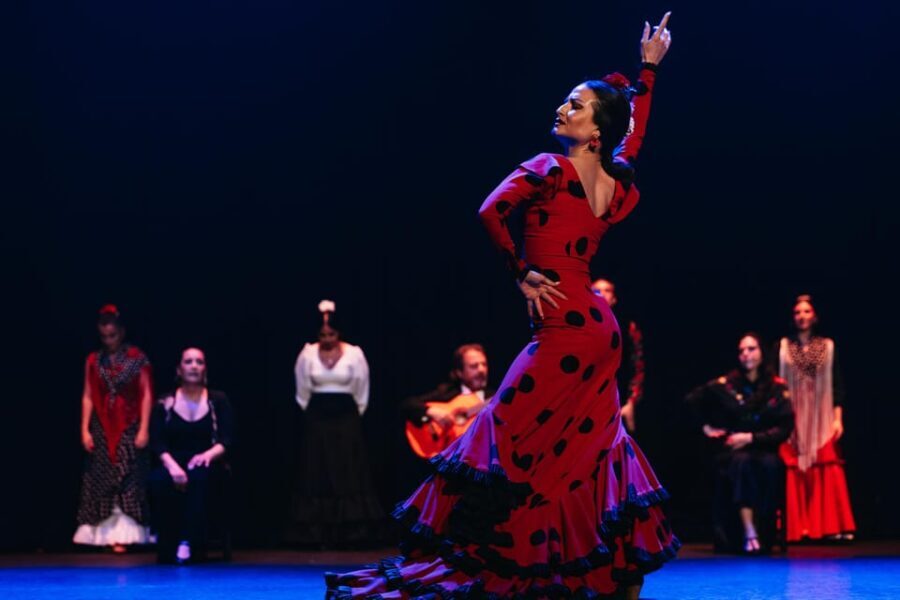
This is the most popular flamenco show in Seville, and for good reason. The Teatro Flamenco Sevilla runs a tight one-hour show with multiple dancers, a guitarist, and a singer in a proper theatrical setting. At $27 per person, it’s also one of the best values in the city. The production quality is high — you get costume changes, dramatic lighting, and choreography that showcases different flamenco styles from soleá to bulería.
The venue is central, easy to find, and the booking process is painless. They run shows daily with multiple time slots. One thing I appreciate: they seat you in order of arrival, so showing up 20-30 minutes early actually matters. Get there on time and you’ll be in the first few rows. Roll up five minutes before and you’re at the back.
Is it the most raw, authentic flamenco experience in Seville? No — that’s not what a theatre does. But it’s the most consistently excellent one, and at this price point, it’s difficult to argue against starting here.
2. Casa de la Memoria — $28
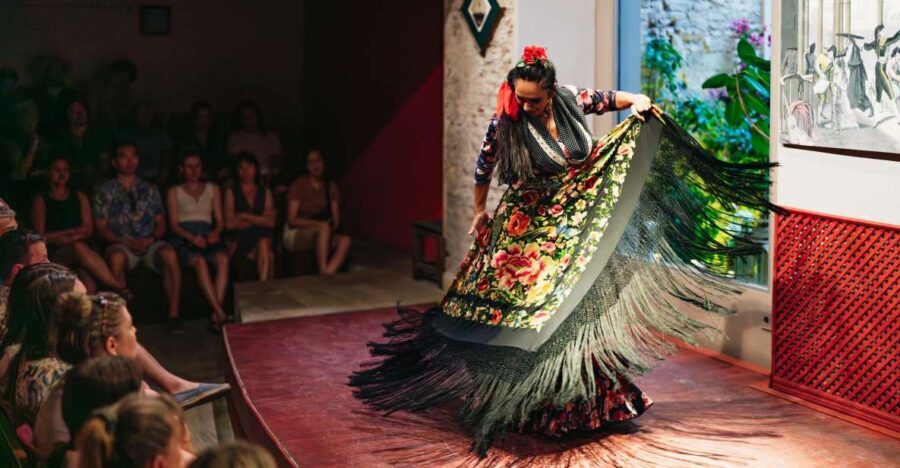
Casa de la Memoria is the opposite of a theatre experience — and that’s exactly the point. This 18th-century courtyard in the Santa Cruz neighbourhood seats about 80 people, and the performers are close enough that you can hear the dancer breathing between the footwork sequences. There’s no stage barrier, no spotlight trickery. Just raw talent in a space that feels like someone’s living room.
At $28 per person, it’s essentially the same price as the Teatro but a completely different experience. The shows are more emotionally intense because you’re so close to the performers. The acoustics in the stone courtyard amplify the guitar and palmas naturally, without speakers. When the dancer stamps, you feel it through your chair.
The downside is capacity. With only 80 seats, this place sells out constantly. Book at least 3-4 days ahead, or a full week during spring. Late arrivals have been turned away even with tickets — they ask you to be there 15-20 minutes before showtime. But if you can get in, this is the flamenco experience that stays with you.

3. Teatro Flamenco Triana — $28
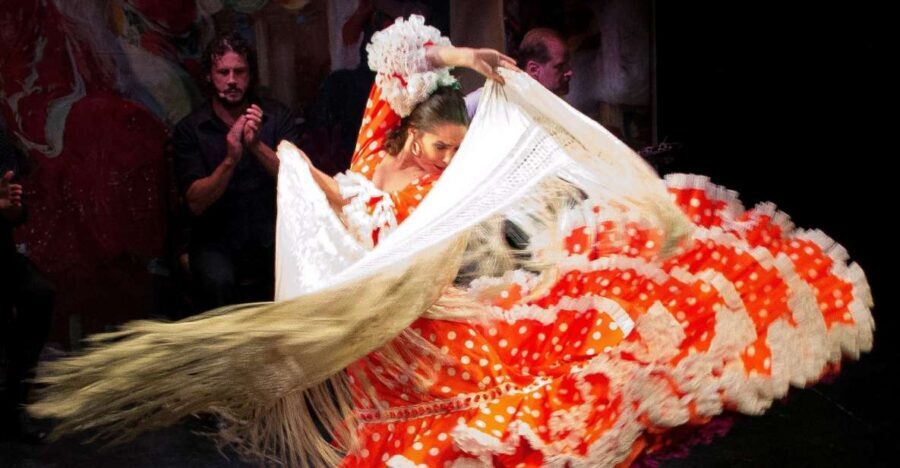
If you want flamenco in the neighbourhood where it was actually born, Teatro Flamenco Triana is the one. Triana was historically the Romani quarter of Seville, and its cramped courtyards — the corrales de vecinos — are where flamenco took shape in the 18th century. The venue sits right in the heart of this neighbourhood, and the performers reflect that heritage.
At $28, it’s a straightforward one-hour show in a smaller, older theatre with plenty of character. No frills. The staging is simpler than the main Teatro across the river, but the quality of the performers holds its own. What you get here that you don’t get elsewhere is context. Walking to the venue through Triana’s streets, past the ceramics shops and the bars where old men still argue about football and flamenco in the same breath — that’s part of the experience.
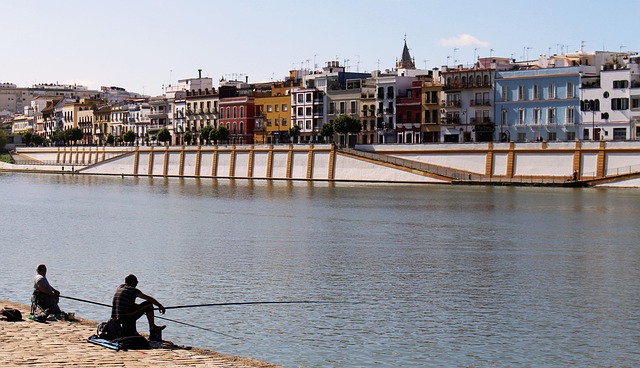
After the show, walk down to Calle Betis along the river for tapas and you might catch spontaneous music in one of the bars. That’s the Triana bonus — flamenco doesn’t stop when the curtain drops.
When to See Flamenco in Seville
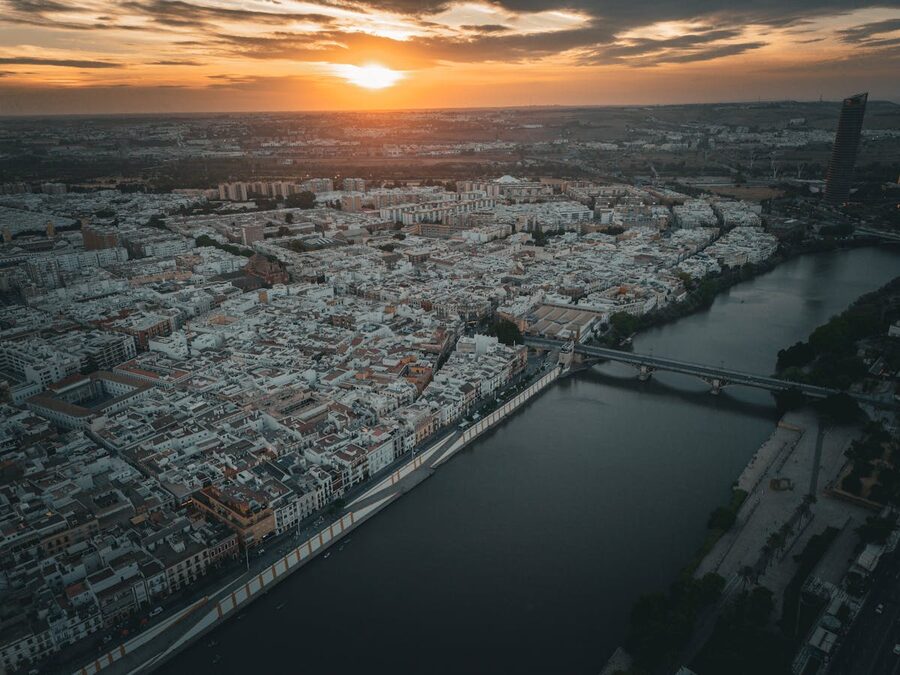
Shows run year-round, but the experience varies with the seasons.
Spring (March-May) is peak season. The weather is warm but not unbearable, and the city is alive with Semana Santa (Holy Week) and Feria de Abril. During Feria, the entire city dances sevillanas — a specific dance style every Sevillano learns as a child — from midnight to dawn for a solid week. It’s extraordinary. But it also means flamenco venues are packed. Book well ahead.
Summer (June-August) is brutally hot. Seville regularly hits 40-45°C. Evening shows at 9pm or later are the only sensible option, and frankly the heat makes the intimate tablao experience less pleasant when you’re packed into a small room with 80 other sweating humans. Theatre venues with air conditioning win in summer.
Autumn (September-October) is the sweet spot. Temperatures drop to the high 20s, tourist numbers thin out, and the Bienal de Flamenco (held in even-numbered years) brings the absolute best performers in the world to Seville’s stages. If you can time your visit around this, do it.
Winter (November-February) is quiet. Fewer travelers mean easier bookings and a more local crowd at shows. Some smaller venues reduce their schedule, but the main theatres run daily. The city has a completely different character in winter — more contemplative, which suits the deeper, more emotional styles of flamenco like soleá.
Show times: Most venues run two shows nightly — typically 7pm and 9pm, or 7:30pm and 9:30pm. Go for the later show. The performers are looser, the audience is more relaxed (read: they’ve had dinner and wine), and the energy in the room is better.
How to Get to the Main Flamenco Venues
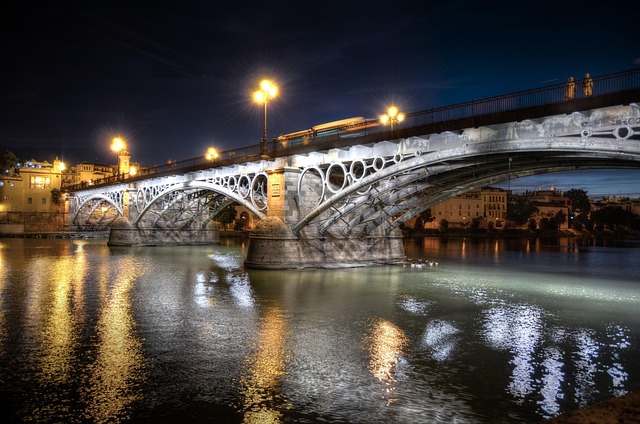
Seville’s old town is compact, and most flamenco venues cluster in two areas: the Santa Cruz/Centro district (east side of the river) and Triana (west side). You can walk between the two in about 15 minutes across the Puente de Triana.
Teatro Flamenco Sevilla is on Calle Cuna in the city centre — a 10-minute walk from the Cathedral and easy to reach from anywhere in the old town. The nearest tram stop is Plaza Nueva.
Casa de la Memoria is on Calle Cuna as well (yes, they’re close to each other), in the Santa Cruz neighbourhood. From the Alcazar, it’s a 5-minute walk north through the narrow streets.
Teatro Flamenco Triana is across the river on Calle Pureza, in the heart of Triana. Cross the Puente de Triana from the city centre — 15 minutes on foot, or grab the C3 bus from Paseo Colón. The walk is better because you’ll pass the riverside bars on Calle Betis.
There’s no metro stop directly at any flamenco venue, but the whole area is easily walkable. If you’re coming from further out, the T1 tram runs along Avenida de la Constitución, which puts you within a 5-10 minute walk of any old town venue.
Tips That Will Actually Save You Time and Money
Arrive early for seating. Most tablao venues seat in order of arrival, not by ticket number. Getting there 20-30 minutes before showtime is the difference between front row and back corner. At Casa de la Memoria this is non-negotiable.
Skip the dinner-show combos. I know they’re tempting — one booking, everything sorted. But the food is always mediocre compared to eating at an actual restaurant. Book your show separately and grab tapas at Bar El Comercio or El Rinconcillo beforehand. You’ll eat better for less money.
Don’t clap along unless you know what you’re doing. Flamenco clapping (palmas) follows specific rhythmic patterns — compás — and random audience clapping throws off the performers. Applause between pieces is fine. Clapping along during a soleá will get you dirty looks from the regulars.
Photography policies vary. Most theatres allow photos but not video. Tablaos often ban all phones during the performance. Honestly? Put the phone away regardless. You won’t get a good photo in low light, and the performance demands your full attention.
Dress code is casual. Seville is not a formal city. Smart casual is fine for any venue — no one is wearing a suit to a tablao. Just don’t show up in beach clothes. Wear comfortable shoes because you’ll be walking afterwards.
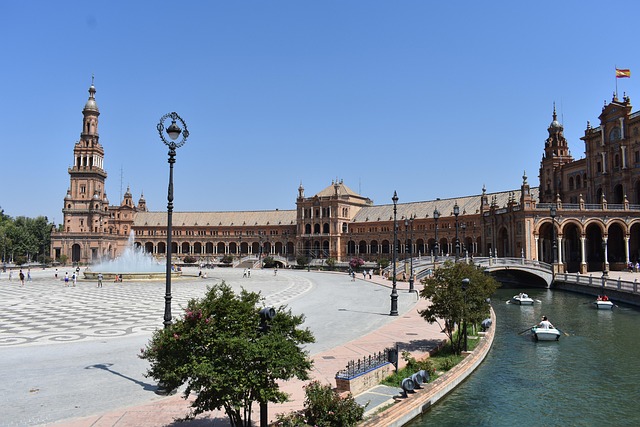
Free flamenco exists — but it’s hit or miss. Street performers at Plaza de Espana and in the Santa Cruz lanes can be surprisingly good, or they can be guys with a borrowed guitar busking for coins. The spontaneous bar sessions in Triana are real, but you can’t plan around them. Treat them as a bonus, not your main flamenco experience.
What You’re Actually Watching: A Quick Guide to Flamenco Styles
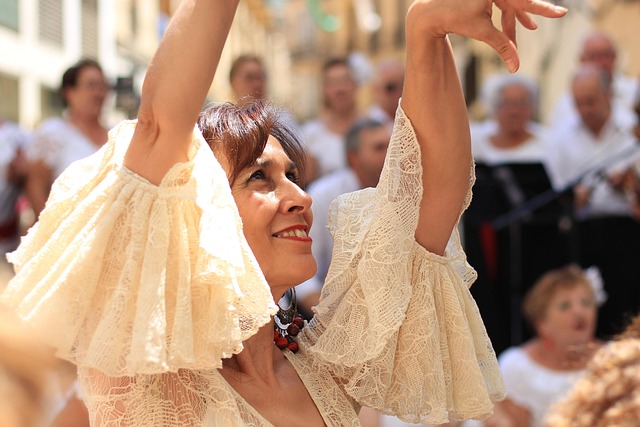
You don’t need to know flamenco theory to enjoy a show. But knowing the basic styles makes it more interesting.
Soleá is the deep, heavy one. Slow, intense, often heartbreaking. The dancer barely moves at times, then explodes. If a performance makes you hold your breath, it’s probably a soleá. This is considered the mother of all flamenco styles and originated right here in Triana.
Bulería is fast, playful, and the crowd favourite. The footwork is ferocious and the tempo builds until it feels like the dancer might actually fly apart. Most shows end with a bulería because it sends the audience out on a high.
Alegría is joyful and graceful — the most “pretty” style, if you had to pick one. Lots of arm work and flowing shawl movements. It’s originally from Cádiz, just down the coast from Seville.
Seguiriya is the heaviest, most serious style. Pure emotion, often about death or loss. Not every show includes one, but when they do, the room goes completely still.
A good Seville show will cycle through at least three or four of these styles in an hour, giving you the full emotional range — from grief to fury to joy. That range is what makes flamenco more than just dancing. It’s a complete emotional experience, and understanding even the basics of what you’re watching makes the whole thing land harder.
The History Behind What You’re Hearing
Flamenco’s roots go back centuries in Andalusia, growing out of a collision of cultures — Romani, Moorish, Jewish, and local Andalusian traditions all feeding into what became a distinct art form by the 18th century. For a long time it was private, something that happened in family gatherings and courtyards, not on stages.
The cafés cantantes — singing cafés — changed that in the 19th century. Seville and its Triana district became the epicentre, producing legendary artists whose names still carry weight in the flamenco world. The neighbourhood’s corrales de vecinos (shared courtyard housing blocks) were essentially incubators for the art form, with multiple families living around a central patio where music and dance were part of daily life, not performance.
Today, flamenco is UNESCO-recognised Intangible Cultural Heritage, and Seville takes that seriously. The Museo del Baile Flamenco in Santa Cruz covers the history well if you want deeper context. But the real museum is Triana itself — a neighbourhood that still produces working flamenco artists and where the tradition remains a living thing, not a relic behind glass.
One more thing. Madrid flamenco and Seville flamenco are different worlds. Madrid is performance — polished, professional, often spectacular. Seville is closer to the source. Here you can still find musicians who play because they can’t not play, not because they’re being paid. That distinction matters, and it’s why a EUR 28 show in a tiny Triana theatre can hit harder than a EUR 100 production in Madrid.
While You’re in Seville
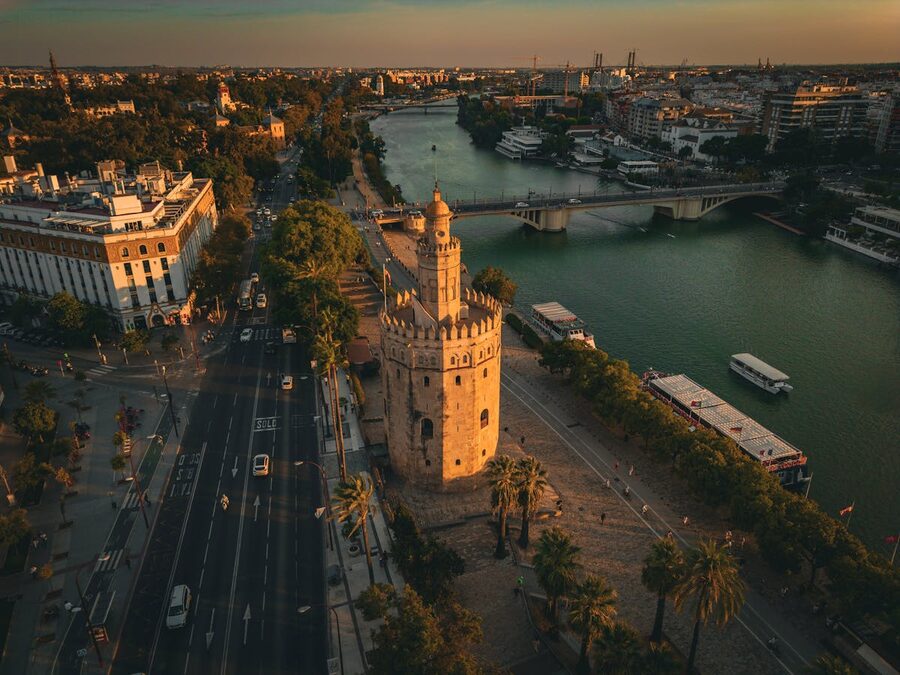
A flamenco show is just one evening — you’ll want to fill the rest of your days. The Seville Cathedral and its Giralda tower are a 10-minute walk from most flamenco venues, and climbing the tower for sunset views over the city is the perfect pre-show warmup. The Alcazar next door deserves a full morning — the Moorish architecture and gardens are worth lingering over, especially if you liked the Game of Thrones palace scenes (yes, they filmed here). For a different perspective, a Guadalquivir River cruise shows you the Triana waterfront from the water, and a bike tour covers more ground than you’d manage on foot in the heat. If you’re the walking type, a guided walking tour through Santa Cruz and the old town fills in the historical context that makes the flamenco show even more meaningful. And don’t skip the tapas — eating your way through Seville is half the trip.

This article contains affiliate links. If you book through our links, we may earn a small commission at no extra cost to you. This helps us keep creating these guides.