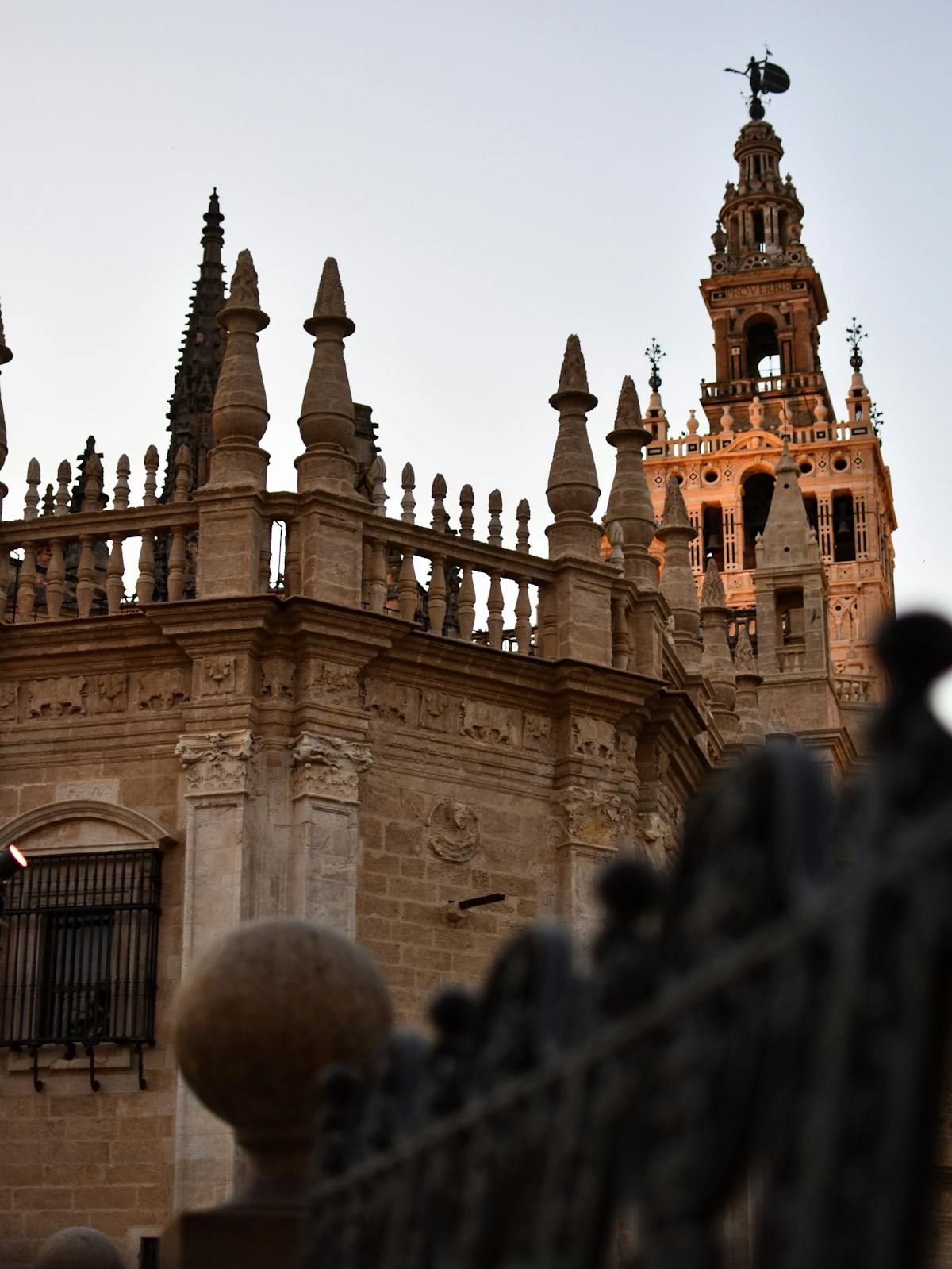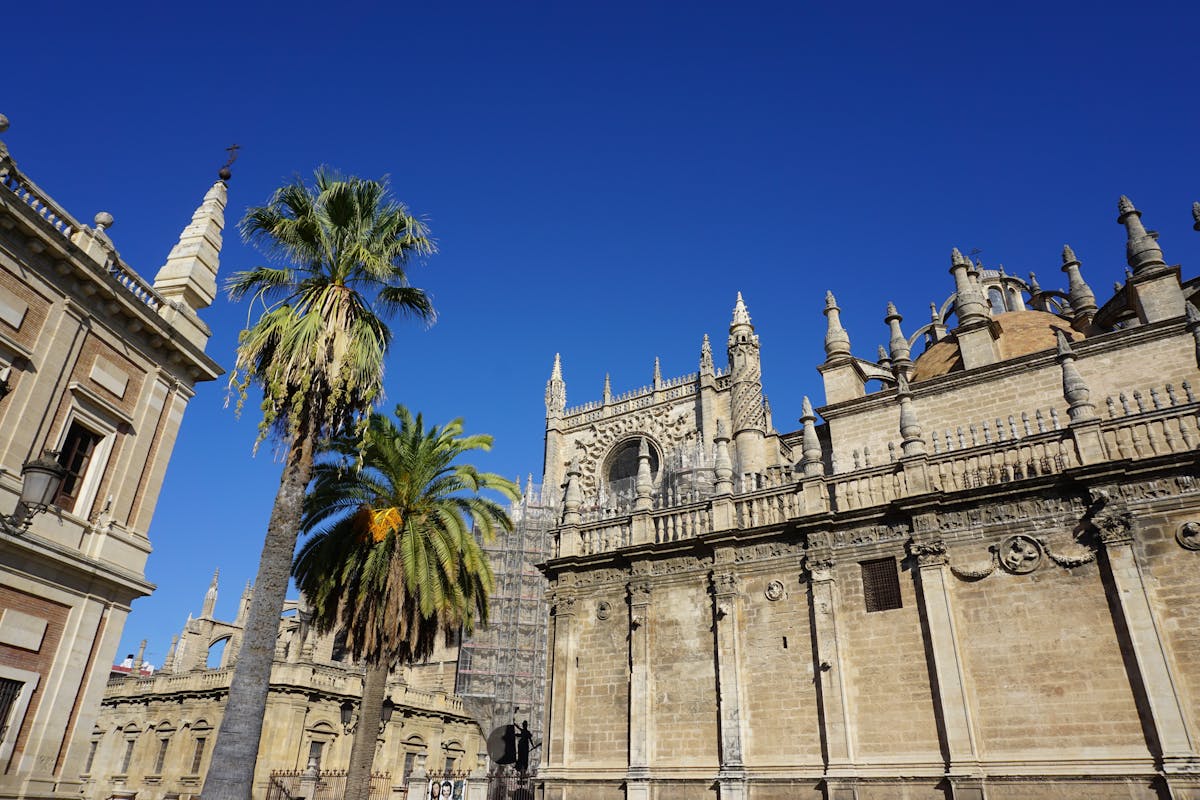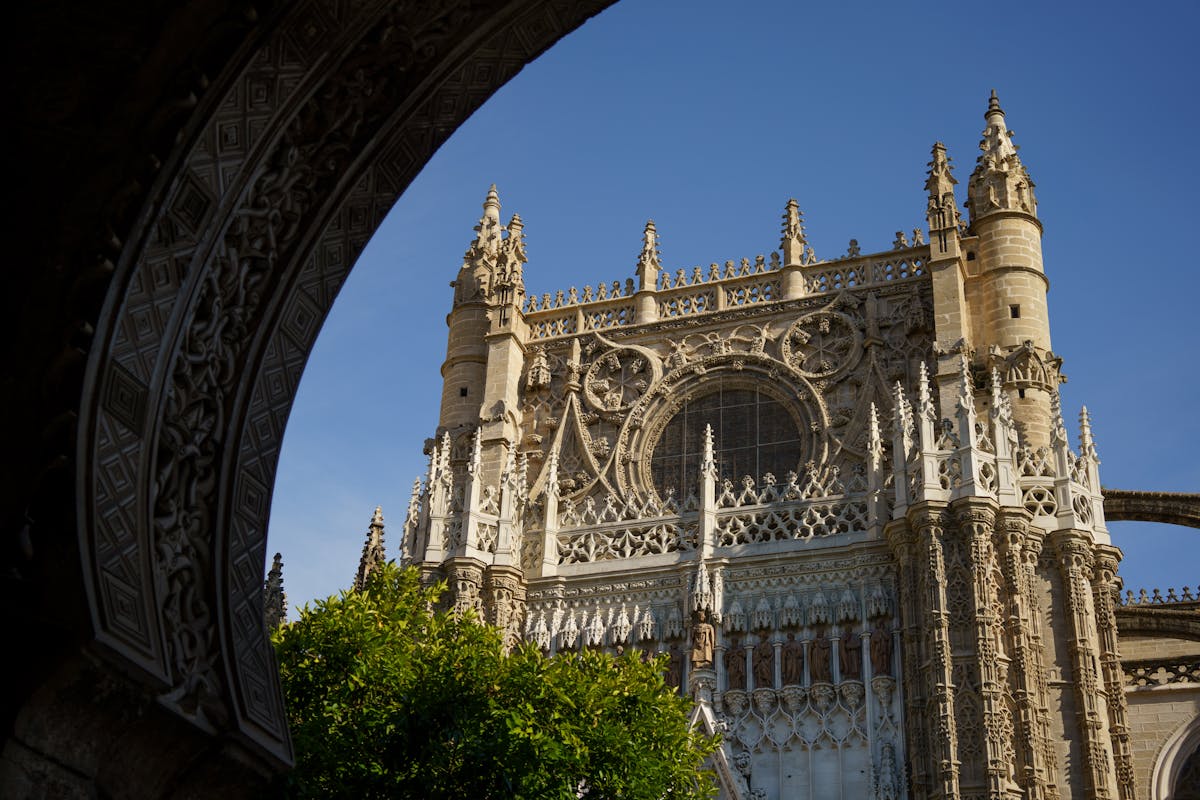
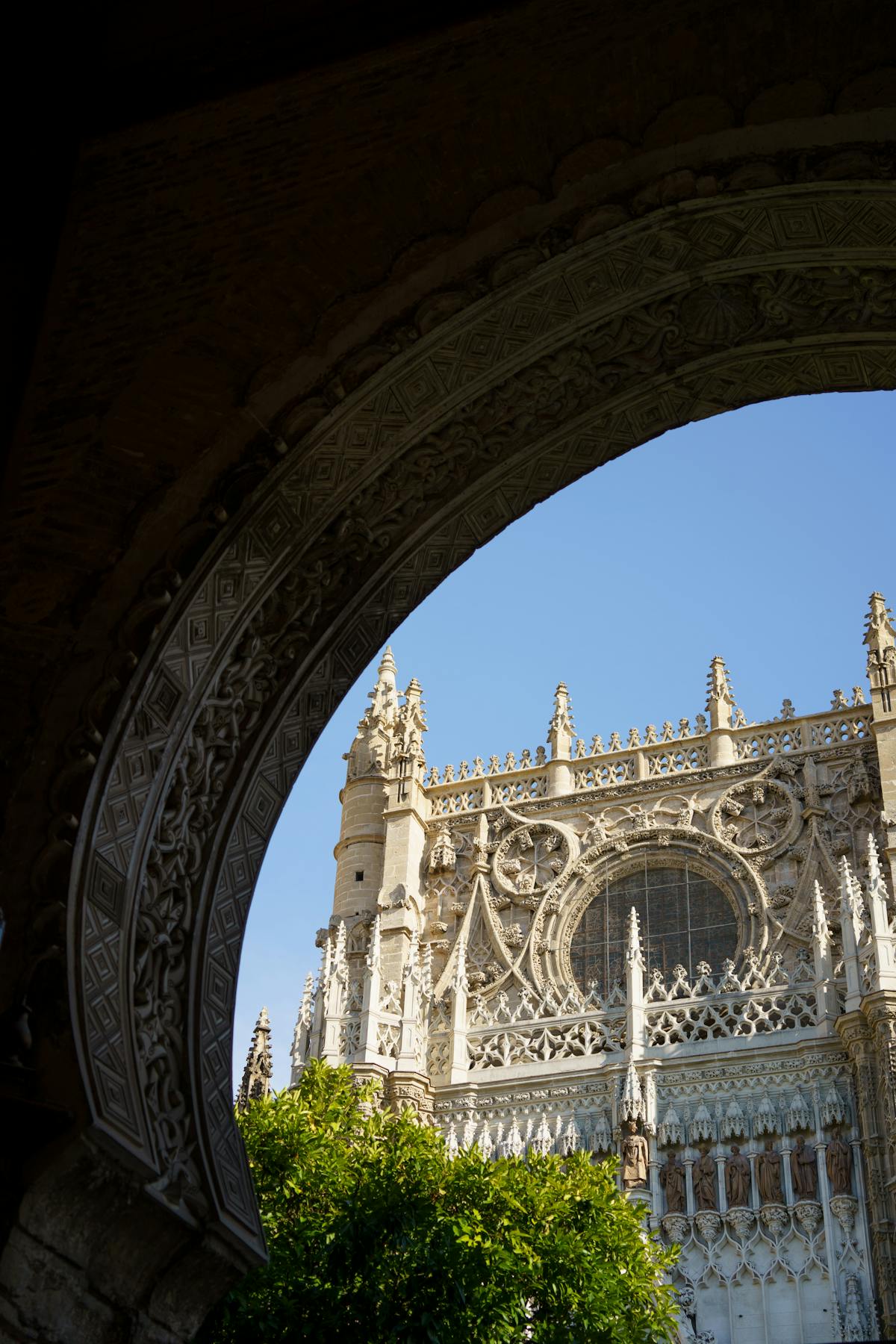
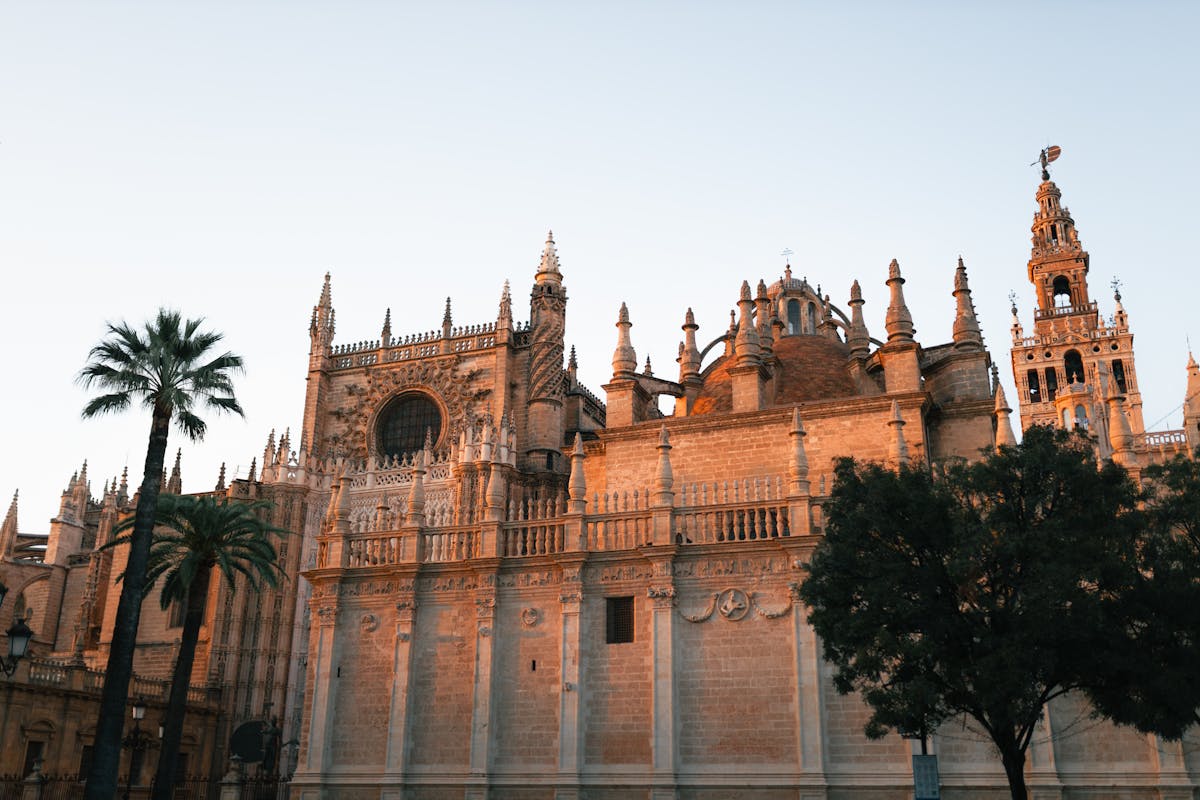
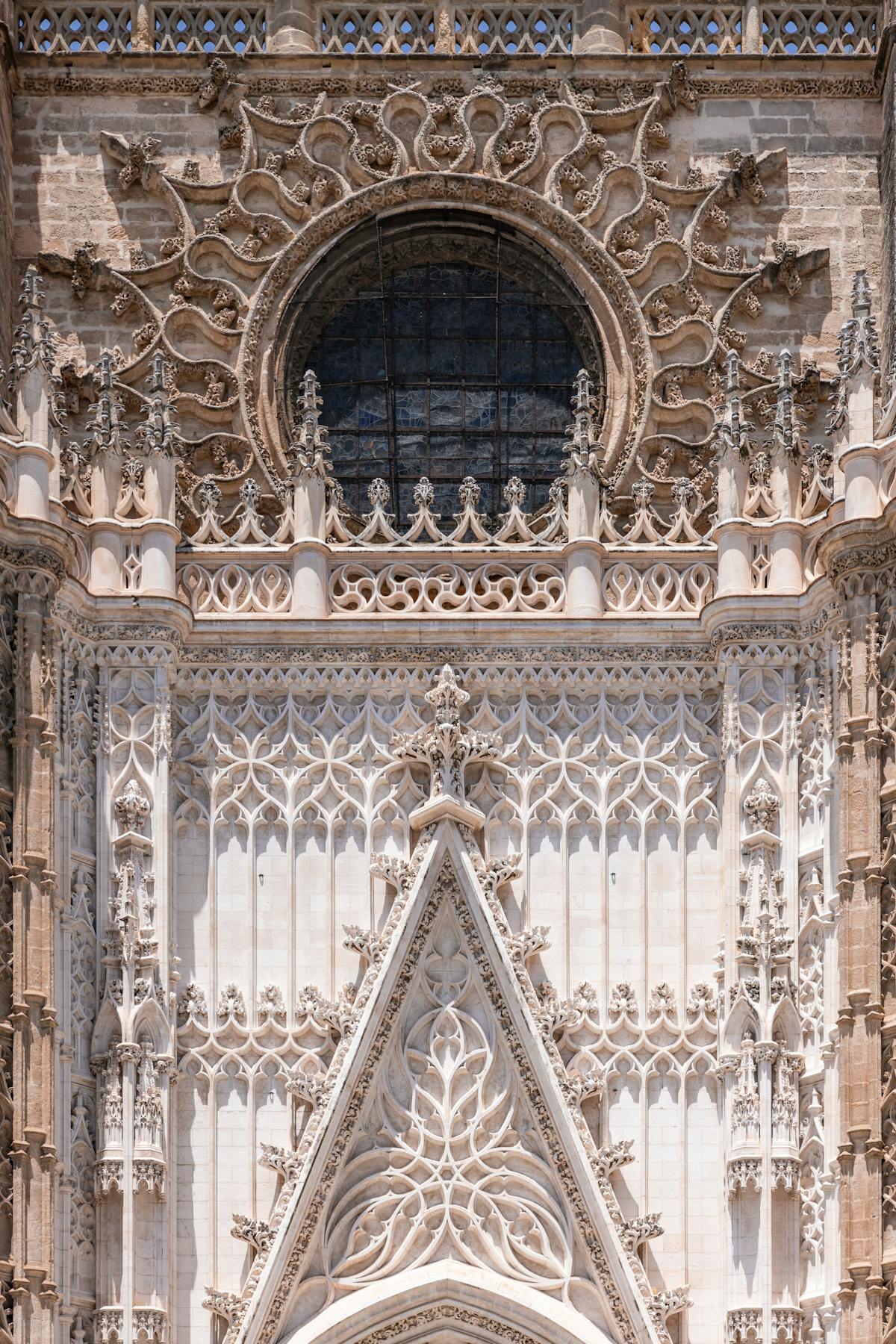
Seville Cathedral is the largest Gothic cathedral on the planet. Not by a little bit, either — it covers 23,500 square meters, which is roughly four football pitches under one roof. The story goes that when the city council approved the construction in 1401, they said they wanted to build something so enormous that future generations would think they were mad. They delivered on that promise.
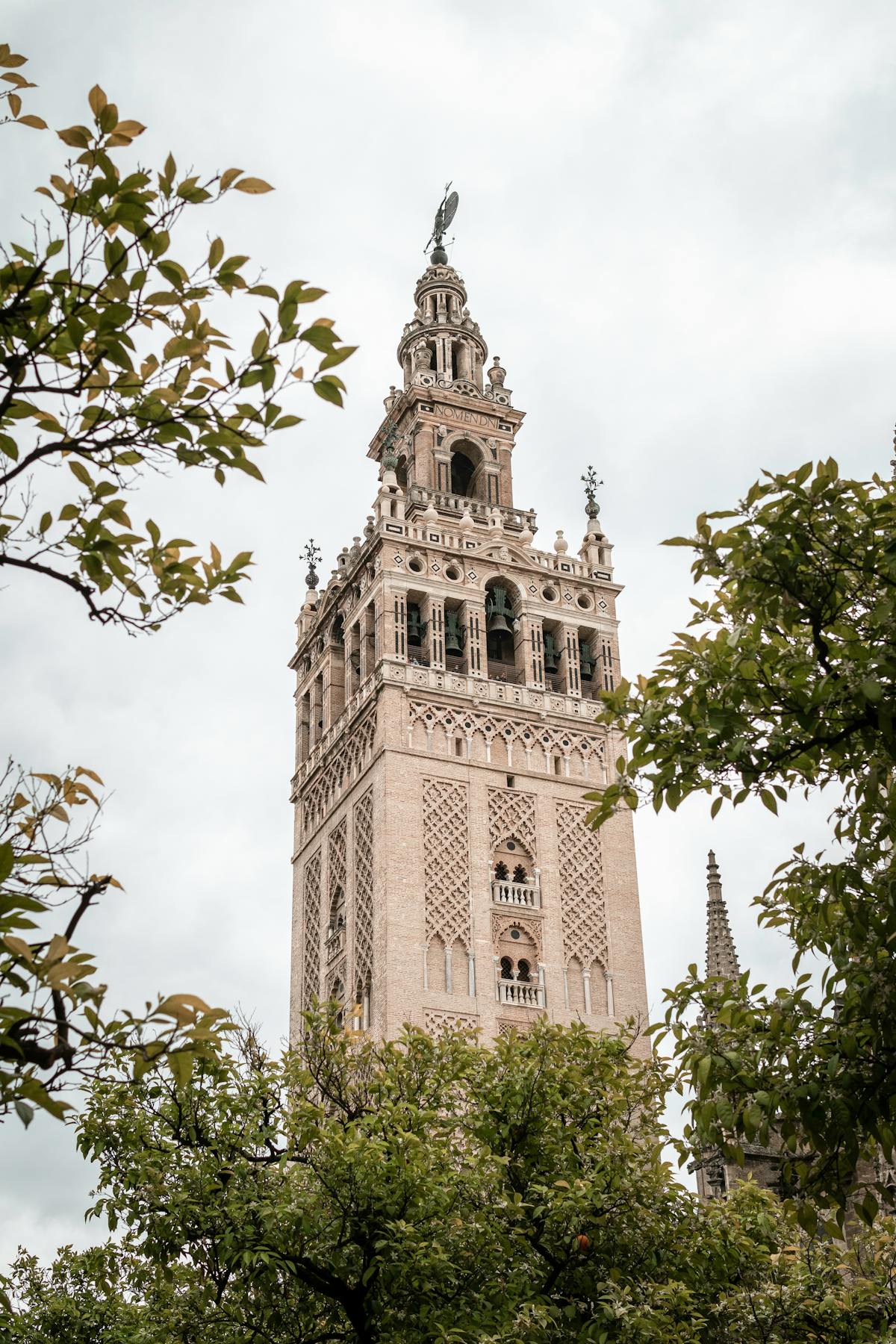
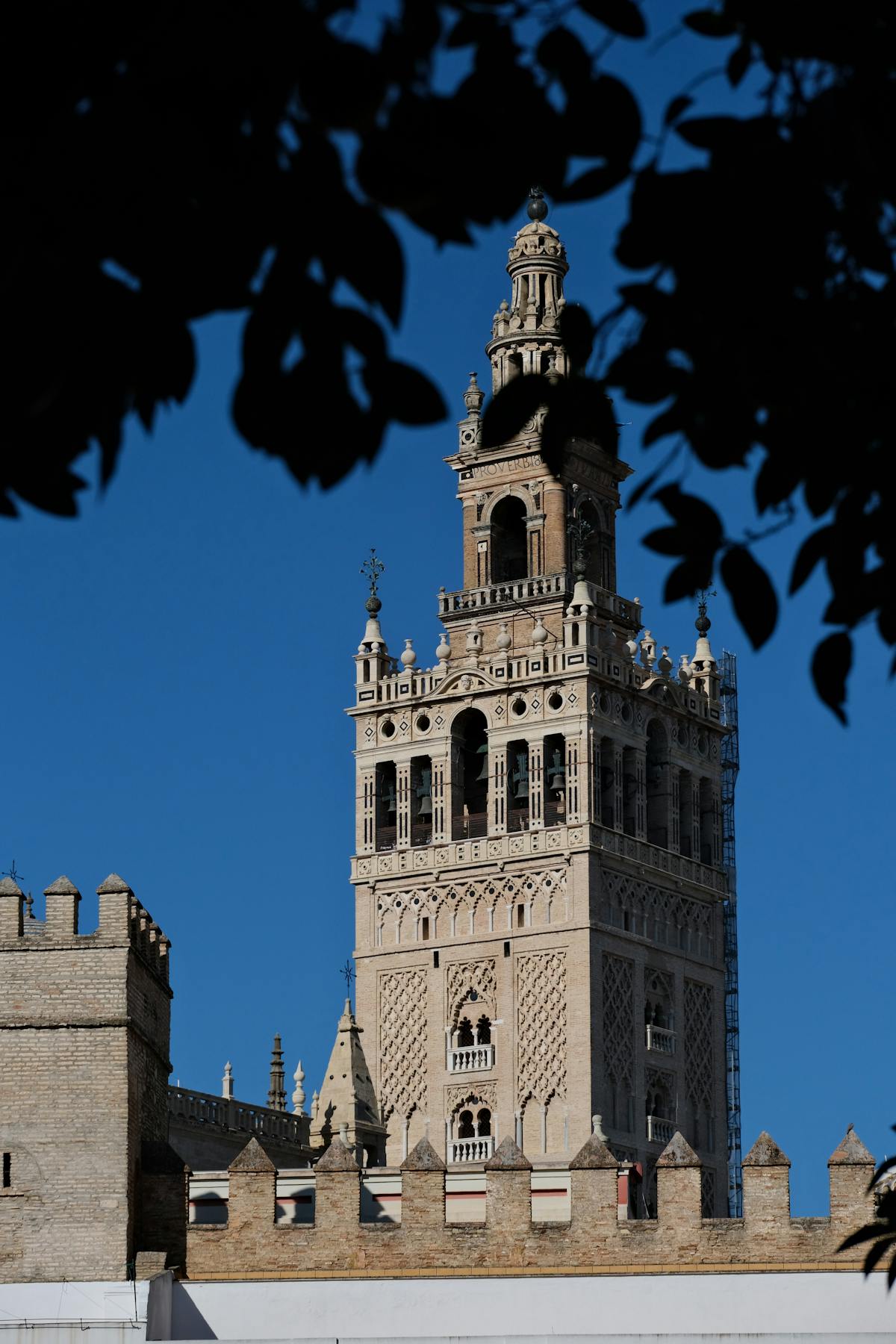
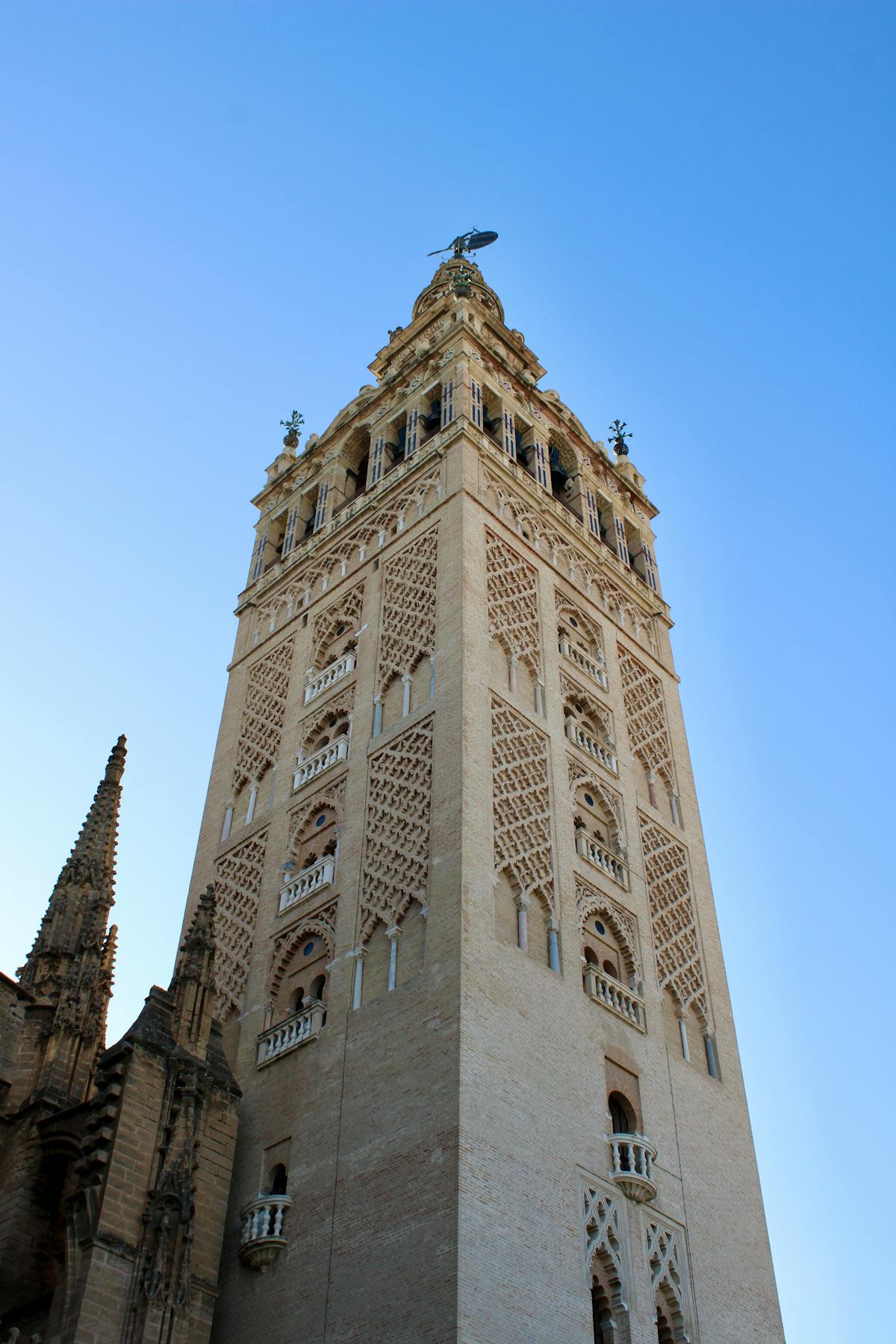
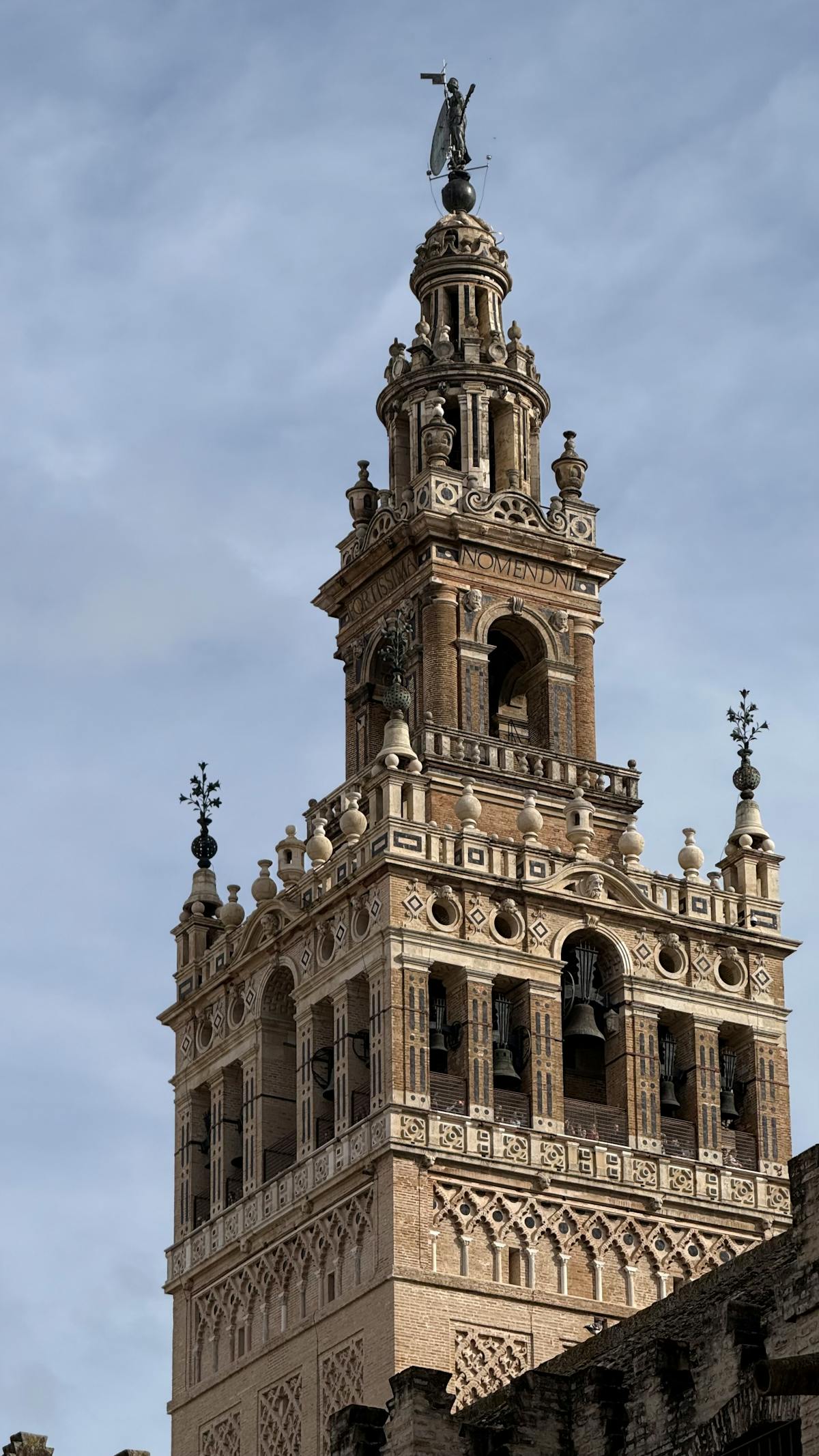
But the building itself is only half the draw. The Giralda — the bell tower attached to the cathedral — was originally a 12th-century minaret, and you climb it via 35 ramps instead of stairs. The ramps exist because the muezzin rode a horse to the top to call the faithful to prayer five times a day. That is one of those details that sticks with you long after the visit.
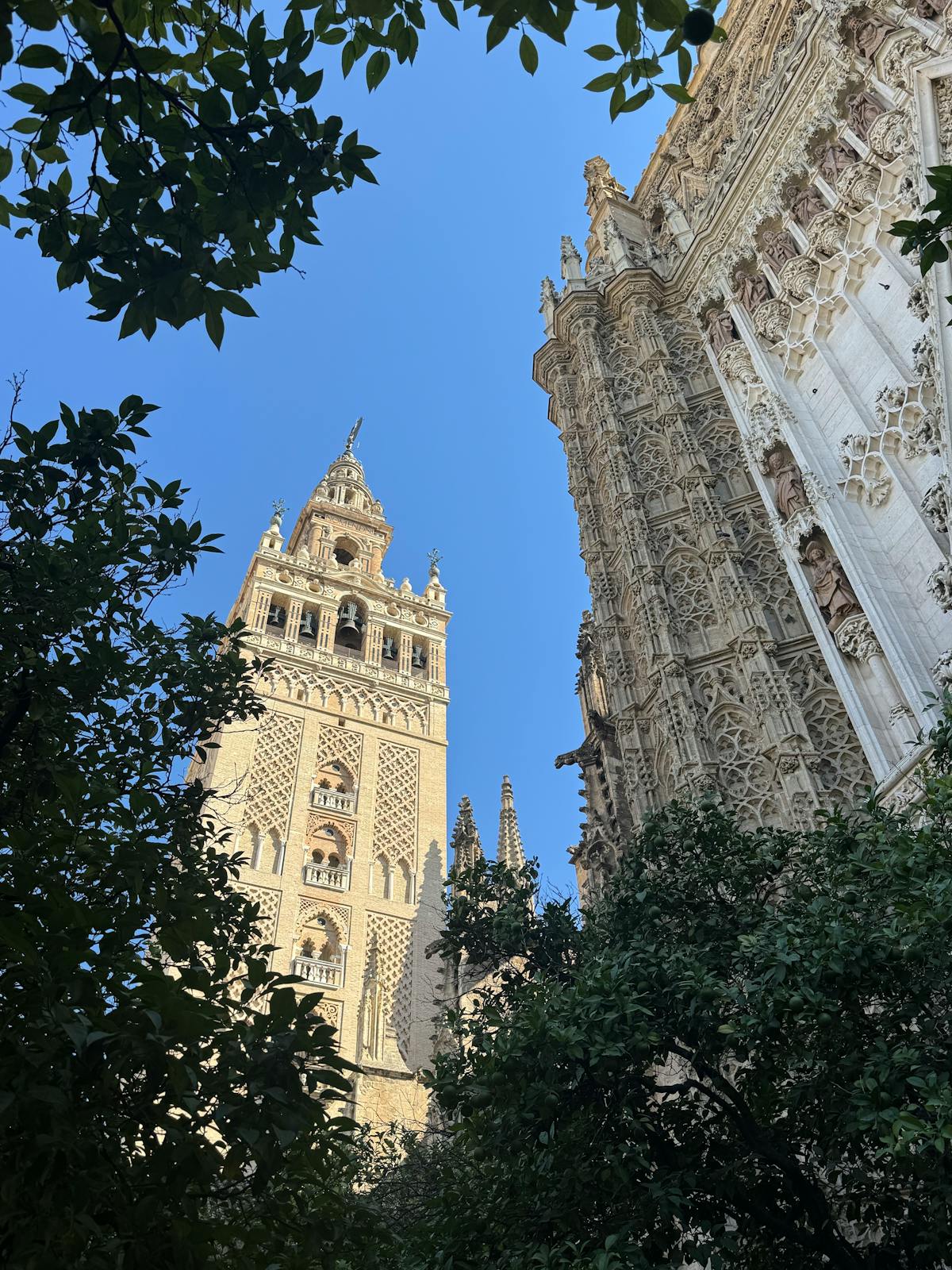
Inside, you will find Christopher Columbus’s tomb (carried by four bronze kings representing the old kingdoms of Spain), the largest altarpiece in Christendom (carved from 30 tons of gold leaf-covered wood over 44 years), and the Patio de los Naranjos — a courtyard of orange trees that was the ablution yard of the original mosque. The history layers in this place are stacked so thick you could spend a week sorting them out.
This guide walks you through every ticket option: the official route, self-guided versus guided tours, Cathedral-only versus combo deals with the Royal Alcazar (which is literally across the street), when to go, and the practical details that trip people up. If your preferred date is sold out on the official site, I have covered that too.
In a Hurry? My Top Picks
- Cheapest way in (self-guided): Cathedral and Giralda Entry Ticket — $20 per person. Includes full access to the Cathedral, Giralda climb, and Patio de los Naranjos. No guide, no queue skip, but the price is hard to argue with. Book this ticket
- Best Cathedral-only guided tour: Priority Access Cathedral and Giralda Tour — $35 per person. Skip-the-line entry with a guide who actually explains what you are looking at. 90 minutes to 3 hours depending on the group. Book this tour
- Best combo (Cathedral + Alcazar): Cathedral, Giralda, and Royal Alcazar Guided Tour — $69 per person. The two biggest Seville attractions in one guided morning with skip-the-line at both. Book this tour
- Best premium combo: Priority Access Cathedral, Giralda and Alcazar Tour — $64 per person. 2.5 to 3 hours, priority entry at both sites, and consistently the highest-rated combo in the category. Book this tour
- In a Hurry? My Top Picks
- How Cathedral and Giralda Tickets Work
- Self-Guided vs. Guided vs. Combo with the Alcazar
- Best Tours for Seville Cathedral and Giralda
- 1. Cathedral and Giralda Entry Ticket —
- 2. Priority Access Cathedral and Giralda Tour —
- 3. Cathedral, Giralda, and Royal Alcazar Guided Tour —
- 4. Priority Access Cathedral, Giralda and Alcazar Tour —
- When to Visit
- Tips That Actually Matter
- What You Will See Inside
- More Seville Guides
How Cathedral and Giralda Tickets Work
The ticketing system is simpler than the Alcazar’s but still has its quirks. Here is what you need to know before you book anything.
One ticket covers three things: Your entry ticket gets you into the Cathedral interior, the Giralda tower climb, and the Patio de los Naranjos (the orange tree courtyard). These are not separate admissions — a single ticket covers everything. There is no option to visit just the Giralda without the Cathedral, or vice versa.
Official ticket price: General admission through the Cathedral’s own website (catedraldesevilla.es) runs around 12 to 13 euros. Students, seniors, and children get discounts. Monday afternoons (typically 4:30 PM to 6:00 PM) are free, but the queues for free entry stretch around the block and the experience suffers from overcrowding. I would not recommend it unless you genuinely cannot afford the ticket.
Timed entry slots: The official site uses timed entry in 30-minute windows. Unlike the Alcazar, the Cathedral rarely sells out completely except during Semana Santa (Holy Week) and major holidays. That said, morning slots in March through May fill up fast, and showing up without a ticket means joining the walk-up queue, which can run 30 to 60 minutes in peak season.
No ID requirement: Unlike the Alcazar, Cathedral tickets are not nominative. You do not need to show a passport or match names. The ticket is transferable if your plans change — just hand it to someone else.
The Giralda climb is not optional — it is included: Everyone with a Cathedral ticket can climb the Giralda. The ramps are gentle (remember, designed for horses), and the climb takes about 10 to 15 minutes at a comfortable pace. There is no separate queue or reservation for the tower. You simply enter the ramp doorway inside the Cathedral whenever you are ready.
What the official ticket does NOT include: No guide, no audio guide (rentable inside for around 4 euros), and no skip-the-line. You enter through the general admission door with everyone else. During busy periods, even ticket holders can wait 15 to 20 minutes to get through the entrance.
Self-Guided vs. Guided vs. Combo with the Alcazar
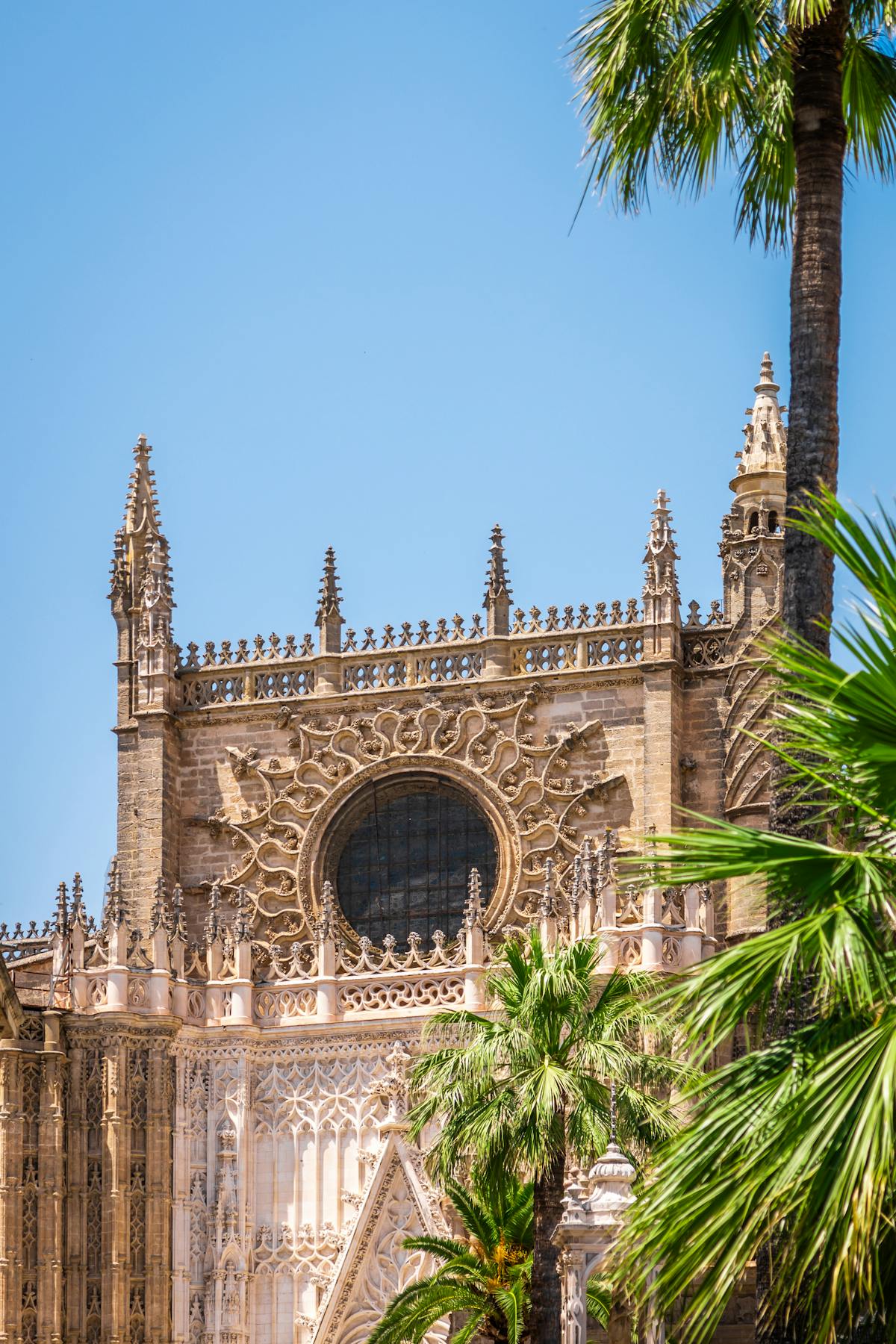
Three distinct ways to experience the Cathedral, and the right one depends on your time, budget, and whether you are also planning to visit the Royal Alcazar.
Self-guided with the basic ticket ($12-20): Fine if you are the type who reads every plaque and brings a guidebook. The Cathedral’s interior is more intuitive than the Alcazar — it is one enormous space rather than a labyrinth of rooms, so you are unlikely to get lost. The major highlights (Columbus’s tomb, the main altarpiece, the choir, the Giralda) are obvious even without commentary. Grab the audio guide at the entrance if you want some context. The $20 entry ticket through GetYourGuide is a few dollars more than the official site, but the booking process is smoother and you get a mobile voucher that works reliably.
Guided Cathedral-only tour ($35-38): Worth it for the same reason a guide is worth it at any major cathedral — the art, architecture, and history are not self-explanatory. Why is Columbus’s tomb carried by four kings? Which paintings are by Murillo versus Zurbaran versus Goya? What did the original mosque look like before the cathedral was built on top of it? A 90-minute guided tour answers questions you did not know you had, and the skip-the-line entry saves you the general admission queue. The price difference between the basic ticket and a guided tour is roughly $15-25 — less than a mediocre tapas lunch.
Combo tour with the Royal Alcazar ($64-69): If the Alcazar is also on your itinerary (it should be — it is 200 meters from the Cathedral door), a combo tour is the most efficient way to see both. You get a single guide for both sites, skip-the-line at both entrances, and a coordinated schedule that eliminates the dead time between visits. The Cathedral and Alcazar together take 2.5 to 3.5 hours guided, and the combo tickets typically save $10-15 compared to booking two separate guided tours. The only downside is less flexibility — you are on the guide’s timeline for both sites.
My recommendation: First-time visitors who want both sites should book a combo tour and save themselves the headache. If you only have time for one, the Cathedral with a guide is the move — the building’s scale and complexity reward explanation more than wandering.
Best Tours for Seville Cathedral and Giralda
Four tours from the database, covering the main scenarios: budget entry, guided Cathedral-only, and two combo options with the Royal Alcazar.
1. Cathedral and Giralda Entry Ticket — $20
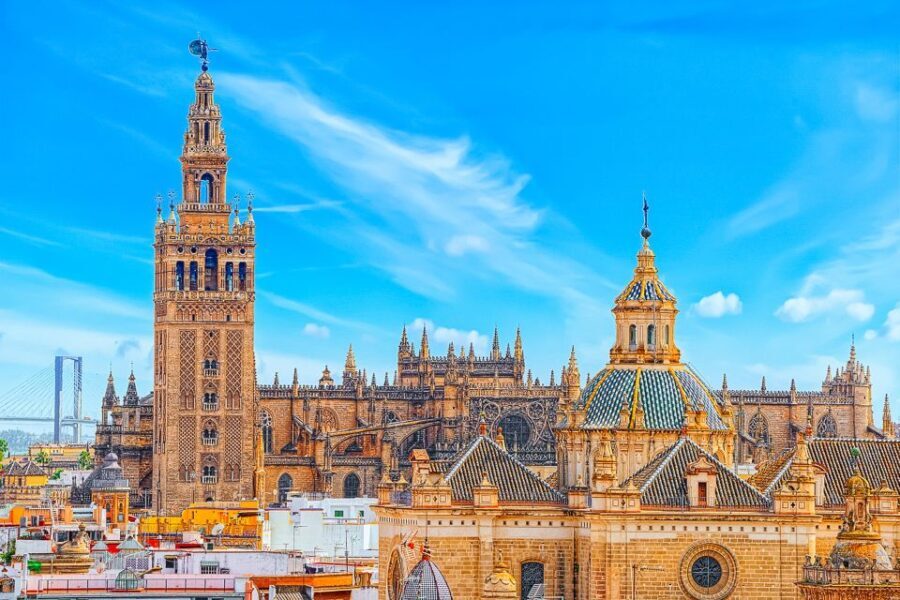
Duration: 1 day (visit at your own pace) | Price: $20 per person | Type: Self-guided entry ticket
This is the straightforward entry ticket. No guide, no skip-the-line, no extras — just access to the Cathedral, the Giralda climb, and the Patio de los Naranjos. At $20, it is a few dollars more than buying directly from the official site, but the booking process is smoother and you get a mobile voucher instead of dealing with the sometimes-glitchy official system.
The “1 day” duration is misleading in the listing — you are not spending an entire day inside. Most self-guided visits run 1.5 to 2.5 hours: 45 minutes to an hour exploring the Cathedral interior, 15 minutes climbing the Giralda, 15 minutes enjoying the view from the top, and however long you want in the Patio de los Naranjos and the various side chapels.
Who this is for: budget travelers, return visitors who have done the guided tour before, architecture enthusiasts who prefer to go at their own pace with a guidebook, and anyone who just wants to climb the Giralda without paying for a full tour. Download the free Cathedral app beforehand if you go this route — the building has over 80 individual chapels and the app helps you navigate the ones actually worth stopping at.
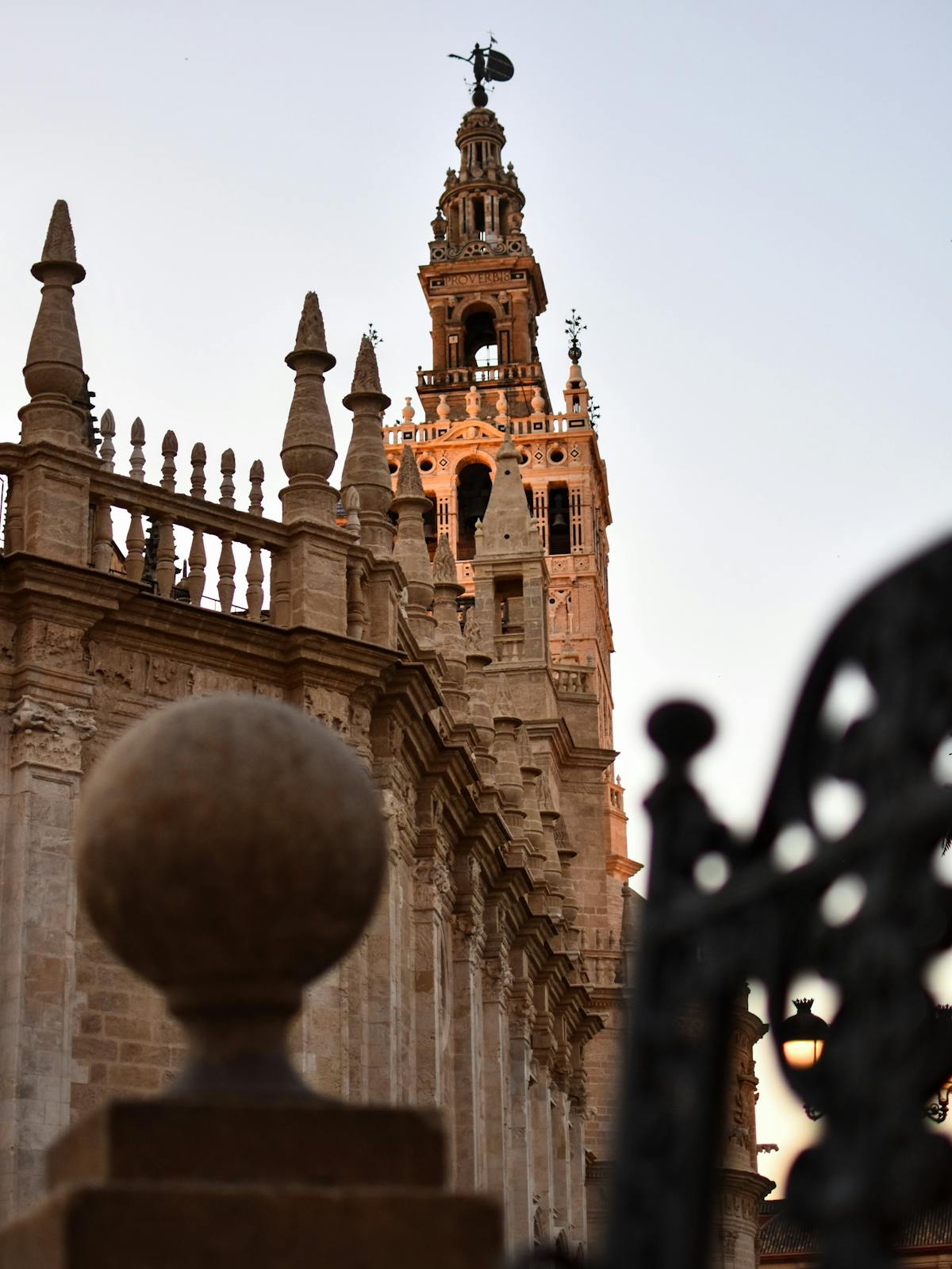
2. Priority Access Cathedral and Giralda Tour — $35
Duration: 1.5 – 3 hours | Price: $35 per person | Type: Guided tour with priority access
The best value guided option for the Cathedral alone. You get skip-the-line entry (which genuinely matters during spring and autumn mornings when the general queue stretches along the plaza), a knowledgeable guide, and coverage of the major highlights: Columbus’s tomb, the main altarpiece, the choir stalls, the Chapter House, the Sacristia Mayor, and the Giralda climb.
The duration range of 1.5 to 3 hours reflects the reality that some guides are more thorough than others and some groups ask more questions. Expect closer to 2 hours on average. The guides typically walk you through the Cathedral interior first, then send you up the Giralda on your own at the end — the tower ramps do not work well for guided groups because the platforms are too small for everyone to gather.
At $35, you are paying $15 more than the entry ticket and getting skip-the-line plus a guide. That is an easy calculation for most visitors. The guide turns the Cathedral from “big impressive church” into a story about Moorish Seville, the Reconquista, Columbus’s voyages, and how Seville briefly became the richest city in Europe when New World gold poured through its port.
The guided portion does not cover the Patio de los Naranjos in detail, but you can wander it on your own after the tour. The orange trees are lovely in spring but the courtyard does not require commentary — it is a pleasant space to sit and decompress after the sensory overload of the Cathedral interior.
3. Cathedral, Giralda, and Royal Alcazar Guided Tour — $69

Duration: 3+ hours | Price: $69 per person | Type: Guided combo tour with skip-the-line at both sites
The flagship combo. Both of Seville’s heavyweight attractions — the Cathedral (plus Giralda climb) and the Royal Alcazar — with a single guide, skip-the-line entry at both doors, and a coordinated schedule that makes the most of your morning. The guide typically starts at the Cathedral, crosses the street to the Alcazar, and wraps up in the Alcazar gardens.
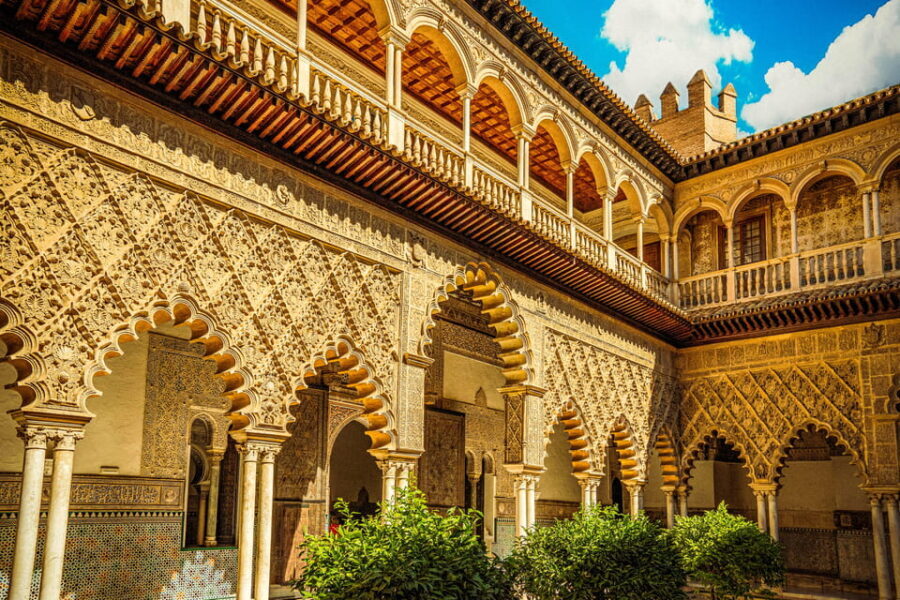
Three hours sounds like a lot, but both buildings deserve every minute. The Cathedral alone has 80+ chapels, and the Alcazar’s layered history (Moorish, Gothic, Renaissance, Baroque) means every room tells a different story about who was in charge when it was built. A guide who knows both sites can draw the connections — how the same Islamic craftsmen who built the Giralda influenced the Alcazar’s plasterwork two centuries later, or why Columbus’s tomb ended up in the Cathedral but his voyage was planned in the Alcazar.
At $69, compare the math: Cathedral guided tour ($35) plus an Alcazar guided tour ($42-44) equals $77-79. The combo saves you roughly $10 and the logistical hassle of coordinating two separate bookings, meeting points, and guides. The only trade-off is that you are locked into the combo’s schedule rather than visiting each site at your own ideal time.
This tour consistently pulls strong reviews because the concept is simple and the execution straightforward. You show up at one meeting point, spend a morning seeing the two most important things in Seville, and walk away with a solid understanding of both.
4. Priority Access Cathedral, Giralda and Alcazar Tour — $64
Duration: 2.5 – 3 hours | Price: $64 per person | Type: Priority access guided combo tour
The other main combo option, and arguably the sharper deal. Five dollars cheaper than the tour above, same two sites, same priority access at both entrances, and the highest satisfaction scores in the combo category. The 2.5 to 3 hour duration is slightly tighter, which can be a positive if you do not want to commit an entire morning.
The “priority access” branding means the same thing as “skip-the-line” in practice — you enter through a separate door or at the front of the queue, bypassing the general admission line. At the Cathedral this saves you 15 to 30 minutes on a typical spring morning. At the Alcazar, where timed entry is stricter, it means your guide handles the logistics and you walk straight in.
The guides on this tour tend to focus on the storytelling connections between the two buildings — the shared Islamic heritage, the Reconquista’s architectural aftermath, and how Seville’s golden age left its mark on both structures. If you are the type of traveler who wants to understand why buildings look the way they do rather than just photographing them, a guided combo is money well spent.
At $64 for priority entry, two guided tours, and roughly three hours of expert commentary on Seville’s two most important monuments, this is the best value combo available. The five-dollar saving over the $69 option is a bonus, not the selling point — the selling point is consistently strong guide quality and a well-paced itinerary.
When to Visit
Seville is one of the hottest cities in Europe during summer, and the Cathedral’s interior — while cooler than outside — is not air-conditioned. Timing your visit matters more here than at most European attractions.
Best months: March, April, late October, November. Temperatures sit in the 18-25 degree range, the light is beautiful for photography inside the Cathedral, and the Patio de los Naranjos fills with the scent of orange blossoms in spring. These are also the busiest months, so book tickets at least a week ahead and aim for early morning slots.
Summer (June to August): Seville regularly hits 40+ degrees in July and August. The Cathedral interior stays cooler (roughly 28-30 degrees), but climbing 35 ramps up the Giralda in that heat is genuinely unpleasant. If you are visiting in summer, go first thing in the morning — the 9:30 or 10:00 AM slot — or wait until late afternoon when the building has had all day to cool the air inside. Avoid midday completely.
Winter (December to February): Mild and underrated. Daytime temperatures around 12-16 degrees, thin crowds, and available tickets. The Cathedral’s stained glass catches the low winter sun at different angles than in summer, creating light effects you will not see during peak season. Shorter hours (closing around 4:30-5:00 PM), so plan accordingly.
Time of day: First slot of the morning gives you the best chance at the Giralda view without a packed observation platform. By 11:00 AM the tour groups arrive and the main nave gets loud. Late afternoon (after 3:30 PM) works as a second choice — the light through the western windows is particularly good, and day-trippers from Cadiz and Malaga have already left.
Semana Santa and major holidays: The Cathedral is partially or fully closed during Holy Week processions (varies each year, typically mid-April). Check the official site for closures. Christmas and Easter access may also be restricted. If your trip coincides with Semana Santa, book everything weeks in advance — the entire city is packed.
Tips That Actually Matter
The Giralda climb is easier than you think. No stairs. Thirty-five wide ramps, originally built for the muezzin’s horse. People with average fitness do it in 10 to 15 minutes without stopping. The platforms between ramps are wide enough to rest if you need to. It is nothing like climbing a church tower with narrow spiral staircases.
Go up the Giralda first, not last. Most people save the tower for the end of their visit. Climb it first while your legs are fresh and the platform is less crowded. The view orients you to the entire city — you can see the Alcazar, the Plaza de Espana, the Triana neighborhood, the Guadalquivir River — and understanding the layout makes the rest of your Seville visit better.
Dress code is loosely enforced. Shoulders and knees should be covered, but enforcement varies. On a hot day, many visitors enter in shorts and tank tops without being stopped. That said, bringing a light scarf or wrap avoids the risk of being turned away, particularly during services.
The free Monday afternoon is not worth it. Yes, entry is free on Monday afternoons (roughly 4:30 to 6:00 PM depending on the season). But the queues are enormous, the Cathedral is packed beyond comfortable visiting, and you get significantly less time inside. Pay the 12 euros. It is one of Europe’s great buildings and deserves a proper visit.
Columbus’s tomb location: Inside the main entrance, on the right side of the nave. The four bronze figures carrying the coffin represent the kingdoms of Castile, Leon, Aragon, and Navarre. The tomb is one of the first things you see when you enter, so do not worry about missing it.
The Sacristia Mayor and Chapter House are easy to miss. These rooms sit off the main nave behind relatively small doors, and many visitors walk past without noticing. The Sacristia contains paintings by Murillo and Goya, and the Chapter House has an incredible domed ceiling. Both are included in your ticket — do not leave without seeing them.
Photography is allowed everywhere except during services. No flash, no tripods, but phone and camera photography is fine. The best shots inside are the main altarpiece from the nave, Columbus’s tomb, the ceiling vaults from directly below, and the view from the Giralda. For the altarpiece, stand at the back of the nave for the full frame — up close you cannot fit it in any lens.
What You Will See Inside
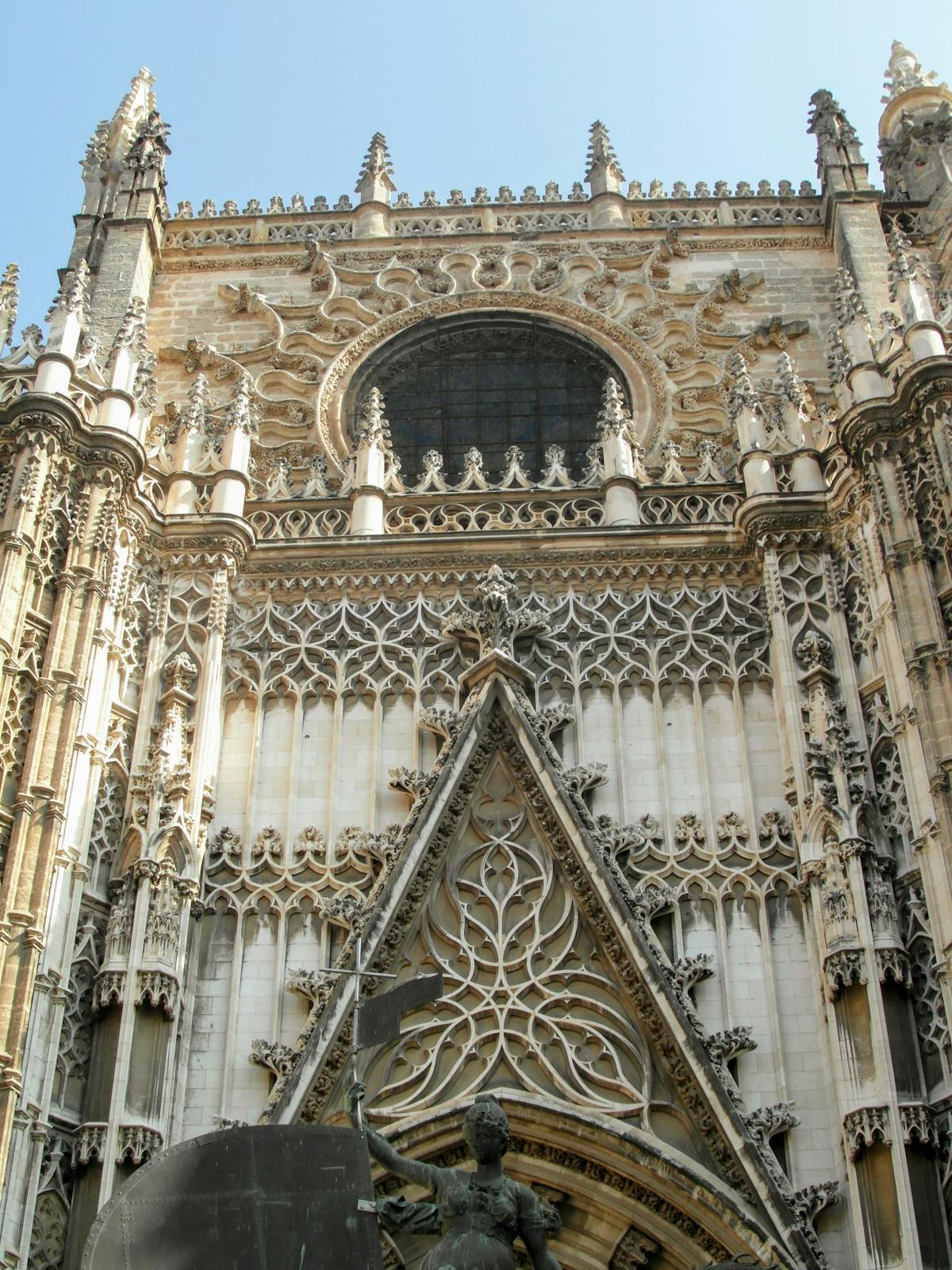
The Cathedral is not one attraction — it is a dozen of them under the same roof. Here is what matters and what you can skip.
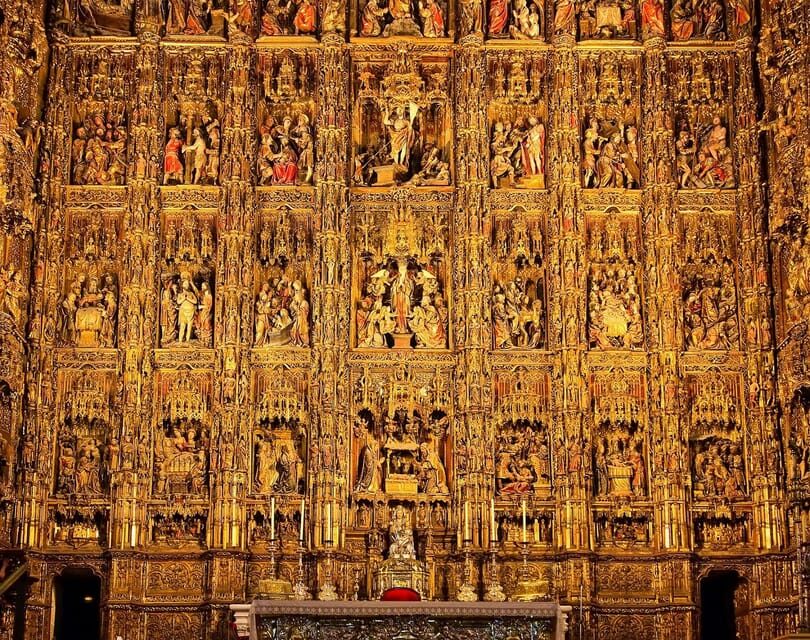
The Main Nave and Central Altarpiece: The single most jaw-dropping moment is entering the central nave and looking up. The ceiling vaults sit 42 meters overhead, and the main altarpiece (retablo mayor) fills the entire east wall — 20 meters tall, carved from wood, and covered in gold leaf. It depicts 45 biblical scenes and took from 1482 to 1526 to complete. This is the thing you came to see, and it does not disappoint.
Columbus’s Tomb: Four bronze kings carry the coffin on their shoulders. Whether the remains inside are actually those of Columbus is debated (DNA testing in 2006 confirmed at least some of the bones are his), but the monument itself is dramatic regardless. It was moved here from Havana in 1898 when Spain lost Cuba.
The Giralda: Thirty-five ramps, gentle incline, takes 10-15 minutes. The observation platform at the top gives you the best panoramic view in Seville. On a clear day you can see for 60+ kilometers in every direction. The inside of the tower has small rooms off each ramp landing that sometimes host temporary exhibitions.
Patio de los Naranjos: The courtyard with 66 orange trees, a Moorish fountain, and the remains of the original mosque’s ablution system. It is peaceful, photogenic, and a welcome break from the dark cathedral interior. In spring, the scent of orange blossom fills the entire space.
The Choir (Coro): Enclosed wooden stalls in the center of the nave, carved from Cuban mahogany. The upper stalls are reserved for canons and the lower ones for chaplains — the hierarchy is literally built into the furniture. The misericords (the undersides of the folding seats) have small carved scenes that range from religious to surprisingly profane.
Side Chapels: There are over 80 of them. You do not need to visit all 80. The Chapel of San Antonio (left aisle, near the entrance) has a massive Murillo painting of the Vision of Saint Anthony. The Royal Chapel (Capilla Real) in the apse contains the tomb of King Ferdinand III. The Sacristia Mayor (off the south transept) holds paintings by Goya, Zurbaran, and Murillo in a single room.