
Can you actually do Bygdøy without renting a car, learning the boat schedule, or burning half a day on transit puzzles? That was the question I needed answered before my first Oslo trip. Three trips later, I have the answer, and it has very little to do with public ferries or rental contracts.
The hop-on hop-off bus is one of those tourist products I am usually a bit sniffy about. In Oslo it earns its keep. The city is spread out in a way that punishes you if you guess wrong, and Bygdøy in particular sits across an inlet that maps make look closer than it actually is.
- In a Hurry? Best Oslo Hop-On Hop-Off Picks
- How the Oslo Hop-On Hop-Off Actually Works
- Where you board
- Can You Actually Do Bygdøy Without Renting a Car?
- Three Hop-On Hop-Off Tickets Worth Booking
- 1. Oslo: 24 or 48-Hour Hop-On Hop-Off Sightseeing Bus GrayLine:
- 2. Oslo: City Sightseeing Hop-On Hop-Off Bus Tour:
- 3. Oslo: Grand City Sightseeing Tour by Bus with Fjord Cruise: 2
- The Three Stops People Actually Care About
- Vigeland Sculpture Park
- Holmenkollen Ski Jump
- The Royal Palace and Karl Johans gate
- The Opera House Stop is Worth a Detour
- Akershus Fortress and the Harbour Loop
- Practical Booking Stuff
- How to actually buy the ticket
- Best time of year
- Oslo Pass versus the bus pass
- What it does not cover
- How Oslo’s Hop-On Hop-Off Compares to Other European Cities
- Pairing the Bus With Other Oslo Activities
- A Brief History of Sightseeing in Oslo
- What I Would Tell a First-Time Visitor
- One More Thing on the Norway Cluster
In a Hurry? Best Oslo Hop-On Hop-Off Picks
Best overall: GrayLine 24 or 48-Hour Bus Pass at $44. Most reliable network, includes Bygdøy and Holmenkollen on the same ticket.
Cheapest start: City Sightseeing Hop-On Hop-Off Bus at $46. Open-top double-deckers from the National Theater, audio guide in nine languages.
Guided one-day combo: Grand City Tour with Fjord Cruise at $152. Live guide on a 7.5-hour bus and boat day if you want one ticket and zero decisions.
Oslo is geographically awkward for sightseeing on your own. Downtown is walkable. Bygdøy peninsula, where four of the city’s best museums sit, is not. Holmenkollen ski jump is up a mountain. Vigeland Park is a 25-minute walk west of the centre. The bus solves all three of those gaps in one ticket.

How the Oslo Hop-On Hop-Off Actually Works
Two operators run buses in Oslo. GrayLine and City Sightseeing. They use slightly different routes but cover the same big-name stops, and a ticket from one does not work on the other. Pick one and stick with it.
Both sell 24-hour and 48-hour passes. The clock starts when you scan the ticket on your first bus, not when you buy it. So you can buy at 9pm, sleep on it, and start using the ticket the next morning without losing time.
Buses run every 30 minutes from each stop in summer (May to September). In shoulder season the gap stretches to 45-60 minutes. In winter the City Sightseeing route shrinks heavily and the GrayLine open-top fleet swaps in covered buses with heating, which is the only way you would actually want to ride one in February.
Where you board
The main starting points are the National Theater (downtown, central), the Aker Brygge area (waterfront), and the cruise terminal (for ship arrivals). If you are flying in, take the Flytoget airport express to Oslo S, walk five minutes to the National Theater, and start there. Do not bother trying to board near your hotel unless you are right on the loop. The full circuit takes 90 minutes if you stay on the bus, and it is faster to walk to the loop than to wait for it to swing past your area.
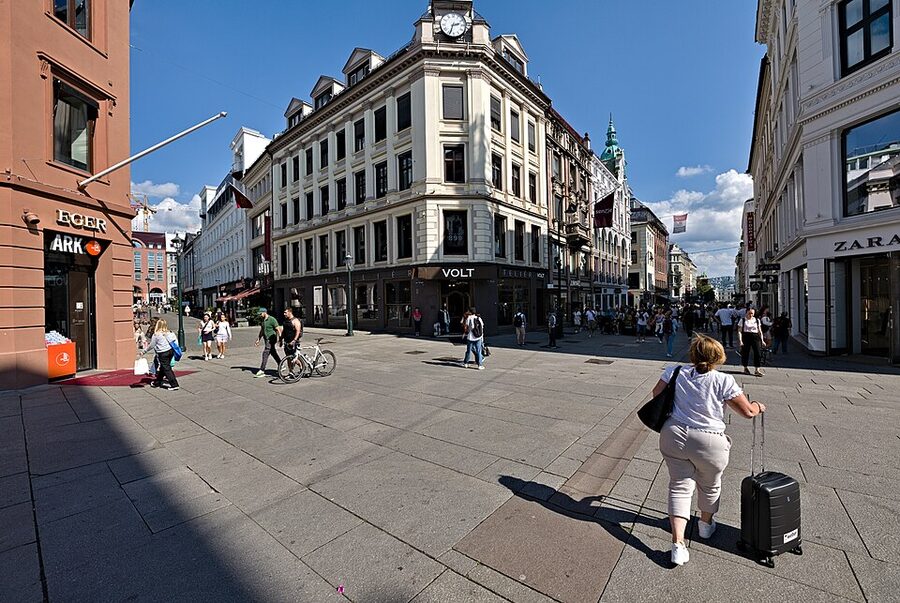
Tickets come as a QR code on your phone. Show the driver, get a small paper map (worth keeping, the network signal is patchy on the Holmenkollen leg), and get an audio receiver if the bus offers one. Most buses now stream audio over wifi to your own headphones via a free app, which is a step up from the old sticky earpieces.
Can You Actually Do Bygdøy Without Renting a Car?
Yes. And the bus is the easiest way to do it. This is genuinely the bit that sells the whole product for me.
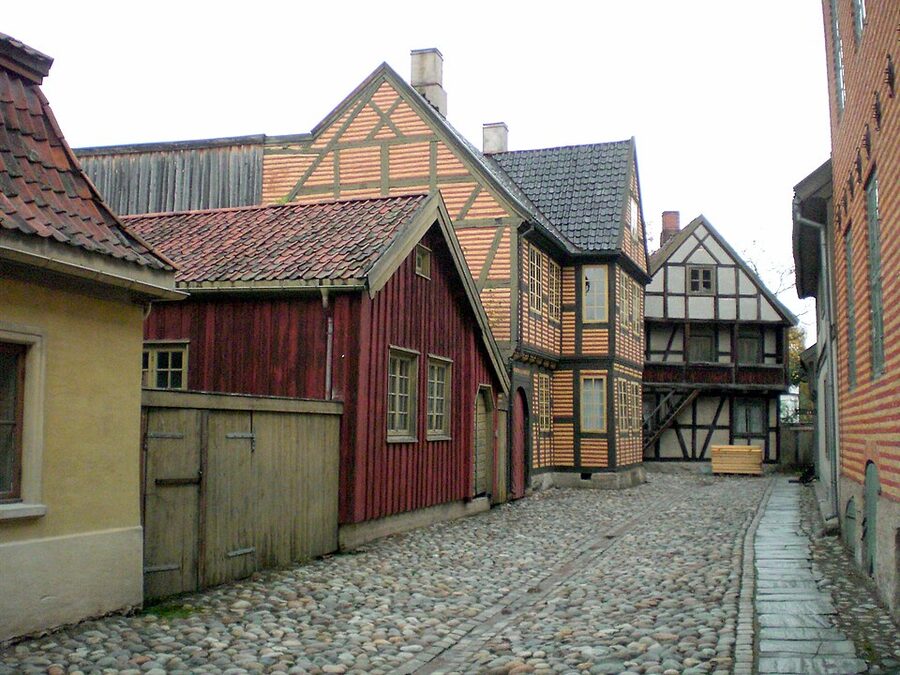
Bygdøy is a museum cluster on a peninsula about 4km west of the centre. There are four museums on it: the Viking Ship Museum (currently closed for rebuild, reopening as the Museum of the Viking Age, but the Vikingsgaarden gift shop and grounds are accessible), the Fram polar exploration ship, the Kon-Tiki, and the Norsk Folkemuseum (open-air folk village). They are all within a 15-minute walk of each other once you are on the peninsula. Getting there is the tricky bit.
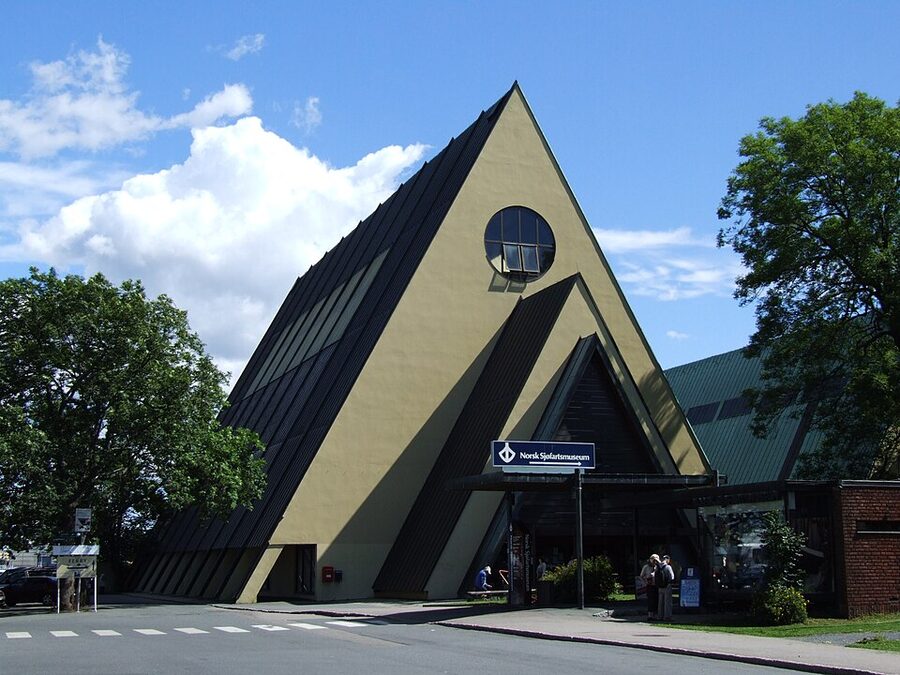

Your three options to reach Bygdøy:
The hop-on hop-off bus drops you within 200m of all four museums. It runs all year. You can sit. It is the only option in winter that does not involve a long, cold walk from a public bus stop.
The municipal Bygdøy ferry (line 91 from Aker Brygge) is the romantic option, takes 15 minutes, and is genuinely lovely on a sunny May afternoon. It also stops running entirely in winter, charges separately from your transit pass on some plans, and the queues at peak summer can swallow 45 minutes of your day.
City bus 30 from Jernbanetorget is cheap (about NOK 42 with the Ruter app) and frequent. It also requires you to plan, change buses, and walk further at the other end. If you have an Oslo Pass anyway, this is fine. If you do not, the math gets close to the hop-on hop-off ticket price.
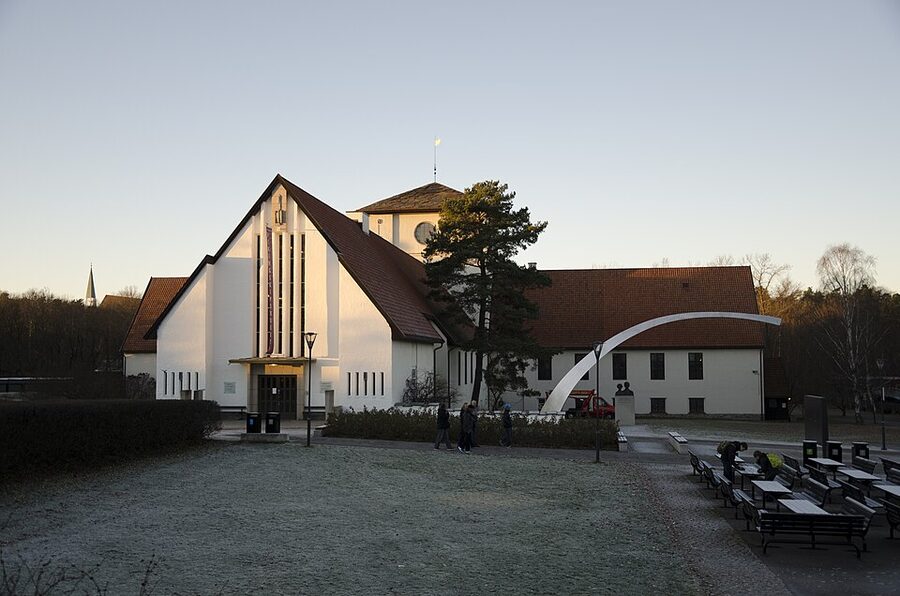

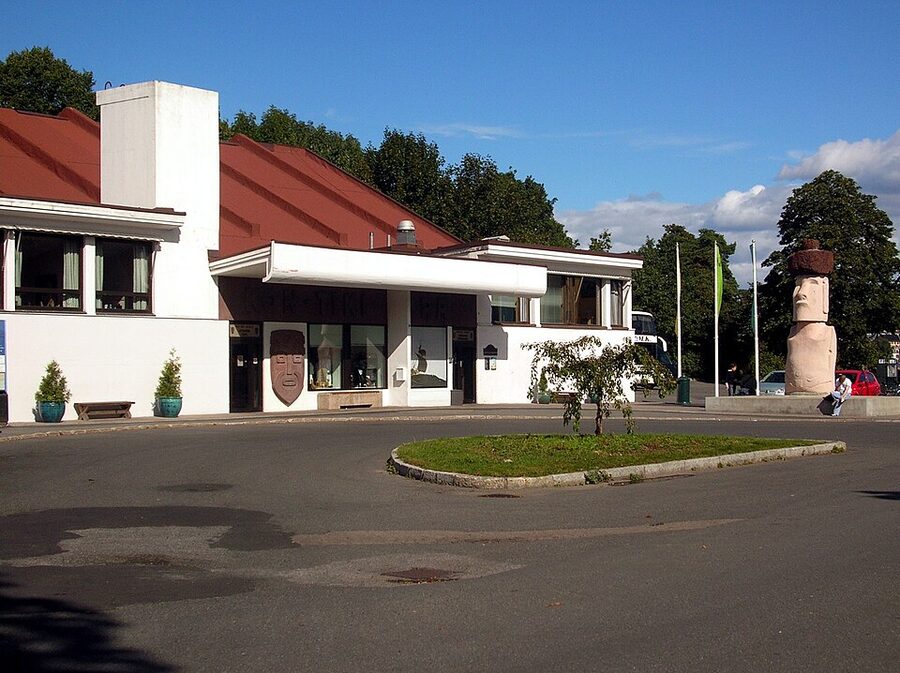

If you are short on time, do Bygdøy in this order: bus to Fram Museum first (90 minutes inside), then walk three minutes to Kon-Tiki (60 minutes), then walk eight minutes uphill to the Norsk Folkemuseum if you have an afternoon left (give it two hours minimum, it is huge). Skip the Folkemuseum entirely if you have under three hours total on the peninsula.

Three Hop-On Hop-Off Tickets Worth Booking
I have done the loop on both operators and a guided combo bus, and the differences come out clearly once you ride them. Here is what I would actually book.
1. Oslo: 24 or 48-Hour Hop-On Hop-Off Sightseeing Bus GrayLine: $44
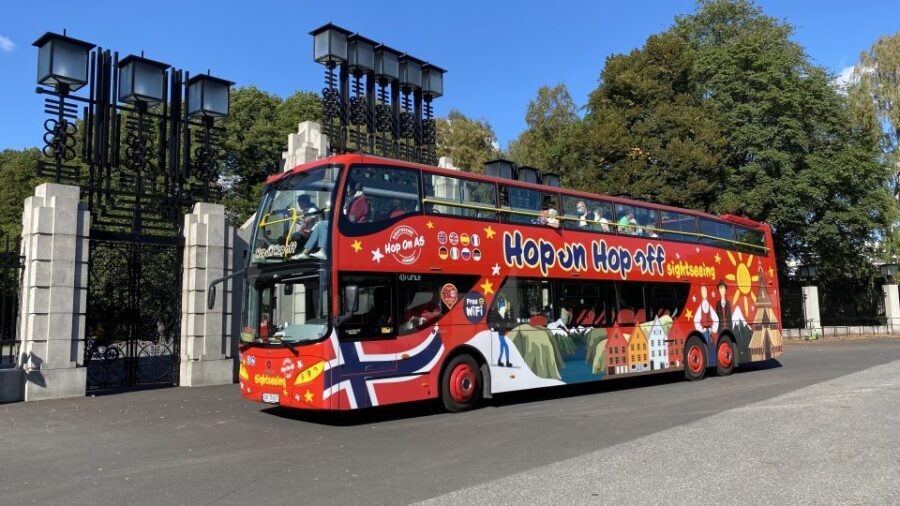
This is the network I recommend by default. Buses run every 30 minutes between Vigeland Park, the Royal Palace, the Opera House, Aker Brygge, Bygdøy, and Holmenkollen. The 48-hour ticket is the move for almost everyone, since Holmenkollen alone burns half a day and you do not want to do Bygdøy on the same day. Our full review covers the audio quality and which buses to dodge in summer (the open-tops are great until it rains).
2. Oslo: City Sightseeing Hop-On Hop-Off Bus Tour: $46
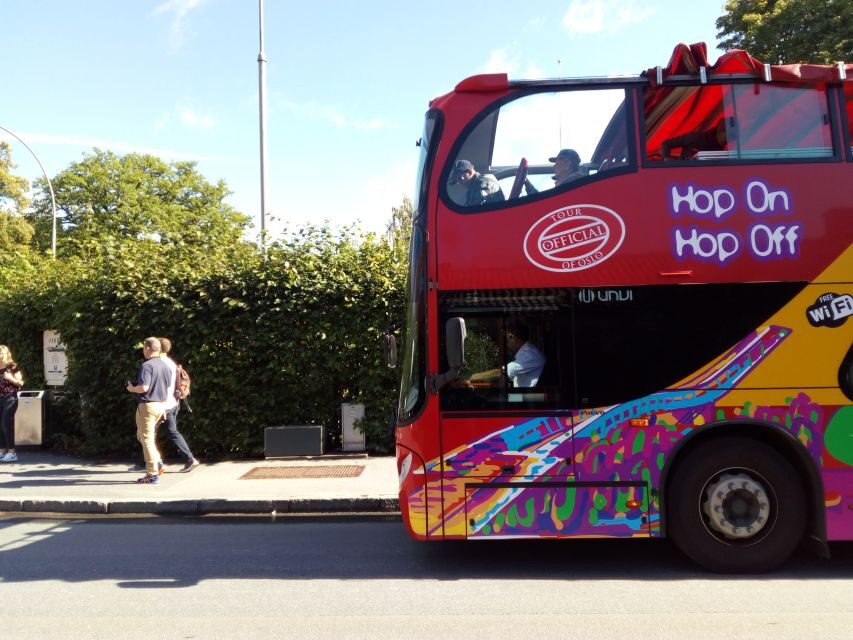
The tour starts at the National Theater and loops through the Royal Palace, Frogner Park, the Viking Ship Museum, and the Opera House. Audio guide in nine languages. Our review of City Sightseeing goes into the trade-off in detail. The first bus is at 10am and the last at 4pm, which is the main reason I only book this one if I am skipping Bygdøy entirely.
3. Oslo: Grand City Sightseeing Tour by Bus with Fjord Cruise: $152
This is not a hop-on hop-off ticket, it is a full guided day combining a bus tour with the Oslo Fjord cruise. The 7.5-hour itinerary covers Holmenkollen, Vigeland Sculpture Park, the Fram Museum, and either the Folk Museum or Kon-Tiki depending on the season. The full review explains why I would only book it on a one-day stopover. If you have two days in Oslo, the GrayLine pass plus a separate fjord cruise works out cheaper and gives you more freedom.
The Three Stops People Actually Care About
If you only have one day in Oslo, the hop-on hop-off saves you most of it. Here is how I would prioritise the stops by what they pay back per minute.
Vigeland Sculpture Park


If I had one stop in Oslo, this would be it. Free, open 24/7, and contains 200 sculptures by Gustav Vigeland that he spent 20 years carving. The Monolith is the centrepiece and the photos genuinely do not prepare you for it. Allow 90 minutes minimum. The hop-on hop-off stops at the Frogner Park gate, which puts you a five-minute walk from the main fountain.
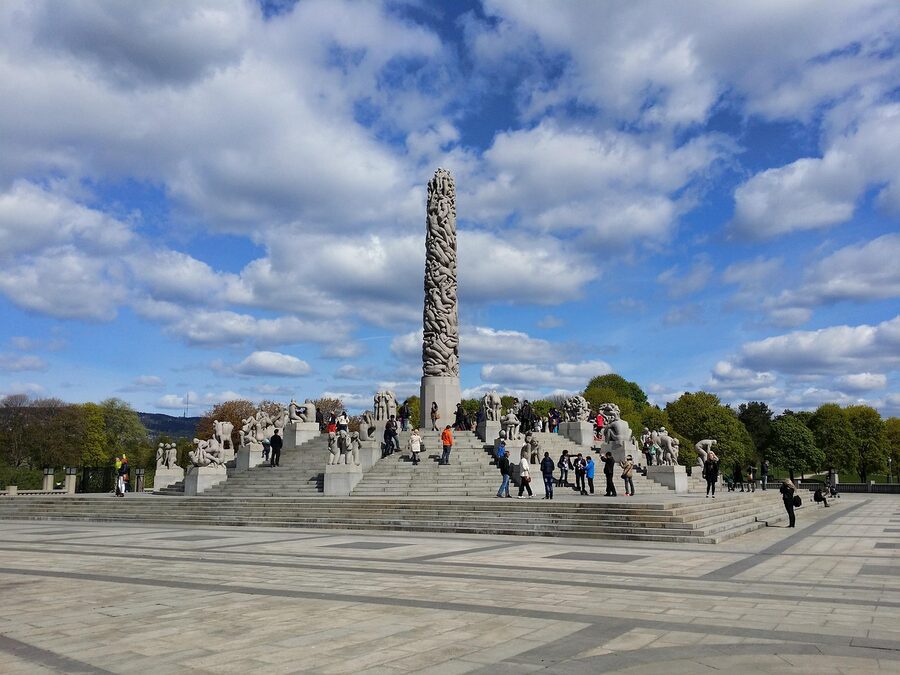
Best time to visit: weekdays before 10am or after 6pm. Sunday afternoons in summer are packed with locals having picnics, which is fun but means a lot of people in your photos.
Holmenkollen Ski Jump
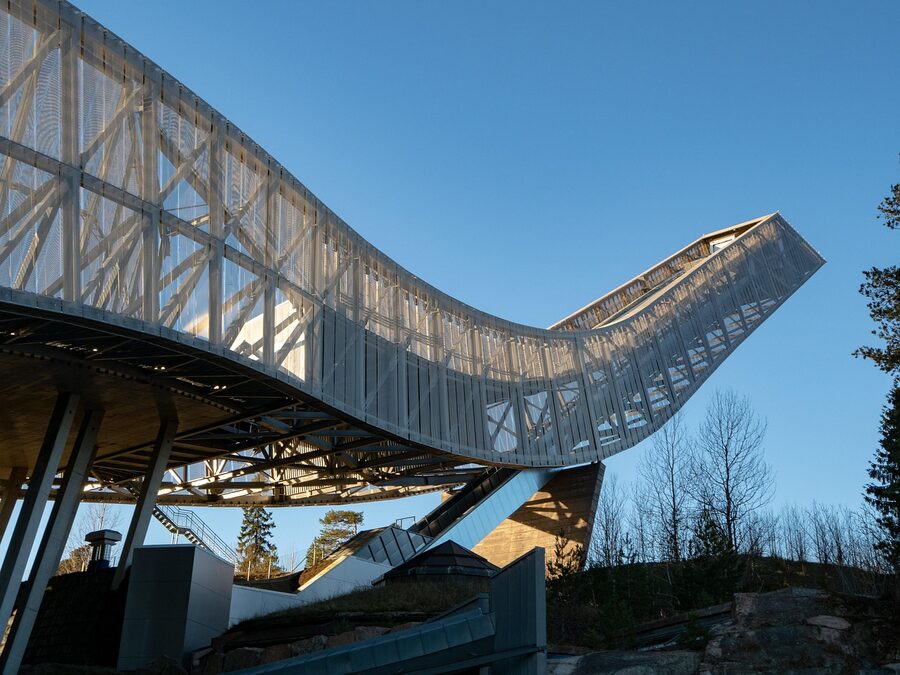
The ski jump is up a mountain northwest of the city and is genuinely spectacular up close. The bus takes about 25 minutes from downtown and the route winds through a residential neighbourhood that you would never see otherwise. The on-site museum is worth 45 minutes (the world’s oldest ski museum, oddly), and the climb to the viewing platform at the top of the jump tower gives you Oslo’s best free city panorama.
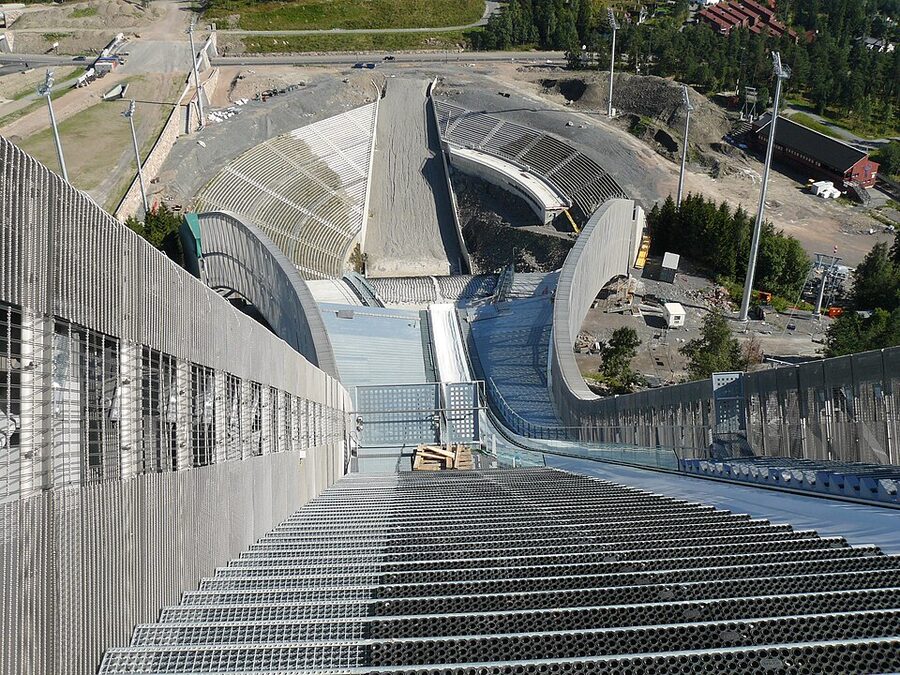

Time it for late afternoon if you can. The light coming off the fjord at 4pm in summer is better than midday haze. The viewing platform itself does cost separately (around NOK 160) but you can stand at the base for free and the view is still good.
The Royal Palace and Karl Johans gate
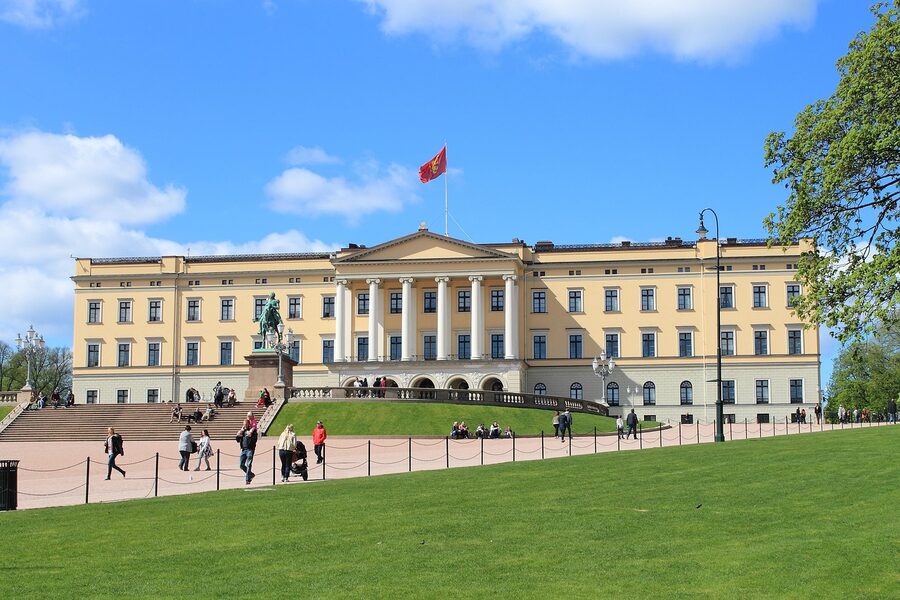
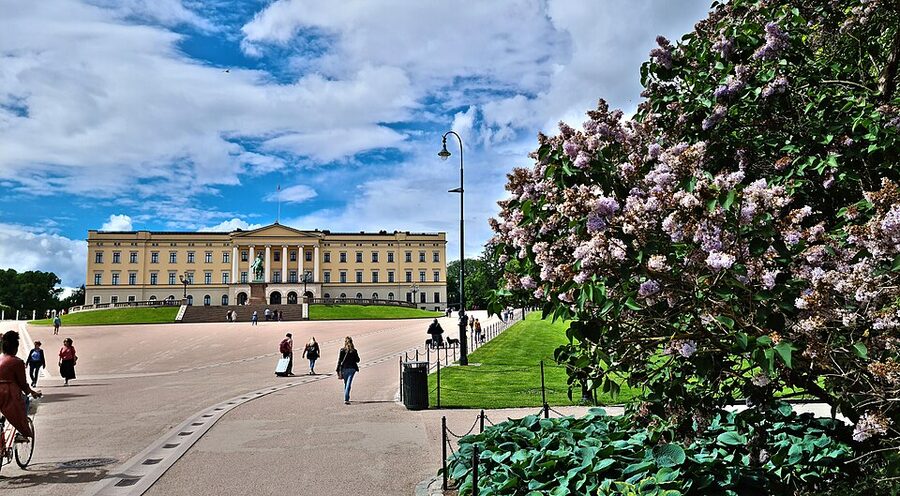
The Changing of the Guard happens every day at 1:30pm and lasts about 40 minutes. It is smaller than the London version but the absence of crowds and the fact you can stand right next to it makes it more interesting. Allow 30 minutes if you are watching from the front. The hop-on hop-off stops on the south side of the palace within easy walking distance.
.jpg)
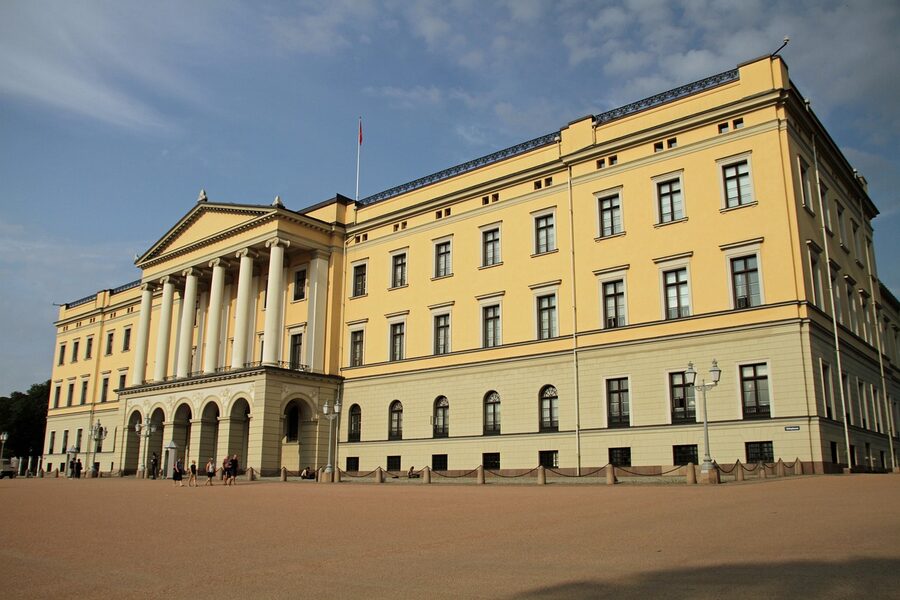
From the palace, walk down Karl Johans gate to the National Theater, the Parliament, and the Cathedral. It is the spine of central Oslo and you can knock out three or four landmarks on a 15-minute walk before grabbing the next bus.
The Opera House Stop is Worth a Detour
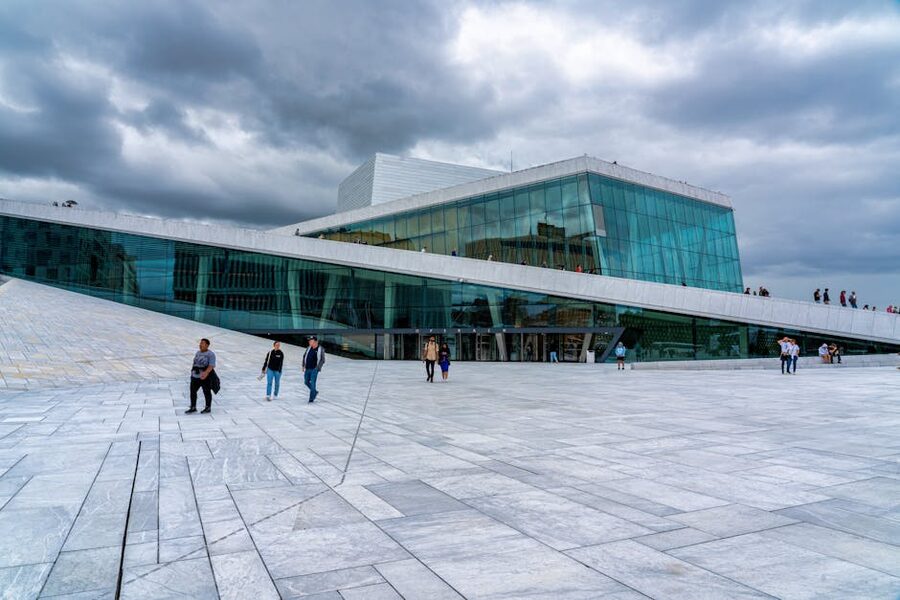
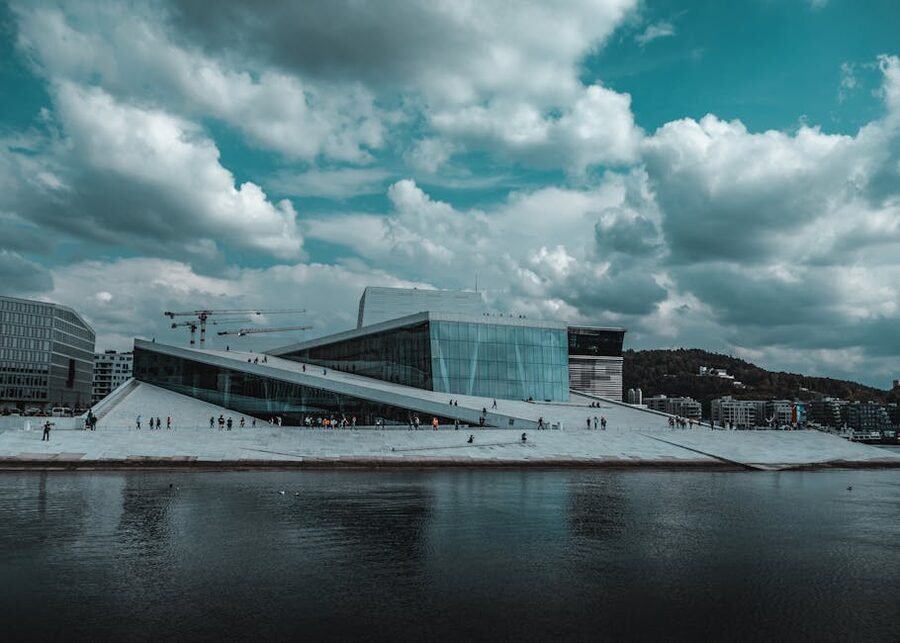
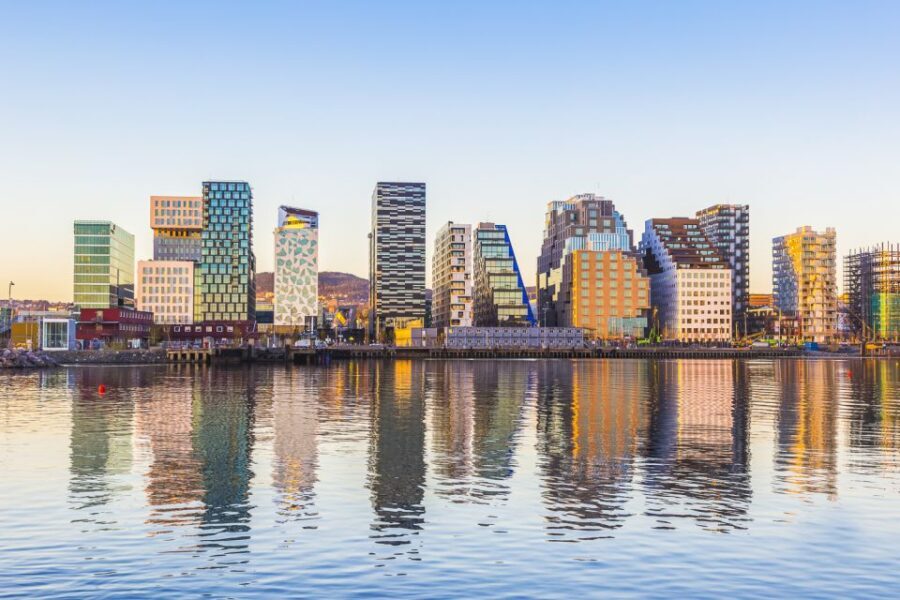
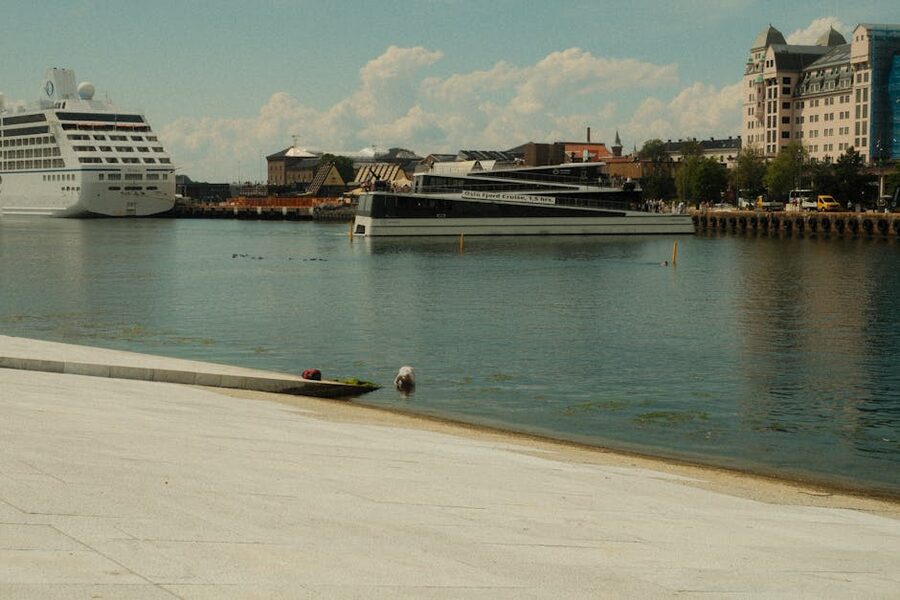
The Opera House is one of those buildings that does what the architects promised. The whole roof is a public plaza you can walk up. From the top you get a 360 of the inner harbour, the Munch Museum, the new Bjørvika district, and the fjord beyond. It is free and most people miss the fact you can go inside the foyer too without a ticket.
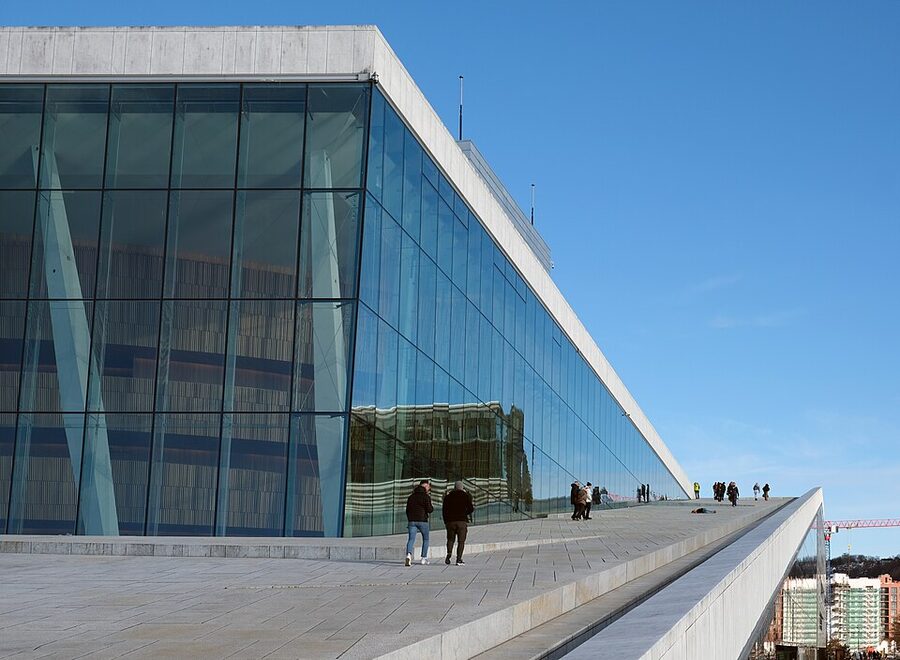

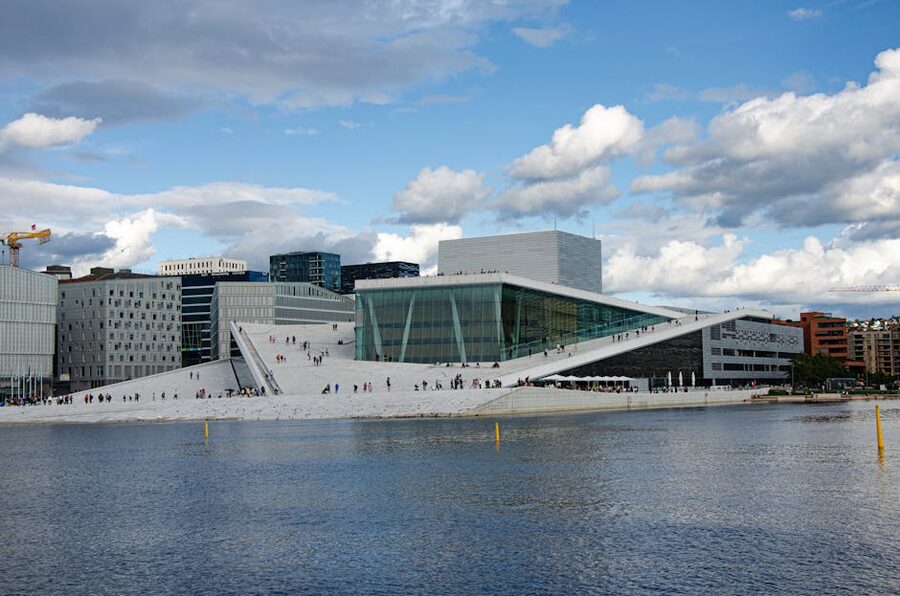
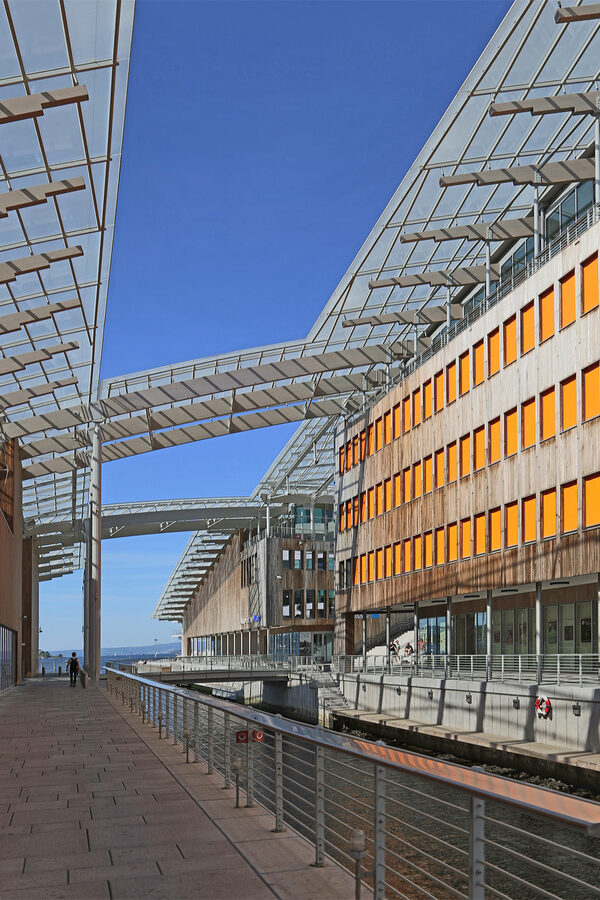
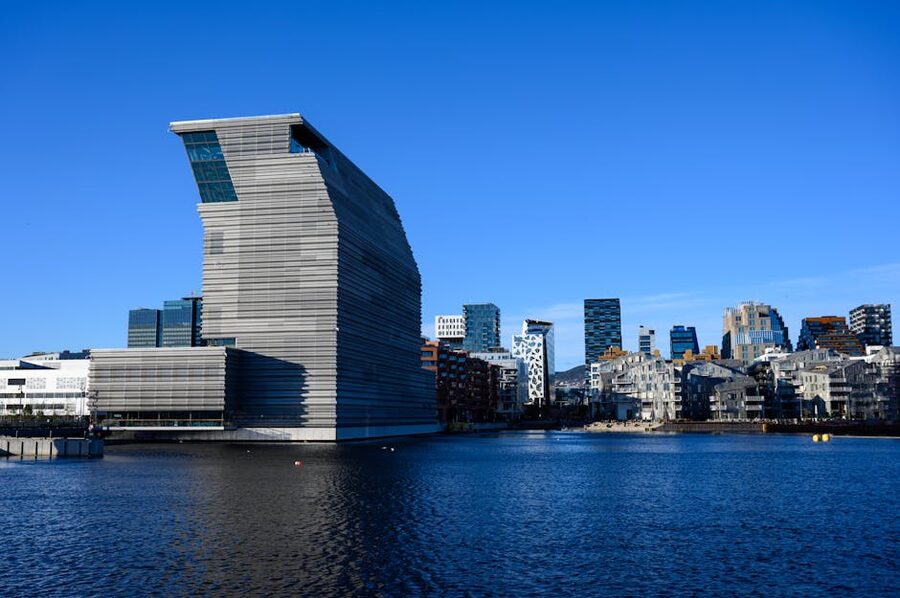
The Munch Museum is a five-minute walk east of the Opera House, in the same Bjørvika district. If you are interested in The Scream and have an extra two hours, get off here. The hop-on hop-off does not always stop directly at the Munch Museum, though most operators have added it as of summer 2025.
Akershus Fortress and the Harbour Loop
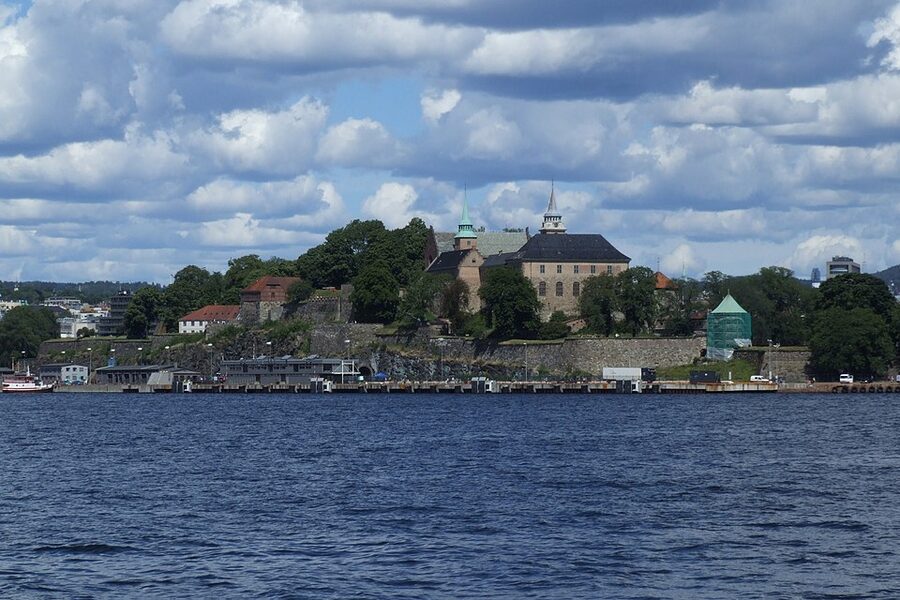

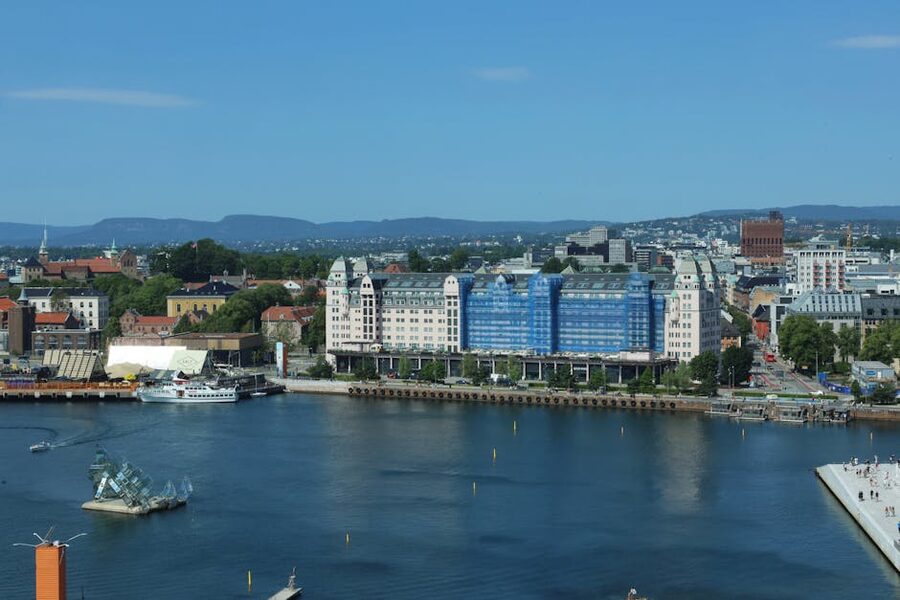
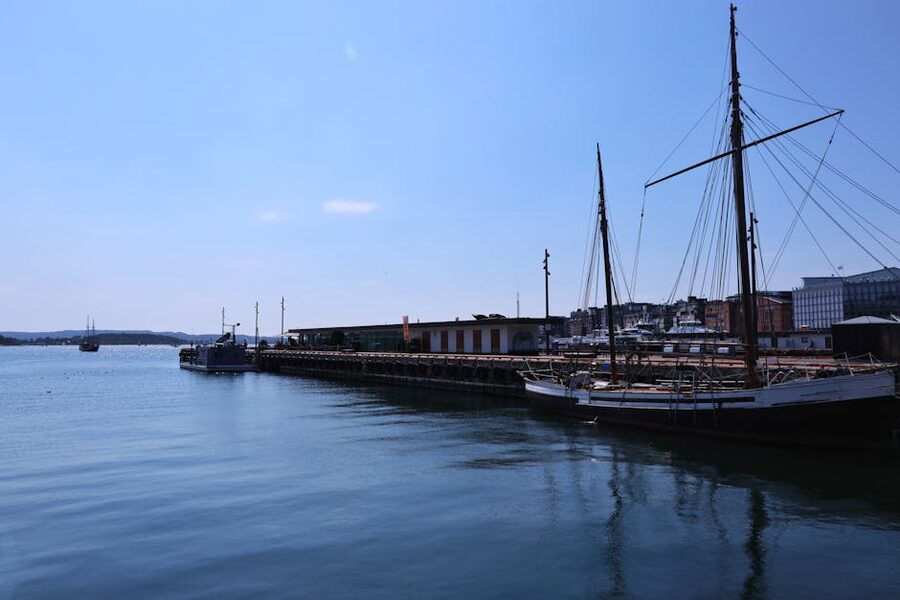
The fortress is medieval, free to enter the grounds, and gives you the best harbour view in central Oslo. It is also one of the few stops where I would suggest staying off the bus and walking. Akershus to Aker Brygge along the waterfront is a 15-minute stroll past the City Hall, the Nobel Peace Center, and the open-air food court at the wharves. Reboard at Aker Brygge for the ride back to Bygdøy or downtown.

Practical Booking Stuff
How to actually buy the ticket
Book online before you arrive. The walk-up price at the bus stop is not always cheaper than the online rate, and on busy summer days the open-top buses sell out by 11am. Both operators have GetYourGuide as their main reseller. You get a QR code emailed within minutes, and the same code works on every bus on the network.
If you book the 48-hour pass, the second day does not have to be the day after the first. So book a 48-hour ticket, use it on day one, skip a day, and use the rest on day three. The clock counts active hours, not calendar days, on most current tickets. Confirm this when you book; some legacy ticket types still calendar-day count.
Best time of year
Late May to early September is the open-top season and gives you the best ride. June and July have the longest daylight (sunset around 10:30pm in midsummer) which means you can squeeze in three or four stops a day. October to April is harder. The covered buses still run but the audio is less crisp, the views less photogenic, and Bygdøy is genuinely cold even with proper gear.
If your trip is in winter, the bus is still the right move for getting to Holmenkollen and Bygdøy, but I would skip the 48-hour ticket and just buy the 24-hour. You will not feel like spending two days outdoors anyway.
Oslo Pass versus the bus pass
This question comes up. The Oslo Pass is a city card that includes admission to most museums plus public transport. It does not include the hop-on hop-off bus. So if you want both, you are paying for both. The math works in favour of the Oslo Pass if you plan to do four or more paid attractions and use trams and metros heavily. If you mostly want to ride the loop, see the free outdoor stuff (Vigeland, Akershus, Opera roof, Aker Brygge), and pop into one or two museums, the hop-on hop-off ticket alone is the cheaper choice.
What it does not cover
Museum entry. Always. The hop-on hop-off gets you to the door. Once you are at the Fram, the Munch, the Folkemuseum, or the National Museum, you are paying separate admission. Budget around NOK 130-180 per museum on average. The Vigeland Park, Royal Palace grounds, Akershus grounds, and Opera House roof are all free.
How Oslo’s Hop-On Hop-Off Compares to Other European Cities
I have done the same loop in a lot of European capitals and Oslo is, frankly, in the upper bracket. The geography forces it to work. In a city as tightly packed as central Lisbon, you can argue that the bus is a luxury and walking does most of the job. Compare with the Lisbon hop-on hop-off which is genuinely useful for the Belém run but skippable in the centre, or the Porto version which I find harder to recommend because Porto’s layout punishes loop buses on the steep streets.
Oslo is more like the Budapest hop-on hop-off in that the city is split into clusters that need a vehicle to connect (Buda hill, Pest centre, Heroes Square in Budapest; Bygdøy, Holmenkollen, downtown in Oslo). Or the Warsaw version which similarly bridges Old Town and Wilanów Palace by bus rather than a long walk. In all of these cases, the bus pays for itself.
Pairing the Bus With Other Oslo Activities
The thing the bus does not do is the fjord itself. For that you need a boat. An Oslo Fjord cruise is the natural pairing for day two of your bus pass, and you can board most cruises directly from the City Hall pier. A two-day plan that works well: day one, central loop and Vigeland and Holmenkollen with the bus. Day two, Bygdøy in the morning by bus, fjord cruise in the afternoon.
If you have more time in Norway, the rest of the country pulls you out of Oslo quickly. A fjord cruise from Bergen on the west coast gives you Norway’s signature scenery, while the Flåm Railway is the famous mountain rail journey. Up north, the Lofoten Islands and Tromsø deliver a completely different country feel. Tromsø is also the easiest base for the Northern Lights from October to March.
A Brief History of Sightseeing in Oslo
Oslo has been a tourist city for a surprisingly short time. Until the 1990s the city ran on shipping, oil and a sleepy government bureaucracy. The Opera House (2008), the Bjørvika redevelopment, the Munch Museum’s new tower (2021), and the Museum of the Viking Age (still being built) are all 21st-century. The bus loops were retrofitted around the new sights as they came online. That is why the routes feel a bit awkward in places: the city changed faster than the bus operators could keep up, and the network is still being adjusted.
The hop-on hop-off product in its current form has been running since the early 2000s. GrayLine is the older operator and predates the open-top bus trend by decades. They started running standard coach tours in Oslo in 1953. City Sightseeing arrived in the late 2000s and brought the open-top double-decker format that you now see on every European waterfront.
What I Would Tell a First-Time Visitor
Get the 48-hour GrayLine pass. Use day one for the central spine: Royal Palace, Vigeland, Karl Johans gate, Aker Brygge, Akershus, Opera House. Use day two for the harder stops: Holmenkollen in the morning while you are fresh, Bygdøy in the afternoon. Have lunch in Bygdøy at one of the museum cafes (the Fram has a perfectly good one) or pack a sandwich because peninsula prices are not subsidised by foot traffic.
Do not try to do everything. Oslo rewards slowness once you are out of the bus. The whole point of the ticket is to get you to the right neighbourhoods, not to keep you on the bus all day.
And yes, you can absolutely do Bygdøy without a car. The bus is the answer.
One More Thing on the Norway Cluster
If Oslo is your only Norway stop, the bus pass is a complete enough product. If you have time elsewhere in the country, build the trip around the train rather than the plane. Bergen is six and a half hours by rail through some of the most photographed scenery in Europe. Stavanger is a long but feasible day trip if you want to hike Pulpit Rock or cruise the Lysefjord. Up in the Lofoten Islands, the Trollfjord silent cruise is the kind of trip that retires the city-bus reflex for good. Or in the Geiranger area, a Geiranger day tour shows you the UNESCO fjord that most postcards of Norway are actually photographs of.
Affiliate disclosure: This post contains affiliate links. If you book through them, I earn a small commission at no extra cost to you. It helps keep the site running. Thanks.