
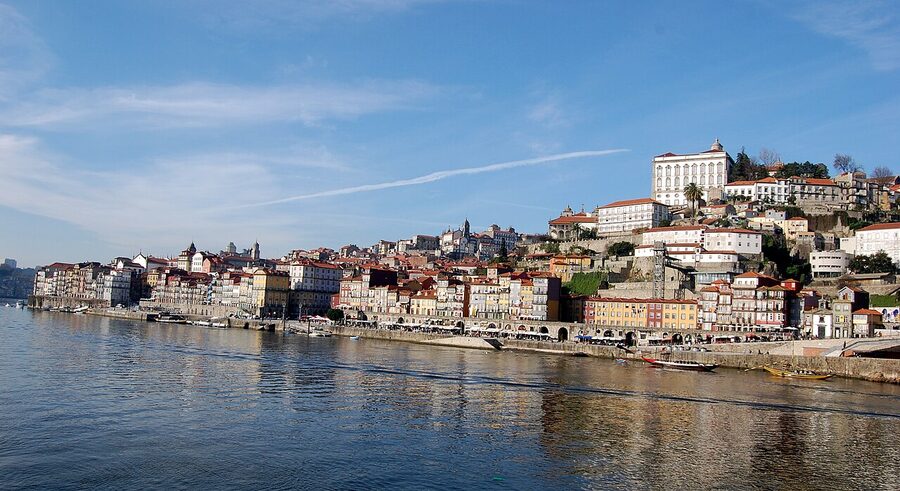
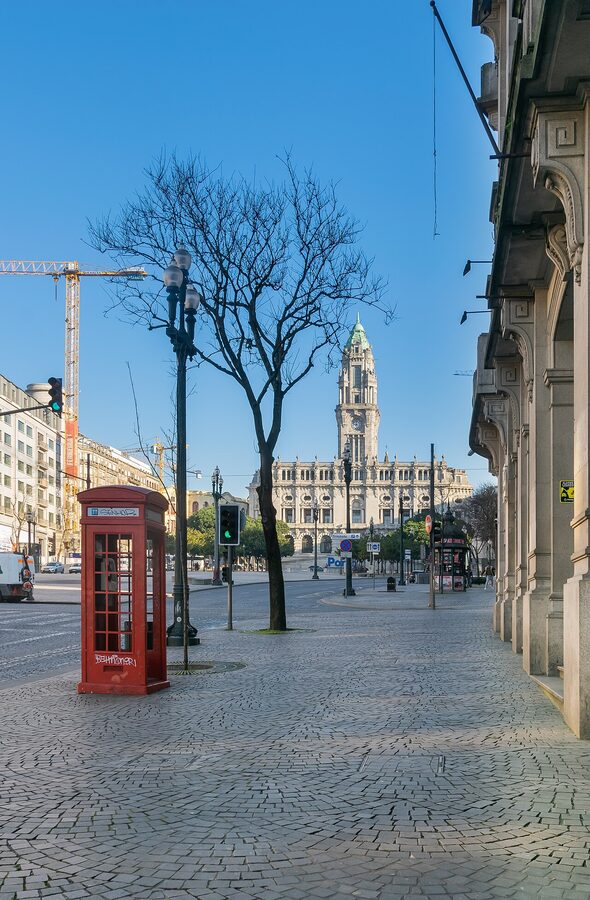
My first mistake in Porto was trusting the walking app. It cheerfully showed the distance from my hotel near Avenida dos Aliados down to the port wine cellars in Gaia as a flat 1.4 kilometres. What it did not show was that Porto sits on a cliff above the Douro, and those 1.4 kilometres involve a vertical drop of about 80 metres followed by a climb back up on the return. I got halfway through day one wondering why my calves were seizing. A hop-on hop-off bus ticket would have cost me less than one of the Ubers I eventually broke down and booked that evening.
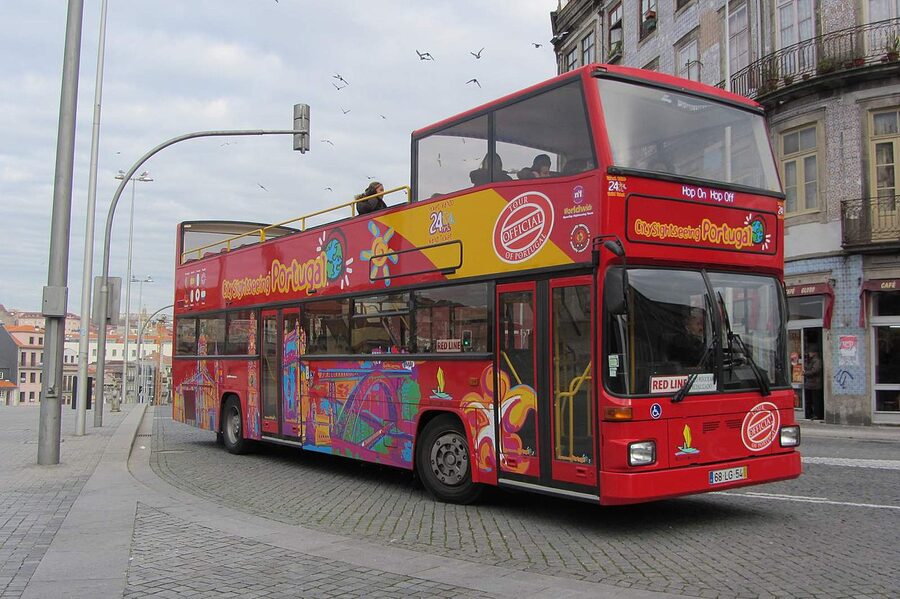

Porto is compact on the map and brutal on the legs. The old core is built on a series of ridges that slope hard down to the river, and most of the interesting stuff is spread across both banks. A sightseeing bus with an audio guide solves the climb, the navigation, and the panorama in one ticket — and at around $31 for a two-day pass, it costs less than a single taxi across the river at rush hour.


Two companies run these buses in Porto — City Sightseeing (the red ones) and Yellow Bus (the green and yellow ones, branded separately from the Lisbon Yellow Bus service). Their routes overlap for about 70% of the city, cost within a few euros of each other, and honestly do the same job. The real choice is whether you add on extras like a Douro river cruise or a visit to a port wine cellar.
Best overall: Porto City Sightseeing Hop-On Hop-Off Bus Tour — $31. Two routes, 48-hour validity, the most booked option for a reason. Cleanest audio guide and most frequent buses.
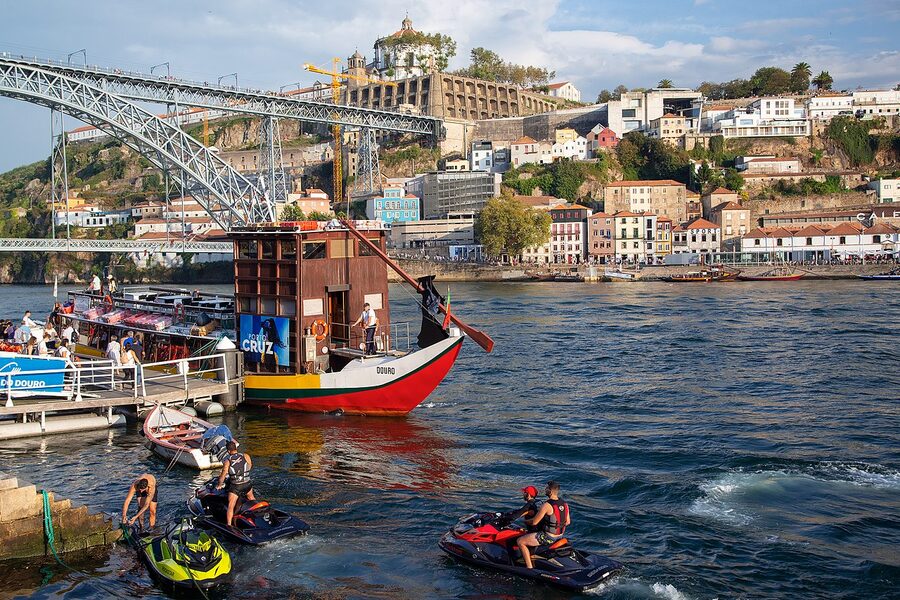
Best combo: Hop-On Bus with Cruise & Port Wine Cellar — $31. Same price, bundles the 6-bridges river cruise and a wine cellar visit. The free add-ons practically pay for the ticket.
Budget pick: Viator City Sightseeing Hop-On Hop-Off — $32. Same product as the top pick but booked through Viator if you prefer that platform.
- How the Porto Hop-On Hop-Off System Actually Works
- The Two Routes Explained
- The Best Hop-On Hop-Off Tickets to Book
- 1. Porto City Sightseeing Hop-On Hop-Off Bus Tour —
- 2. Porto Hop-On Hop-Off Bus with Optional Cruise & Wine Cellar —
- 3. City Sightseeing Porto Hop-On Hop-Off Bus Tour (Viator version) —
- When to Ride (and When to Skip It)
- What You’ll See on the Historical Route
- What’s on the Coastal Route
- Tips That Actually Matter
- Cards, Passes, and Other Ways to Get Around
- Other Porto Guides Worth Reading
How the Porto Hop-On Hop-Off System Actually Works
.jpg)
Both operators run two routes — a historical route through the old centre and down to the river, and a coastal route that runs west out to Foz do Douro where the river meets the Atlantic. Tickets cover both routes on the same pass. Buses depart roughly every 30 minutes on the historical route and every 45 to 60 minutes on the coastal route, which matters if you want to spend real time at Foz.
Daily service runs from around 9:30 AM to 7 PM in high season, tapering to about 6 PM in winter. The last bus of the day heading back from Foz can be as early as 5:30 PM — miss it and you’re looking at a 20-euro Uber or a 40-minute tram ride home. Check the last-bus time on the printed schedule when you board, not on the website, which I found to be slightly out of date.

.jpg)
The audio guide is delivered through disposable earbuds and offers commentary in about 14 languages. It’s fine — not exceptional. What the guide does well is pointing out the bits of the skyline you’d miss from the ground: the baroque curve of the Sao Bento church above the station, the faded painted shipping insignia on the riverfront warehouses, the giant 19th-century cast iron that makes up the Ferreira Borges market.
One thing worth knowing: these buses can’t go into the Ribeira itself. The old streets there are cobbled, steep, and about two metres narrower than a double-decker. The closest stops are Praca da Ribeira and Sao Bento — both require a 5-10 minute walk down (and a much harder walk back up). Factor that in when you’re planning where to hop off.
The Two Routes Explained
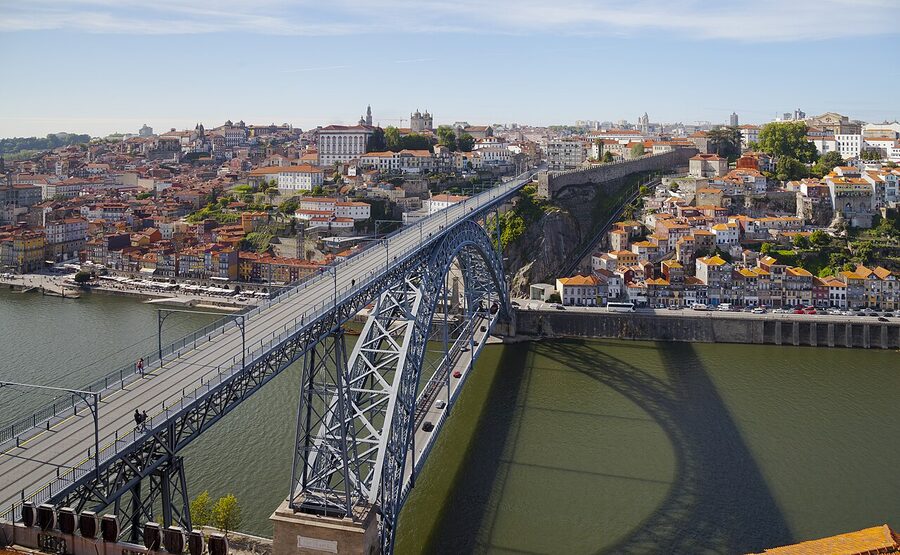

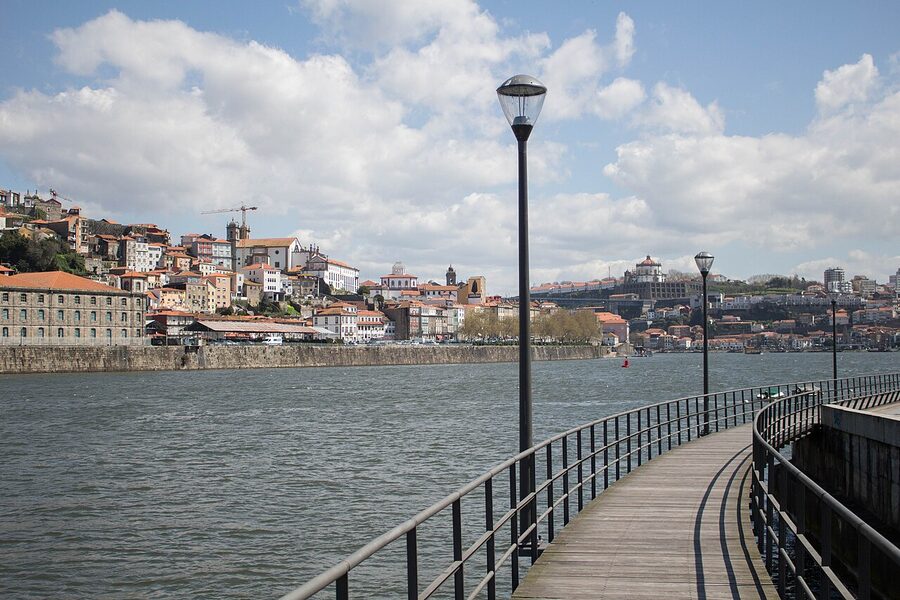
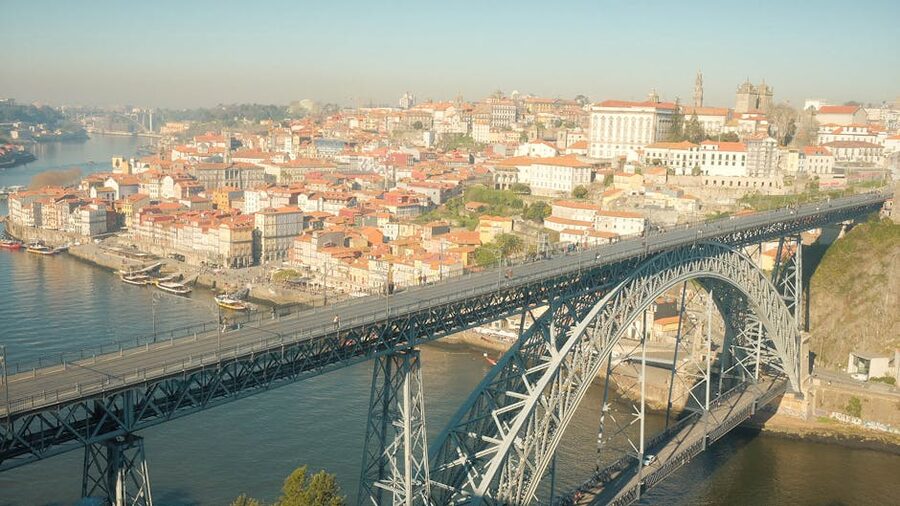
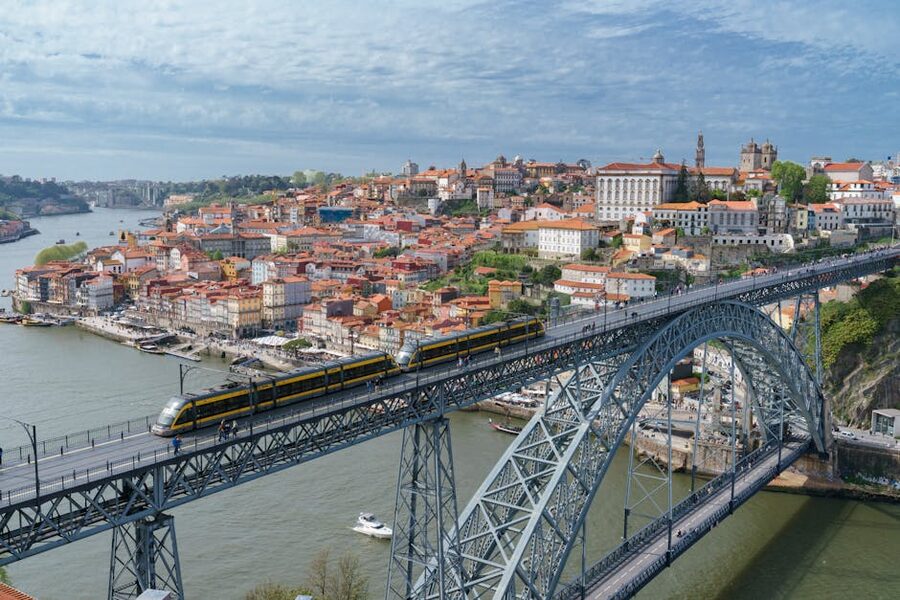
The Historical Route (Red or Blue, depending on operator) is the one most first-time visitors should prioritise. It starts at Avenida dos Aliados, loops past Sao Bento station and the cathedral, descends to Praca da Ribeira, crosses the upper deck of the Dom Luis I bridge (the best two minutes of any sightseeing ride I’ve had in Europe), and drops you in Vila Nova de Gaia right in front of the port wine lodges. It then loops back across the lower deck of the bridge and climbs back to Aliados. Full loop without getting off: about 60 minutes. With the usual 4-5 stops people make: expect it to eat a full day.
.jpg)
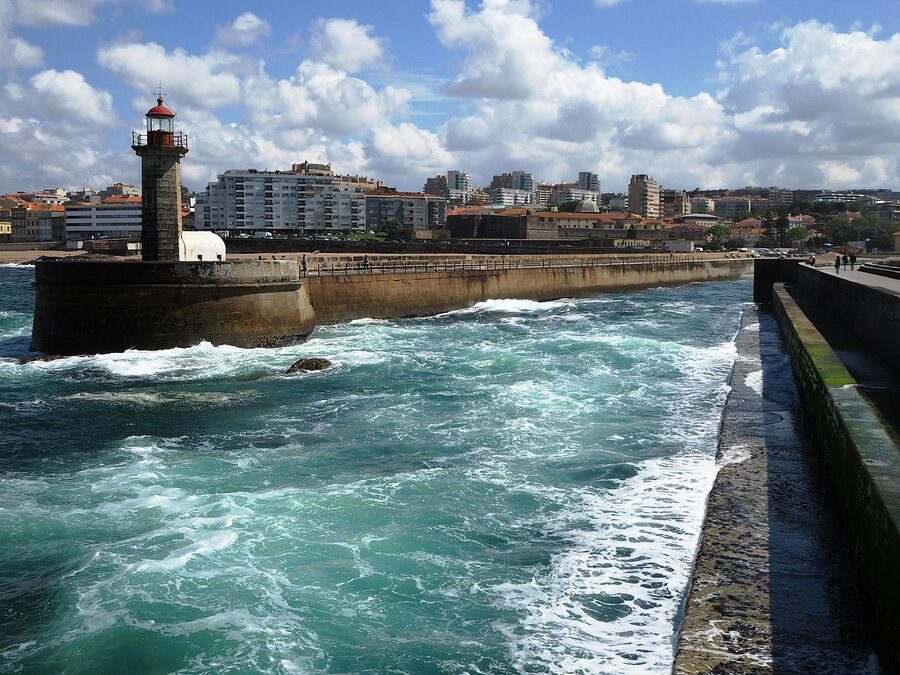
The Coastal Route (Purple or Green, depending on operator) heads west from the centre and follows the Douro until it opens out into the Atlantic at Foz do Douro. Key stops include the Crystal Palace gardens, the Passeio Alegre riverside, the Felgueiras lighthouse at the river mouth, and the beach promenade at Matosinhos. It’s less packed than the historical route and a very different mood — more beach-town-in-a-big-city than medieval capital.
.jpg)
If you only have one day and can only do one route, do the historical one. The coastal route is pleasant but not essential — you can see similar Atlantic-meets-river views from many cities along the Portuguese coast. The Dom Luis I crossing is something you cannot replicate anywhere else.
The Best Hop-On Hop-Off Tickets to Book
I’ve tested and compared the options available for Porto. There are really only three worth paying attention to, because the product across operators is very similar — what differentiates them is the add-ons. Here are the three I’d actually book.
1. Porto City Sightseeing Hop-On Hop-Off Bus Tour — $31
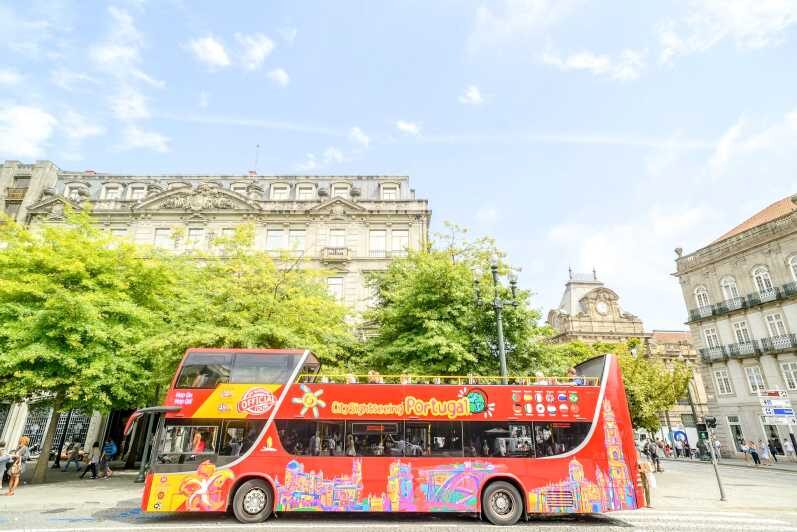
This is the straightforward pick — two routes, 48 hours of validity, audio guide in 14 languages, open-top double-decker buses running roughly every 30 minutes on the historical route. At $31 for two full days, it works out cheaper per-hour than almost any other Porto activity you can book. The 24-hour option is only a few euros less, so spring for the 48-hour pass and give yourself breathing room.
The main reason to pick this specific ticket over its near-identical competitors is frequency. Our full review of the Porto City Sightseeing bus digs into the stop-by-stop breakdown, but the short version: their historical route runs buses every 30 minutes instead of the 45+ you get on some competitors, which makes the “hop-off” part of hop-on hop-off actually practical. Nothing fancy, does what it says, and the audio commentary is noticeably better than the Viator-booked version of the same service.
2. Porto Hop-On Hop-Off Bus with Optional Cruise & Wine Cellar — $31
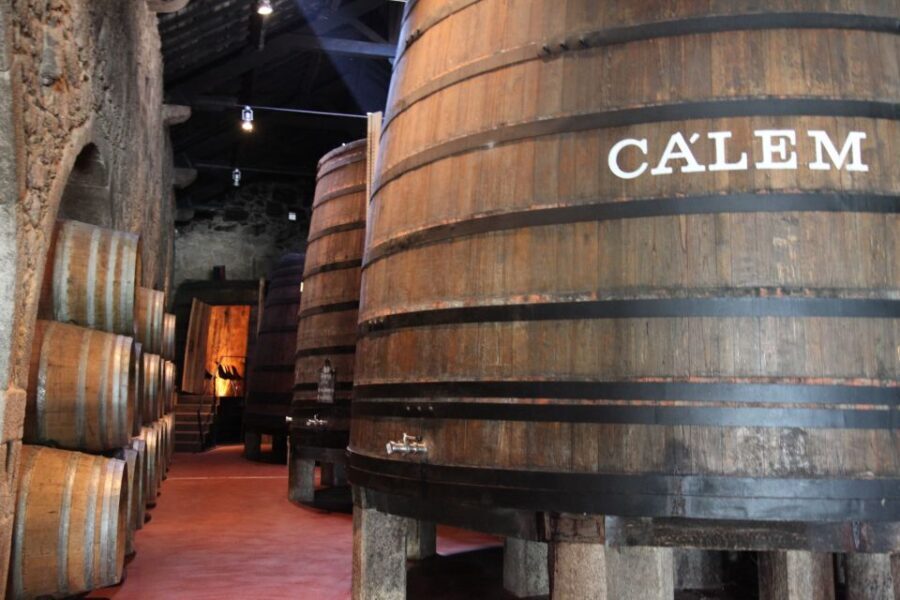
Same bus ticket as option one, but this package throws in the 6-bridges river cruise and a port wine cellar visit (usually Calem or Ferreira’s, depending on availability). At $31 — the exact same price as the bus-only ticket — the extras are genuinely free, which makes this the more rational pick unless you already have a cruise or cellar visit booked separately.
The 50-minute six-bridges cruise is the classic Porto boat experience and the one most guidebooks lead with. It’s slow, the commentary is thin, but the view of the twin cities from water-level is hard to beat. The wine cellar is more hit-or-miss — some slots are crowded group tours — but our detailed review of the combo ticket covers how to time your visit to avoid the worst of it. Book the cruise for late afternoon if you can, and the cellar for the morning slot.
3. City Sightseeing Porto Hop-On Hop-Off Bus Tour (Viator version) — $32
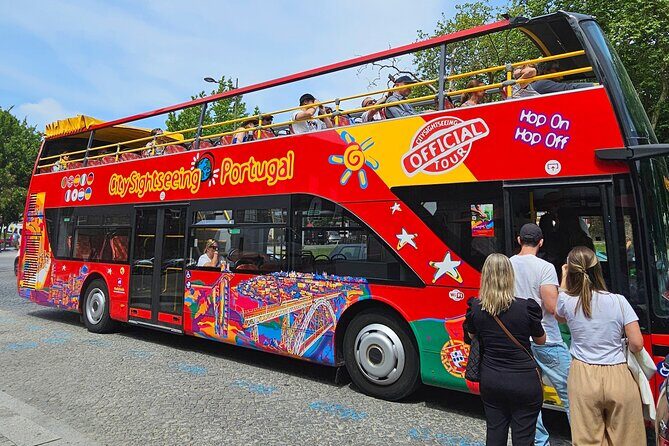
This is functionally the same service as option one, but booked through Viator instead of GetYourGuide. At $32 for the 24-hour pass, it’s a dollar or two more than the GYG equivalent. The only real reason to pick this version is if you already have a Viator account with saved payment details and prefer consolidating bookings on one platform.
Reviews are slightly mixed on the Viator listing, but the underlying product is identical — same buses, same routes, same audio guide. Our review breakdown goes into what those reviews actually complain about (mostly weather and expectations, not the service itself). If you’re choosing between the GYG and Viator bookings, pick GYG for the bus-only ticket and the combo package — the listings are cleaner, the price is marginally lower, and cancellation terms are generally more flexible.
When to Ride (and When to Skip It)

Best months: April, May, September, and early October. The weather is warm enough that the open-top deck is a feature, not a liability. Buses run at full frequency and the tourist crowd has thinned. You can almost always get a top-deck seat without racing for it.
Summer (June to August): The bus still works, but the afternoon heat on the top deck is punishing. Bring sunscreen, a hat, and water — all of which cost double from the kiosks near the major stops. Take the first bus of the day at 9:30 AM if you can. The 2-4 PM runs in July are the absolute worst: full sun, packed buses, every stop overflowing.
Winter (November to March): Rain in Porto is not a light drizzle — it’s proper Atlantic rain, and the top deck is exposed. A significant minority of winter departures operate with the top closed entirely. On a dry winter day, though, the bus is practically empty and it becomes a genuinely enjoyable way to see the city without the summer crush.
When to skip the bus entirely: If you’re only in Porto for one night and your priorities are the Ribeira, dinner in the old city, and a port cellar the next morning — skip it. Those are all walking distance or one short Uber apart. The bus pays off when you want to do Gaia, Foz, and the historical centre all on the same ticket, or when the hills are a factor. If you’re travelling with anyone over 65, anyone with a knee injury, or small kids, the bus becomes essential rather than optional.
What You’ll See on the Historical Route


The historical loop hits the highlights every first-time visitor wants to see — and a few that tend to get missed. Starting from Avenida dos Aliados, you pass:
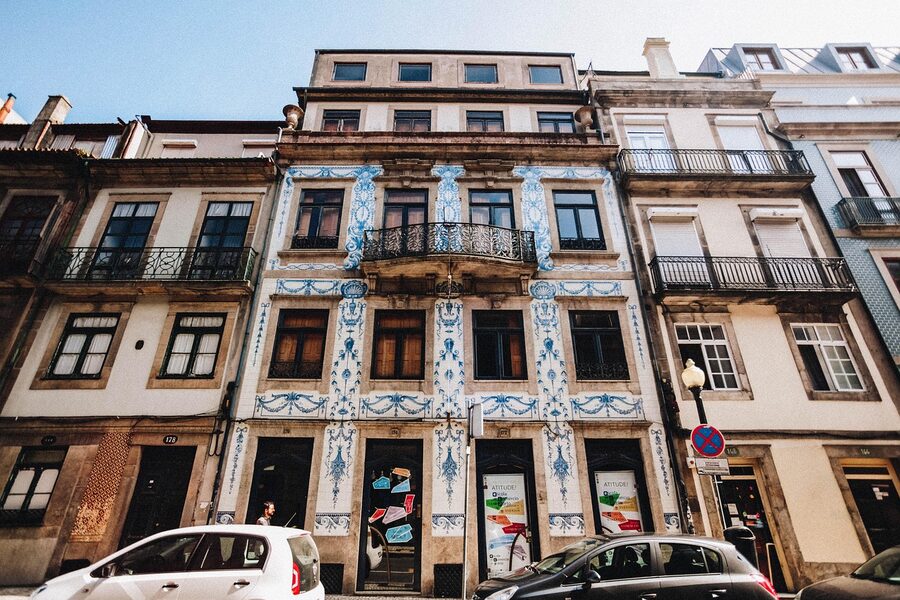
Sao Bento station — the azulejo panels in the ticket hall alone justify a hop-off. About 15 minutes inside is enough.
Porto Cathedral (Se) — Romanesque bones, Baroque skin. The terrace outside has one of the best free views in the city.
Praca da Ribeira — the bus doesn’t go all the way down but stops close enough that the 5-minute walk is worth it. This is where you eat an overpriced but delicious lunch overlooking the river.
Dom Luis I bridge upper deck — the crossing itself is the view. Sit on the right side going from Porto to Gaia.
Vila Nova de Gaia port cellars — the stop here drops you roughly at Sandeman, with Taylor’s, Cockburn’s, and Graham’s a short uphill walk. If you only do one cellar, Graham’s has the best views.

.jpg)
Clerigos Tower and Church — the tall baroque spire you’ll see on every Porto postcard. There’s a separate ticket to climb it. Our guide on how to buy Clerigos Tower tickets covers whether it’s worth the climb.
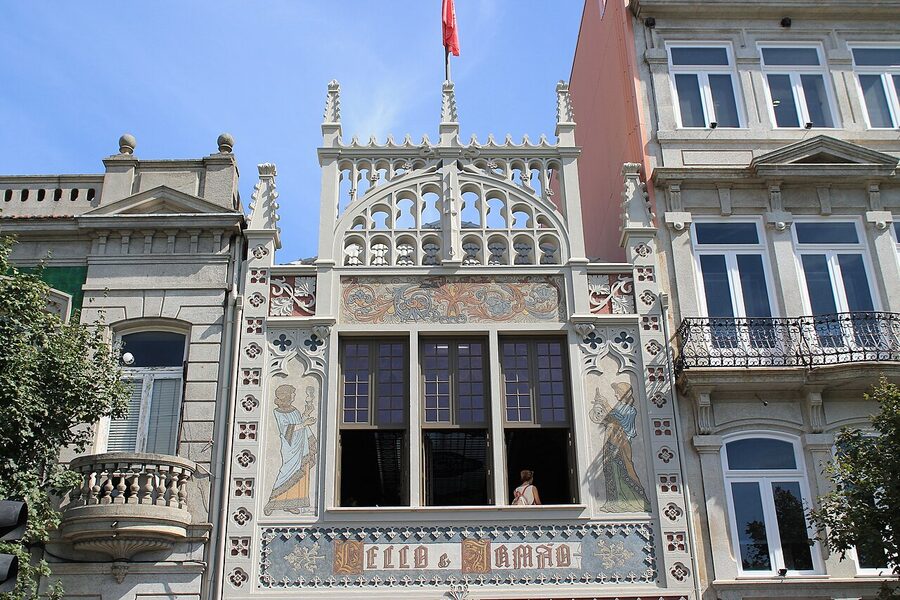
Livraria Lello — the Harry Potter bookshop. Not on the bus route exactly, but a 2-minute walk from the Aliados stop. Go in the morning before the queues build.

What’s on the Coastal Route

_13.jpg)
The coastal loop goes west from the centre and it’s a much more relaxed ride. Expect fewer tourists on board, longer stretches between stops, and genuinely different scenery. Key points:
Jardins do Palacio de Cristal — these hilltop gardens have some of the most underrated views in Porto. Peacocks roam the paths. Entry is free.
Passeio Alegre — the riverside promenade where the Douro widens before meeting the sea. There’s a handful of cafes here that locals actually use.
Foz do Douro — the river-mouth neighbourhood. Salt air, surfers, and a much slower pace. Felgueiras lighthouse is a 5-minute walk from the bus stop along the ocean promenade.
Matosinhos beach (on some routes) — wide sandy beach with the best fresh seafood restaurants in greater Porto. If the bus terminates here, the walk back to the coast stop takes about 15 minutes.
_in_Porto.jpg)
Tips That Actually Matter
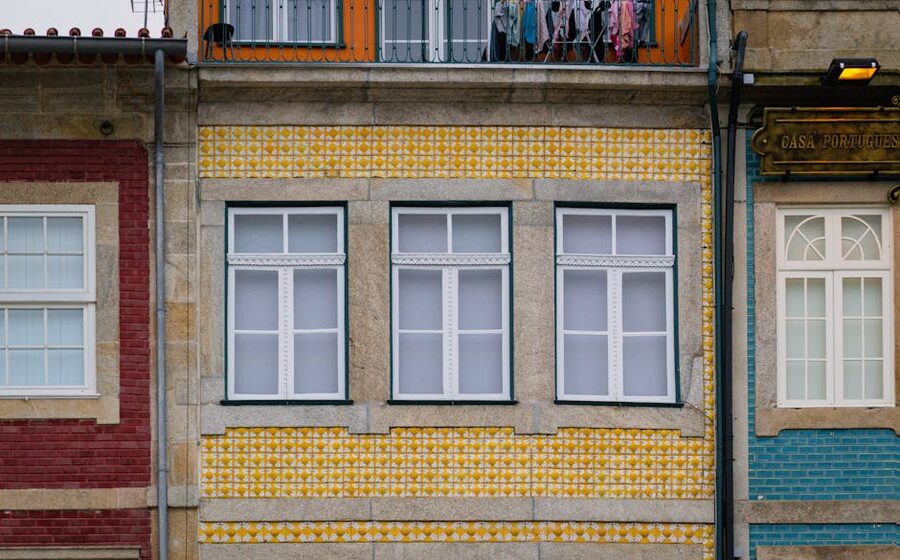
Do the full loop first. Same advice as any hop-on hop-off system, more important in Porto than most because the hills make it hard to course-correct. Ride the historical route all the way through once without getting off. Use it to figure out which stops look interesting up close. Then on your second pass you’re hopping off with purpose.
Bring your own earbuds. The disposable headsets they hand out are the cheap kind that fall out of your ears when the bus takes a corner. A regular pair of earbuds with a 3.5mm jack plugs straight into the audio guide port in the seat.
Sit on the right side going toward Gaia. Both operators run clockwise on the historical loop. The river views open up on the right as you cross Dom Luis I toward Gaia, and again on the right heading back along the river. Left side gives you the cathedral and station views, which are also nice — but if you only have one ride to plan, prioritise the river side.
Don’t ride in the rain without covered seating. Porto rain is serious and the top deck is completely exposed on most buses. If the sky looks uncertain, grab a lower-deck seat near a window. Covered top-deck seats exist on some buses but are first to fill.
The ticket is 24 or 48 consecutive hours, not calendar days. Activate at 3 PM, ride until evening, ride all morning and afternoon the next day. Use this to stretch value — especially useful if you’re arriving on an evening flight and want to sightsee the next two days on one 48-hour pass.
Pair the bus with a walking tour for depth. The audio guide is thin on history. A walking tour of Porto with a local guide fills in the backstory you miss on the bus — and walks you through the streets the buses literally can’t fit down.
Cards, Passes, and Other Ways to Get Around

If you’re weighing the hop-on hop-off against other transport options, here’s the honest comparison. The Porto Card bundles public transport with museum discounts and can work out cheaper than a hop-on ticket if you’re planning heavy museum-going. For pure sightseeing, the hop-on wins on panorama and commentary. For old-city depth, a Porto tuk-tuk tour gets into the streets the buses cannot — narrower, steeper, and more atmospheric. For Alto Douro and wine-country context, neither bus nor card covers what a proper port wine cellar visit offers.
Uber runs cheap and reliably in Porto — a cross-town ride rarely exceeds 8 euros. If you’re in Porto for more than three days, it’s often the smartest transport for specific trips (dinner in Matosinhos, airport transfer, getting home after port tastings) that the bus schedule can’t cover.
Other Porto Guides Worth Reading
If the bus gives you the outline of Porto, the detail is in the experiences it can’t cover — and most of them are cheap, walkable, and worth planning in advance. A proper walking tour of Porto is the single thing I’d pair with the bus — two hours with a local guide will teach you more than two days on the open top. For the river itself, the six-bridges Douro cruise is the water-level version of the bus loop, and it pairs especially well if you book the cruise for late afternoon after a morning on the bus. Port wine cellar visits are where you actually spend the afternoon in Gaia once you’ve hopped off — don’t just wander in, book ahead, and if you’re only doing one cellar, Graham’s has the river views nobody else matches. A food tour through Porto works best on the evening after your bus day — you’ve seen the city from above, now taste it from inside. For the Porto Spiritus multimedia show over on Cais de Gaia, our Spiritus ticketing guide covers whether it’s worth fitting in between bus loops. And if you’re basing this trip in Lisbon and just coming up for a day or two, our Lisbon hop-on hop-off guide is the parallel piece — same format, different city, different hills.
If you’re continuing beyond Porto, a few cousin guides are worth a look: the Sintra, Pena and Cascais day trip from Lisbon covers the south-coast palaces, the Fatima, Nazare and Obidos day trip handles central Portugal’s pilgrimage and beach towns, and the dolphin watching and Benagil caves tour from Albufeira is the Algarve counterpart if you’re heading south after Porto.
This article contains affiliate links to tour operators. If you book through these links, we may earn a small commission at no extra cost to you. This helps support the site and lets us keep writing detailed guides like this one.