
People keep telling me Valencia is “small enough to walk.” It isn’t. The historic centre is a tight medieval grid where you can wander for hours without checking a map, but the Mercado Central and the City of Arts and Sciences sit roughly 3km apart with a long dry park between them, and the beach is another 4km after that. On foot, the cathedral-to-Oceanogràfic walk eats 45 minutes and gives you almost nothing to look at on the way. The hop-on hop-off bus closes that gap in about 15 minutes and spends most of the day looping through the parts you actually came to see.
Whether you bother with one comes down to two questions: are you mostly in the old town for the morning, then crossing the city in the afternoon? And do you want a fixed audio narration or do you prefer to use Google for the history? If yes and yes, get the ticket. If no and no, walk.
For cruise day: Valencia Hop-On Hop-Off Tour (Viator), $31. Same loop, slightly different ticketing if you’re booking via shore-excursion bundles.
If you want extras: 48-Hour Bus + San Nicolás Church, $41. Adds entry to the “Valencian Sistine Chapel.”
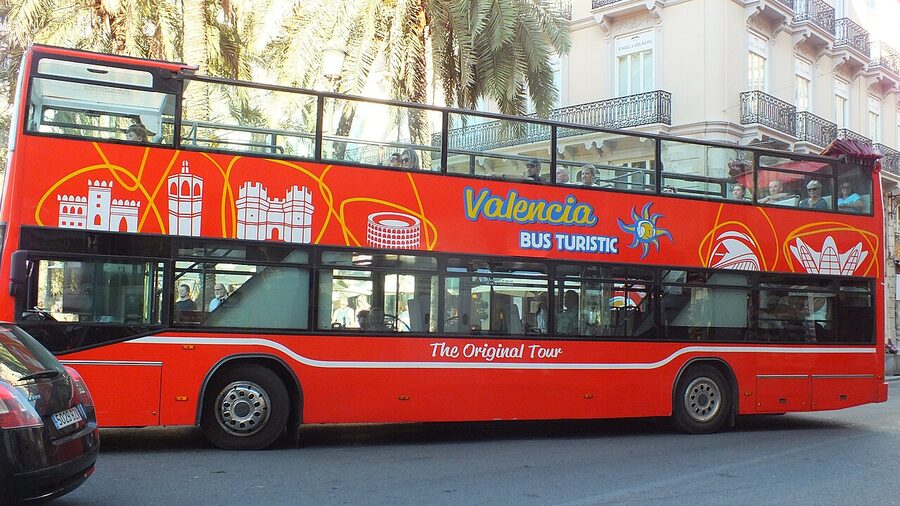



- The two routes, and which one you actually need
- Historical Route (about 75 minutes end to end)
- Maritime Route (about 90 minutes end to end)
- What it costs and how the ticket actually works
- Where the 48-hour upgrade earns its money
- The San Nicolás add-on
- The three booking options I’d actually consider
- 1. Valencia 24 or 48-Hour Hop-On Hop-Off Bus:
- 2. Valencia Hop-On Hop-Off Tour (Viator):
- 3. 48-Hour Bus + San Nicolás Church:
- The stops worth getting off at (and the ones to skip)
- How the dry-river layout shapes everything
- Compared to walking, taxis, and the metro
- When to go and how the weather matters
- A short history of why this bus exists
- Common mistakes I’d avoid
- Pairing the bus with a food day
- If you only do one Valencia thing besides this
- Other ways into the city
The two routes, and which one you actually need
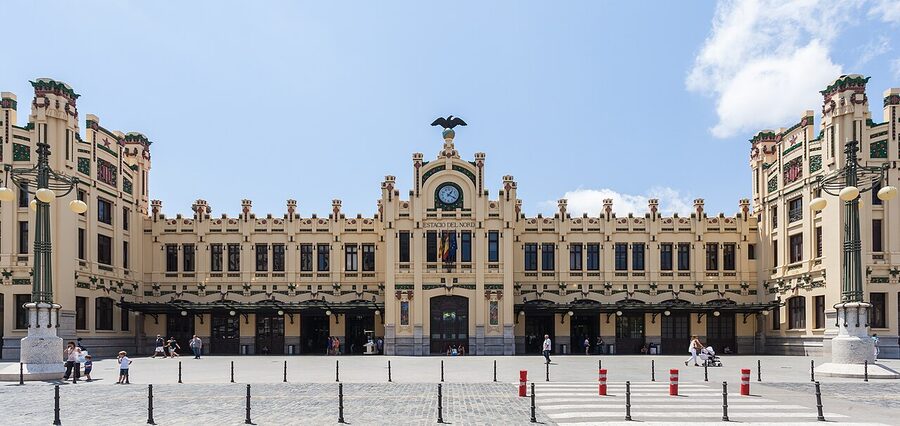
Valencia’s hop-on hop-off has two loops that share one transfer point at Estación del Norte (the historic train station next to the bullring). Your 24h or 48h ticket covers both.

Historical Route (about 75 minutes end to end)
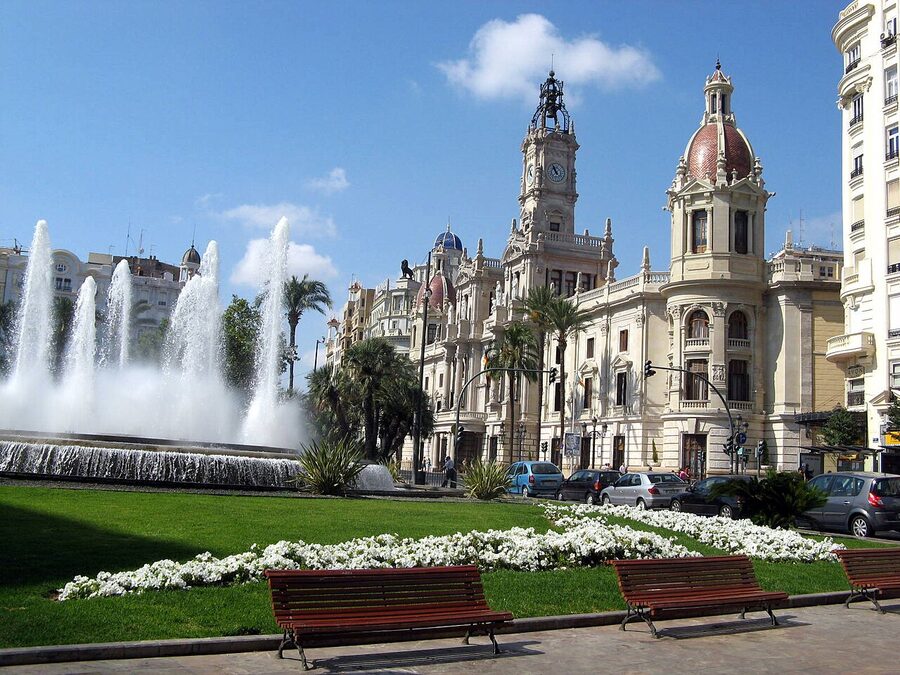
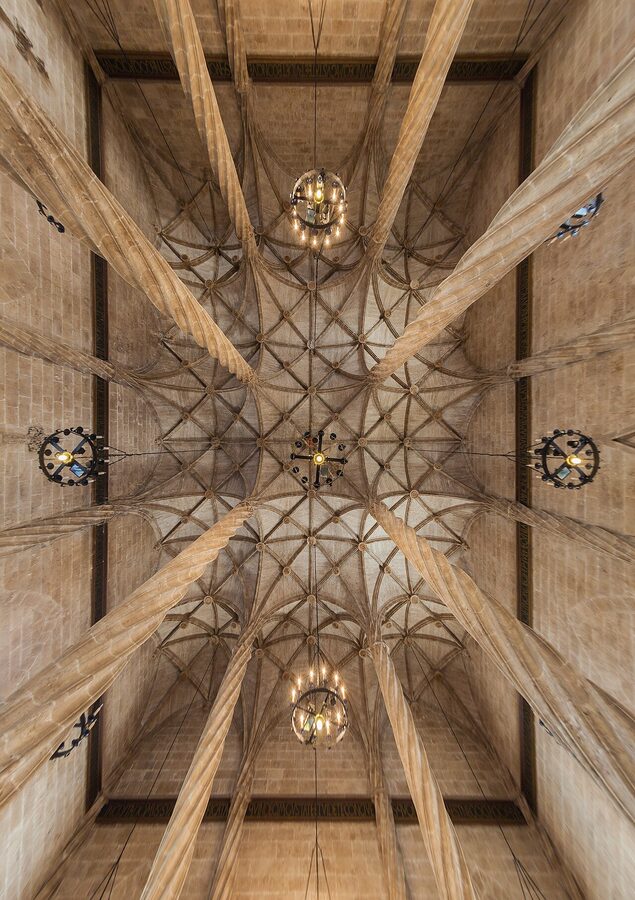
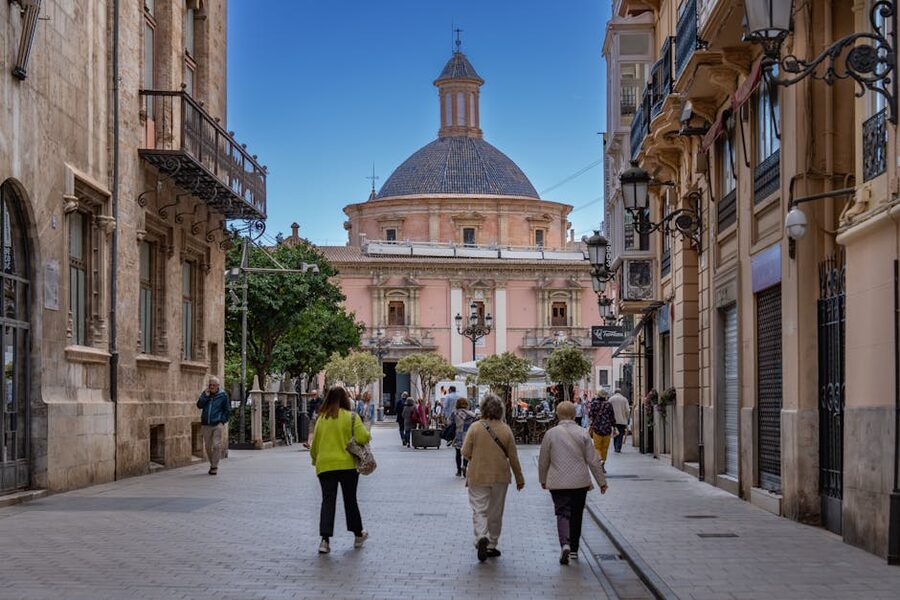
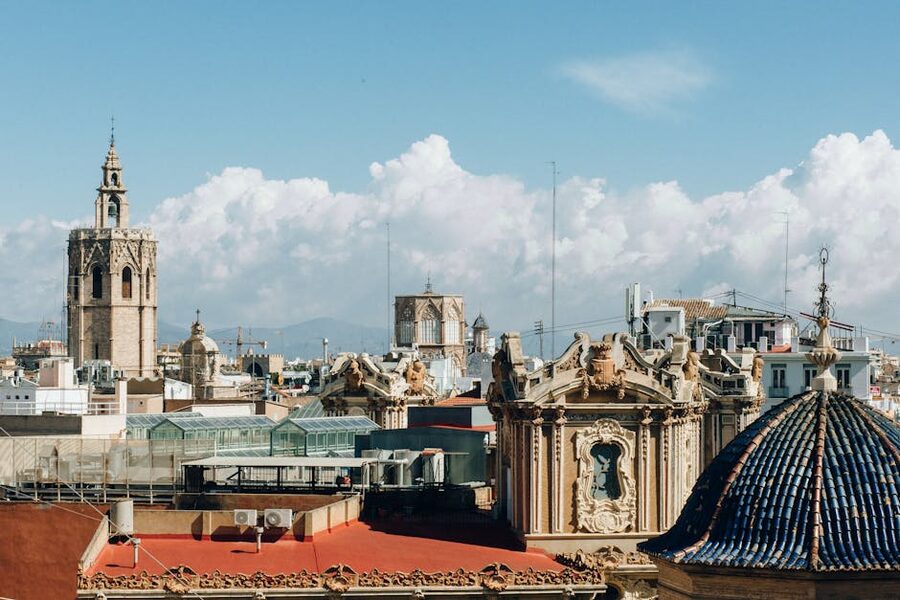
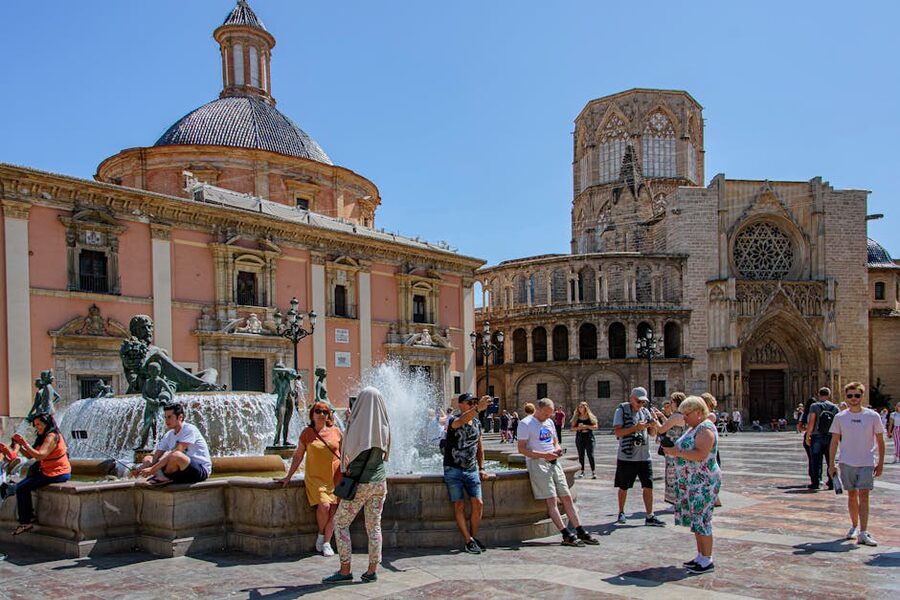
The slower of the two and the one you’ll spend most time on. It loops through the medieval core: Plaza de la Reina (under the cathedral), Plaza del Ayuntamiento (the town-hall square with the post-office cake), the Lonja de la Seda silk exchange, the Mercado Central, the Plaza de Toros, and back via Colón. About 17 stops in total.
The route is genuinely useful for getting between sights that are 10 minutes apart on foot but uphill or in awkward narrow streets. The catch is that the old town is also the part of Valencia where walking is best, so I’d ride the loop once for orientation, then walk the bits you want to spend time at.


Maritime Route (about 90 minutes end to end)
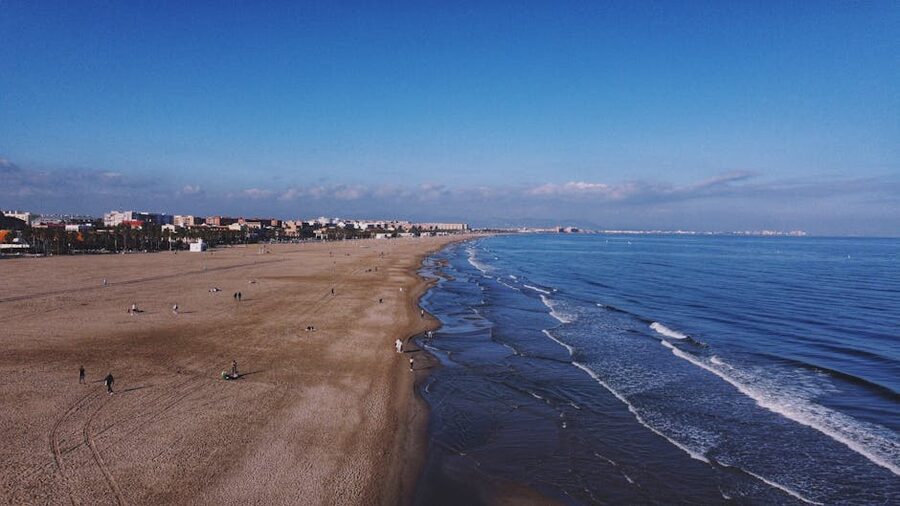
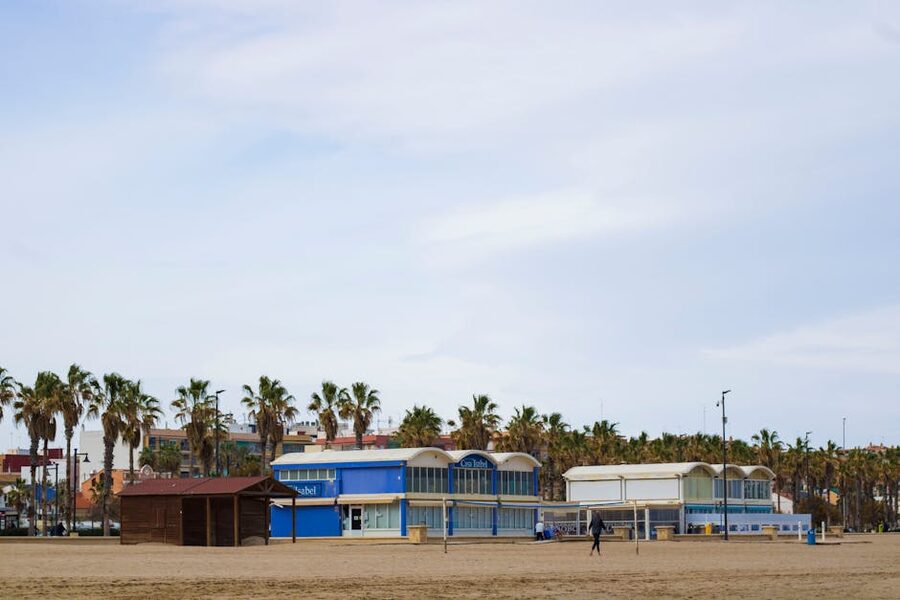
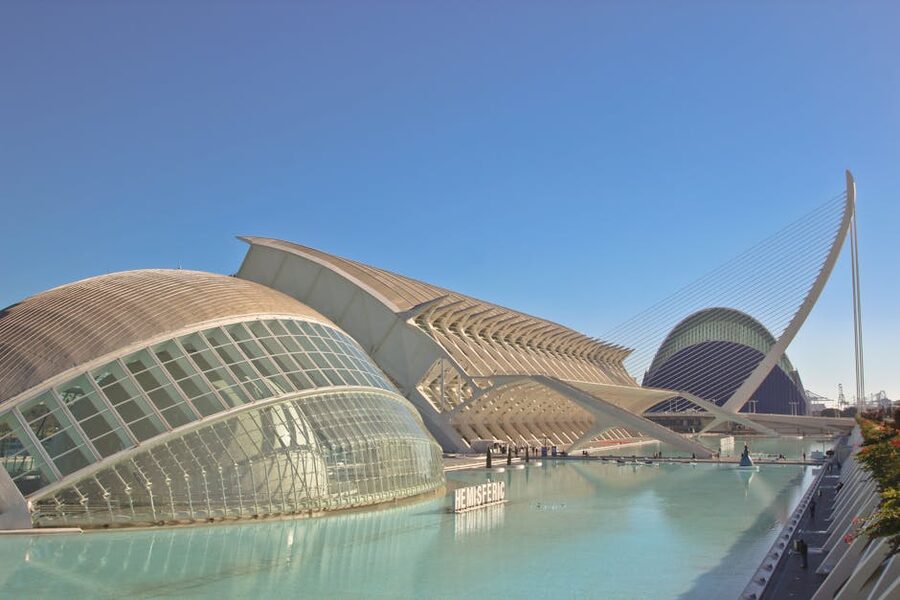
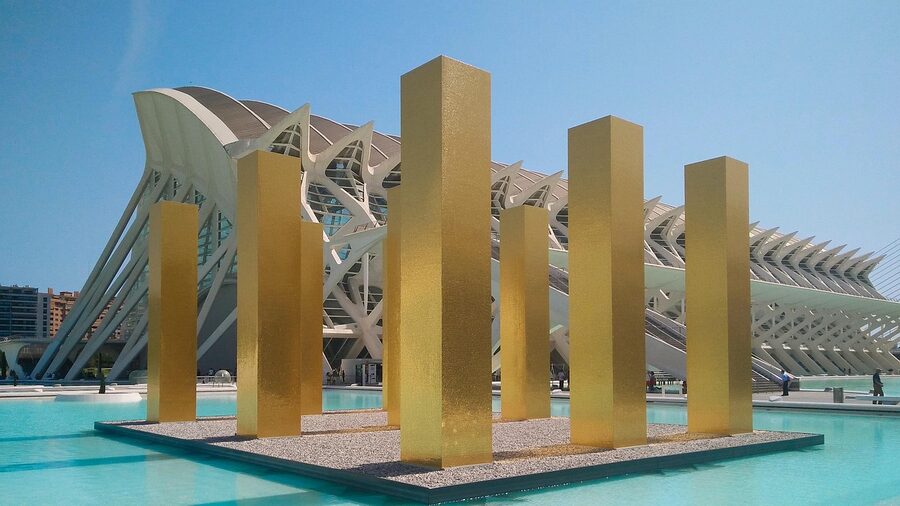
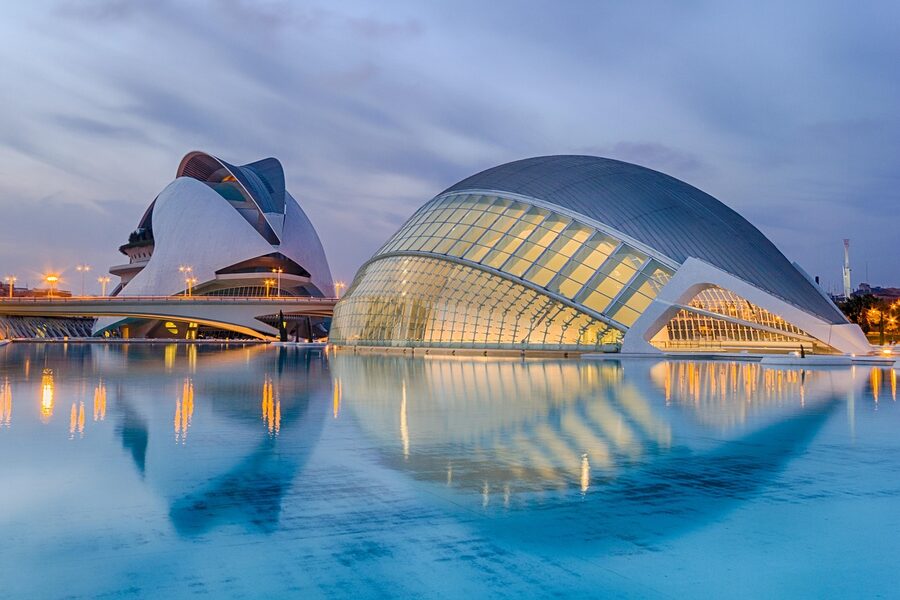
This is the one most travellers underuse and the reason the ticket pays off. From Estación del Norte the bus runs east through the old riverbed, past the City of Arts and Sciences (Hemisfèric, science museum, Oceanogràfic), then down to the Marina and along the Malvarrosa beach promenade, back via the port.
Walking the same arc is grim. There’s nothing along the way for big stretches; you’re crossing modern grid streets in the heat. The bus does it in about 25 minutes one way and lets you bail at any of the beach stops to swim or eat at the rice restaurants on the seafront, then catch the next bus back.
What it costs and how the ticket actually works
The standard ticket is roughly $31 for 24 hours and a few euros more for 48 hours. The 24h clock starts on first board, not at midnight, so you can ride at 4pm one day and have until 4pm the next. Children are around half price; under-fives free. Audio guide is included (nine languages, headphones provided at boarding).
You don’t need to print anything. A QR on your phone is enough. The conductor scans you at the door and gives you a paper wristband for free re-boards.
Where the 48-hour upgrade earns its money
Two days is overkill if you’re only doing the historic loop. But if you plan to hit the City of Arts and Sciences properly (Oceanogràfic alone needs three hours), eat lunch at the beach, and then cross back into town for the cathedral or a flamenco show, splitting the loops over two days is more relaxing than crushing them into one. I’d default to 24h, upgrade to 48h if you’re staying three nights or more.
The San Nicolás add-on
One of the GetYourGuide variants bundles entry to Sant Nicolau (San Nicolás), a small parish church near the Lonja whose entire interior was repainted in baroque fresco in the 1690s. Locals call it the Valencian Sistine Chapel. The church is genuinely spectacular and the ticket office line is shorter if you go in via the bus combo. Worth it if you’re already getting the 48h.
The three booking options I’d actually consider
You’ll see a dozen “Valencia bus tickets” on the booking sites. Most are resold versions of the same product. These three cover the realistic cases: standard, cruise day, and the church combo.
1. Valencia 24 or 48-Hour Hop-On Hop-Off Bus: $31
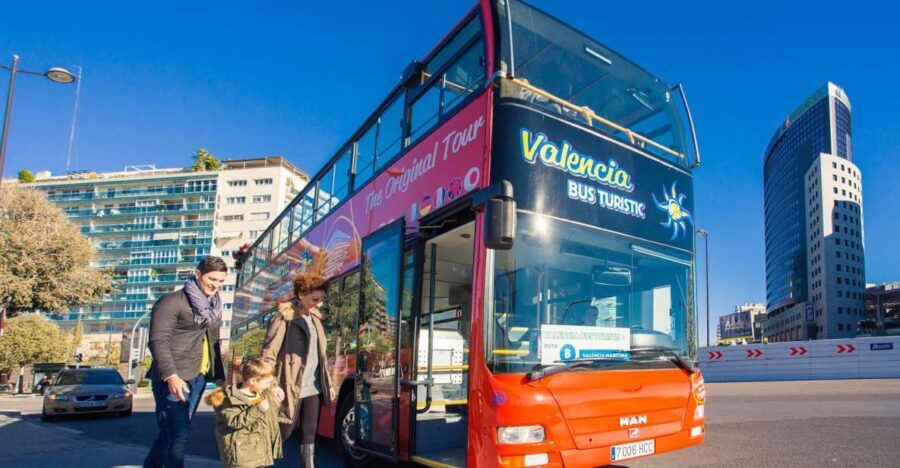
This is the official Bus Turistic ticket sold via GetYourGuide. The audio guide is decent, the buses run on schedule, and the QR loads on your phone fine. If you only book one bus ticket in Valencia, this is it; our full review covers the route timings and what each stop is actually worth getting off at.
Check Availability
Read our full review
2. Valencia Hop-On Hop-Off Tour (Viator): $31
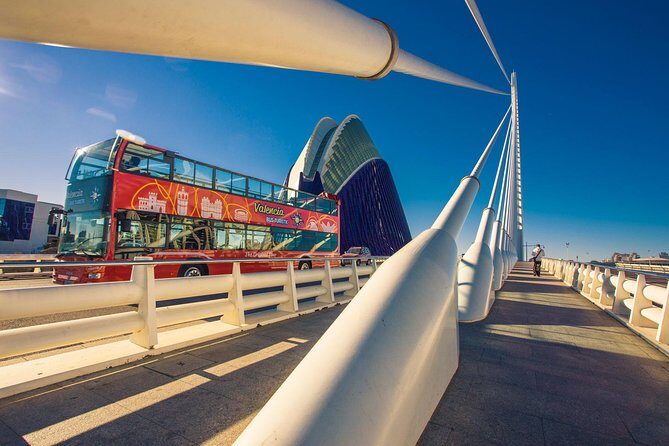
Functionally identical to the GetYourGuide version because both resell the official Bus Turistic ticket. Pricing is comparable. Pick this one for convenience if you’re aggregating shore excursions; our review walks through the cruise-day timings and how it pairs with a port stop.
Check Availability
Read our full review
3. 48-Hour Bus + San Nicolás Church: $41
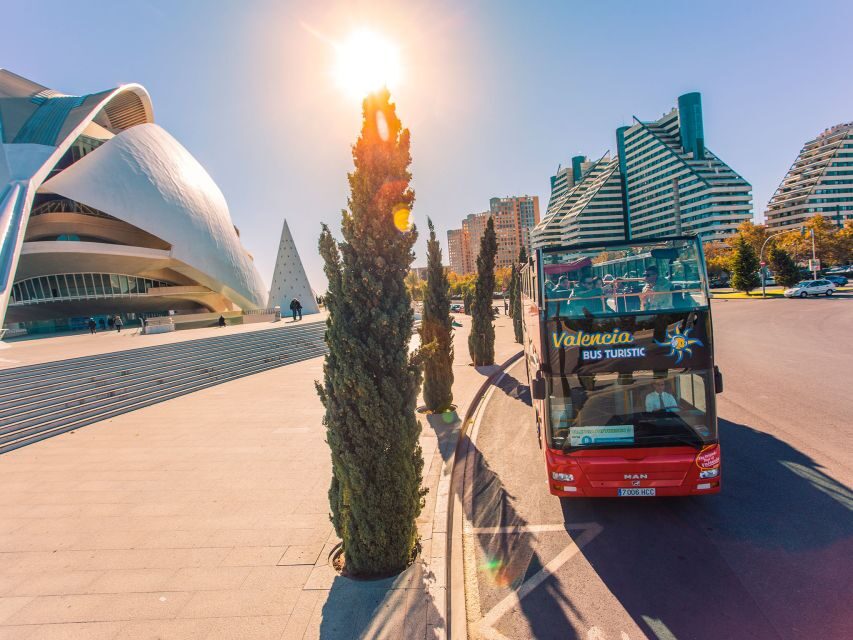
The combo is about $10 more than the standard 48h ticket and saves you the price (and queue) of the church entry. San Nicolás is small but visually startling and easy to fit between the Lonja and the cathedral; our full review compares the combo to buying both separately.
Check Availability
Read our full review
The stops worth getting off at (and the ones to skip)
Not every stop is equal. Some are there because the bus has to physically pass by them; others are genuine reasons to bail.
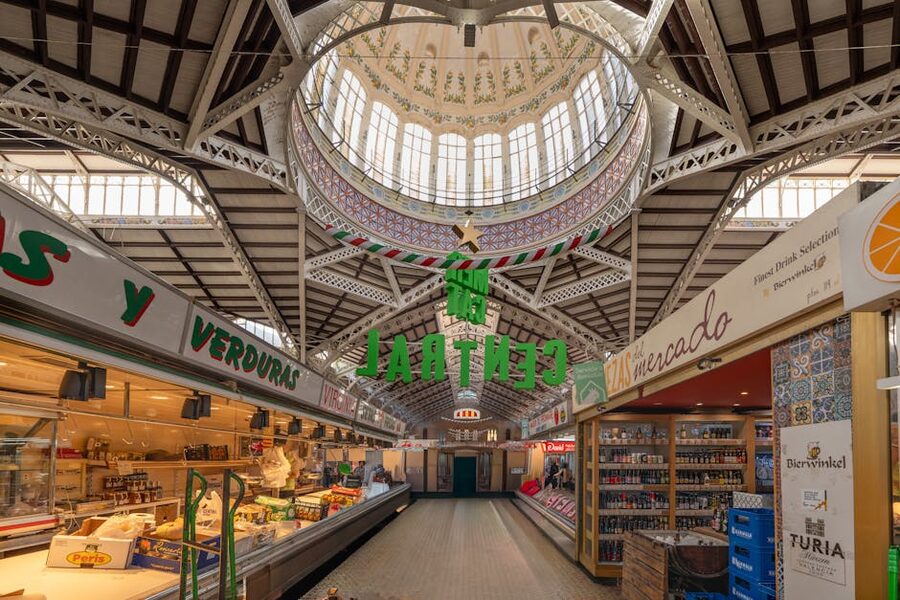
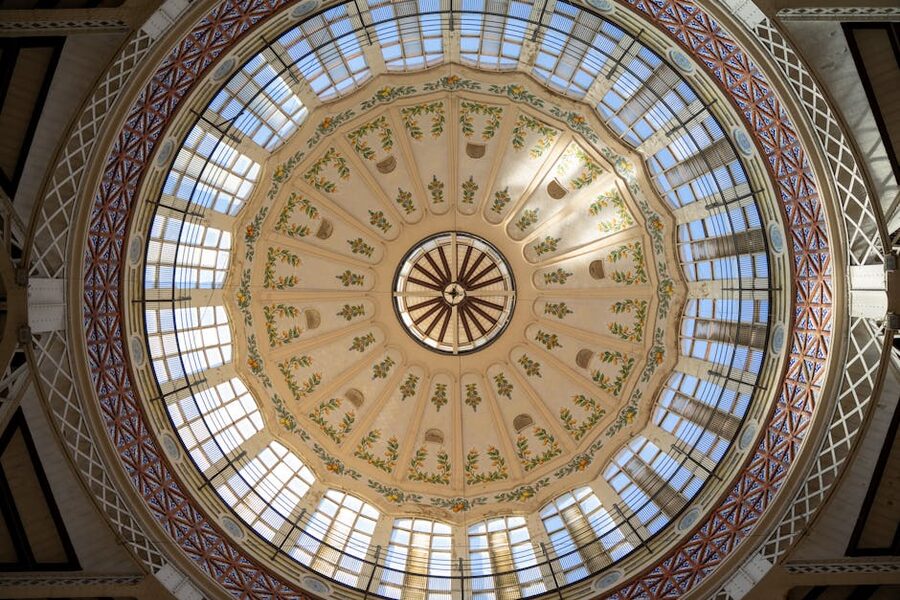
Hop off: Mercado Central (also covers the Lonja directly opposite), Plaza de la Reina (cathedral and Miguelete tower), the City of Arts and Sciences, and Malvarrosa beach if it’s warm. Estación del Norte for transfers and to walk into the bullring.
Stay on: The bullring stop is fine to admire from upstairs; you don’t need to walk around it. The port stop is a long way from anything edible. The university stops on the maritime route are dorm-and-research land. Skip Colón unless you specifically want the modernist Mercado Colón building.
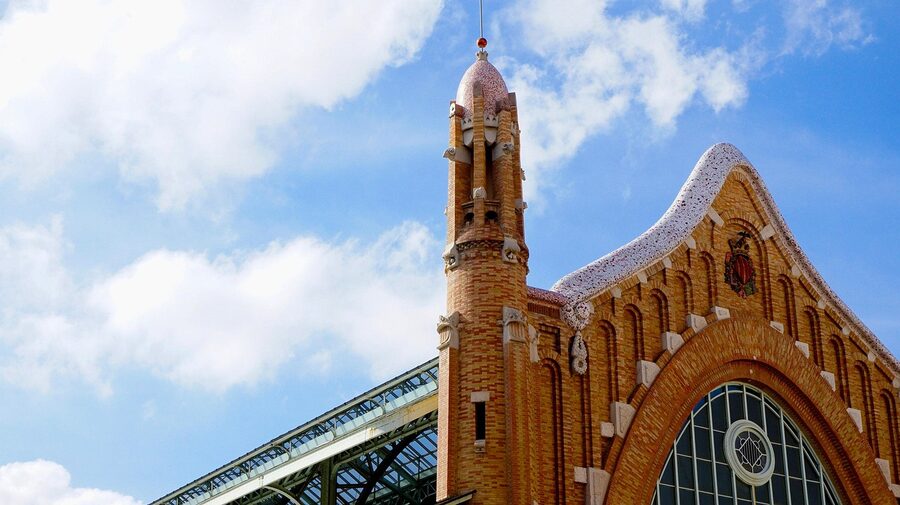
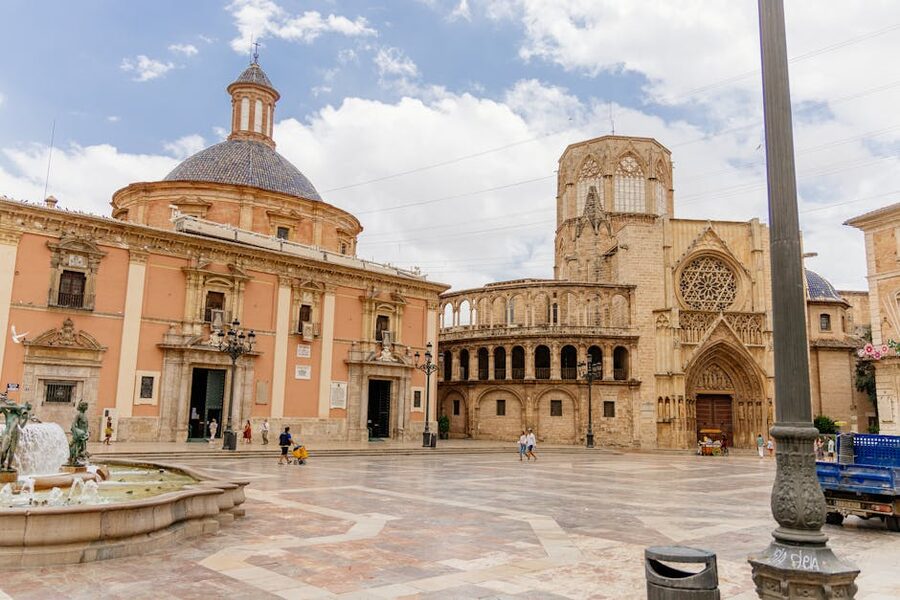
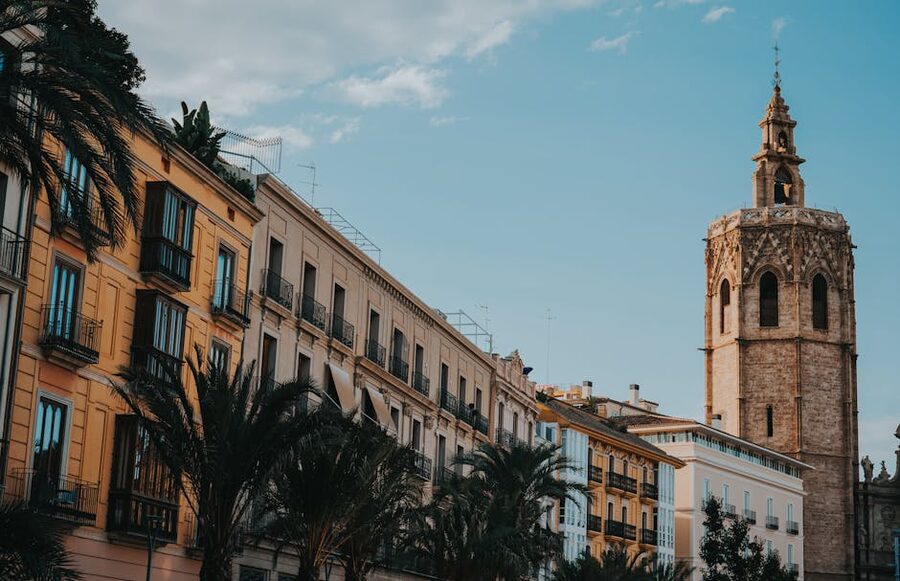
How the dry-river layout shapes everything
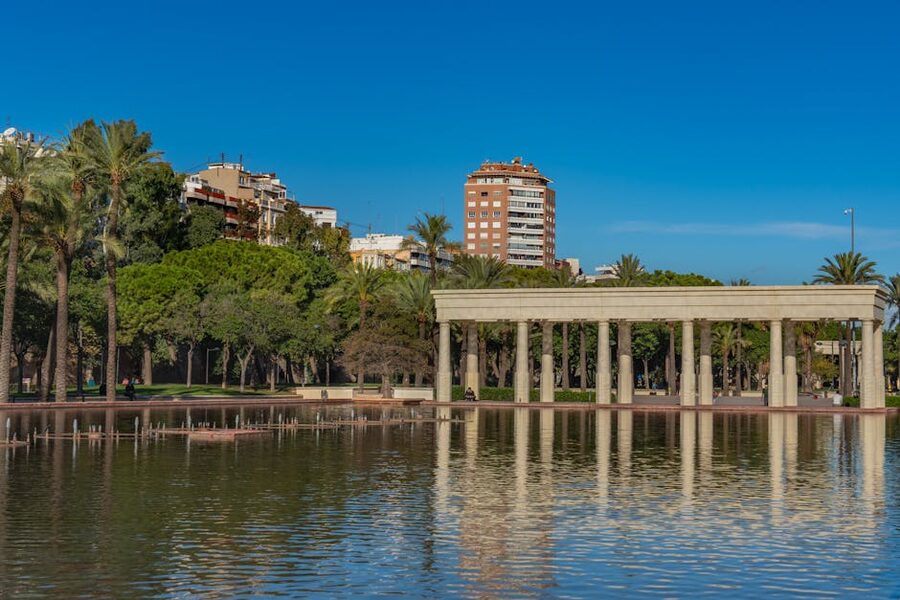
If you understand one fact about Valencia’s geography, the bus makes sense. The Turía river flooded the city in 1957, killed 81 people, and was diverted south of the centre after that. The old riverbed became a 9km linear park (Jardines del Turía) running east-west through the heart of the city.
That park is wonderful to walk or cycle in for a stretch. It’s also the reason the maritime route exists. The City of Arts and Sciences sits at the eastern end of the dry river, the marina and beach are beyond that, and the historic centre wraps around the western half. There’s no metro line that runs the whole length. The bus does, and the dry-park views from the top deck are some of the better on the route.
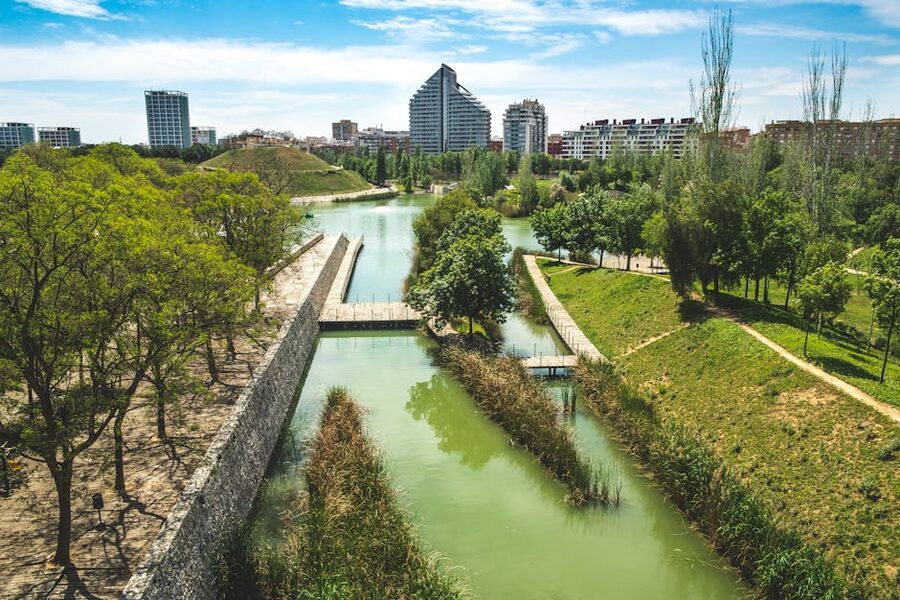
Compared to walking, taxis, and the metro
Cards on the table. If you’re staying in the old town for two days and don’t care about the beach, you don’t need a HoHo bus. Walk the historic loop, taxi (or Uber/Cabify) to the City of Arts once at $8-10 each way, and skip the rest. That’s cheaper.
If you’re in town for three days plus and want to do the centre, the City of Arts, the beach, and ideally the Albufera lagoon south of the city, the bus saves both money and decision fatigue. You stop checking Google Maps for the next bus connection. You just turn up and ride.
The metro is fine but Valencia’s lines weren’t built for tourist routes. They radiate outward to the suburbs. There’s no useful single line that runs old-town-to-Arts-to-beach. You’ll change once or twice and the walk between metro stops can be longer than the bus stops.
When to go and how the weather matters
Open-top in Valencia summer (July, August) means roasting. The buses do have shade canopies on most decks, but unless you specifically want to feel like a baked tomato, take the bus in the morning and skip the 2-5pm window. Bring water; the upstairs deck has no concession.
Spring and autumn are peak HoHo season here. April-June and September-October are perfect: warm enough for the open top, not so hot that you melt. Winter (December-February) the buses still run, with the tops covered or partially closed. December lows are around 8°C overnight and 16°C in the day; not freezing but layer up.
If you’re here for Las Fallas (March 15-19), the central streets are full of giant satirical sculptures and the bus reroutes around them. Some stops close completely. If your visit is in March, double-check the route map at the Bus Turistic kiosk by the Plaza de la Reina before paying.

A short history of why this bus exists
Valencia was one of the last big Spanish cities to add a hop-on hop-off, partly because the city already had a decent local bus network and partly because the historic centre felt walkable enough that people pushed back against another tourist vehicle clogging the streets. The Bus Turistic launched the maritime route first, on the logic that the historic loop wasn’t where the gap was; the gap was the long crossing to the City of Arts and the beach.
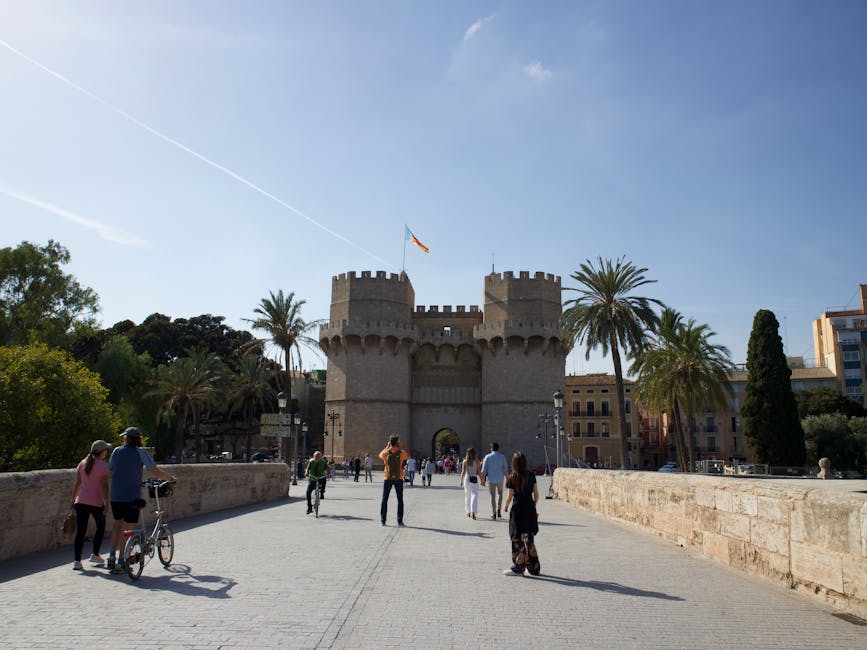
The historic loop came later. It now duplicates a lot of the centre that you’d walk anyway, but it does serve the eastern flanks of the old town (Torres de Serranos, the old Carmen quarter) that are awkward to reach on foot from the cathedral.

Common mistakes I’d avoid
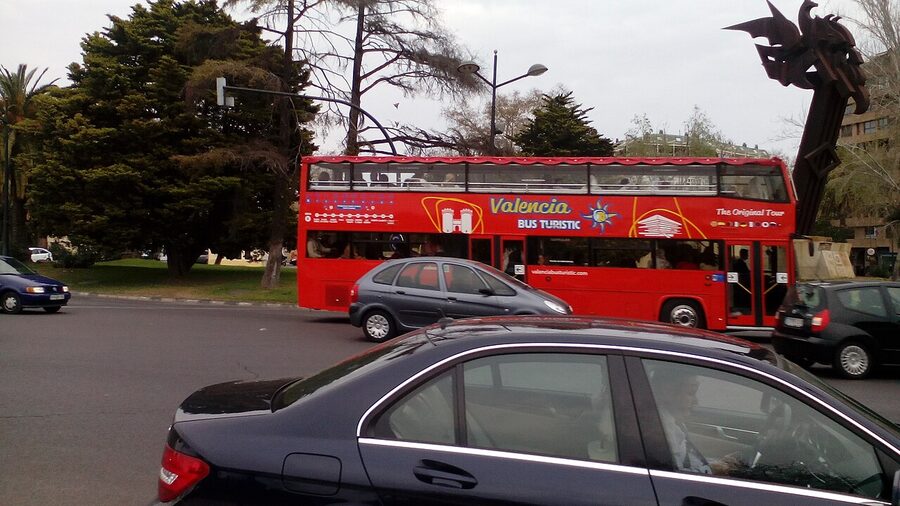
Buying the wrong ticket type. There are at least three operators sticking “Valencia” in their bus name. The official Bus Turistic is the red one. The yellow ones are a competing operator with fewer stops. They are not interchangeable.
Riding the historic loop twice. Once is plenty. After the first lap you’ve seen what’s there; further loops are just an air-conditioned moving seat. Use the second of the 24 hours to do the maritime route or walk the bits you flagged.
Skipping the audio guide. It’s not award-winning radio, but it does give you the right bits of context at the right moments (the Lonja section is genuinely interesting). You bought the ticket; put the headphones in.
Not factoring in the Valencia Tourist Card. If you’re already buying a Valencia Tourist Card, check what it includes; some bundles already cover one HoHo loop and the unlimited city transport, in which case the standalone bus ticket is wasted spend.
Pairing the bus with a food day
The most efficient single day in Valencia: 9am paella class at one of the cooking schools near the Mercado Central, then board the maritime bus from Plaza de la Reina to ride out to the City of Arts at lunchtime, eat at the Marina, take the bus back via the beach, and finish with a flamenco show in the old town that night. The HoHo glues those four points together with no taxi planning. If you’re booking the food parts, our guides on paella cooking classes, old town wine and tapas tours, and flamenco shows are the ones I’d start from.

If you only do one Valencia thing besides this
Get the City of Arts and Sciences combo ticket. The Oceanogràfic alone is worth half a day; a combo ticket pays for itself the moment you add the science museum or the Hemisfèric. The HoHo drops you almost at the entrance.
Beyond that, the boat tours from the marina are a different angle on the city if you’ve already done the bus and want to see Valencia from the water.
Other ways into the city
If you’re working through the broader Spain HoHo question and want to compare cities, the Barcelona hop-on hop-off is the closest equivalent in scale; the Seville version covers a tighter old-town loop, and Madrid’s panoramic bus tour does the same job for a much bigger capital. Each one earns its money differently. Valencia’s is the one that solves the geography problem most clearly because of the dry-park split between centre and beach. If your trip extends to Andalucía, the Seville cathedral combo and Barcelona’s one-day bundle work as similar shortcut tickets in different cities. And for the rest of Valencia specifically, the tourist card is the single best add-on once you’ve decided whether the HoHo is in your basket.
This article contains affiliate links. We may earn a small commission if you book through them; the price you pay is the same.