
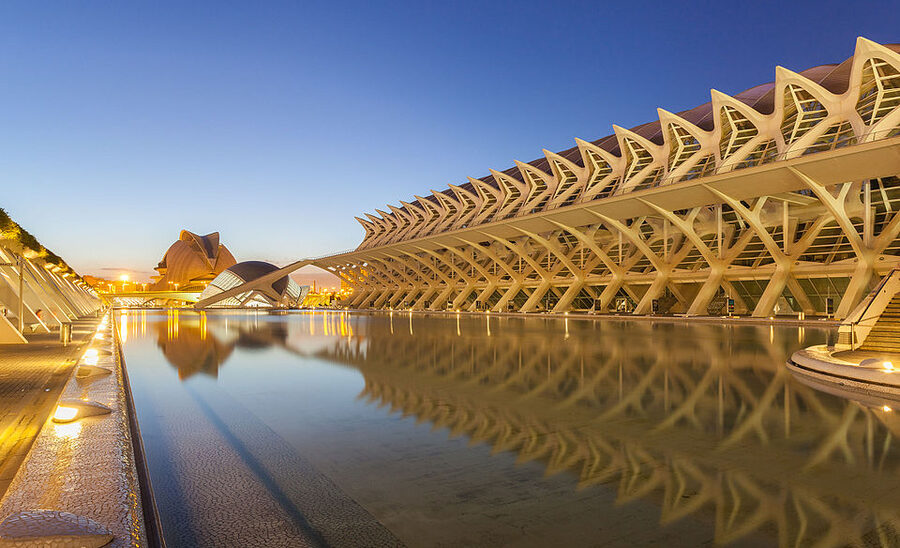
You’re standing in what used to be a river. The whole 9km strip of palm-shaded park that runs through Valencia, with the white spaceship-shaped buildings of the City of Arts and Sciences at its eastern end, was the riverbed of the Turia until 1957. That year a flood killed 81 people, and Spain decided to move the river south of the city. The City of Arts and Sciences sits on the dry bed.
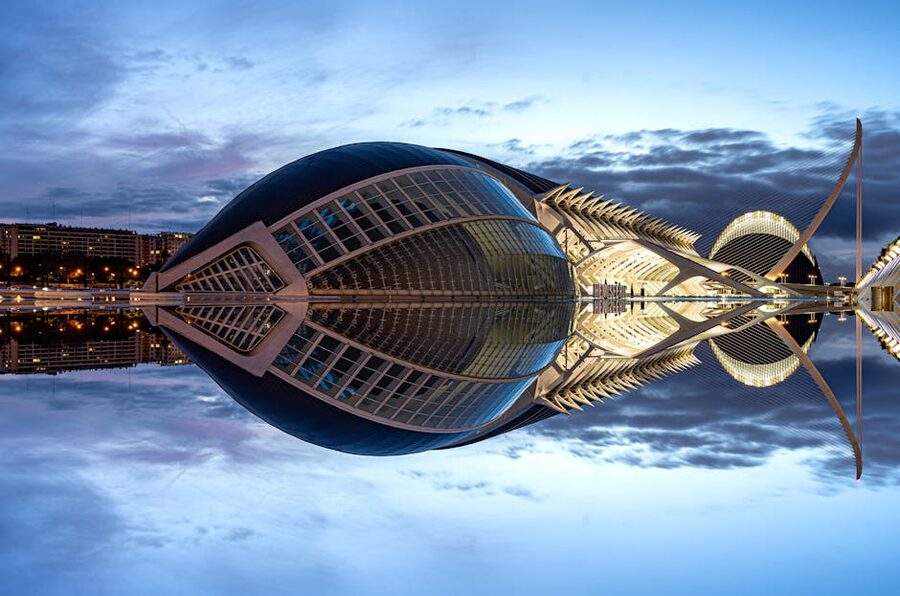
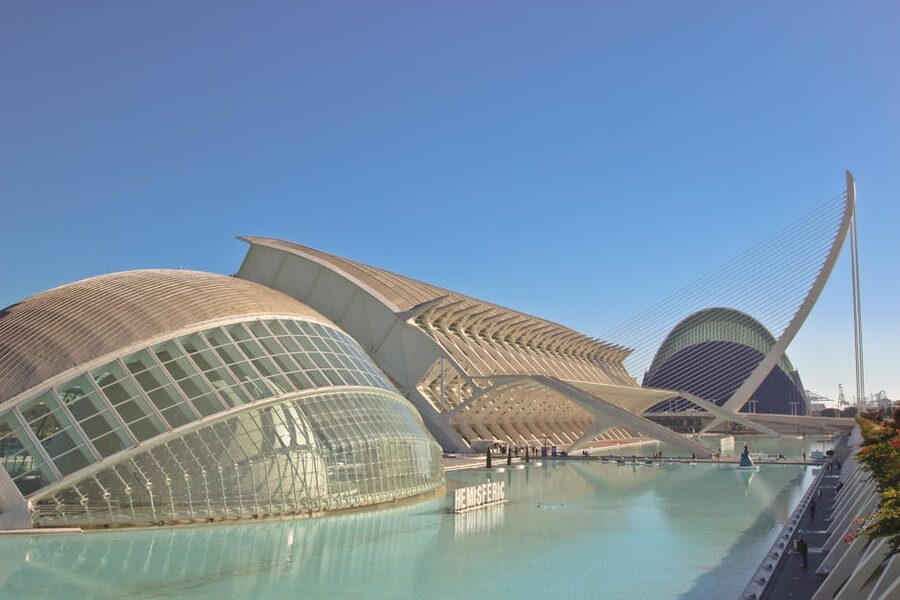
That’s the first thing nobody tells you when you’re booking tickets, and it’s the thing that makes the place click. The buildings are not next to water by accident. They were designed to sit in shallow reflecting pools that echo what was once running water. Once you know that, you stop looking at the complex as five strange-shaped buildings and start seeing it as a five-act sculpture along the bottom of a missing river.
This guide covers how to actually buy tickets for the three things most people want to see: the Oceanografic aquarium, the Principe Felipe science museum, and L’Hemisferic IMAX dome. Combo tickets save real money. Single tickets are also fine if you only want one thing. I’ll get into when each one makes sense.
Aquarium plus museum: Oceanografic and Science Museum Combo, $45. Skip the planetarium if 3D space films aren’t your thing.
Science museum only: Principe Felipe Museum Entry, $11. Two to three rainy hours indoors with kids who like to push buttons.
- How the ticketing actually works
- Skip-the-line is real here
- Three tickets worth booking
- 1. Oceanografic, Hemisferic and Science Museum Combo:
- 2. Oceanografic and Science Museum Combo:
- 3. Principe Felipe Science Museum Entry:
- What to expect at L’Oceanografic
- The order I’d do it in
- The orca and dolphin question
- What to expect at the Principe Felipe Science Museum
- What to expect at L’Hemisferic
- The Calatrava controversy nobody mentions on the tickets
- How to get there and when to visit
- Best time of day
- Best time of year
- What it’s like at night
- Practical tips before you go
- Should you actually buy the 3-building combo?
- Pairing with the rest of Valencia
- If you’re putting Valencia in a wider Spain trip
- The riverbed thing again
How the ticketing actually works
The complex sells tickets four ways and that’s where most travellers get confused. Here’s the short version.
The five buildings divide into three you can buy tickets for and two you can’t (or wouldn’t). The aquarium (L’Oceanografic) is one ticket. The science museum (Principe Felipe) is another. L’Hemisferic is its own ticket and gets you one show in the IMAX dome. Palau de les Arts Reina Sofia is the opera house and you only buy a ticket if you’re seeing a specific opera or ballet. L’Agora hosts concerts and tennis tournaments, also event-only.
So your real choice is between four products: aquarium alone, science museum alone, Hemisferic alone, or a combo of any two or three of them. The combos are roughly 25% cheaper than buying separately, and the validity is generous. You don’t have to use them in the same day.

Skip-the-line is real here
The Oceanografic gets genuine queues from May through September and around Christmas. I queued 35 minutes one Saturday in April with a paper ticket I’d printed at the hotel. The skip-the-line / mobile-voucher tickets sold through GetYourGuide put you in the priority entrance. On a busy day this saves you 30-60 minutes. On a quiet weekday afternoon in October it saves you about three minutes. Worth it for the convenience either way because you don’t have to print anything.
The science museum and Hemisferic basically never queue. Walk-up is fine. The combo tickets carry the skip-the-line privilege only at the Oceanografic, which is the one place you’d want it.
Three tickets worth booking
I booked the three options below over two trips and would recommend the same combo to anyone who asks. The 3-building combo is the obvious headline product. The 2-building combo is the right call if you’ve decided in advance you don’t care about the IMAX dome. The standalone science museum is a sensible weather-Plan-B if it’s a rainy afternoon and you’re with kids.
1. Oceanografic, Hemisferic and Science Museum Combo: $54
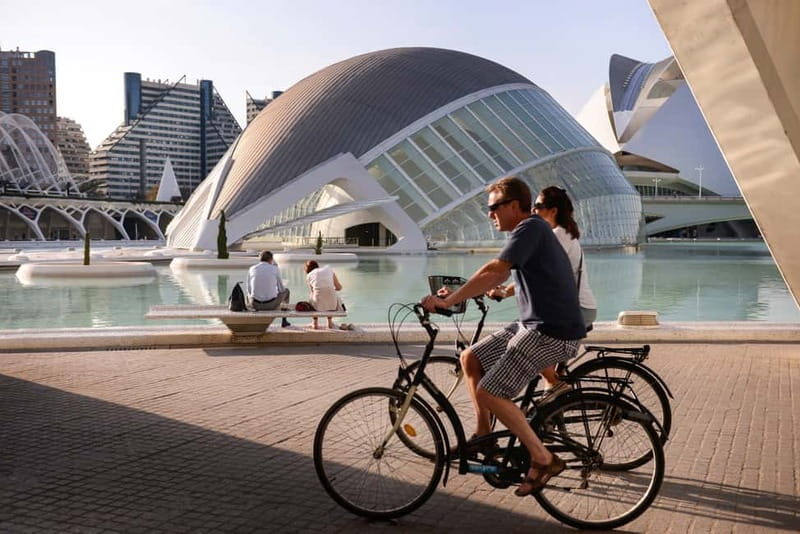
This is the everything-included ticket and it’s the one most people should buy. You get all three buildings and you don’t have to use them on the same day, which matters because doing the aquarium properly takes four hours and you’ll be tired afterwards. Our full review walks through the order I’d visit them in and the bits worth skipping inside the science museum.
Check Availability
Read our full review
2. Oceanografic and Science Museum Combo: $45
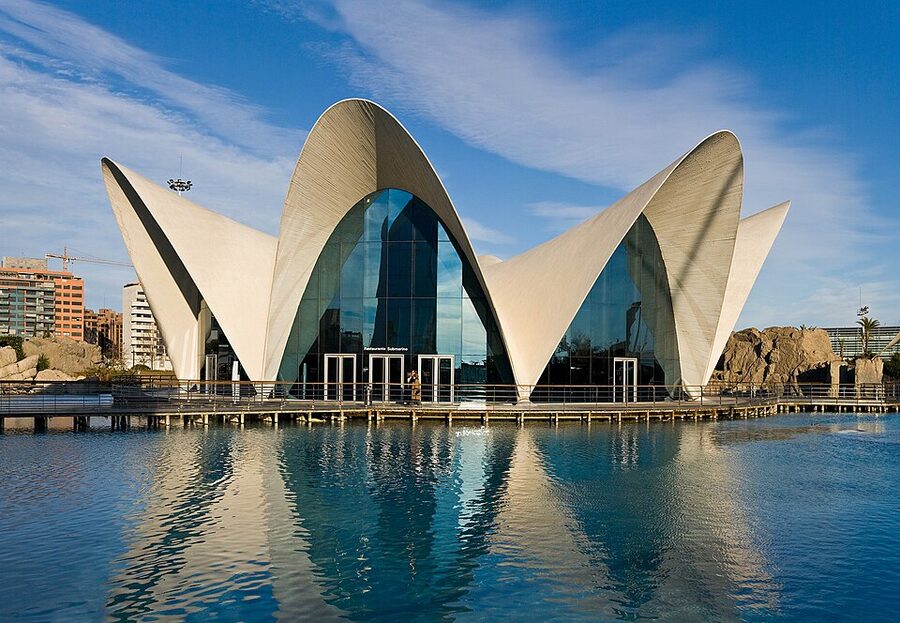

Drop the IMAX, keep the two big buildings, save nine bucks. The Hemisferic show is fine but it’s a 45-minute 3D film and the topics are space and natural history rather than anything Valencia-specific. If you’re short on time or have older kids who’d rather not sit, this is the right combo. Our review covers what you’d actually miss.
Check Availability
Read our full review
3. Principe Felipe Science Museum Entry: $11
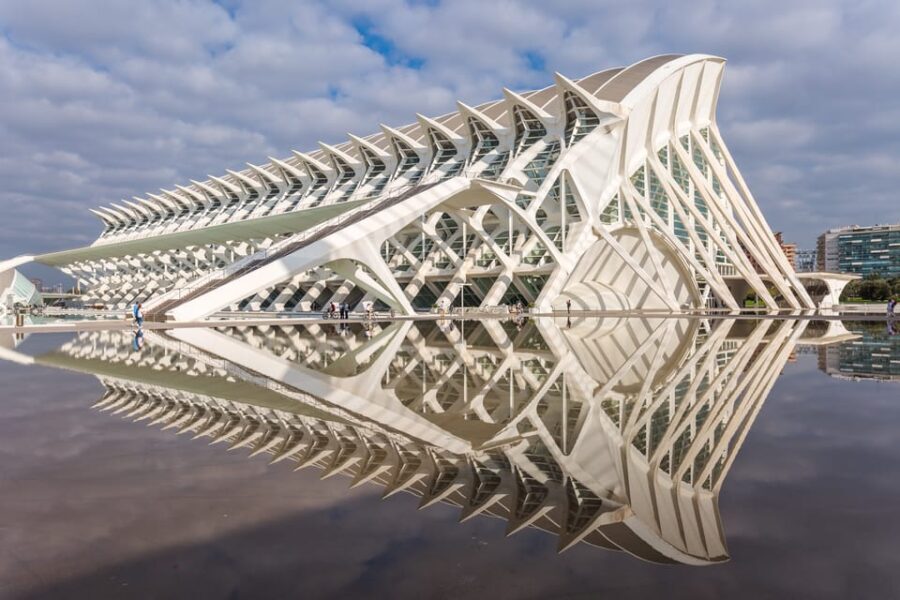
The cheapest ticket in the complex and the one I’d buy if you have under three hours, mediocre weather, or kids between six and twelve who need to push buttons. It’s all hands-on, signage is in Spanish and English, and the ribcage building itself is half the experience. Our review ranks the exhibits worth your time.
Check Availability
Read our full review
What to expect at L’Oceanografic
L’Oceanografic is the largest aquarium in Europe by water volume, with around 45,000 marine animals across nine themed habitats. That’s the headline. The reality is a half-day commitment if you want to see all of it properly. I went in at 10am, came out at 2pm, and felt like I’d rushed the wetlands section.
,_Spain.jpg)
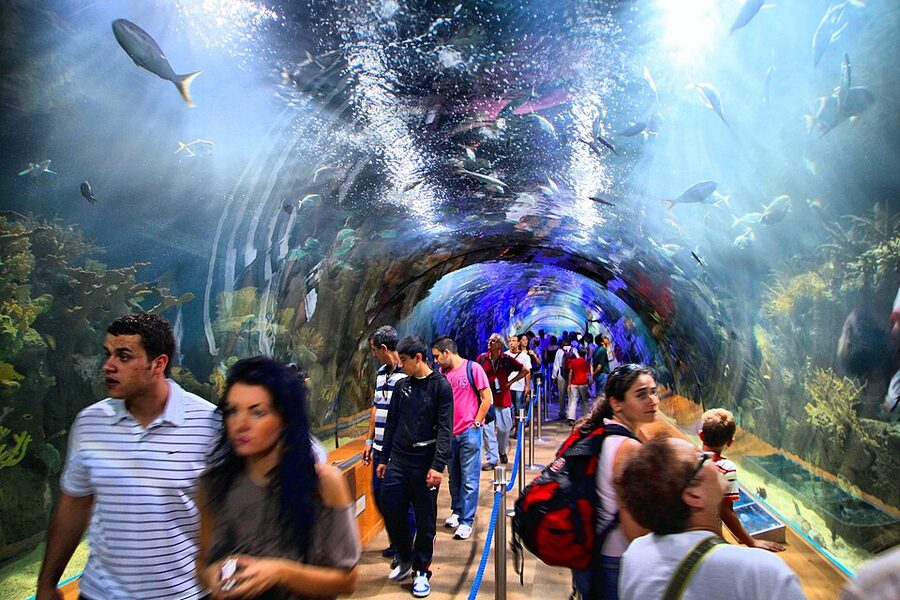
The nine habitats represent different marine environments. Mediterranean tank near the entrance, then through wetlands, temperate, tropical, oceans (where the underwater tunnel is), Antarctic with penguins, Arctic with belugas, the Red Sea, and the islands habitat. The dolphinarium is a separate building you walk to via an outdoor path.

The order I’d do it in
Aquarium opens at 10am most days. Walk straight through the Mediterranean section without stopping (it’s the busiest because everyone enters there) and head to the dolphinarium for the first show, usually around 11am. Then double back to the wetlands and oceans sections. Save the underwater tunnel for last, when most of the morning crowd has thinned.

Lunch inside the aquarium: there’s a restaurant called Submarino where you eat surrounded by a 360-degree shark tank. It’s expensive (around 60 euros per person for the menu) and you have to book it weeks ahead. Cheaper option is the cafeteria at the entrance, or walk back outside the complex to the canalside terraces near the metro stop.
The orca and dolphin question
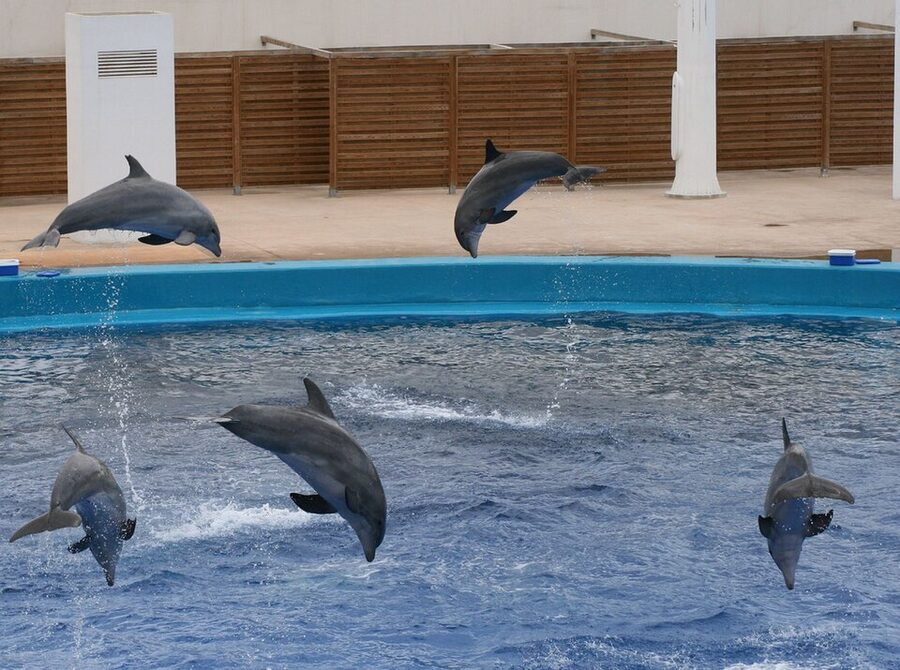
L’Oceanografic does not house orcas. It does keep dolphins and belugas, and the dolphin show is the marquee performance. The captive-cetacean question is real and there’s no clean answer here. The aquarium frames the program as conservation and rescue (some of their animals were rehabilitated from strandings), and the show itself is informational rather than circus-like. If you’d rather not contribute to a captive-dolphin facility, the science museum and Hemisferic combo is the cleaner choice and you can still photograph the Oceanografic from the outside, which is half the point of Candela’s design anyway.
What to expect at the Principe Felipe Science Museum
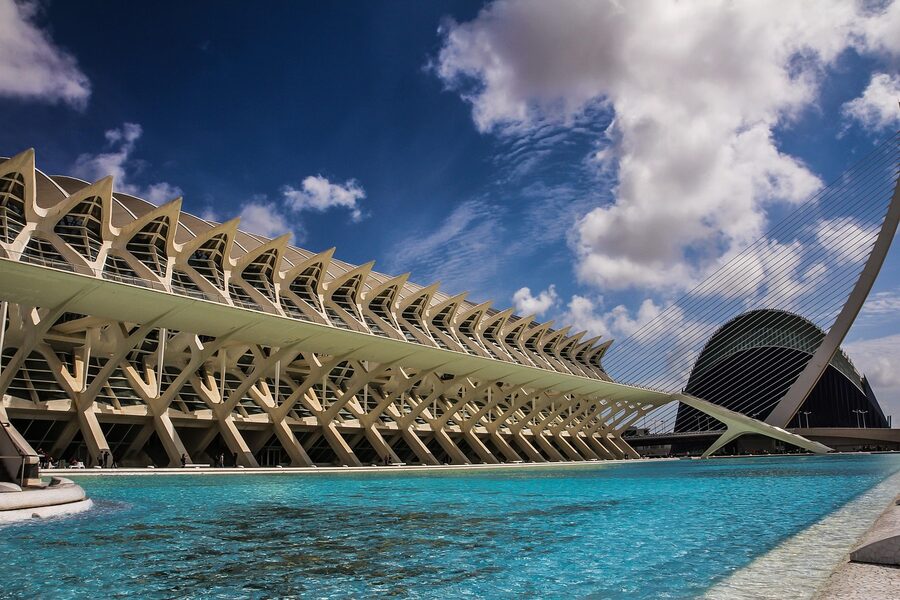
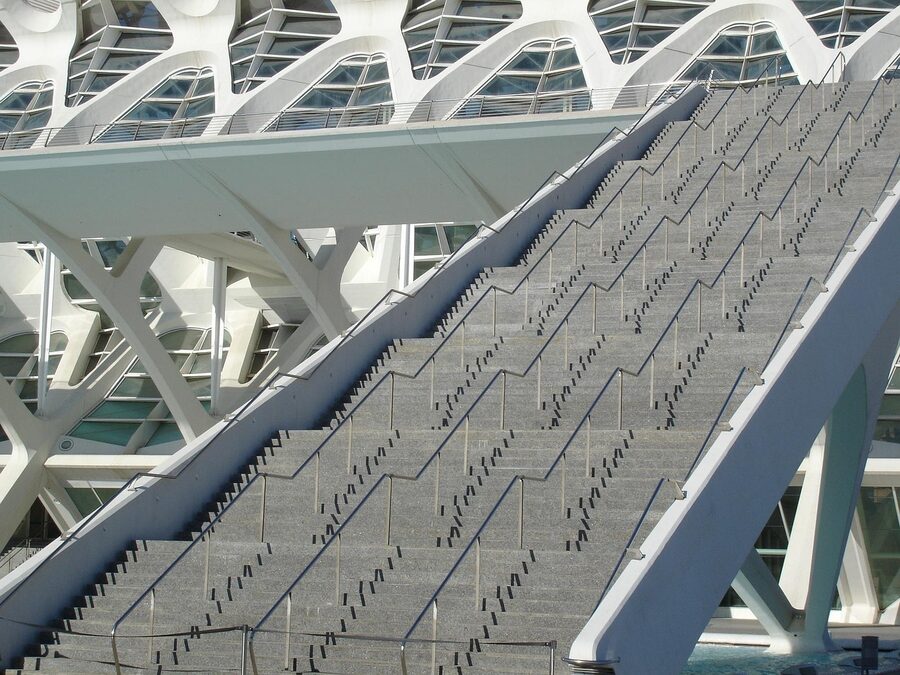
The science museum is the giant white whale-skeleton building. Three floors, three permanent sections, one rotating exhibition that changes annually. It’s the most kid-friendly part of the complex by a margin and the cheapest single ticket.
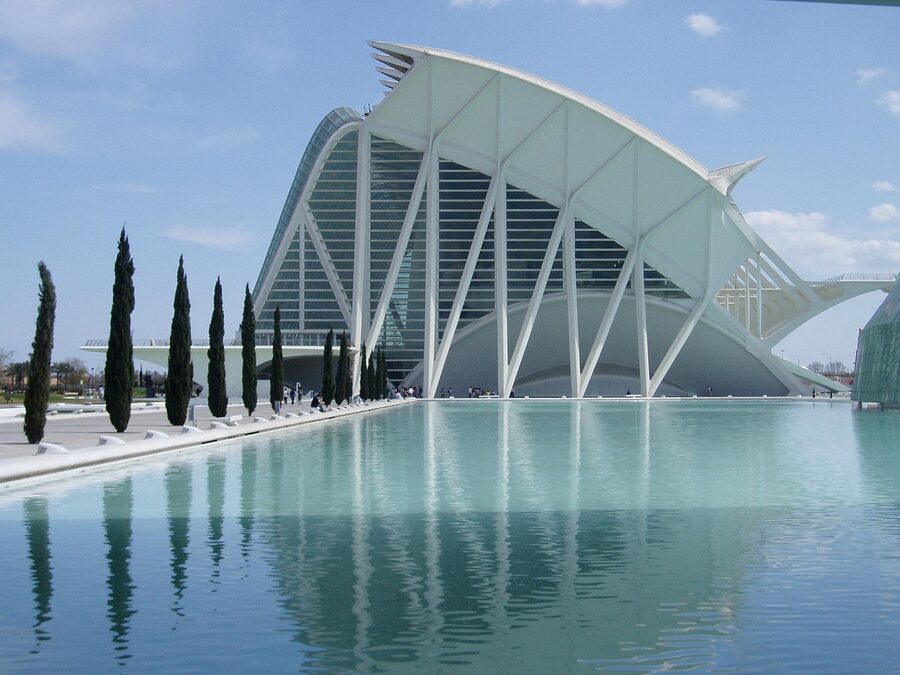
The permanent floors cover the chromosome of life (genetics and biology), the legacy of science (history and key inventions), and a rotating space and aerospace section. Plus the chick hatchery near the entrance, which is a glass case where you can watch chicks emerge from eggs in real time. It sounds dull on paper. With a child in tow it’s the highlight.
The Foucault pendulum hangs in the main atrium. A swinging brass weight knocks over wooden pegs as the Earth rotates underneath it. It’s calibrated so the pegs fall every few hours. If your timing is right you can sit on the bench underneath and watch one go down.
What to expect at L’Hemisferic
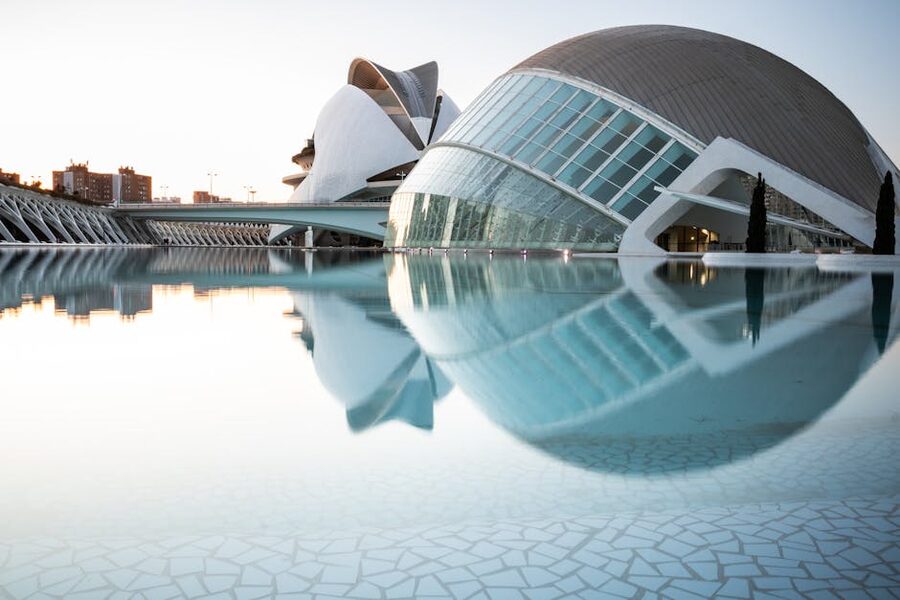
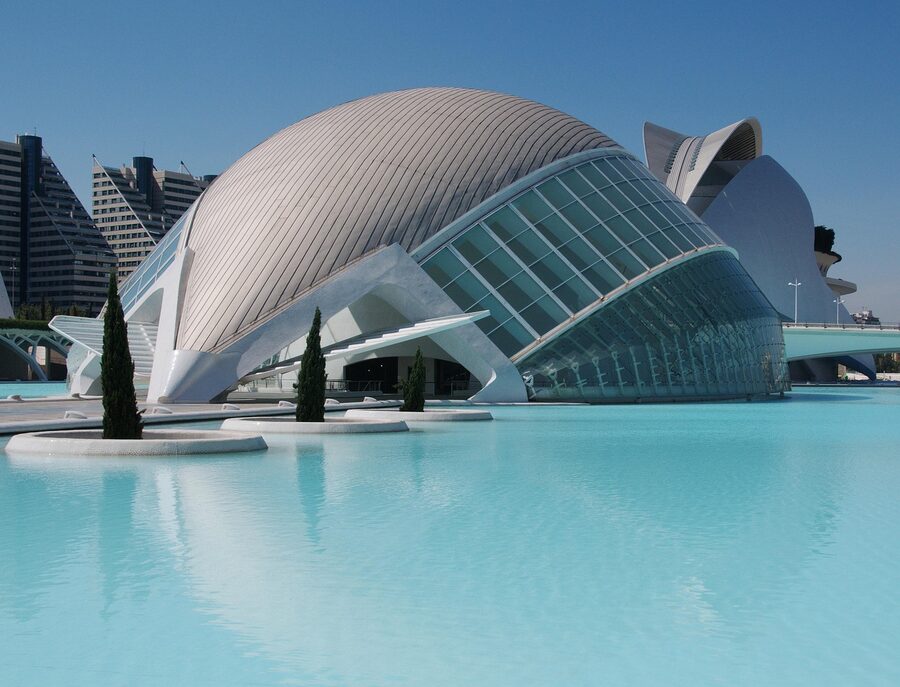
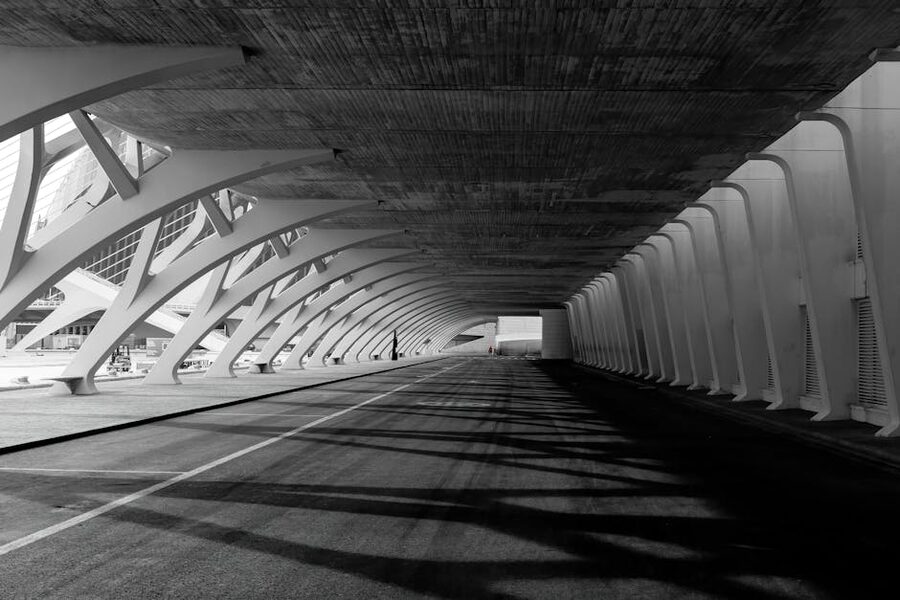
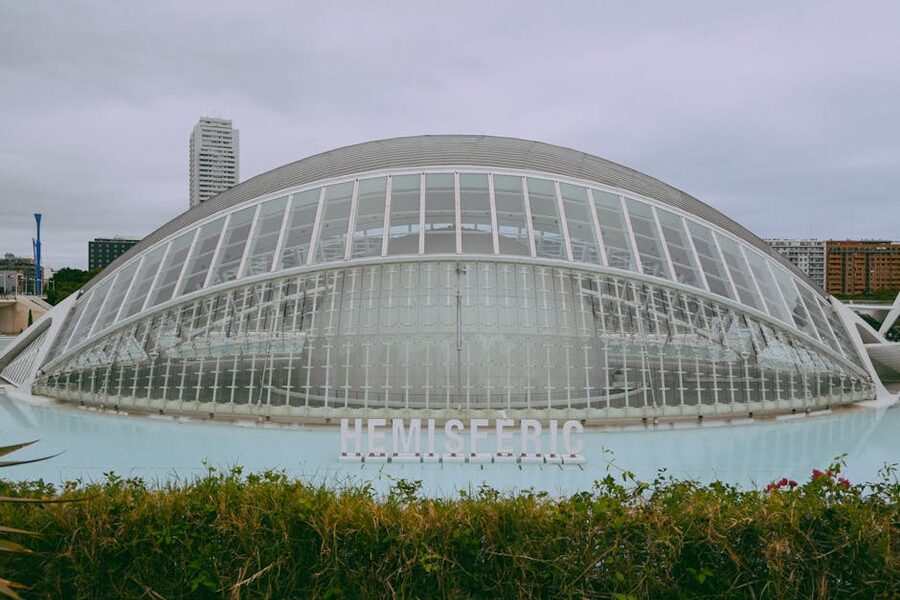
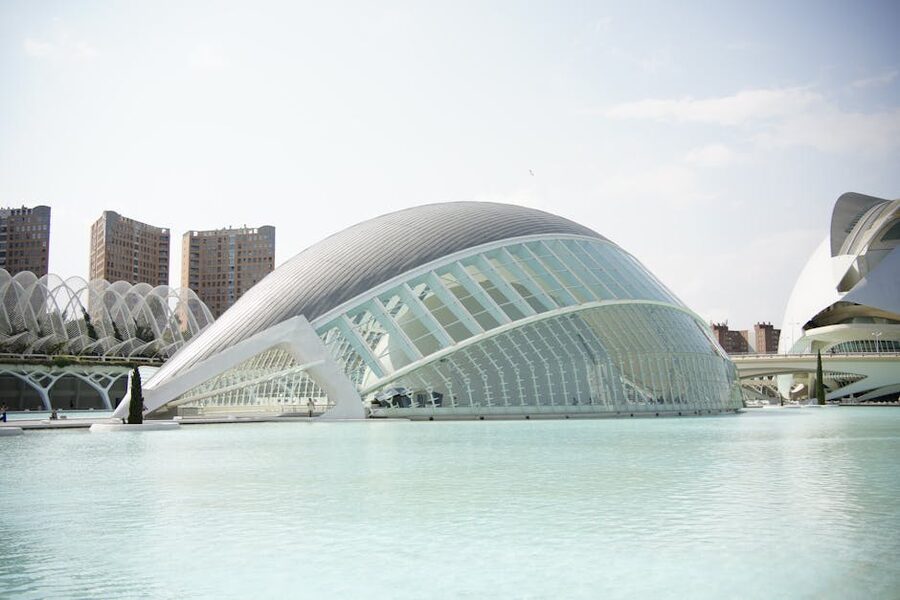
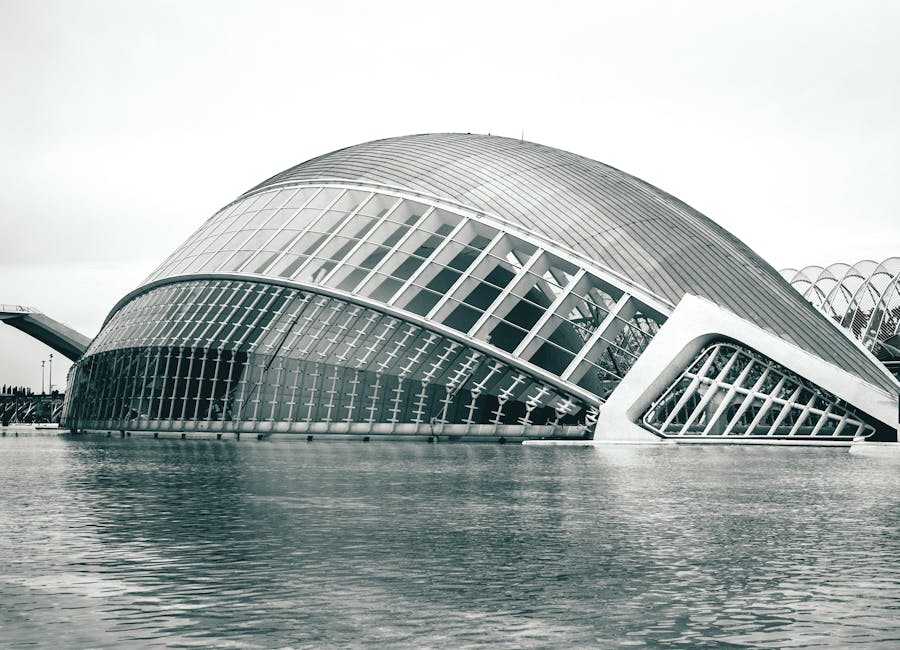
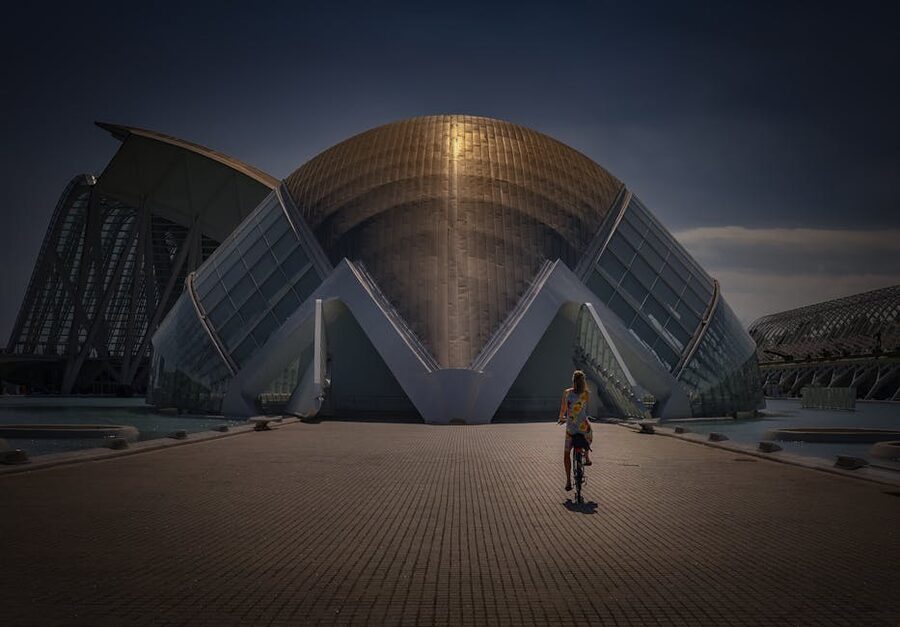
L’Hemisferic is the eye-shaped building with the IMAX dome inside. One ticket gets you one show. The films are 45 minutes each, all 3D, and the topics rotate (space exploration, oceans, natural history). Schedule changes weekly, check the official site the day you book.
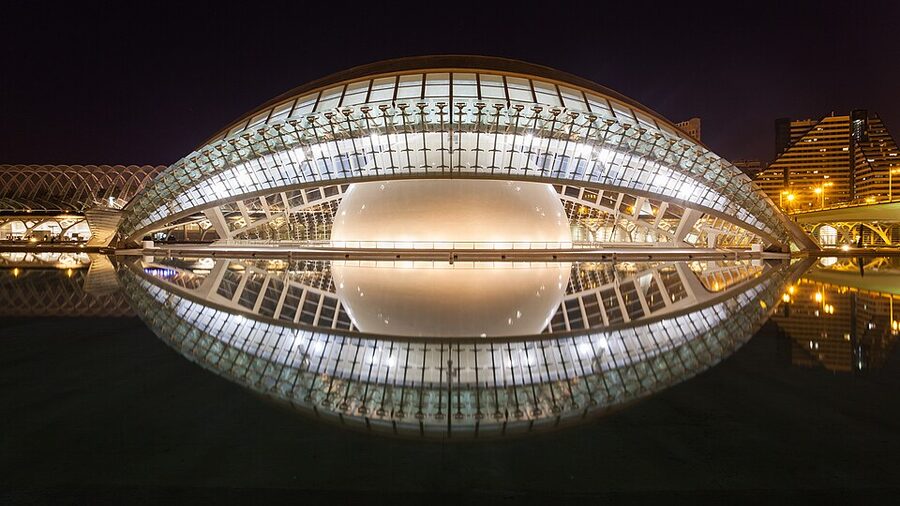

The screen wraps overhead and around you. Acoustics are good. The seats recline so you’re looking up at the dome. If you’re prone to motion sickness, sit further back rather than centre. Spanish and English headsets are available at the entrance, included in the ticket.
The Calatrava controversy nobody mentions on the tickets
You’ll notice nothing on the official site explains why the complex took 18 years to build (1998 to 2009 across five phases) or why local Valencianos have a complicated relationship with it. Here’s the short version because it changes how you read the architecture.
The original 1991 budget for the complex was about 300 million euros for three buildings. The final cost was around 1.2 billion euros, four times over budget, with cost overruns blamed on Calatrava himself by a long-running local scandal. Spanish press covered the gap relentlessly. The buildings have also had structural problems: the Palau de les Arts opera house had its mosaic facade fall off in chunks for years and was closed for repairs.
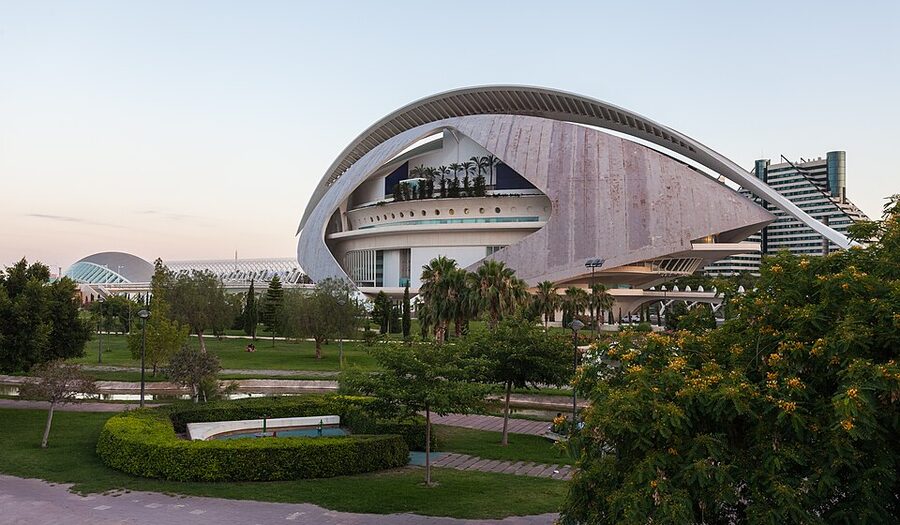

Why this matters for visitors: the result is that some Valencianos love it and some won’t even mention it by name when you ask for restaurant directions. As a tourist you probably don’t care, but the local ambivalence is worth knowing about because it’s why you’ll see opinion pieces complaining about “the Calatrava” rather than celebrating it. Spend half a day there, take your photos, and you’ll come away thinking the complex earns its place. The fiscal scandal is also part of the story.
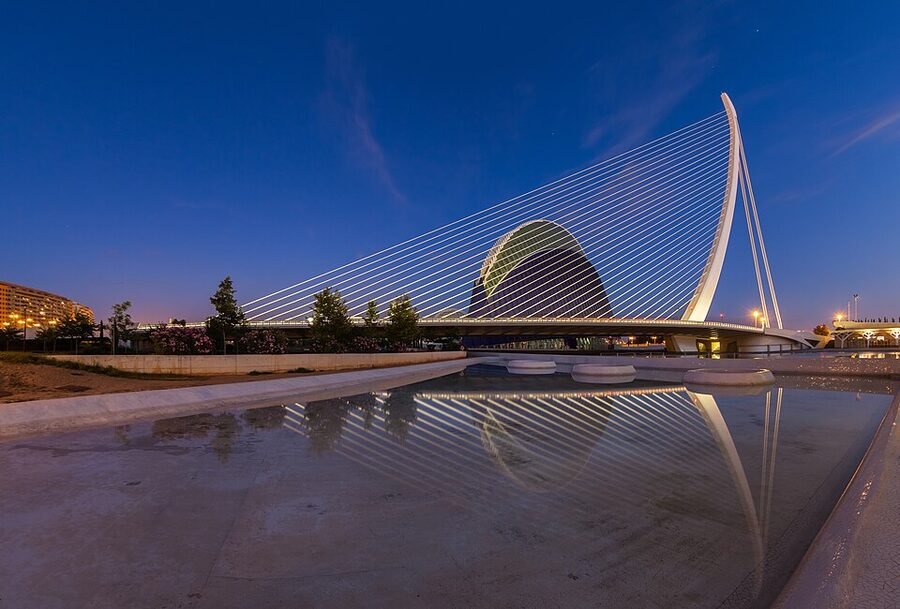

How to get there and when to visit
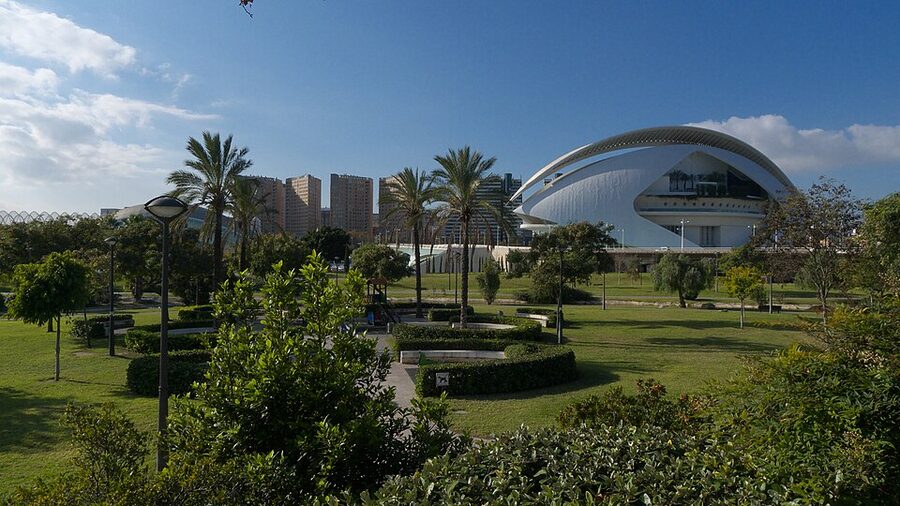
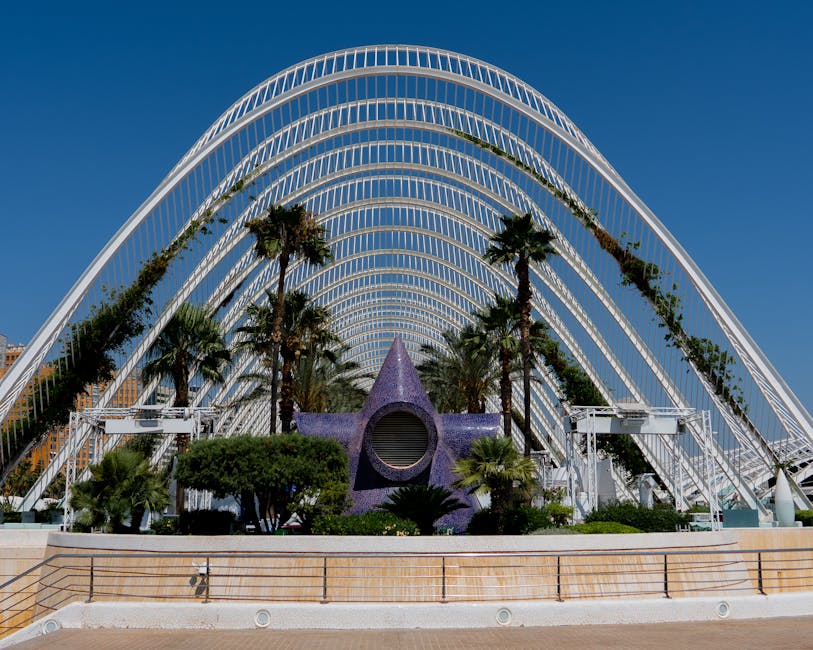
The complex is at the eastern end of the old Turia riverbed park, about 3km southeast of Valencia’s historic centre. Walking is genuinely scenic if you’ve got time and energy: enter the Jardi del Turia at any of the riverbed’s bridges and walk eastward, which takes about 45 minutes from Plaza de la Reina. You’re walking under fig trees, alongside cyclists and joggers, occasionally past playgrounds shaped like a giant Gulliver pinned to the ground.

Faster options: Metro Line 10 has a stop called Oceanografic that drops you at the aquarium entrance. EMT bus lines 95 and 35 from the city centre stop at the complex. The hop-on hop-off bus runs the Maritime Route through here from Plaza de la Reina, and it’s the fastest way back if you’re tired after the aquarium. We have a separate guide on booking the Valencia hop-on hop-off bus with both routes mapped.
Best time of day
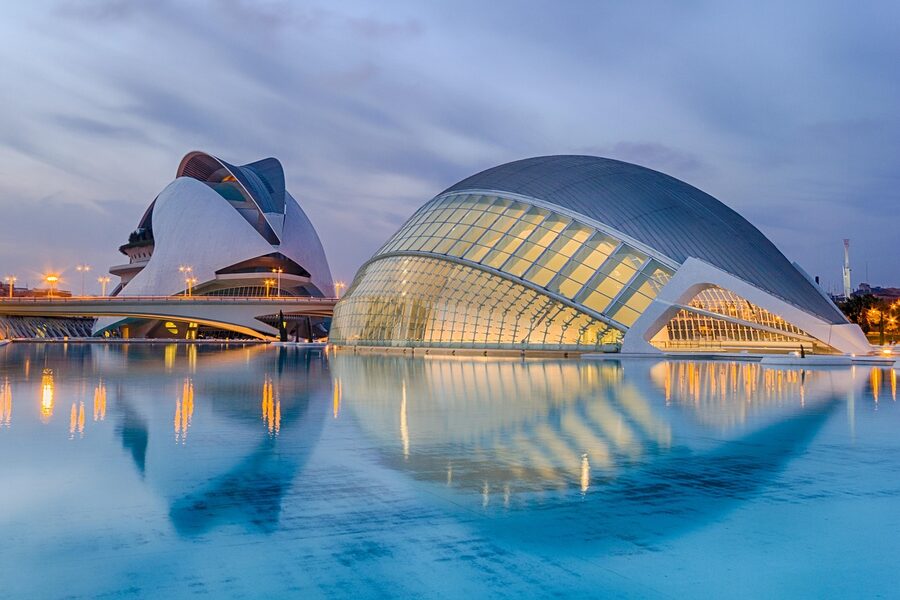
Open at 10am for the aquarium and the science museum, with last admission usually 6pm in winter and 8pm in summer. The Hemisferic runs shows from 11am to 9pm. My order: aquarium first thing (it’s the longest visit and gets crowded), science museum mid-afternoon (kids’ energy will be flagging, hands-on works for that), Hemisferic late afternoon (sit-down rest before dinner). The buildings light up after sunset and the reflection pools are most photogenic in the blue-hour window between sunset and full dark, around 30-45 minutes.
Best time of year
Spring (March to May) and autumn (October to November) are best. Mid-July and August get hot enough to be miserable, with surface temperatures over 35 Celsius around the white concrete pools. Winter is fine but quieter, and a few of the Oceanografic outdoor sections are closed for maintenance from November through February. Christmas week is busy because Spaniards are off work. Avoid Spanish bank holidays unless you’ve prebooked a timed slot.
What it’s like at night
You can walk around the outside of the complex 24 hours a day. The pools are lit blue from below, the buildings get warm-white spotlighting, and there’s almost no one there after 9pm in shoulder season. The cafes nearby stay open until midnight on summer weekends. If you have one evening in Valencia and want a free, dramatic walk, this is it.
Practical tips before you go
Book ahead online if you’re visiting in July, August, Easter week, or between Christmas and Three Kings (January 6). Walk-up at other times is fine but you save 30-60 minutes by skipping the Oceanografic queue. Bring water (you can refill from fountains inside both buildings). Bring sunblock, even in November, the white concrete reflects everything. Wear shoes you don’t mind getting splashed.
Strollers are fine throughout, both buildings have lift access. The aquarium has a few sections with steps but they all have ramps adjacent. Wheelchair-accessible loos are clearly marked. The dolphin show stadium has wheelchair seating at the back row.
Photography: tripods are allowed outside, banned inside the aquarium darker tanks (flash disturbs the animals). The IMAX dome bans cameras during the show.
If you’re saving money on multiple Valencia attractions, the Valencia Tourist Card includes free city transport plus discounts at several attractions, though you should check the current list before assuming the City of Arts and Sciences is on it. The card and the Oceanografic combo don’t always overlap.
Should you actually buy the 3-building combo?
If you have a full day, yes. If you have half a day, get the 2-building combo and skip the Hemisferic. The IMAX is fine but it’s not the reason anyone comes to Valencia, and 45 minutes of 3D space film is the bit that gets cut when your kids are tired. The aquarium and the science museum are the parts that justify the trip.
If you have just two hours, the Principe Felipe Science Museum on its own is the best-value short visit, especially with kids. 11 euros, two and a half hours, and you’ve still seen Calatrava’s most striking interior.
Pairing with the rest of Valencia
A perfect Valencia day pairs the City of Arts and Sciences in the morning and afternoon with something centro-based in the evening. After four hours at the aquarium I needed a long sit-down meal, and the Old Town tapas-and-wine walk turned out to be exactly the right thing: candle-lit underground cellar, slow pace, no walking. We have a guide on booking that walk in Valencia’s Old Town if you want it as your evening.
Another option: pair the science museum and Hemisferic in the morning with a harbour boat tour in Valencia in the afternoon, since the marina is a 10-minute walk from the Oceanografic. The boat tour gives you the city from the water, which complements the riverbed-history angle of the Calatrava complex nicely.
For the foodies: paella was invented in the rice paddies of L’Albufera, 20 minutes south of Valencia, and a proper paella cooking class teaches you why what you’ve been eating abroad isn’t actually paella. Worth it as a half-day if you have three days in town. We have a guide on booking a paella cooking class in Valencia with the original recipe (it’s not seafood).
If you’re putting Valencia in a wider Spain trip
The City of Arts and Sciences sits in a small club of Spanish multi-attraction combo tickets. Seville’s Cathedral, Giralda and Alcazar combo tour is its closest cousin in concept, three buildings on one ticket, and worth booking the same way. Madrid has the Essential Madrid combo covering the Royal Palace and Plaza Mayor. Barcelona’s Barcelona in One Day combo is the equivalent for that city. If combo logic is how you travel, Spain is set up for it.
Lanzarote in the Canary Islands does combo tickets too, the Lanzarote Island Highlights tour bundles the volcano park and a few other stops into a single day. Different vibe, same booking principle.
The riverbed thing again
Before you leave, walk down into one of the empty pools next to the Hemisferic (when they’ve drained them for cleaning, which happens monthly). Touch the bottom. That’s the bed of the Turia. The river that the city moved out of the way to save itself, that’s now buried under park and concrete and shallow blue water. The buildings on top are an apology of sorts. Or a thank-you. Depends who you ask.
Affiliate disclosure: some of the links above are affiliate links. If you book through them I may earn a small commission at no extra cost to you. I only recommend tickets and tours I’d buy myself.