
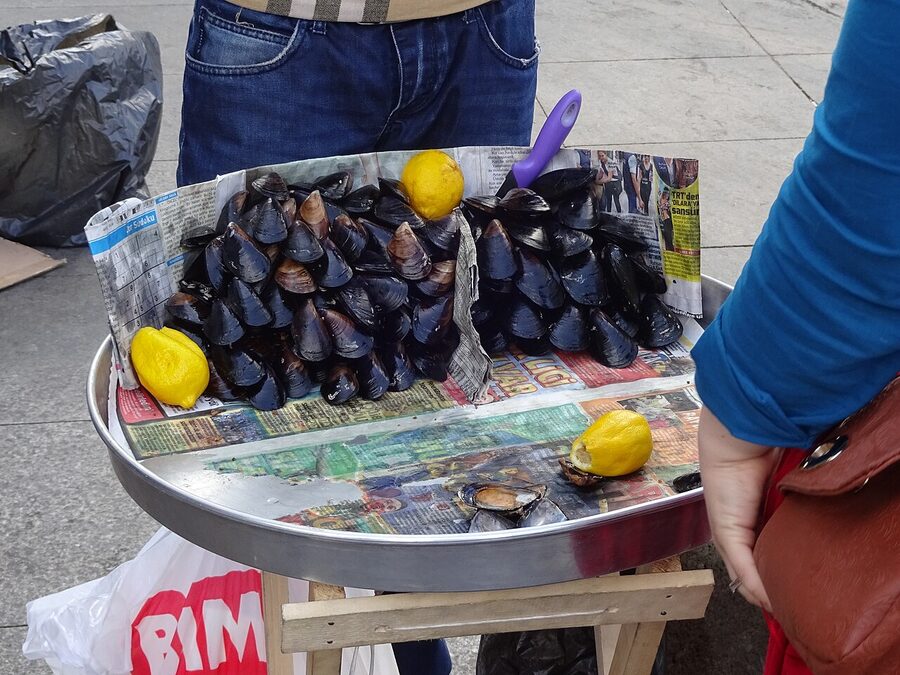
An Istanbul food tour usually starts at one of three places: the Spice Bazaar, the Kadıköy Tuesday market, or a specific bakery in Karaköy that nobody would find on their own. Over the next 4-5 hours a guide walks you through 8-12 tastings — stuffed mussels from a street vendor, fresh simit from a baker, a bowl of lentil soup in a back-alley lokanta, baklava from a shop that’s been in the same family since 1864 — while explaining why Istanbul has been a food city for 1,600 years. The good tours are genuinely educational. The bad ones are tourist-menu meze dumps.

Prices run €40-120 per person depending on format (group vs private, half-day vs full-day, number of tastings). Tours take 3-5 hours. Most of the best ones are small-group (8-12 people max) or private. What separates a good tour from a bad one is the guide’s willingness to take you off the tourist path — meaning into Fatih’s side streets, Asian-side neighbourhoods like Kadıköy, or Balat’s Greek and Jewish food shops — rather than the commercial “Turkish Experience” restaurants in Sultanahmet.


In a Hurry?
- Best overall: Istanbul Street Food Tour with Local Guide — 4 hours, 8-10 tastings, small group. The classic format.
- Best private: Private Food Tour with 10 Tastings + Raki — Kadıköy (Asian side), private guide, 10 tastings including local raki.
- Best personalised: Private Food Tour with a Local — 100% Personalised — guide builds the itinerary around your specific interests. Best for repeat Istanbul visitors.
- In a Hurry?
- What a Typical Tour Covers
- Three Tour Options
- 1. Istanbul Street Food Tour with Local Guide — from €50
- 2. Private Kadıköy Food Tour with 10 Tastings — from €90
- 3. 100% Personalised Private Food Tour — from €120
- A Short History of Istanbul’s Food Culture
- European Side vs Asian Side
- Food Allergies and Dietary Restrictions
- When to Book
- Combining With Other Istanbul Days
- Photography
- What to Wear
- Common Mistakes
- What Guides Won’t Tell You
- The Short Version
What a Typical Tour Covers
A 4-hour food tour usually visits 8-12 stops. Some are seated tastings at restaurants; some are standing street-food stops; some are shops where the guide buys something and hands it to you. Here’s what you can expect across the format:
.jpg)
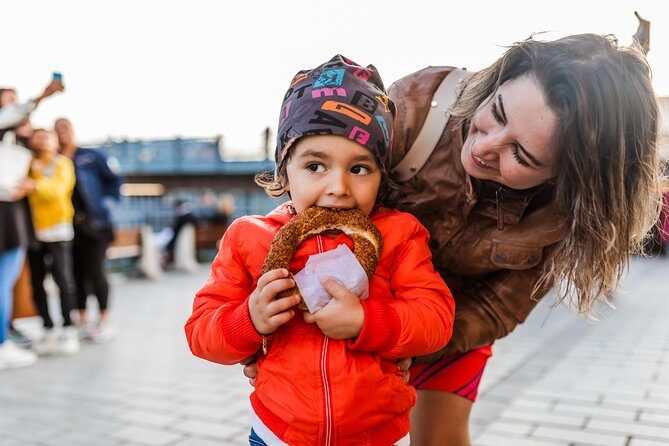
Morning starts — simit and çay. Simit is the Istanbul breakfast bread: a sesame-covered ring, crispy outside, soft inside. Paired with Turkish tea (çay) and sometimes a chunk of white cheese.
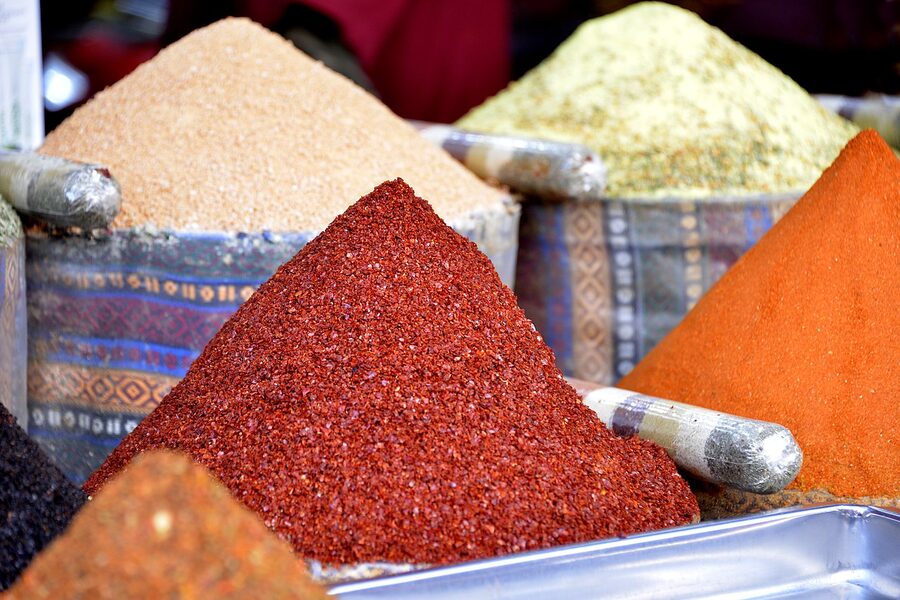
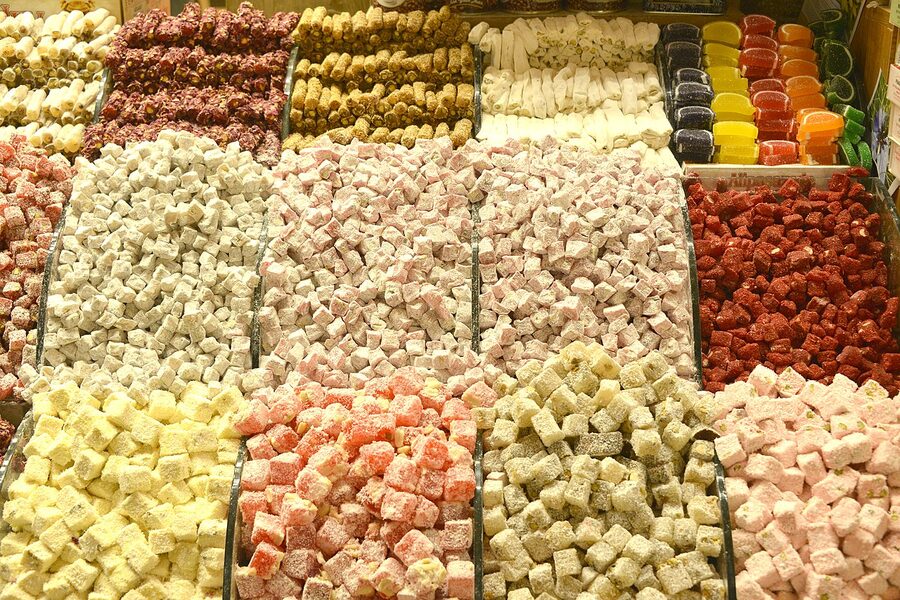
Spice Bazaar stop. The 1660 Spice Bazaar (Mısır Çarşısı) is the starting or ending point for most European-side tours. Your guide points out specific spices, explains the trade routes that brought them to Istanbul, and lets you taste 2-3 types of Turkish delight (lokum).
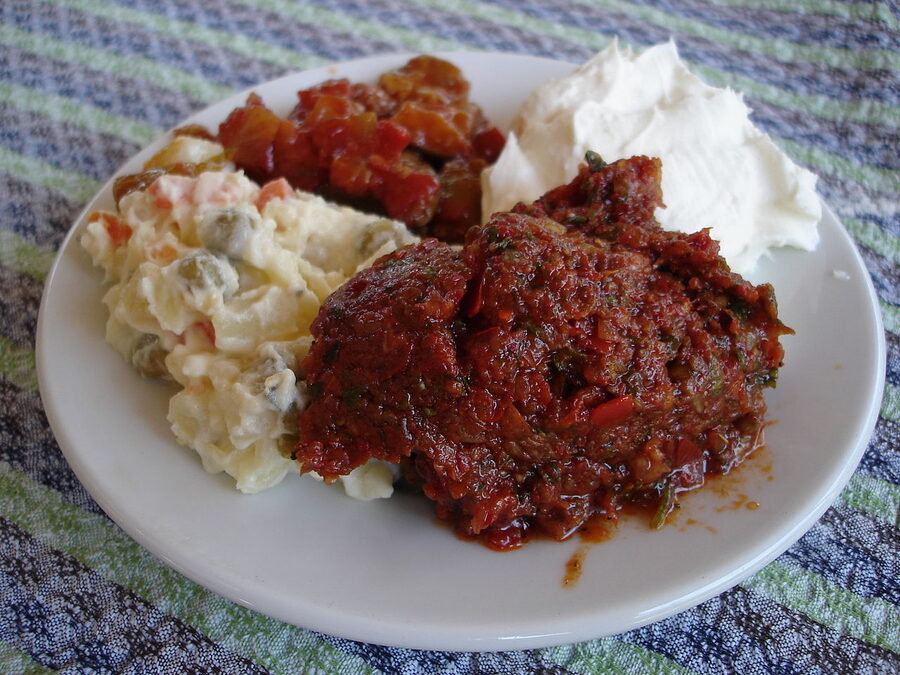
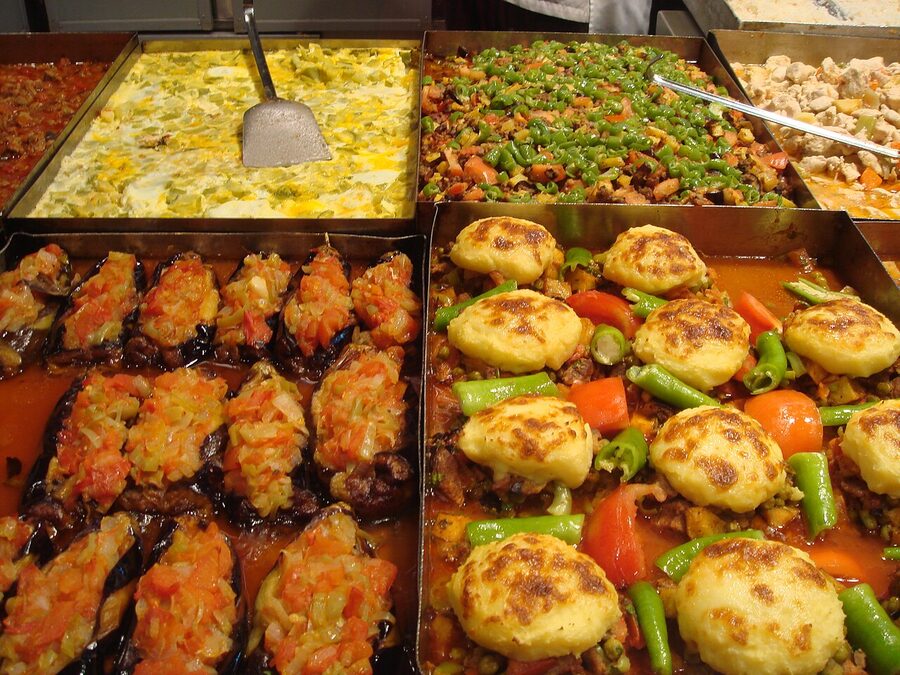
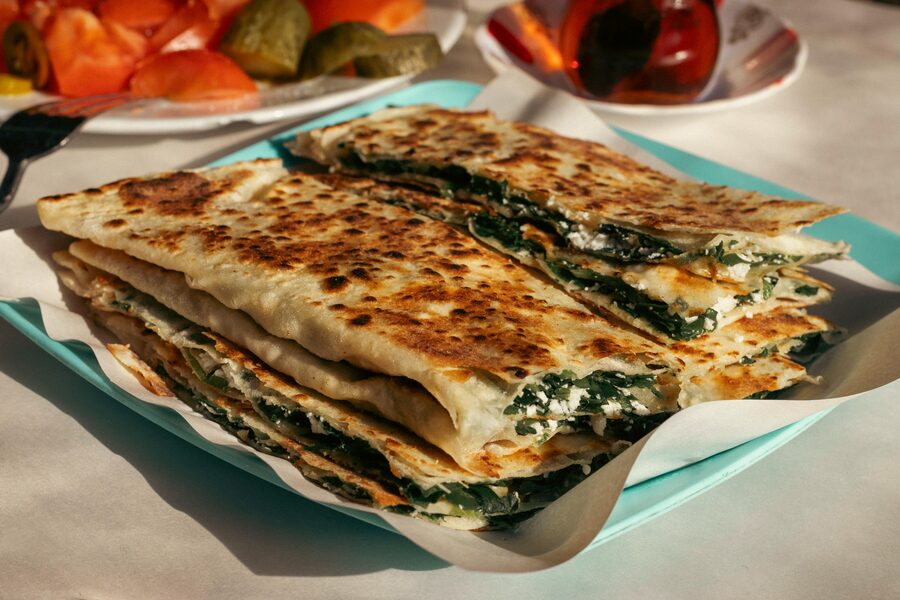
Mezze tasting at a lokanta. A lokanta is a workers’ canteen — cheap, no frills, daily rotating dishes displayed in warming trays at the counter. You pick three dishes; total cost per person is usually €5-8. Most food tours include a lokanta stop because it’s where Istanbullus actually eat lunch.
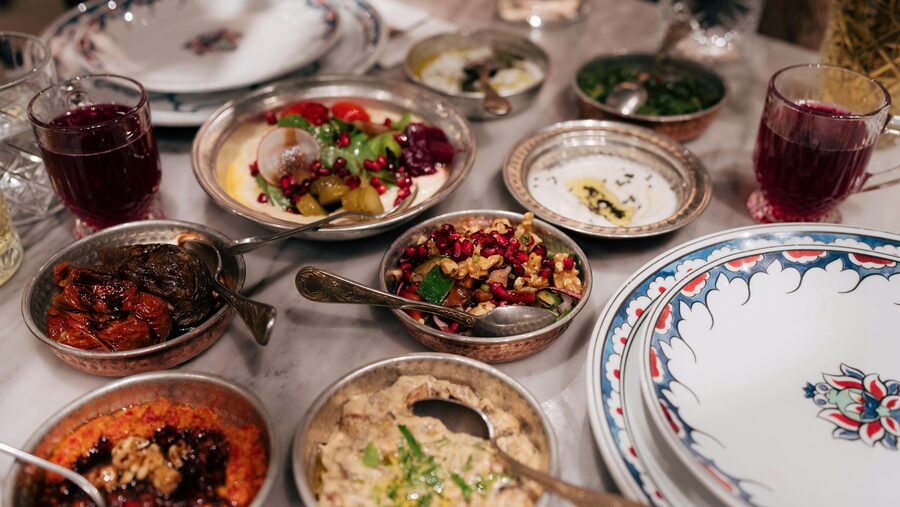
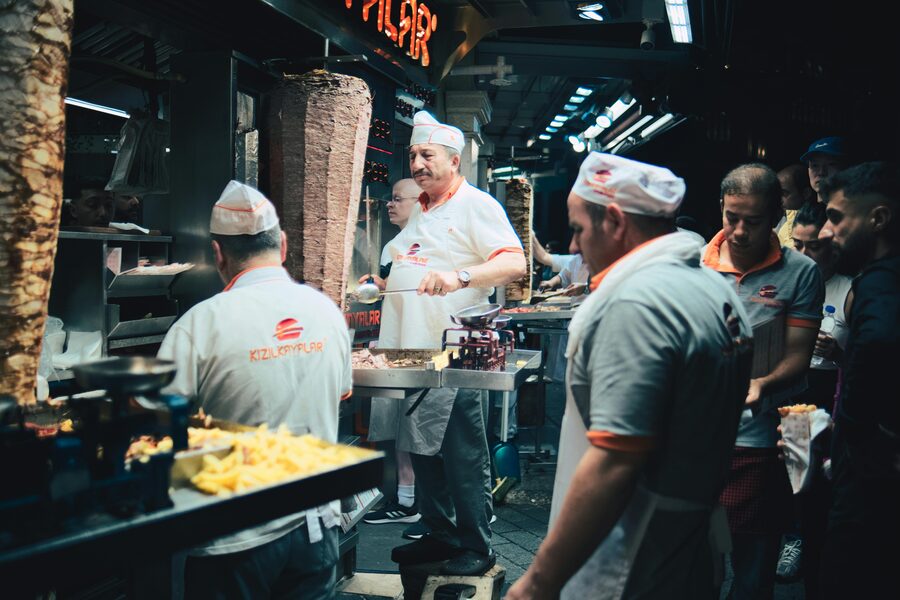
Kokoreç or balık ekmek. Kokoreç is grilled seasoned lamb intestines, a working-class street food. Balık ekmek is a grilled fish sandwich sold from boats moored at Eminönü. Both are polarising — guide usually offers you a small taste rather than forcing a full portion.
Midye dolma. Stuffed mussels from a street vendor, as above.
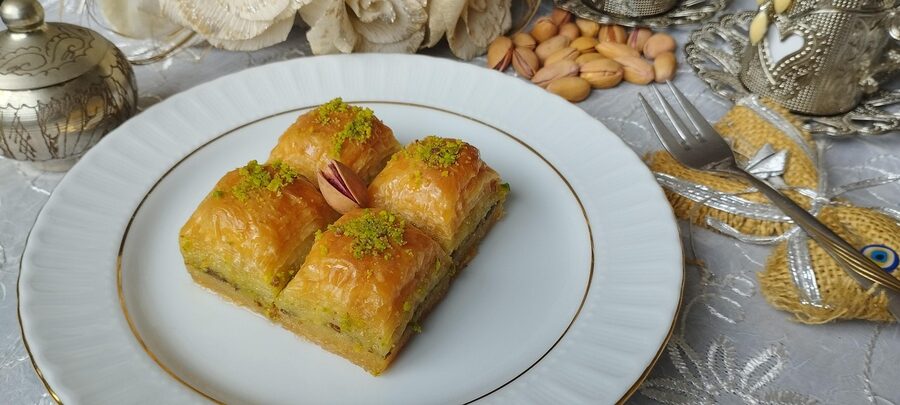
Baklava and Turkish coffee. Baklava at a proper shop (Hafız Mustafa 1864, Karaköy Güllüoğlu, or Develi) rather than the tourist versions. Coffee preparation explained and demonstrated.
Optional raki course. Some tours end with a raki tasting — the Turkish anise-flavoured spirit. Served diluted with water (turns milky white) and accompanied by white cheese and honeydew melon.
Total food: you’ll eat enough for a proper meal plus extras. Don’t eat breakfast before a food tour.
Three Tour Options
1. Istanbul Street Food Tour with Local Guide — from €50
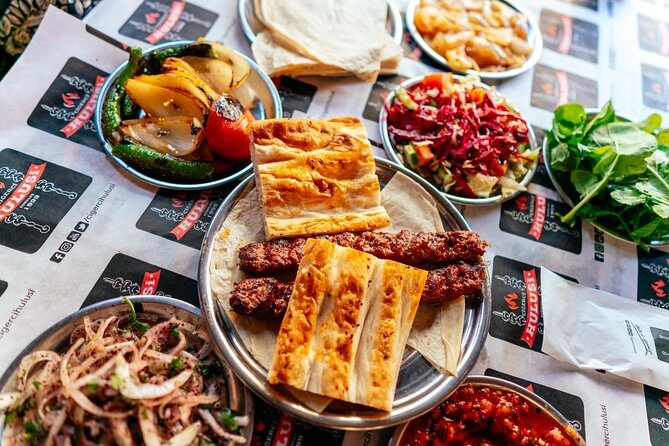
The mainstream option. 4 hours, 8-10 tastings, small group (max 12). Covers Spice Bazaar, local lokanta, street vendors, a bakery, and finishes with Turkish coffee or raki. Good balance of tourist-accessible and authentic. Full review.
2. Private Kadıköy Food Tour with 10 Tastings — from €90
For food-curious travellers who want the Asian side specifically. Kadıköy has Istanbul’s best produce market (Salı Pazarı) and less tourist footprint. Private format means pace is adjustable. 10 tastings including raki. Full review.
3. 100% Personalised Private Food Tour — from €120
Best for repeat Istanbul visitors or for travellers with dietary restrictions. The guide asks about preferences beforehand (vegetarian? love spice? only sweets? specific regional interest?) and builds a unique itinerary. 4-5 hours, private, no fixed route. Expensive but unique.
A Short History of Istanbul’s Food Culture
Istanbul has been a food city since the founding of Constantinople in 330 CE. The Byzantine capital imported spices from the east, grain from the Black Sea, wine from the Aegean islands, and fish from the Marmara Sea. By the 6th century, Constantinople had more varieties of bread than any European city, and Byzantine manuscripts describe elaborate court banquets that already followed the “small plates first, then larger dishes” structure that modern Turkish meze still uses.

The Ottoman conquest in 1453 transformed the food culture rather than replacing it. Mehmed II brought court chefs from across the expanding empire — Iranian, Arab, Balkan, Caucasian — and assembled them at Topkapi Palace. By the 17th century the palace kitchen employed over 1,000 staff; it was arguably Europe’s largest professional kitchen. Recipes from that kitchen codified the Ottoman cuisine that Turkish food tours still teach today.
Key ingredients arrived in waves:
- From the east (Silk Road): saffron, pepper, cinnamon, rose water.
- From Ottoman Egypt (post-1517): coffee, sugar, cotton, additional spices. The Spice Bazaar itself was built in 1660 specifically to handle the Egyptian trade.
- From the Americas (17th-19th centuries): tomatoes, peppers, potatoes. Tomatoes were genuinely new to Ottoman cooking; before them most stews used pomegranate and grape molasses for colour.
- From the Balkans (18th-19th centuries): yogurt-heavy dishes, stuffed vegetables (dolma), pastry traditions.
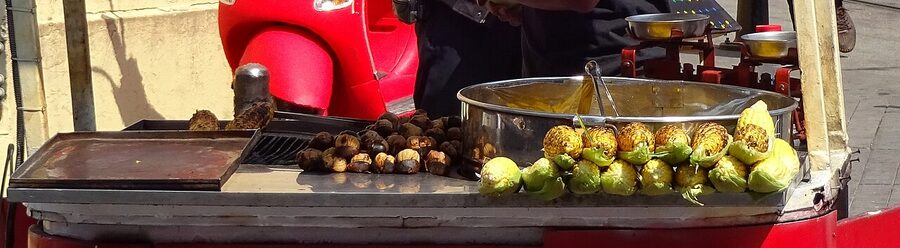
The 19th-century Ottoman decline pushed cuisine in two directions: the imperial court kitchen shrank but formalised its recipes into what’s now called “saray” cuisine; meanwhile, street food exploded as migration from the provinces filled Istanbul with regional dishes. The simit-and-çay morning ritual dates from this period. Street vendors selling köfte, börek, and midye dolma spread from a few specific neighbourhoods across the whole city.
.JPG)
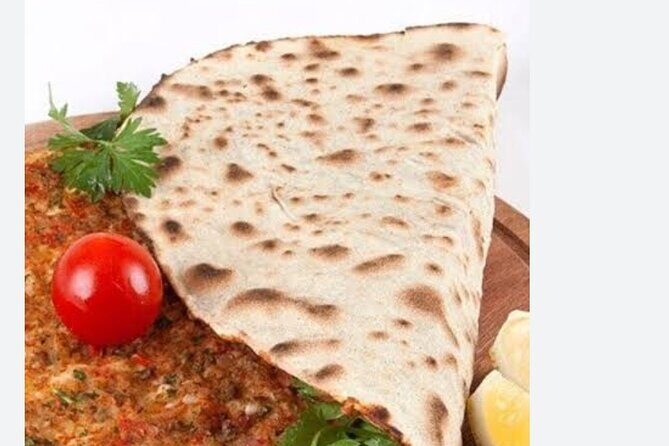
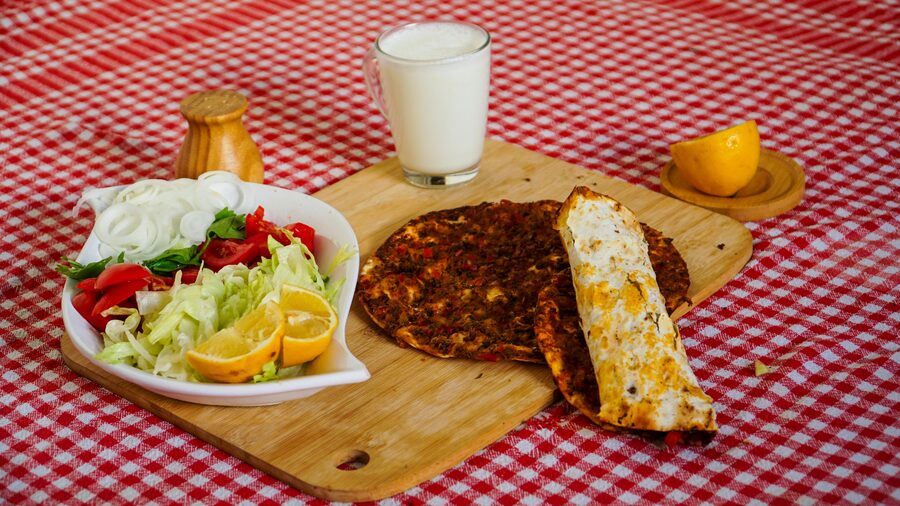
Modern Istanbul food culture keeps adding layers. The 20th-century migration of Anatolian villagers to the city brought eastern Turkish dishes (kebap, lahmacun, Gaziantep baklava) into the urban food scene. The 2000s-2010s saw a food revival with chefs returning from training in Europe and applying fine-dining techniques to Ottoman ingredients. A contemporary Istanbul food tour pulls from all these layers.
European Side vs Asian Side
Most first-time Istanbul visitors take a European-side food tour. This is fine but arguably the second-best option. The Asian-side tours in Kadıköy often show a more authentic picture of how Istanbullus actually eat.
European side (Eminönü, Fatih, Karaköy, Beyoğlu):
– Spice Bazaar and Egyptian Market
– Grand Bazaar food stalls
– Historical bakeries on Istiklal Caddesi
– Classic kebab houses in Sultanahmet
– Most tourist-friendly; biggest crowd overlap
Asian side (Kadıköy, Moda, Yeldeğirmeni):
– Salı Pazarı (Tuesday Market) — Istanbul’s best fresh-produce market
– Çiya Sofrası — single most-celebrated restaurant for regional Turkish cuisine
– Specialised street-food lanes (fish restaurants on the ferry-pier road)
– Less tourist footprint; more local clientele
– Requires a 30-minute ferry from the European side (which is itself part of the experience)
For a first Istanbul visit, European side works. For a second visit or for travellers who want the less-tourist version, Asian side delivers more. Tours specifically in Kadıköy are usually the best bang-for-euro among food tours in the city.
Food Allergies and Dietary Restrictions
Turkish food is gluten-heavy and meat-heavy in the standard format. Vegetarians and coeliacs can be accommodated but need to tell the tour operator in advance.
Vegetarian: possible on most tours. Meze is largely vegetable-based; simit, cheeses, nuts, fruit, baklava all work. Skip the kokoreç, balık ekmek, and kebab stops.
Vegan: harder. Butter and yogurt are in many “vegetable” dishes (including most dolma). Possible on private tours with advance notice; difficult on group tours.
Gluten-free: very restrictive. Turkish cuisine is bread-heavy. Meze is mostly GF but the street-food stops (simit, baklava, kebab with pide) are not. Private tour required.
Nut allergy: Turkish sweets are nut-heavy. Baklava, Turkish delight, and many desserts contain walnuts, pistachios, or hazelnuts. Tell the operator in advance; they’ll route around affected stops.
Halal: Istanbul is a Muslim-majority city; most food is halal by default. Not an issue to flag.
Alcohol: raki is traditional but optional. Food tours that include raki will offer tea or ayran (salty yogurt drink) as an alternative.
When to Book
Food tours are less weather-dependent than most Istanbul activities but still have seasonal patterns:
Best time of year: April-May, September-October. Temperatures are comfortable for 4+ hours of walking. Food markets are at peak quality.
Peak: June-August. Tours still run but the walking is hotter; wear layers and drink water.
Winter (Dec-Feb): still viable — most food is eaten indoors — but street-food stops are less appealing in the cold. Tour operators sometimes shift the balance toward seated tastings.
Ramadan: if you visit during Ramadan (dates shift each year on the Islamic calendar), most restaurants still operate for tourists but street food is significantly quieter during daylight hours. Iftar (sundown) tours run by some operators are themselves a unique experience — you join local families breaking fast.
Best time of day: most tours run 10am-2pm or 2pm-6pm. Morning tours hit lunch territory; afternoon tours end with proper dinner stops. Evening tours (6pm start) are less common but genuinely good — you get the post-work Istanbul dining scene.
Booking window: 3-7 days ahead is plenty for group tours. Private tours need more lead time (1-2 weeks) for scheduling and dietary prep.
Combining With Other Istanbul Days
Food tours fit best on Day 2 or 3 of an Istanbul visit:
Day 1: Sultanahmet — Hagia Sophia, Blue Mosque, Basilica Cistern, Topkapi. Light lunch during; dinner near hotel.
Day 2: Morning Bosphorus cruise, afternoon food tour (2pm-6pm).
Day 3: Princes Islands or Whirling Dervish ceremony.
Day 4: Cappadocia flight prep or a Turkish bath morning.
A food tour on Day 1 is tempting but usually overwhelming — you’re already navigating a new city and the tour adds sensory density. Better to settle in first.
Photography
At vendors: ask before photographing people. Most are fine with it but some prefer not. A quick “foto tamam?” (photo OK?) works.
At restaurants: table shots are fine. Wide-angle lens works best.
At the Spice Bazaar: the colour saturation of the spice displays makes for good shots, but flash is disruptive. Use natural light and shoot at 1/60s.
With your guide: many guides are happy to be in photos. Ask first.
Don’t: film long videos while the tour is moving. The guide’s narrative is the value; filming means missing it.
What to Wear
Comfortable walking shoes. 4-5 hours on foot across cobblestones. No sandals or heels.
Layers. You’ll move between warm restaurant interiors and cold streets. In winter, a light puffer jacket helps.
Loose pants. You will eat a lot. Tight trousers become uncomfortable by stop 6.
Scarf. Useful for women if the tour includes a quick mosque visit. Most food tours skip mosques, but some include a 10-minute Blue Mosque look-in.
Small bag. Most tours include walking through busy bazaars. A small cross-body bag beats an open backpack for crowd navigation and pickpocket awareness.
Common Mistakes
Eating breakfast. Do not eat before a morning food tour. You’ll be full by stop 3 and skip the best stops.
Wearing a suit/dress. Food tours involve sitting on narrow stools, standing at counters, crossing cobblestones. Dress casually.
Trying to photograph everything. You’ll miss the guide’s explanations. Take the first-of-each shot and then put the phone away.
Tipping the guide separately per stop. Unnecessary. Tip the guide 10-15% of the total tour cost at the end.
Assuming the tour includes every meal. 4-5 hours of tastings is roughly a full lunch or dinner. Plan your next meal based on tour timing — you won’t need a full dinner after a 2pm-6pm tour.
Booking a group tour with dietary restrictions. Group tours can’t easily deviate. If you’re vegetarian, vegan, coeliac, or have allergies, book private.
What Guides Won’t Tell You
The best stops are usually unlisted. A good guide will take you to their neighbourhood shop — which isn’t in the official itinerary and which you’d never find. This is what differentiates a €50 group tour from a €120 private.
The seated restaurants are sometimes weak. Food tours often partner with restaurants for the seated stops. Those restaurants are fine but not always the best in the neighbourhood. The best food is usually at the street vendors and the small back-alley lokantas.
Turkish coffee is an acquired taste. It’s thick, strong, unfiltered. Most first-timers don’t love it on first sip. Drink it slowly, don’t stir it (the grounds settle at the bottom), stop before you reach the bottom.
Tour operators have favourites. Ask your guide “where would you send your cousin to eat?” and you’ll get a better recommendation than the tour’s official stops.
A second food tour is better than a first. First food tour teaches you the categories. Second visits the specific restaurants you want to try after the first lesson.
The Short Version
Book a €50-90 small-group food tour for Day 2 of your Istanbul visit. Skip breakfast. Wear comfortable walking shoes. Get the Kadıköy Asian-side version if you can — it’s less touristy than the Spice Bazaar equivalent. Private tours are worth the upgrade for dietary restrictions, repeat visits, or anyone who wants the guide to go off-script.
Don’t confuse food tours with a single dinner. The whole point is the range — 8-10 tastings across vendors, bakeries, seated restaurants, and the Spice Bazaar — that shows you how layered Istanbul’s food scene is. One great lokanta lunch is cheaper and faster; a food tour is how you learn what to look for afterward.
Affiliate disclosure: Some links in this article are affiliate links. If you book through them we may earn a small commission at no cost to you. All recommendations are based on my own visit.