
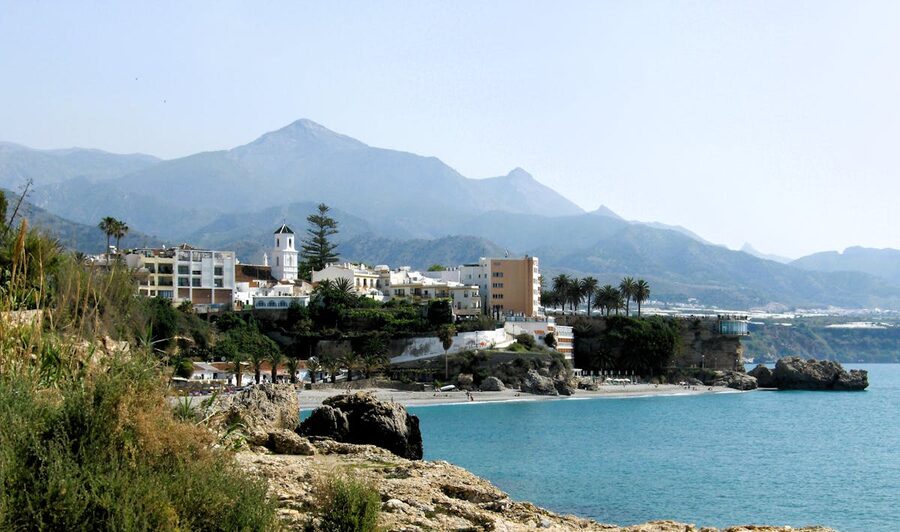
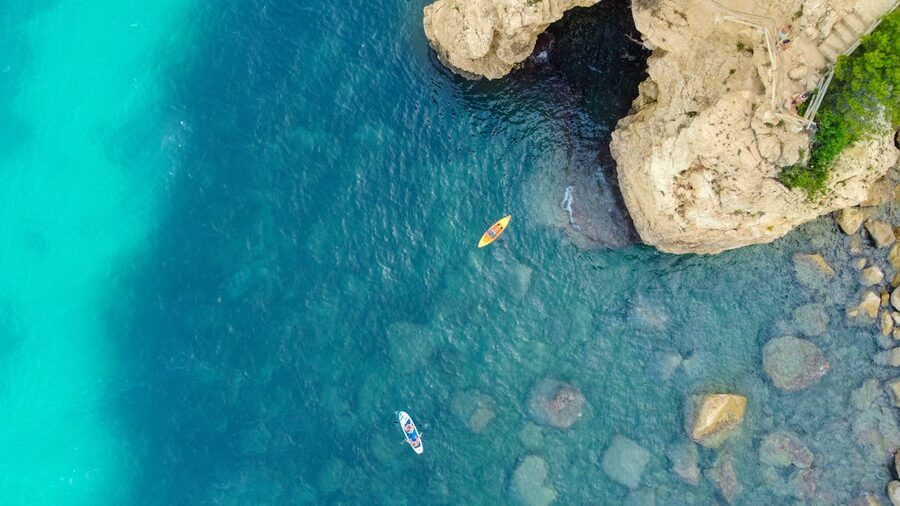
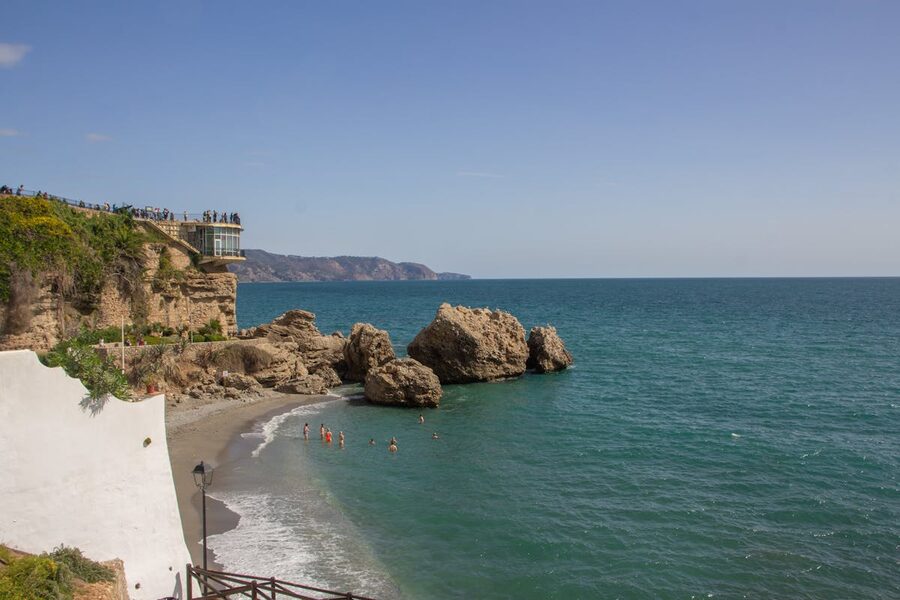
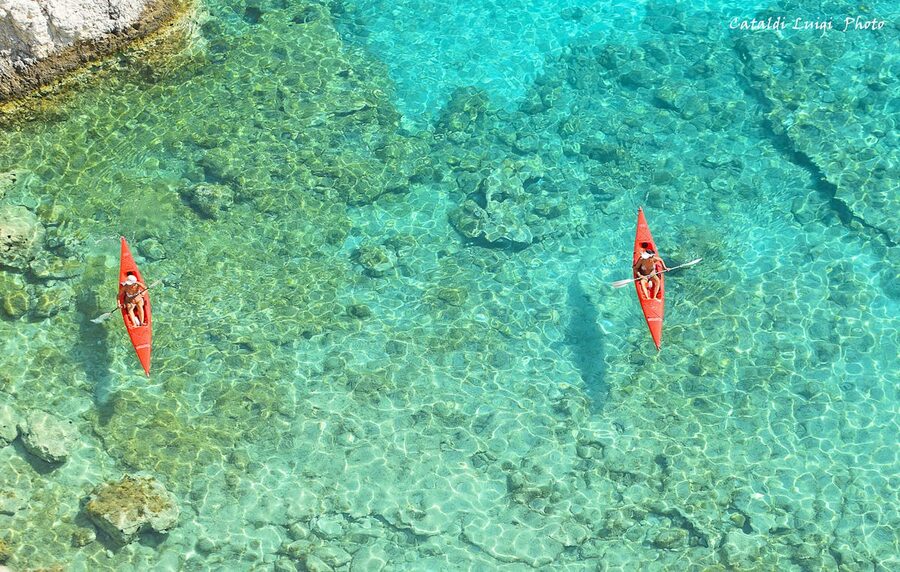
The water off the Nerja coast is so clear you can see the seabed from your kayak. I’m not exaggerating. On a calm morning — and most mornings here are calm between May and September — visibility drops to 15, sometimes 20 metres. You paddle over rocky reefs, dark patches of seagrass, and the occasional fish shadow, all while limestone cliffs rise 50 metres straight up on your left.
This stretch of coastline, the Acantilados de Maro-Cerro Gordo, is a protected natural park. No beachfront hotels, no jet skis, no party boats. Just cliffs, caves, and a waterfall that pours freshwater directly into the sea from 30 metres up. And the only way to reach most of it is by kayak.
- In a Hurry? Top 3 Nerja Kayak Tours
- What Makes This Coastline Special
- The 3 Best Kayak Tours to Book
- 1. Guided Kayak Tour: Nerja Cliffs & Maro Waterfall —
- 2. Cliffs of Maro-Cerro Gordo Guided Kayak Tour —
- 3. Maro Cliffs Kayak & Snorkeling Tour (from La Herradura) —
- How Booking Works
- What to Expect on the Water
- Snorkeling Along the Maro Cliffs
- When to Go (It Matters More Than You Think)
- 42,000 Years of Coastal History
- Getting to Nerja
- Practical Tips
- Kayak vs. Boat: Which Is Better?
- After the Kayak: What to Do in Nerja
- Where This Fits in a Wider Trip
In a Hurry? Top 3 Nerja Kayak Tours
Most popular: Guided Kayak Tour: Nerja Cliffs & Maro Waterfall — $41/person, 2.5 hours. The full route past the cliffs, through caves, and to the Maro waterfall. Check Availability
Best value: Maro Cliffs Kayak & Snorkeling Tour — $23/person, 2.5 hours. Same coastline from the La Herradura side, with a snorkeling stop included. Check Availability
Smaller groups: Cliffs of Maro-Cerro Gordo Guided Tour — $38/person. Focuses on the cliff formations and sea caves with a more intimate group size. Check Availability
What Makes This Coastline Special
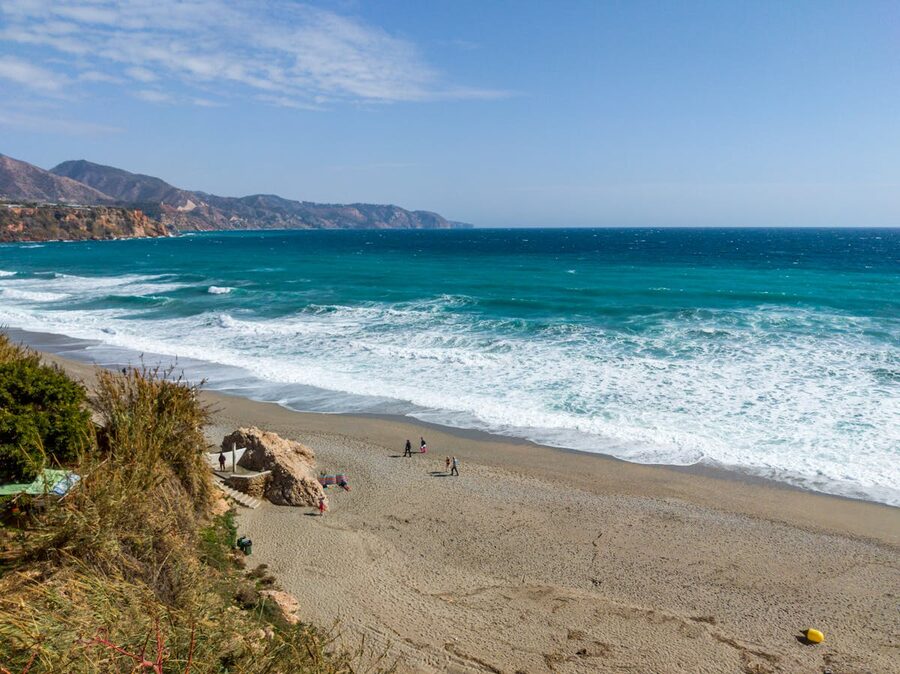
The Acantilados de Maro-Cerro Gordo natural park stretches about 12 kilometres between Nerja and La Herradura. It earned protected status back in 1989, which is why the coast still looks like it did centuries ago. No roads reach most of the beaches. No buildings break the clifftop skyline. The only sounds are waves, seabirds, and the occasional splash from your paddle.
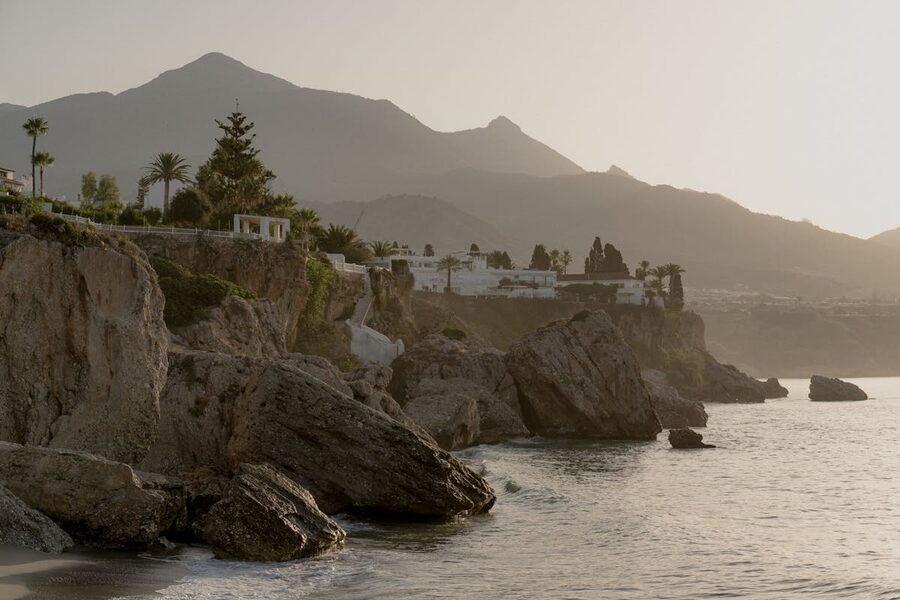
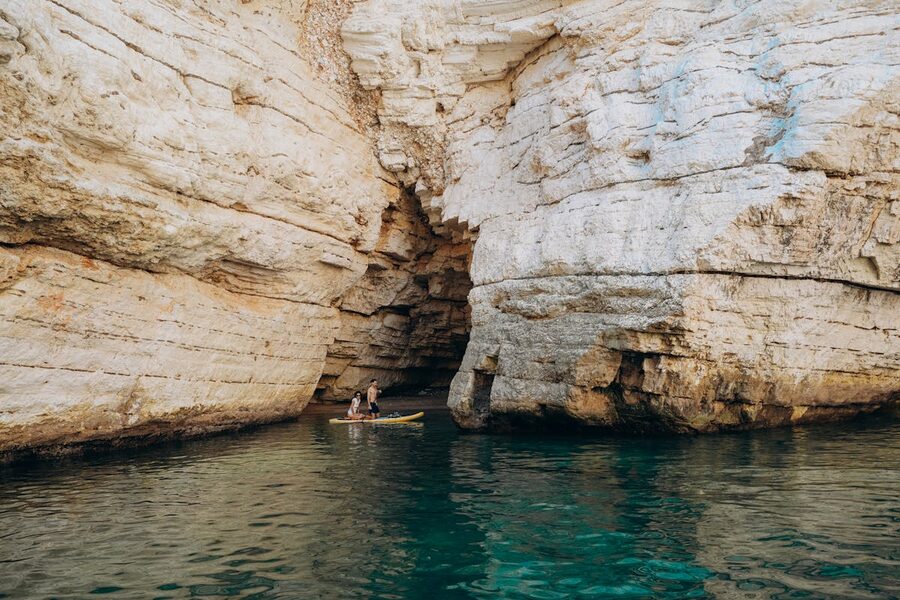
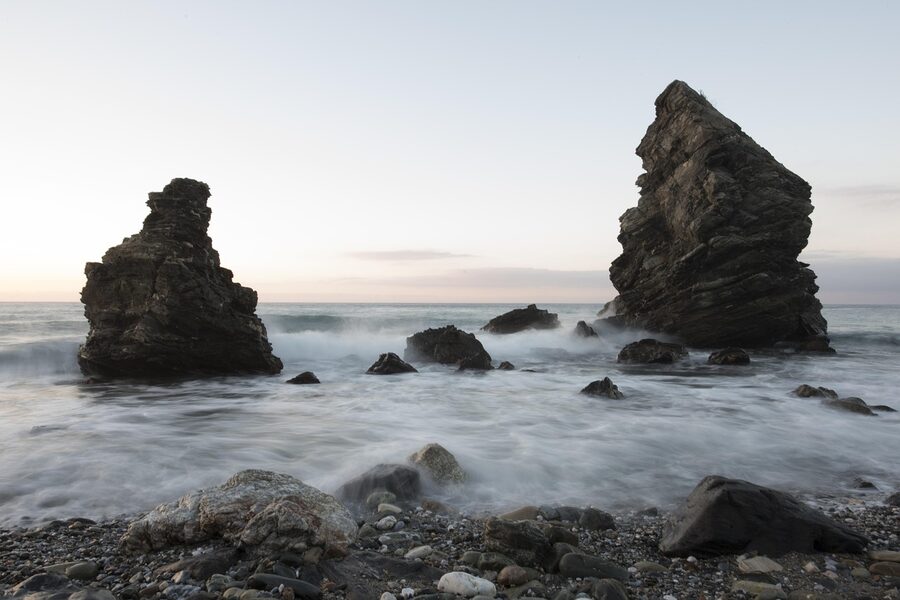
The cliffs here aren’t smooth. Millions of years of wave action have carved deep caves, natural arches, and overhangs into the rock face. Some caves open into chambers big enough to paddle into. Others narrow down to slits where the water surges and retreats, creating a low booming sound that echoes off the walls.
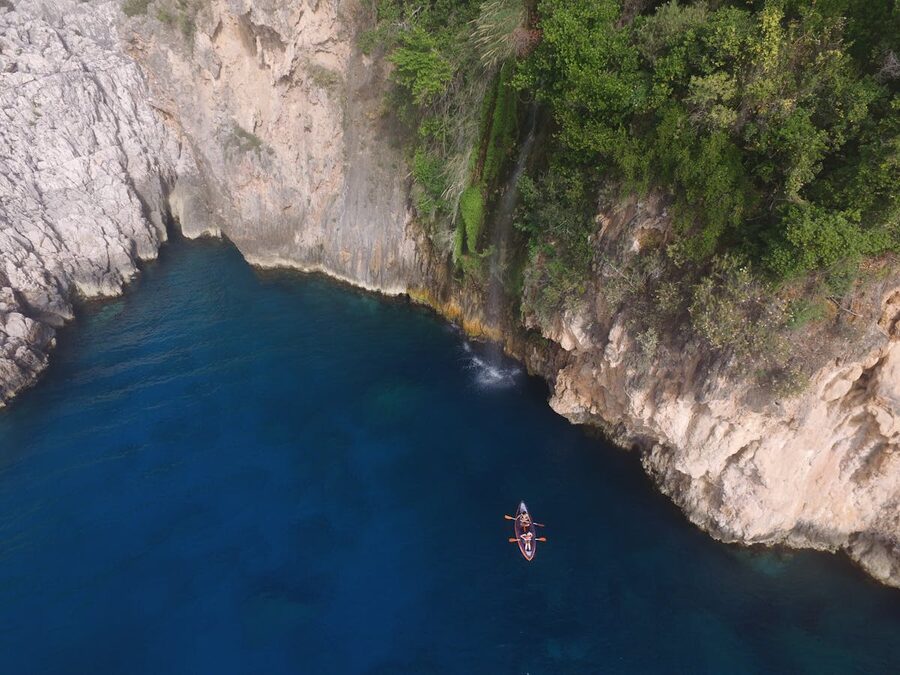
And then there’s the Maro waterfall. A freshwater stream drops over the cliff edge and lands directly in the sea. It’s at its most impressive in spring — after winter rains fill the aquifer, the cascade is thick and powerful. By August it shrinks to a trickle. The guides time the route so you paddle under or alongside the falls, depending on the season.
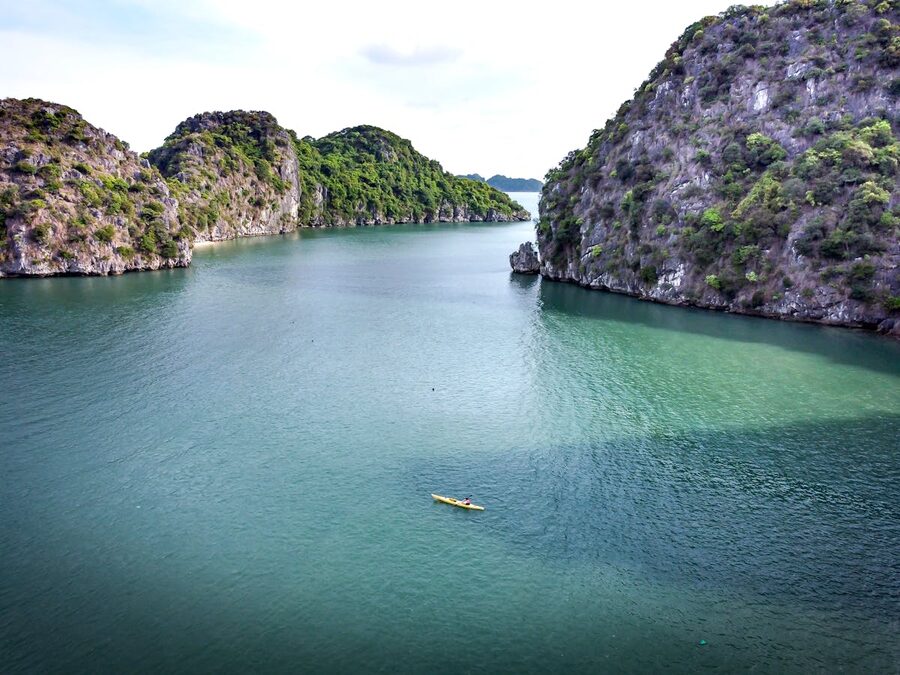
Here’s something most visitors don’t know: these caves face the same sea that the original inhabitants of the Cueva de Nerja looked out on 42,000 years ago. The famous cave paintings — some of the oldest in Europe — were found in the cliffs above the same coastline you’ll be kayaking along. Different vantage point, same view.
The 3 Best Kayak Tours to Book
I’ve sorted these by what matters most: how well they cover the coastline, what’s included, and whether the experience justifies the price. All three operate along the Maro-Cerro Gordo cliffs, but each approaches the route differently.
1. Guided Kayak Tour: Nerja Cliffs & Maro Waterfall — $41
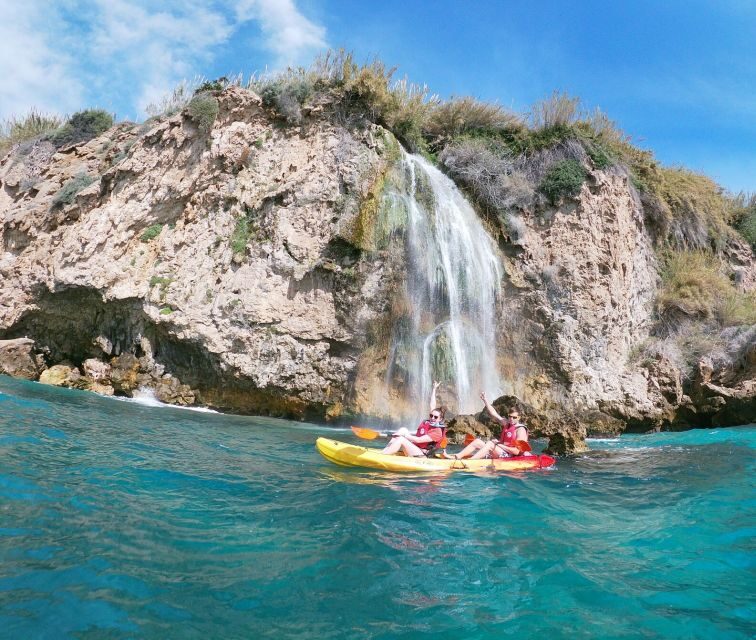
This is the one to book if you only do one thing in Nerja. The 2.5-hour route covers the full stretch of the Maro cliffs, with stops at multiple sea caves and a final approach to the waterfall. The guides carry GoPros and share the photos afterwards, which saves you the headache of waterproofing your own phone. Our full review covers the itinerary in detail, including what to expect at each stop. No kayaking experience needed — the guides give a proper briefing on the beach before you launch.
2. Cliffs of Maro-Cerro Gordo Guided Kayak Tour — $38
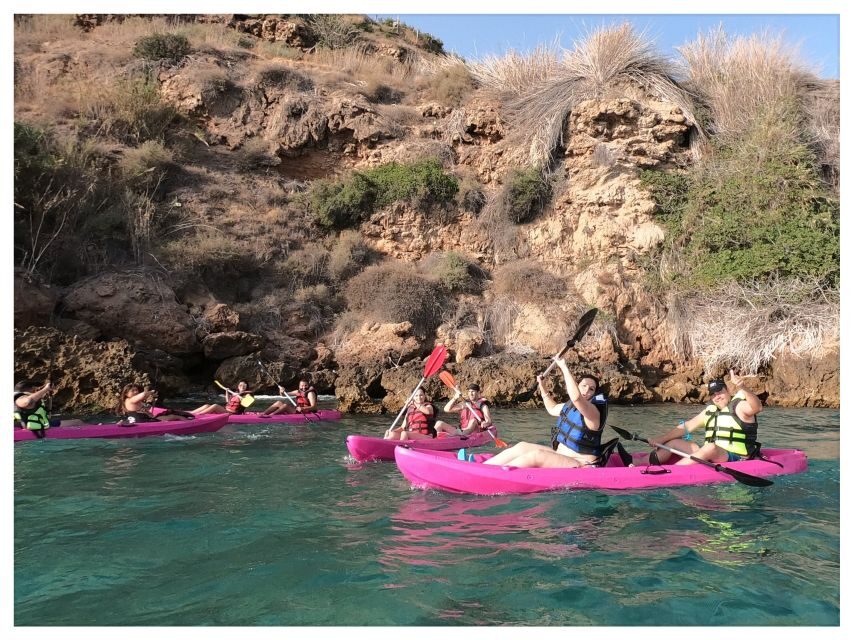
Slightly cheaper and with smaller groups, this tour focuses specifically on the Cerro Gordo section of the cliffs. The pace is slower, which means more time inside the caves and more opportunity to ask questions about the geology. If the standard tour is fully booked — and it often is in July and August — this one covers similar ground with a different starting angle. Check our detailed review for the comparison between the two routes.
3. Maro Cliffs Kayak & Snorkeling Tour (from La Herradura) — $23
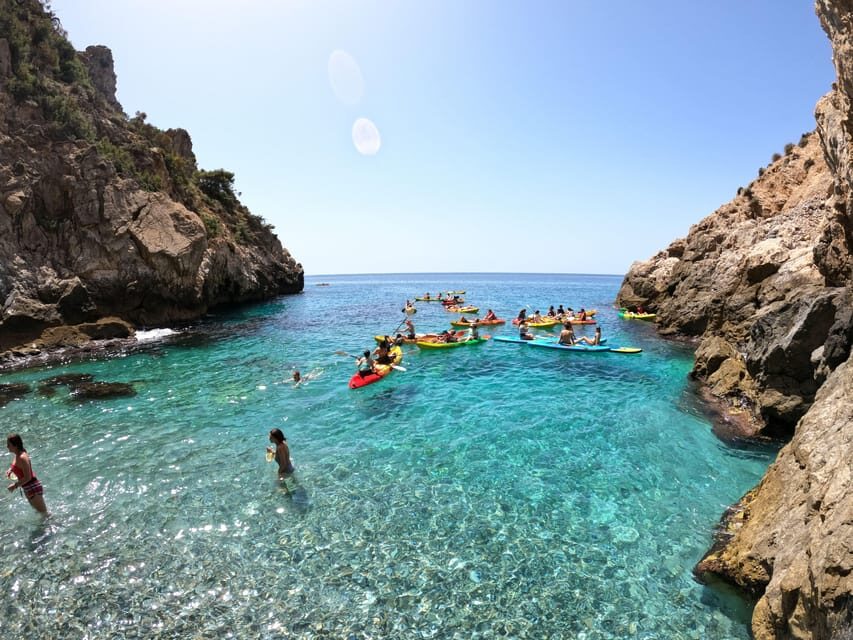
At $23, this is the cheapest way to kayak the Maro cliffs — and it includes snorkeling gear, which the other two don’t. The catch is the launch point: La Herradura, about 20 minutes west of Nerja by car. But if you’re staying anywhere along the coast between Malaga and Nerja, the drive is easy. The underwater life here is genuinely good — the rocky seabed supports octopus, moray eels, and schools of bream. Our review breaks down the snorkeling spots you’ll hit along the way.
How Booking Works
All three tours are bookable online through GetYourGuide, usually up to 24 hours before the departure time. But during summer — particularly July and August — morning slots sell out days in advance. If you’re visiting between June and September, book at least a week ahead.
The tours run from roughly April to October, weather permitting. The sea is warmest in August and September (around 24-25°C), but May and June are better for the waterfall — it’s flowing strongest after the winter rains. October is a gamble. The water is still warm, but autumn storms can cancel departures with little notice.
After booking, you’ll get a confirmation email with the meeting point. For the Nerja-based tours, that’s Burriana Beach — walk to the east end near the chiringuitos (beach bars) and look for the kayak operators. The La Herradura tour meets at the harbour.
What to Expect on the Water
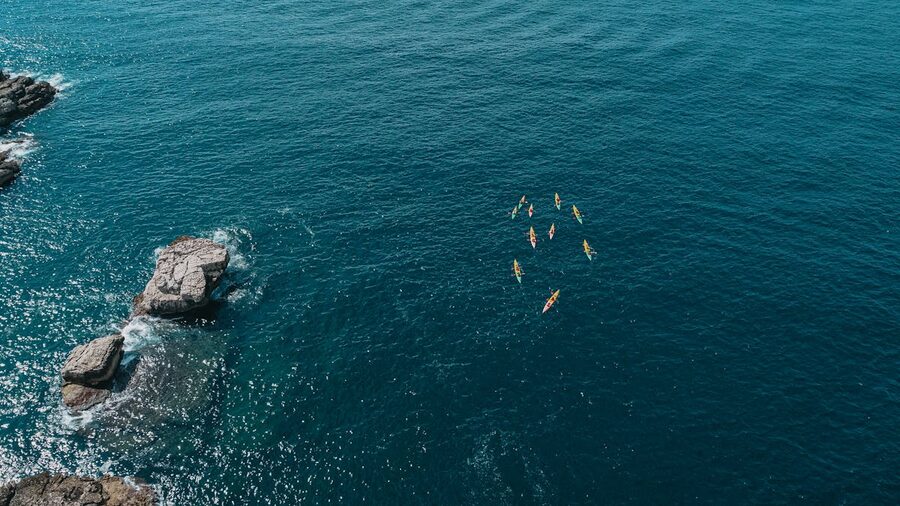
You don’t need to be fit. I really mean that. The guides pair beginners in tandem kayaks and spend 15-20 minutes on the beach teaching paddle technique before anyone gets wet. The pace is slow — this isn’t a workout, it’s a sightseeing trip that happens to involve paddling.
The first 15 minutes follow the beach before you round the headland and the cliffs take over. This is where the coast gets dramatic. The rock face rises sheer from the water, and the guides start pointing out cave entrances. Some are wide enough to paddle into side by side. Others require single file, and you duck your head as the ceiling drops low.
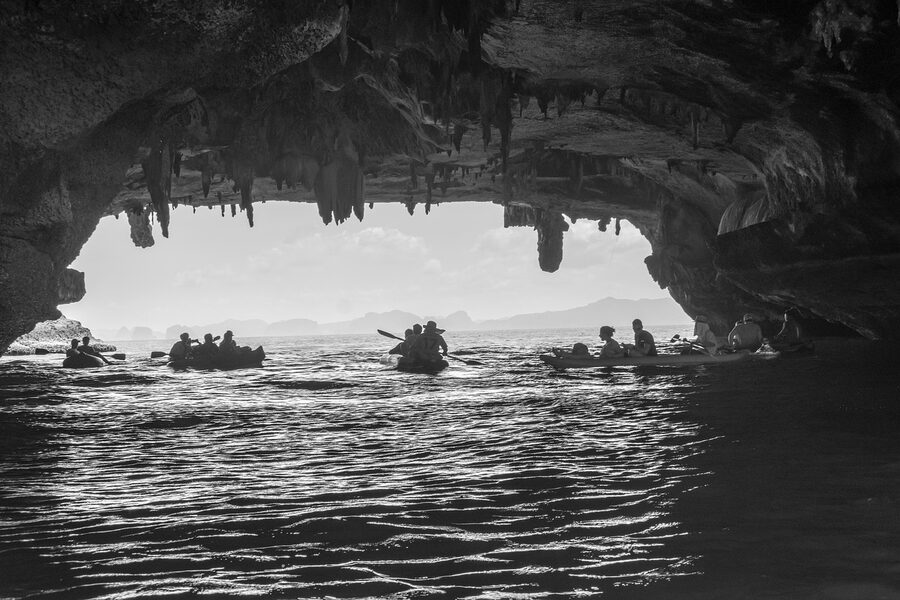
Midway through, most tours stop for a swim break. The guides pick a sheltered spot where the water is shallow enough to stand on the rocks but deep enough to jump in from the kayak. The visibility is ridiculous — you’ll see fish circling below before you hit the water.
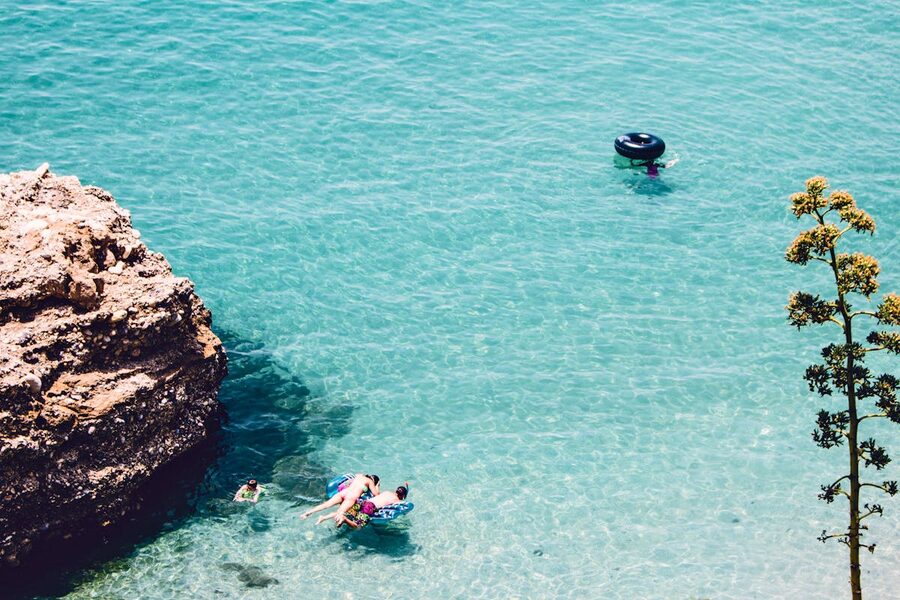
The Maro waterfall is the turnaround point on the most popular route. Depending on the season and the wind, the guide either paddles you directly under the cascade or positions the group alongside it for photos. In spring, when the flow is strong, the spray reaches your kayak from 10 metres away.
Snorkeling Along the Maro Cliffs
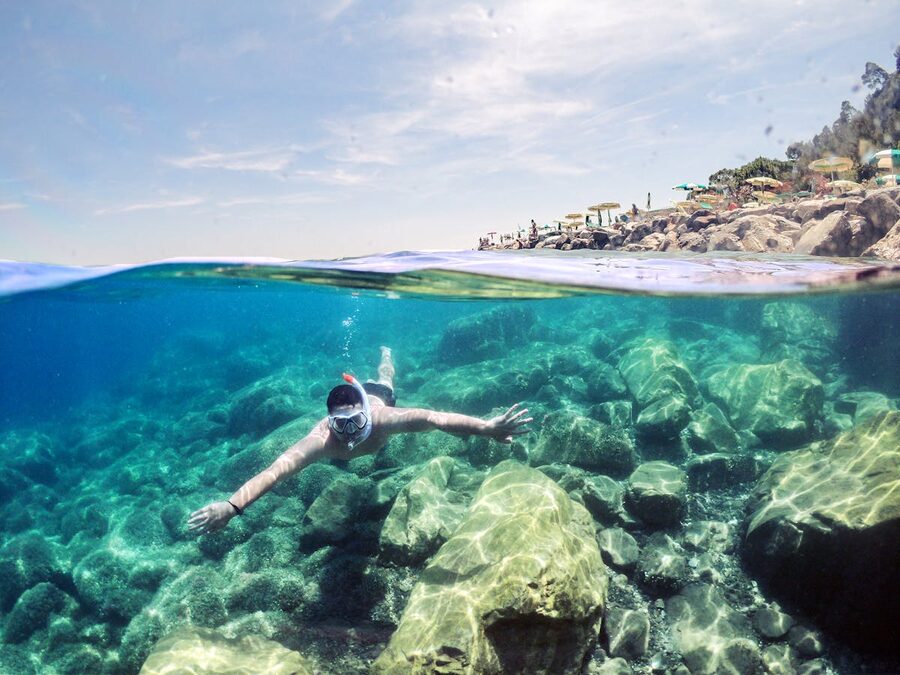
Only the La Herradura tour (option 3) includes snorkeling equipment, but you can bring your own mask and snorkel on any of them. The guides won’t stop you — they’ll actually point you to the best spots.
The rocky seabed supports a surprisingly diverse ecosystem for the Mediterranean. Expect schools of bream, damselfish, and ornate wrasse in the shallows. In the deeper water near the cave mouths, you might spot moray eels tucked into crevices or even a small grouper. The water clarity makes spotting wildlife easy — 15-metre visibility is standard on a still morning.
Bring your own gear if snorkeling matters to you. A decent mask and snorkel from a Nerja dive shop runs about 15-20 euros to rent for the day, or buy a basic set from any of the beach shops along the Burriana promenade.
When to Go (It Matters More Than You Think)
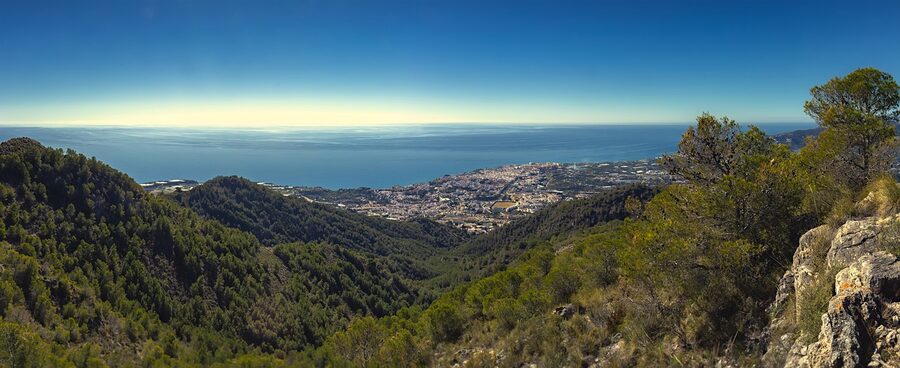
May and June are the best months, full stop. The water is warming up (20-22°C), the Maro waterfall is still flowing from spring rains, and the summer crowds haven’t arrived yet. Booking a few days ahead is usually fine.
July and August bring the warmest water and the biggest crowds. Morning slots sell out a week ahead. The waterfall slows to a thin stream. But the calm sea conditions mean more cave exploration and better visibility for snorkeling.
September and early October are underrated. The sea is at its warmest (24-25°C), the summer hordes have thinned, and prices sometimes drop. The waterfall is usually dry by this point, though.
April is hit-or-miss. Water temperature sits around 16-17°C — fine in a wetsuit but bracing without one. Some operators don’t start until mid-April. The upside: you’ll probably be the only kayak group on the entire coast.
Morning departures are always better than afternoon. The wind tends to pick up after midday, which means choppier water and a harder paddle back. Book the earliest slot available — 9:00 or 9:30am.
42,000 Years of Coastal History
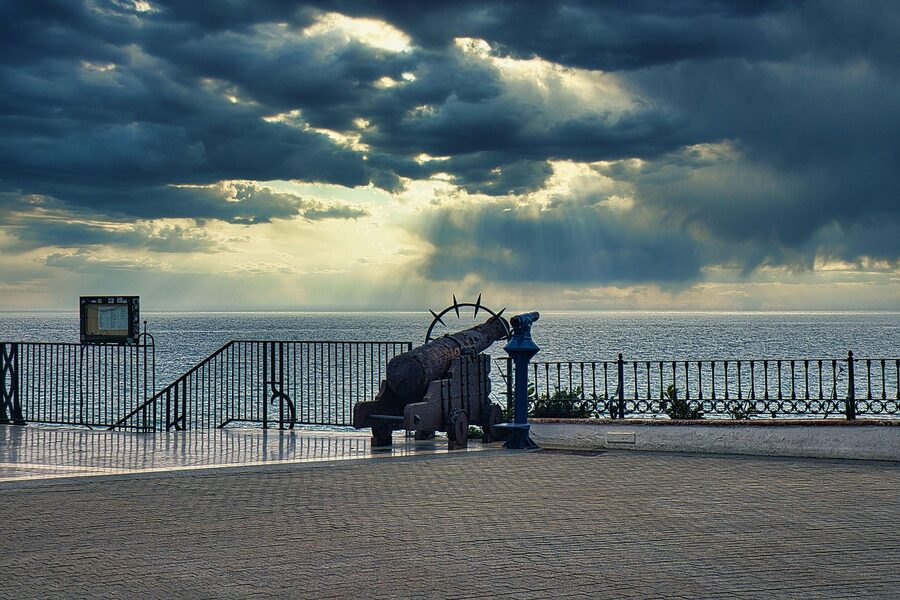
The Cueva de Nerja sits about 160 metres above sea level in the cliffs behind the town. It was discovered in 1959 by five local teenagers chasing bats, and what they found inside rewrote the history of the region. Paintings on the cave walls — charcoal renderings of seals, fish, and geometric patterns — have been dated to potentially 42,000 years ago. If the dating holds, they’re the oldest known cave art in the world.
The connection to the kayak route is direct. The people who made those paintings lived in caves that opened onto the same coastline you’ll be paddling along. The sea level was lower then, the shoreline further out, but the cliffs would have been recognisable. When you paddle past the cave mouths at water level, you’re looking at the same geology from below that ancient artists looked at from above.

The Maro-Cerro Gordo protected status came in 1989, but locals had been arguing for it since the 1970s when tourism development started creeping east from Malaga. The protection saved this coastline from the concrete sprawl that consumed much of the Costa del Sol. Stand on the cliffs today and you can see the line where the development stops and the natural coast begins. It’s stark.
Getting to Nerja
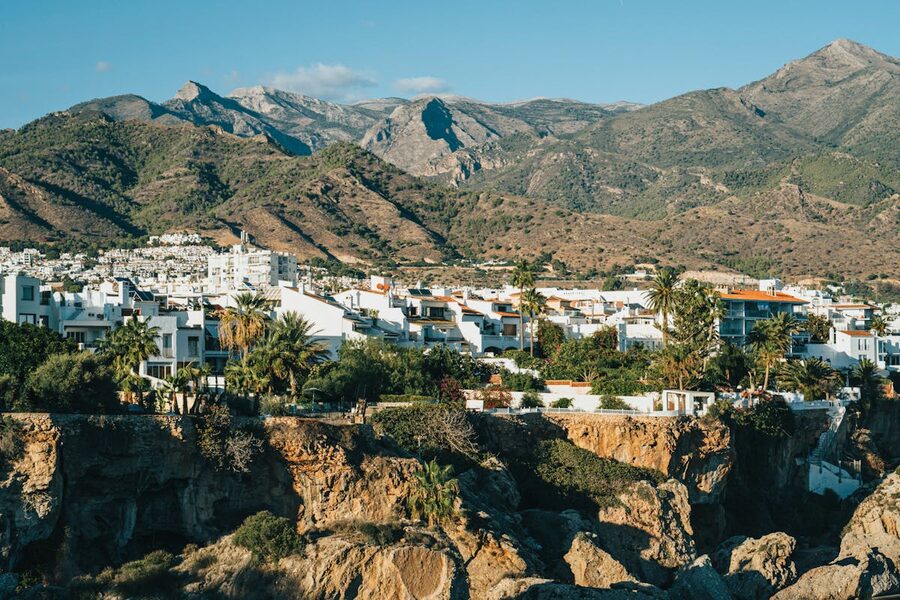
Nerja is about an hour east of Malaga along the A-7 coast road. The drive is straightforward — motorway most of the way, then a winding descent into town. If you don’t have a car, ALSA buses run from Malaga bus station roughly every hour. The journey takes about 75 minutes and costs around 5 euros.
From Granada, it’s about 90 minutes south through the mountains — a genuinely beautiful drive through the Lecrin Valley. From Seville, you’re looking at 3-4 hours, which makes it a tough day trip. If you’re visiting from Ronda, the mountain roads are stunning but slow — allow 2.5 hours.
For the La Herradura tour (option 3), you’ll need to drive or taxi about 20 minutes west of Nerja along the coast road. The harbour is small and easy to find.
Practical Tips
Bring water shoes. You launch from a pebbly beach and wade into ankle-deep water to board the kayak. Regular sandals fall off. Proper water shoes with a rubber sole make the whole process painless.
Apply sunscreen before you arrive. The guides want to launch on time, and waiting while ten people cream up delays the whole group. Use reef-safe sunscreen if you can — you’ll be swimming in a marine protected area.
Wear a swimsuit under light clothing. You will get wet. Not soaked, but enough that cotton clothes become uncomfortable. Quick-dry shorts and a rash vest work well. The operators provide life jackets.
Don’t bring valuables. There’s nowhere dry on a kayak. Leave your wallet, jewellery, and non-waterproof electronics at the hotel or in a locked car. A waterproof phone pouch is the exception — worth the 8 euros from any Nerja beach shop.
Eat light beforehand. A heavy breakfast and two hours of paddling on swelling water is a bad combination. Coffee and a tostada from one of the Burriana beach bars is the right call.
Kayak vs. Boat: Which Is Better?
Several operators run motorboat trips along the same route. They cost more ($50-70) and cover more distance, but you stay on the boat — no getting into caves, no swimming stops at hidden coves, no feeling the water temperature change as you paddle between sun and shadow. The motorboat is fine if paddling isn’t your thing, but you miss the best parts.
The kayak gets you into places boats can’t reach. The narrow cave entrances, the shallow coves with sandy bottoms, the cliff channels barely wider than your paddle span. That’s where the coast is most impressive, and that’s exactly where a motorboat can’t go.
If you want the catamaran experience on a different day, Malaga’s catamaran cruises are a solid option for open-water sailing along a different stretch of coast.
After the Kayak: What to Do in Nerja
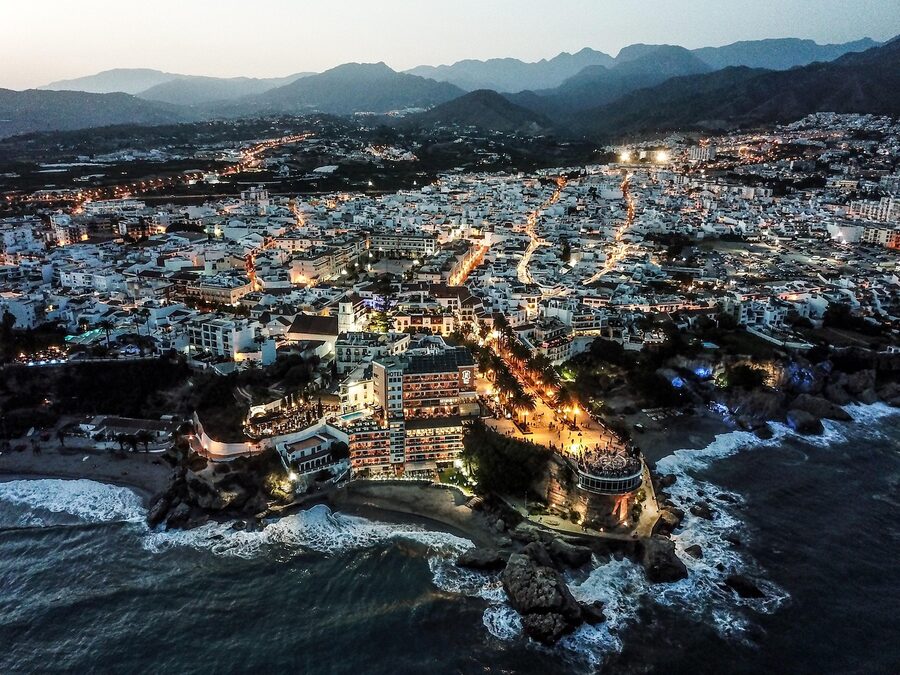
You’ll be back on the beach by midday, which leaves the whole afternoon open. The Cueva de Nerja is worth a visit — about 15 minutes by car from the centre. The main chamber is enormous, and the stalactite formations are among the largest in Europe. Tickets sell out in summer, so book ahead.
Burriana Beach itself has good chiringuitos for a post-kayak lunch. The paella at Ayo’s — the big open-air place right on the sand — is a local institution. It’s cooked in enormous pans over wood fires and served to whoever is in the queue. Not refined, but satisfying after a morning on the water.
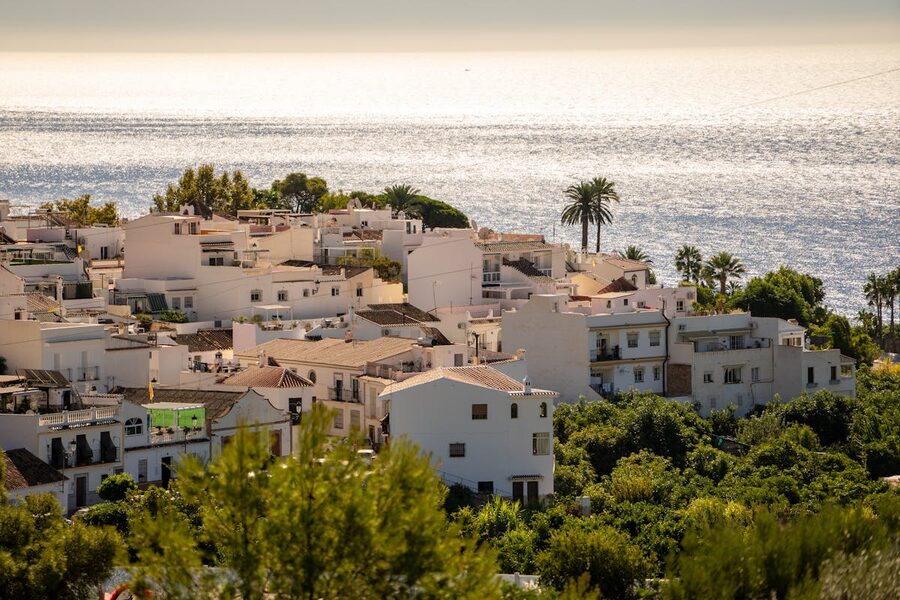
If you have more time in the area, the white village of Frigiliana is 15 minutes uphill from Nerja and genuinely worth the detour. Narrow cobbled lanes, jasmine-covered walls, and mountain views. It’s been voted the prettiest village in Andalusia more than once.
Where This Fits in a Wider Trip
Nerja kayaking works brilliantly as part of a Malaga-based itinerary. Combine it with a day trip to Ronda for the mountain side of Andalusia, and you’ve got coast and interior covered in two days. The Caminito del Rey — the famous cliffside walkway carved into a gorge about an hour northwest of Malaga — is another natural pairing. Cliffs from below on the kayak, cliffs from above on the Caminito.
If you’re heading further east along the coast, the Alhambra in Granada is about 90 minutes inland. And if Malaga city is your base, the Picasso Museum and Alcazaba fortress are right there. The kayak trip slots neatly into a morning — you’ll be back in Malaga by mid-afternoon with a sunburned nose and a camera full of cave photos.
This article contains affiliate links. If you book a tour through one of these links, we earn a small commission at no extra cost to you. It helps us keep producing these guides.