
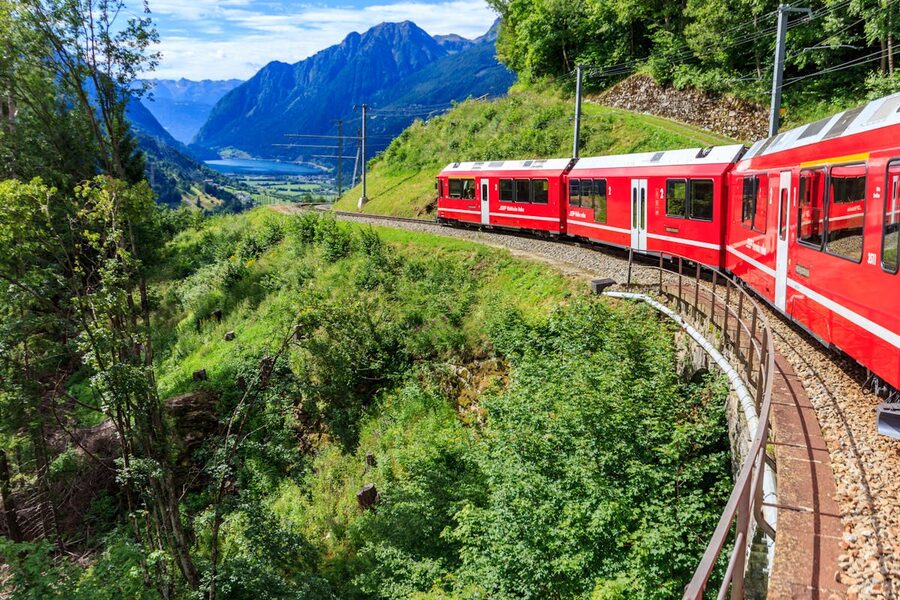
The Bernina Pass sits at 2,253 metres above sea level. No tunnel. No shortcut. The railway just climbs straight over the top of the Alps, through 55 tunnels and across 196 bridges, while you sit in a warm carriage watching glaciers drift past the window like the world’s slowest, most spectacular screensaver.
I took this trip expecting a nice train ride with some mountain scenery. What I got was one of the best travel days I’ve had in Europe — and it started two hours earlier on a boat gliding across Lake Como, which is not a bad way to begin anything.
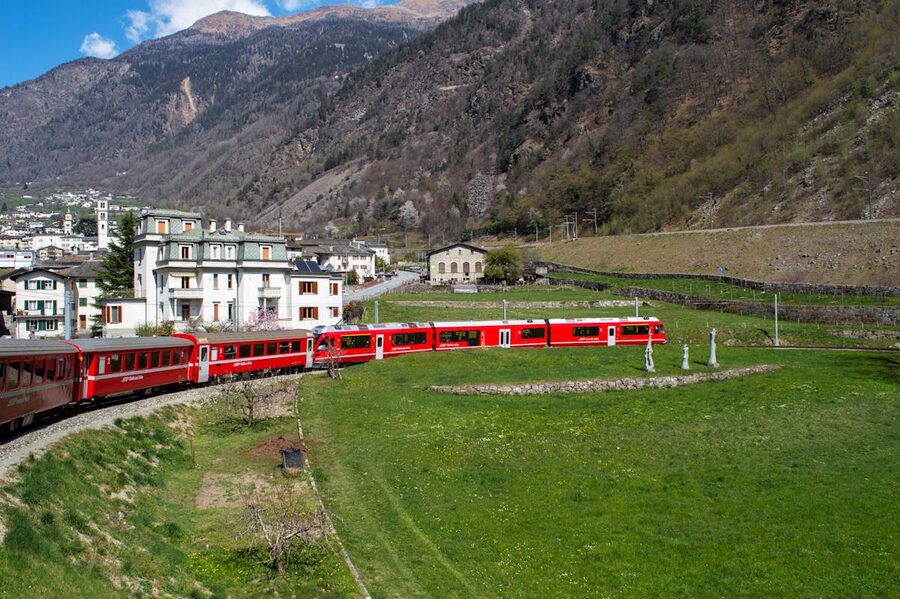
The combined Lake Como and Bernina Express tour from Milan is a 12-13 hour day that packs in two countries, a lake cruise, free time in St. Moritz, and the famous red train ride through some of the highest railway terrain in Europe. It’s long, yes. But I’d do it again tomorrow.
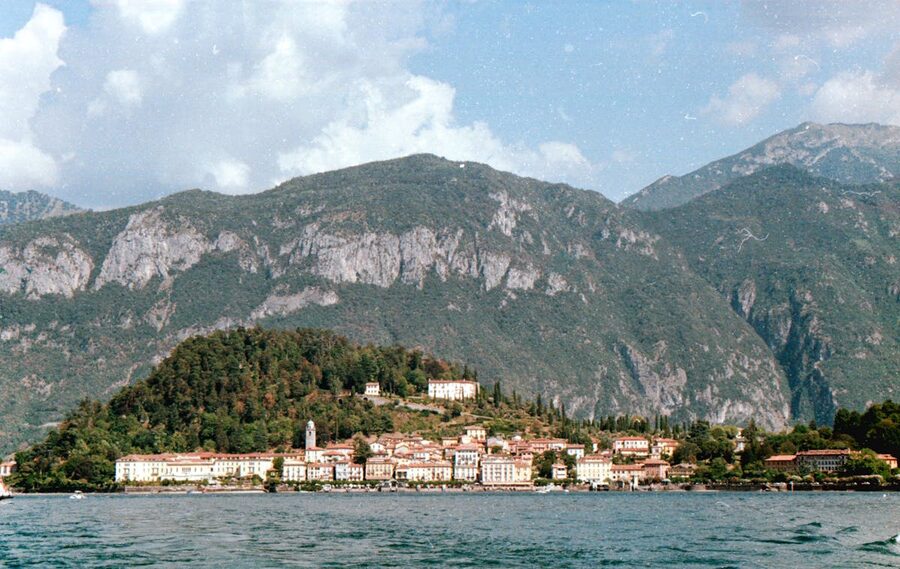
Best overall: Lake Como Cruise, St. Moritz & Bernina Red Train — $159. The full package: boat cruise on Como, St. Moritz free time, and the Bernina train. Thirteen hours of two countries in one shot.
Best value: Bernina Train and St. Moritz Day Trip — $122. Skips the lake cruise but you still get the full Bernina train experience and St. Moritz. Saves $37 and an hour of travel time.
Best for train lovers: Bernina Red Train, Swiss Alps & St. Moritz — $168. Smaller groups, highly rated guides, and the most focused Bernina experience of the three. Worth the premium if the train is your main draw.
- What Is the Lake Como and Bernina Express Tour?
- Booking Directly vs Organised Tours — Which Makes Sense?
- The Best Lake Como and Bernina Express Tours to Book
- 1. Lake Como Cruise, St. Moritz & Bernina Red Train — 9
- 2. From Milan: Bernina Train and St. Moritz Day Trip — 2
- 3. Bernina Red Train, Swiss Alps & St. Moritz From Milan — 8
- When to Take This Tour
- What to Expect on the Day
- How to Get to the Meeting Point
- Tips That Will Save You Time (and Headaches)
- What You’ll Actually See Along the Route
- Bernina “Express” vs Bernina “Red Train” — Is There a Difference?
- Planning the Rest of Your Milan Trip
What Is the Lake Como and Bernina Express Tour?
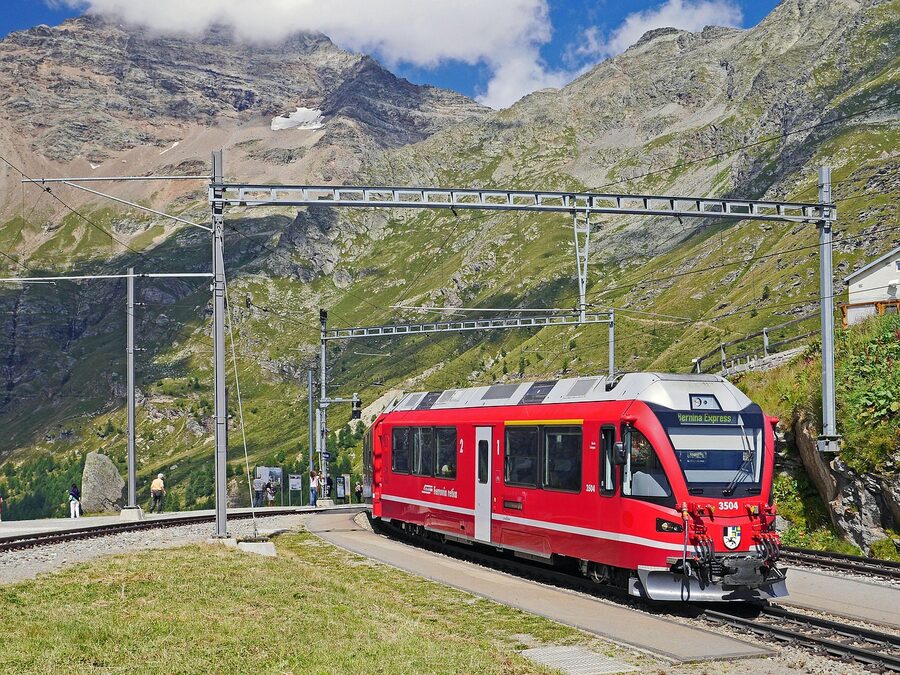
This is a full-day excursion that starts with a coach ride from Milan to Lake Como (roughly two hours), followed by a short boat cruise on the lake, then continues by bus over the Maloja Pass into Switzerland, arriving in St. Moritz for free time and lunch. The highlight — the Bernina Red Train — takes you from St. Moritz (or Tirano, depending on the tour direction) along the UNESCO-listed Bernina railway line, crossing the Alps at their highest and most dramatic.
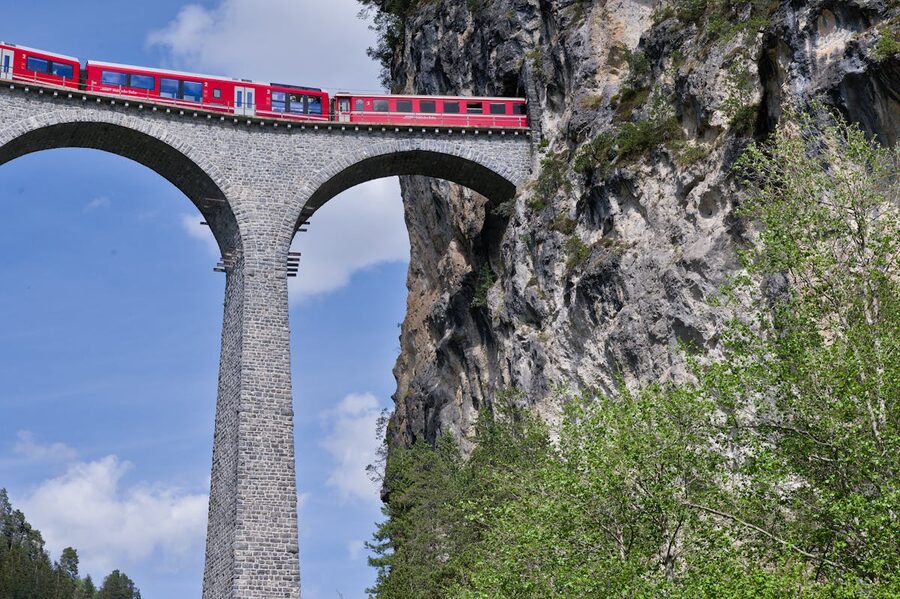
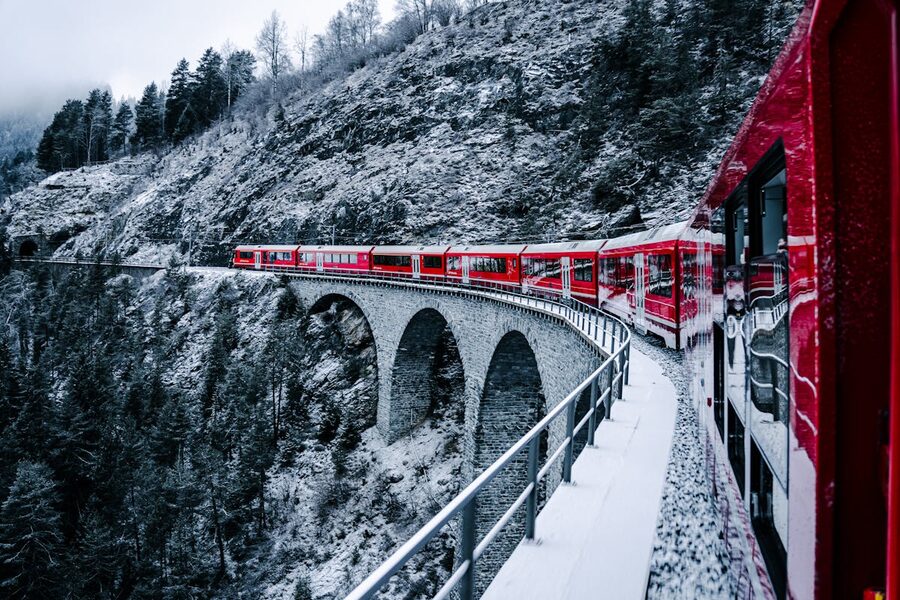
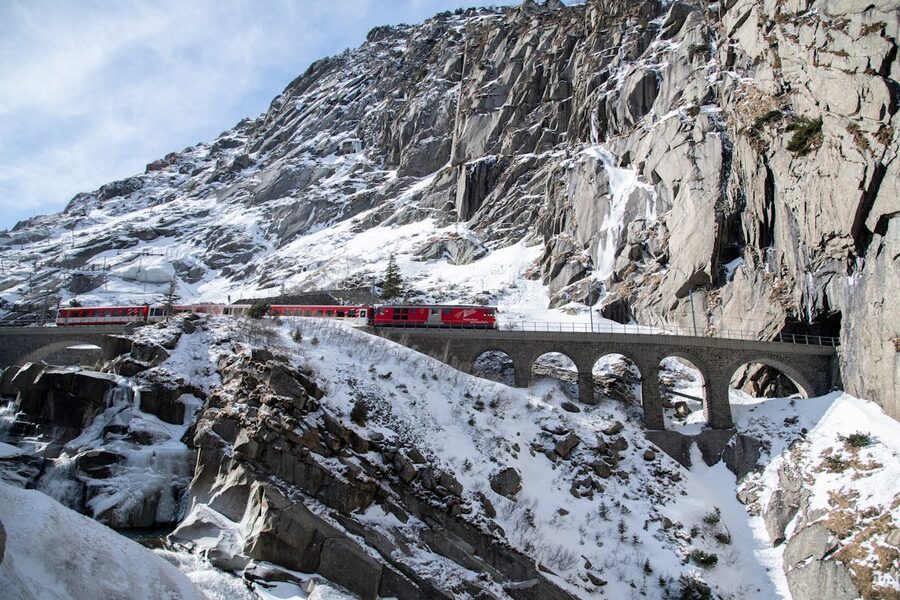
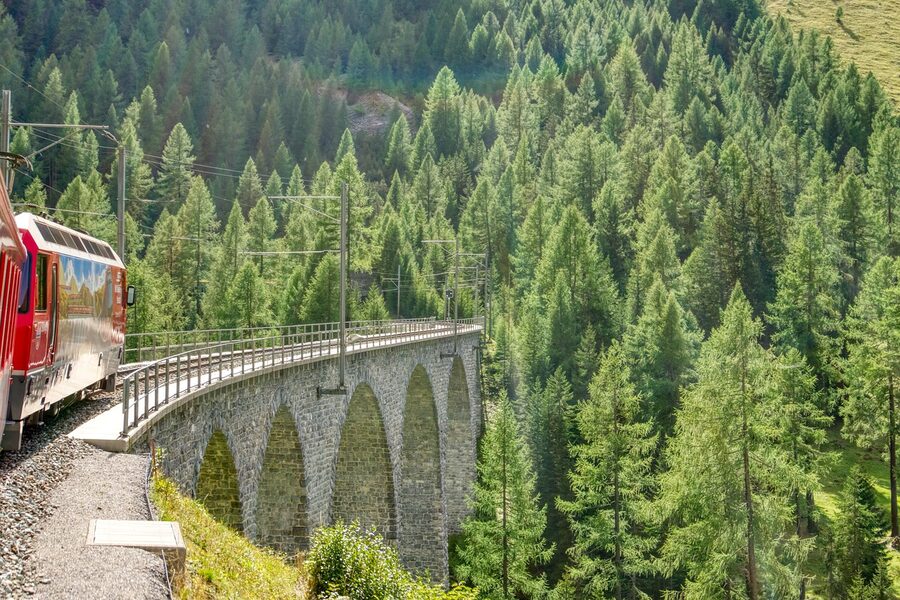
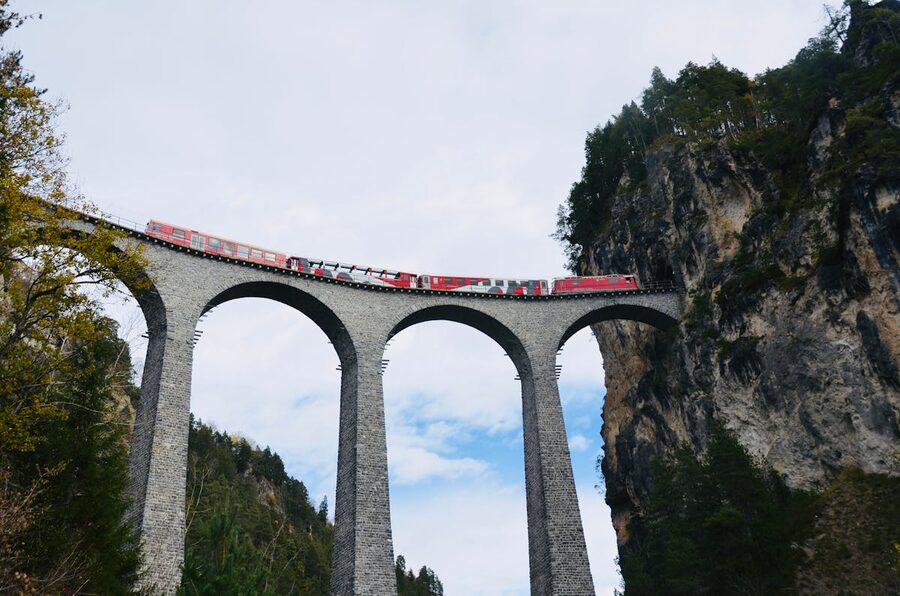
The Bernina Railway has been a UNESCO World Heritage Site since 2008. Built between 1906 and 1910, it reaches 2,253 metres at the Bernina Pass — the highest railway crossing in the Alps that doesn’t use a tunnel. The line includes 55 tunnels, 196 bridges, and gradients of up to 7%. The Landwasser Viaduct, a 65-metre-high curving stone bridge that enters directly into a cliff tunnel, appears on the Swiss 10-franc banknote and is the most photographed railway structure in Switzerland.
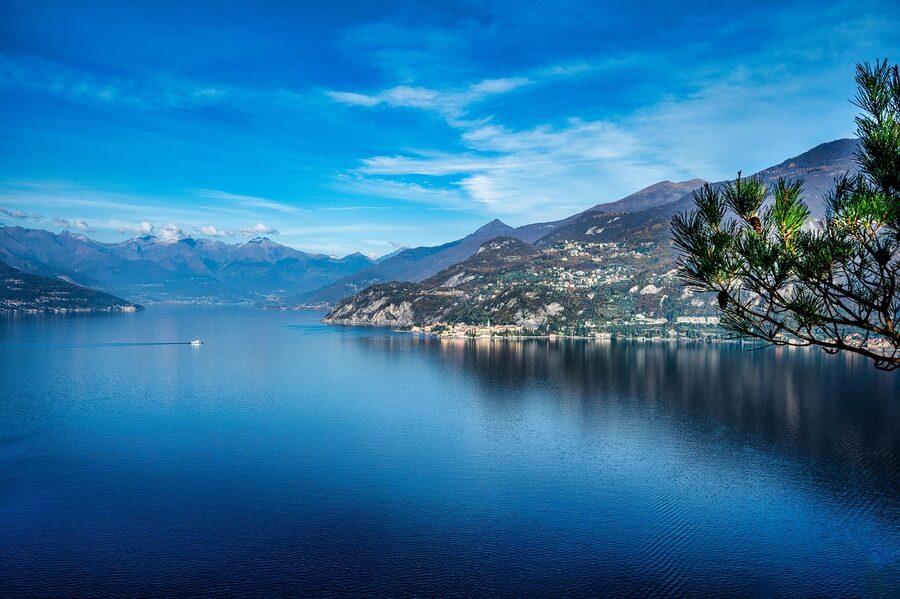
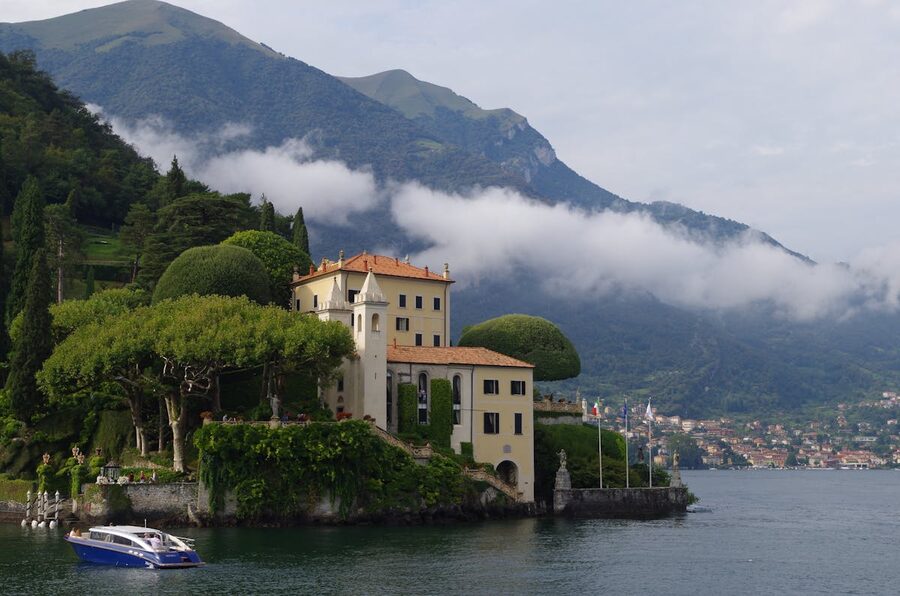
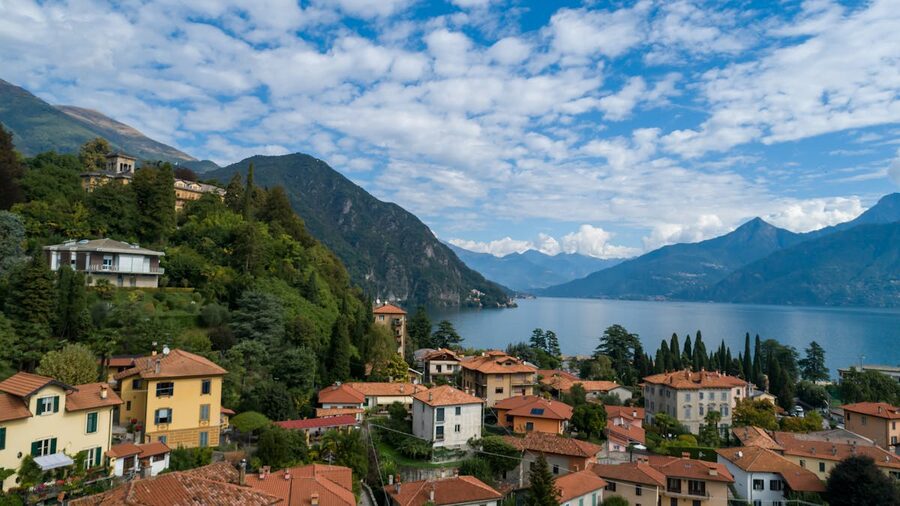
Lake Como itself has drawn the wealthy since Roman times — both Pliny the Elder and Pliny the Younger kept villas along its shores. More recently, George Clooney’s purchase of Villa Oleandra in Laglio helped cement Como’s reputation as a celebrity retreat. And Bellagio, the town perched at the point where the lake splits into its two southern arms, was famous enough to inspire the Las Vegas hotel of the same name.
Put these two together in a single day trip and you get what might be the most scenic day out from Milan — Italian lakeside glamour in the morning, Swiss Alpine grandeur in the afternoon.
Booking Directly vs Organised Tours — Which Makes Sense?
You can do this trip independently. But I wouldn’t recommend it unless you genuinely enjoy researching Swiss railway timetables and coordinating four different types of transport across two countries in a single day.
Here’s what independent travel involves: train from Milan to Varenna or Como town, ferry across the lake, bus or train to Tirano (on the Italian side of the Bernina line), then the Bernina railway to St. Moritz or vice versa, then getting yourself back to Milan — either by retracing the route or taking a Swiss train to Lugano and back into Italy. It’s doable, but the logistics eat into your time at each stop, and the individual costs add up to roughly the same as an organised tour.
The organised tour advantage is straightforward: you show up at Milan Centrale at 7am, sit on a coach, and everything else — boat, train, border crossings, timing — is handled. The guides on these tours are consistently praised for narrating the history and pointing out photo opportunities you’d miss on your own. You’ll cross the Maloja Pass with its 13 hairpin bends, and honestly, having a professional driver for that stretch alone is worth the price.
Where independent travel wins: flexibility. You can spend longer at any stop, eat where you want, and choose your own train seats. If the Bernina railway is your primary goal and you don’t care about Lake Como, booking just the Rhaetian Railway tickets independently gives you full control.
For most visitors with one day in Milan to spare, the organised tour is the better call. It removes all the stress and the price difference is minimal once you factor in individual transport costs.
The Best Lake Como and Bernina Express Tours to Book
I’ve ranked these by overall value, factoring in what’s included, group size feedback, and how the guides perform. All three depart from Milan Centrale and return you there at the end of the day.
1. Lake Como Cruise, St. Moritz & Bernina Red Train — $159
This is my top pick because it’s the only one that combines all three highlights — the Lake Como boat cruise, free time in St. Moritz, and the full Bernina Red Train ride — into a single 13-hour day. At $159, you’re getting an extraordinary amount of ground covered for the price.
The itinerary starts with a two-hour coach ride to Lake Como, followed by a 45-minute boat cruise past the lakeside villas (including some famous ones you’ll recognise from films). Then you continue by bus over the Maloja Pass — 13 hairpin bends with drop-offs that’ll make you grateful for the professional driver — into St. Moritz for about 90 minutes of free time. The Bernina Red Train segment is the grand finale, a two-hour descent through glaciers, alpine meadows, and some of the most photographed railway infrastructure in Europe.
The guides on this tour consistently stand out. They narrate in multiple languages, give lunch recommendations in St. Moritz (try Hauser if you want something local without tourist prices), and tell you exactly when to have your camera ready for key viaducts and bridges. It’s a long day — you’ll be back in Milan around 8pm — but it genuinely doesn’t feel padded or rushed.
2. From Milan: Bernina Train and St. Moritz Day Trip — $122
This is the best value option at $122 and the one I’d recommend if the Bernina railway is your main priority rather than the lake. It skips the Como boat cruise, which saves roughly an hour of travel time and shaves $37 off the price.
Instead of the lake, you head straight from Milan through the Italian side of the Alps to the Bernina railway. You still get the full train experience, the alpine scenery, and free time in St. Moritz. The tour runs for 12 hours and the guides are from the same operator as the top pick — so the quality is identical.
Travellers who’ve done this version mention having slightly more time in St. Moritz compared to the combo tour, which is a nice bonus if you want to actually walk around the town rather than just grab a quick lunch. If you’re already planning a separate Lake Como day trip, this is the smarter booking — you get the train experience without doubling up on the lake.
3. Bernina Red Train, Swiss Alps & St. Moritz From Milan — $168
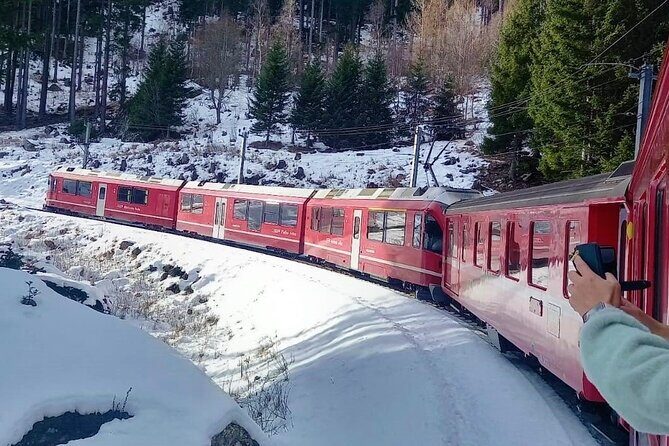
At $168, this is the premium option and the one with the highest overall ratings. It’s run by TAOTRAVEL, a smaller operator that tends toward tighter group management and more engaged guides. If you’ve ever been on a big group tour where the guide seemed to be going through the motions, this is the opposite of that.
The itinerary is similar to option two — coach from Milan, Bernina railway, St. Moritz — but the execution is where it stands apart. Guides like Barbara, Alejandro, and Maria Cristina get mentioned by name again and again, and the consistent feedback is that they go well beyond the basics: local restaurant tips, history you won’t find in guidebooks, and genuine enthusiasm that makes a 12-hour day feel worthwhile.
The review feedback from this tour is overwhelmingly positive, with the occasional note about the long bus return — roughly three hours from Tirano back to Milan after the train ride. Fair warning: pack snacks and water for that last stretch. But the views from the train? The kind of thing that makes you forget you still have a bus ride ahead.
When to Take This Tour
Both the Lake Como cruise and the Bernina railway operate year-round, but the experience changes dramatically with the seasons.
Summer (June-September) is peak season. Lake Como is at its most colourful — gardens in full bloom, terraces open everywhere, boats buzzing across the water. The Bernina line shows off emerald valleys, wildflower meadows, and glaciers that glow blue in the afternoon light. The downside: crowds. Como’s waterfront towns get packed, and the train carriages are full. Book at least two weeks ahead in July and August.
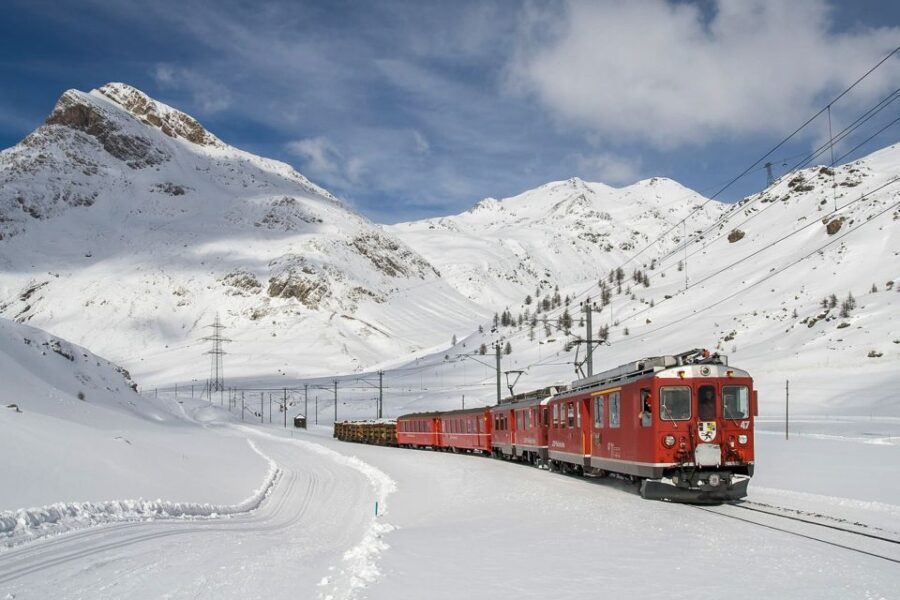
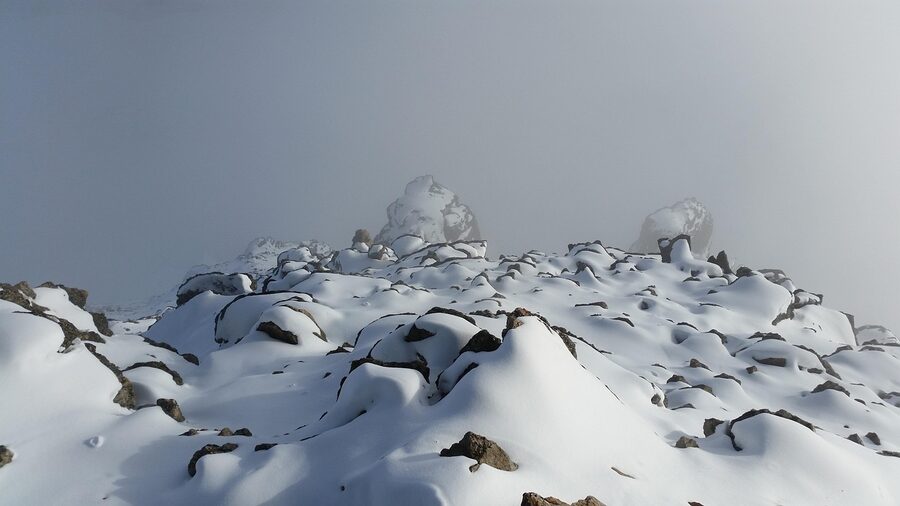
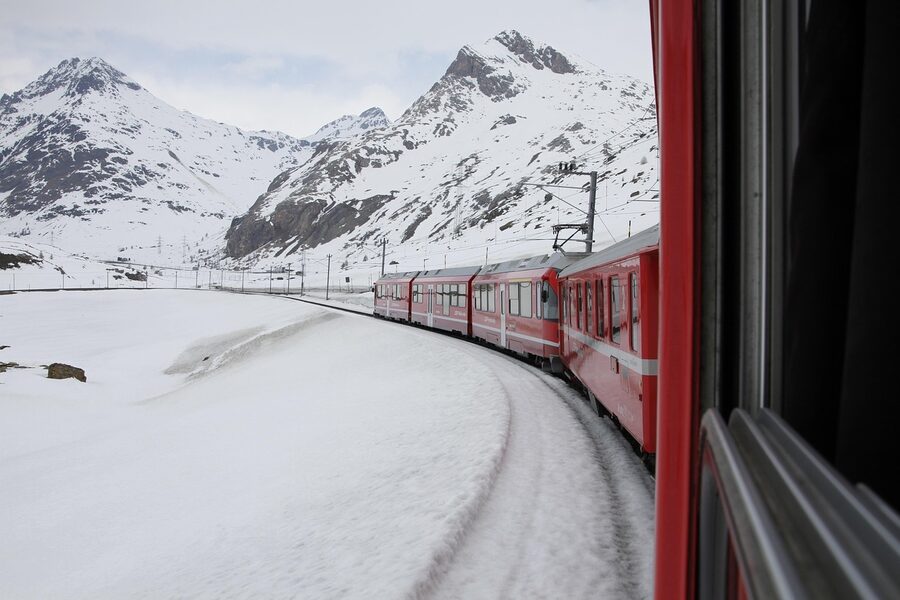
Winter (December-March) transforms the Bernina section completely. The mountains are covered in snow, the frozen lakes along the route look otherworldly, and St. Moritz shifts into ski-resort mode. Lake Como is quieter in winter — some shops and restaurants close, and the atmosphere is more peaceful than glamorous. But the train ride through snow-covered Alps is genuinely magical, and the groups are much smaller.
Spring and autumn are the sweet spots. Fewer travelers, mild temperatures, and the light is gorgeous for photography. Late September and early October give you autumn colours along the Bernina line that rival anything in New England. Late April brings the first green to the valleys while the peaks are still snow-capped — the contrast is stunning.
One thing to watch: the Maloja Pass section (the bus drive from Como to St. Moritz) can be affected by weather. In winter, the 13 hairpin bends are driven through snow, which is an experience in itself. The drivers are extremely skilled — multiple tour-goers specifically praise them — but if you’re prone to motion sickness, take something before the pass.
What to Expect on the Day
Most tours depart from Milan Centrale station between 7:00 and 7:30am. Your guide will meet you at a designated meeting point — typically near the main entrance. Be there at least 10 minutes early; these are big groups and the guides need to do headcounts.
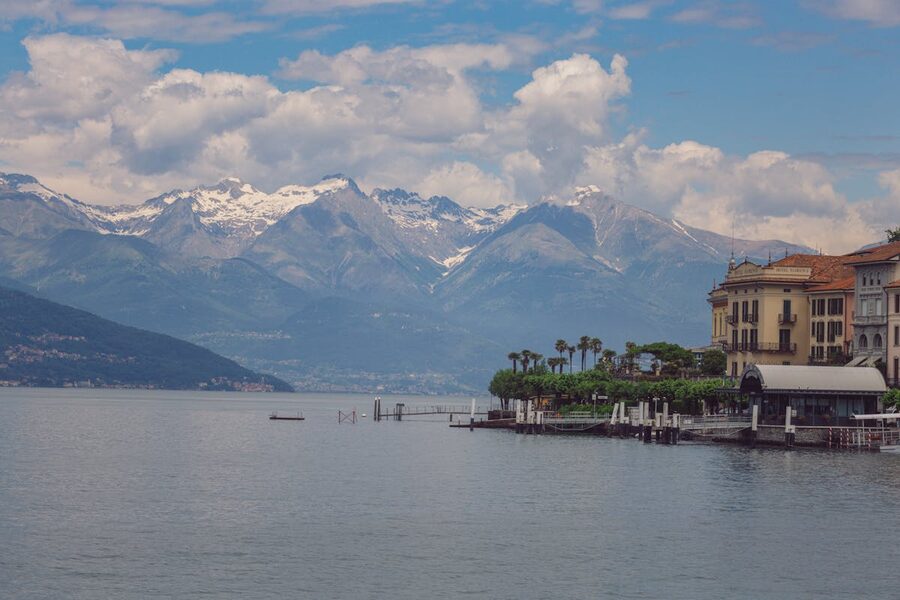
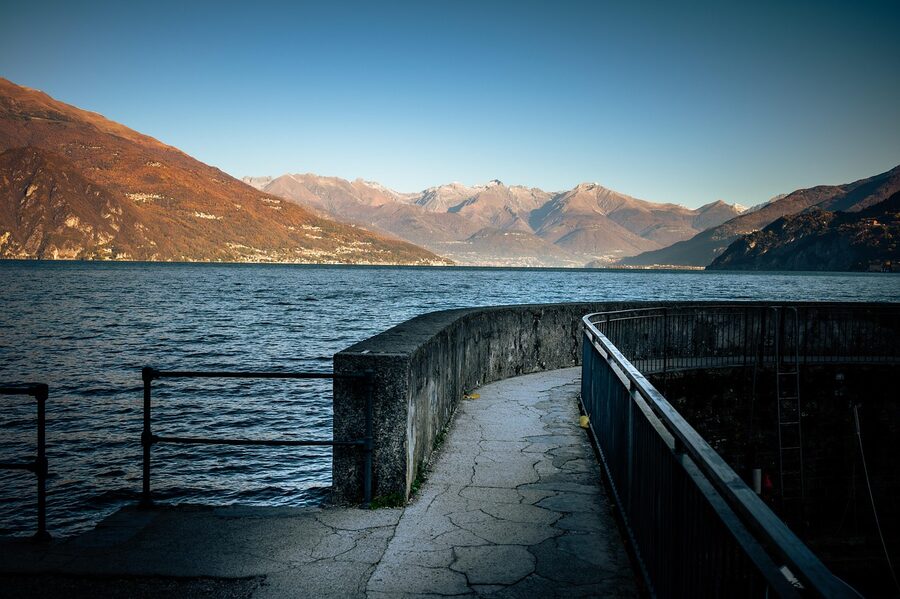
Morning — Lake Como (combo tours only): Two-hour coach ride to the lake, then a 30-45 minute boat cruise past Tremezzo, Bellagio, and the famous villas. You’ll typically get 20-30 minutes of free time at a lakeside stop — enough for a coffee but not a full exploration. If you want a proper day at Lake Como, book a dedicated Lake Como trip separately.
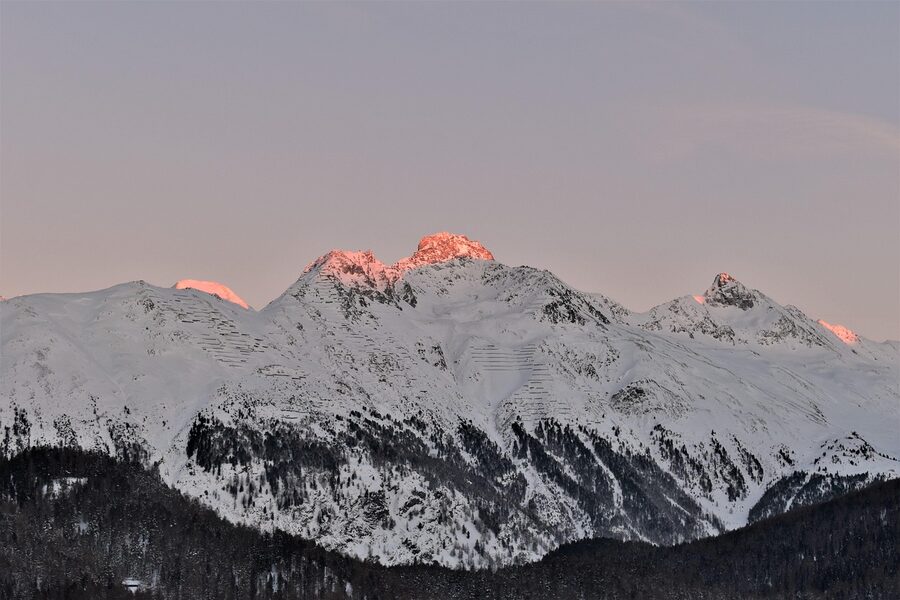
Midday — The Maloja Pass and St. Moritz: The bus climbs from the Italian side into Switzerland via the Maloja Pass. This is the white-knuckle portion — 13 hairpin bends at altitude. The views are incredible if you can keep your eyes open. You get roughly 90 minutes in St. Moritz for lunch and exploring. The guide will suggest restaurants; Hauser is a reliable local pick that won’t empty your wallet by Swiss standards (though “budget” in St. Moritz is still expensive by Italian ones).
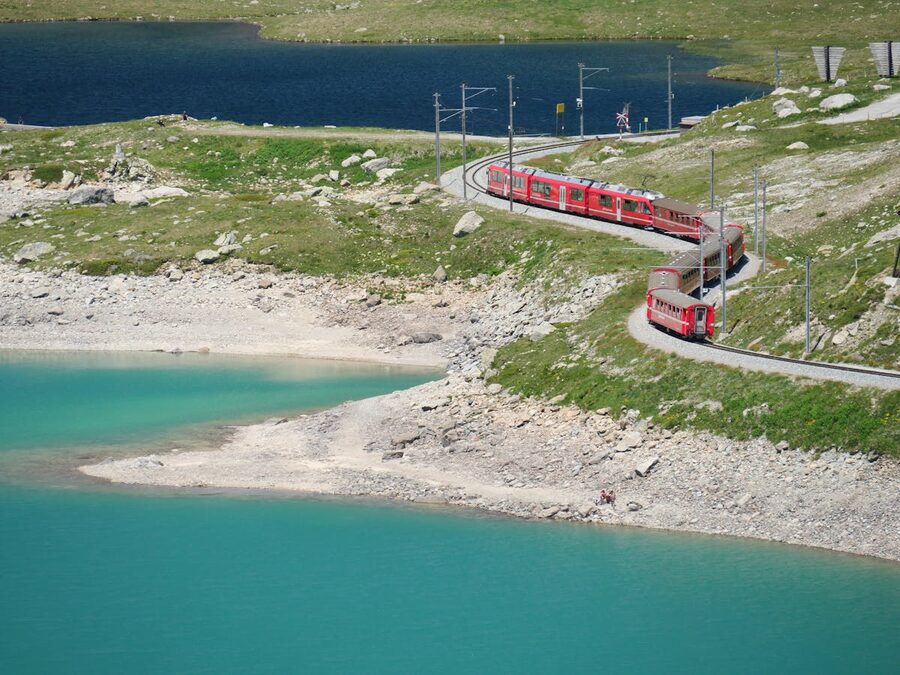
Afternoon — The Bernina Red Train: This is the centrepiece. The two-hour train ride between St. Moritz and Tirano (or vice versa) crosses the Bernina Pass at 2,253 metres, passing glaciers, alpine lakes, and the famous viaducts including the Landwasser Viaduct. You don’t choose your seats, but good guides will tell you which side to sit on for the best views of key landmarks. General consensus: left side heading south (Tirano-bound) gets the Landwasser Viaduct views, but both sides deliver.
Evening — Return to Milan: A 2.5-3 hour coach ride from Tirano back to Milan, typically arriving between 7:30 and 8:30pm. This is the one part that drags — bring something to eat, water, and headphones. Some tours break the drive with a rest stop, which helps. You’ll be tired, but it’s the satisfied kind of tired.
How to Get to the Meeting Point
All three tours depart from near Milano Centrale, Milan’s main train station. It’s well connected by Metro (lines M2 and M3), and taxis are readily available from anywhere in the city centre.
If you’re staying near the Duomo, the Metro ride to Centrale takes about 12 minutes on the M3 (yellow line). From the Navigli district, take the M2 (green line) — roughly 15 minutes.
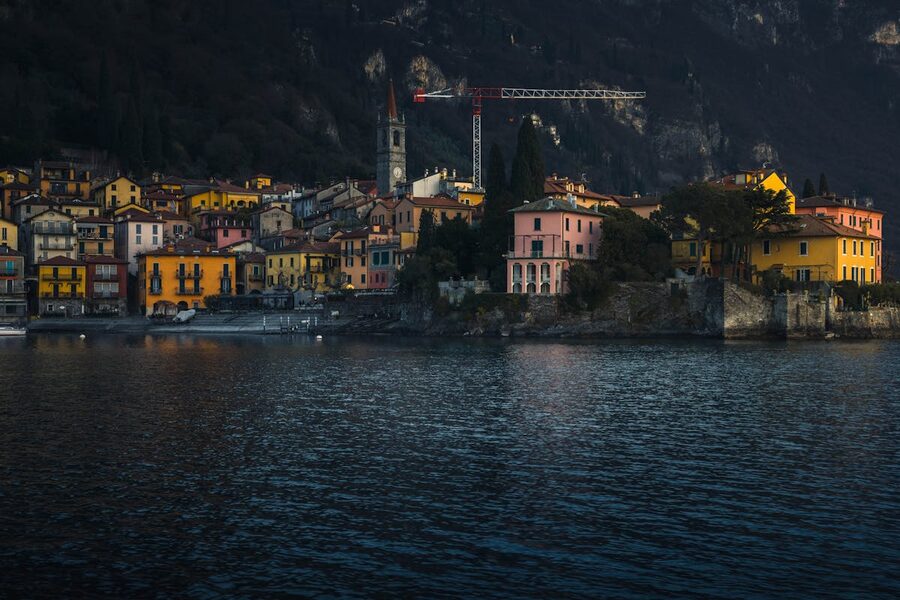
Meeting times are typically 7:00-7:30am, which means an early start. If you’re coming from outside central Milan, factor in transport time and set an alarm you trust. Missing the bus means missing the whole day — these tours don’t wait.
Tips That Will Save You Time (and Headaches)
Bring your passport. You’re crossing from Italy into Switzerland. EU citizens can use an ID card, but everyone else needs a passport. This catches people out every trip — don’t be that person.
Carry Swiss francs for St. Moritz. Some places accept euros, but the exchange rate they give you will be painful. A few Swiss francs for lunch, coffee, and small purchases will save you money. Many places accept cards, but the smaller shops sometimes don’t.
Pack layers. Milan in the morning can be 25°C in summer; the Bernina Pass at 2,253 metres will be 10°C. In winter, the temperature swing is even more dramatic. A light down jacket that packs small is ideal.
Motion sickness preparation. The Maloja Pass has 13 hairpin bends. If you’re sensitive to winding roads, take medication before the bus leaves Como. The drivers are excellent but the road is objectively steep and twisty.
Charge your phone. The Bernina train section alone will drain your battery with photos. Bring a power bank. The coaches usually have USB charging, but the trains don’t always.
Sit strategically on the train. Left side heading south (from St. Moritz to Tirano) gives the best viaduct views. But honestly, both sides are spectacular — the train moves slowly enough that you can cross to the other side for key moments if the carriage isn’t too crowded.
What You’ll Actually See Along the Route
The Bernina railway isn’t just pretty — it’s an engineering achievement that earned UNESCO World Heritage status in 2008 alongside the Albula line. Here’s what to look out for.
The Landwasser Viaduct: A 65-metre-high, six-arch limestone bridge that curves through a radius of 100 metres before plunging straight into a tunnel in the cliff face. It was completed in 1902 and remains the most iconic image of the Rhaetian Railway. When the train crosses it, you’ll understand why it’s on the banknote.
Lago Bianco: At the summit of the Bernina Pass (2,253m), you’ll pass this stunning alpine lake that drains in two directions — one side flows to the Adriatic Sea, the other to the Black Sea. It’s the hydrological divide of Europe, marked by nothing more dramatic than a small sign that most people miss.
The Morteratsch Glacier: Visible from the train on clear days, this is the largest glacier in the Bernina Range. It’s been retreating noticeably — markers along the valley floor show where the glacier reached in previous decades, which is both fascinating and sobering.
Alp Grum: A station perched on a ledge overlooking the Palü Glacier and the Val Poschiavo below. If the tour stops here (some do), the terrace restaurant has one of the most stunning views of any railway cafe in the world. Even if you’re just passing through, keep your camera ready for the panorama.
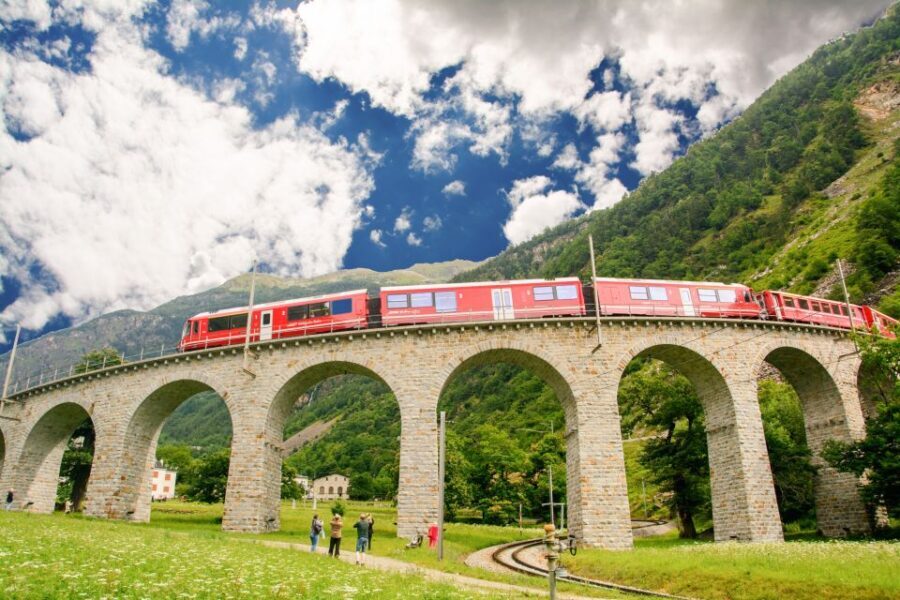
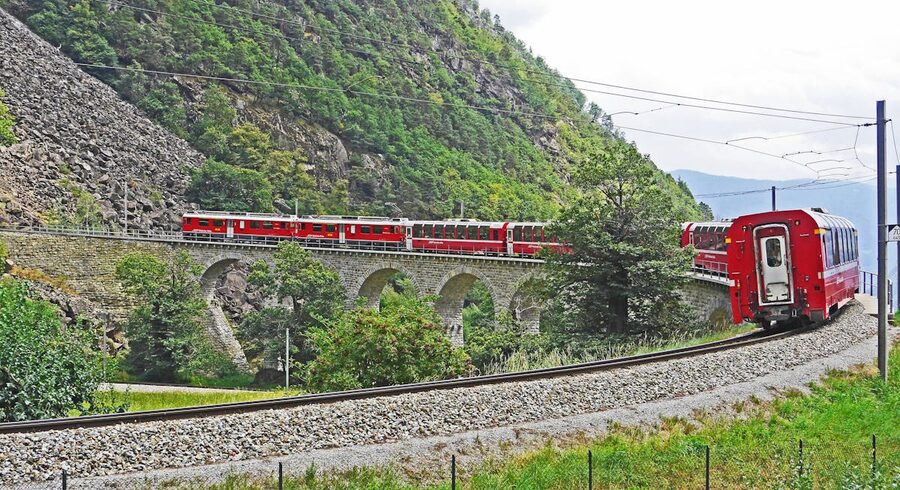
The Circular Viaduct at Brusio: Near Tirano, the train descends via a unique 360-degree spiral viaduct — it literally loops around itself to lose altitude. It’s a piece of railway ingenuity that draws trainspotters from all over Europe.
Bernina “Express” vs Bernina “Red Train” — Is There a Difference?
This confuses a lot of people. The Bernina Express is the premium panoramic train with floor-to-ceiling windows, run by Rhaetian Railway as a scheduled service. It requires a separate reservation and travels the same route.
The Bernina Red Train used by these tours is a regular Rhaetian Railway regional service — the same route, the same tracks, the same views, but in standard carriages with regular (still large) windows. It’s not the glass-roofed panoramic version. The views are still extraordinary, and the windows open, which the panoramic ones don’t — an advantage for photography.
If panoramic windows are a must, you’ll need to book the Bernina Express independently through Rhaetian Railway. But for most people on a day trip from Milan, the red train is more than enough — and arguably better for photography since you can stick your camera out the window.
Planning the Rest of Your Milan Trip
If you’ve got another day in Milan after the Bernina trip, the city’s indoor highlights make a good counterpoint to all that mountain scenery. The Last Supper is the obvious big ticket — book those tickets early because they sell out weeks in advance for a reason. The Duomo rooftop terraces give you the best panoramic views of the city and, on clear days, the same Alps you just crossed by train. For something different, the Leonardo da Vinci Science Museum is genuinely engaging even if you’re not usually a museum person — it’s the largest science museum in Italy and the da Vinci models alone are worth the visit. And if you want to experience Milan at its most local, a Navigli district evening with an aperitivo along the canals is how Milanese actually spend their Tuesday nights.
This article contains affiliate links. If you book through our links, we may earn a small commission at no extra cost to you. This helps us keep producing free guides.