
In 1621, twenty-seven Czech noblemen were executed on the Old Town Square. Their heads hung from the bridge tower for ten years. That’s where a good Prague ghost tour starts — a real date, a real place, and the first of ten stories you’ll hear.
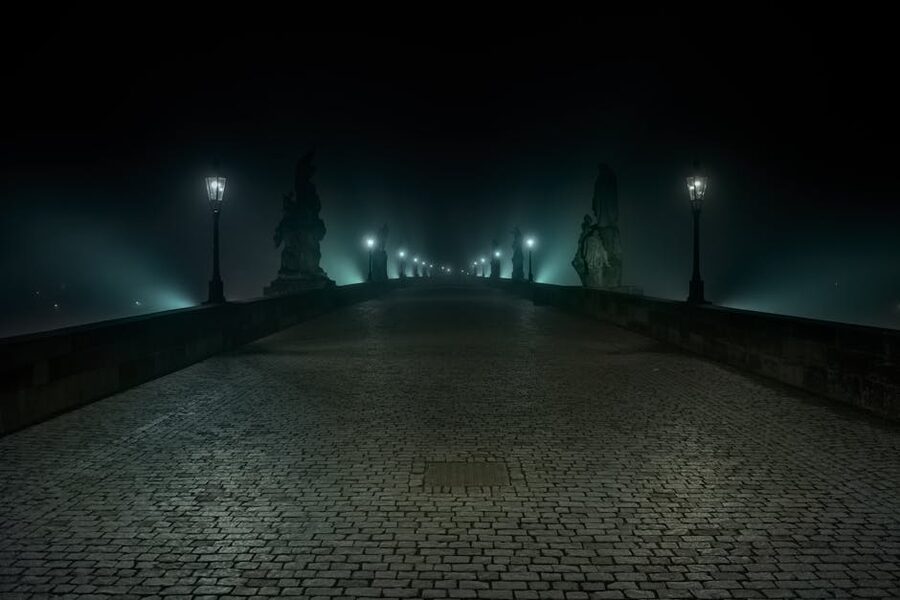
This guide covers how to book a Prague ghost tour: the three most-reviewed options, what the stories actually are (beyond the booking-page teasers), and the practical things — which tour covers which neighbourhood, how scary they are in reality, and which one to skip if you’re bringing kids.
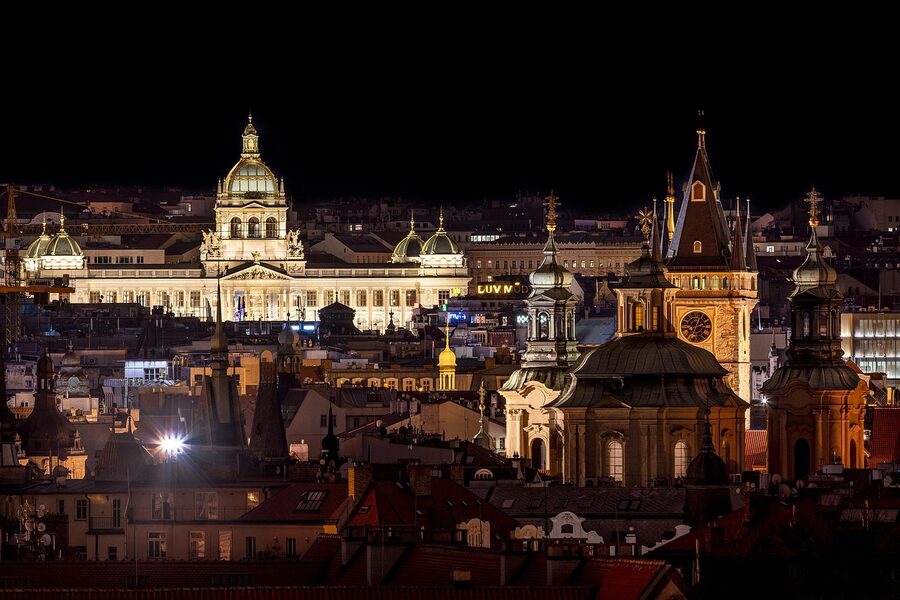
In a Hurry? The Three Best Ghost Tours
- Best-reviewed overall: Prague Ghost Walking Tour Where Legends Come to Life — around $27, 90 minutes, small groups, night-time Old Town.
- With underground access: Ghosts, Legends, Medieval Underground & Dungeon Tour — around $31, 75 minutes, includes the medieval cellars under Old Town.
- Cheapest: Ghosts and Legends of the Old Town Evening Tour — around $21, 90 minutes, good entry-level option.
- In a Hurry? The Three Best Ghost Tours
- What a Prague Ghost Tour Actually Is
- The Stories You’ll Actually Hear
- The Twenty-Seven Heads
- The Blinded Clockmaker
- The Iron Man of Platnéřská Street
- The Drowned Girl of the Vltava
- Tycho Brahe’s Ghost
- The Golem of Prague
- The Three Best Tour Options
- 1. Prague Ghost Walking Tour Where Legends Come to Life —
- 2. Ghosts, Legends, Medieval Underground & Dungeon Tour —
- 3. Ghosts and Legends of the Old Town Evening Tour —
- The Underground Section — What It’s Actually Like
- Is It Actually Scary?
- When to Go
- What to Wear
- Picking a Good Guide
- Getting There
- Practical Details
- Combining the Ghost Tour with Other Prague Nights
What a Prague Ghost Tour Actually Is
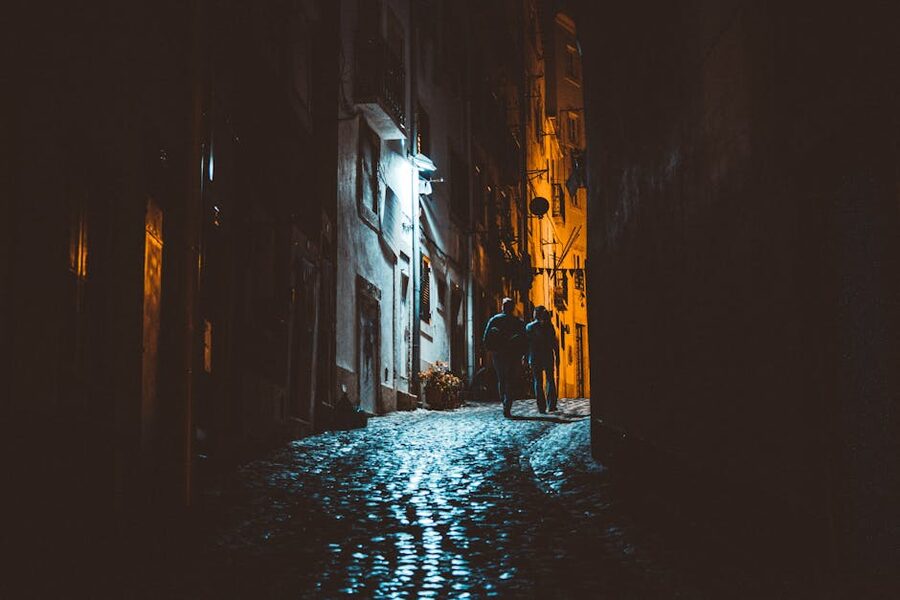
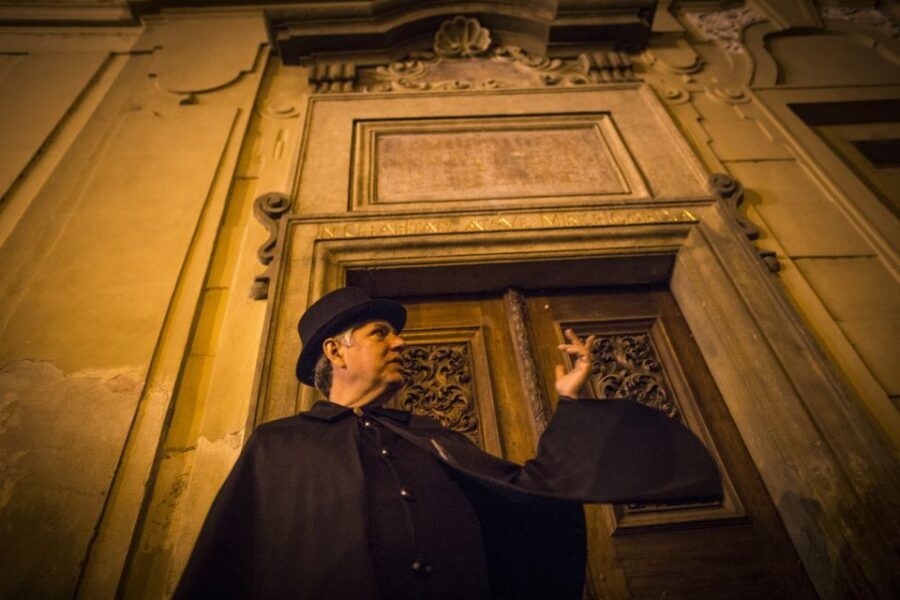
It’s a 75-90 minute walking tour, led after dark by a guide who tells you about 8-12 real historical incidents — murders, executions, disappearances, documented hauntings — at the places where they happened. The best tours are history lessons with the lights turned off. The worst are costumed actors making woo-woo noises. You can tell which you’ve booked within about five minutes of the guide starting.
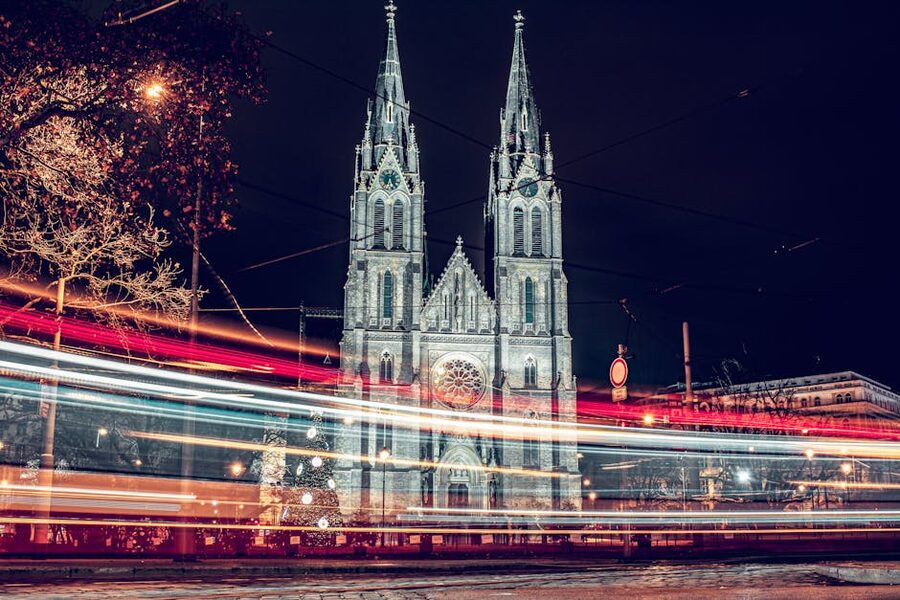
Prague is unusually well-suited to this format because the city has been continuously inhabited for 1,100 years, the Old Town’s physical fabric is still mostly medieval, and the Czech national character runs toward dark humour and eccentric storytelling. Also, there was a particularly brutal century between 1620 and 1720 when the city was ruled by a Habsburg administration that executed a lot of people very publicly. You get a lot of ghost stories out of that kind of period.
The Stories You’ll Actually Hear
Every tour company has its own route, but these stories come up on almost all of them. Knowing them in advance doesn’t spoil anything — the enjoyment is in the telling, and a good guide is drawing on hours of archival reading that they’ve distilled into these 90 minutes.
The Twenty-Seven Heads
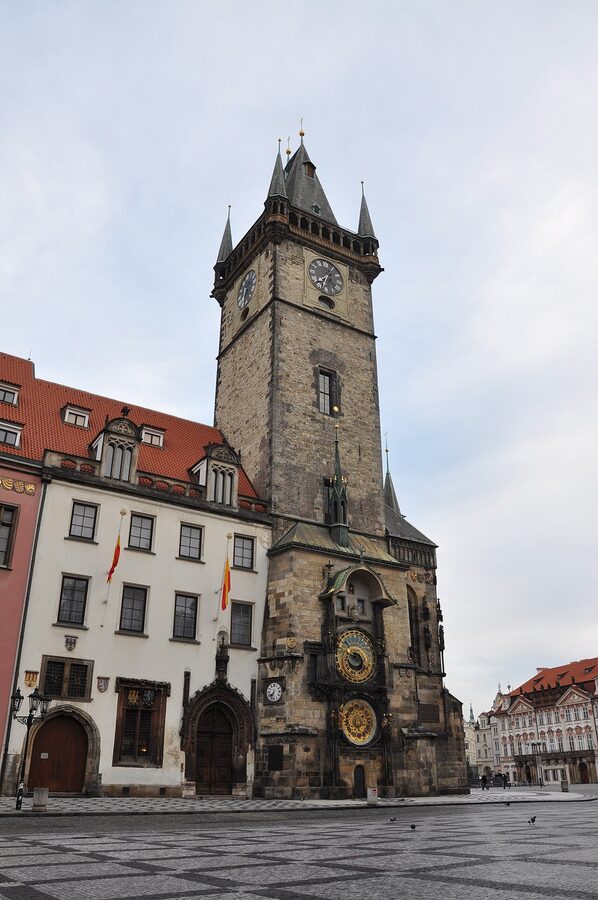
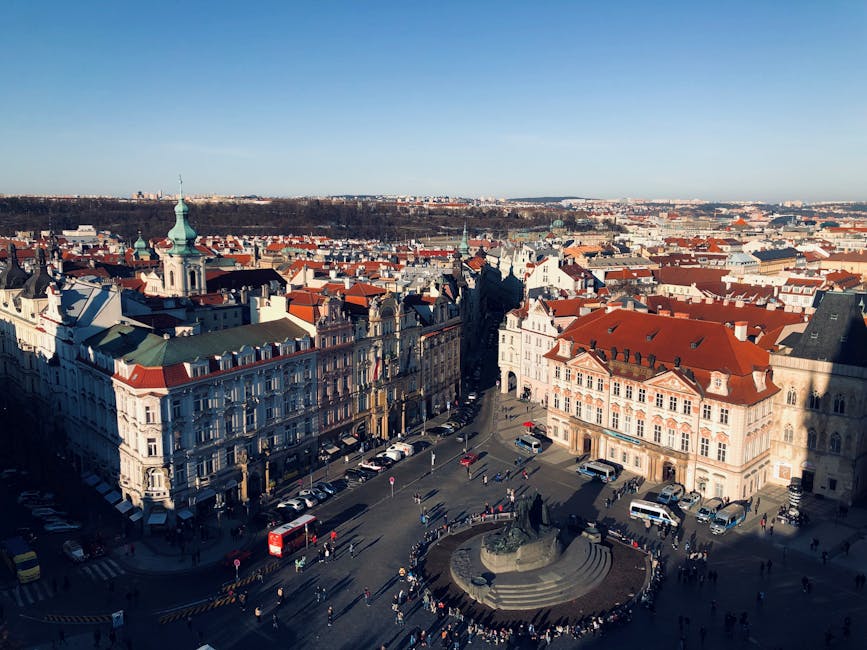
The one I opened with. On 21 June 1621, after the Battle of White Mountain ended the Protestant Bohemian revolt, the Habsburgs executed twenty-seven leaders of the rebellion in the Old Town Square. Twenty-four of them were decapitated. The others were hanged. Twelve of the heads were then mounted on the Old Town Bridge Tower and left there for ten years as a warning. The white crosses you can see embedded in the paving stones in front of the Old Town Hall mark the execution spots. Most visitors walk right over them without noticing.
_and_Astronomical_Clock_(Orloj)_(4501597341).jpg)
The Blinded Clockmaker
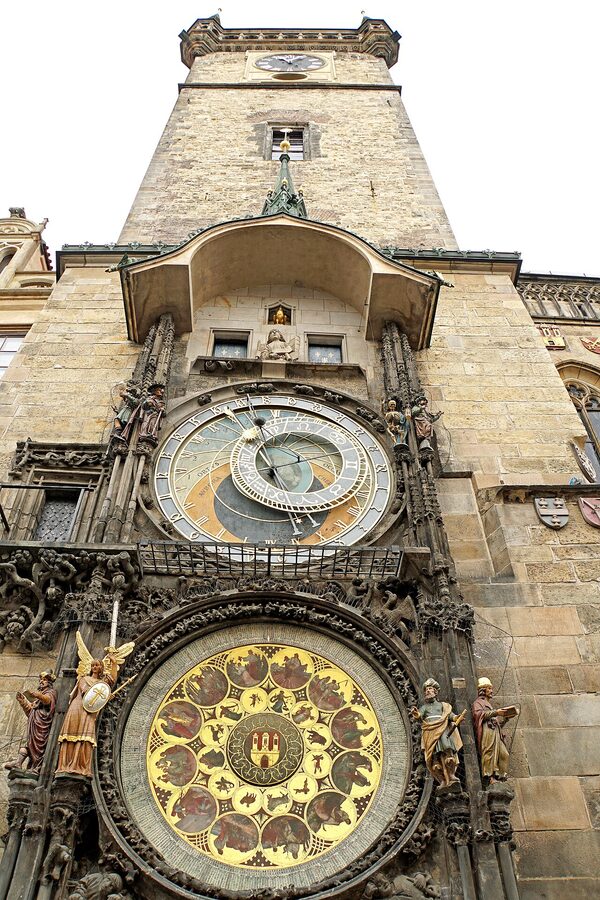
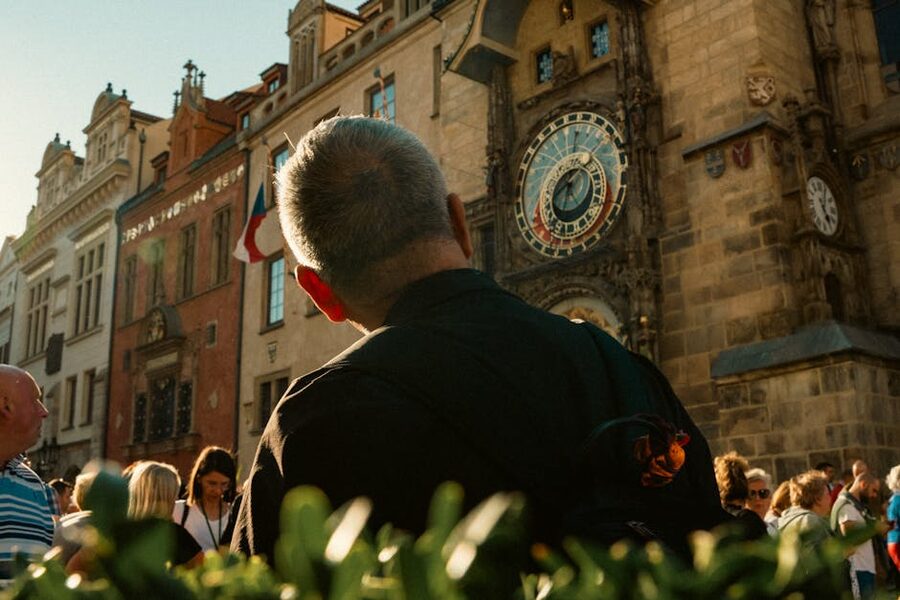
A staple of almost every Prague tour — the legend that the master clockmaker who built the Astronomical Clock was blinded by the city councillors so he could never build a rival clock anywhere else. In revenge, the story goes, he walked up into the tower, reached into the mechanism, and either broke it or strangled himself. This is the story’s tourist version. The real story is that the clock’s builders kept their eyes and the legend was invented several centuries later. But the tour version works because it fits the square.
.jpg)
The Iron Man of Platnéřská Street
A much smaller street story and one of my favourites. A young armourer named Jáchym is rumoured to have been cursed by his jilted fiancée to wander the lane where his workshop once stood, in full armour, every night at midnight for a hundred years. The story is specific enough to sound true (it names a surviving street, the fiancée’s family, and the dates of a real lawsuit). What makes the tour stop good is that the armourer’s building still stands and the street is genuinely quiet at night.
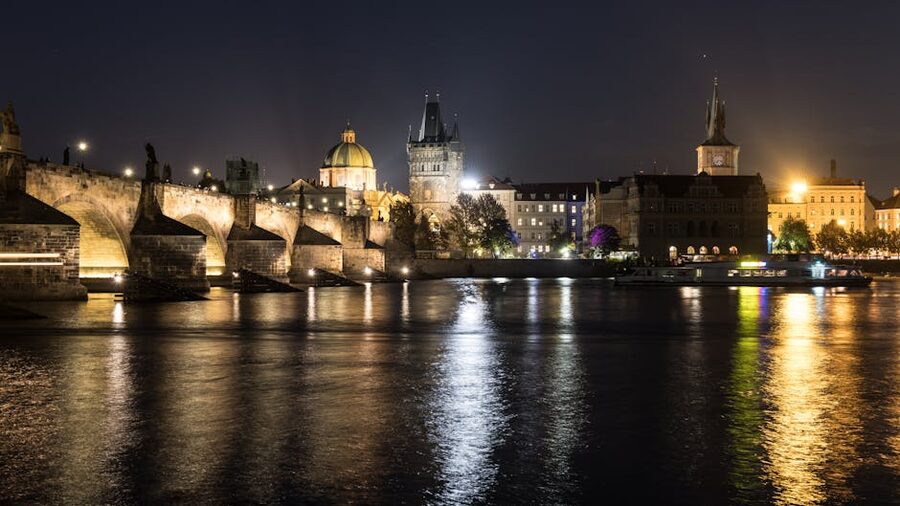
The Drowned Girl of the Vltava
This one’s about the river. There are at least three versions of it, which is how you know it’s been retold for a long time. In the most common, a woman named Štěpánka either drowned herself or was drowned off the eastern bank of the Vltava sometime in the 1620s. She’s said to appear on moonlit nights wringing water from her hair, sometimes visible from Charles Bridge. Whether you believe it or not, the tour stop works because it’s timed to coincide with crossing the bridge, and in the right weather the river below becomes a character in the story.
Tycho Brahe’s Ghost
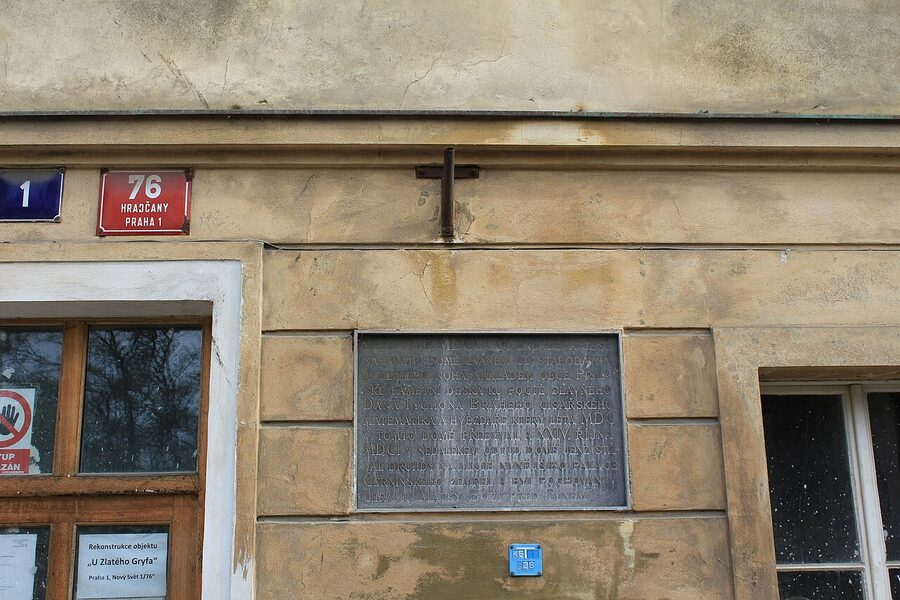
Tycho Brahe was the imperial astronomer at the Prague court under Rudolf II. He died in 1601 under circumstances his contemporaries found suspicious — a dinner party, a severely distended bladder, and a death eleven days later. Modern forensic tests on his remains detected mercury poisoning. His house still stands on Nový Svět street in Hradčany, and a small plaque marks it. Tours that venture into the castle district (only some of them) include this stop; most Old Town tours skip it for distance reasons.

The Golem of Prague
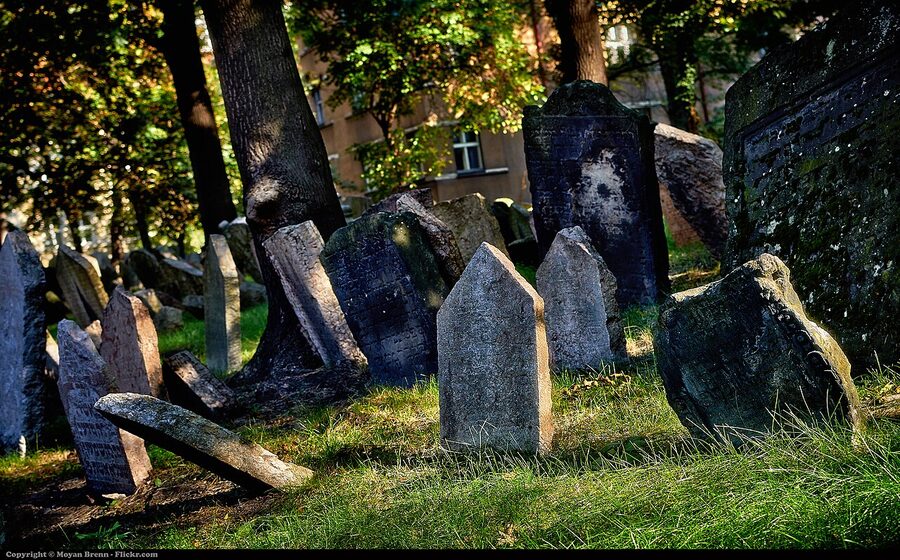
The golem is the most famous Prague story internationally, and the one most likely to be glossed on quickly in a standard ghost tour because it belongs properly to the Jewish Quarter and is often covered in detail on the dedicated Jewish Quarter walking tours. Rabbi Loew, the 16th-century chief rabbi of Prague, is said to have animated a clay figure to protect the Jewish community. The golem’s body, folklore claims, is still hidden in the attic of the Old-New Synagogue. A good ghost tour will include this as a passing reference and tell you where to go for the full story.
.jpg)
The Three Best Tour Options
Ranked by review count. All three are 75-90 minutes and operate after dark. I’ve taken all three at various points and they’re each good for slightly different reasons.
1. Prague Ghost Walking Tour Where Legends Come to Life — $27
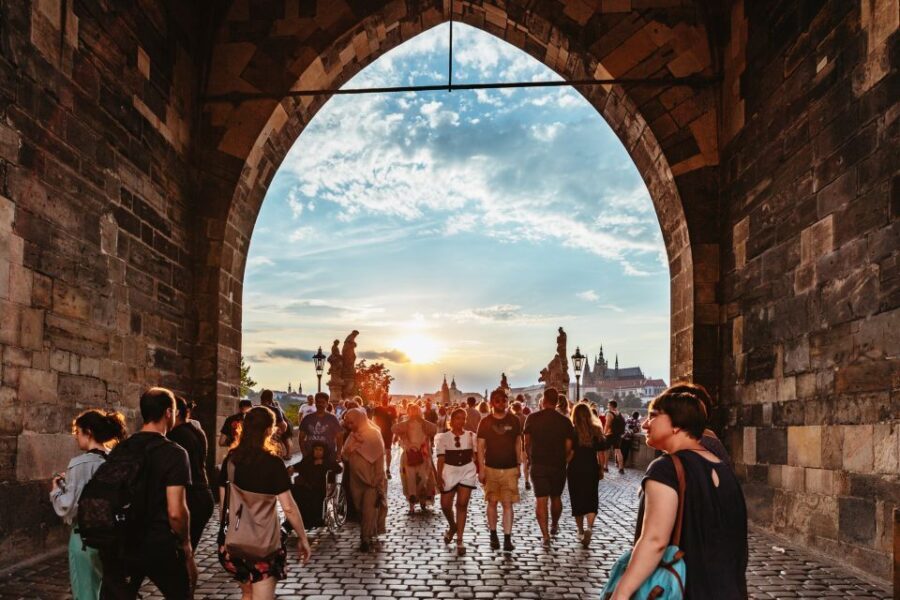
The one I’d book first. Small groups (usually 10-15), 90 minutes, entirely outdoors, covers roughly 10 stops around the Old Town. The guides on this one lean historical rather than theatrical, which I prefer — you come out feeling like you’ve learned something about 17th-century Prague, not just been spooked. Our full review covers which stops are included and what the meeting point looks like. Runs in English and several other languages at different times.
2. Ghosts, Legends, Medieval Underground & Dungeon Tour — $31
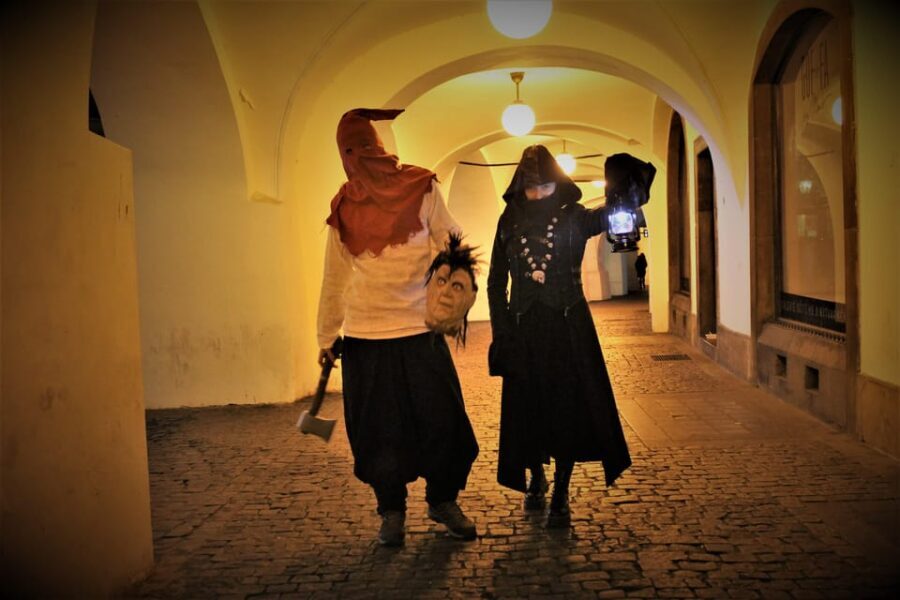
This is the one to book if you want the extra atmospheric kick of actually going underground. 75 minutes above ground covering Old Town ghost stories, then a descent into the medieval undercrofts below the modern street level. The stories the guides tell in the cellars are specific to those spaces — different from the street-level route. Our review covers whether the underground section justifies the extra $4. If you’re claustrophobic, skip this and go with option 1; the cellar ceilings are low.
3. Ghosts and Legends of the Old Town Evening Tour — $21
The budget entry. $6 cheaper than option 1, same length (90 minutes), covers a slightly different route that emphasises the riverside stories. Larger groups on average — you may end up with 20 people following a single guide, which means you stand further from the guide for each story. Fine if you’re budget-conscious or time-flexible. Our review explains what you’re giving up at the lower price point.
The Underground Section — What It’s Actually Like
The medieval Prague that tourists see is about ten metres above the medieval Prague that actually existed. After flooding from the Vltava in the 12th and 13th centuries, the city rebuilt the Old Town by raising ground level by a full storey. The old ground floors and cellars are still there — intact, preserved by the backfill.
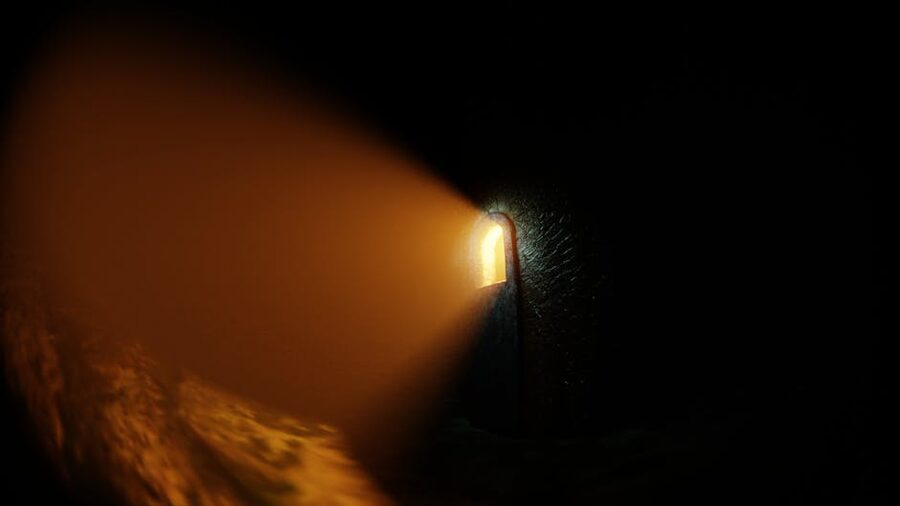
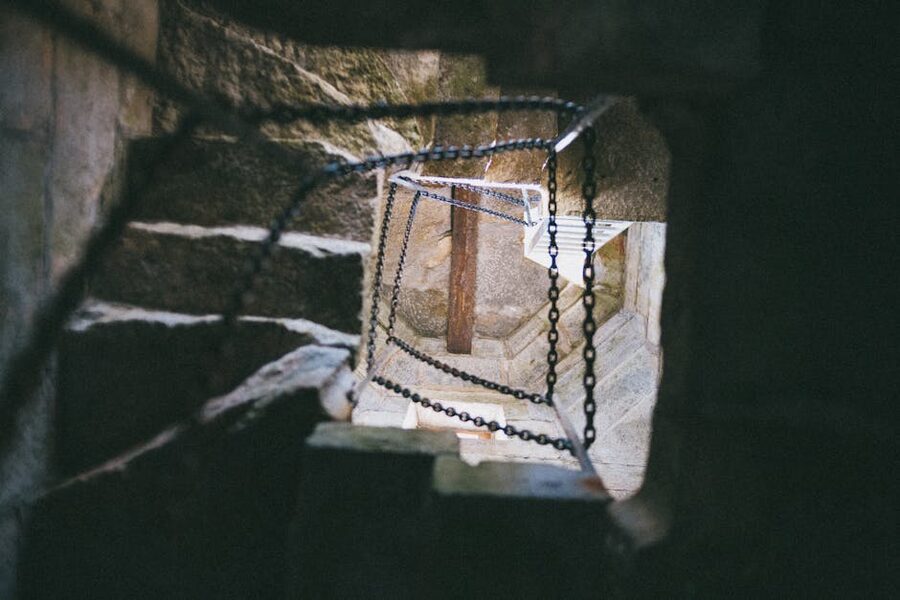
The dungeon tour descends a short staircase into a low-ceilinged network of vaulted rooms. It’s cool (about 12°C year-round) and dim. Some sections have original 12th-century stonework; others were added later. The guide’s stories down here tend to focus on who was kept in which cellar and why — which was mostly “prisoners who wouldn’t fit in the official dungeons” and “grain merchants who owed money.”
Is It Actually Scary?
No. Not in the way a haunted-house attraction is scary. There are no costumed actors jumping out at you, no strobe lights, no theatrical effects. The fear (such as it is) comes from standing in a real place where something genuinely bad happened several hundred years ago and imagining it vividly. It’s the same sensation you get in any historical site that deals in the morbid — Auschwitz, the Tower of London, the Paris catacombs. A low-grade, persistent unease. Not screaming.
Kids 10 and up will usually enjoy it; younger than that and the pace (lots of standing still, historical context they don’t yet have) may bore them. I’ve taken a 12-year-old who loved it. I’ve taken a 7-year-old who was cold and wanted ice cream within 20 minutes.
When to Go
The two details that matter most are time of year and time of day.
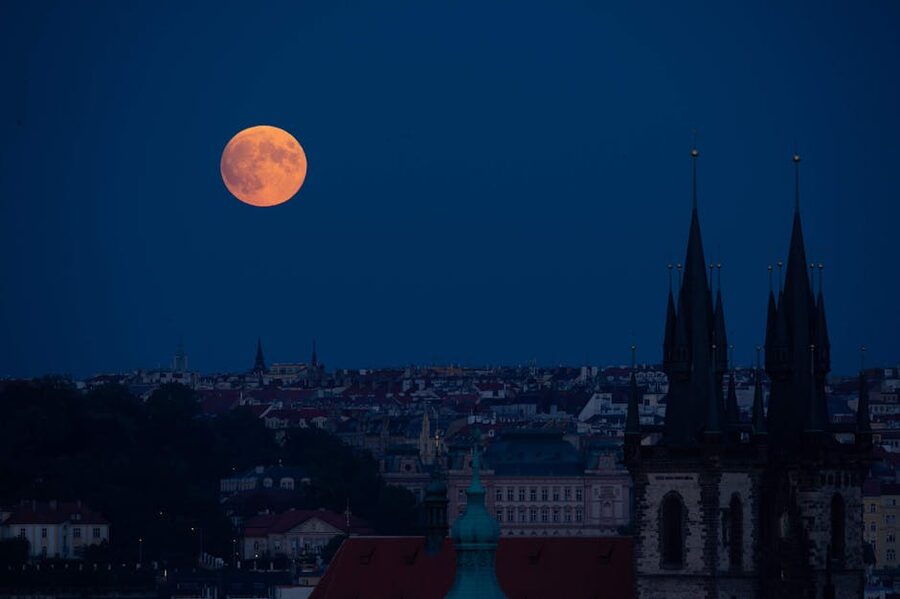
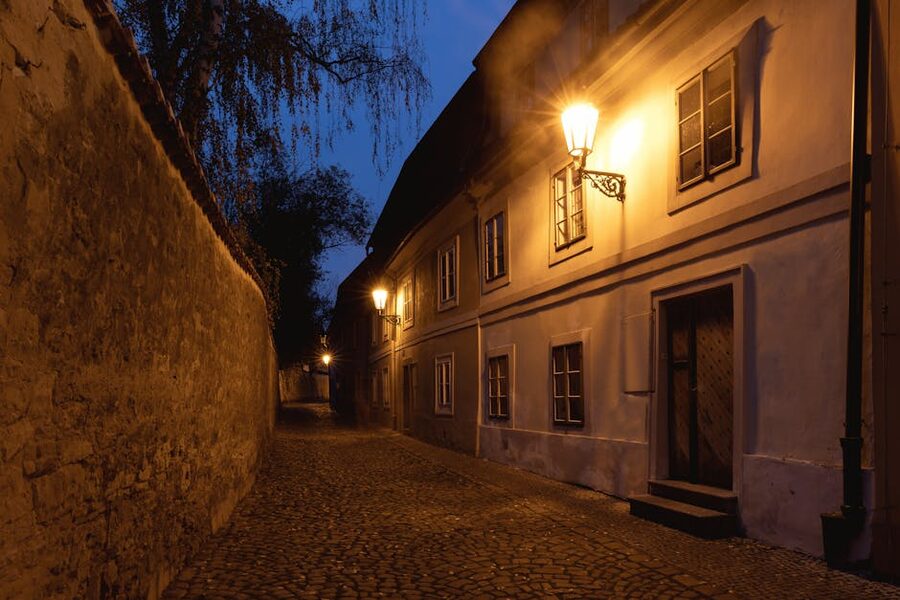
Time of year. Autumn (October-November) is perfect. Evenings are dark by 5pm, the air is cold enough to feel atmospheric but not cold enough to be uncomfortable, and there’s often low fog that hangs between the buildings. Winter works (dark earlier, snow adds visual drama) but the cold on a 90-minute stationary walk is a factor — dress for -5°C, not for a normal winter stroll.
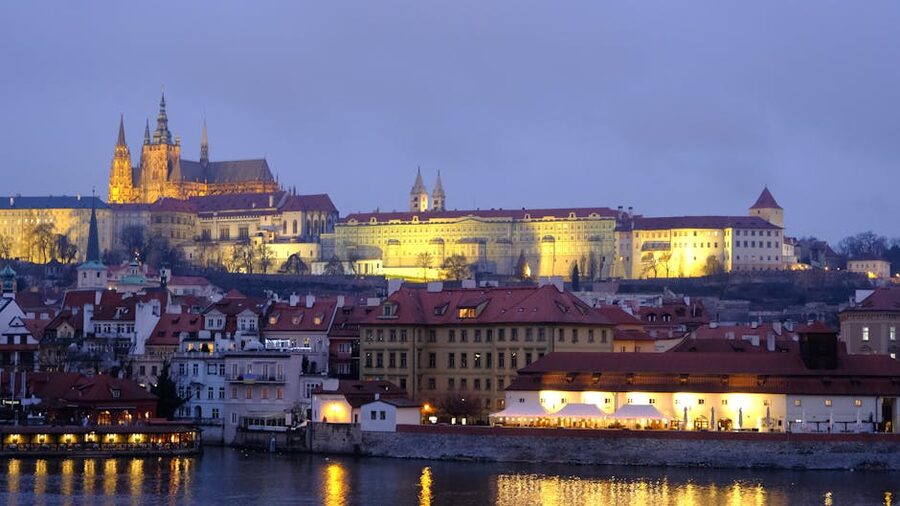
Summer is the worst season for ghost tours paradoxically. Sunset isn’t until 9pm, which means tours starting at 8pm begin in full daylight and only get atmospheric for the last 30 minutes. The late-evening tours (10pm start, 11:30pm finish) are better in summer, though you’re pretty tired by then.
Time of day. Most tours start between 7pm (winter) and 9:30pm (summer). The later slot is consistently better atmospheric-wise but harder on your sleep schedule if you have an early morning the next day.
What to Wear
This matters more than people assume. You stand still for 10-15 minutes at each stop. Walking between stops is slow. The combination means you get colder than you would on a normal walk.
- Layers. A fleece or wool sweater under a jacket. Not one big heavy coat.
- Flat shoes with grip. Cobblestones get slippery when wet.
- Scarf even in late autumn. The river air can cut.
- Hat and gloves from mid-November onwards.
Picking a Good Guide
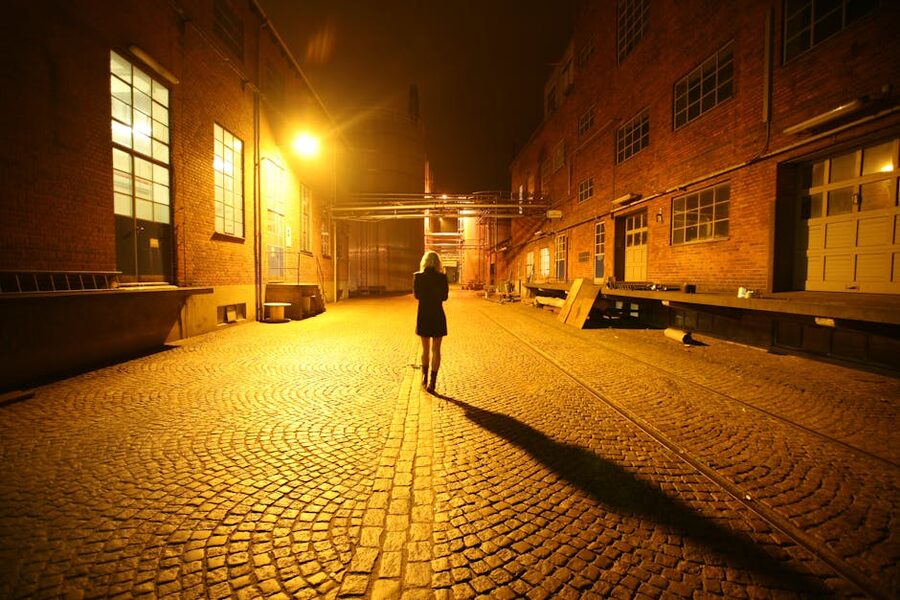
The single variable that determines whether your ghost tour is memorable or forgettable is the guide. Good guides on these routes are often historians or history-adjacent professionals who do the tours as a side job. Bad guides are hospitality-industry people who memorised a script.
Signs of a good guide in the first 10 minutes:
- Names specific dates and sources. “This was documented in the Old Town council records of 1609” beats “a long time ago.”
- Corrects popular versions of stories. A guide who says “most tours tell you X but the historical record actually shows Y” is worth listening to for 90 minutes.
- Acknowledges when a story is folklore rather than fact. Good guides treat these as different things and say which they’re telling you.
- Answers questions about non-listed stops. A guide who can riff on what you’re passing is an actual expert, not a script-follower.
Getting There
Meeting points vary by tour but are almost always in or near Old Town Square. The most common meeting spot is directly in front of the Astronomical Clock, easy to find and where the booking confirmation will direct you. A few tours meet at the Jan Hus monument or at the Týn Church doorway.
Closest metro: Staroměstská (Line A, green). 4-minute walk from there to the square. Trams 17 and 18 also stop there. Don’t drive — there’s no parking in the Old Town and you wouldn’t want to drive home on cobblestones after a 90-minute walk anyway.
Practical Details
Group size. Ranges from 10-25 depending on the tour and season. Option 1 and 2 above run smaller; option 3 runs larger.
Language. All three tours run in English. Some also run in German, Spanish, Italian, and French at different times — check the calendar.
Accessibility. The routes are walkable for most mobility levels but involve cobblestones (uneven) and some inclines near Charles Bridge. The underground tour (option 2) has stairs with no lift alternative.
Duration. 75-90 minutes. You can tag on a drink at a pub afterwards — several of the routes end near Týn courtyard, which has late-opening bars.
Tipping. Optional but appreciated. Guides rely on tips; $3-5 per person is standard for a good tour.
Combining the Ghost Tour with Other Prague Nights
A ghost tour works well before a late dinner, or as the start of a longer night. After a 90-minute tour ending around 10pm, you’re well-placed for a medieval dinner show (the shows run until 11pm or later), or you can walk 4 minutes to the river and catch the late Vltava cruise for a completely different angle on the same city.
If the ghost tour whets your appetite for Prague’s darker side, the dedicated medieval underground tour is the obvious follow-up for a different day. The Jewish Quarter walking tour covers the Golem story in depth along with everything the ghost tour skips. And the Astronomical Clock tower climb takes you up the same building several of the ghost stories are set in — the view from the observation deck makes the history hit differently.
Disclosure: This site earns a commission on bookings made through the links above, at no extra cost to you. We only recommend tours we’ve researched and would book ourselves.