
I was three bars deep in the Latin Quarter when I realised I hadn’t paid for a single drink myself. Not because someone else was covering the tab — the pub crawl price included shots at every stop, happy hour deals at each bar, and free entry to a club that would’ve cost me twenty euros at the door. At $22 for the whole night, the maths was absurd.
Paris doesn’t advertise its drinking culture the way London or Dublin does. But the city that allegedly invented the word “bistro” — when Russian soldiers occupying Paris in 1814 supposedly shouted bystro! demanding fast service — has been perfecting the art of a good night out for centuries.
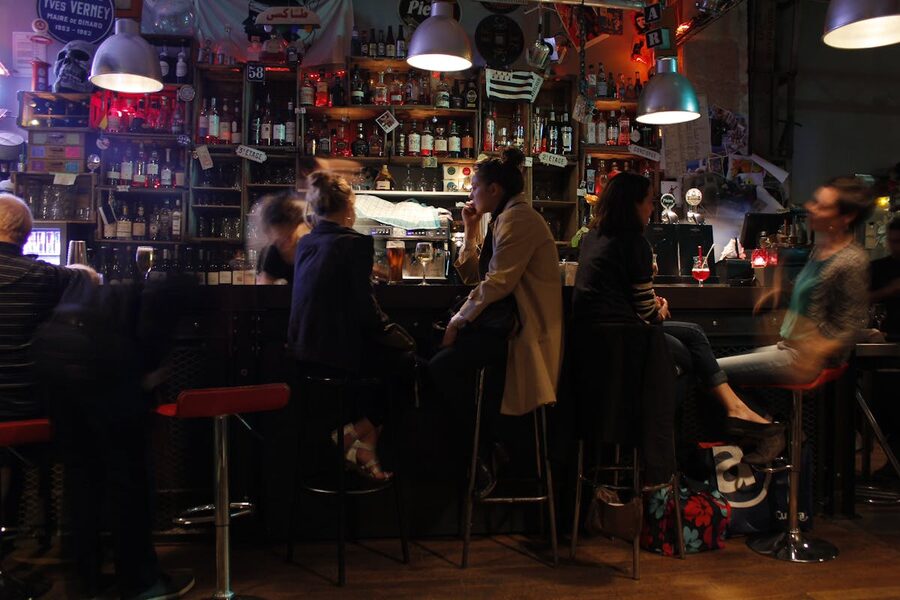
The trick is knowing where to go and — more importantly — who to go with. A guided pub crawl handles both. You get a local who knows which bars have the best deals, which streets to cut through, and which clubs will actually let your group in without a queue. I’ve done the solo bar-hopping thing in Paris too, and honestly? The crawl was better.
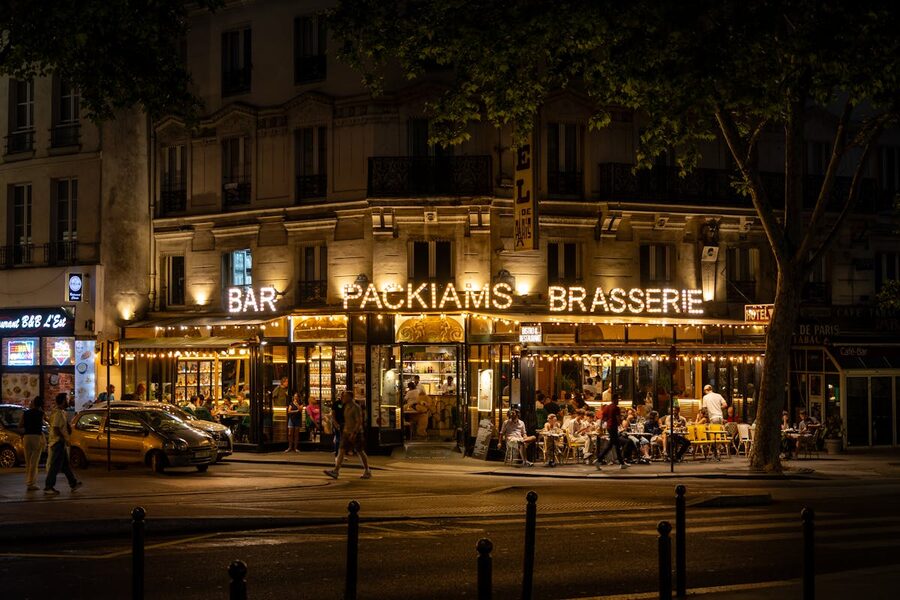
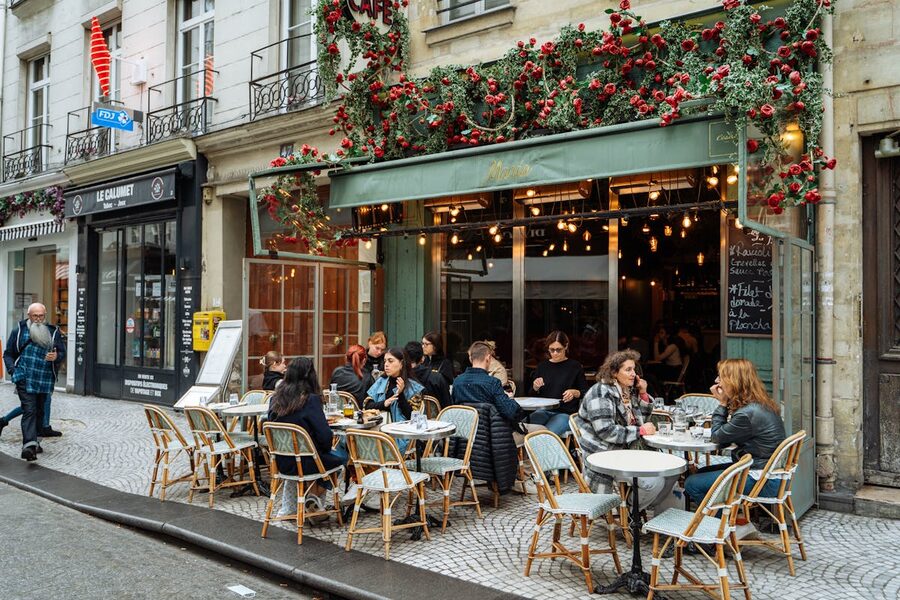
Best overall: City Center Guided Pub Crawl with Shots & Club Entry — $22. Free shots at every bar, happy hour prices, club entry included. The biggest group and best energy.
Best budget: Latin Quarter Guided Pub Crawl — $14. Four hours through the student district. Hard to beat at this price.
Best for atmosphere: Paris Latin Quarter Pub Crawl with Free Shots — $30. Smaller groups, exclusive discounts, and historic bars you’d never find alone.
- How Paris Pub Crawls Actually Work
- Pub Crawl vs. Going Solo — The Honest Comparison
- The 3 Best Paris Pub Crawls to Book
- 1. Paris City Center Guided Pub Crawl with Shots & Club Entry —
- 2. Latin Quarter Guided Pub Crawl to Bars and Clubs —
- 3. Paris Latin Quarter Pub Crawl with Free Shots —
- Paris Drinking Districts You Should Know About
- When to Go Out in Paris
- How to Get to the Meeting Points
- Tips That Will Save Your Night
- What Paris Nightlife Actually Feels Like
- Beyond the Pub Crawl — Other Paris Night Experiences
How Paris Pub Crawls Actually Work
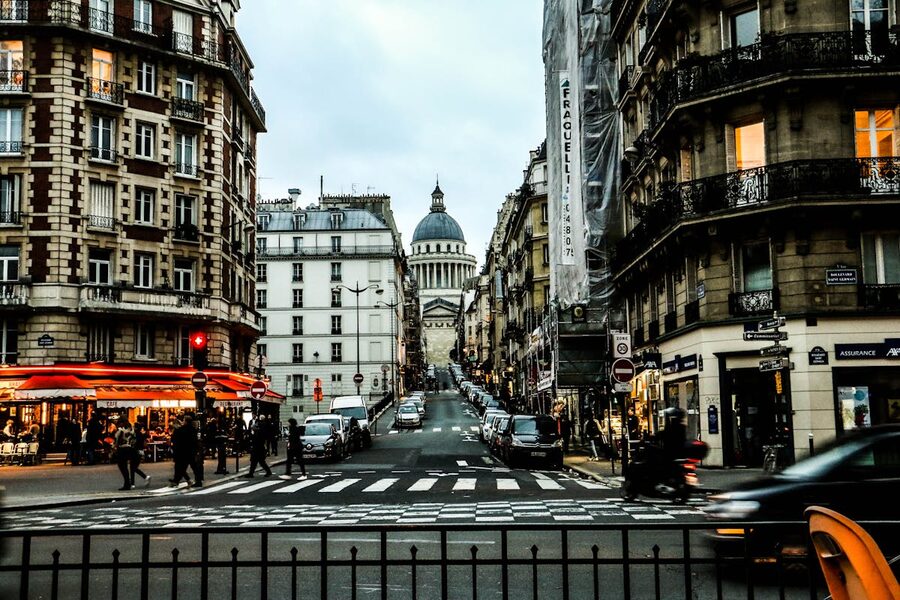
If you’ve done pub crawls in other European cities, Paris works differently. There’s no wristband-and-megaphone chaos here. Groups tend to be smaller (usually 15-40 people), the guides are genuinely funny locals rather than gap-year backpackers, and the bars are real neighbourhood spots — not tourist traps reserved for crawl groups.
Most crawls follow the same basic structure: you meet at a central point (usually near Chatelet or in the Latin Quarter around 9-10pm), hit 3-4 bars over a few hours, and finish at a club around 1-2am. Your ticket typically includes:
- Free shots at every bar — usually one per stop, sometimes two
- Happy hour drink prices — anywhere from 30-50% off normal bar prices
- Free nightclub entry — this alone saves you 15-20 euros at most Paris clubs
- Drinking games and icebreakers — sounds cheesy, but they actually work when everyone’s a stranger
The crowd is international. Expect a mix of solo travellers, couples, Erasmus students, and small groups of friends who didn’t want to figure out Paris nightlife alone. Ages skew 20-35 but I’ve seen people in their 40s and 50s having a brilliant time. Nobody cards you at the meeting point — this isn’t a frat party.
Pub Crawl vs. Going Solo — The Honest Comparison
I’ll be straightforward about this: you don’t need a pub crawl to have a great night in Paris. If you already know the city, speak some French, and have friends to go with, you’ll be fine finding bars on your own. Le Marais, Oberkampf, and the streets around Rue de Lappe are all packed on any given Thursday through Saturday.
But here’s where the crawl earns its money:
The economics are genuinely hard to beat. At $14-$30 you’re getting free shots, discounted drinks, and club entry that would cost more than the crawl itself. If you bought the same number of drinks at full price and paid the club cover, you’d spend $50-80 easily. The crawl is cheaper than going solo — which almost never happens in tourism.
The social element is the real product. Drinking alone in Paris sounds romantic in theory. In practice, you’re sitting at a bar scrolling your phone while beautiful French people ignore you. The crawl gives you an instant group of 20+ people who are all there to meet strangers. If you’re travelling solo, this is worth far more than the drink deals.
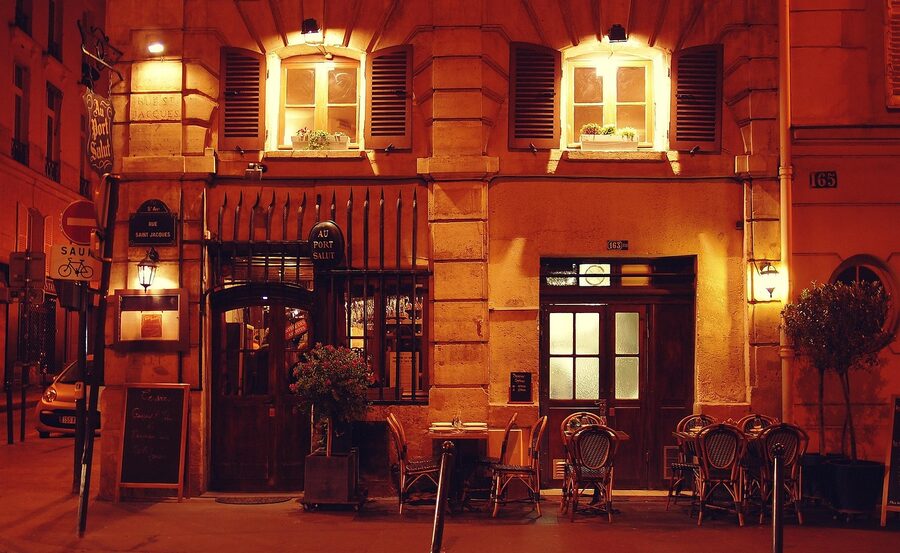
The local knowledge matters. Most visitors head straight to the same three streets. The crawl guides take you to bars that aren’t on Google Maps’ first page — places where the bartender knows the guide by name and pours a heavier shot because of it. You’re also skipping every queue. On a Saturday in June, that’s not nothing.
The flip side? If you hate group activities, forced fun, or drinking games, you’ll have a terrible time. This is not a sophisticated cocktail bar tour. It’s loud, messy, and designed for people who want to meet strangers and have a big night. Know yourself.
The 3 Best Paris Pub Crawls to Book
I went through every pub crawl operating in Paris right now and narrowed it to three. All of them have been running for years, have hundreds of verified reviews, and cover different parts of the city. I’m ranking them by overall value — factoring in price, group energy, bar quality, and what your night actually looks like at the end.
1. Paris City Center Guided Pub Crawl with Shots & Club Entry — $22

This is the one I’d book if I could only pick one. The city center pub crawl meets near Chatelet — right in the middle of everything — and works its way through some of the best drinking streets in central Paris. You’re hitting bars in the 1st and 4th arrondissements, which is proper Paris, not some tourist corridor.
At $22 it’s the sweet spot between cheap and actually good. The crowd tends to be bigger than the other crawls, which means more energy, more people to meet, and the bars are rowdier. The guides from Meet & Drink have built a reputation for keeping the night moving — they run drinking games between stops that somehow manage to get 30 strangers singing together by bar number two.
The free shots at every stop and the club entry at the end seal it. By the time you factor in what you’d pay for four shots and a club cover independently, the crawl has already paid for itself before you even buy a drink. The 4.8 rating across hundreds of reviews isn’t an accident — this is the one that consistently delivers.
2. Latin Quarter Guided Pub Crawl to Bars and Clubs — $14
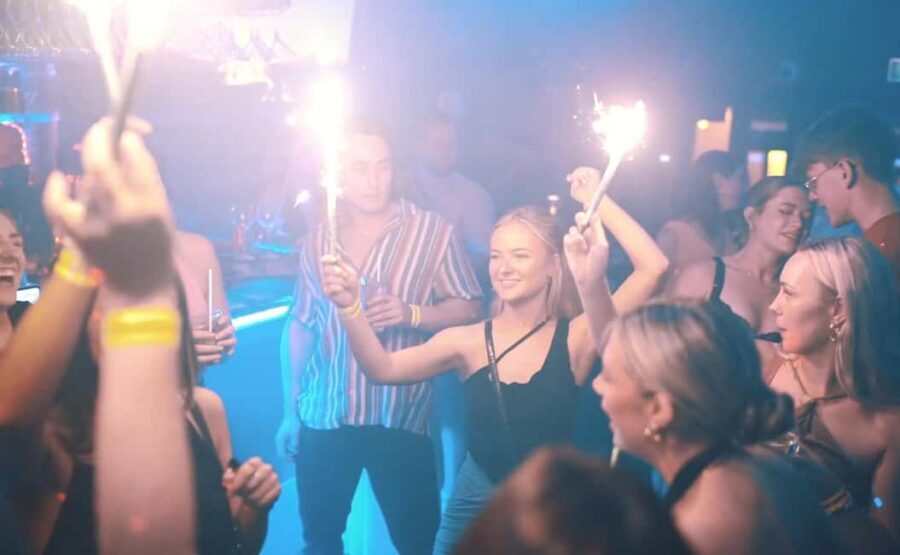
If you’re on a budget and want the longest night possible, the Latin Quarter guided pub crawl from Riviera Bar Crawl & Tours is the obvious pick. At $14, I genuinely don’t know how they turn a profit. Four full hours through the Latin Quarter’s bar scene, drink specials at every stop, and the guides speak multiple languages which helps when your group is half French, half international.
The Latin Quarter itself is the star here. This is where the Sorbonne has been dumping students into bars since the 13th century, and the drinking infrastructure reflects that history. Tiny bars crammed into medieval buildings, staircases you wouldn’t trust sober, and a street energy that doesn’t exist anywhere else in Paris. The 5th arrondissement after dark feels like a different city from the 8th.
The trade-off is slightly less polish than the city center crawl. Groups can be inconsistent in size — some nights you’ll have 40 people, other nights 12. Both can be fun in different ways. The smaller nights feel more like drinking with new friends; the bigger ones feel like a party that moves through the streets.
3. Paris Latin Quarter Pub Crawl with Free Shots — $30
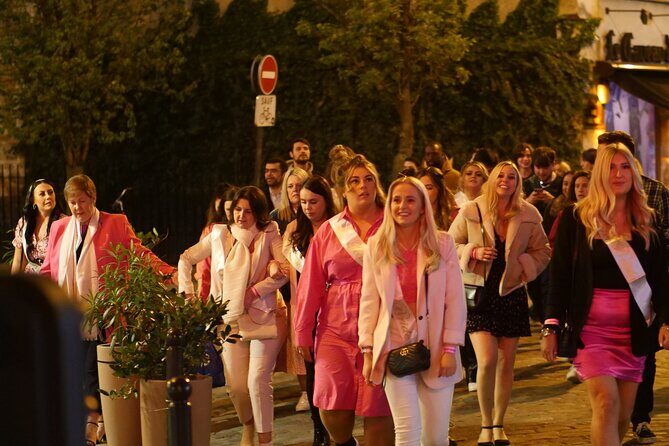
This is the one for people who want the pub crawl concept but with a bit more… intention. The Latin Quarter pub crawl via Viator runs four hours through the same general area as option two, but the bars are different and the exclusive discounts mean you’re getting deals at places that don’t normally do happy hour for walk-ins.
At $30 it’s double the cheapest option, but you’re paying for smaller groups and historic bars that feel distinctly Parisian rather than generic international backpacker joints. The free shots are included, and the guides from Riviera Bar Crawl have a knack for reading the room — if the group is more cocktail bar than shot bar, they’ll adjust the route. That flexibility matters.
If you’re over 30 and the idea of drinking games with 19-year-old Erasmus students makes you tired, this one skews slightly older and more relaxed. Still a proper night out, still loud, still ending at a club — but the energy is closer to “really fun dinner party that escaped the restaurant” than “spring break in Cancun.” I’d pick this for a couples’ trip or a birthday celebration.
Paris Drinking Districts You Should Know About
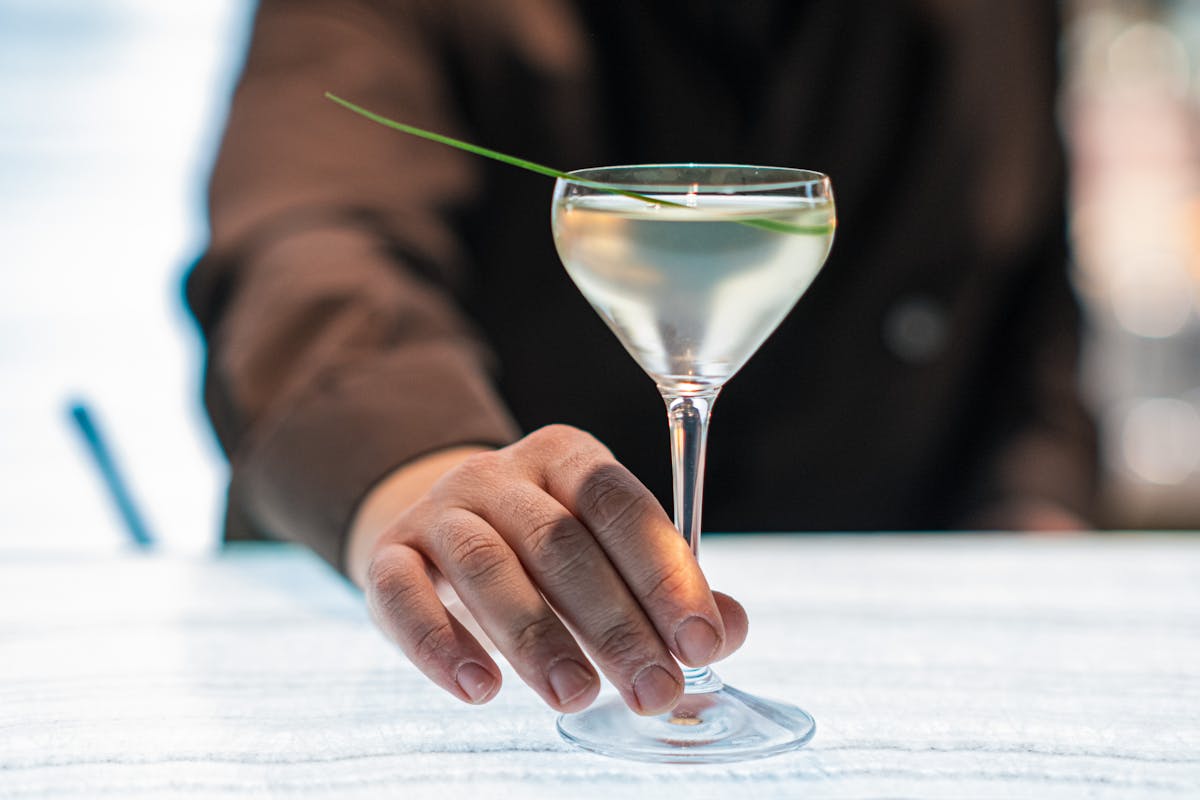
Whether you book a crawl or go solo, knowing the neighbourhoods helps. Paris drinking culture is intensely local — each district has its own personality and most Parisians stick to their home turf. Here’s the breakdown:
The Latin Quarter (5th arr.) — This is where most pub crawls operate and for good reason. The oldest student district in Europe has been pouring cheap drinks since the Sorbonne opened in 1257. Narrow streets, tiny bars, loud crowds, affordable prices. Best on Thursday and Friday nights when the university crowd is out.
Le Marais (3rd-4th arr.) — Paris’s cocktail epicentre. Over the past decade, Le Marais has filled up with speakeasy-style bars hidden behind unmarked doors. If you want a walking tour of Paris during the day and cocktails at night, this is the neighbourhood for both. Expect to pay more — a craft cocktail here runs 14-18 euros — but the quality is genuinely world-class.
Oberkampf / Rue Jean-Pierre Timbaud (11th arr.) — Where actual young Parisians drink. Less polished, cheaper, louder, and almost entirely free of travelers. The bars along Oberkampf are the kind of places where you stand outside on the pavement with a beer because inside is too packed. This is the realest nightlife district in Paris.
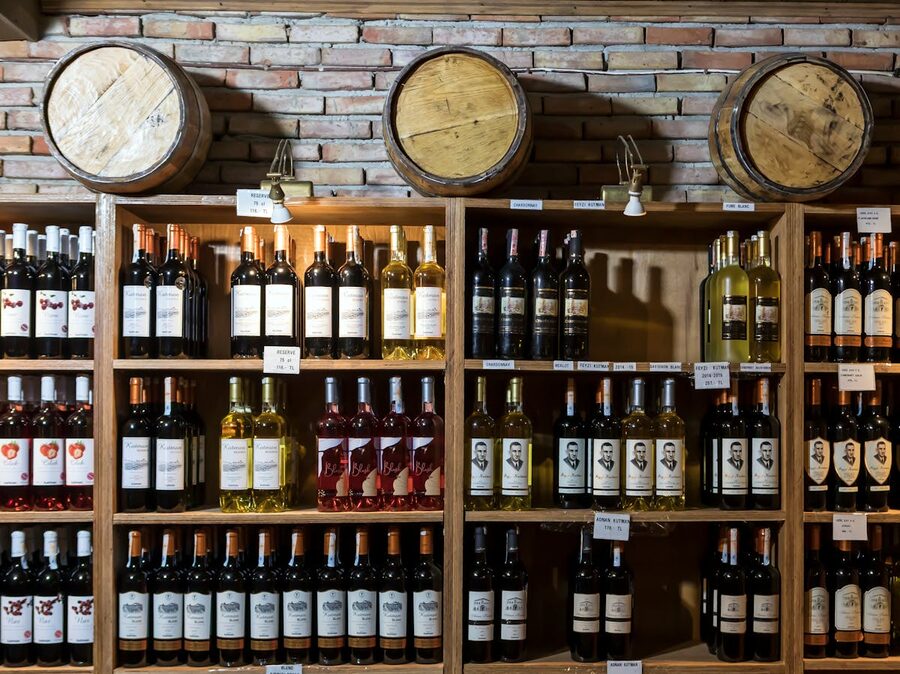
Montmartre (18th arr.) — Two faces here. The tourist strip around Place du Tertre is overpriced and mediocre — avoid it after dark. But drop two blocks south to Rue des Abbesses and Rue des Trois Freres and you’ll find the Montmartre that locals drink in. Wine bars in converted houses, terraces looking down over the city, and a bohemian energy that hasn’t entirely been gentrified away.
Pigalle / SoPi (9th arr.) — Once Paris’s red-light district, now its craft cocktail frontier. The transformation over the last decade has been remarkable. Between the vintage Moulin Rouge and the brand-new cocktail bars, Pigalle packs more drinking options per square metre than anywhere else in the city.
When to Go Out in Paris
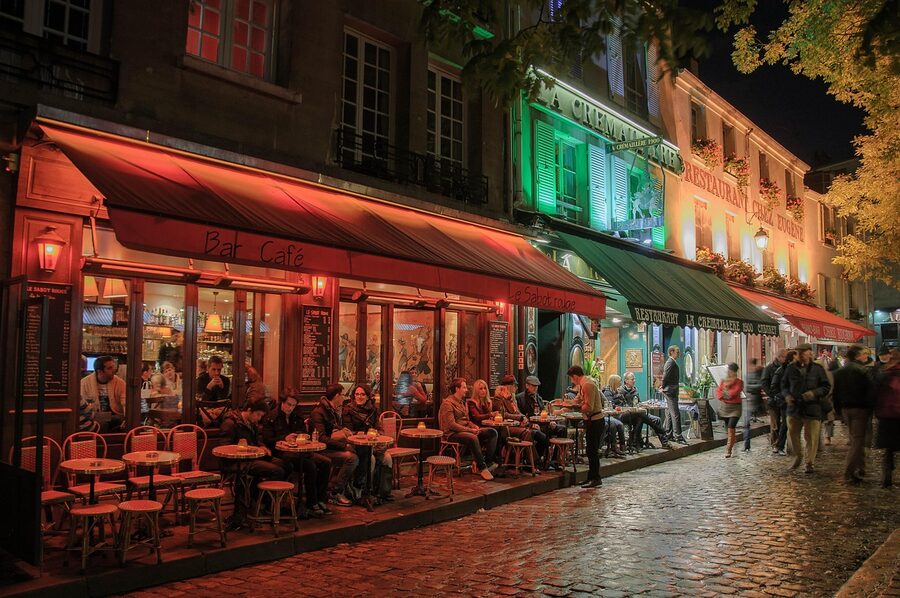
Best nights: Thursday, Friday, and Saturday. Thursday is particularly good — it’s the traditional student night out, so bars are packed but clubs are less crowded than weekends. Sunday through Wednesday can feel dead outside of Le Marais and Saint-Germain.
Timing matters more than you’d think. Parisians eat late (dinner at 9pm is normal, 10pm is common) and go out later. Most pub crawls meet at 9:30-10pm, which is perfect. If you try to hit bars at 8pm you’ll find them empty. The city doesn’t really start drinking until 10:30pm at the earliest, and peak time is midnight to 2am.
Seasonality: Summer (June-August) is the best time for pub crawls because the terraces are open and the walking between bars is half the fun. Winter crawls still run but you’ll spend more time inside, which changes the vibe. Spring and autumn are ideal — warm enough for outdoor drinking, fewer travelers than July.
Closing times: Standard bars close at 2am. Bars with a late licence run until 5am. Clubs typically open at midnight and run until 5-7am. The pub crawls are designed around these windows — you’ll finish at a club around 1-2am with the rest of the night ahead of you if you want it.
How to Get to the Meeting Points
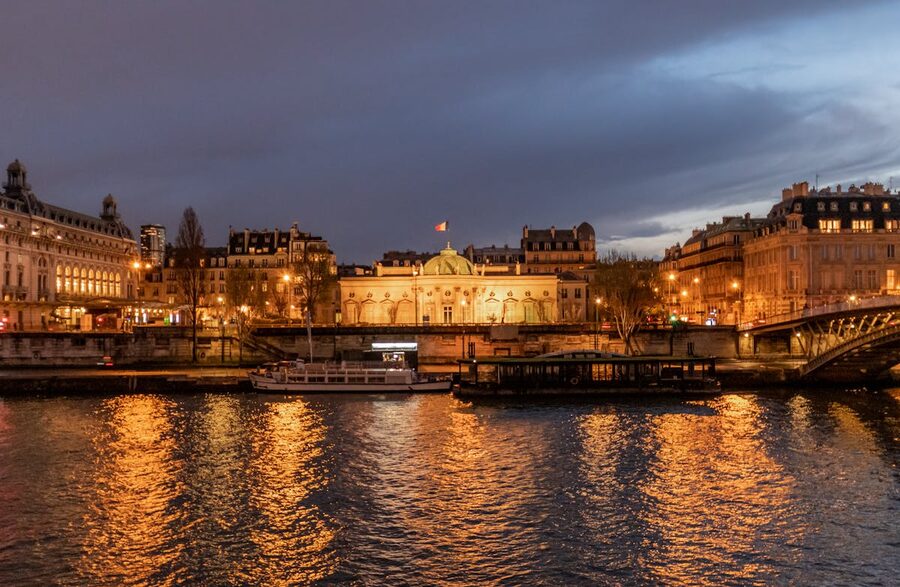
Both the Latin Quarter and Chatelet meeting points are centrally located and easy to reach by Metro. The Paris Metro runs until approximately 12:40am on weeknights and 1:40am on Friday and Saturday nights — but since you’ll be meeting before 10pm, getting there is never a problem. Getting back is another story.
For the Chatelet crawls: Metro lines 1, 4, 7, 11, and 14 all stop at Chatelet or Les Halles. You cannot miss it — it’s the biggest Metro hub in Paris.
For the Latin Quarter crawls: Metro line 10 to Cluny-La Sorbonne or the RER B to Saint-Michel Notre-Dame. Both drop you right in the middle of the action.
Getting home afterwards: This is the part nobody thinks about. The Metro stops running well before the crawl ends. Your options are:
- Uber/Bolt: Works well but expect surge pricing between 1-3am on weekends. Budget 15-25 euros to get back to a hotel in any central arrondissement
- Noctilien night buses: Paris runs night bus routes from 12:30am-5:30am. Lines N11-N16 cover most of central Paris. They’re cheap (regular Metro ticket) but slow and infrequent
- Walk: If your hotel is in the 1st-6th arrondissements, walking home from the Latin Quarter is completely doable and one of the best parts of the night. A night tour of Paris happens naturally when you’re walking the empty streets at 3am
Tips That Will Save Your Night
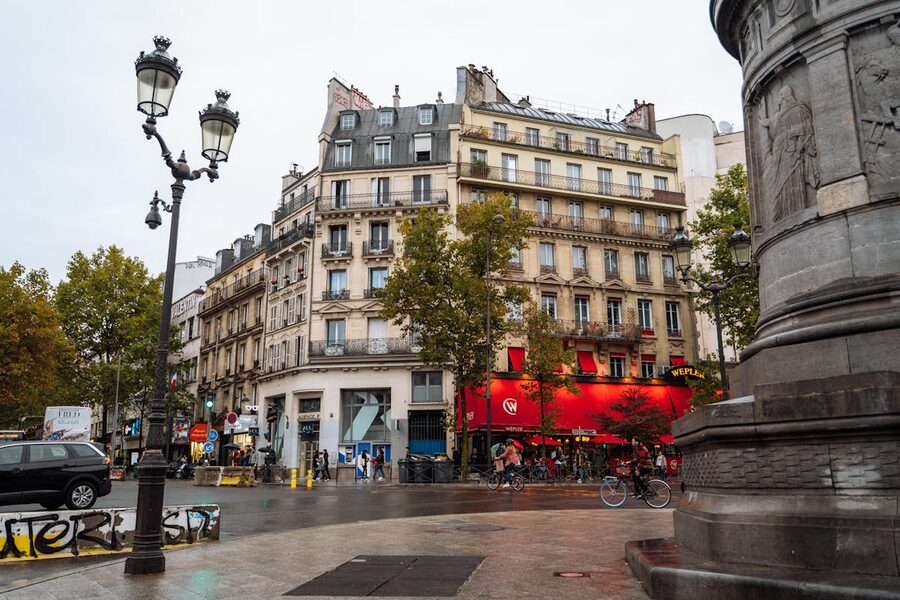
Eat before you go. This is non-negotiable. French bars don’t serve food (not like British pubs or American bars). If you show up to a pub crawl on an empty stomach, you’ll be done by bar two. Eat a proper dinner — not a crepe from a stand — before 9pm. A Paris food tour in the afternoon pairs perfectly with a pub crawl that evening.
Bring cash. Most Paris bars accept cards now, but some of the smaller spots on the crawl route are cash-only for small purchases. Have 30-40 euros in cash as backup. The crawl itself you can book online with a card.
Dress code exists but it’s not what you think. Paris clubs won’t turn you away for wearing trainers (unlike London). But showing up in basketball shorts and flip-flops will get you a look from the bouncer. Smart casual — jeans, decent shoes, a shirt with buttons — gets you in everywhere without trying. For women, anything goes as long as you look like you meant to wear it.
Don’t pre-game too hard. The crawl includes shots at every bar. If you’ve already had four beers before the meeting point, you’ll be the person being carried out of bar two. Pace yourself — four hours is a long time and the club at the end is where the real fun happens.
Keep your phone charged and your wallet close. Pickpockets love the areas around pub crawl routes because travelers are drunk, distracted, and carrying cash. Use a front pocket or a cross-body bag. Don’t put your phone on the bar counter — that’s the number one way phones disappear in Paris.
Book online, not at the door. All three crawls I recommend are cheaper when booked in advance. Some offer last-minute walk-up spots, but you’ll pay more and risk the group being full. Book the morning of at the latest.
What Paris Nightlife Actually Feels Like
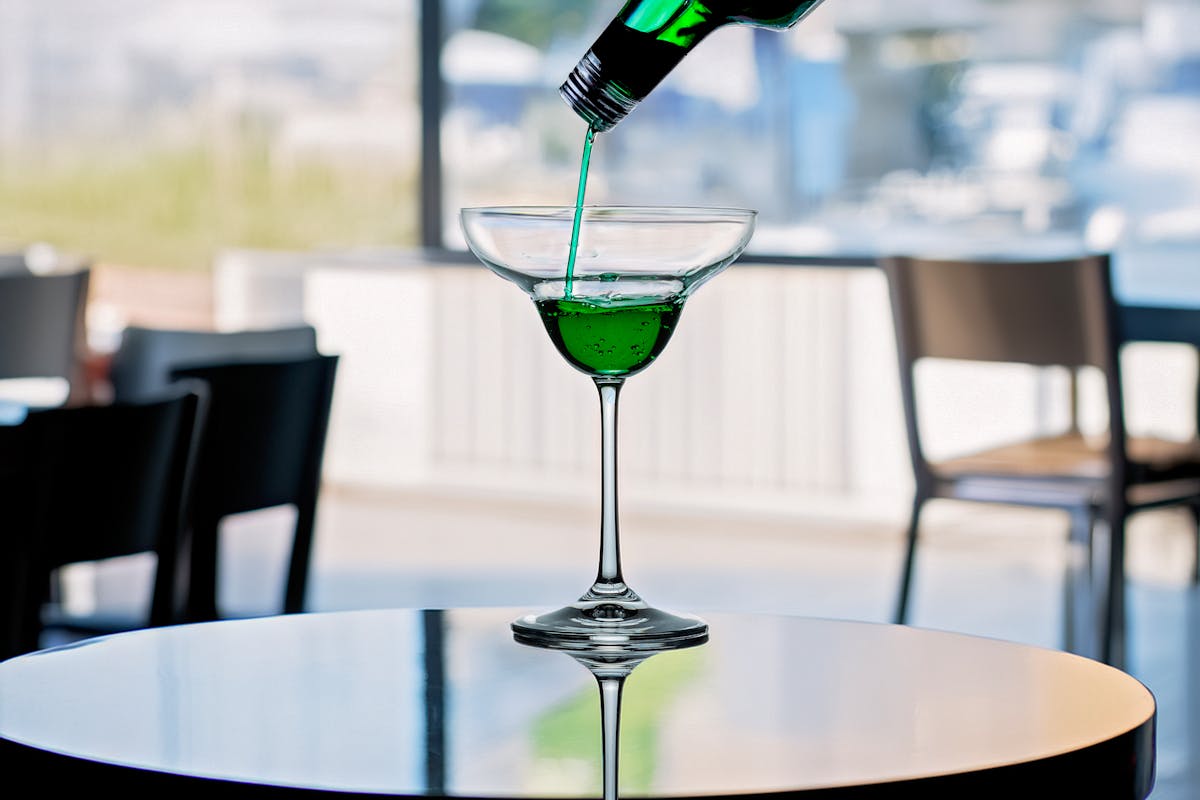
Paris’s drinking culture is genuinely unlike anywhere else in Europe. It’s not the chaotic anything-goes energy of Barcelona, the regimented pub-to-pub rhythm of London, or the all-night raves of Berlin. Paris sits in its own lane — more conversational, more wine-forward, more about the moment than the destination.
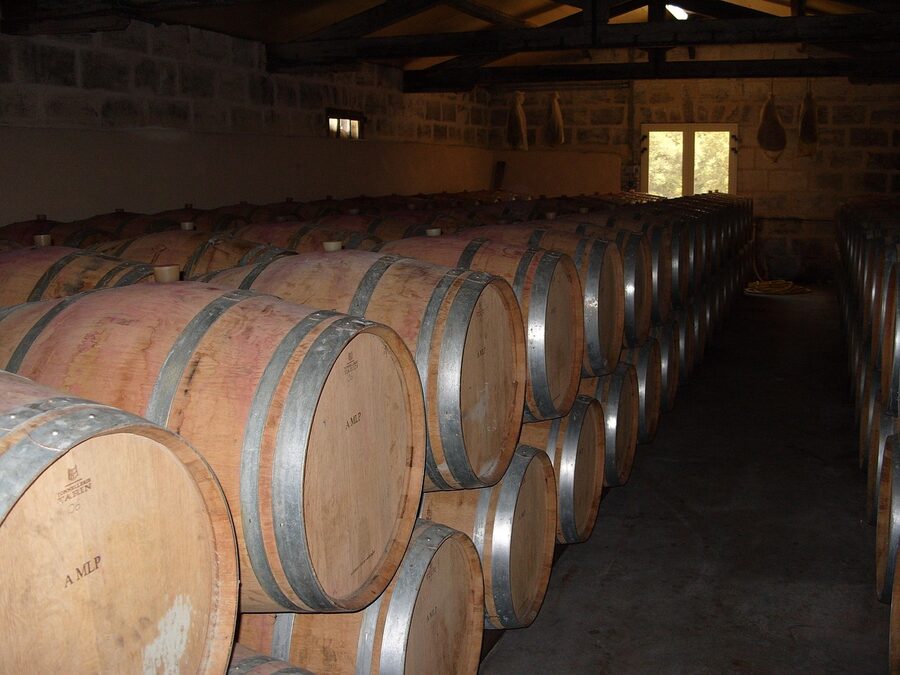
The cave a vin is the most Parisian way to drink. These tiny wine cellar bars — often literally in converted cellars — serve natural wines by the glass in standing-room-only spaces. The sommelier picks what you’re drinking based on what you tell them you like. There’s no menu, no pretension, just very good wine poured by someone who genuinely cares. The best ones are in the 10th and 11th arrondissements, and they’re packed by 8pm.
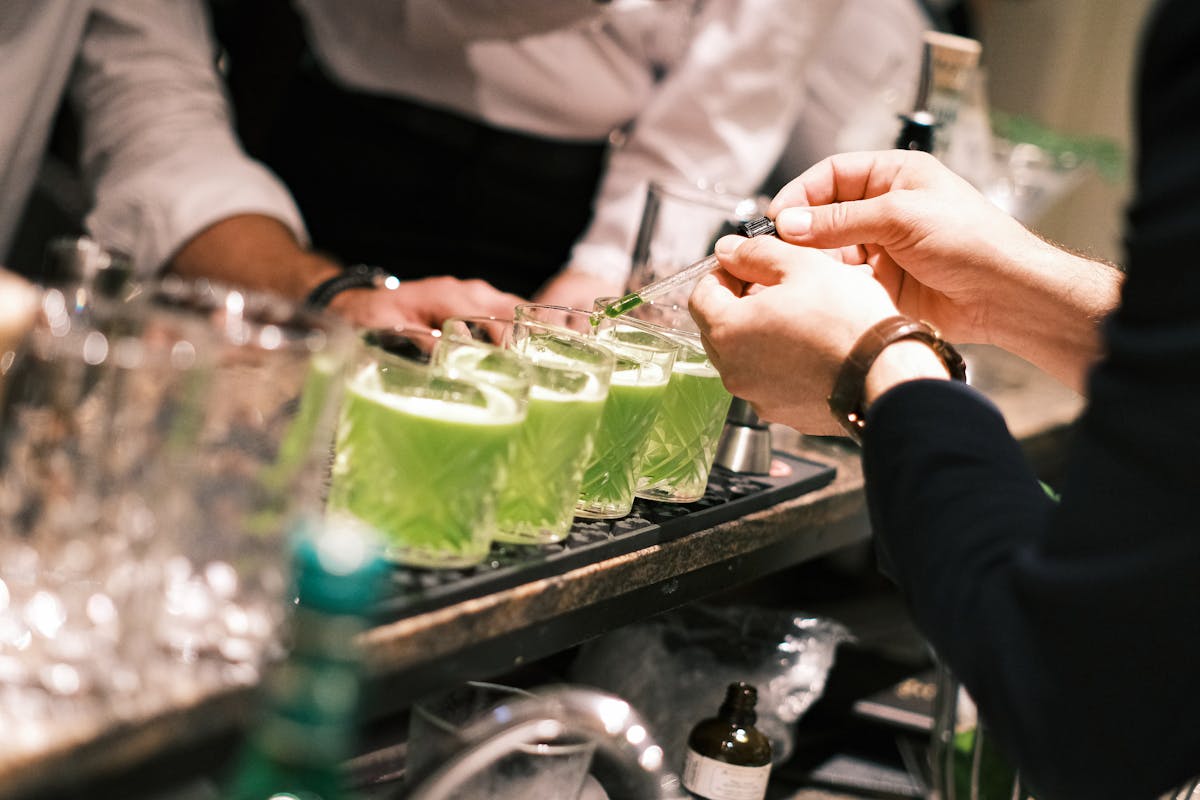
Then there’s the absinthe story. Paris’s drink of the Belle Epoque was blamed for madness and moral corruption. France banned it in 1915 — Toulouse-Lautrec, Van Gogh, Degas, and Hemingway had all been devotees. It wasn’t re-legalised until 2011, nearly a century later. Today you can find proper absinthe service (with the sugar cube and the ice-water drip) in specialist bars across Le Marais and the Latin Quarter. It’s 68-72% alcohol, so approach with respect.
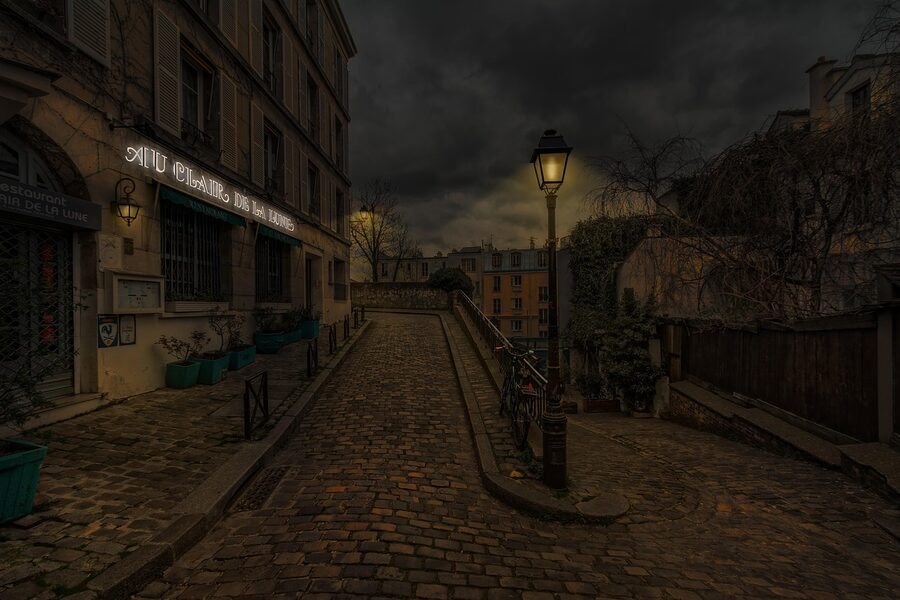
The pub crawl sits somewhere between these extremes. You’re not doing refined wine tasting, but you’re also not doing Dublin-style Guinness marathons. You’re doing Paris — a little messy, a little elegant, somehow both at the same time. The Latin Quarter bars have been serving drinks for centuries. The clubs you end up at are pumping French house music that you won’t hear anywhere else. And the walk between spots, through narrow medieval streets lit by cafe lights and the occasional Haussmann streetlamp, is unlike any other city’s pub crawl route.
Beyond the Pub Crawl — Other Paris Night Experiences
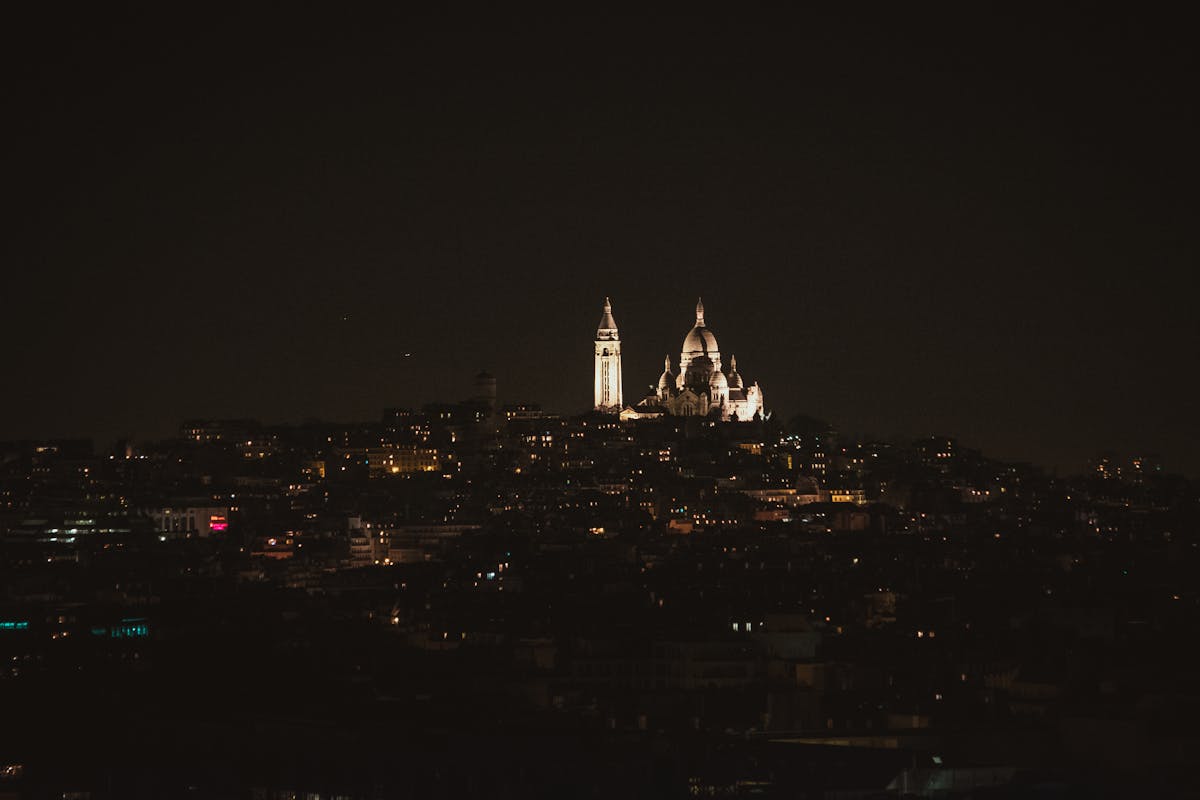
A pub crawl covers one slice of Paris after dark. If you’re spending a few nights in the city, there’s a lot more to explore once the sun goes down. A comedy show in English is one of the best ways to kick off an evening — the shows at Theatre BO and the Comedy Club start around 8pm and you’ll be out by 10pm with time for the crawl. The Crazy Horse is a different animal entirely — it’s Paris’s answer to burlesque, more art than party, and worth seeing at least once.
For something completely different, the Seine dinner cruises run from 6-10pm and pair well with a late-night pub crawl afterwards. You’ll be fed, slightly wine-drunk, and in exactly the right mood to meet strangers at a bar. And if you’re the type who’d rather eat your way through a city than drink through it, a food tour of Paris in the afternoon leaves your evenings completely open.
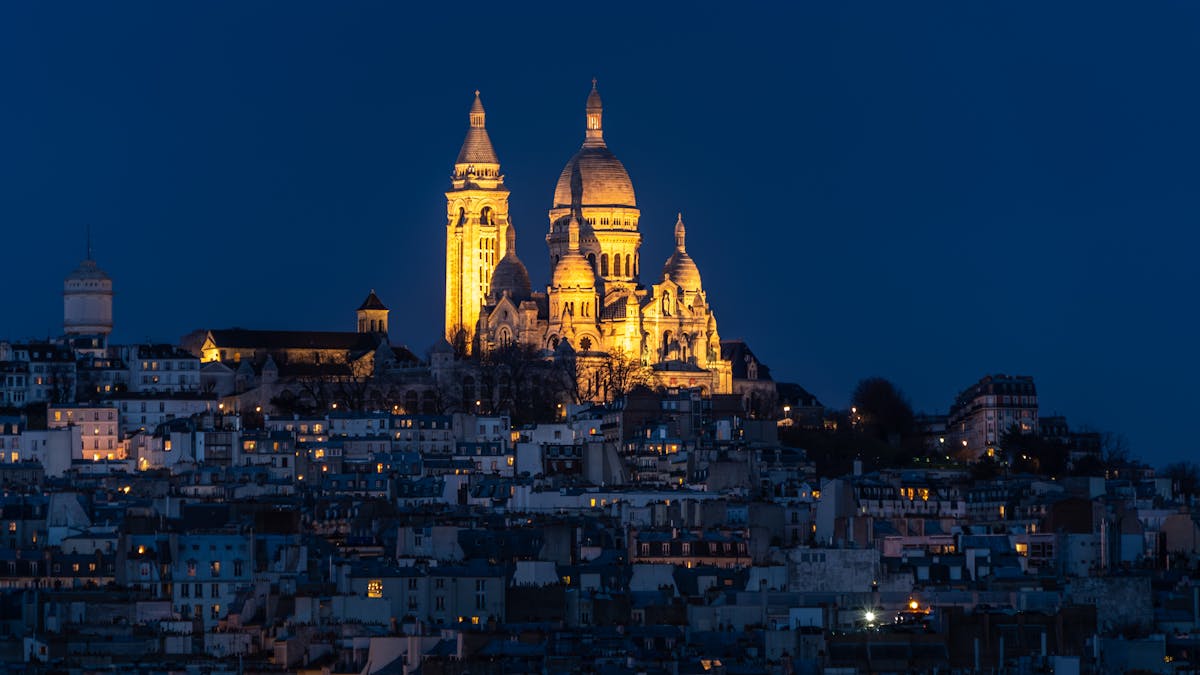
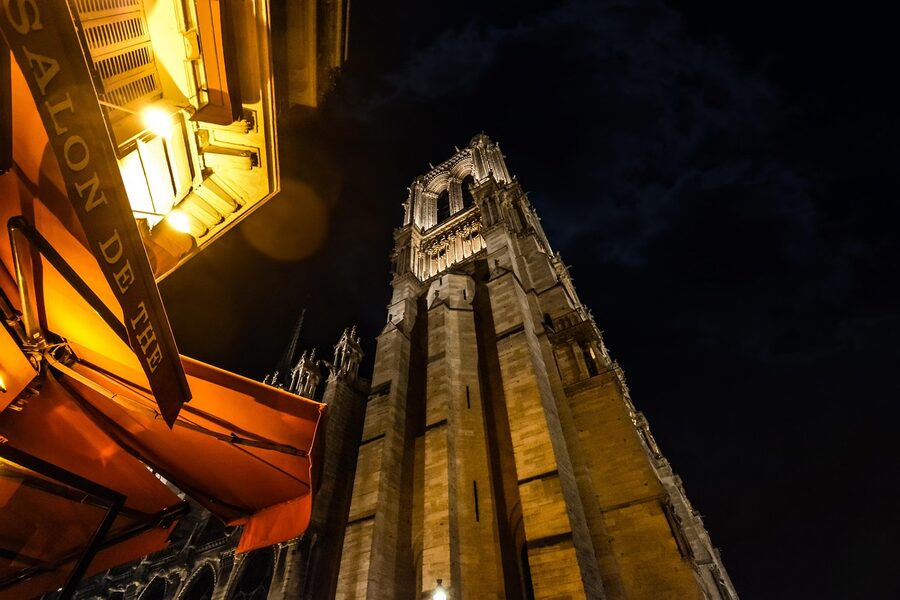
However you structure your Paris nights, the drinking culture here rewards curiosity. Skip the Champs-Elysees (overpriced, soulless), go deeper into the numbered arrondissements, and let the city surprise you. Paris has been getting people drunk for over 800 years. It’s very, very good at it.
This article contains affiliate links. If you book through our links, we earn a small commission at no extra cost to you. This helps us keep writing independent travel guides.