
By the time I had finished my second drink in a glass made of solid ice, I had stopped trying to understand the Magic Ice Bar and just started enjoying it. The first 15 minutes I spent doing the tourist thing — taking photos of every chiselled wall, asking the bartender how the ice glasses do not melt the cocktail, lifting the thermal cape on and off to find the right comfort temperature. By minute 20 the cape stays on, the camera goes away, and you are just having a drink in a sub-zero room. That is when the bar becomes worth the $34.
This guide covers how to book a Magic Ice Bar ticket in Reykjavík: what the 45-minute experience actually contains, who it works best for, when to skip it, and what to pair it with for a complete evening in the city.
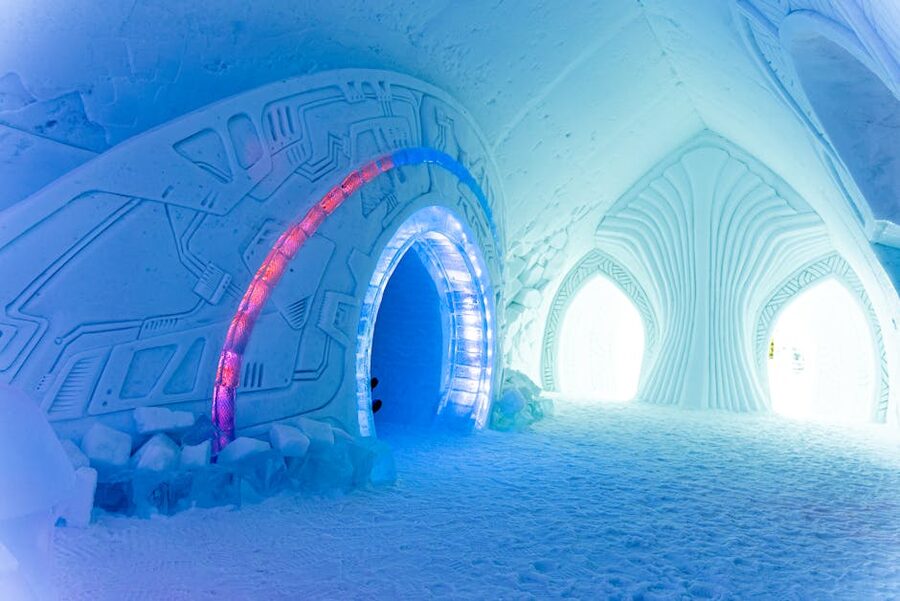
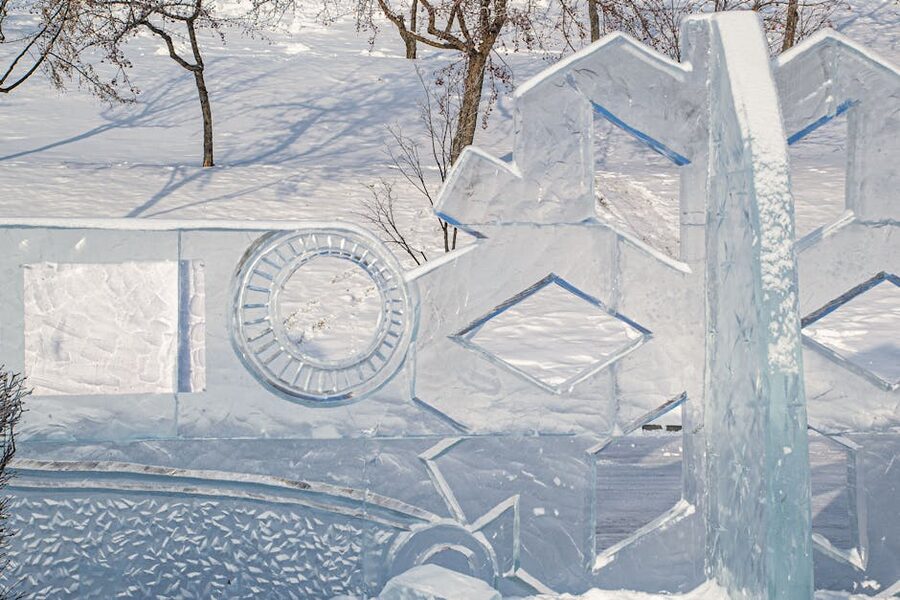
The Magic Ice Bar sits on Laugavegur — Reykjavík’s main shopping street — in a basement that has been converted into a permanently sub-zero space. Inside is a small bar, ice sculptures, ice seats, and a series of carved Viking-themed installations along the walls. The whole thing is about 200 square metres. You go in, get handed a thermal cape, get a drink in an ice glass, and stay as long as you can stand the cold. Most people last about 45 minutes. Some last 20.
In a Hurry? The Three Tickets to Choose Between
- Most reviewed pick: Magic Ice Bar Entrance + Welcome Drink — around $34, includes thermal cape and one drink.
- Pair with the Lava Show: Lava Show Entry Ticket — around $54, real molten lava 200m from the ice bar.
- Make it a triple: FlyOver Iceland Entry Ticket — around $45, the third leg of a perfect Reykjavík evening.
- In a Hurry? The Three Tickets to Choose Between
- Which Ticket to Get
- 1. Magic Ice Bar Entrance and Welcome Drink — from
- 2. Lava Show Reykjavík Entry Ticket — from
- 3. FlyOver Iceland Entry Ticket — from
- What the 45 Minutes Actually Looks Like
- The Drinks
- The Bar Gets Rebuilt Every Year
- Who the Magic Ice Bar Is Genuinely Good For
- The Fire-and-Ice Evening Plan
- The Triple-Indoor Day for Bad Weather
- Logistics and Practical Stuff
- What to Do After
- The Departure-Day Move
- One Last Thing
Which Ticket to Get
For the Magic Ice Bar itself, there is essentially one ticket — the standard $34 entrance with welcome drink. The other two recommendations below are different experiences entirely (Lava Show, FlyOver Iceland) that pair with the ice bar to make a full evening rather than a quick stop.
1. Magic Ice Bar Entrance and Welcome Drink — from $34
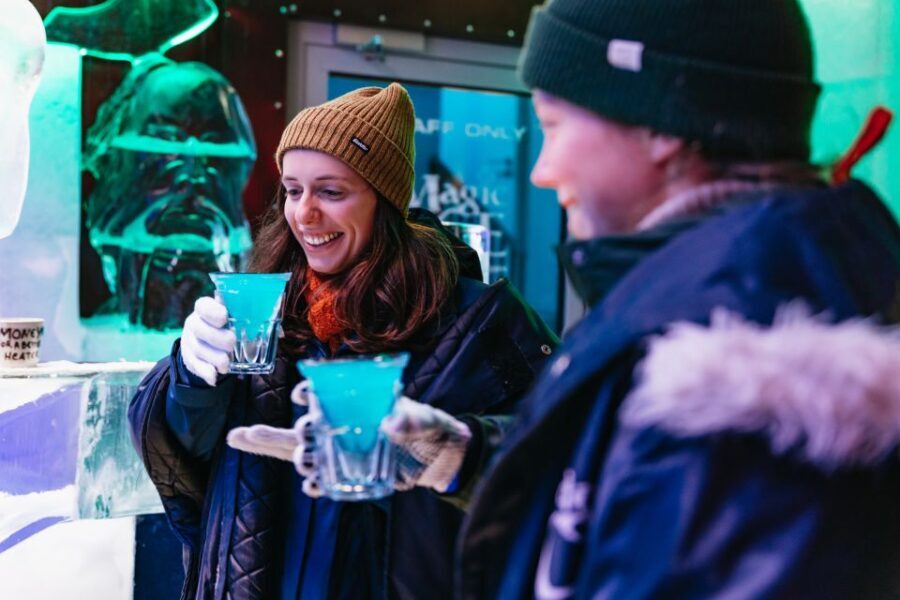
The standard ticket and the only one most people need. Includes entrance, thermal cape (mandatory loaner), and one welcome drink at the bar. You can buy additional drinks inside ($12-15 each — about double normal Reykjavík bar prices). Open from 5pm to midnight most nights. Our full review covers the actual drink options and how the cape system works.
2. Lava Show Reykjavík Entry Ticket — from $54
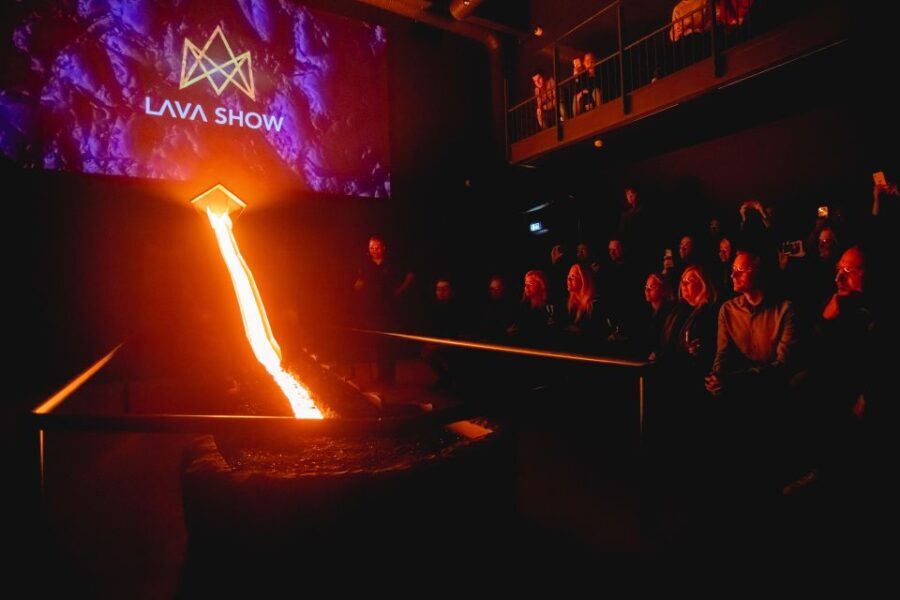
The Lava Show is a 50-minute live performance where they melt and pour real basaltic lava in front of an audience. It sits 200 metres from the Magic Ice Bar on the same street. Pairing them in one evening — Magic Ice Bar at 5pm, Lava Show at 7pm, dinner after — is the cleanest “fire and ice” itinerary in Reykjavík and the one I would book if I had one Reykjavík evening to fill. Our full review covers what the lava show actually involves and the heat you feel from your seat.
3. FlyOver Iceland Entry Ticket — from $45
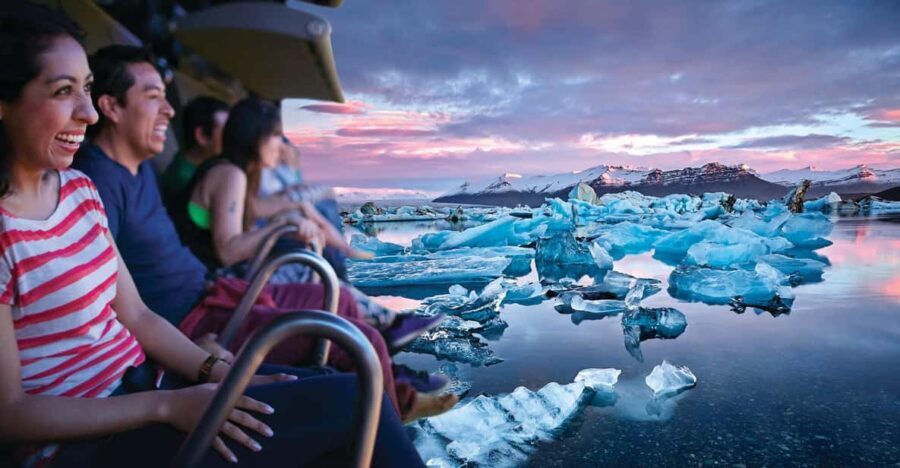
The 35-minute flight simulator at the Old Harbour. Pair with the ice bar and Lava Show for an indoor day if Reykjavík weather has collapsed. Total cost across all three is around $130, total time is about 4 hours including walking between venues. Our full review covers the FlyOver experience and how it slots into a multi-stop indoor day.
What the 45 Minutes Actually Looks Like
You arrive at street level on Laugavegur and check in at a small reception desk. They take your ticket, hand you a thermal cape (it goes over your normal jacket — bring one), give you a pair of insulated gloves if you want them, and direct you to a heavy curtained door. Through the curtain is a short corridor that drops the temperature in stages. Then a second curtain, and you are inside.
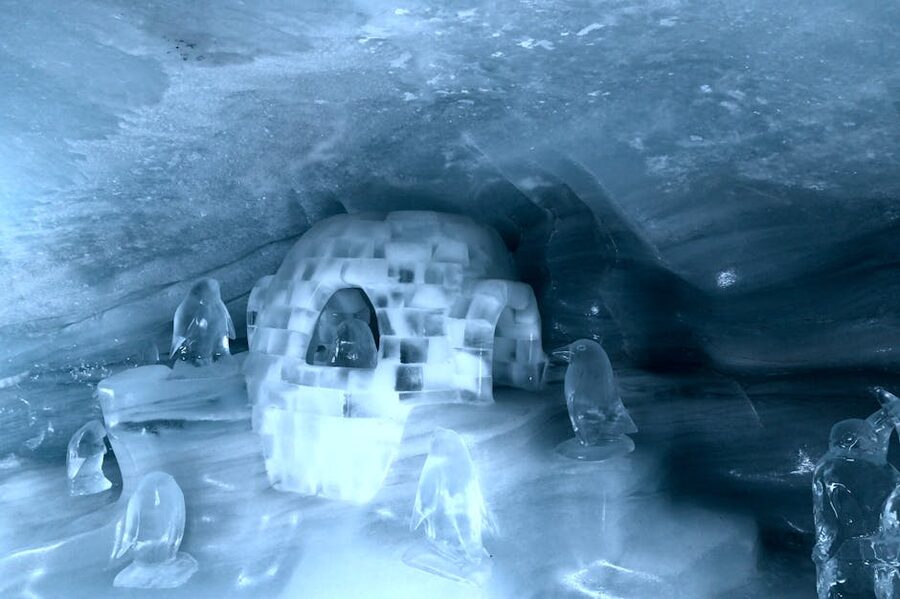
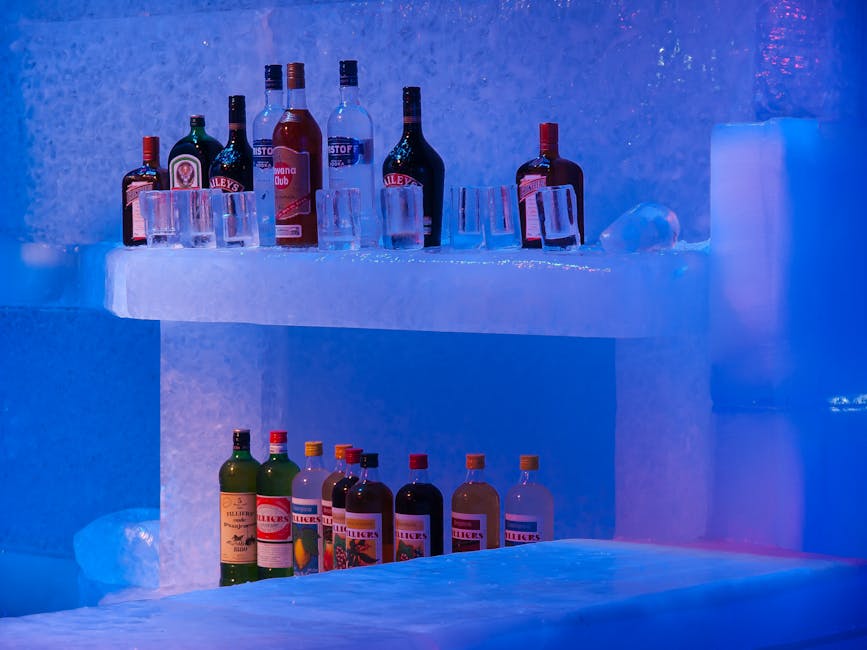
The bar is in the middle of the room with two bartenders behind it. You hand over your ticket, they pour your welcome drink into an ice glass (a tumbler-shaped block of clear ice with a hollow in the top), and you find a spot. Most people circle the room first taking photos, then settle at one of the ice-block seats around the perimeter. The seats are cold but the cape covers your bottom. They are surprisingly comfortable for short bursts.
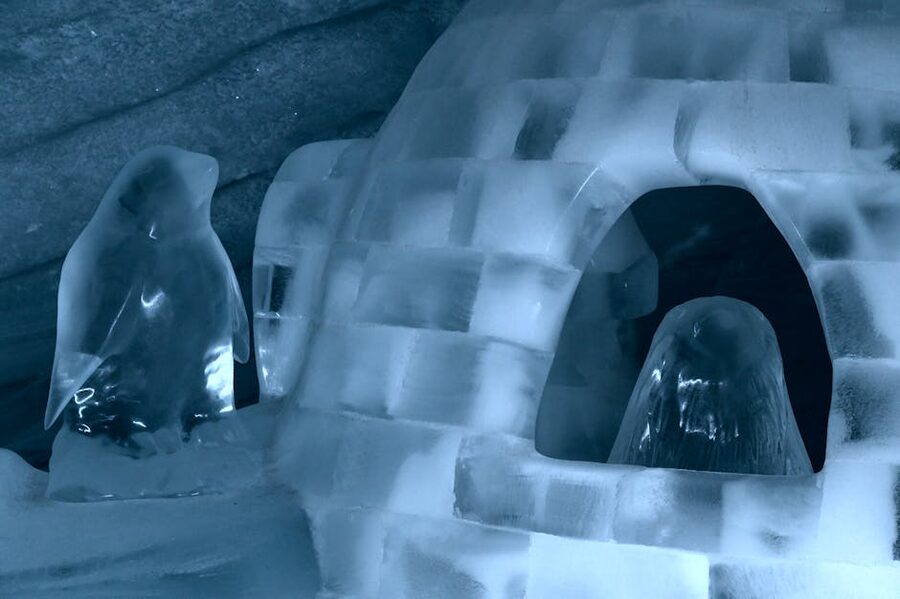
The drink in an ice glass is the genuinely strange part. The glass does not melt enough to dilute your drink in the time you would normally finish it. The condensation freezes on the outside, so the glass becomes increasingly white and frosted as you sip. When you finish, you can either leave the glass at the bar or smash it into the disposal bin (which is what most people do — the ice glasses do not get reused).
The Drinks
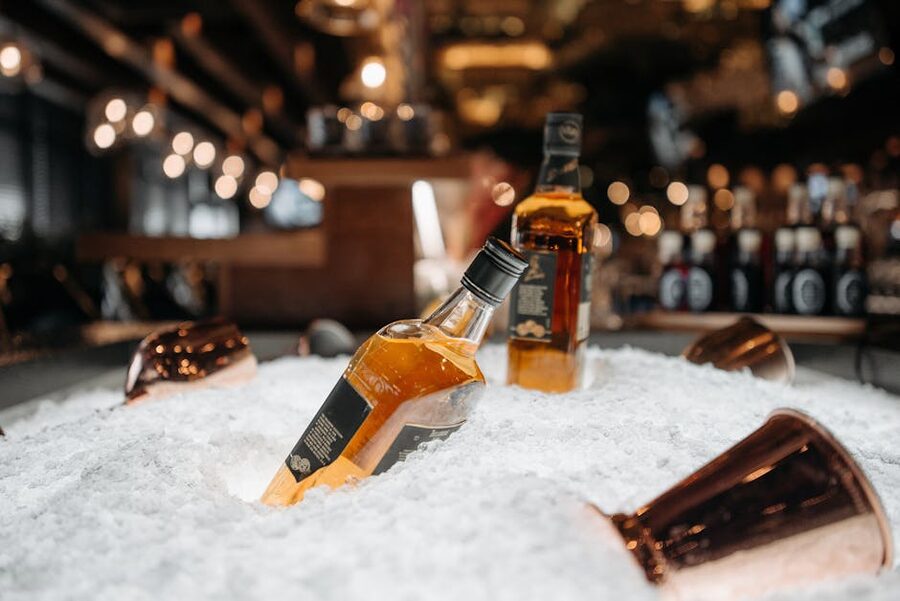
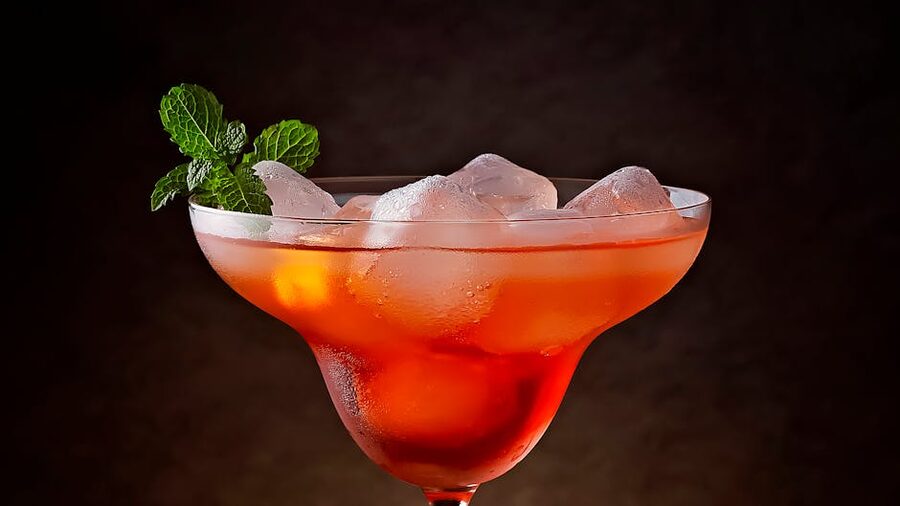
Your welcome drink choice is from a short menu — usually 4-5 cocktails plus a non-alcoholic option. Standard options include vodka cranberry, Reyka vodka on the rocks (the local Icelandic vodka, made from glacial water and barley), gin and tonic, and a passionfruit cocktail. Non-drinkers get a fresh-pressed apple-and-elderflower mocktail that is genuinely good.
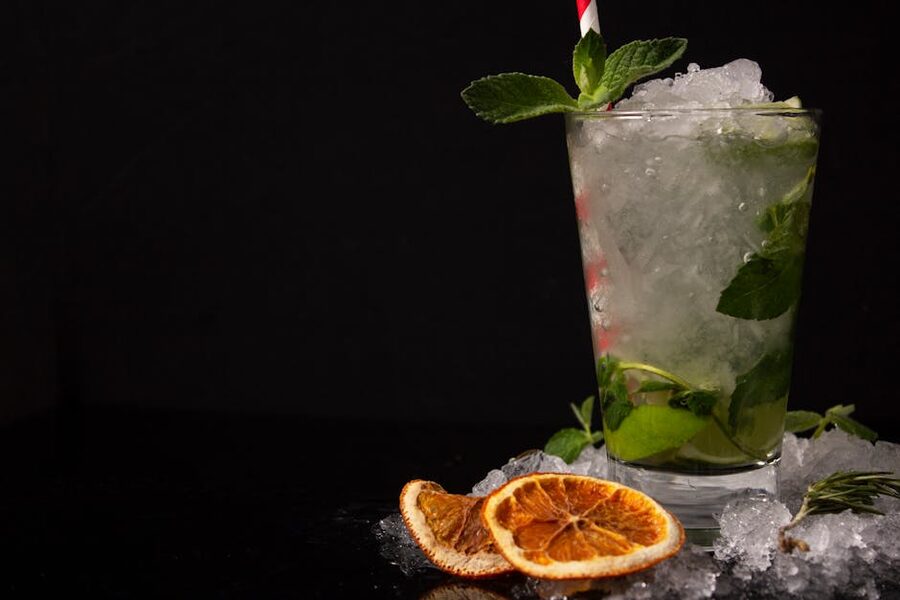
Additional drinks from the bar are $12-15 each, paid with card. The Reyka vodka and Brennivín (the local caraway-flavoured spirit, often called “Black Death”) are worth ordering for the experience even if neither is your usual drink. Most people stop at one or two — the cold makes you drink slower than you normally would, which is part of the appeal of the place.
The Bar Gets Rebuilt Every Year
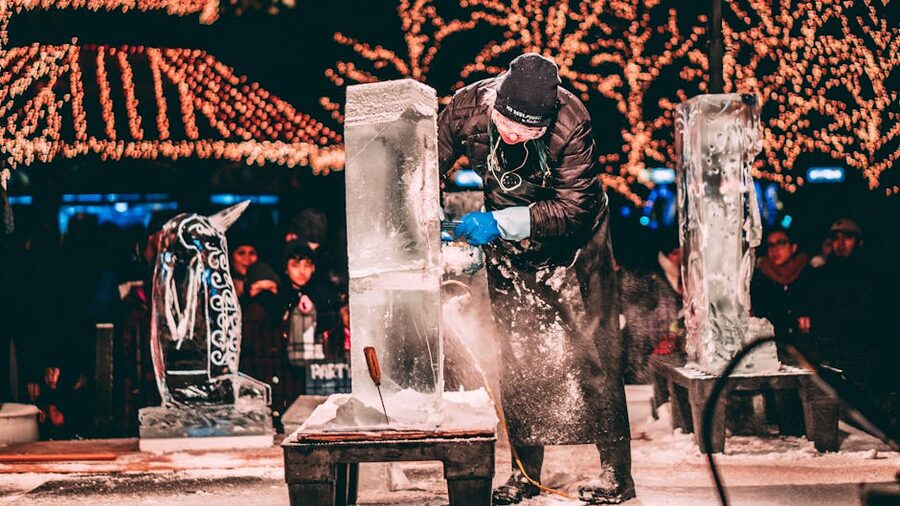
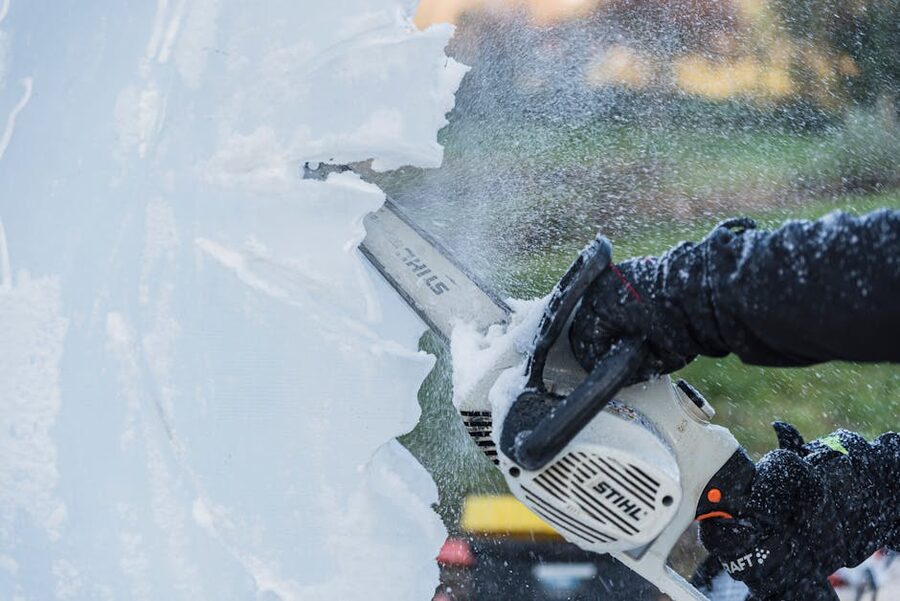
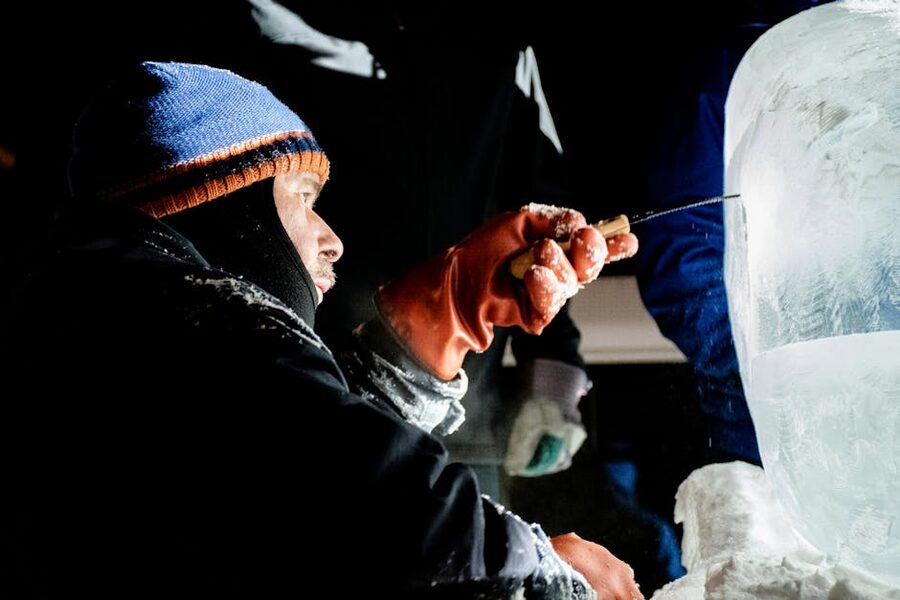
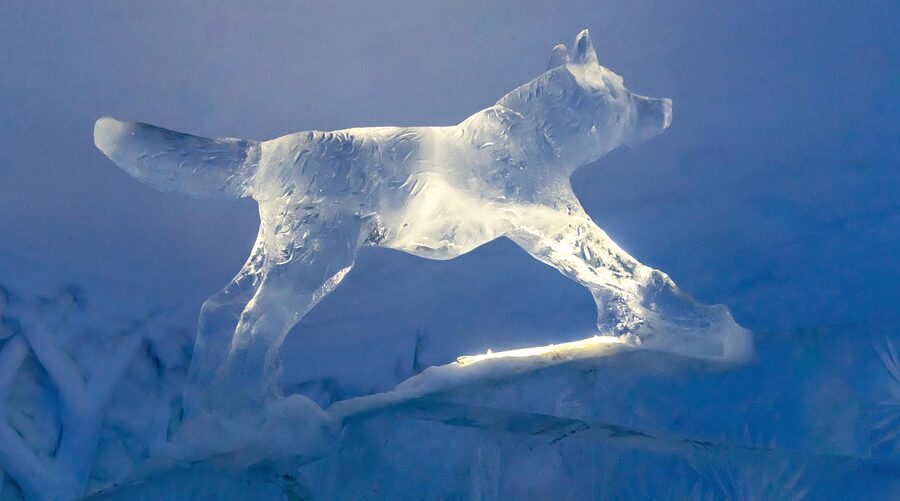
Every September the staff strip the bar down to the bare insulated room, then a small team of professional ice sculptors arrives with chainsaws, chisels, and a few thousand kilograms of clear ice trucked in from outside Reykjavík. They spend about three weeks rebuilding the bar from scratch — new walls, new sculptures, new seating, new ice glasses. The themes change year to year. Last winter was Viking-heavy; previous years have leaned more polar wildlife.
If you are visiting in October you may catch the rebuild — the bar stays closed for the three weeks but they sometimes let you peek through a window at the work in progress. The reopening is usually mid-October and is one of the better excuses to be in Reykjavík at that time of year.
Who the Magic Ice Bar Is Genuinely Good For
The bar works for specific use cases. First-time Reykjavík visitors with a free evening get the genuine novelty value. Couples on a short stay get a built-in date activity that takes 45 minutes and feels different from a regular bar. Travel groups looking for shared experiences get the kind of “we all did this together” memory that does not come from a regular dinner.
The bar is not great for: solo travellers looking for normal bar conversation (the ambient cold makes that less natural), connoisseurs looking for exceptional cocktails (the bar serves serviceable drinks, not great ones), or anyone planning to drink for hours (the cold caps your visit at about an hour).
One specific genuine recommendation: if you are doing a short Iceland trip with limited evening time, prioritise the Magic Ice Bar over a regular cocktail bar. The price difference is small, the experience is more memorable, and you still get to drink. If you are doing a longer trip with multiple evenings free, hit the Magic Ice Bar once and use the other nights for proper Reykjavík bars (KEX, Loftið, Kaldi).
The Fire-and-Ice Evening Plan
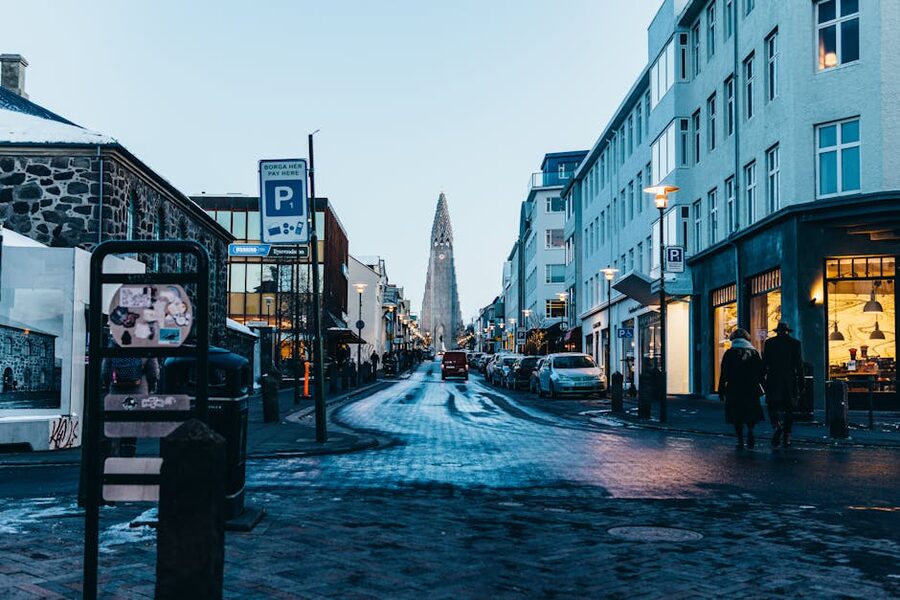
If you have an evening to fill, the cleanest pairing is Magic Ice Bar plus the Lava Show. They sit 200 metres apart on Laugavegur. The contrast is the obvious draw — sub-zero ice room, then a small theatre where they pour molten basalt in front of you. Total cost around $90 per person, total time about 2.5 hours including the walk between, the cape on/off, and the Lava Show pre-talk.
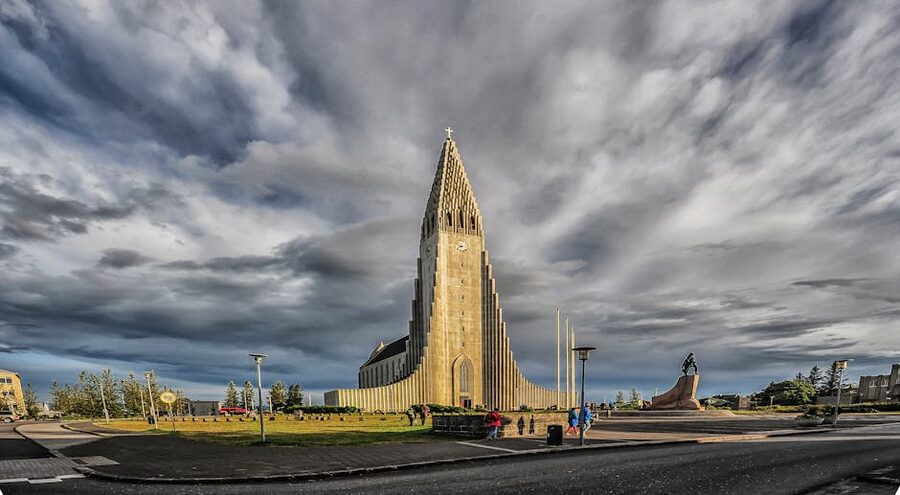
For dinner after, walk five minutes up Skólavörðustígur (the street that climbs up to Hallgrímskirkja). The street has Reykjavík’s best concentration of small restaurants — Messinn for fish, Rok for tapas, Sandholt for a bakery counter dinner. None of them book out as quickly as Laugavegur restaurants.
The Triple-Indoor Day for Bad Weather
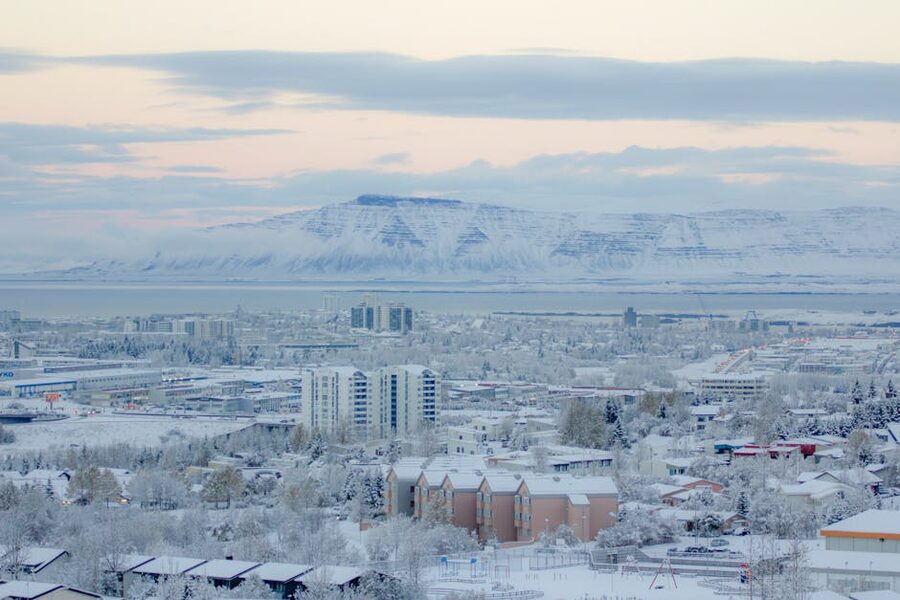
If your weather has collapsed and you need a full day of indoor activities, here is the route. Start with FlyOver Iceland at 11am for the simulator (35 minutes). Walk back into the city centre and have lunch. Lava Show at 3pm for real molten lava (50 minutes). Magic Ice Bar at 5pm for the cold counterpoint (45 minutes). Then dinner. Total cost around $130 across all three, total time about 7 hours including walking and meals. The flow is intentional: simulator first when you are most alert, real lava in the late afternoon, ice bar as the cool-down.
Logistics and Practical Stuff
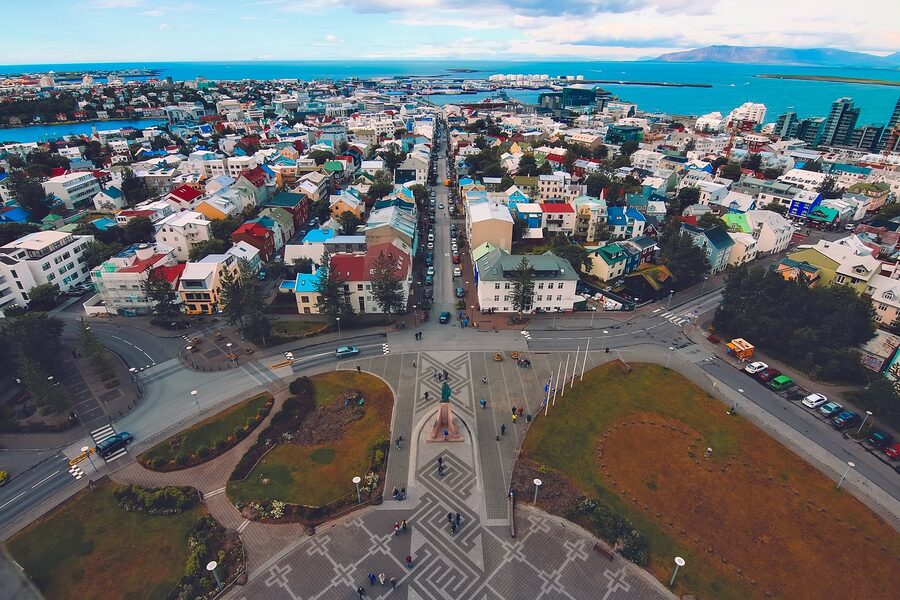
Address: Magic Ice Bar, Laugavegur 26 (the main shopping street, easy walk from any central Reykjavík hotel). Open daily 5pm to midnight in peak season; reduced hours October-November during the rebuild. Last entry is 11pm.
Bookings: book online a few hours before you go to lock in your time slot. They take walk-ins but on busy summer evenings they sometimes hit capacity. The ticket includes the cape, the welcome drink, and unlimited time inside (until last orders).
What to wear: your normal winter outerwear under the cape. Skip shorts. Wear closed shoes. Bring gloves if you have them (the loaner gloves are basic). The temperature inside stays at -6 to -10°C — cold but bearable for the typical 45-minute visit.
What to Do After
The Magic Ice Bar finishes most visits with everyone needing a warm drink. The natural next stop is one of the Skólavörðustígur cafés (Reykjavík Roasters is half a block away) or one of the proper bars on Laugavegur (Kaldi Bar is 100 metres up the same street and serves the local craft beers).
If you are still on a sightseeing kick, the walking tour of Reykjavík sometimes does an evening run that starts near the Magic Ice Bar at 8pm. If you came on a winter night with northern lights potential, the northern lights bus picks up around 9pm and takes you outside the city for a chance at the lights.
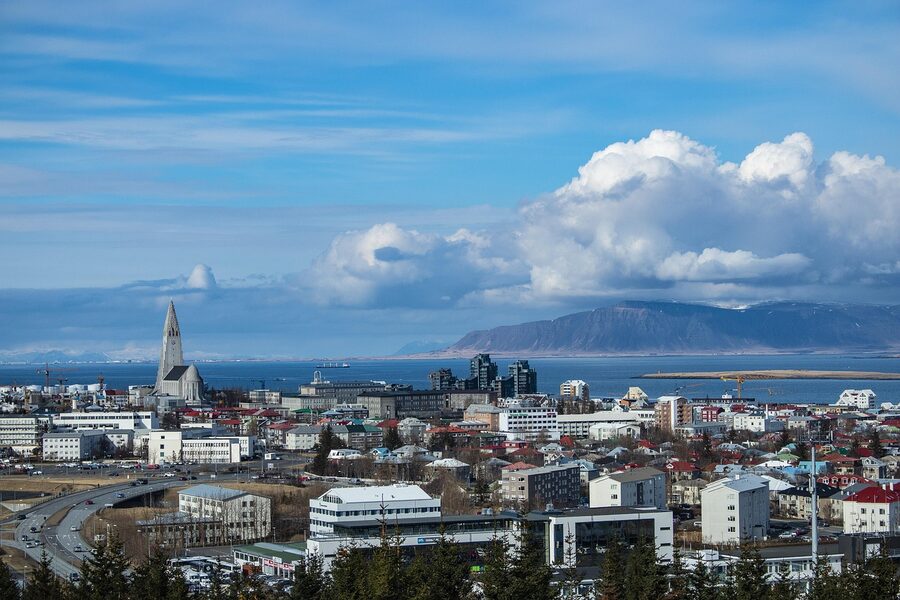
For other day-tour pairings around the Magic Ice Bar: do the Jökulsárlón day trip on a brutal 14-hour Tuesday and use the Magic Ice Bar as your light Wednesday evening before flying home. Or do the Magic Ice Bar early in your trip as your first orientation to “Iceland indoor culture” before you head out for the bigger excursions like the Snæfellsnes Peninsula or the Katla ice cave.
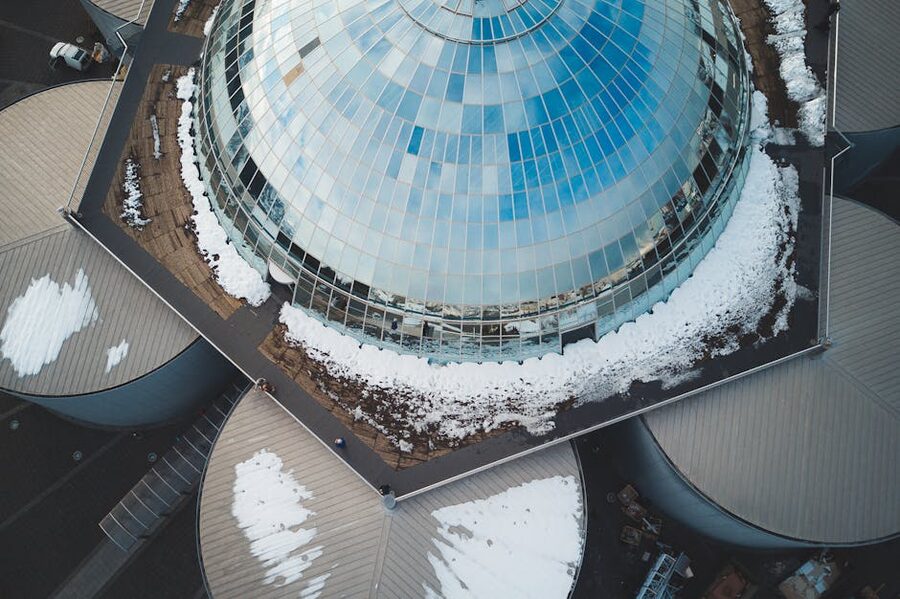
And if you came to the Magic Ice Bar after a day of Reykjavík whale watching or a big south coast tour, the bar is the perfect “I do not want to do anything strenuous” cap — sit, drink, photograph, leave. You earn the warm bath that follows.
The Departure-Day Move
One specific use case where the Magic Ice Bar earns its $34 every time: the evening before an early-morning departure. You have spent the day on a final big excursion, you are slightly emptied out, you do not want a heavy dinner or a late drinking night, and you have a 6am flight from Keflavík hanging over you. The Magic Ice Bar’s 45-minute format is exactly what fits in here — a quick novelty experience, one drink, a few photographs to look back on, then back to the hotel by 9pm to pack and sleep. I have done this twice on departure evenings and recommend it to anyone in the same spot.
One Last Thing
The Magic Ice Bar is one of those Reykjavík experiences where the actual product is shorter than the build-up. You go in with expectations of “wow, this will be amazing.” You leave saying “yeah, that was good,” with about ten photographs and a slight chill. That is fine — that is exactly the experience you booked. It is not the highlight of an Iceland trip, but it is one of the easier 45 minutes you will spend in Reykjavík, and if you have a free evening before an early flight or after a big day, the Magic Ice Bar is a low-friction way to make sure you do not just sit in the hotel bar drinking a $14 beer that someone else made.
This article contains affiliate links. If you book through our links, we may earn a small commission at no extra cost to you. This helps us keep producing detailed travel guides.