
ABBA sold somewhere around 400 million records. Four hundred million. And the museum dedicated to them sits on an island in Stockholm that most travelers walk past on their way to Skansen or the Vasa.
I almost made the same mistake. I’d booked an archipelago cruise and a walking tour of Gamla Stan, and the ABBA museum was an afterthought — something to squeeze in if I had a spare hour. Three and a half hours later, I was still inside, belting “Dancing Queen” in a replica recording studio with zero shame and a crowd of strangers who were doing exactly the same thing.
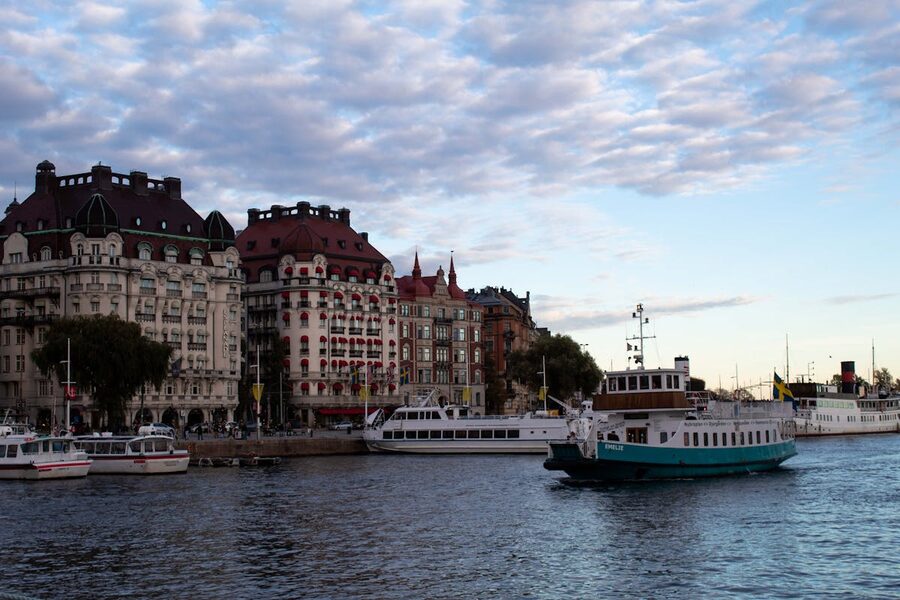
The museum isn’t just a collection of costumes behind glass. It’s weirdly interactive — you can sing, dance, mix music, try on holographic outfits, and temporarily become the fifth member of ABBA. But getting tickets right requires a bit of planning, especially in summer when half of northern Europe decides to visit Djurgarden on the same Tuesday.
Here’s everything you need to know about tickets, timing, tours, and how to avoid the crowds that pile up around 11 AM like clockwork.
Short on time? Here are my top picks:
Best overall: ABBA The Museum Entrance Ticket — $28. Standard entry, 2+ hours of interactive exhibits, and you pick your own time slot.
Best premium experience: ABBA Museum Fast-Track + Pop Culture Walking Tour — $356. Skip the line, guided tour of Gamla Stan’s music history, and a ferry ride to Djurgarden. Serious splurge, but covers a full half-day.
Best combo option: Stockholm Pass — $95. Includes ABBA Museum, Vasa Museum, boat tours, and 50+ attractions. Worth it if you’re staying 2-3 days.
- How the ABBA Museum Ticket System Works
- Official Tickets vs Guided Tours — Which Makes More Sense?
- The Best ABBA Museum Tours to Book
- 1. ABBA The Museum Entrance Ticket —
- 2. ABBA Museum Fast-Track + Stockholm Pop Culture Tour — 6
- The Swedish Music Wonder — Why This Museum Exists at All
- When to Visit the ABBA Museum
- How to Get to the ABBA Museum
- Tips That Will Save You Time and Money
- What You’ll Actually See Inside
- ABBA Museum FAQ
- Combine Your Visit — What Else Is on Djurgarden
- Planning the Rest of Your Stockholm Trip
How the ABBA Museum Ticket System Works
Tickets are sold through the official ABBA Museum website (abbathemuseum.com) and through third-party platforms like GetYourGuide and Viator. The official site uses timed entry slots, which means you pick a specific half-hour window when you’ll enter. Once inside, you can stay as long as you want.
Standard adult ticket: 395 SEK (roughly $37 / EUR 34). Children aged 7-15 pay 165 SEK. Kids under 7 get in free. There’s a student discount at 295 SEK if you’ve got valid student ID.
The museum opens at 10:00 AM every day, and closing time varies by season — usually 6 PM in winter, 8 PM in summer. Wednesday evenings sometimes run later.
A few things to know about the official booking system:
- Tickets are released on a rolling basis, usually 30-60 days in advance
- Summer slots (June through August) sell out fast, especially midday
- You get a timed entry but there’s no time limit once you’re inside
- Tickets are non-refundable but can be rescheduled up to 24 hours in advance
- There’s also a combo ticket with the Avicii Experience next door for about 575 SEK
Pro tip: Book for 10 AM or after 3 PM. The 11 AM to 2 PM window is chaos — school groups, cruise ship passengers, and every family in Stockholm converges at once. Late afternoon is when the museum thins out and you can actually spend time at the interactive stations without waiting.
Official Tickets vs Guided Tours — Which Makes More Sense?
This depends entirely on what kind of ABBA fan you are.
Official tickets are the cheapest option at $28-37 depending on where you buy them. You get full access to everything — all the interactive exhibits, the recording studio, the costumes, the hologram stage. The museum is well-labeled and self-guided, so you don’t strictly need someone explaining things. Most visitors spend 2-3 hours inside, though I’ve heard of people staying four.
Guided tours add context you won’t get from the museum labels. The pop culture walking tour, for instance, starts in Gamla Stan where you’ll learn about Sweden’s outsized influence on global pop music — not just ABBA, but Max Martin (the guy behind basically every hit since “…Baby One More Time”), Avicii, Robyn, and the whole Cheiron Studios phenomenon. Then you ferry over to Djurgarden and skip the queue at the museum.
The trade-off: the walking tour is expensive ($356 for two people), and it locks you into a group schedule. If you’re the kind of person who wants to spend 45 minutes at the karaoke booth, a guided tour will rush you.
My recommendation: Buy the standard ticket and do the museum at your own pace. Spend the money you saved on an archipelago cruise instead — that’s the Stockholm experience that stays with you.
The Best ABBA Museum Tours to Book
There are really only two tour options for the ABBA Museum, which actually makes the decision easier than most Stockholm attractions. No paradox of choice here.
1. ABBA The Museum Entrance Ticket — $28
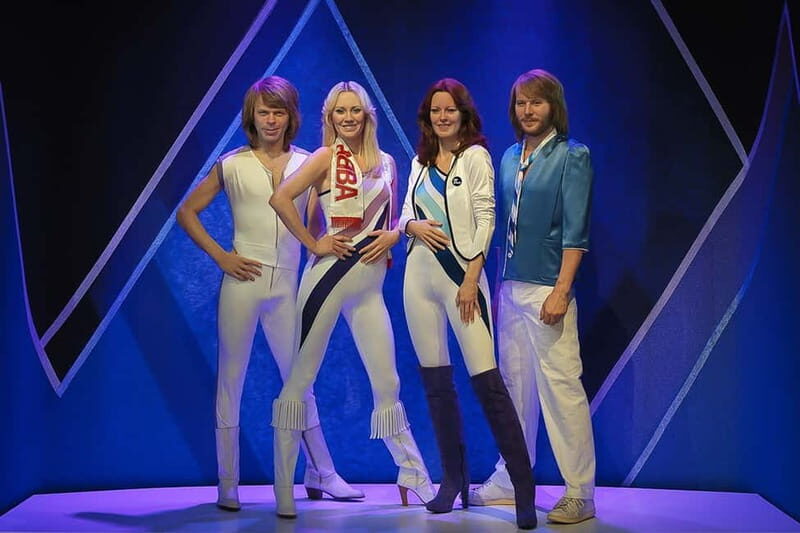
This is the one most people should book, and it’s the one that over eleven thousand visitors have rated at 4.7 stars. At $28 per person for roughly 2 hours of genuinely interactive entertainment, it’s one of the better-value museum tickets in Scandinavia.
What makes it special is that you’re not just looking at things behind glass. You record vocals in a studio, dance on a stage with ABBA holograms, try on digital versions of their iconic costumes, and walk through the full timeline from their formation in 1972 through Eurovision, world domination, and the eventual split. The “fifth member” experience — where you actually perform alongside the band — is the highlight that everyone talks about afterward.
One thing to note: the ticket through GetYourGuide is about $9 cheaper than booking directly on the museum’s website, which prices in SEK at 395. Same entry, same experience, just a better exchange rate deal. And you get free cancellation up to 24 hours before, which the official site doesn’t offer.
2. ABBA Museum Fast-Track + Stockholm Pop Culture Tour — $356

This is the premium option and frankly, it’s a lot of money — $356 per person for a 3-hour experience that combines a guided walking tour of Stockholm’s pop music landmarks with fast-track entry to the museum. You start in Gamla Stan, learn about Sweden’s music industry (which is genuinely fascinating — this country of 10 million people produces more pop hits per capita than anywhere else on earth), then take a ferry across to Djurgarden.
The guide adds real depth about Cheiron Studios, Max Martin’s hitmaking factory, and why Stockholm became the pop music capital of the world. You’ll also hear about the darker side — Avicii’s story, the pressure cooker of the Swedish music industry, the tension between art and commerce that defined ABBA’s later years.
But here’s the honest take: the guided museum portion actually limits your time inside. You get about 90 minutes, which isn’t enough for the interactive bits. If I were spending $356, I’d want to linger at the karaoke booth, not rush through it. This tour works best for people who want the music history context more than the hands-on museum experience.
The Swedish Music Wonder — Why This Museum Exists at All
You can’t really understand the ABBA Museum without understanding why Sweden produces so much globally successful music. It’s one of those facts that sounds made up: Sweden, a country smaller than Michigan, is the third-largest exporter of music in the world, behind only the US and the UK.
ABBA started it. When they won Eurovision in 1974 with “Waterloo,” it wasn’t just a pop victory — it proved that a non-English-speaking country could dominate the English-language charts. They went on to sell those 400 million records, making them one of the five best-selling music acts of all time, right alongside The Beatles and Elvis.
But the ripple effects are what the museum really captures. After ABBA proved the model, Stockholm became a magnet for music producers and songwriters. Denniz Pop founded Cheiron Studios in 1992, which became the most successful pop hit factory in history. His protege Max Martin went on to write or produce 25 number-one Billboard hits — more than anyone except Lennon and McCartney. “…Baby One More Time,” “I Want It That Way,” “Shake It Off,” “Blinding Lights” — all Stockholm products.
Then came Spotify, founded in Stockholm in 2006, which changed how the entire world listens to music. Robyn reinvented pop for the streaming age. Avicii redefined EDM. Swedish House Mafia filled stadiums. And it all traces back, in some way, to four people in ridiculous costumes winning a song contest in Brighton.
The museum covers this whole arc. There’s an entire floor dedicated to the Swedish music miracle, and it’s the part most visitors don’t expect to find compelling. They come for “Dancing Queen” and leave understanding why a mid-sized Nordic country shaped the sound of the 21st century.
When to Visit the ABBA Museum

Timing matters more than you’d think for a museum visit.
Best months: September through November, and March through May. The museum is open year-round but the summer crowds (June-August) are genuinely unpleasant. I visited in early October and had entire rooms to myself for minutes at a time. In July, you’ll be sharing the karaoke booth with eight other people.
Best day of the week: Tuesday through Thursday. Weekends draw local families. Monday is catch-up day for travelers who couldn’t get weekend slots.
Best time of day: First thing at 10 AM or after 3 PM. The post-lunch crowd (11:30 AM to 2:30 PM) is the worst, especially when cruise ships are docked. Late afternoon means softer light in the exhibit halls and shorter waits at the interactive stations.
How long to spend: Plan for 2-3 hours minimum. Rushing through in under an hour means you’re skipping the best parts — the recording studio, the silent disco, and the hologram performance. Some people stay 4+ hours, which is entirely reasonable.
Seasonal hours: The museum adjusts its closing time seasonally. Winter months (roughly November-March) typically close at 6 PM. Summer months extend to 7 or 8 PM. Always check the website before you go — they occasionally close early for private events.

How to Get to the ABBA Museum
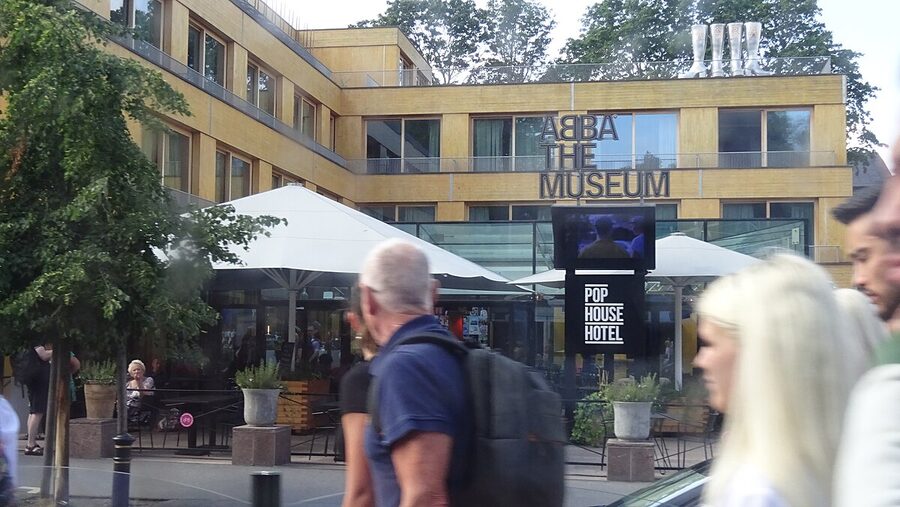
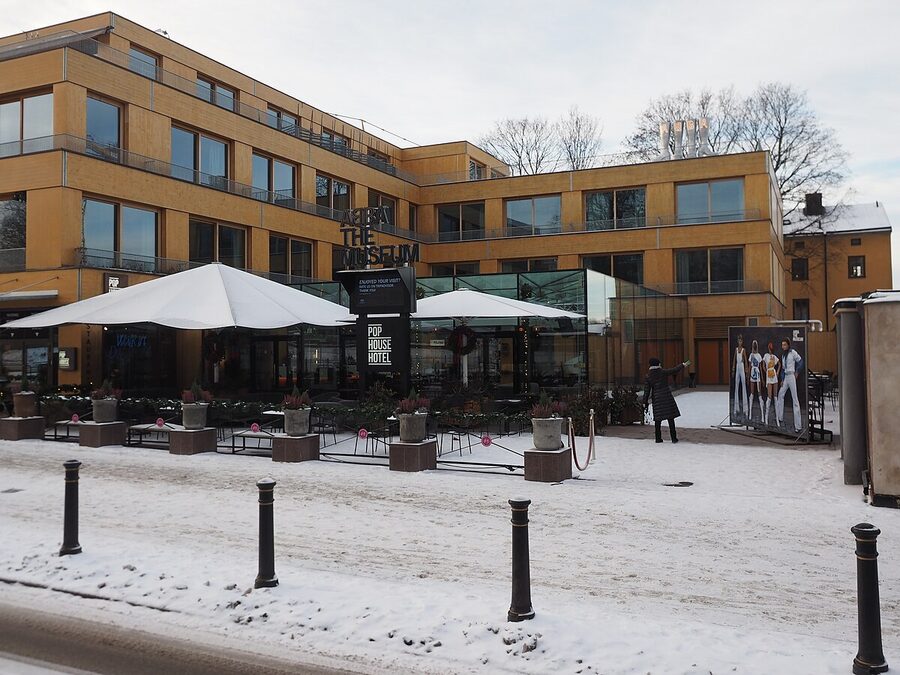
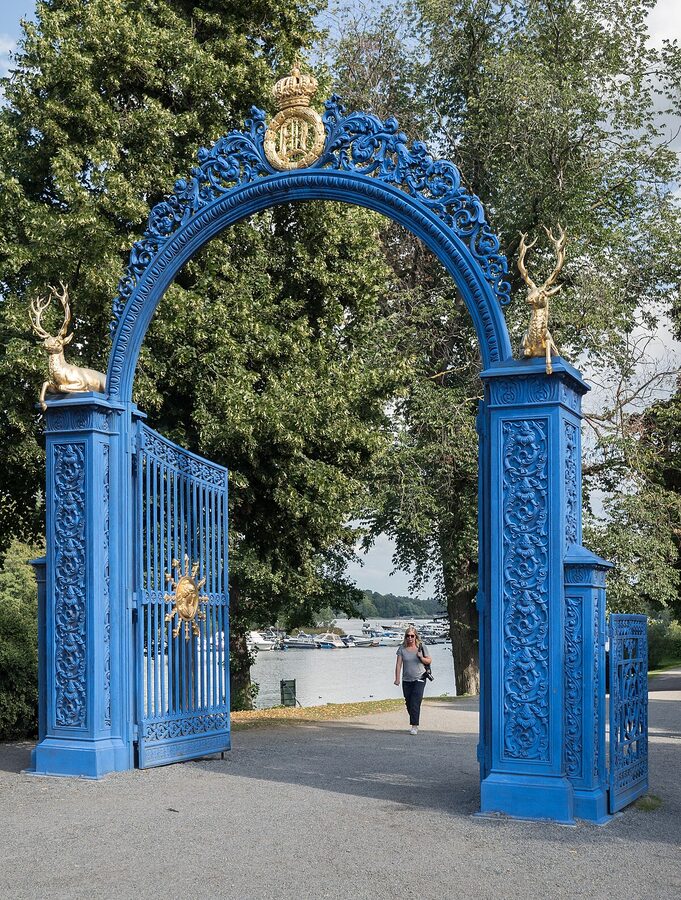
The museum sits on Djurgarden, an island just east of central Stockholm. It’s at Djurgardsvagen 68, next to the Grona Lund amusement park and within walking distance of both Skansen and the Vasa Museum.
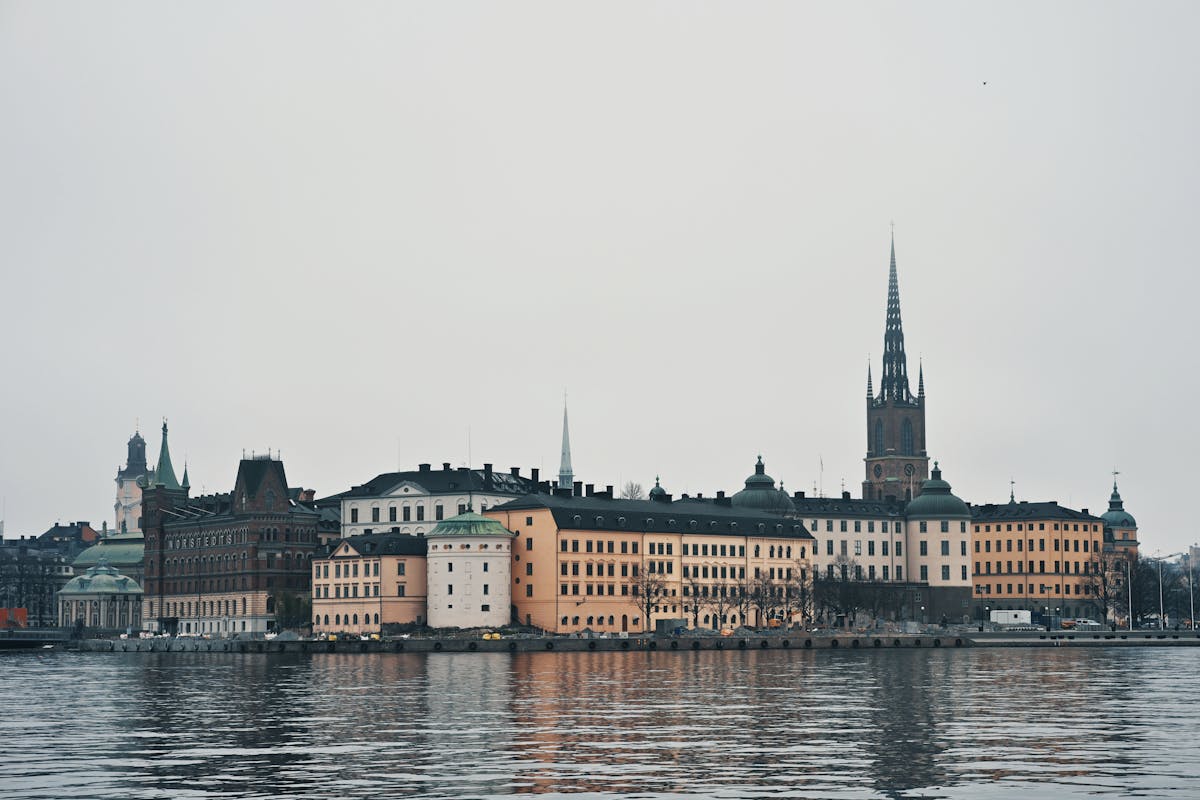
By ferry (recommended): Take the Djurgarden ferry from Slussen or Nybroplan. It runs every 10-15 minutes and costs about 55 SEK one way (free with SL travel card). The ride takes 10 minutes and gives you a gorgeous approach to the island. This is the best way to arrive — you’ll see the museum from the water before you dock.

By tram: Tram 7 runs from Kungstradgarden to Djurgarden. The stop is called “Liljevaljchs/Grona Lund” and it’s a 3-minute walk to the museum from there.
Walking: From Strandvagen in Ostermalm, it’s about a 15-minute walk across the Djurgardsbron bridge. A nice walk in good weather, miserable in rain.
By bus: Bus 67 from Karlaplan metro station stops near the museum. Takes about 10 minutes.
Don’t drive. Parking on Djurgarden is limited and expensive (around 60 SEK/hour). The island is small enough that a car is more hassle than it’s worth.
Tips That Will Save You Time and Money

Book through GetYourGuide, not the official site. The GYG price ($28) is consistently cheaper than the museum’s direct pricing (395 SEK / ~$37). Same ticket, same entry, but with free cancellation added. The museum doesn’t discount its own tickets.
Combine with the Vasa Museum. It’s a 10-minute walk from ABBA to the Vasa Museum, which houses a 17th-century warship that sank on its maiden voyage. Two of Stockholm’s best museums in a single morning. Get to the Vasa when it opens at 10 AM (shorter queues), then walk to ABBA for an early afternoon slot.
The Avicii Experience is next door. Literally sharing the same building. If you’re interested in Swedish music beyond ABBA, the combo ticket (575 SEK at the museum, or buy separately through GYG) is worth it. Budget 45-60 minutes for Avicii on top of your ABBA time.
Wear comfortable shoes. This sounds obvious, but the museum is bigger than it looks and you’ll be standing, dancing, and walking for 2-3 hours. The interactive stations don’t have chairs.
Bring headphones if you’re noise-sensitive. Some stations (the silent disco, the recording studio) have built-in audio, but the general exhibit space can get loud when groups are singing simultaneously.
The gift shop is actually good. Unlike most museum shops that sell overpriced magnets, the ABBA store has legitimately interesting music memorabilia, original vinyl pressings, and Swedish design items. Budget 15-20 minutes if you’re a music fan.

What You’ll Actually See Inside

The museum is spread across multiple floors, and it’s organized roughly chronologically — from ABBA’s pre-fame years through their breakthrough, global success, split, and eventual reunion for the “Voyage” virtual concert.
The Ring Ring Room: Early ABBA, before they were ABBA. This covers the separate careers of Agnetha, Bjorn, Benny, and Frida, how they paired up, and those first tentative recordings in the early 1970s.
The Waterloo Gallery: Eurovision 1974 and the explosion that followed. Original costumes from the Brighton performance, the actual trophy, and footage of the moment they won. The museum does a good job of conveying just how unexpected this was — a Swedish group singing in English at a contest dominated by France and the UK.
The Recording Studio: A recreation of Polar Studios, where ABBA recorded most of their hits. You can actually use the mixing desk and recording equipment. It’s properly set up — not a toy version. Musicians will appreciate the attention to detail.

The Costumes: All four members’ original stage outfits are displayed throughout, including the famously outrageous 1970s numbers with platform boots, sequins, and colors that should never exist together but somehow work. The Swedish tax system actually encouraged these outfits — stage costumes were tax-deductible only if they couldn’t be worn as everyday clothing, so ABBA deliberately made theirs as unwearable as possible.
The Fifth Member Stage: The highlight for most visitors. You step onto a stage and perform alongside life-sized digital projections of ABBA. It uses the same technology as the “ABBA Voyage” concert in London. Fair warning: there will be a queue, and strangers will watch you dance badly. Nobody cares. Everyone dances badly. That’s the point.
The Mamma Mia! Section: Costumes and props from the films, including the original set pieces from the Greek island sequences. If you’re more of a movie fan than a music fan, this is probably your favorite room.
The Swedish Music Floor: The underrated section I mentioned earlier. Covers the entire Swedish music phenomenon from ABBA to Spotify, with interactive displays about Max Martin, Robyn, Avicii, and Swedish House Mafia. Most visitors spend 20 minutes here; it deserves 45.

ABBA Museum FAQ
Can I buy tickets at the door? Sometimes, but don’t count on it. Summer months (June-August) frequently sell out days in advance. Shoulder season (April-May, September-October) usually has same-day availability, but the best time slots go first.
Is it worth visiting if I’m not a huge ABBA fan? Honestly, yes. The interactive technology is genuinely impressive regardless of your music taste, and the Swedish music industry section is fascinating even if you’ve never heard “Gimme! Gimme! Gimme!” The museum converted my partner from “I’ll wait outside” to “can we stay another hour” within about 20 minutes.
Is it good for kids? Excellent for ages 5 and up. The interactive stations — especially the dance stage and the recording studio — are basically designed for kids to go wild. Under-5s might find it overwhelming (loud, dark in places, lots of screens).

Are bags/backpacks allowed? Yes, but there are lockers near the entrance (10 SEK coin, refundable). Large luggage isn’t allowed in the exhibit halls.
Photography policy? Photos and videos are allowed throughout the museum, including the interactive stations. No flash photography. The museum actually encourages you to share on social media — they know that footage of visitors singing “Waterloo” is better marketing than any ad campaign.
Is there food on site? The Pop House Hotel next door has a restaurant, and there are cafes scattered along Djurgardsvagen. Don’t eat at Grona Lund (overpriced theme park food) — walk 5 minutes to one of the waterfront restaurants instead.
Combine Your Visit — What Else Is on Djurgarden

Djurgarden is basically Stockholm’s museum island. Within walking distance of ABBA, you’ve got:
Vasa Museum (10-minute walk) — A 17th-century warship pulled from the harbor floor after 333 years. One of the most visited museums in Scandinavia and genuinely jaw-dropping. Budget 90 minutes.
Skansen Open-Air Museum (8-minute walk) — Sweden’s entire history in miniature, with traditional buildings, farmsteads, and a zoo with Nordic animals. A half-day easily.
Grona Lund Amusement Park (2-minute walk) — Right next to the ABBA Museum. Open April through September. Good for an evening visit after the museum.
Avicii Experience (same building) — The tribute to Tim Bergling, covering his life and music through immersive installations. Moving and well-done.
Nordiska Museet (5-minute walk) — Five centuries of Swedish culture and daily life. Less flashy than ABBA but deeply interesting.
A reasonable Djurgarden day: Vasa at 10 AM, lunch on the waterfront, ABBA at 1 PM (or 3 PM if you want thinner crowds), Avicii Experience after, then walk the island as the sun drops. In summer you’ll have enough daylight for all of it.

Planning the Rest of Your Stockholm Trip
If you’ve got a couple of days in Stockholm, the Stockholm Archipelago is the experience that everybody recommends for good reason — 30,000 islands stretching out into the Baltic, and the boat tours cover the highlights in a few hours. For Gamla Stan, one of the walking tours through the old town adds serious depth to what could otherwise be just a wander-and-photograph session. And if you’re into food, the Stockholm food tour scene has gotten genuinely good — Swedish cuisine has come a long way from meatballs and herring, though both are still excellent.

This article contains affiliate links to tours and experiences. We earn a small commission when you book through these links, at no extra cost to you. This helps keep the site running and the guides honest.