
I spent the better part of an afternoon trying to calculate whether the Barcelona Card was worth it. Spreadsheet open, museum prices in one column, metro rides in another. The answer surprised me — and it wasn’t a simple yes.
The card covers more than 25 museums, gives you unlimited rides on the metro, bus, and tram, and throws in discounts at dozens of restaurants and shops. But here’s the thing: it only makes financial sense if you visit a certain number of paid attractions. Skip below for the exact math.
- In a Hurry? Best Barcelona Card Options
- What the Barcelona Card Actually Covers
- The Math: Barcelona Card vs Buying Tickets Separately
- Barcelona Card vs Hola Barcelona: Which One?
- Best Tours to Book with Your Barcelona Card
- 1. Barcelona Card: 25+ Museums and Free Public Transportation —
- 2. Barcelona Card: Museums + Transport for 72h, 96h or 120h —
- How to Buy and Activate the Barcelona Card
- Museums Worth Visiting with the Card
- A City Built on Layers: Barcelona’s Museum History
- Practical Tips for Using the Barcelona Card
- Getting Around Barcelona with the Card
- What’s NOT Included (and What to Book Separately)
- Best Time to Use the Barcelona Card
- Common Mistakes to Avoid
- Where to Pick Up Your Barcelona Card
- Beyond the Card: More Barcelona Guides
In a Hurry? Best Barcelona Card Options
Best overall: Barcelona Card: 25+ Museums & Free Transport — $69 for 3-4 days covering museums, unlimited transport, and discounts across the city.
Budget alternative: Barcelona Card with Guidebook (Viator) — $73 for 3-5 days with a handy guidebook included for self-guided exploration.
Transport only: Hola Barcelona Transport Card — If you only need metro and bus, this is cheaper and simpler. See our full guide here.
What the Barcelona Card Actually Covers
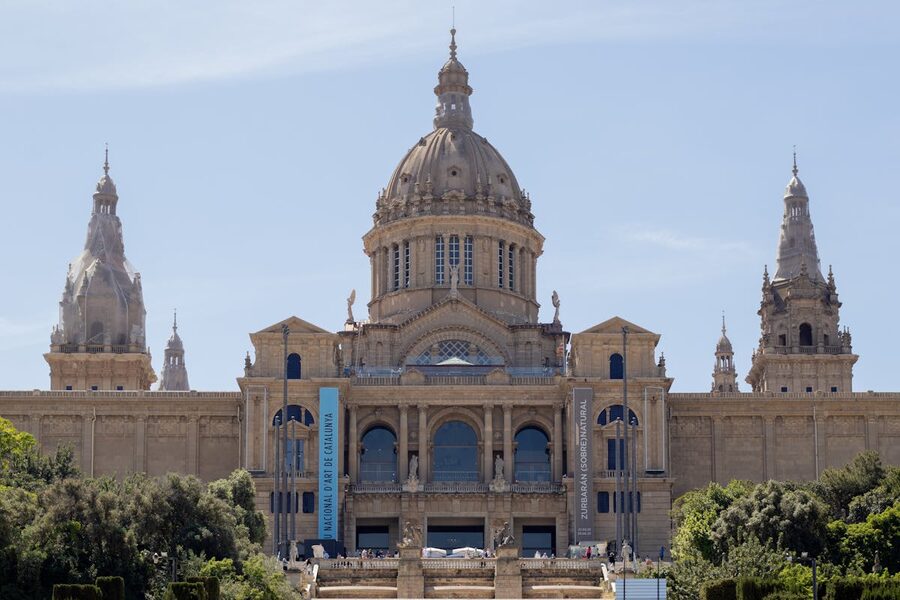
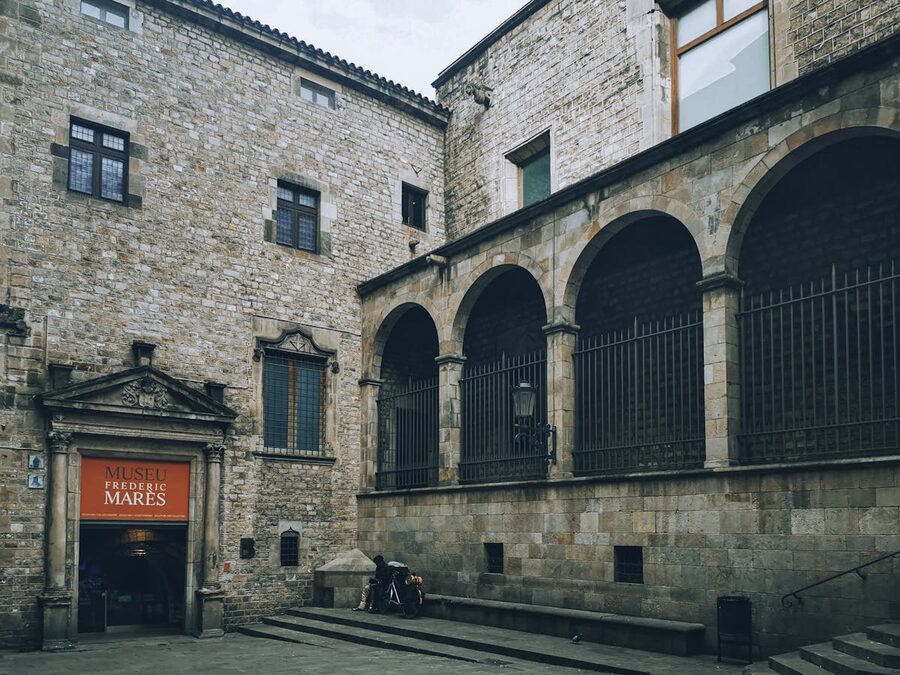
The card bundles three things into one purchase: free museum entry, unlimited public transport, and a discount booklet. The museum list is the selling point. You get walk-in access to MACBA (the contemporary art museum), the Picasso Museum, MNAC on Montjuic, the Frederic Mares collection, the Barcelona City History Museum, the Natural Science Museum, and more than 20 others.
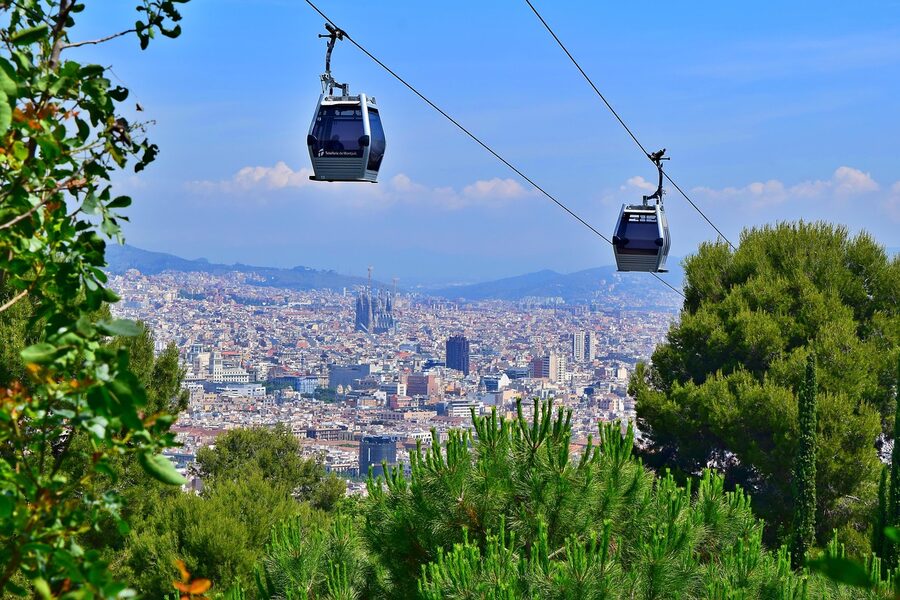
Transport coverage is identical to what the Hola Barcelona Transport Card offers: unlimited rides on metro (all zones within Barcelona), buses, trams, and the local FGC trains. That includes the line up to Tibidabo and the funicular to Montjuic. It does NOT cover the airport Aerobus or the Montjuic cable car — those are separate tickets.
The discount booklet gives you 10-20% off at a rotating list of restaurants, shops, and entertainment venues. Honestly, I wouldn’t factor these into your decision. Some are useful, most are forgettable.
The Math: Barcelona Card vs Buying Tickets Separately
This is where it gets interesting. The 3-day Barcelona Card costs about $69 (roughly 63 euros). Let me break down what you’d pay individually for a typical three-day museum itinerary:
Day 1: Sagrada Familia (26 euros with towers) + Park Guell (10 euros) = 36 euros
Day 2: Picasso Museum (12 euros) + MACBA (11 euros) + Maritime Museum (10 euros) = 33 euros
Day 3: MNAC (12 euros) + Fundacio Joan Miro (15 euros) + Barcelona History Museum (7 euros) = 34 euros
Total museums: 103 euros. Add three days of metro rides (roughly 12-15 euros if you’re taking 4-5 rides per day using T-Casual tickets): that’s around 115-118 euros without the card.
The Barcelona Card at 63 euros saves you about 50-55 euros in this scenario. That’s real money.

But here’s when it doesn’t work: if you’re planning to visit only 2-3 free or cheap attractions and mostly walk, the card is a waste. Barcelona’s center is very walkable. The Gothic Quarter, La Rambla, Barceloneta beach, the Boqueria market — none of these cost anything. If your Barcelona plan is mostly eating, drinking, and wandering, skip the card entirely.
Barcelona Card vs Hola Barcelona: Which One?
This confuses everyone. The two cards serve different purposes:
The Hola Barcelona Transport Card is transport only. No museums, no discounts. It costs about 17 euros for 48 hours or 24 euros for 72 hours. If you’re buying museum tickets separately anyway (maybe you only want Sagrada Familia and nothing else), the Hola card plus individual tickets might be cheaper.
The Barcelona Card bundles transport AND museums. It costs more upfront — around 63 euros for 3 days — but includes free entry to 25+ museums. If you plan to visit 3 or more paid museums, the Barcelona Card almost always wins on price.
Quick rule of thumb: visiting 3+ museums? Get the Barcelona Card. Only 1-2 museums? Get the Hola Barcelona for transport and buy museum tickets separately. Just walking and eating? Skip both.
Best Tours to Book with Your Barcelona Card
The card covers museums and transport, but Barcelona’s best experiences often need a separate booking. These tours pair perfectly with the card — use your transport savings to splurge on a guided experience instead.
1. Barcelona Card: 25+ Museums and Free Public Transportation — $69
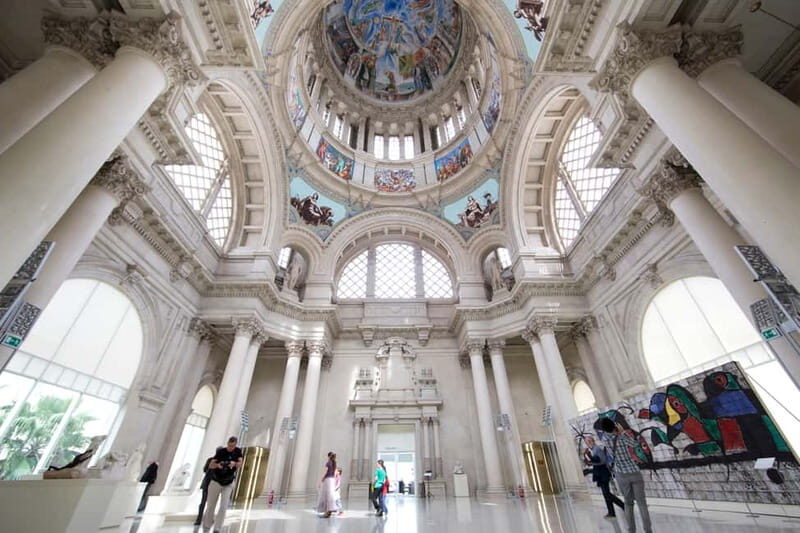
This is the main Barcelona Card that everyone searches for. It covers free entry to MACBA, Picasso Museum, MNAC, and more than 20 others, plus unlimited metro, bus, and tram for the entire duration. Our full review breaks down exactly which museums are included and which ones surprised us. The 3-4 day option hits the sweet spot for most visitors.

2. Barcelona Card: Museums + Transport for 72h, 96h or 120h — $73
Available through Viator with a guidebook thrown in, this version offers 72, 96, or 120-hour options. The coverage is essentially identical to the GYG version but the guidebook is genuinely useful if you prefer self-guided exploration over following a group. We cover the differences in our detailed review. The 120-hour (5-day) card is the best per-day value if you’re staying long enough.
How to Buy and Activate the Barcelona Card
You buy online through GetYourGuide or Viator (links above), then pick up the physical card at a Barcelona tourism office. There’s one at the airport in Terminal 1 and Terminal 2, plus offices at Placa Catalunya and Placa Sant Jaume in the city center. Bring your booking confirmation — printed or on your phone.
The card activates on first use, not when you pick it up. So you can collect it at the airport and not start the clock until the next morning when you tap into the metro. Smart move: pick up at the airport, start using the next day.
One warning — some museums require a timed reservation even with the Barcelona Card. The Picasso Museum is the big one. Show up without a reservation and they’ll turn you away regardless of your card. Check each museum’s website for booking requirements before you go.
Museums Worth Visiting with the Card
Not all 25+ museums on the card are equally worth your time. After researching what visitors consistently rate highest, here’s my shortlist:
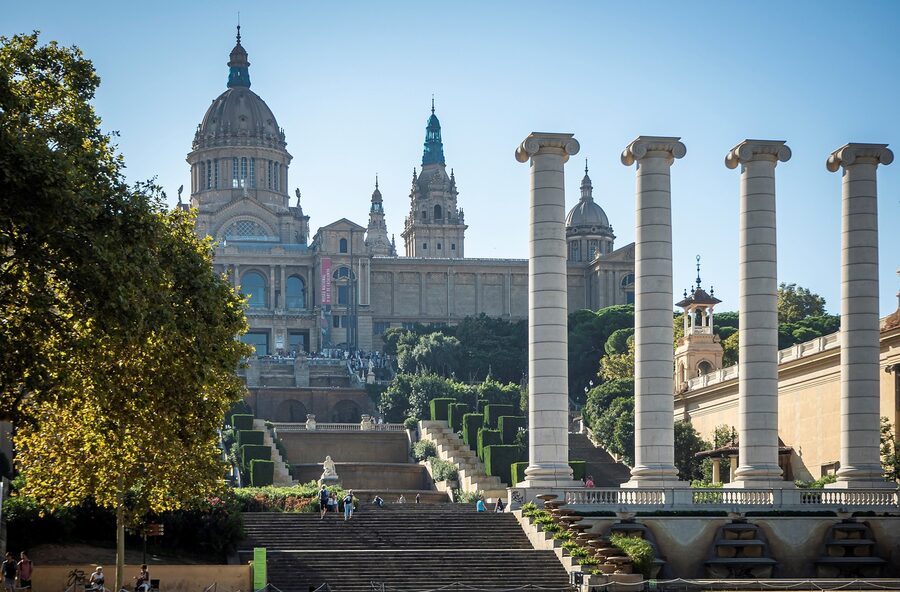
Tier 1 (don’t miss): The Picasso Museum has one of the best collections of his early work anywhere. MNAC on Montjuic holds Romanesque murals rescued from crumbling Pyrenean churches — genuinely one of Europe’s great art collections. And the Barcelona City History Museum lets you walk through actual Roman ruins underneath the Gothic Quarter.
Tier 2 (worth it if you have time): MACBA is a solid contemporary art museum in the Raval, and the Frederic Mares collection is delightfully weird — thousands of everyday objects from across centuries, crammed into a medieval palace behind the cathedral. The Maritime Museum inside the medieval shipyards is unexpectedly fascinating.
Tier 3 (skip unless you’re really keen): Some of the smaller museums on the card — the Shoe Museum, the Wax Museum, the Chocolate Museum — are fine for fifteen minutes but not worth planning around. They pad the “25+ museums” number, which is slightly misleading.
A City Built on Layers: Barcelona’s Museum History
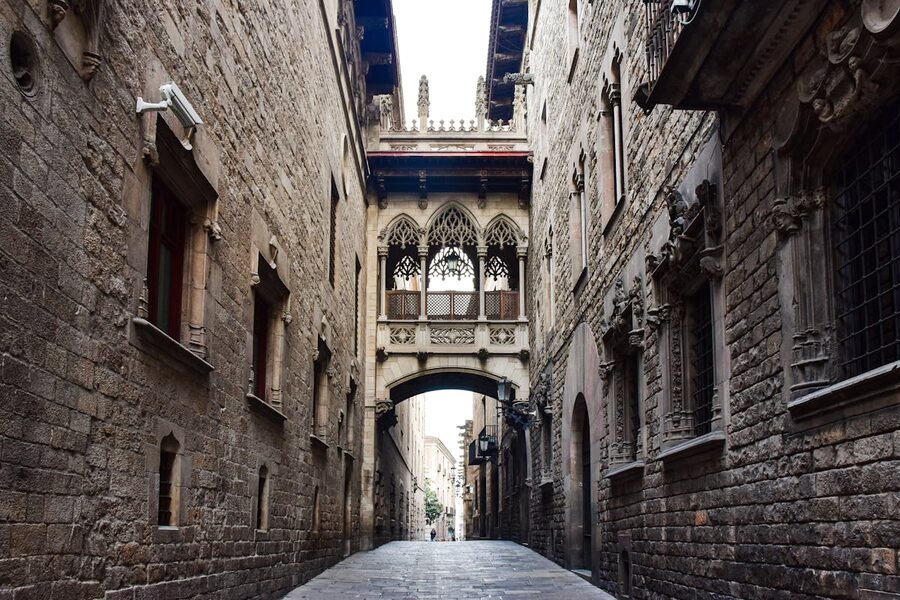
Barcelona’s museum scene reflects a city that’s been reinventing itself for 2,000 years. The Romans built Barcino in the 1st century BC — you can still walk through their forum and fish sauce factories underneath the Gothic Quarter through the City History Museum. It’s eerie and brilliant.
The medieval period gave Barcelona its Gothic Quarter, its cathedral, and its maritime empire. The Drassanes (royal shipyards) where the Maritime Museum now sits once launched galleys that dominated the western Mediterranean. Walking through the massive stone halls, you can still feel the scale of it.
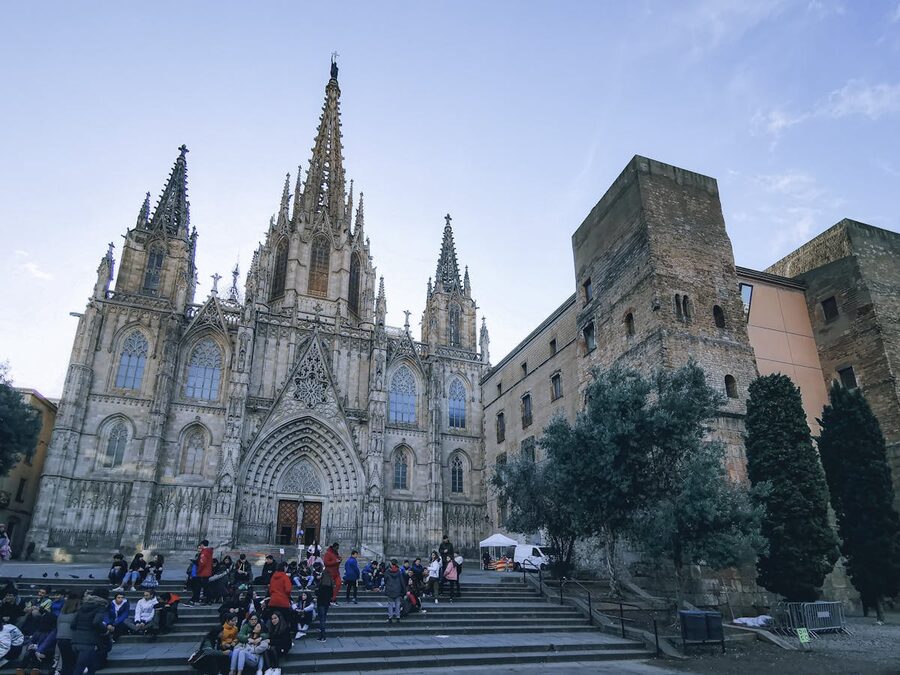
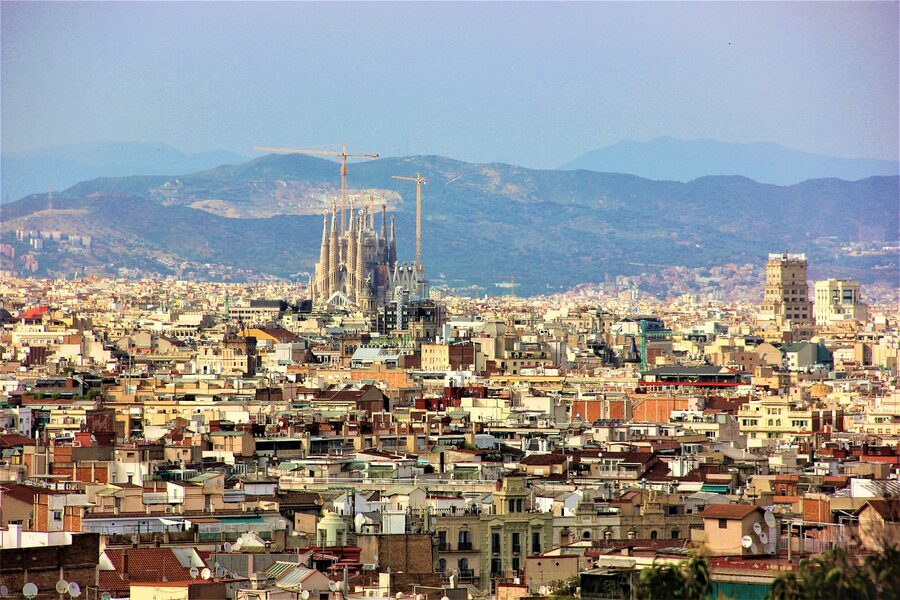
Then came the explosion. In the late 1800s, the old city walls came down and Barcelona expanded into the Eixample — that perfect grid of blocks with chamfered corners. Gaudi, Domenech i Montaner, and Puig i Cadafalch competed to outdo each other. The Sant Pau Recinte Modernista and the Palau de la Musica Catalana both came out of this era. So did Sagrada Familia, obviously — Gaudi started it in 1882 and it still isn’t finished.
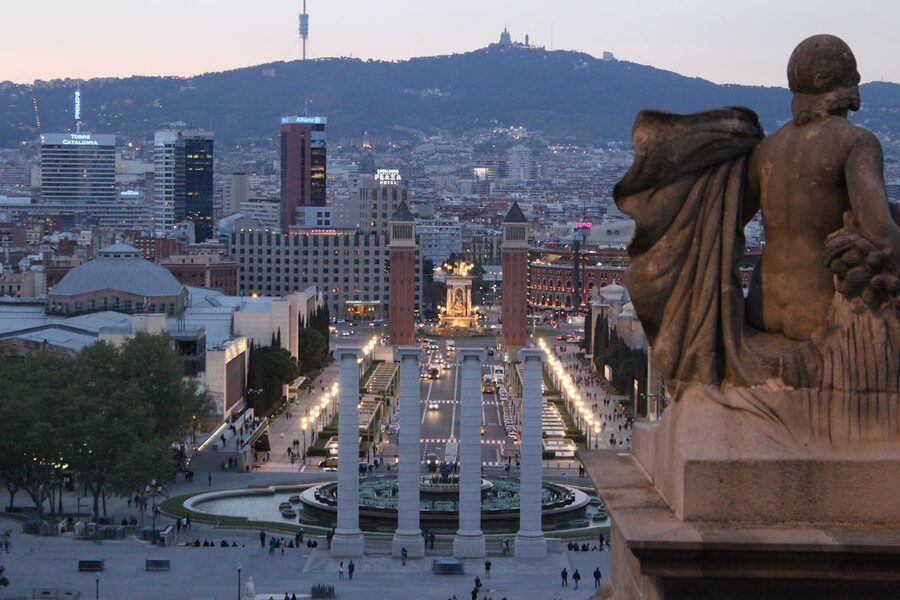
MNAC on Montjuic was built for the 1929 International Exhibition. The Romanesque murals inside were literally peeled off the walls of 12th-century Pyrenean churches and carried down the mountains on mules. If they hadn’t done it, the murals would have been looted or destroyed. It’s one of the most remarkable art rescues in history.
Practical Tips for Using the Barcelona Card
Start early on Day 1. The card clock starts ticking on first use. If you activate it at 2pm, you lose a morning. Tap into the metro first thing.
Group your museum visits geographically. Don’t zigzag across the city. Day 1: Gothic Quarter cluster (Picasso Museum, City History Museum, Frederic Mares). Day 2: Montjuic cluster (MNAC, Miro Foundation, CaixaForum). Day 3: Raval + Eixample (MACBA, then walk to the Modernista museums).
Book the Picasso Museum in advance. I mentioned this above but it bears repeating. Without a timed slot, you’re not getting in. The card gets you free entry, but you still need to reserve online. Do it as soon as you know your dates.
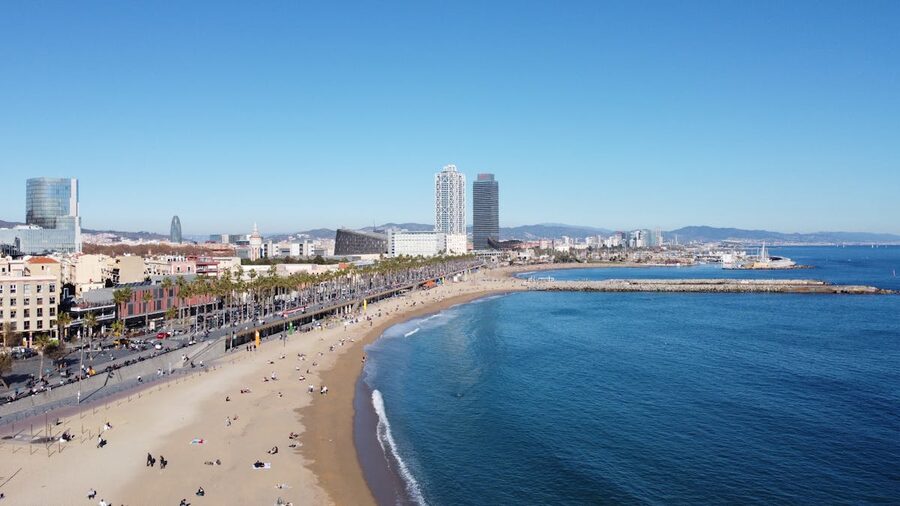
Don’t waste card days on beach days. If you’re planning a day at Barceloneta with no museums, that’s a card day wasted. Schedule your beach and food days around the card duration.
The 4-day card is the sweet spot. Three days feels rushed if you’re hitting museums seriously. Five days is only worth it if you’re genuinely spending a full week in Barcelona and want to spread things out. Four days gives you breathing room without overpaying.
Getting Around Barcelona with the Card
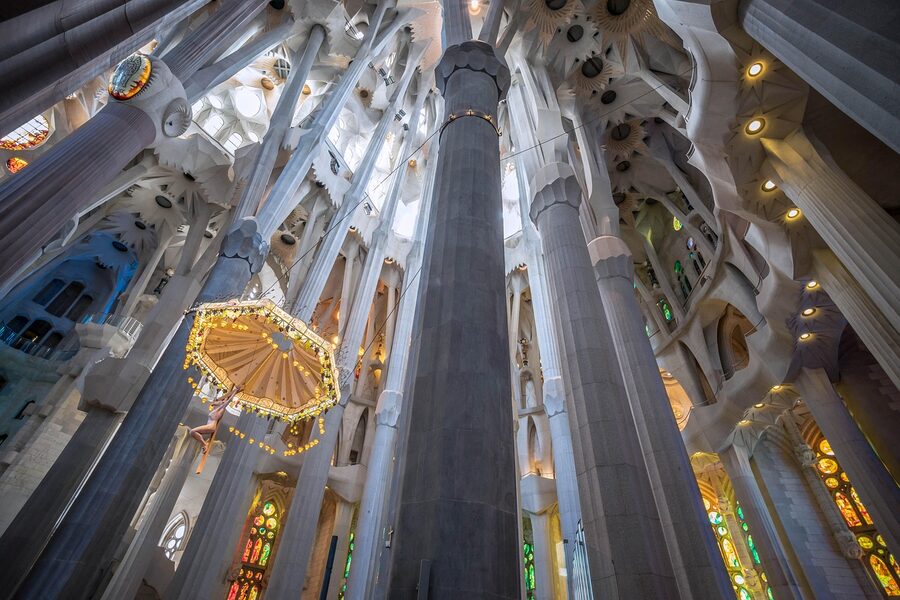
The card works like a regular transit card. Tap on entry gates at metro stations, tap on bus readers. No limits on rides during your card’s duration. Barcelona’s metro runs until midnight on weekdays, until 2am on Fridays, and 24 hours on Saturdays. The network covers everywhere you’d want to go as a tourist.
Key metro lines for cardholders: L3 (green) connects Placa Catalunya, Passeig de Gracia (Casa Batllo), and the waterfront. L4 (yellow) runs through the Gothic Quarter to Barceloneta beach. L2 (purple) gets you to Sagrada Familia directly.
The FGC trains (also covered) are useful for Montserrat day trips and for reaching Tibidabo amusement park up in the hills. The Montjuic funicular from Parallel station is covered too — it drops you right near the Miro Foundation.
What’s NOT Included (and What to Book Separately)
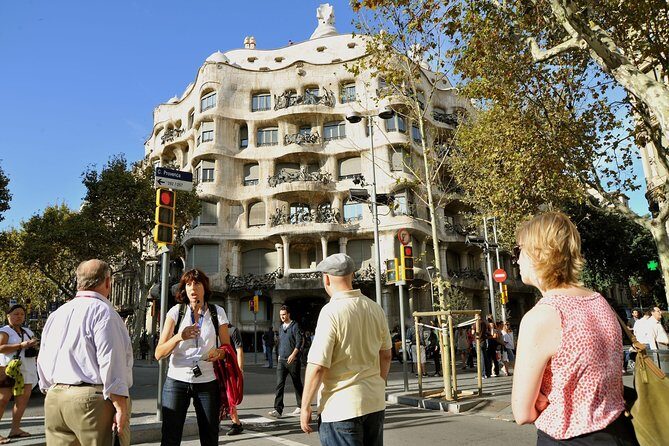
A few popular attractions are NOT covered by the Barcelona Card. Sagrada Familia is the biggest one — you’ll need a separate ticket (26 euros with tower access). Casa Batllo and La Pedrera (Casa Mila) aren’t included either. Neither is Camp Nou if you want the stadium tour.
The Montjuic cable car (the gondola up the hill, not the funicular) costs extra. The airport Aerobus isn’t covered. And any guided tours — walking tours, bike tours, food tours — are all separate bookings.

For Sagrada Familia specifically, book 2-3 weeks ahead during peak season. Slots sell out. The Barcelona Card saves you money on everything else, freeing up budget for the big-ticket items like Sagrada and the Gaudi houses.
Best Time to Use the Barcelona Card
The card is most valuable during shoulder season — October through November and March through May. Museums are less crowded, you’ll actually get into the Picasso Museum without booking weeks ahead, and you can comfortably hit 3-4 museums in a day without feeling like you’re on a factory tour. Summer is brutal. The combination of heat, crowds, and timed entry requirements means you’ll spend half your museum time just waiting in line or walking between venues.
Winter works too, especially January and February when Barcelona empties out. Most museums are heated and the weather rarely drops below 8-10 degrees. The downside is shorter opening hours — some smaller museums close early or shut entirely on certain days. Check schedules before planning your card days.
One specific thing to watch: many Barcelona museums close on Mondays. The Picasso Museum, MACBA, the Maritime Museum, and several others are shut. If your card starts on Sunday, you’ll effectively lose Monday for museum visits. Plan your start day carefully — Tuesday or Wednesday is ideal.
Common Mistakes to Avoid
Mistake 1: Buying the card for the discounts alone. The discount booklet sounds great in theory — 10-20% off at restaurants and shops. In practice, most of the participating places are tourist traps in the Rambla area that you’d avoid anyway. The museums and transport are the only things worth calculating.
Mistake 2: Not checking what’s “free on Sundays.” Several Barcelona museums are free on the first Sunday of each month, and many are free every Sunday afternoon from 3pm. If your visit happens to include a Sunday, those free hours reduce the card’s value. Check the schedule at barcelonaturisme.com before buying.
Mistake 3: Activating on arrival day. If you land at 3pm, pick up the card but don’t tap it until the next morning. The duration clock starts on first use. Burning half a day on airport transfers and checking into your hotel is a waste of card time.
Mistake 4: Trying to see everything. Twenty-five museums sounds like a challenge to complete. It’s not — it’s a menu to choose from. Trying to visit more than 3-4 per day leads to museum fatigue. By the third museum, nothing registers anymore. Pick your top 8-10 over the card’s duration and actually enjoy them.
Mistake 5: Forgetting that “free entry” doesn’t mean “no queue.” The card gets you in free, but you still wait in the regular entry line at popular museums. Some offer a skip-the-line option for an additional fee that the card doesn’t cover. Budget extra time at places like the Picasso Museum and MNAC during peak hours.
Where to Pick Up Your Barcelona Card
You have four collection points:
Barcelona Airport Terminal 1 — the tourism desk is in the arrivals hall. Open 8:30am to 8:30pm daily. This is the most convenient option if you’re arriving by plane. Grab the card, take the Aerobus (not covered by the card, unfortunately — costs 7.75 euros one way) into the city, and start using the card’s transport the next morning.
Barcelona Airport Terminal 2 — similar setup, same hours. Used for budget airlines like Ryanair.
Placa Catalunya Tourism Office — right in the city center, underground below the square. Open 8:30am to 9pm. Most central pickup point if you’re already in Barcelona.
Placa Sant Jaume Tourism Office — in the Gothic Quarter, inside the City Council building. Slightly smaller office, shorter queues than Placa Catalunya.
The card is physical — a plastic smart card you tap on metro gates and show at museum entrances. No app, no QR code. Keep it safe. If you lose it, there’s no replacement option.
Beyond the Card: More Barcelona Guides
If you’re spending several days in Barcelona, the card covers the museums but the city has much more going on. Our Barcelona walking tour guide covers the best ways to explore the Gothic Quarter, El Born, and La Rambla on foot with a local guide. For something more active, a Barcelona bike tour covers more ground and takes you through the old port area. The Hola Barcelona transport card is the right pick if you decide the full Barcelona Card is overkill. And for a completely different perspective on the city, a catamaran cruise along the Barcelona waterfront shows you the Olympic coastline from the sea. If you’re heading up the hill, our Montjuic guide covers how to combine museums, gardens, and the fortress into one trip.
This article contains affiliate links. We may earn a small commission if you purchase through these links, at no extra cost to you. This helps us keep creating free guides.