
The macaws give it away before you’ve even tapped your ticket at the turnstile. You stand on the Outer Circle, traffic and joggers and the smell of wet grass off Regent’s Park, and somewhere over the wall a parrot starts shouting at no one in particular. That’s where you are. Not at any zoo. The world’s first scientific zoo, opened in 1828, three minutes’ walk from a Northern Line station, and a couple of green parakeets squawking behind a Victorian wall.
This is the practical guide. Prices, what to skip, what to actually book, the Reptile House question every Harry Potter fan asks, and whether the day ticket is the right call versus the city-wide pass.

If you’ll do 3+ paid attractions: The London Pass, from $122 for 1 day. Includes the zoo plus the Tower of London, Westminster Abbey, the cruise, the bus, and 90 more.
Skip if: you’re going on a school holiday Saturday in July without a 10am slot. Buy for an off-peak weekday and you’ll have actual breathing room.

- Ticket Types and What They Actually Cost
- Family Ticket: when it’s worth it
- Universal Credit and discount tickets
- Gate buy versus advance buy
- Book This One Tour
- 1. London Zoo Entry Ticket:
- What to Actually Do When You’re Inside
- 10am: Penguin Beach
- 10.30am: Land of the Lions
- 11am: Tiger Territory
- Midday: Gorilla Kingdom and the Reptile House
- 1pm: lunch and the carousel break
- 2pm: In With The Lemurs and Butterfly Paradise
- 3pm: Snowdon Aviary and the canal walk
- The London Pass Question
- Getting There
- By Tube
- By Bus
- By Canal Boat
- By Car
- The History Bit (Worth a Beat)
- The orca-and-elephant question
- What Doesn’t Work So Well
- Best Time of Day, Best Time of Year
- Rainy days
- Practical Things Most Guides Skip
- Lion Lodges (the overnight thing)
- Other London Tickets and Day Trips Worth Your Time
- So is it worth it?
Ticket Types and What They Actually Cost
The zoo runs two pricing tiers, off-peak and peak, and the gap between them is real. Off-peak adult tickets start around £31. Peak (school holidays, summer Saturdays, sunny May bank holidays) push past £40. Children aged 3 to 15 are roughly 70% of the adult price. Under-3s are free, but you still have to book them a ticket, which catches a lot of people out at the gate.
The GetYourGuide listing prices in dollars, around $41 per adult, with skip-the-line entry built in. That’s the simplest tour-card route, especially if you want one booking that covers a couple from another country with one redemption. If you’re already in the UK, you can buy direct on londonzoo.org for the same gate access.
What the day ticket gets you: 10am to 6pm in summer, 10am to 4pm in winter, every animal exhibit, every keeper talk, the Children’s Zoo, the carousel, both playgrounds. The funfair-style merry-go-round and the bouncy castle are extra (a couple of pounds each). The food court is normal London cafe pricing, around £10 for a hot meal, £5 for kids’ lunch bags.

Family Ticket: when it’s worth it
The newer family ticket covers two adults and two kids, or one adult and three kids, and it knocks roughly £15 off the per-head total. Worth it if you’re already a four. Not worth it if you’re three: book individual tickets and the maths works out the same.
Universal Credit and discount tickets
One of the best-kept secrets at London Zoo is the Universal Credit ticket scheme. If you’re on UC, Pension Credit, Housing Benefit, Working Tax Credit, or similar, the zoo sells tickets for around £3. You book online with your benefit reference. Tourists can’t use this, of course, but it’s worth knowing if you’re a UK resident reading this for a relative.
Gate buy versus advance buy
You can pay at the gate. You shouldn’t. The on-the-day price is meaningfully higher and on busy days the queue from the box office wraps around the entrance and back into the park. Book the day before at the latest, ideally a week ahead for school holidays.
Book This One Tour
London Zoo is one of those rare attractions where there’s basically one product worth recommending. There’s no ten-operator marketplace. You either buy direct from the zoo or through a marketplace like GetYourGuide. The advantage of the marketplace listing below is the simpler refund policy and the single international booking flow.
1. London Zoo Entry Ticket: $41
This is the one to book. It’s the marketplace version of the same gate ticket the zoo sells direct, with a clearer refund window and a simpler international payment route. Our full London Zoo entry-ticket review goes deeper on what to expect at redemption and where the queues actually form. For the price of a couple of pints in central London you’re getting a full day with around 750 species in 36 acres, which is good value by any sensible measure.
Check Availability
Read our full review
.jpeg)
What to Actually Do When You’re Inside
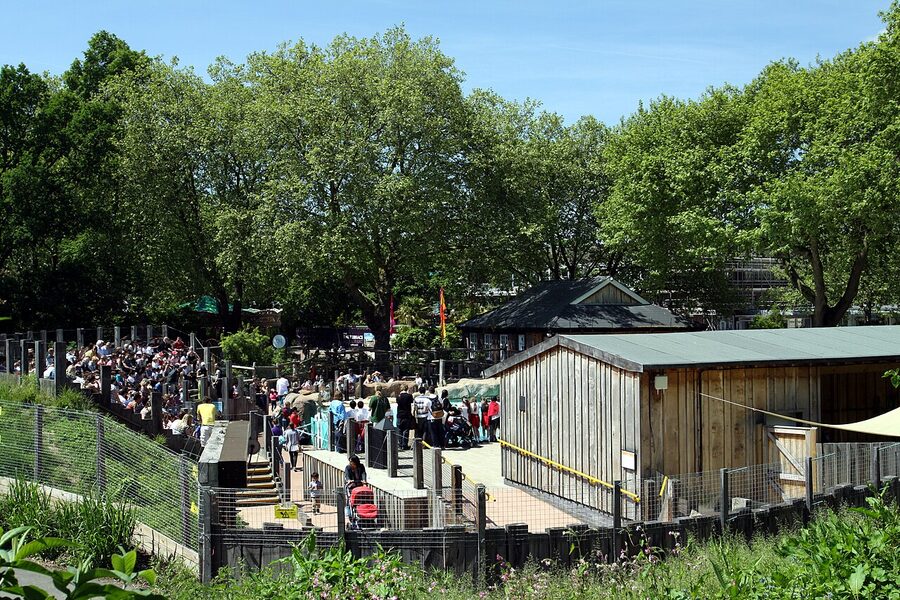
The zoo is shaped roughly like a long oval with the Outer Circle road wrapping around it. The Regent’s Canal cuts through one corner. There are two entrances, the Main Gate (south, near the canal) and the East Tunnel that ducks under the road. Most people enter through the Main Gate, which is fine. If you’re coming from Camden Town tube it’s slightly closer through the East Tunnel, which feels like a secret passage and the kids love it.
From inside, here’s the rough order I’d plan a day around:
10am: Penguin Beach
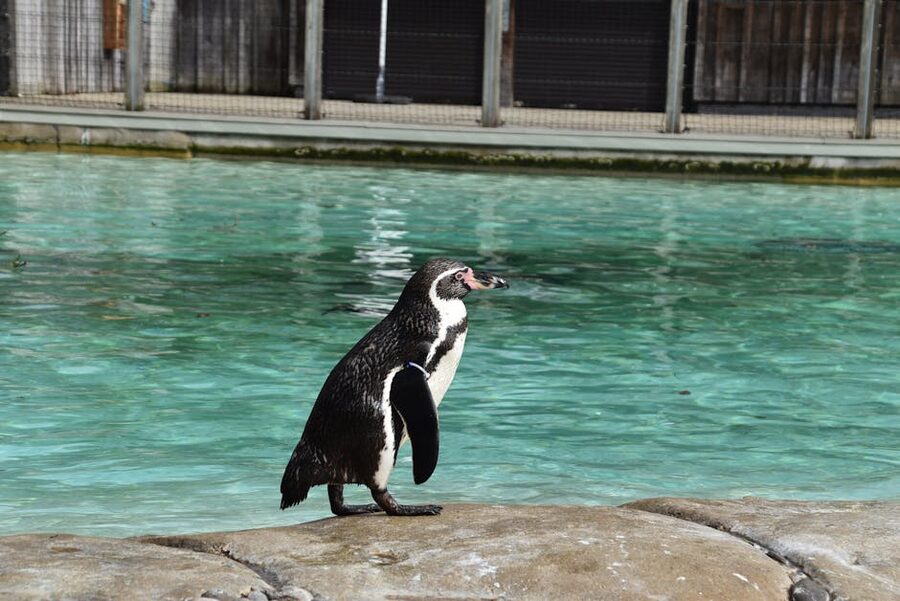
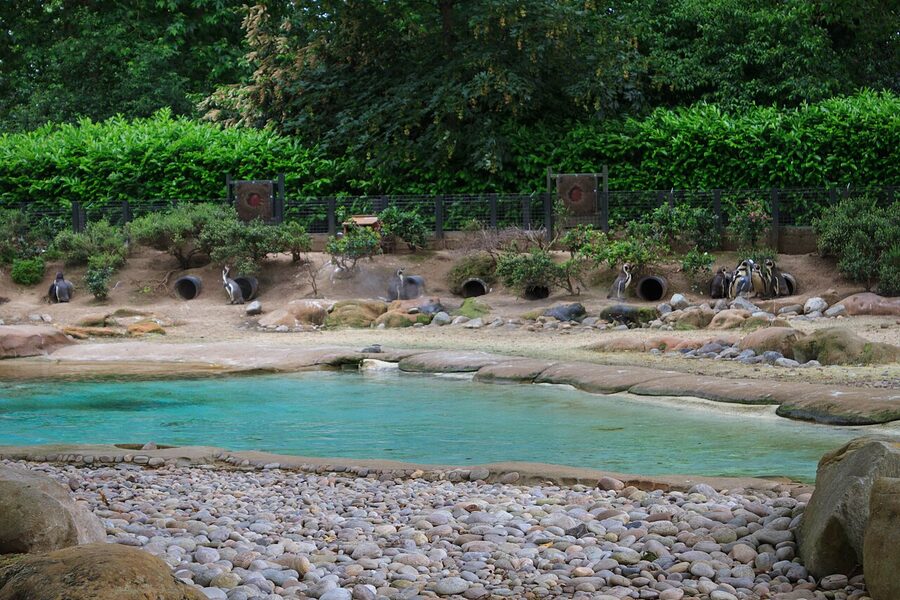
Get to Penguin Beach within the first thirty minutes. It’s the largest penguin pool in any UK zoo and the underwater viewing wall fills up by mid-morning. Early, you can stand right at the glass and watch them turn into actual torpedoes. There’s a feeding talk at around 11.30am, which is great, but the early window before the talk is when the photos work.

10.30am: Land of the Lions
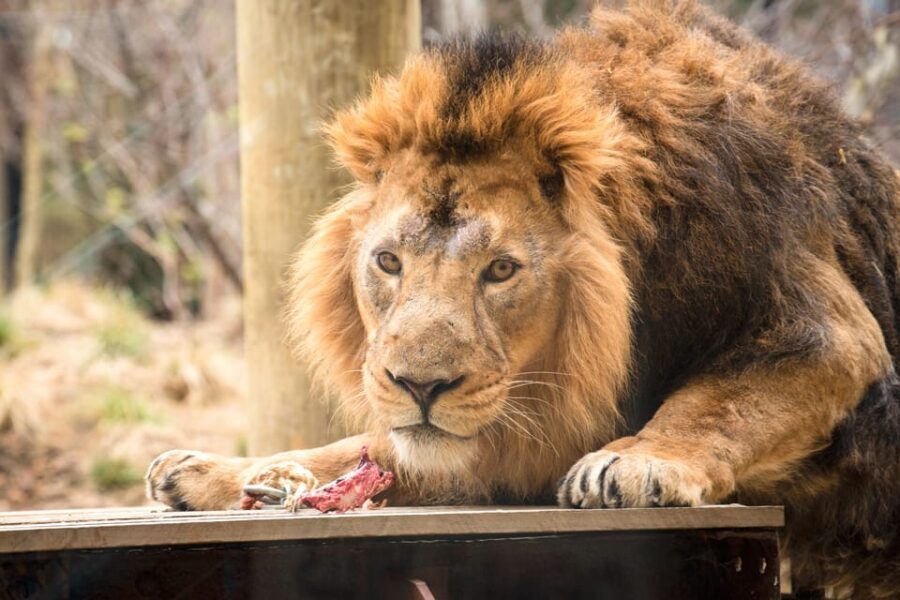
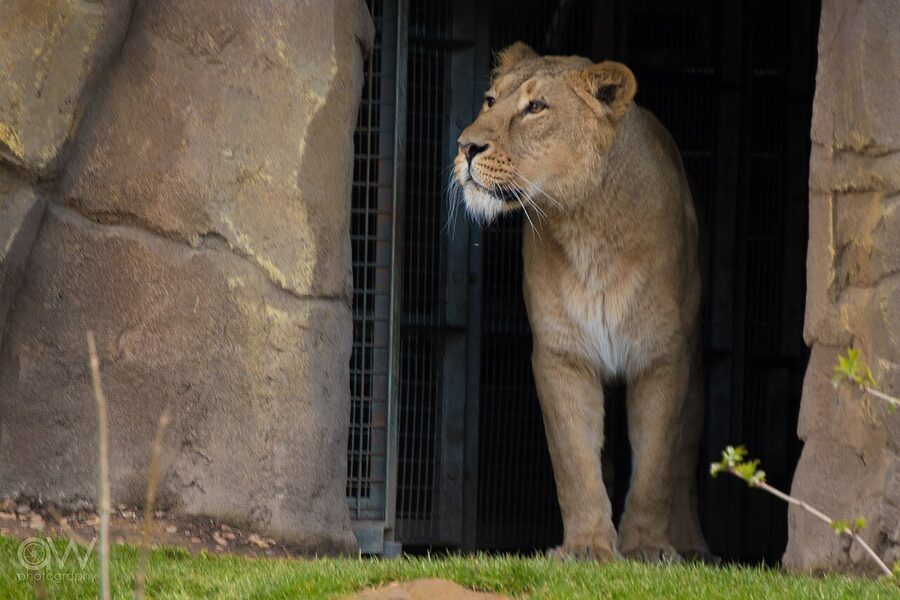
Walk straight from Penguin Beach down past the Mappin Terraces and you’ll come into Land of the Lions. The Asiatic lions here are the only critically endangered big cats at the zoo and the exhibit gives them a lot more space than the old lion enclosure ever did. Time it for the morning and the lions are still moving; by 1pm they’re horizontal in the shade.
11am: Tiger Territory
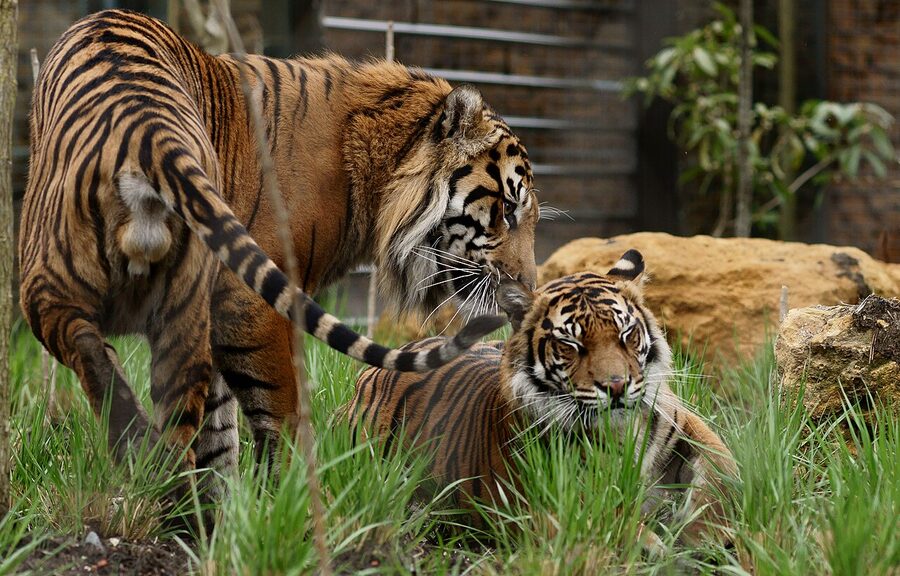
The Sumatran tigers are at the south-east corner. The viewing tower at the back of the enclosure is where you want to be: it overlooks a deep pool the tigers genuinely use, especially on warm days. There’s a sliding glass panel with a view into the lying-up area. If you’re patient you’ll see them up close. If you’re not, you’ll see one striped flank in the long grass.
Midday: Gorilla Kingdom and the Reptile House
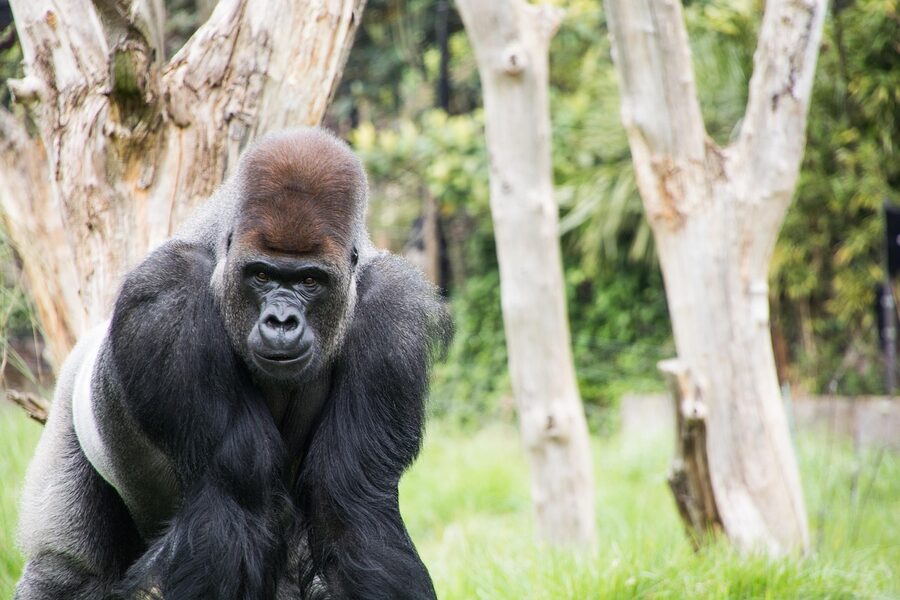
Gorilla Kingdom houses a family of western lowland gorillas in a two-acre island. The viewing windows are at three points around the perimeter; the south-facing one tends to be quieter because most school groups arrive at the north side first. The keeper talks here are some of the best in the zoo, and they’re scheduled in the LZ app on the day.
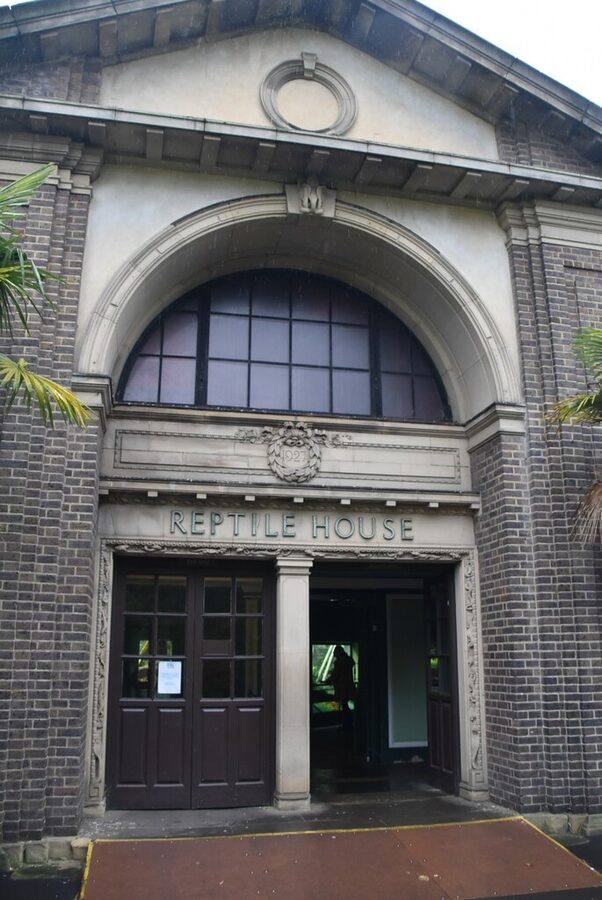
About the Reptile House. Yes, this is the one. The room where Harry Potter speaks Parseltongue to a Burmese python in Harry Potter and the Philosopher’s Stone (1999 filming) is part of this building. Whether the specific tank is on display has shifted over the years and there have been periods of refurb. As of recent visits the historic 1927-built Reptile House remained the headline reptile space, with the original tank locations broadly the same as in the film. Don’t rebuild your whole day around it, but it’s a five-minute detour if you’re a fan and the queue is short.

1pm: lunch and the carousel break
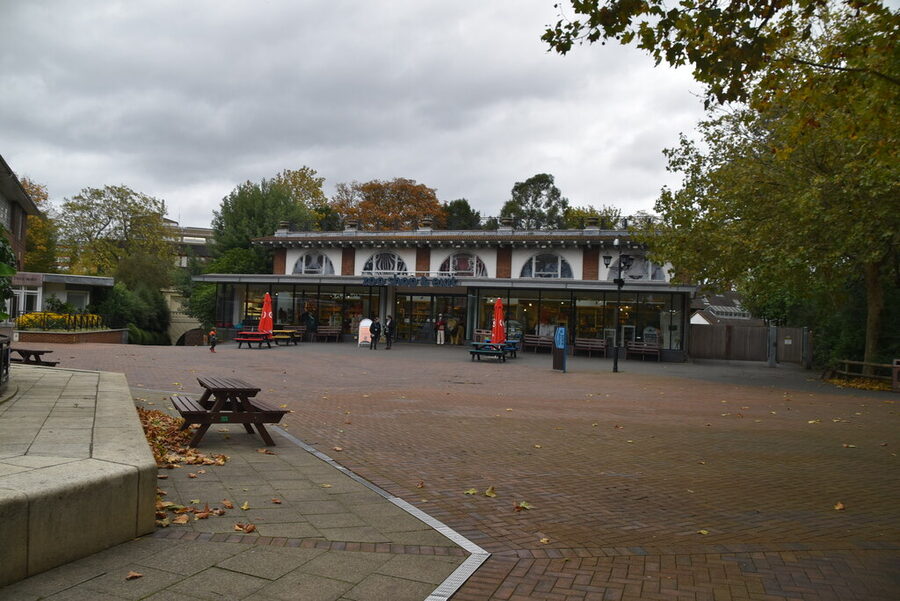
The Terrace Restaurant is the main hot-food option, on the upper floor of the central plaza building. Fish and chips, salads, kids’ bags, vegan wraps. Prices roughly track central-London cafe food. If you want something quicker, Zoo Treats does pastries and sandwiches and there are bench tables on the lawn outside Penguin Beach. You can also bring your own picnic. Plenty of families do, and there are signed picnic spots.
Tip the keepers told me about: the Terrace gets slammed between 12.30 and 1.30. If you can hold off until 1.45 or eat at noon sharp, you’ll skip the queue.
2pm: In With The Lemurs and Butterfly Paradise
Two walk-throughs back to back. In With The Lemurs is exactly what it sounds like. Ring-tailed lemurs lounge on rope bridges and benches, and you walk a path through their territory with no glass between you. They’re not interested in you. Don’t try to pet them, the keepers will tell you off, and rightly so. Just stand still. They sometimes walk past your feet.

.jpg)
Butterfly Paradise is a heated polytunnel near the canal entrance. Push through the plastic strip-curtains and you walk into 28°C and a couple of hundred tropical butterflies. Some land on you. Children either love this or want to leave in a hurry. There’s no in-between.

3pm: Snowdon Aviary and the canal walk
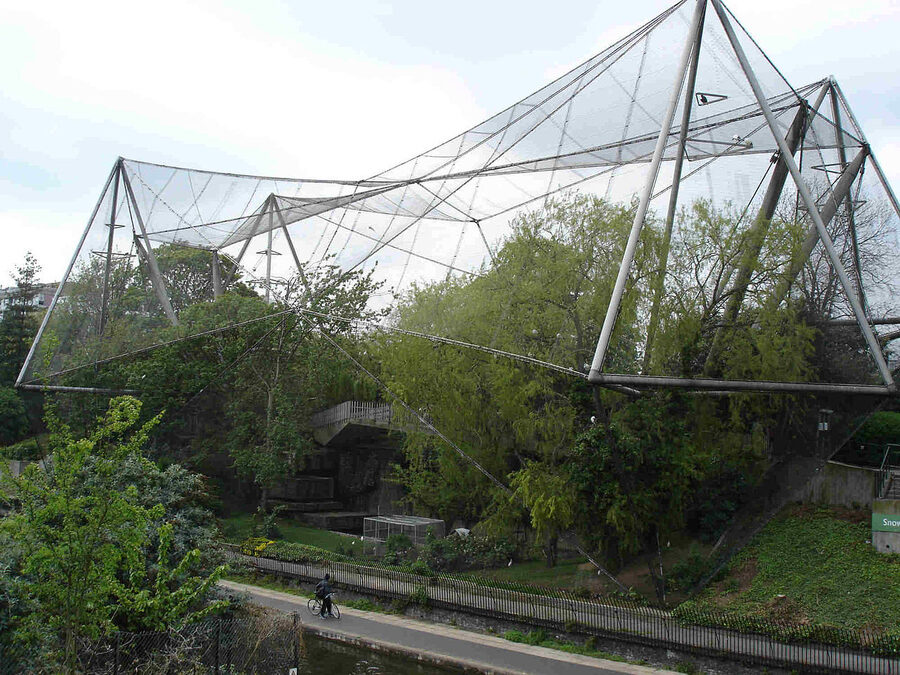
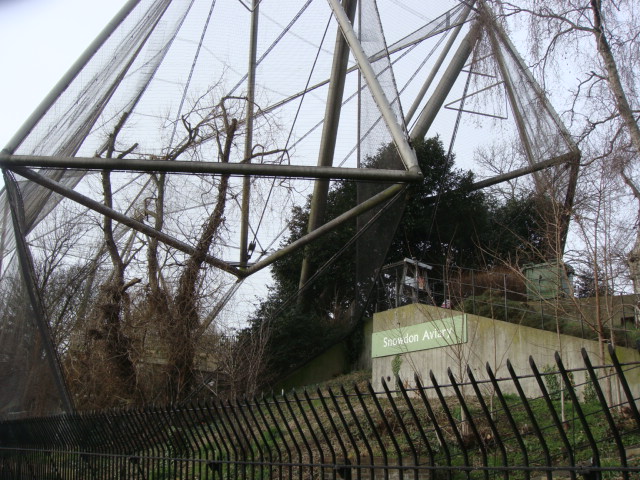
The Snowdon Aviary is the giant tent-like cage on the far north edge of the zoo, designed in 1964 by Lord Snowdon, Cedric Price, and Frank Newby. It used to be a walk-through bird enclosure; it’s now the home of the colobus monkey troop, who use the height brilliantly. You can also see the aviary from outside the zoo, on the Regent’s Canal towpath, which is itself one of the loveliest free walks in London.

The London Pass Question
If you’re in London for two or three days and planning to do a fair bit, the zoo is one of around 90 attractions covered by the London Pass. The 1-day adult pass is around £94. The zoo on its own is £41. So already at one ticket you’ve got a third of the value of the pass.
The maths gets interesting if you stack. A typical zoo day plus a Hop-On Hop-Off ride plus a Tower of London afternoon already breaks even on the 1-day pass. If you’re doing the zoo, the Tower, Westminster Abbey, and a Thames cruise across two days, the 2-day pass works out cheaper than buying tickets individually. The catch: the zoo eats up a full day. So if you’re buying the pass for a single day, plan a different day for the zoo and use the pass-day for things in central zone 1.
For the parallel-product breakdowns we’ve done on other European city passes, see how the Go City Pass works in Gothenburg, our Stockholm Pass guide, and the Barcelona Card breakdown. The same maths applies: passes pay off when you stack three or more covered attractions in a single day.

.jpeg)
Getting There
London Zoo doesn’t have its own tube station, which throws people off. It sits in the north-east corner of Regent’s Park, midway between three or four stations.
By Tube
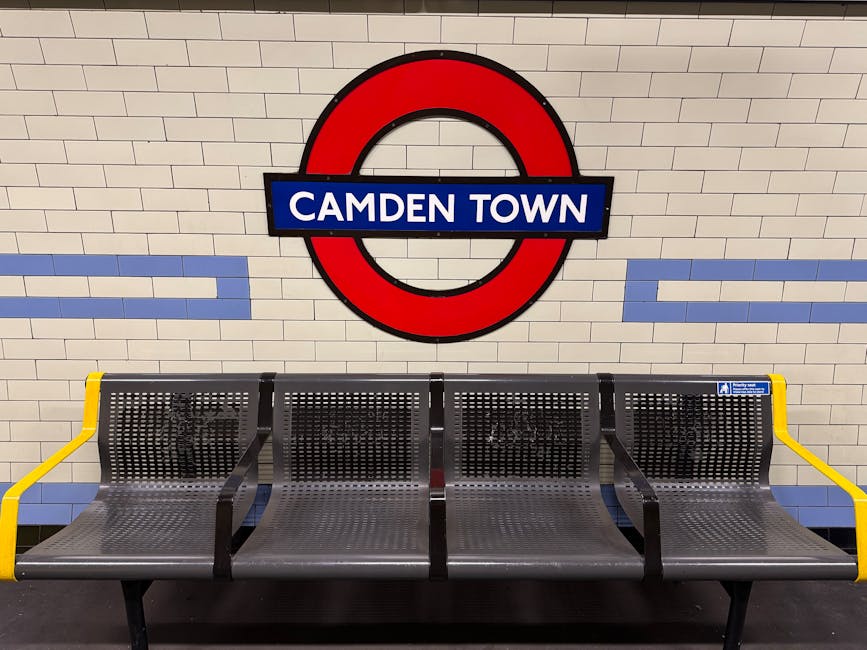
The closest is Camden Town (Northern Line), about a 15-minute walk along Regent’s Canal or 10 minutes through the park. The canal route is prettier and slightly longer, the park route is faster and gets you in past the East Tunnel entrance. Camden Town gets crowded on weekend afternoons, so on a Saturday you might prefer Regent’s Park (Bakerloo Line) which is a 20-minute walk through the south of the park, but generally calmer. Baker Street (Bakerloo, Jubilee, Metropolitan, Hammersmith and City, Circle) is roughly a 25-minute walk and gets you the Sherlock Holmes statue on the way out.
By Bus
The 274 bus runs along the Outer Circle and stops directly outside the Main Gate. From central London the C2 stops nearby on Albany Street. It’s worth checking Citymapper or TfL Go on the day, because route 274 sometimes terminates short of the zoo on event days.
By Canal Boat
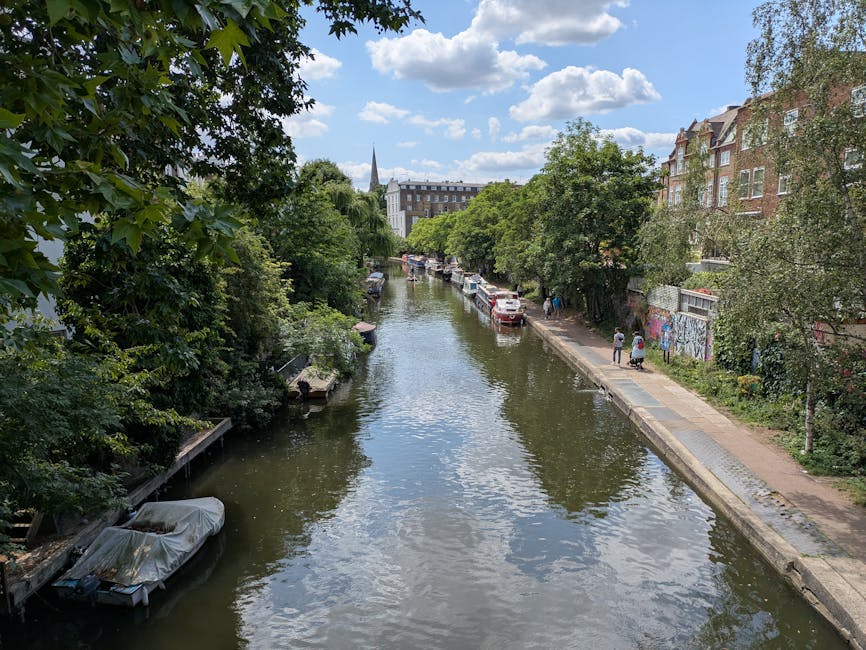
This is a thing, and it’s brilliant. The London Waterbus Company runs a small narrowboat service from Camden Lock down Regent’s Canal to a stop right at the zoo’s water gate. Around £15 each way for adults. It’s not faster than walking, but it is far more pleasant on a sunny day, and you can buy a combined boat-plus-zoo ticket on board which sometimes works out a few pounds cheaper than buying separately.
By Car
Don’t, if you can help it. The on-site car park is small and around £15 a day, and the surrounding streets are residential with permit-only zones. If you’re driving in from outside London, the easier move is to park at a tube station like Stanmore or Hatton Cross and ride in on the Underground.
The History Bit (Worth a Beat)
The Zoological Society of London was founded in 1826 by Sir Stamford Raffles (yes, that Raffles) and Sir Humphry Davy, and the gardens at Regent’s Park opened to fellows and their guests in 1828. The public weren’t allowed in until 1847, when the society needed money. The early decades produced what we now consider essentially the modern zoo: scientific stewardship, public education, and big enclosures meant to be permanent. They also produced a few buildings that are now grade-listed architectural landmarks in their own right, regardless of what’s inside them.
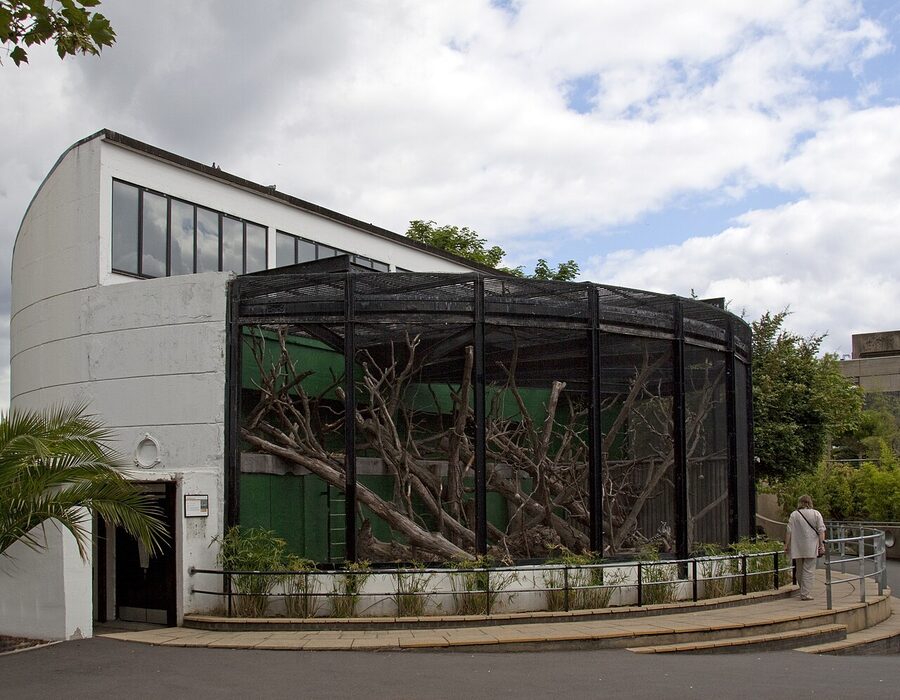

The Penguin Pool of 1934, also Lubetkin, with its interlocking concrete ramps, is a building you can still see (the penguins moved out of it years ago because it turned out to be terrible for their feet). The Snowdon Aviary of 1964 is a Lord Snowdon piece. The 1927 Reptile House is the one that snuck into a Harry Potter film. The Mappin Terraces, made of concrete to look like a Himalayan mountain, opened in 1914 and have housed everything from polar bears to wallabies over their century. Wandering these older corners is a different kind of experience to the new exhibits, more like a walk through interwar British architecture than a wildlife tour.
The orca-and-elephant question
London Zoo doesn’t have either. Elephants moved out to Whipsnade (the much larger ZSL site in Bedfordshire) in 2001 because the central London enclosure was too small. There were never orcas. If big-mammal-led zoo-going is the day you want, ZSL Whipsnade is the better trip; you can drive your own car around the safari section. The London Zoo experience is dense, urban, and built around the smaller, more interactive exhibits.

What Doesn’t Work So Well
It’s a small site (36 acres) with a lot squeezed into it. Some of the older buildings genuinely show their age. A few enclosures, particularly the more compact ones, will look small to anyone used to American-style large-format zoos. The Reptile House interior in particular has been gradually closed off in sections over the past few years for refurb, and the public rooms are smaller now than they were a decade ago. Worth setting the right expectation.
The site is also genuinely tiring. It looks small on the map, but you walk uphill, downhill, around the canal terraces, then back through the park. Plan to walk close to two miles. Bring water (there are taps), and on a hot day take the indoor breaks seriously. The Aquarium and the Tropical Bird Walkthrough are both air-conditioned, sort of.
The Aquarium is one of the older parts of the zoo and feels its age. Several visitors have written that they wish it were bigger. So would I. It’s a decent ten-minute pause inside if it’s raining, but it’s not the reason to come.
Best Time of Day, Best Time of Year
Best time of day: arrive 10am, when the gates open. Animals are more active, the cafes are empty, the carousel queue is non-existent, and you’ve got eight clear hours. The drift of the day is towards the central plaza by lunchtime; if you start at the perimeter (Penguin Beach, Land of the Lions, Tiger Territory) and work inward, you’ll always be moving against the school groups.

Best time of year: late April to mid-May, or September. School holidays are obviously the busiest. Christmas Day is the only day the zoo is closed all year. The Zoo Lates events in June, July and August (adult-only evenings, with bars and DJs around the enclosures) are a different experience entirely and worth a separate look if you’re 18+ and curious.
Rainy days
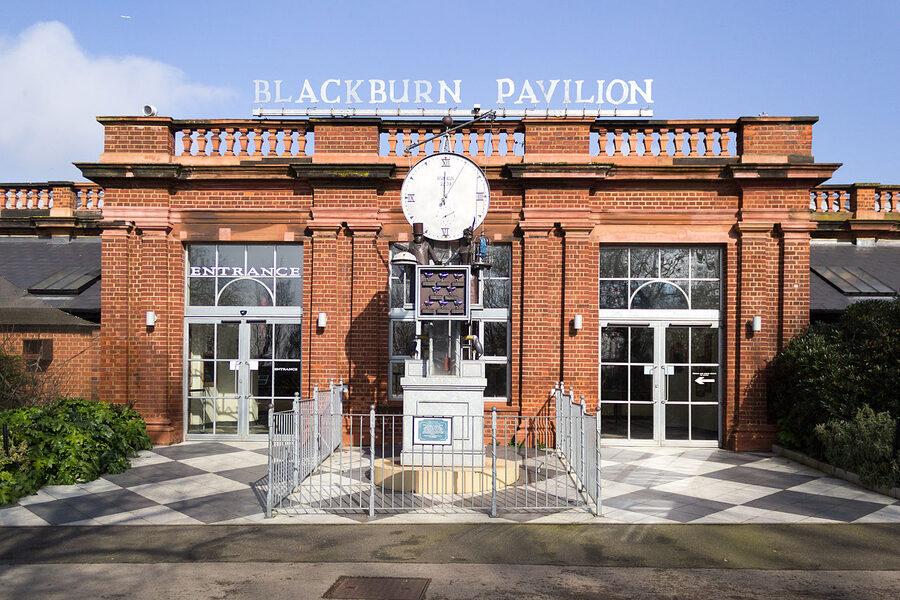
It’s still doable. The Aquarium, the Reptile House, Butterfly Paradise (kept hot), the Blackburn Pavilion (heated tropical bird walk-through), and the Terrace Restaurant are all roofed and heated. You’ll just spend more time queuing at indoor exhibits because everyone has the same idea. Bring a coat with a hood; umbrellas are awkward in walk-through enclosures.

Practical Things Most Guides Skip
Buggies are fine on every path; the only steep section is the steps up to the Mappin Terraces, where there’s a separate ramp signed at the side. Toilets are reliable and clean (a low bar in London, but the zoo clears it). The Lost Children point is at the central plaza and the staff are excellent, which I know from a five-year-old of mine attempting to live there permanently in 2023.

The free LZ app is genuinely useful: it has a live keeper-talk schedule, an interactive map, and a feeding-times list. Download it on hotel WiFi before you arrive; the on-site signal is patchy in the older buildings.
Photography rules are sensible: no flash near nocturnal animals, no tripods that block paths, otherwise have at it. The light through the rainforest house’s roof glass at 11am is some of the best in any London attraction.
Lion Lodges (the overnight thing)
If you really want to push it, you can stay overnight on-site at the Gir Lion Lodges, which are a row of nine cottages overlooking the Land of the Lions enclosure. It’s not cheap (around £450 for two, dinner and breakfast included) but you wake up to lions roaring outside your window, which is something you don’t normally do in central London. Worth it once for a proper occasion.

Other London Tickets and Day Trips Worth Your Time
If you’ve already done the zoo and want a contrasting day in London, the closest pair are the family-friendly indoor attractions in NW1 and the W1 area. Madame Tussauds is a 25-minute walk from the zoo across Regent’s Park. The London Eye is on the South Bank with views straight along the Thames. The British Museum is an hour by tube and free to enter, perfect for a low-cost rainy second day.
For a cleaner outdoor follow-up, Kew Gardens in the south-west is the natural pairing with the zoo. Both sit in big west-London green spaces, both are kid-friendly without being theme parks. If you want a Pass-friendly second day, see the parallel-product family pieces I linked above (Stockholm, Barcelona, Gothenburg) or the dedicated guides for the day-trip combos like the White Cliffs of Dover and Canterbury day trip, which gets you out of London for a full day. Two other batch siblings worth a look: the London Pass overview if you’re stacking attractions, and the new Royal Mews at Buckingham Palace guide for a different kind of historic-ticket day. And if you’re starting to think about zoos elsewhere in our coverage, see the Loro Parque guide in the Canaries, the closest ZSL-style scientific zoo we cover by geography.

So is it worth it?
Yes, if you set the right expectations. London Zoo isn’t San Diego or Berlin Tierpark. It’s compact, urban, grade-listed, and in places genuinely old. What it does well: walk-through enclosures, world-class conservation programmes (especially Land of the Lions for Asiatic lions, Tiger Territory for Sumatran tigers), and a sense that you’re visiting an actual scientific institution rather than a theme park with animals.
If you’ve got an hour to weigh it up: book the off-peak ticket, pick a Tuesday or Wednesday morning in spring, walk in via the canal route from Camden, and give yourself five hours. You’ll come out with sore feet and roughly thirty good photographs and the slight feeling that London is a stranger, more interesting place than you’d remembered.
Affiliate disclosure: some links above are affiliate links to GetYourGuide, Viator, or other partners. If you book through them, we earn a small commission at no extra cost to you. It funds the cost of running this site, not us.