
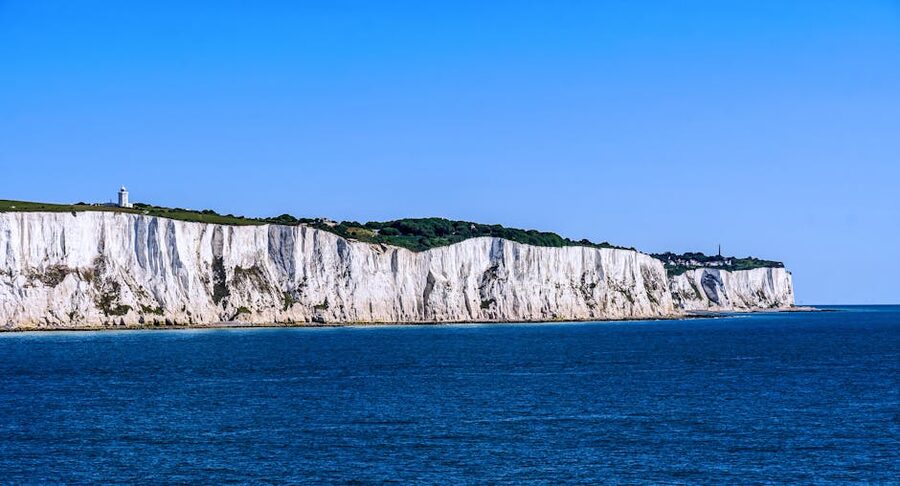
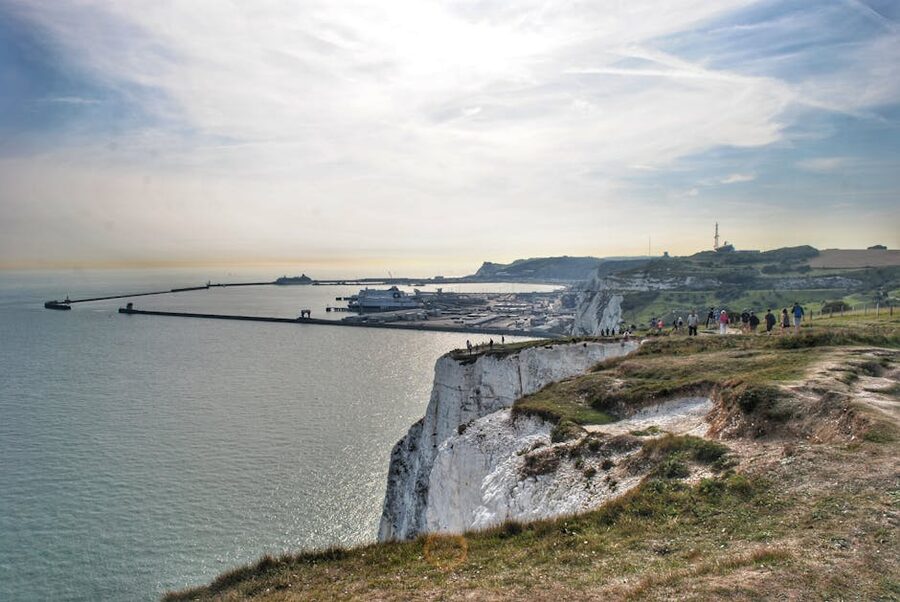
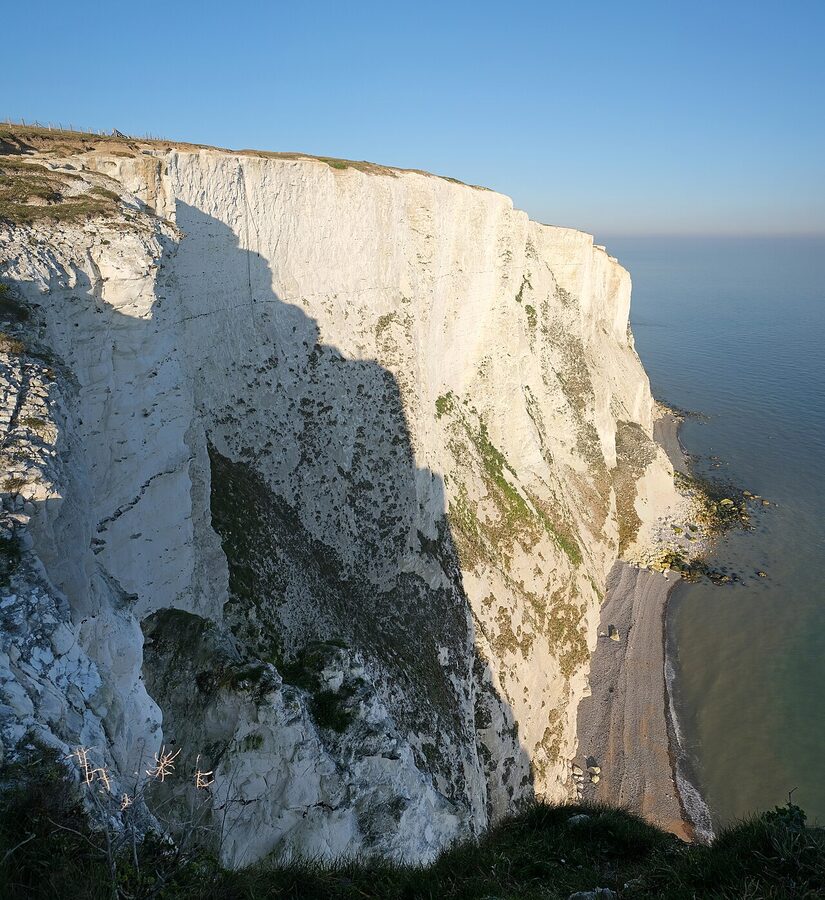
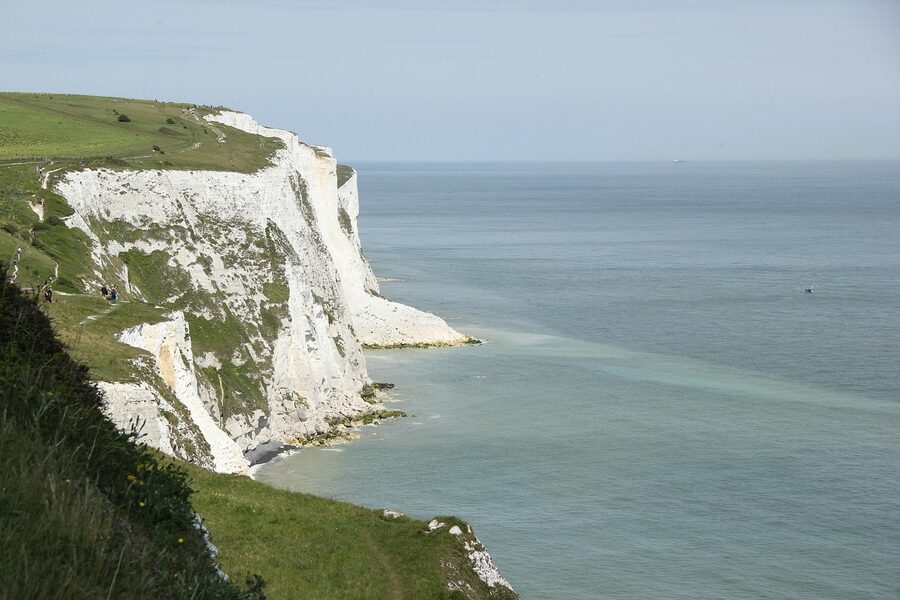
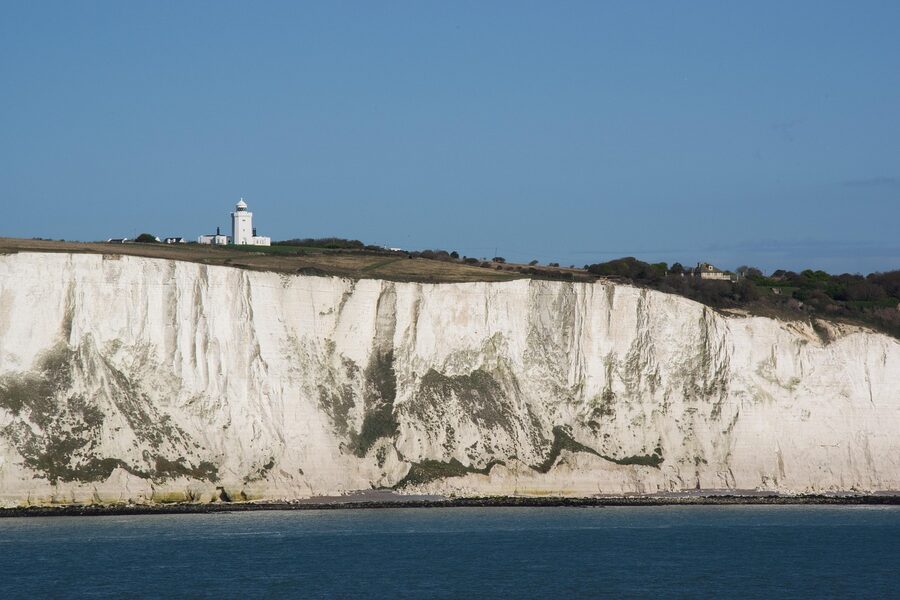
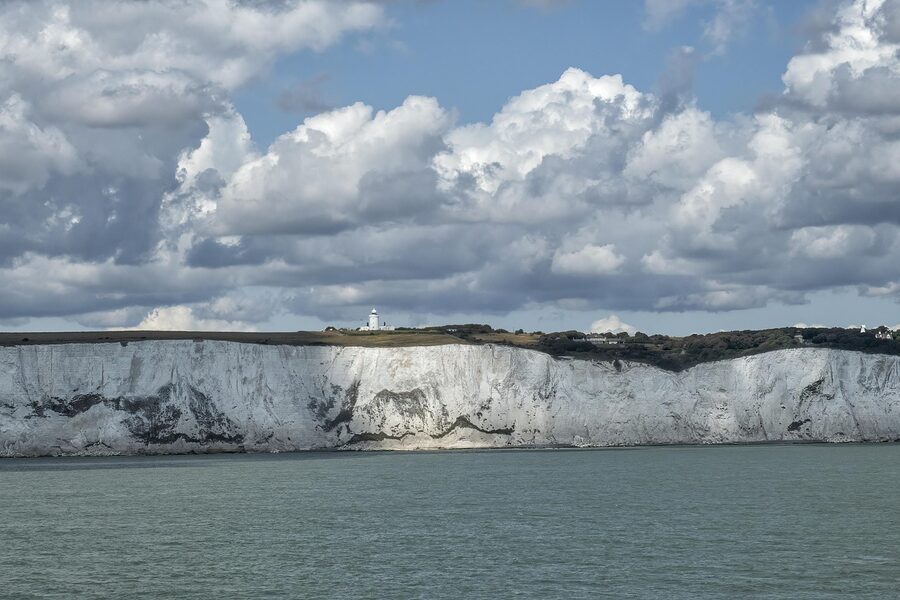
Stand on the grass at Langdon Cliffs with the wind off the Channel pushing into your jacket and the answer to why people come is right there in front of you. Ninety-one metres of chalk drop straight down into a sea that goes from teal to navy depending on the cloud, and on a clear day you can see the grey line of Calais sitting on the horizon, thirty-two kilometres of water away. That moment is the payoff. Two hours of coach travel from London, three hours later than you planned to leave the hotel, and suddenly none of it matters.
This is one of those London day trips where the logistics matter as much as the sightseeing. Pair the cliffs with Canterbury and you get the cathedral that murdered an archbishop in the same day as the chalk that watched the Spanish Armada sail past, and somehow you’re back at Victoria in time for dinner. The trick is picking the right tour, because they aren’t all the same and the wrong one drops you in a Dover car park with twenty minutes to look at a viewpoint a kilometre from the actual cliff path.
Most history: From London: Canterbury, White Cliffs and Dover Castle, $148. Adds Dover Castle with its WWII tunnels, ten and a half hours, premium operator.
Smaller group: From London: Canterbury & White Cliffs of Dover Tour, $106. Same price as the classic, fewer people on the coach, slightly shorter day at 9.5 hours.
- Why the day-trip format actually works for this combo
- The three tours worth booking
- 1. From London: White Cliffs of Dover and Canterbury Day Trip: 6
- 2. From London: Canterbury, White Cliffs and Dover Castle: 8
- 3. From London: Canterbury & White Cliffs of Dover Tour: 6
- What you actually do at the White Cliffs
- What to wear at the cliffs
- Canterbury and the cathedral
- Old town in the time you have left
- The history that makes this combo make sense
- When to go and what time of year matters
- Day-trip practicalities
- How this trip compares to other London day options
- If you want to extend the day
- What to do back in London
- Other Kent and London day-trip guides
Why the day-trip format actually works for this combo
You can do Dover and Canterbury independently. National Rail runs to both from St Pancras on the high-speed line: 56 minutes to Canterbury West, an hour and ten to Dover Priory. So why pay for a tour?
Two reasons. First, the White Cliffs visitor centre is roughly three kilometres from Dover Priory station, mostly uphill, and there’s no straightforward bus. You can walk it in about forty-five minutes if the weather cooperates, but on a wet February day you’ll lose half your time getting there and getting back. The coach drops you at the Langdon Cliffs car park, which is the National Trust trailhead, and that’s worth real money.
Second, fitting both Dover and Canterbury into a self-guided day means catching the right Stagecoach 15 bus between them at the right time, eating a rushed lunch, and praying nothing gets cancelled. The tour does the timing for you and leaves you free to actually look at things.
The downside, fairly stated, is that ten hours on a coach for nine hours of sightseeing means the walking sections at both stops feel slightly rushed. You won’t get to all of Canterbury’s old town. You won’t get to Dover Castle’s WWII tunnels (those need the premium tour). You’ll see the highlights and you’ll see them well, but if you’re a slow cathedral-goer or you wanted to climb to the top of every tower, plan two days instead.
The three tours worth booking
I’ve narrowed this down to the three most popular Dover-Canterbury combos that the GetYourGuide market actually rewards with bookings. They’re different enough that one will suit you better than the others.
1. From London: White Cliffs of Dover and Canterbury Day Trip: $106
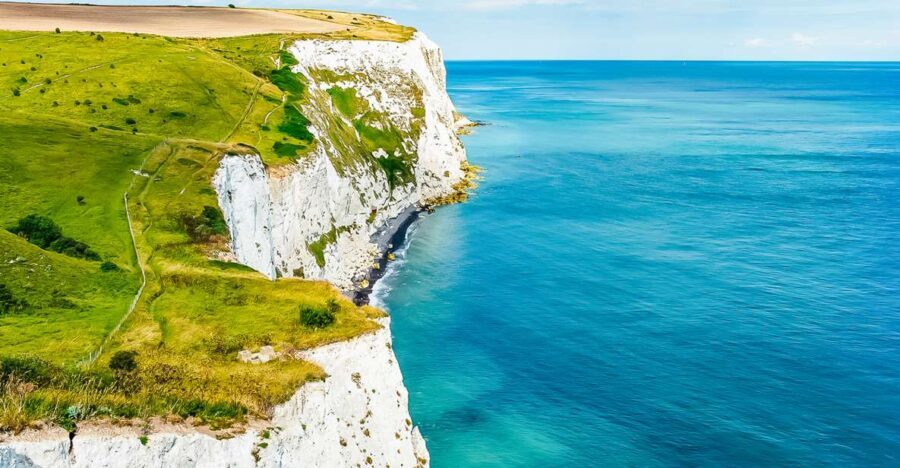
This is the one to book if you’ve never done either before and you just want both highlights done well. Ten hours, central London pickup, decent ninety minutes at the National Trust cliff path, and around two hours in Canterbury including time at the cathedral. Our full review of this day trip covers what’s included on the cathedral admission and where the lunch stops fall.
Check Availability
Read our full review
2. From London: Canterbury, White Cliffs and Dover Castle: $148
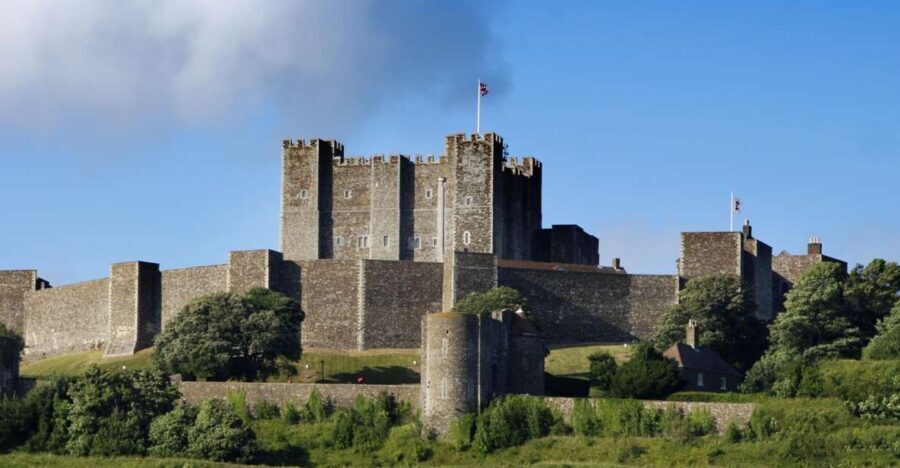
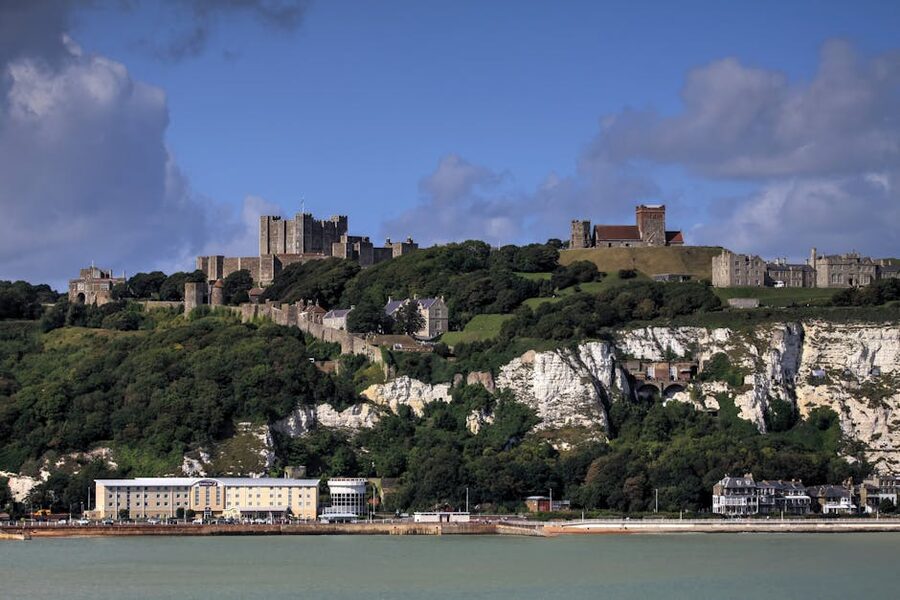
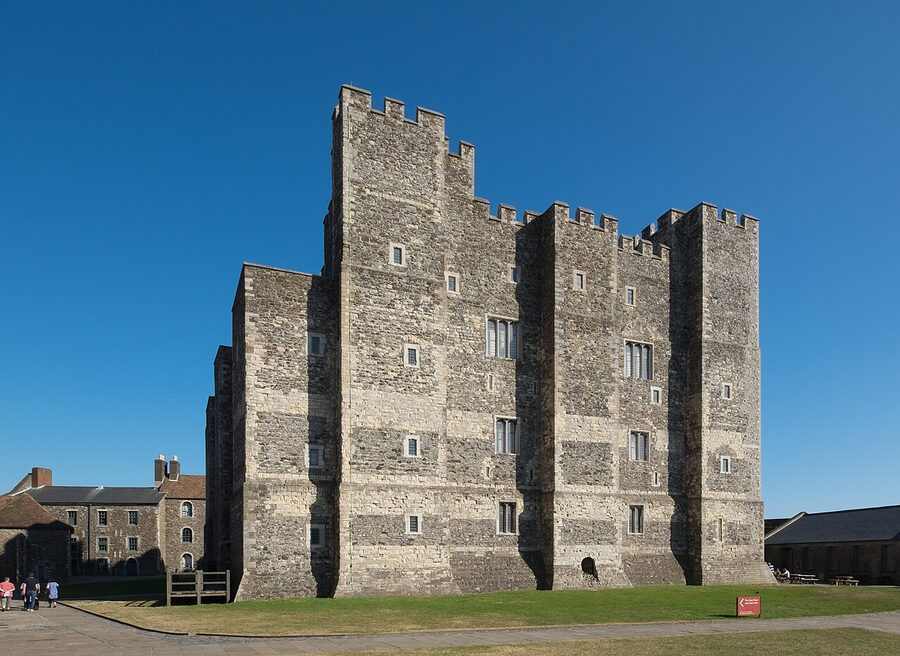
Anderson Tours run the premium version. The forty-dollar price bump buys you Dover Castle admission, which is the difference between seeing the castle from a viewpoint and walking through Henry II’s Great Tower and the WWII tunnels where Operation Dynamo was planned in 1940. Our review of the Anderson Tours itinerary goes into the timing logic of why this tour skips the Dover town stop to fit the castle in.
Check Availability
Read our full review
3. From London: Canterbury & White Cliffs of Dover Tour: $106
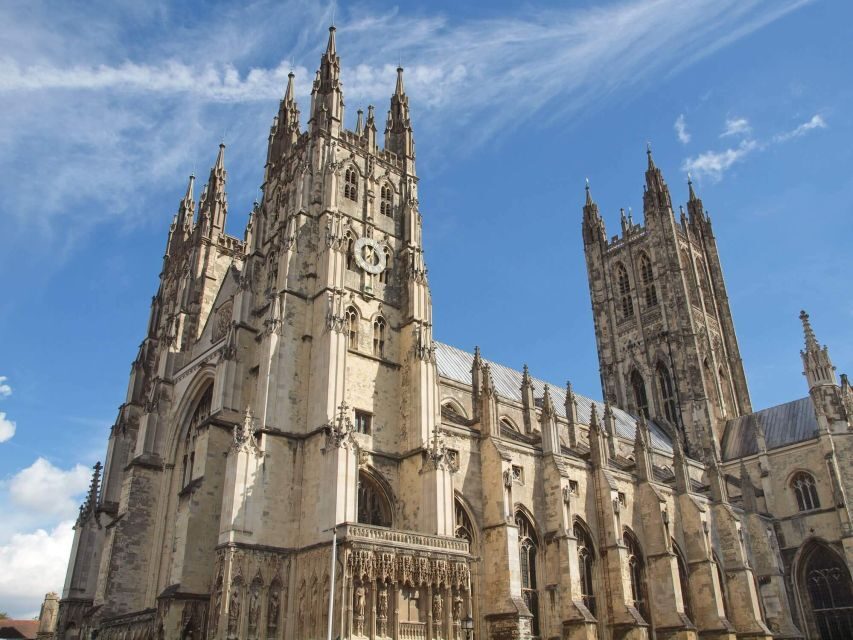
Same price as option one, but a smaller minibus instead of a full coach. If the idea of forty strangers and a microphone makes you flinch, this is the version to pick. Same two stops, same level of walking time, just a quieter ride. Our review compares the small-group experience against the big-coach itinerary on the same route.
Check Availability
Read our full review
What you actually do at the White Cliffs
The coach drops you at the National Trust car park at Langdon Cliffs, just east of Dover town. There’s a visitor centre with toilets, a small cafe, and a shop. You’ll usually have between sixty and ninety minutes here before the coach leaves for Canterbury, which is exactly long enough to do the cliff walk properly and not quite long enough to also reach South Foreland Lighthouse.
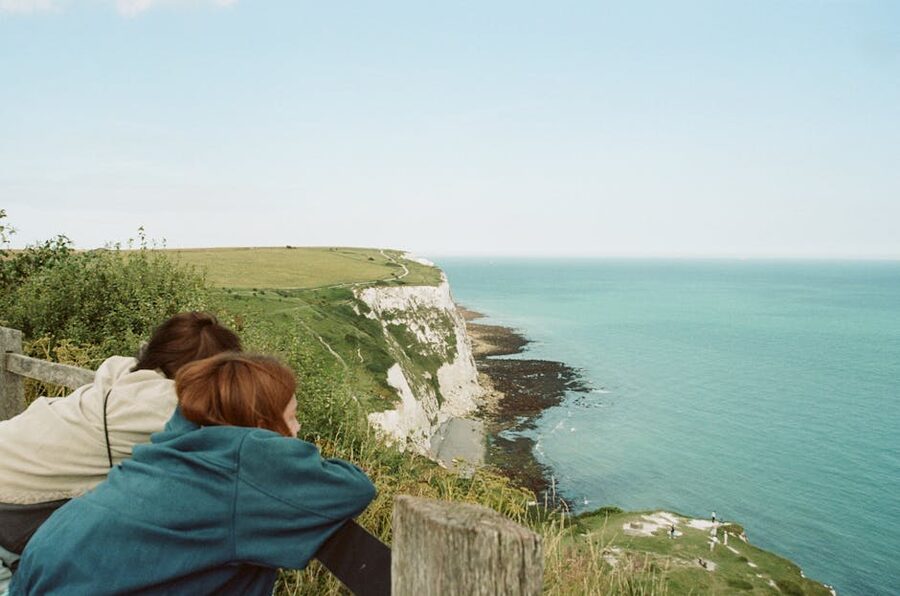
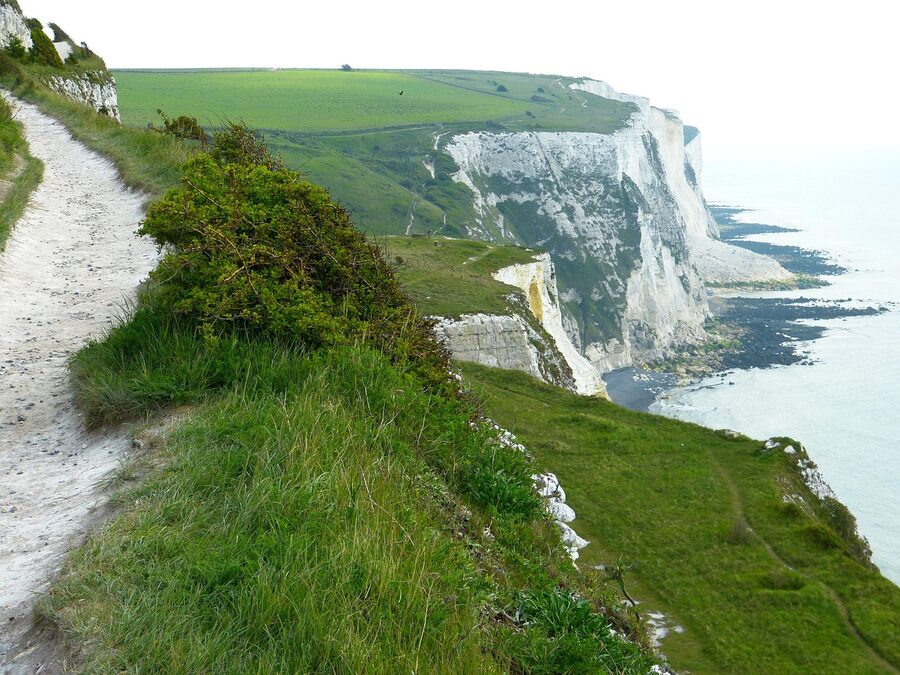
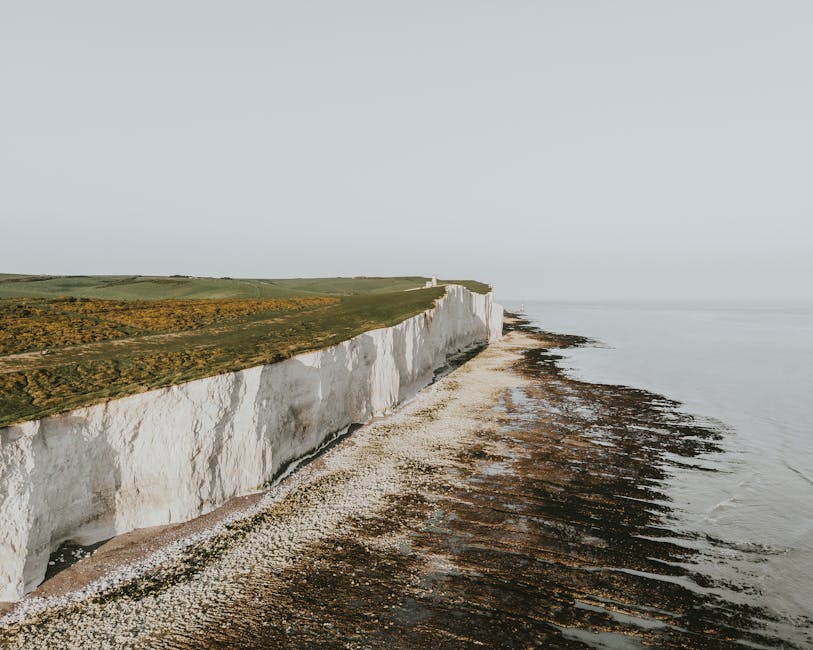
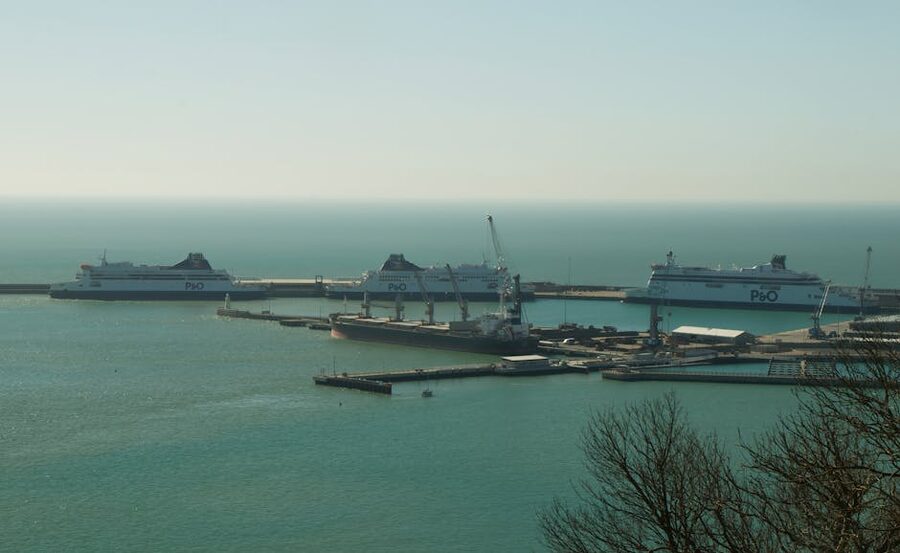
The path heads east from the visitor centre along the clifftop. It’s a wide, grassy track with the Channel on your right and Dover town hidden in the valley behind you on your left. About fifteen minutes in you reach Fan Bay viewpoint, which is the photo most people come for: a long curved sweep of chalk falling into the sea, with ferries crossing the water below.
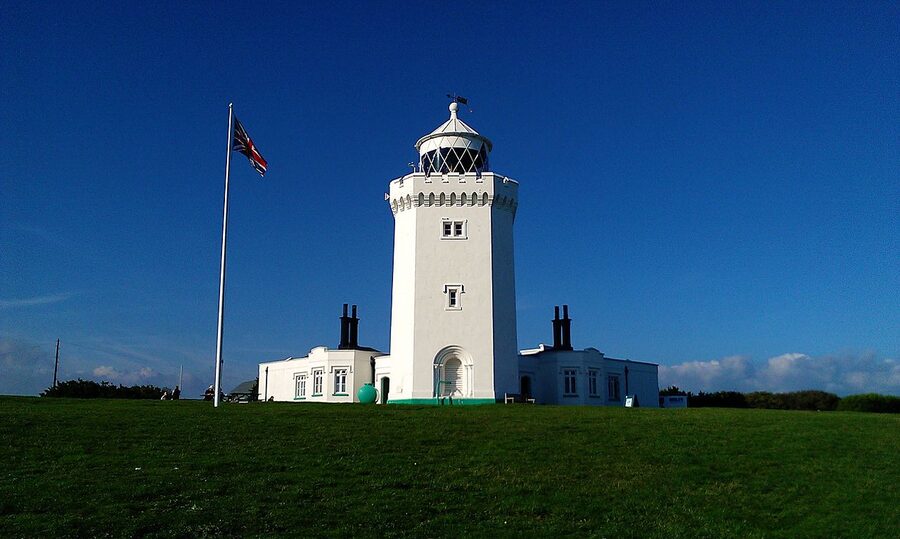
If you’ve got the full ninety minutes, you can keep going to South Foreland Lighthouse, which is the white-and-red one you’ll see in postcards. It’s a National Trust property, opens for visits in summer, and is around forty minutes’ walk from the visitor centre at a comfortable pace. You won’t make it back in time on a sixty-minute stop. On a ninety-minute stop you’ll do it but you’ll be hustling.

The Fan Bay Deep Shelter, a WWII tunnel system cut into the chalk, is along the same path and bookable separately through the National Trust. Day-trip tours don’t include it because it requires a guided slot, but if you ever come back for a longer visit it’s worth the effort. The shelter sleeps fifty and was a gun battery during the war.
What to wear at the cliffs
Layers and proper shoes. The wind off the Channel adds a real chill even in July, and the path can be slick after rain because the chalk gets greasy. Trainers are fine in dry weather. In winter or wet weather, anything with a grippy sole. Bring a light waterproof regardless of the forecast; weather flips fast on the south coast.
Canterbury and the cathedral
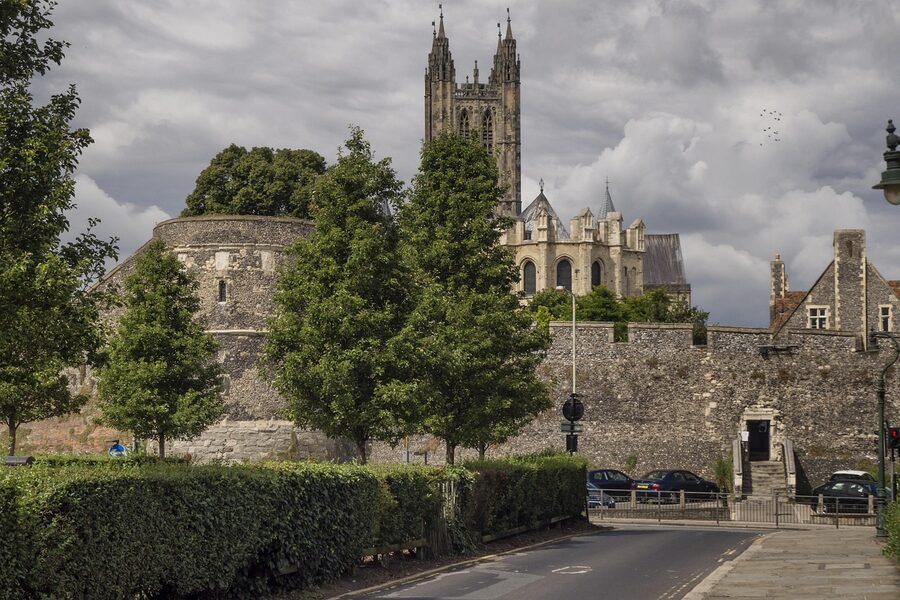
Canterbury is thirty minutes inland by coach. The drop-off is usually on Pound Lane, just outside the medieval city wall, a five-minute walk from the cathedral via the high street. You’ll get roughly two hours here, which sounds like a lot until you try to do the cathedral, the old town, and lunch in that window.
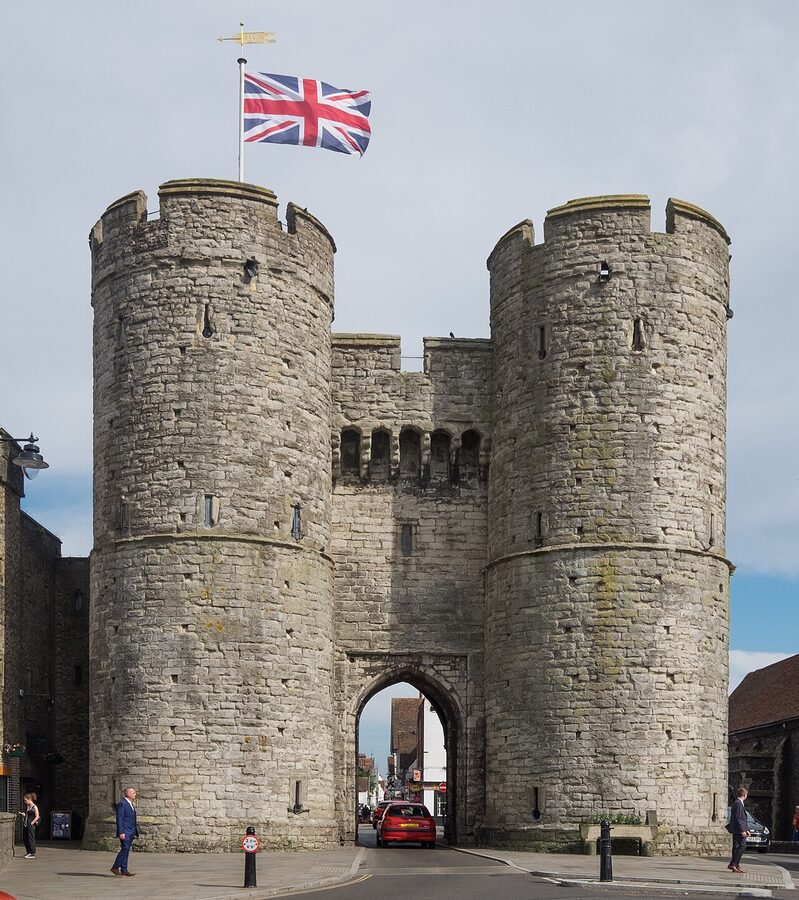

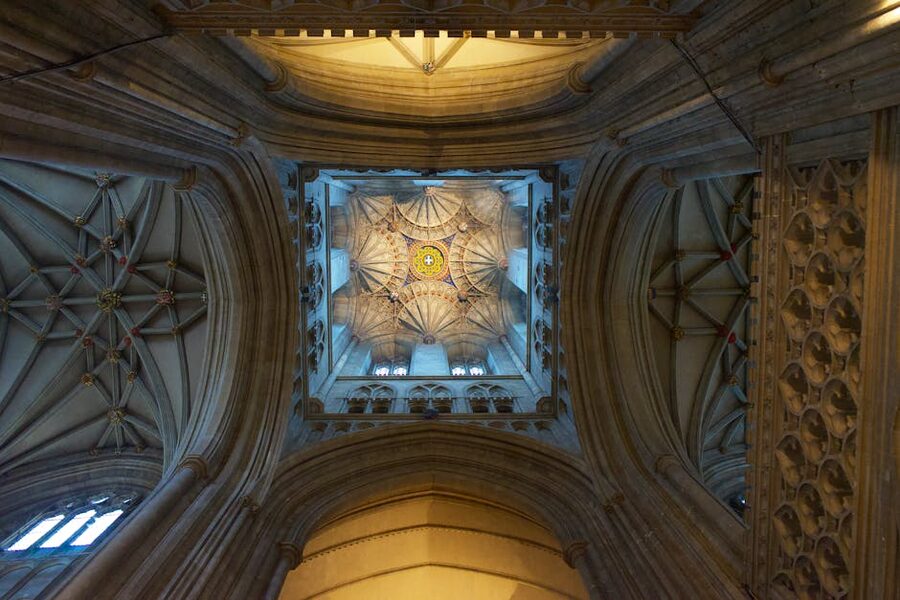
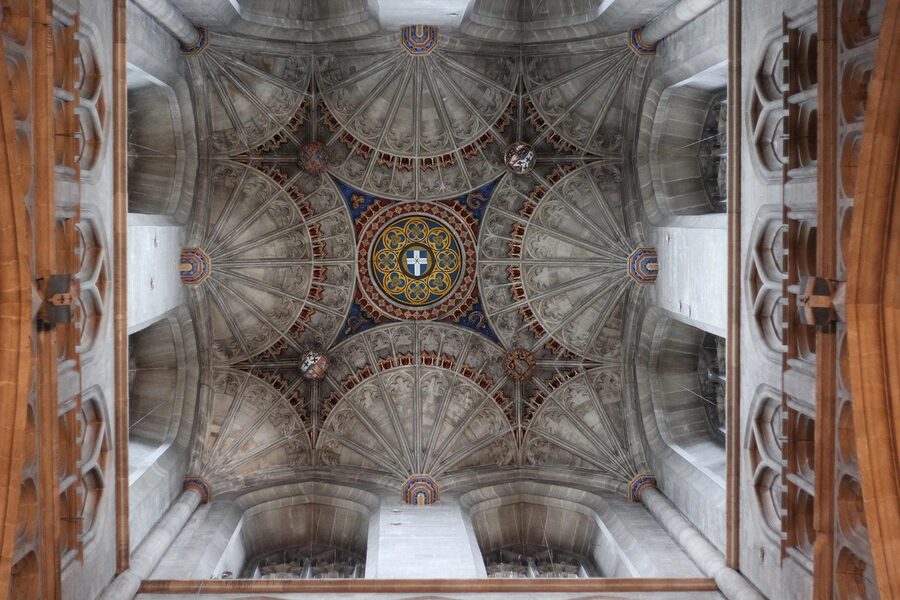
Most tours include cathedral admission in the price, but check before you book. If it isn’t included, the gate ticket is around £18 and you can pay on arrival. The cathedral’s Wi-Fi audio guide adds another £5 or so and is genuinely worth it; the cathedral is enormous and the layers of history aren’t obvious without context.
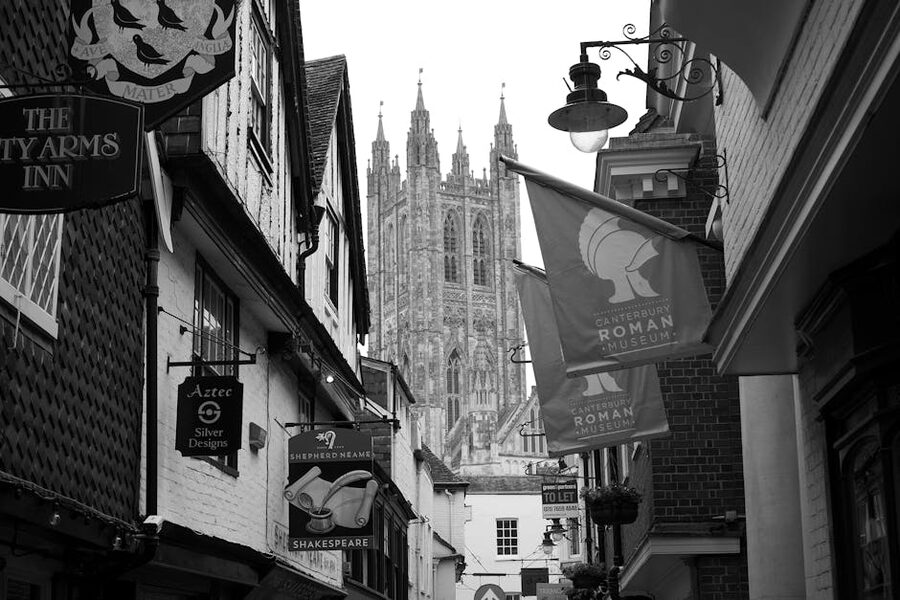
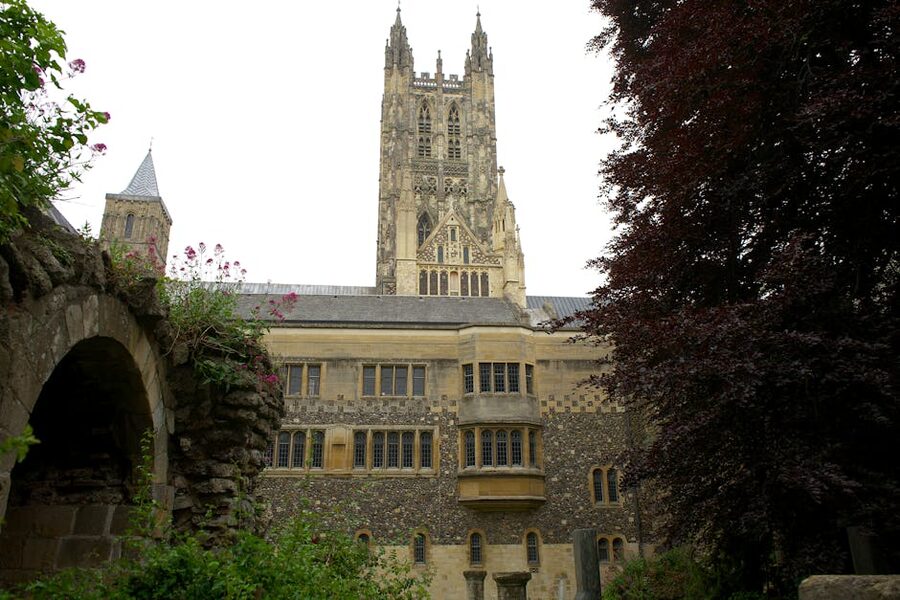
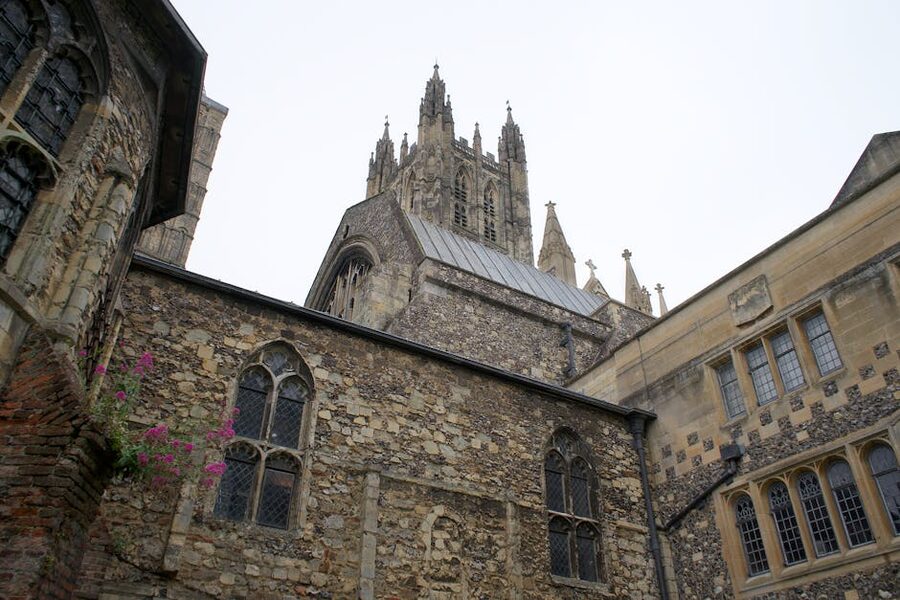
Inside, the spot most people miss because it isn’t signposted well is the Martyrdom: the corner of the north transept where Thomas Becket was killed by four knights of Henry II in December 1170. There’s a modern altar and a pair of suspended sword sculptures marking it. This is the reason Canterbury became a pilgrimage city, the reason Chaucer’s pilgrims were heading here, and the reason this whole cathedral grew to its current size. It’s a small spot and easy to walk past; ask a steward if you can’t find it.
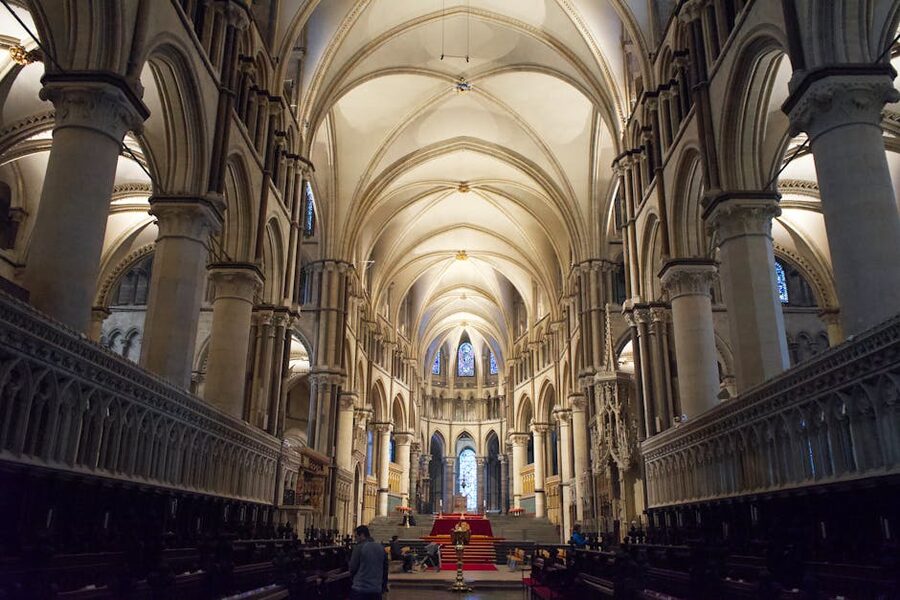
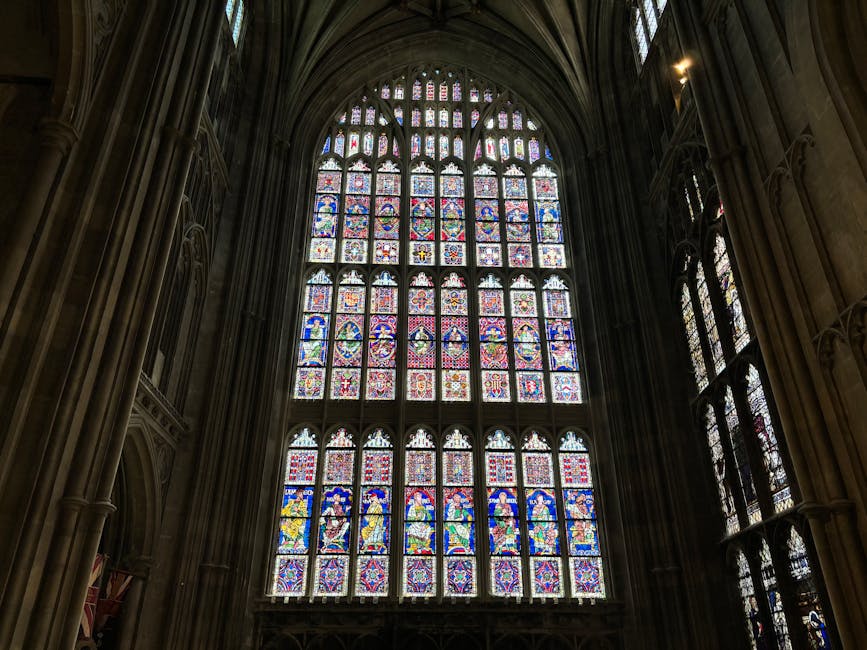
The crypt below the choir is the largest Norman crypt in the country and easy to miss because the entrance is unobtrusive. Photography isn’t allowed down there, which is a relief from the constant shutter clicks upstairs.
Old town in the time you have left
If the cathedral takes ninety minutes, you’ve got thirty minutes for everything else, which means picking one thing. My advice: walk back along Mercery Lane to the high street, hang a right at Burgate, and follow the river path along the Stour for ten minutes. You’ll see the punting boats from the bridge, get a sense of the medieval town from outside its walls, and be back at the coach with five minutes to spare.
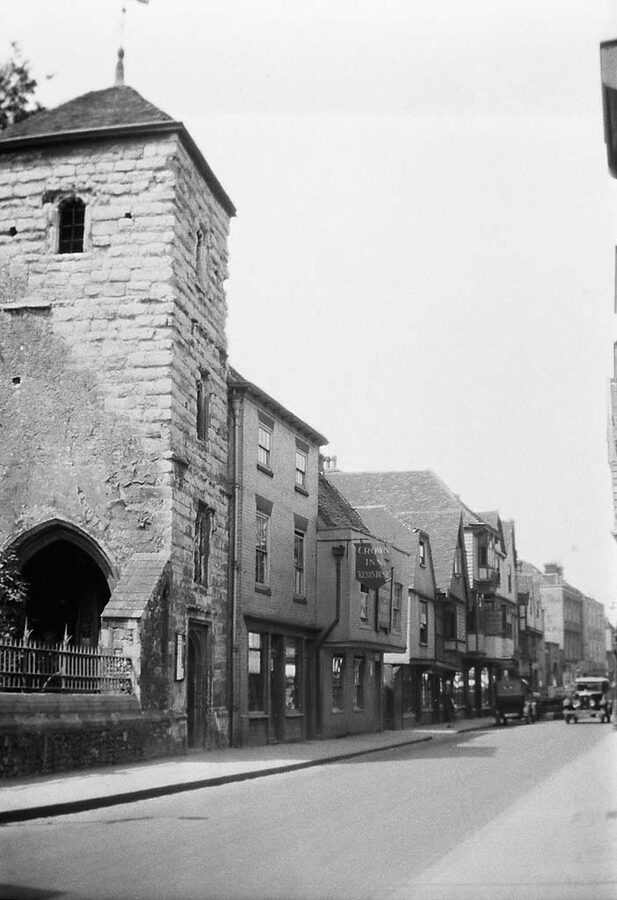
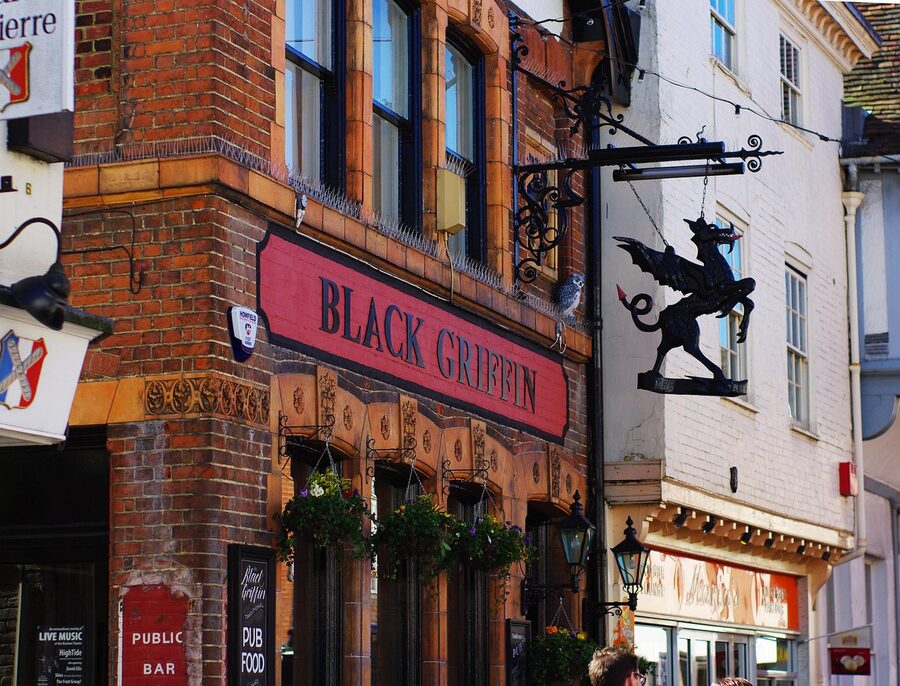
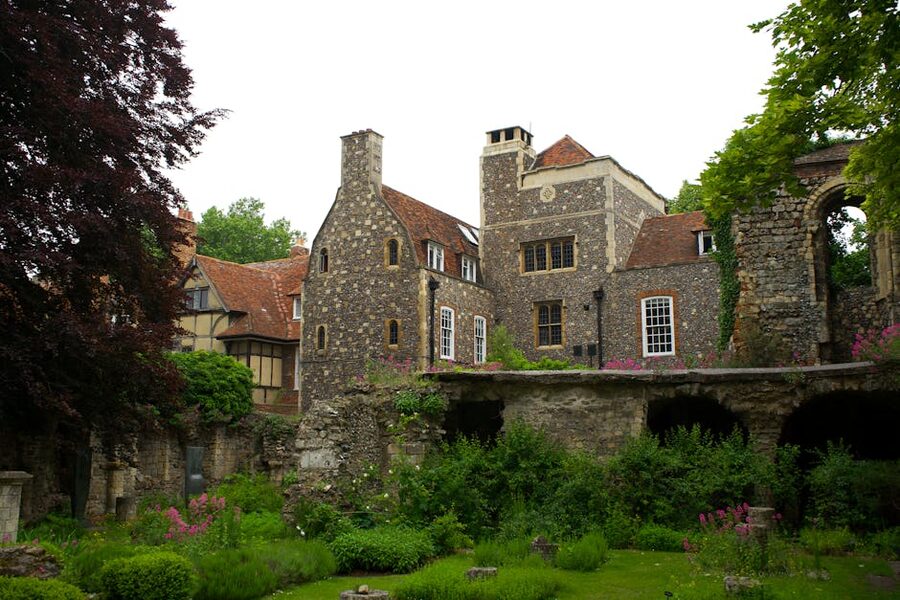
What I wouldn’t bother with on a day trip: the St Augustine’s Abbey ruins, which are interesting but twenty minutes’ walk from the coach drop-off and twenty minutes back; the Canterbury Tales attraction, which is a recreation rather than the real thing; the Beaney museum, which is free and good but better suited to a longer visit. The cathedral plus a riverside walk is the right shape of two hours.
The history that makes this combo make sense
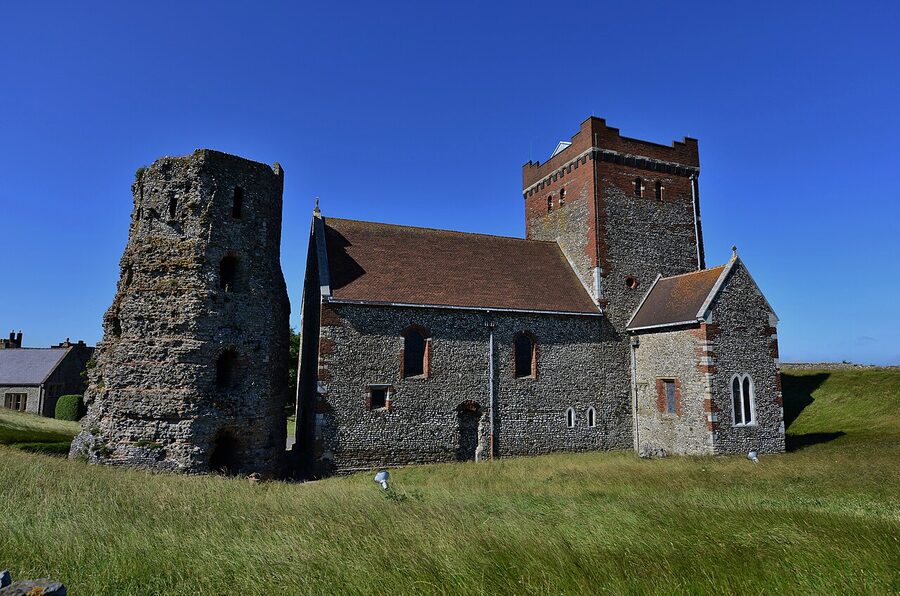
Dover and Canterbury are the two ends of an old road. The Romans landed at Richborough in 43 AD, built a port at Dover (Dubris), and ran Watling Street inland through Canterbury (Durovernum) towards London. The same road is the one your coach is following back to London at the end of the day.
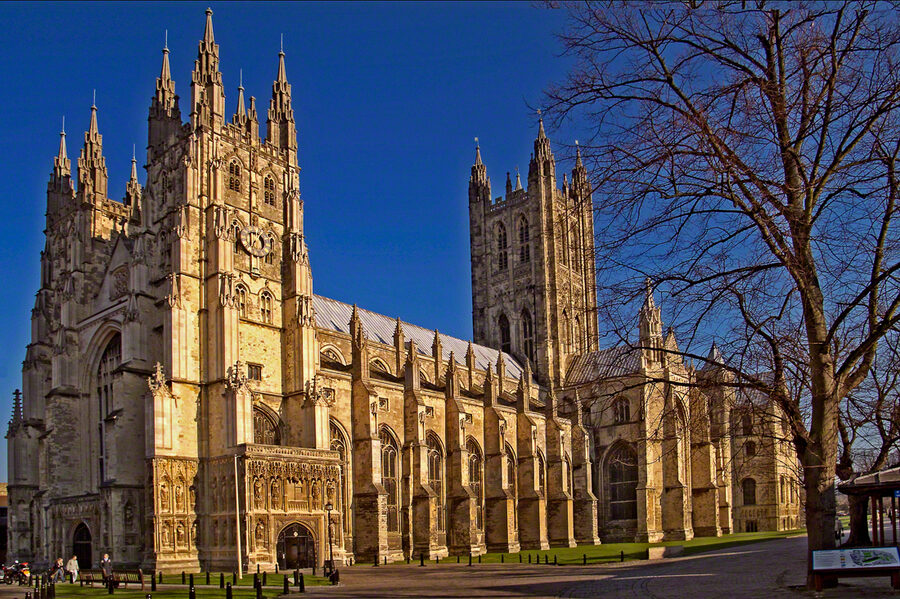

St Augustine arrived at Canterbury in 597, sent by Pope Gregory I to convert the Anglo-Saxons. He set up his mission church on the site of what became the cathedral. That’s why Canterbury is the senior English bishopric and why the Archbishop of Canterbury is still the symbolic head of the worldwide Anglican Communion. The current cathedral building is mostly twelfth-century onwards, but the institution under it is older than the building by 600 years.
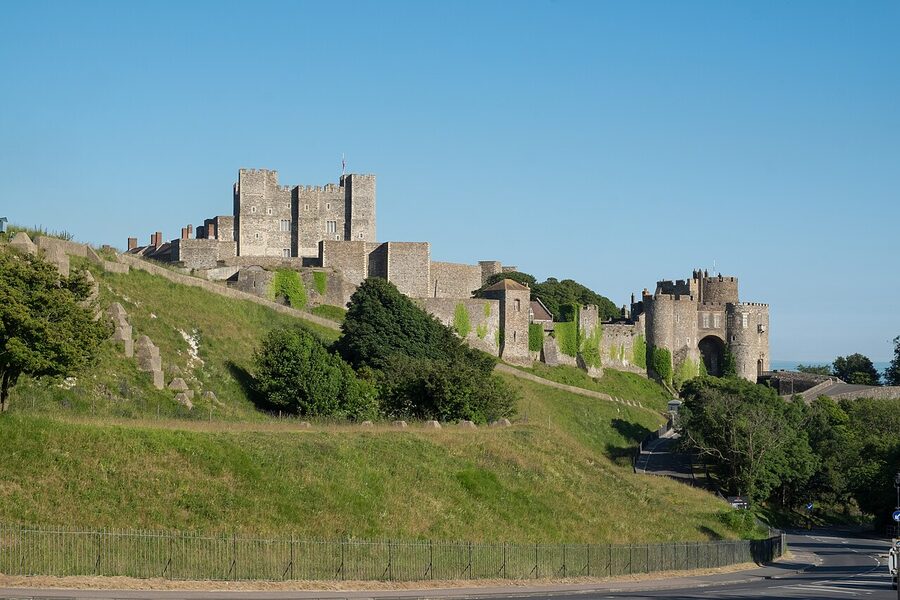

Dover Castle was the front line of defending the kingdom for almost nine centuries. Henry II built the Great Tower in the 1180s after the Becket murder partly to repair his reputation with European pilgrims who had to land at Dover and pass it. The castle held off a French siege in 1216, was upgraded against Spanish invasion in the 1500s, against Napoleon in the 1800s, and against Hitler in the 1940s. The Operation Dynamo Tunnels under the cliff were the command centre for the evacuation of 338,000 troops from Dunkirk in 1940; you can walk through them on the premium tour.


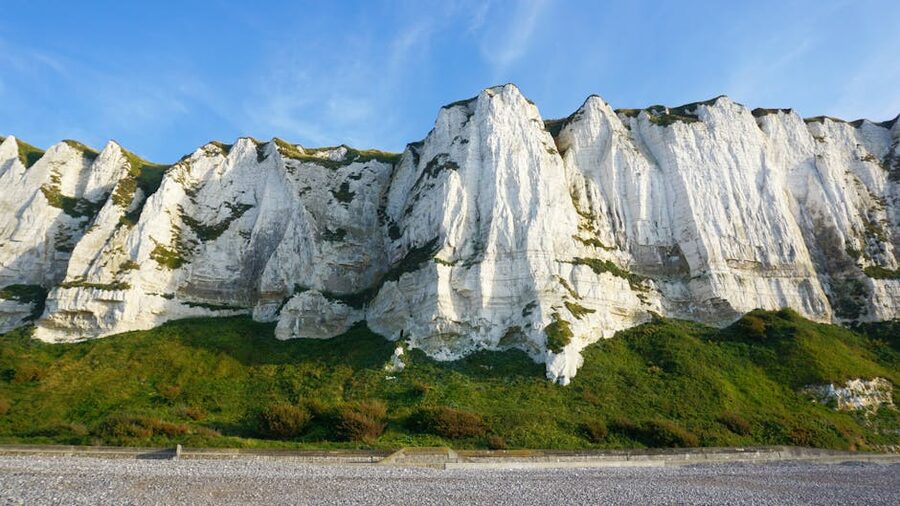
The cliffs themselves are made of chalk laid down 70 to 100 million years ago, when this whole area was a tropical sea full of single-celled algae called coccolithophores. When they died they sank to the seafloor and built up the chalk layer you’re standing on. The same chalk runs under the Channel and resurfaces on the French coast at Cap Blanc-Nez near Calais; on a clear day you can see them as a pale line on the horizon. The two coasts were one continuous chalk ridge until the end of the last ice age, around 8,000 years ago, when meltwater carved the Channel and made Britain an island.

When to go and what time of year matters
Late spring through early autumn is the easy answer: April through October, with May and June probably the sweet spot for cliff visibility and wildflowers. July and August get busy at the cathedral and you’ll queue for thirty minutes to enter; visit in shoulder season if you can.
Winter visits are perfectly viable but the cliff time is shorter because the daylight is. December and January day trips often skip South Foreland because the path is dark by 4pm. The cathedral is at its most atmospheric in winter, though, and the crowds are thin.
What matters more than month is weather on the day. Visibility is the variable: on a clear day you’ll see Calais; on a hazy day you’ll see grey. Check the marine forecast for Dover Strait the night before. If the visibility is under 10 nautical miles, France won’t be there for you, and that’s the headline shot. The rest of the trip still works, but the cliffs without the France-on-the-horizon view lose a little of their punch.
Day-trip practicalities
Pickup is from central London, usually a meeting point near Victoria Coach Station or Russell Square. Tours typically depart between 7:30am and 8:15am. Get there fifteen minutes early; coaches don’t wait. The drive to Dover takes a little over two hours via the M20, with a comfort stop at one of the motorway service areas about halfway.
Lunch isn’t usually included. Some tours stop in Canterbury, some give you a break in Dover town. Budget around £12-£18 for a pub lunch; both towns have plenty of options. Canterbury has better choice if you have specific dietary requirements; Dover is more limited but the chips at the harbour are genuinely good.
Bring some cash for the cathedral candle votives and the National Trust donation boxes if you want to support either site directly. Card works almost everywhere else, but a few small things are still cash-preferred.
Phones work fine throughout. Both Dover and Canterbury have full 4G/5G coverage. The National Trust visitor centre at Langdon Cliffs has free Wi-Fi if you need to load Google Maps or check ferry departures.
How this trip compares to other London day options
If you’ve already done a Bath day trip or the classic Windsor-Stonehenge-Bath combo, the Dover-Canterbury day is the natural next pick. It’s the south-east coast counterpart to those west-of-London routes, with completely different scenery and a different historical thread (Roman invasions and Channel defence rather than Roman baths and prehistoric stones). The total time commitment is similar at around ten hours.
The other comparison most people make is against Stonehenge from London, and they’re not really the same kind of day. Stonehenge is one big monument and the rest is fields. Dover-Canterbury is two distinct destinations with a coastal walk in between, which gives you variety but also less time at each individual stop. If you have one day and you’re choosing, pick Stonehenge for the awe-of-prehistory angle and pick Dover-Canterbury for the active walking-and-history angle. They’re both good for different moods.
For the more cathedral-curious, a Cotswolds day trip covers different ground but lands you near Oxford; the Canterbury cathedral is on a different scale, but the Cotswolds villages give you an English-countryside punch the Kent route doesn’t quite match. Worth alternating across two visits if you’ve got time.
If you want to extend the day
A small minority of operators run a four-stop variant with Leeds Castle bolted on, usually at around $141 and adding an hour to the total day. The trade-off is real: you gain Leeds Castle, lauded by Lord Conway as “the loveliest castle in the world”, but you lose around twenty minutes at each of the other stops. If you’re a castle person and you’ve already done the standard combo, the Leeds Castle add-on is worth it the second time. As a first visit, stick to two stops and do them properly.
Leeds Castle (which is in Kent, not Leeds, Yorkshire) sits on two islands in a lake about thirty kilometres west of Dover, and it makes geographic sense as a stop on the route back. Henry VIII used it as a residence; the current building is a 1920s reconstruction over medieval foundations. Worth knowing the gardens and the maze are usually included in the admission, which is a useful reminder if your kids are running out of cathedral tolerance.
What to do back in London
The coach gets you back to Victoria around 6:30 to 7:30pm depending on traffic on the M20. That’s late enough to want dinner and not much else. If you’ve still got steam, the obvious pairing for a Kent-history day is to follow it with the British Museum or the Tower of London the next day; the Roman objects in the British Museum’s Britain galleries make Dover Castle’s Pharos suddenly make sense. Our guides on visiting the British Museum and getting Tower of London tickets are worth a look if you’re planning the day after.
For something completely different, consider a Cambridge punting day later in the trip, or work in the London Pass if you’re planning four or more major attractions inside the city after your Kent day. Pairs naturally with city-pass logic: the Dover-Canterbury day is the rural counterweight to a few packed days of London ticketing.
Other Kent and London day-trip guides
If the Dover-Canterbury day works out, the natural next step from London is one of the other coach-day combos. The London Pass covers a lot of city ground if you want to go heavy on London after your Kent day, and the London Zoo works for a quieter day with kids in tow. The Royal Mews at Buckingham Palace is the best off-season London ticket if you’re here in autumn or winter when the State Rooms are closed, and it pairs nicely with a longer day at the coast. For more west-of-London options, see our Bath day trip guide or the Windsor-Stonehenge-Bath combo; for north, the Cambridge punting day is a softer-paced alternative to the coastal route.
Affiliate disclosure: Some links above point to GetYourGuide and other booking partners. If you book through them we earn a small commission. Prices are confirmed at the time of writing and can change; double-check on the operator’s site before you commit.