
In the early 1920s, teams of art historians climbed into crumbling Pyrenean churches, carefully cut 900-year-old frescoes off the walls, and carried them down mountain paths to Barcelona. They weren’t stealing. They were racing against time — and against art dealers who wanted to sell the murals to American museums.
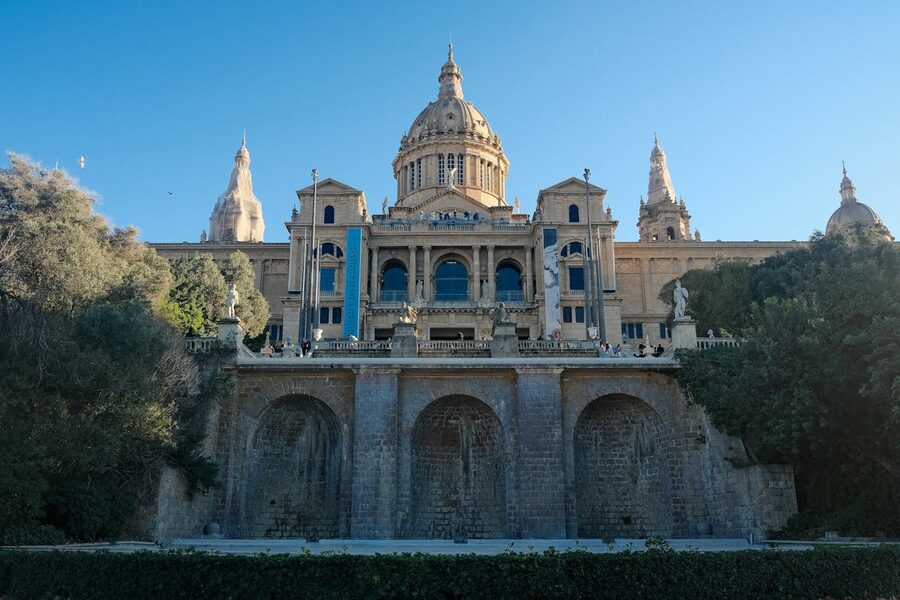
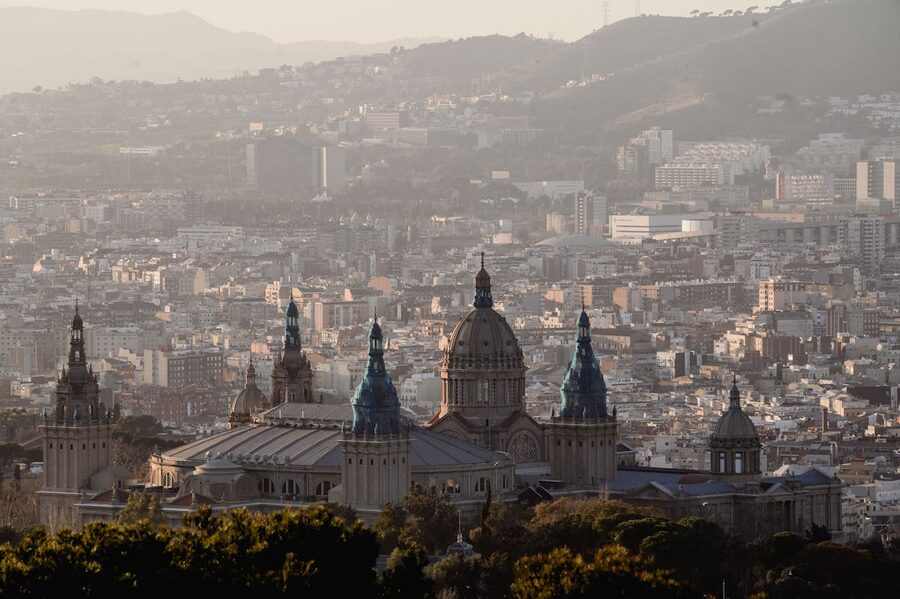
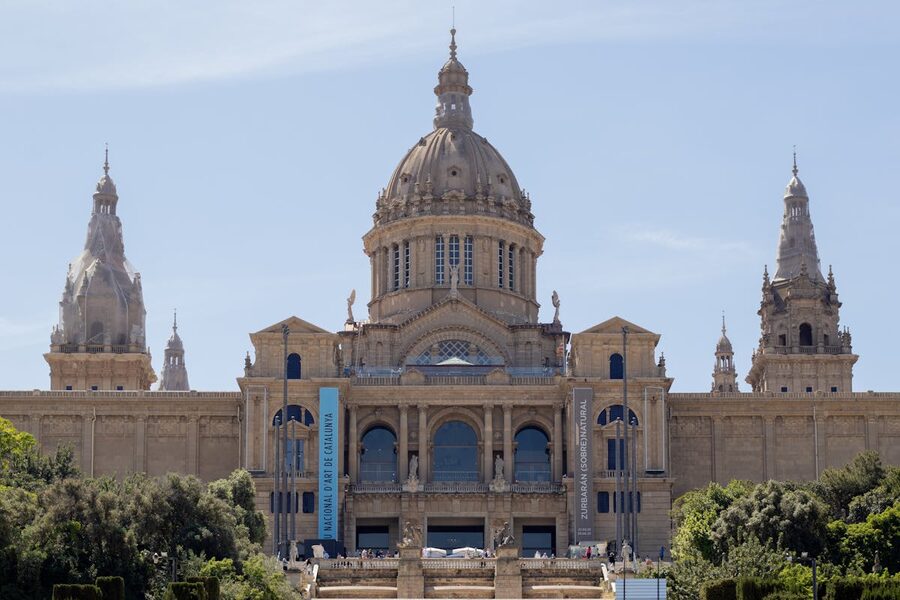
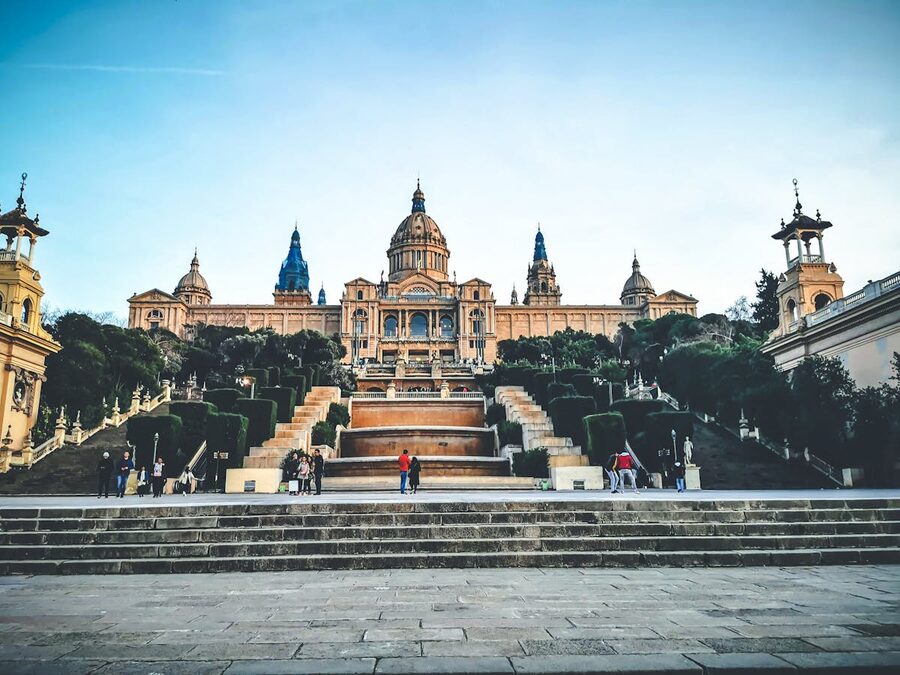
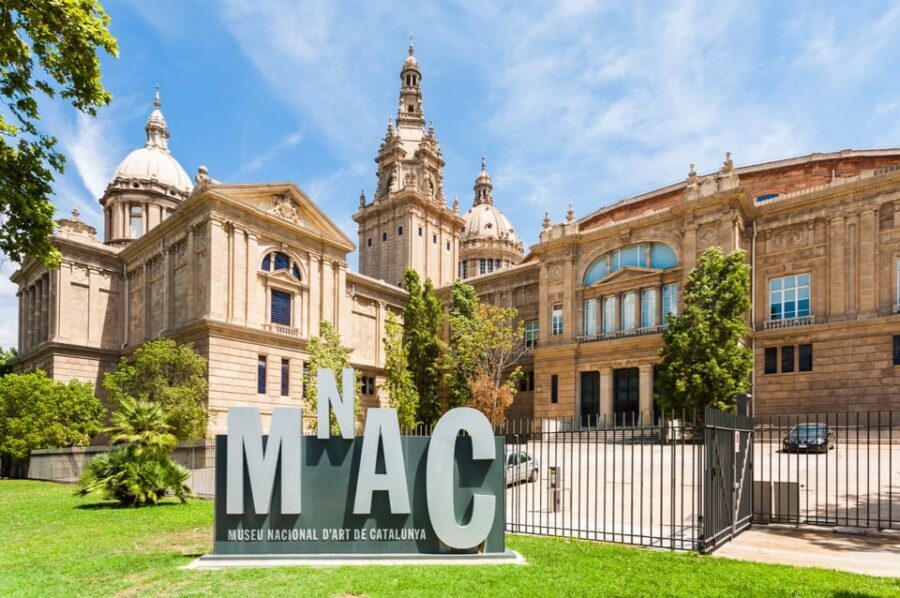
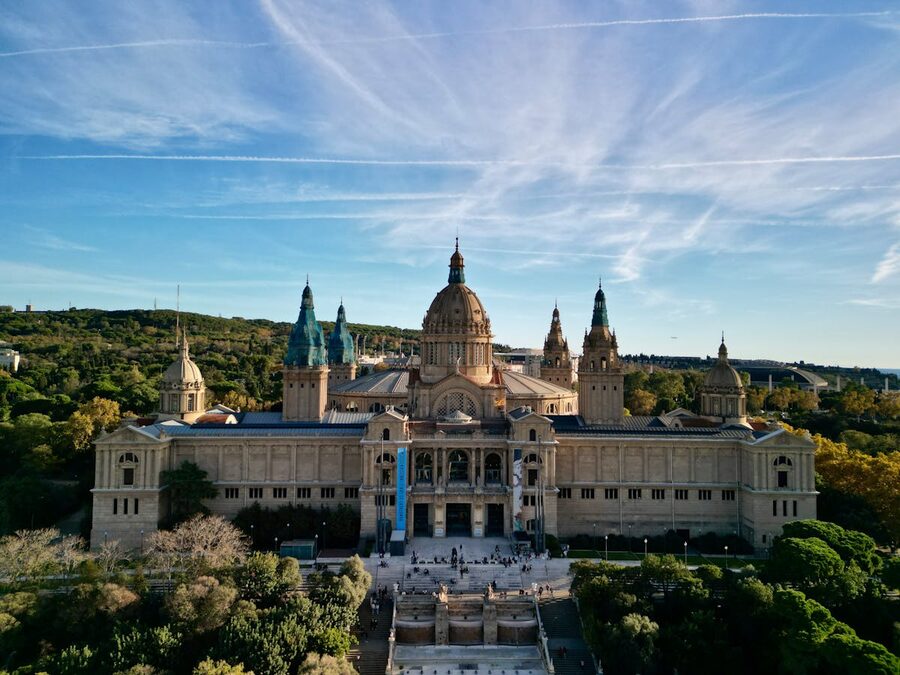
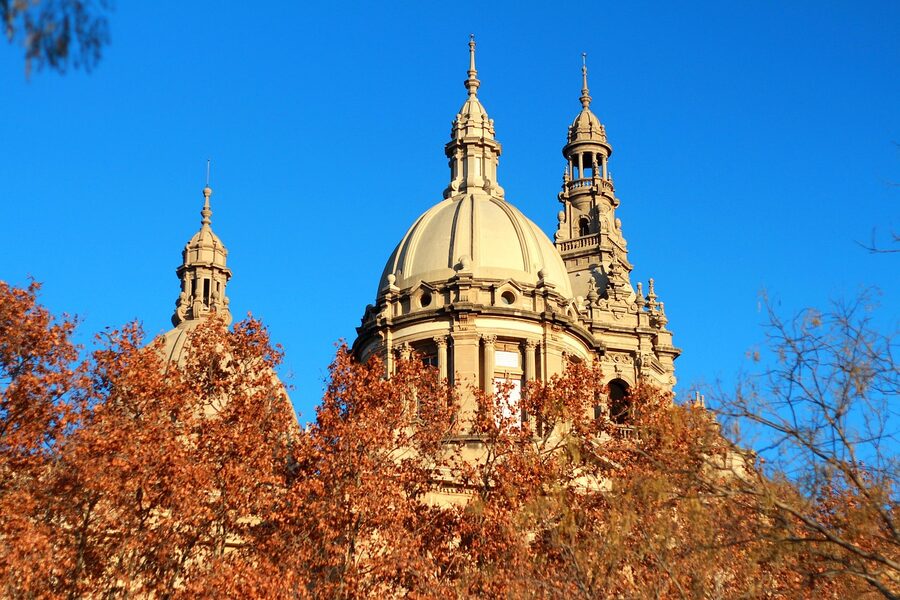
Those rescued frescoes now live inside the MNAC — the Museu Nacional d’Art de Catalunya — and they’re the reason this museum matters. Not “matters” in a vague cultural sense. Matters as in: this is the single most important collection of Romanesque art on the planet. Period. The building itself, the Palau Nacional, sits on top of Montjuic hill like a crown on Barcelona’s head. You can see it from half the city.
Tickets are cheap and the queues are manageable. Here’s how to get in without wasting time.
- In a Hurry? Here Are the Top Picks
- How MNAC Tickets Work
- What’s Inside the MNAC — Room by Room
- The Romanesque Collection (Don’t Skip This)
- Gothic and Renaissance Wings
- Modern Art (Catalan Modernisme)
- The Rooftop Terrace
- The Best Tours to Book
- 1. MNAC Entrance Ticket —
- 2. MNAC Admission Ticket (Viator) — .48
- 3. MNAC Masterpieces Private Guided Tour — 1 per group
- Getting to the MNAC
- Stolen, Saved, and Reassembled — The Real Story Behind the Collection
- The 1929 Exhibition — How Barcelona Remade Itself
- Tips That Will Actually Help
- Exploring More of Barcelona
In a Hurry? Here Are the Top Picks
Best overall: MNAC Entrance Ticket — $14 per person. Full-day access to every collection. Skip-the-line included.
Best for art lovers: MNAC Masterpieces Private Guided Tour — $271 per group. Two hours with an art historian who actually knows the Romanesque collection. Worth it if you care about context.
Budget option: MNAC Admission Ticket via Viator — $14.48 per person. Same museum, different booking platform. Check both for availability.
How MNAC Tickets Work
The MNAC keeps things simple. One ticket gets you into everything — the Romanesque collection, the Gothic wing, the Renaissance and Baroque rooms, the Modern Art section, the rooftop terrace with its 360-degree view of Barcelona. There’s no tiered pricing or premium access nonsense.
The standard ticket is €12 (around $14). Students and seniors get a 30% discount. Under-16s and over-65s enter free. And here’s the part most travelers miss: the ticket is valid for two consecutive days. You can spend Saturday afternoon in the Romanesque galleries and come back Sunday for the Modern Art wing without paying again.
First Saturdays of each month after 3pm are free for everyone. The catch? Everyone knows this, so those Saturday afternoons are packed. If you’re visiting on a free Saturday, arrive at 3pm sharp — by 4pm, the Romanesque rooms get crowded enough to ruin the experience.
Booking online through GetYourGuide or Viator costs the same as the door price but gives you skip-the-line access. During summer (June-September) and Easter week, I’d always book ahead. The rest of the year, you can usually walk up without issues.
What’s Inside the MNAC — Room by Room
The Romanesque Collection (Don’t Skip This)
This is the crown jewel. Full-sized church apses — not fragments, entire curved walls — have been reconstructed inside the museum and filled with their original frescoes. You walk into rooms shaped like the churches these paintings came from. The lighting is dim, the colours are intense, and the eyes of a thousand-year-old Christ follow you across the room.
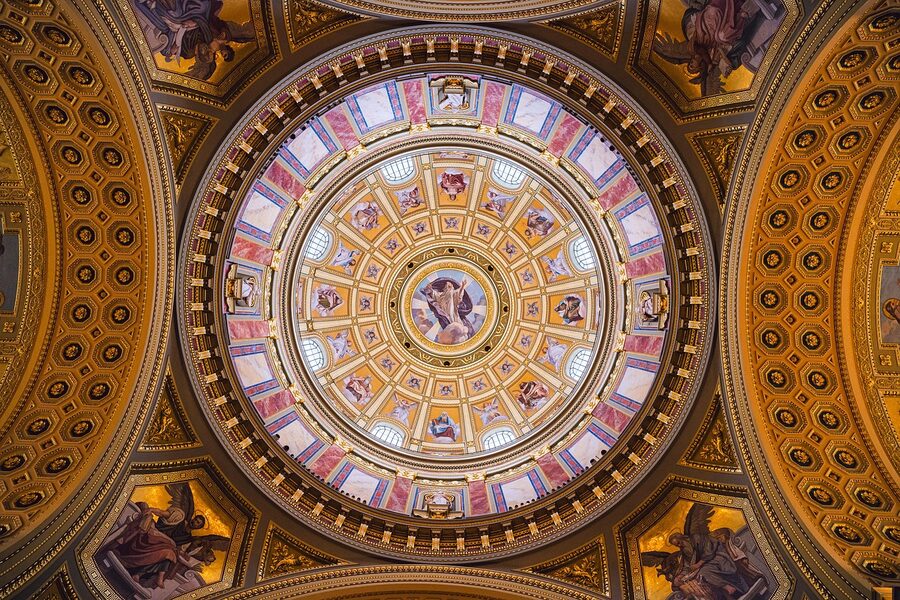
The star piece is the apse of Sant Climent de Taull, painted in 1123. The central figure — Christ Pantocrator — has asymmetric eyes that create an unsettling effect: one eye looks directly at you while the other gazes into eternity. Art historians have written entire books about those eyes. Standing in front of the actual fresco, you understand why.
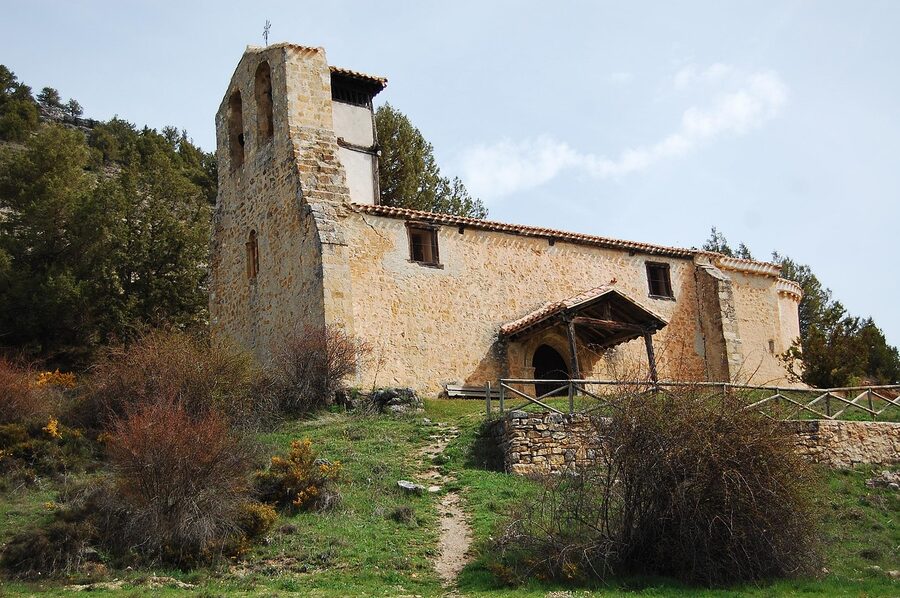
There are over twenty reconstructed apses and chapel interiors. Budget at least 45 minutes here, more if you have any interest in medieval art. The audioguide (€5 extra) is worth it for this section — the stories behind the rescue missions alone are worth the price.
Gothic and Renaissance Wings
After the Romanesque rooms, most people hit the Gothic collection. It’s strong but not as unique — you’ll find similar quality Gothic altarpieces in Madrid’s Prado or Florence’s Uffizi. The Catalan Gothic style has a distinct flavour though: more gold leaf, more dramatic facial expressions, more crowded compositions.
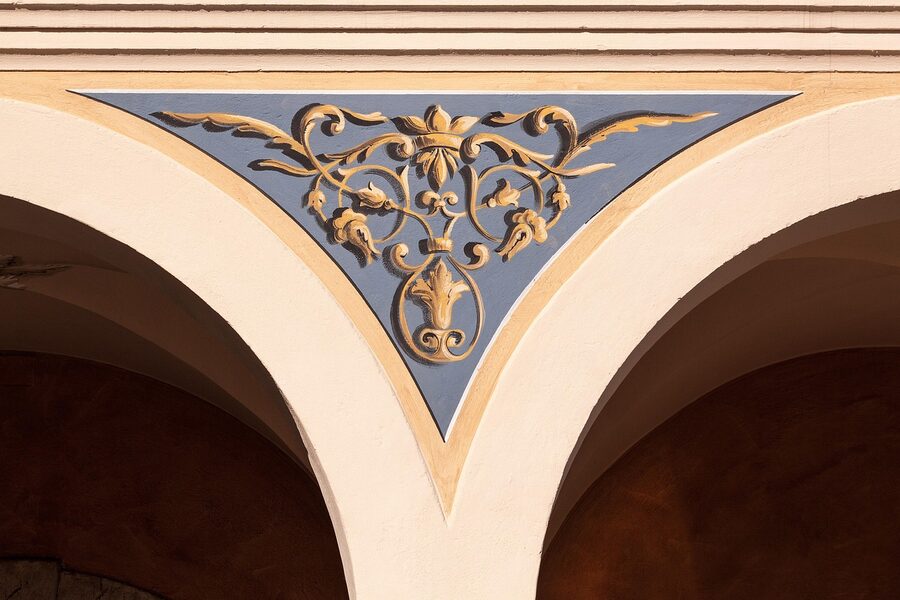
The Renaissance and Baroque section is smaller and honestly feels like an afterthought. A few decent Spanish and Italian paintings, but nothing that would justify a visit on its own. Walk through it on your way to Modern Art.
Modern Art (Catalan Modernisme)
This is the second reason to visit. The MNAC has the best collection of Catalan Art Nouveau (Modernisme) anywhere, including furniture designed by Gaudi, paintings by Ramon Casas and Santiago Rusinol, and decorative arts from the golden age of Barcelona’s creative explosion (1880s-1920s).
The highlight here is the recreation of a Modernisme interior — a full room with period furniture, wallpaper, lighting, and decorative panels. It gives you context that individual paintings can’t. This is what wealthy Barcelona homes actually looked like in 1900.
The Rooftop Terrace
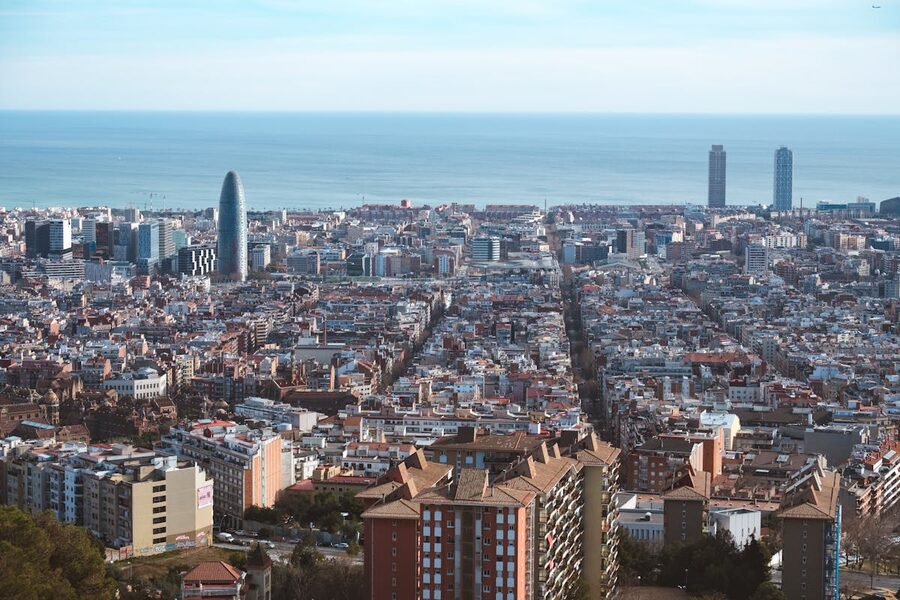
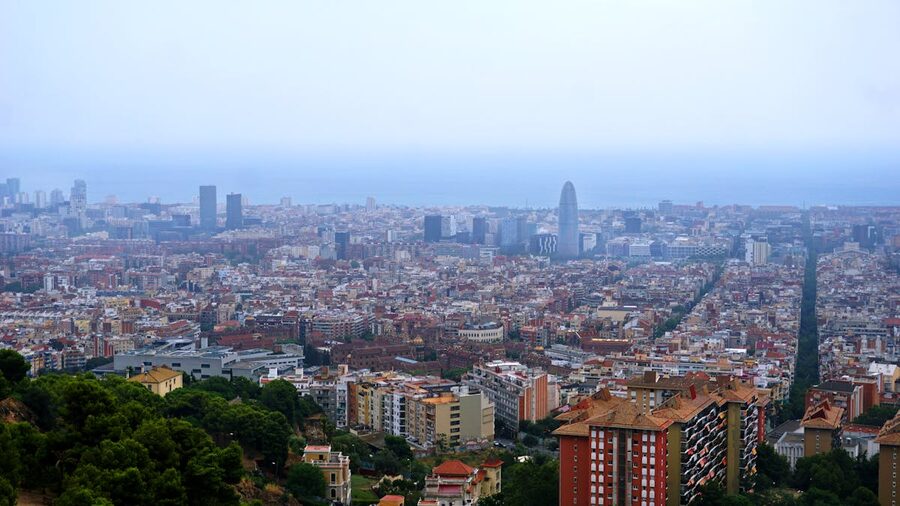
Free to access even without a museum ticket (there’s a separate elevator from the ground floor). The terrace wraps around the central dome and gives you arguably the best panoramic view in Barcelona. On a clear day, you can see from the Sagrada Familia to the port, with Tibidabo mountain behind you and the Mediterranean ahead.
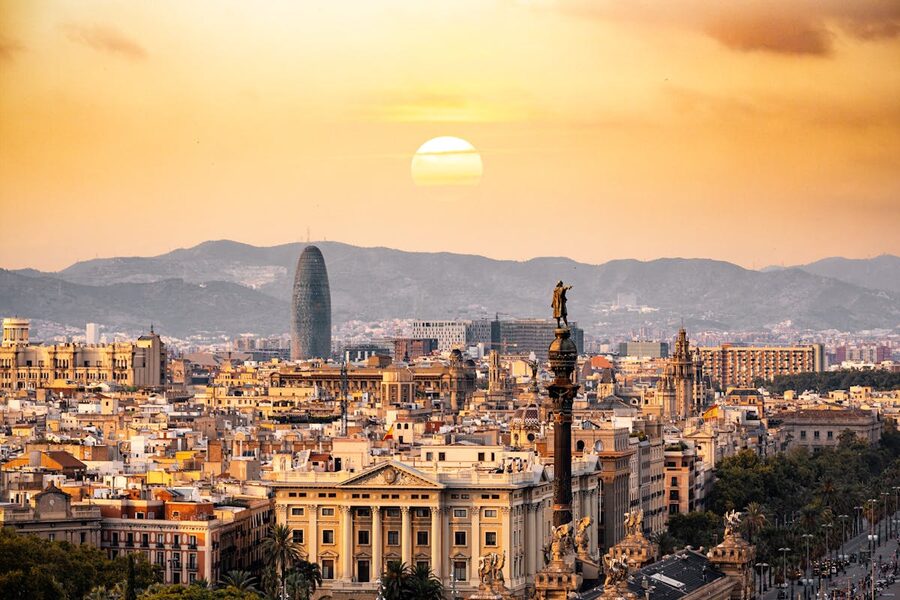
Go near closing time for the best light. Sunset from here, with the city below and the fountain shows starting down the hill, is one of those Barcelona moments that doesn’t cost anything.
The Best Tours to Book
1. MNAC Entrance Ticket — $14
The standard entry ticket covers all galleries, temporary exhibitions, and rooftop access for two consecutive days. The online booking includes skip-the-line entry, which matters during summer and weekends. Our review covers what each gallery section includes and the best strategy for tackling the museum without burning out. At this price, it’s hard to find a reason not to go.
2. MNAC Admission Ticket (Viator) — $14.48
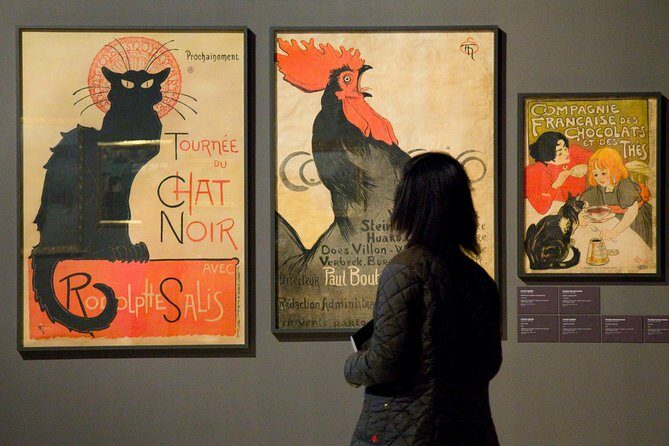
Essentially the same ticket as above, booked through Viator instead. The 3-hour estimate they give is about right for a solid visit without rushing. Both platforms offer free cancellation, so book whichever has your preferred time slot. Our Viator review has more detail on the self-guided experience and what to prioritise if you’re short on time.
3. MNAC Masterpieces Private Guided Tour — $271 per group
If you split this between 2-4 people, it becomes very reasonable for a two-hour private tour with an art historian. The guide focuses on the masterpieces — particularly the Romanesque frescoes and the Modernisme collection — and provides the context that transforms a museum visit from “nice paintings” to “I understand why this matters.” Our review explains what the guided experience actually adds. Note: museum entry ticket is not included, so budget an extra $14 per person.
Getting to the MNAC
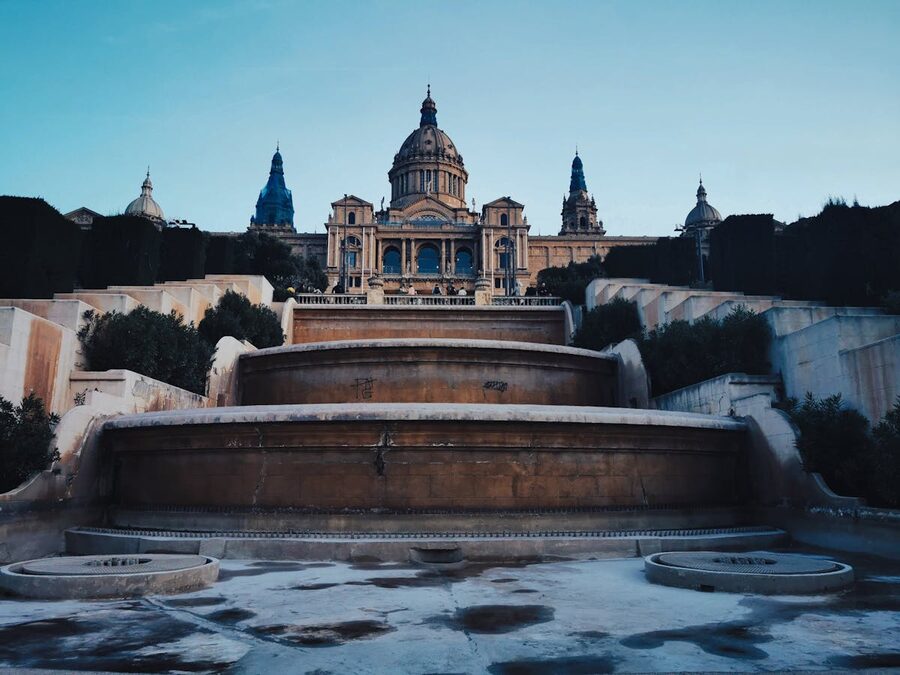
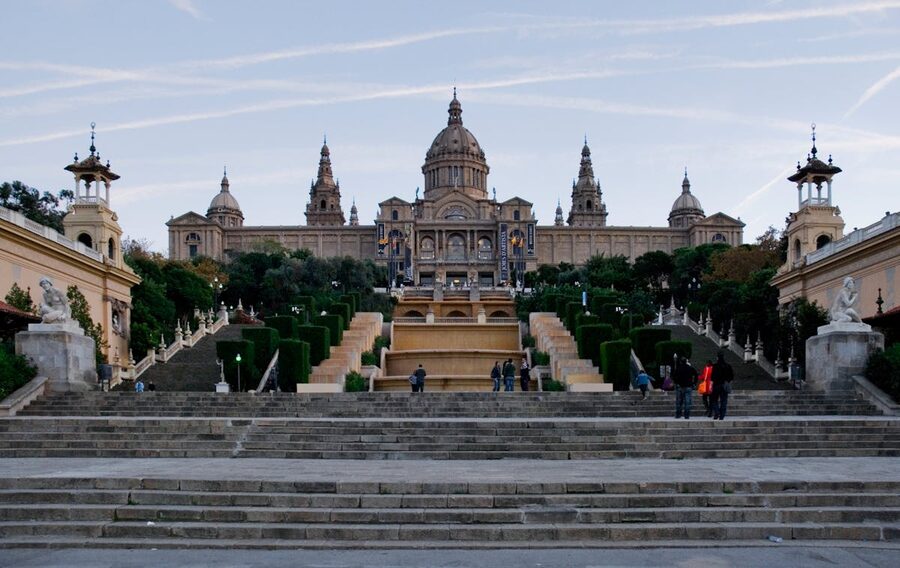
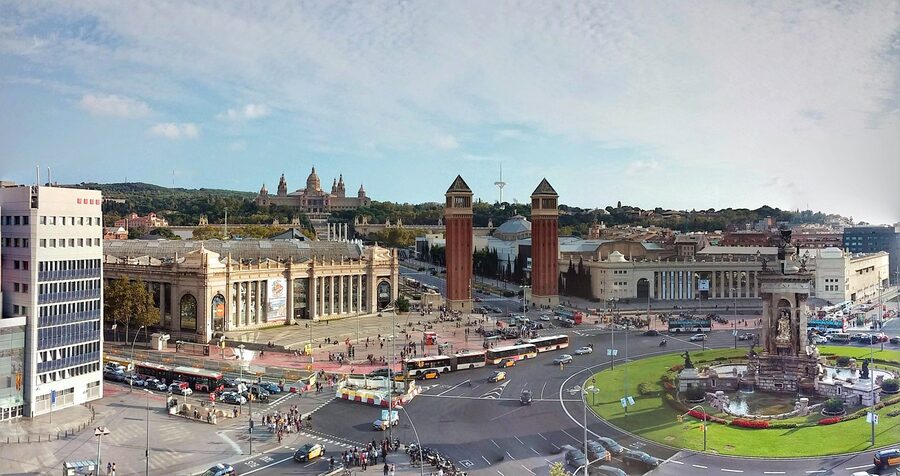
The museum is on Montjuic hill, which sounds inconvenient but isn’t. From Placa Espanya (metro lines L1 and L3), it’s a 10-minute walk up the grand staircase. Escalators run alongside the steps, so you don’t actually have to climb if your legs aren’t up for it.
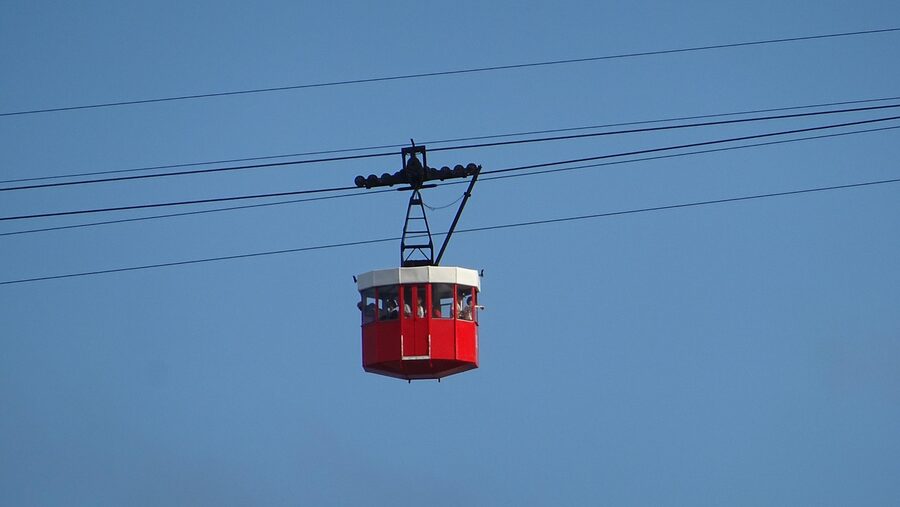
The Montjuic cable car from the port is scenic but drops you at the castle end of the hill — you’ll need to walk 15 minutes downhill to reach the museum. More practical is the Teleferic de Montjuic funicular from Paral-lel metro station, which gets you closer.
By taxi or rideshare, ask to be dropped at the main entrance on Avinguda de la Reina Maria Cristina. There’s limited parking at the top, but driving up Montjuic is a headache — narrow roads, confusing signage, and limited spaces.
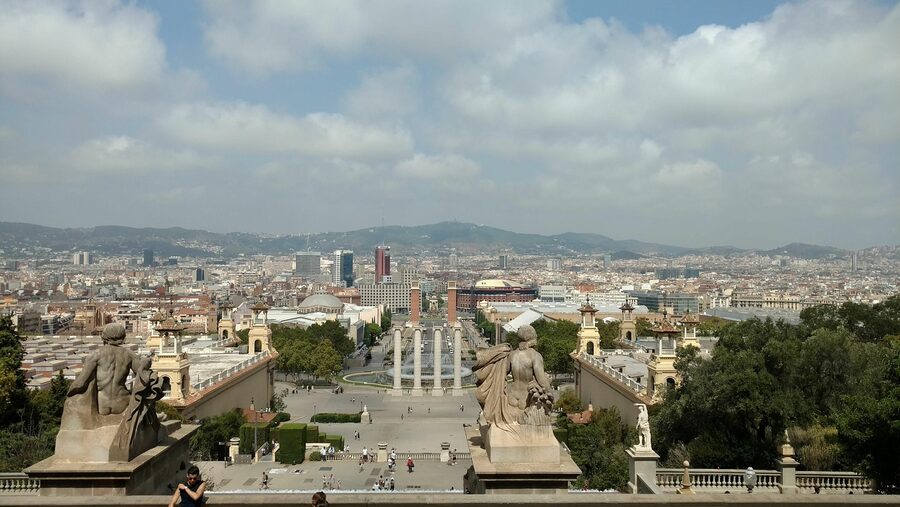
Stolen, Saved, and Reassembled — The Real Story Behind the Collection
The MNAC’s Romanesque collection exists because of a crisis and a race against time.
By the late 1800s, the churches of the Catalan Pyrenees were falling apart. Villages had emptied out as people moved to Barcelona for work. Roofs collapsed, walls cracked, and the medieval frescoes painted on those walls began deteriorating. At the same time, foreign art dealers — particularly from the United States — started showing up with checkbooks.
In 1919, a group of Italian art specialists developed a technique called strappo — literally tearing frescoes off walls by gluing fabric to the painted surface, peeling it away, and remounting it on canvas. The Barcelona Museum Commission hired these specialists and launched rescue missions to dozens of Pyrenean churches between 1919 and 1923.
The most dramatic moment came at Sant Climent de Taull. The commission’s team arrived to find that an American dealer had already made arrangements to buy the apse paintings. They worked through the night to remove the frescoes before the sale could go through. The Christ Pantocrator from that church — with its famous asymmetric eyes — is now the MNAC’s most recognizable piece.
Not every rescue went smoothly. Some frescoes were damaged during removal. Others had already been sold before the commission arrived — fragments from Catalan churches ended up in museums in Boston, New York, and Cincinnati. The MNAC has been trying to negotiate their return for decades.
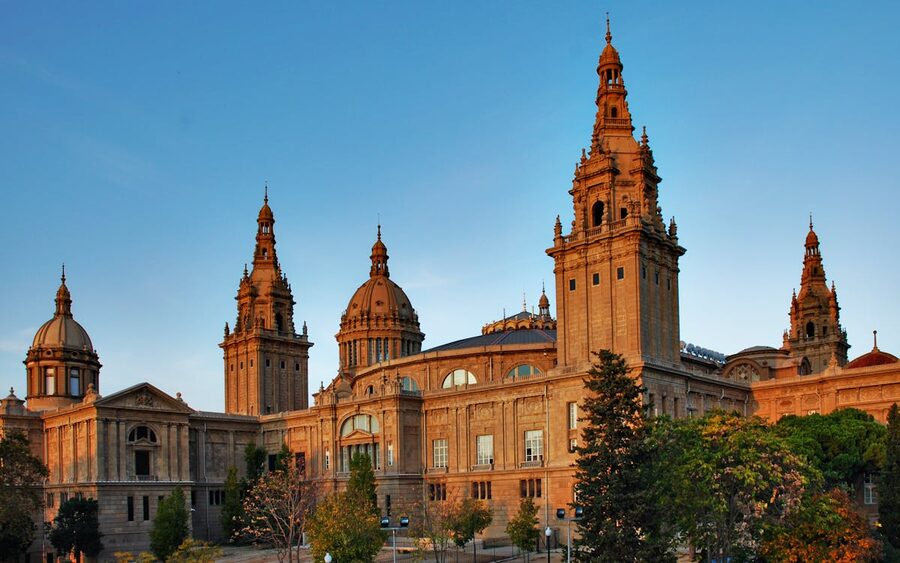
The Palau Nacional itself was built for the 1929 International Exhibition — Barcelona’s attempt to prove it belonged among Europe’s great cities. The building was designed by Enric Catà and Pedro Cendoya in a Neoclassical style that borrowed heavily from Spanish Renaissance architecture. It was supposed to be temporary. But the exhibition was such a success, and the building so imposing, that the city kept it. The MNAC moved in permanently in 1934.
The most recent renovation, completed in 2004 by Italian architect Gae Aulenti (who also designed the Musee d’Orsay renovation in Paris), reorganized the collections and added modern climate control to protect the ancient frescoes. The Romanesque galleries were redesigned to recreate the spatial experience of being inside the original churches — dim lighting, curved walls, painted figures looming overhead.

The 1929 Exhibition — How Barcelona Remade Itself
The Palau Nacional wasn’t just a building project. The entire 1929 International Exhibition was Barcelona’s bid to be taken seriously as a European capital. The city had been overshadowed by Madrid for centuries, and the Catalan bourgeoisie wanted to prove that Barcelona could match Paris, London, or Berlin for culture and industry.
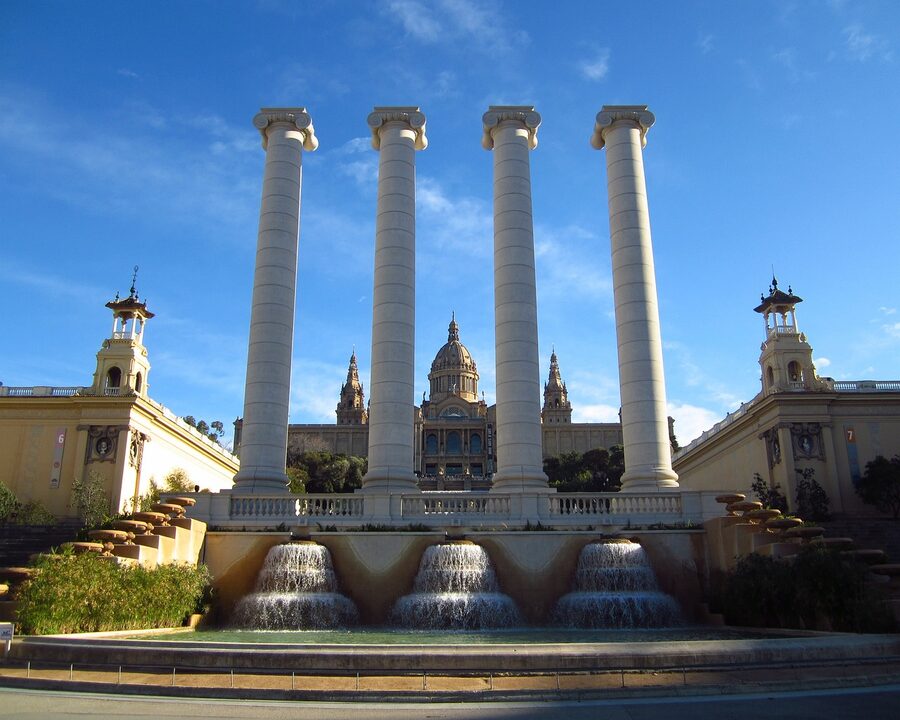
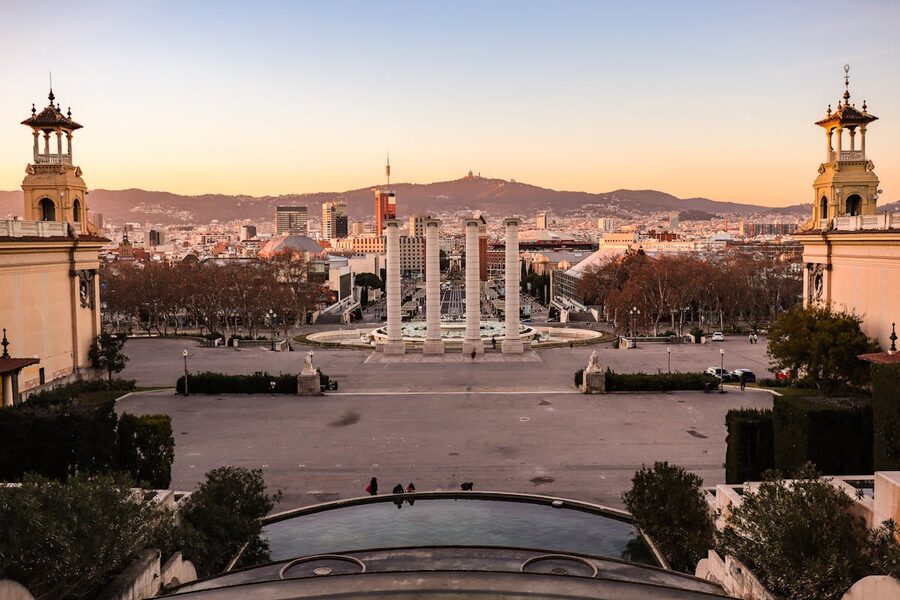
The entire Montjuic hillside was transformed. The Magic Fountain, the Placa Espanya towers, the gardens, the cable car — all built for the exhibition. Mies van der Rohe designed the German Pavilion for the event (now reconstructed and visitable). The Poble Espanyol — a full-scale recreation of architecture from every region of Spain — was another exhibition project that still operates today as an open-air museum.
The exhibition opened in May 1929, five months before the Wall Street Crash. Timing could not have been worse. Attendance was lower than hoped, and the economic crisis that followed meant many of the temporary structures were abandoned. But the Palau Nacional survived, partly because the art collection inside it was already too important to move.
Tips That Will Actually Help
Start with the Romanesque collection. It’s to the left as you enter. Your brain is freshest, the rooms need your attention, and the lighting is specifically designed for focused viewing. Save the Modern Art wing for when your legs are tired — it has benches.
The cafe is decent. Unlike most museum cafes in Barcelona, this one has a terrace with views and the food isn’t bad. Coffee is €2.50, sandwiches around €7. It’s a perfectly good mid-visit break.
Sundays after 3pm are free. But so is the first Saturday of each month after 3pm. Pick the Sunday — it’s less crowded.
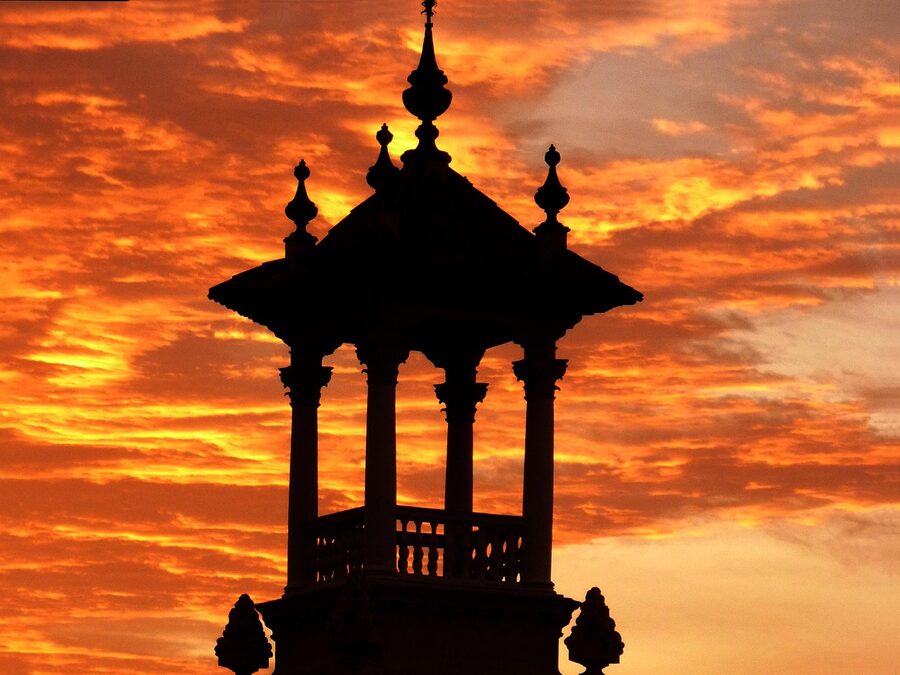
Don’t skip the rooftop. Even if you’re museum-ed out, go up. The view alone is worth the walk. And it’s free — you don’t even need a ticket to access it.
Combine with Montjuic. The Montjuic hill has enough to fill an entire day: the MNAC, the Joan Miro Foundation, the Botanical Gardens, the castle, and the old Olympic stadium from 1992. Plan a Montjuic day rather than cramming the museum between La Rambla and Sagrada Familia.
Photography is allowed in the permanent collection (no flash). Temporary exhibitions sometimes restrict it — check the signs. The Romanesque rooms photograph beautifully with a phone camera in night mode.
Exploring More of Barcelona
The MNAC sits at the heart of Montjuic, which makes it an ideal starting point for exploring this side of Barcelona. The full Montjuic guide covers everything from the castle to the gardens. If you’ve caught the art bug, the Sagrada Familia is Barcelona’s other unmissable cultural experience — book those tickets well ahead, they sell out. For Modernisme beyond the museum walls, Casa Batllo and Park Guell bring Gaudi’s work to life in three dimensions. And if you want to see Barcelona from a completely different angle, the catamaran cruises take you out on the Mediterranean with the entire skyline behind you. The Sant Pau Recinte Modernista is another Montjuic-era gem that doesn’t get the attention it deserves — and it’s usually empty compared to the Gaudi sites.
This article contains affiliate links. If you book through our links, we earn a small commission at no extra cost to you. This helps us keep producing detailed travel guides.