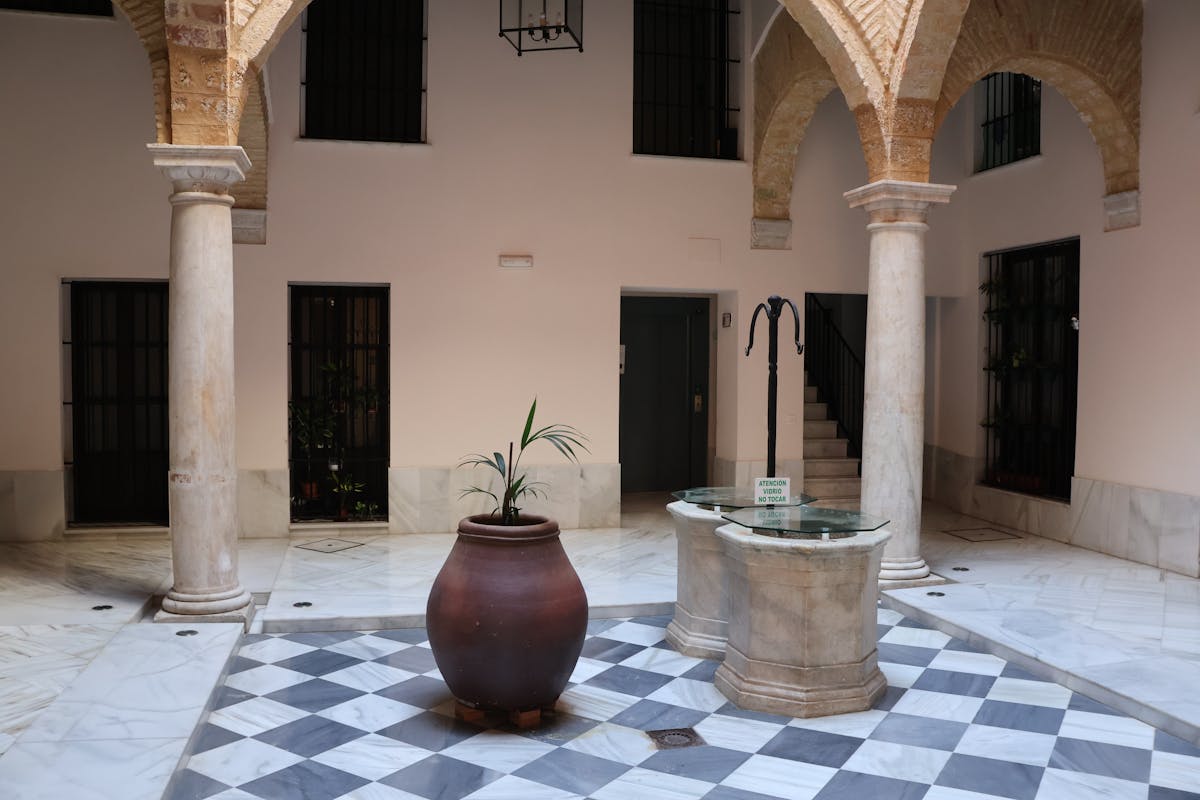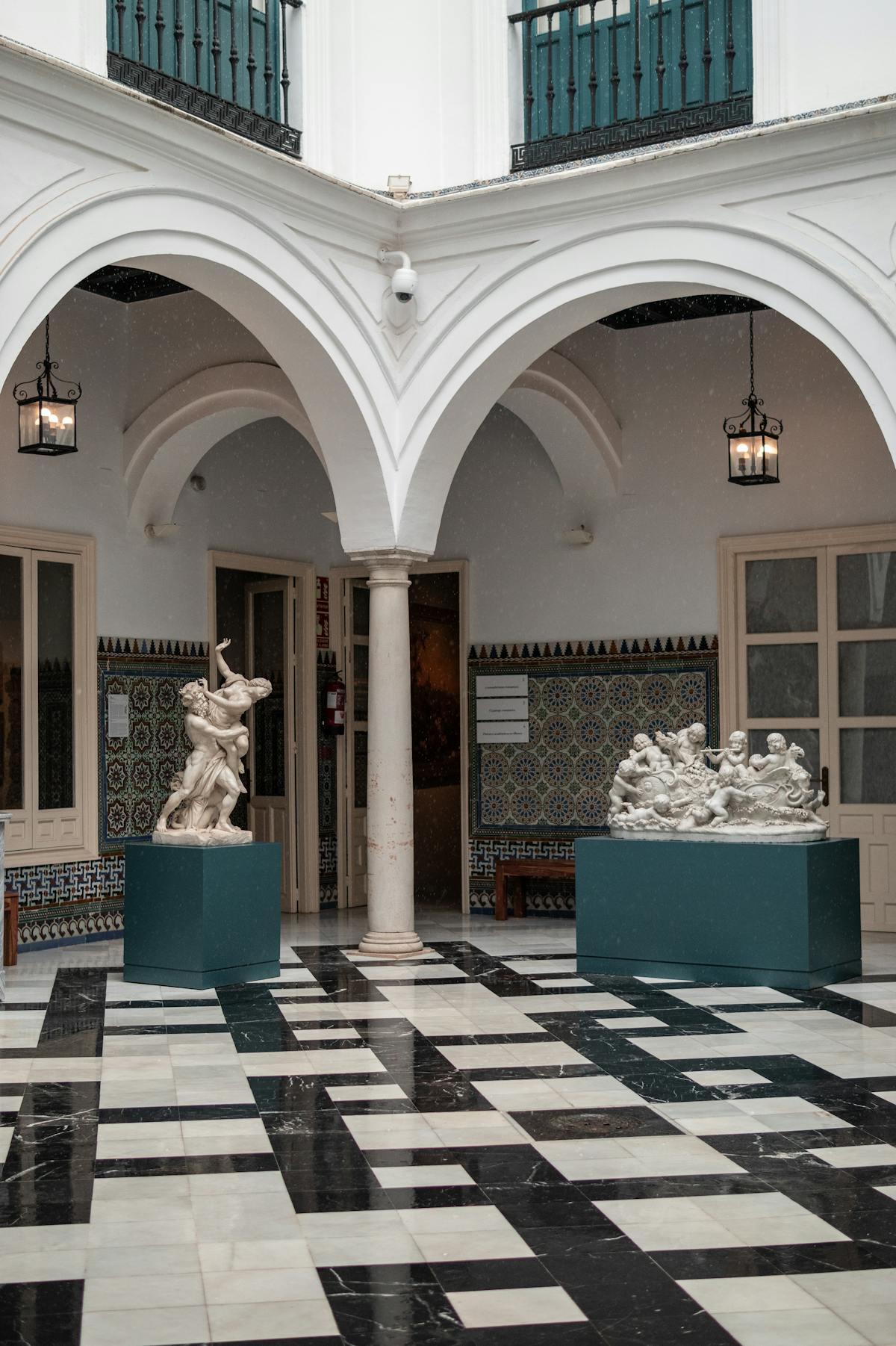
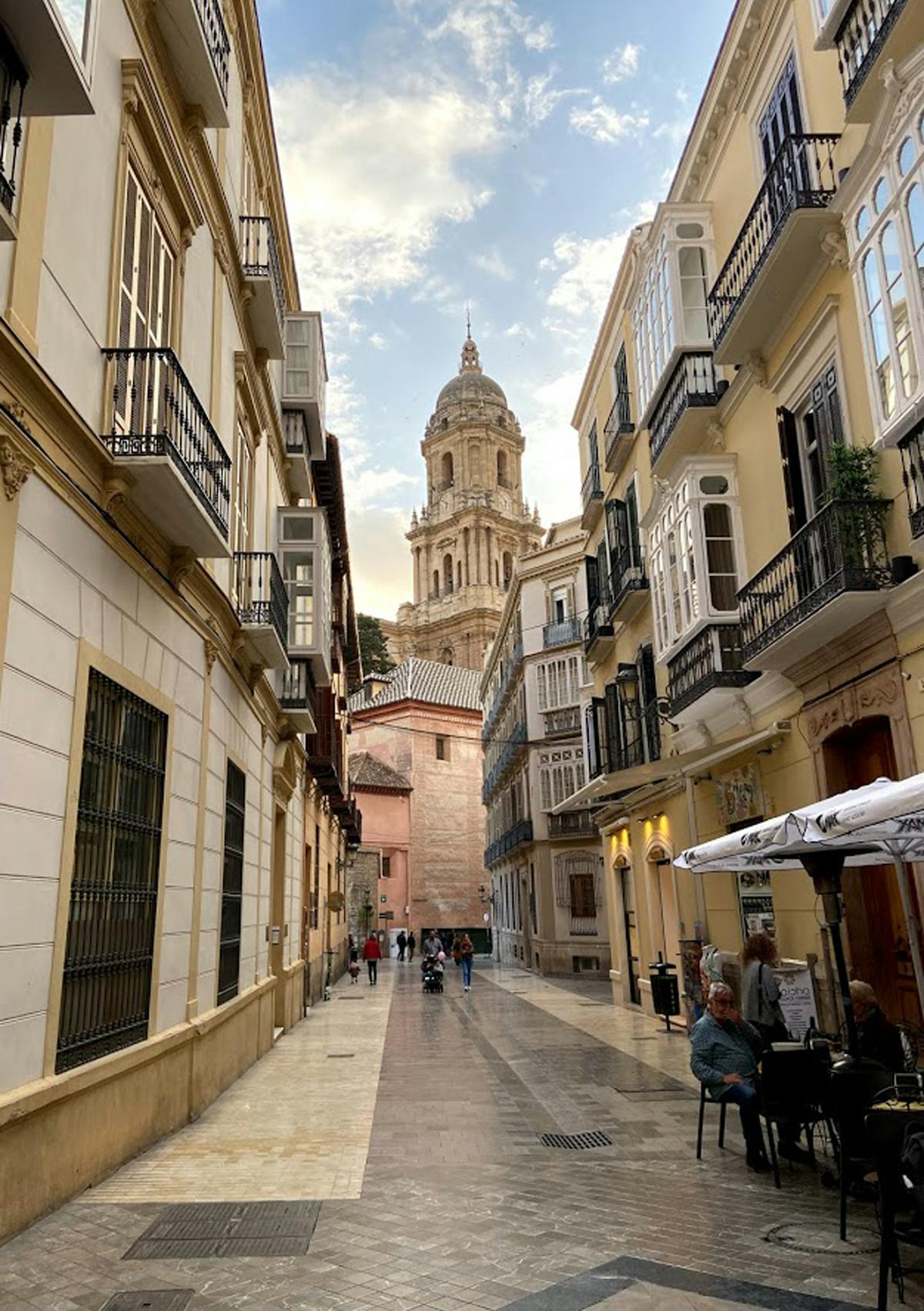
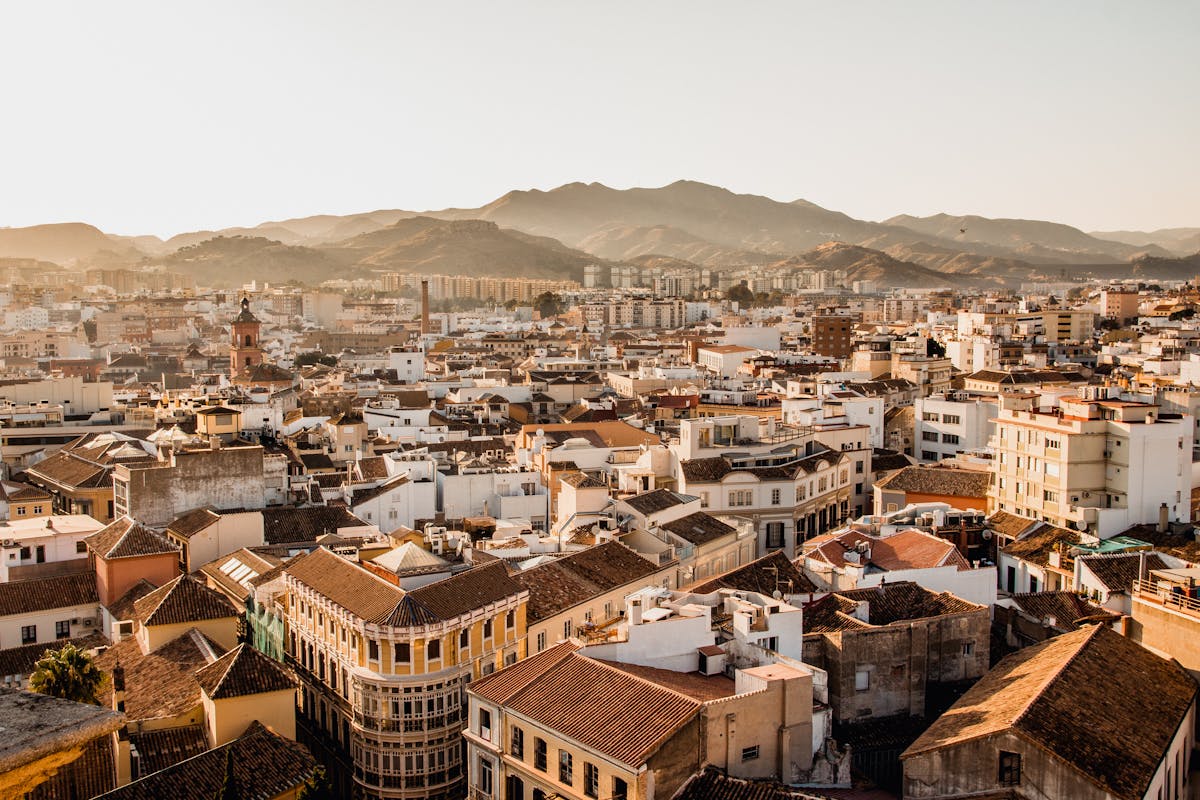
Pablo Picasso was born in Malaga in 1881, on Plaza de la Merced, in a corner apartment where he spent the first ten years of his life. He left for Barcelona as a teenager and never really came back. But Malaga never let go of him. The city’s biggest museum — the Museo Picasso Malaga — opened in 2003 inside a 16th-century palace just two blocks from that birthplace apartment, and it holds over 200 of his works spanning everything from childhood pencil sketches to the fractured faces of full-blown cubism.
The collection is personal in a way most art museums are not. Christine Ruiz-Picasso (his daughter-in-law) and Bernard Ruiz-Picasso (his grandson) donated the core works specifically for this museum. These are not the famous pieces you see on postcards — Guernica is in Madrid, the big cubist hits are scattered across Paris and New York. What you get in Malaga is the personal archive. Family portraits. Ceramic experiments. Bronze sculptures made in his studio. The sketchbooks where he worked out ideas that became some of the 20th century’s most recognizable paintings. It is Picasso with the PR stripped away.
But getting tickets right takes a bit of thought. The museum uses timed entry, prices change depending on what is showing, and there is a separate Picasso Birthplace Museum around the corner that confuses a lot of people. I have laid out every ticket option, the tours worth considering, and the practical stuff you need to know before showing up.
In a Hurry? My Top Picks
- Best for most visitors: Museo Picasso Malaga Entry Ticket — $15 per person. Standard museum admission for a full day. Buy this if you want to explore at your own pace without a guide. Book this ticket
- Best guided experience: Picasso Museum Guided Tour with Skip-the-Line — $41 per person. 90-minute tour with an art historian who connects the dots between Picasso’s life in Malaga and what you are looking at. Book this tour
- Add the birthplace: Picasso’s Birthplace Museum Entrance Ticket — $5 per person. The apartment where he was born, with family photographs and early memorabilia. Quick visit, pairs perfectly with the main museum. Book this ticket
- In a Hurry? My Top Picks
- Tickets: What They Cost and Where to Buy
- Self-Guided vs. Guided Tour
- Best Tours and Tickets
- 1. Museo Picasso Malaga Entry Ticket —
- 2. Picasso Museum Guided Tour with Skip-the-Line —
- 3. Picasso’s Birthplace Museum Entrance —
- When to Visit
- Tips for Your Visit
- What You Will See Inside
- More Malaga Guides
Tickets: What They Cost and Where to Buy
The Museo Picasso Malaga charges different prices depending on whether you visit the permanent collection only, a temporary exhibition only, or both. As of 2026, expect to pay around 12 euros for the permanent collection and 9-10 euros for a temporary exhibition. A combined ticket for both runs about 14-16 euros. The museum’s own website (museopicassomalaga.org) sells timed-entry tickets, and you should buy in advance during peak season — March through October and any holiday period.
Third-party platforms like GetYourGuide and Viator sell the same entry tickets, sometimes bundled with audio guides or skip-the-line access. The GetYourGuide entry ticket is $15 (about 14 euros), which includes the permanent collection. The slight markup over the museum’s own price buys you free cancellation up to 24 hours before, which the museum’s own tickets do not always offer.
The free option: The museum offers free entry on Sundays during the last two hours before closing. The catch is obvious — everyone knows about it, so the museum gets packed. If you do not mind crowds and want to save 12 euros, go for it. But you will spend more time looking at the backs of other visitors’ heads than at the paintings.
Children: Under 12 get in free with an adult. Students and seniors get discounted rates (usually around 6-8 euros) with valid ID.
Audio guide: Available at the museum for an extra 5 euros. It adds useful context, especially for the cubist period works where the visual language is not immediately accessible if you are not an art history person. The Booking.com attraction ticket at around 15 euros includes an audio guide bundled in, which is worth noting if that matters to you.
Self-Guided vs. Guided Tour
Two legitimate approaches here, and neither is wrong.
Self-guided with the entry ticket ($15): The museum is compact enough that you will not get lost or feel overwhelmed. The rooms are arranged more or less chronologically, from the early academic works through the Blue and Rose Periods, into cubism, and then the later ceramics and sculptures. The wall text is decent. You can move at your own speed, linger on what grabs you, and skip what does not. Most people spend 60 to 90 minutes.
Guided tour ($41): The 90-minute guided tour with skip-the-line access changes the experience fundamentally. An art historian walks you through the collection and connects pieces to specific moments in Picasso’s life — his time in Malaga, the move to Barcelona, the Paris years, the women in his life and how they shaped his work. You learn that the ceramic plates were not random experiments but a deliberate return to craft after decades of painting. You understand why the late-period works, which look rough and almost childlike, are actually some of the most technically interesting pieces in the collection.
The guide also explains things you would walk right past otherwise. The palace itself has Roman and Phoenician archaeological remains in its basement (included in some combined tickets), and the architecture of the building tells its own 500-year story that the wall text barely touches.
My take: if you have even a passing interest in art and plan to visit only once, spend the extra $26 for the guided tour. If you are an art history person who already knows Picasso’s work, go self-guided and spend the savings on lunch.
Best Tours and Tickets
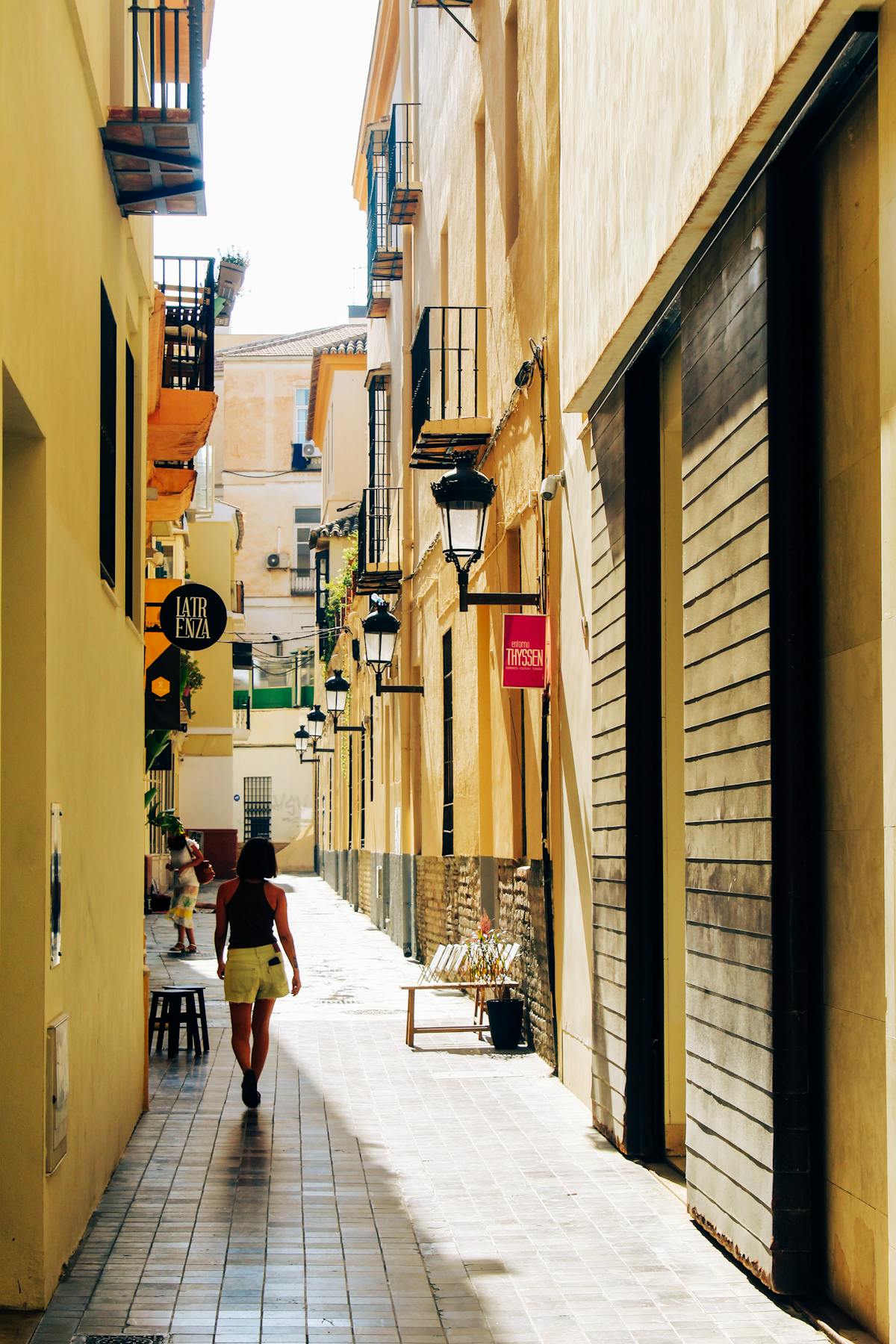
Three options from the database covering different budgets and approaches. A standard entry ticket, a guided museum tour, and the birthplace museum for those who want the complete Picasso-in-Malaga experience.
1. Museo Picasso Malaga Entry Ticket — $15
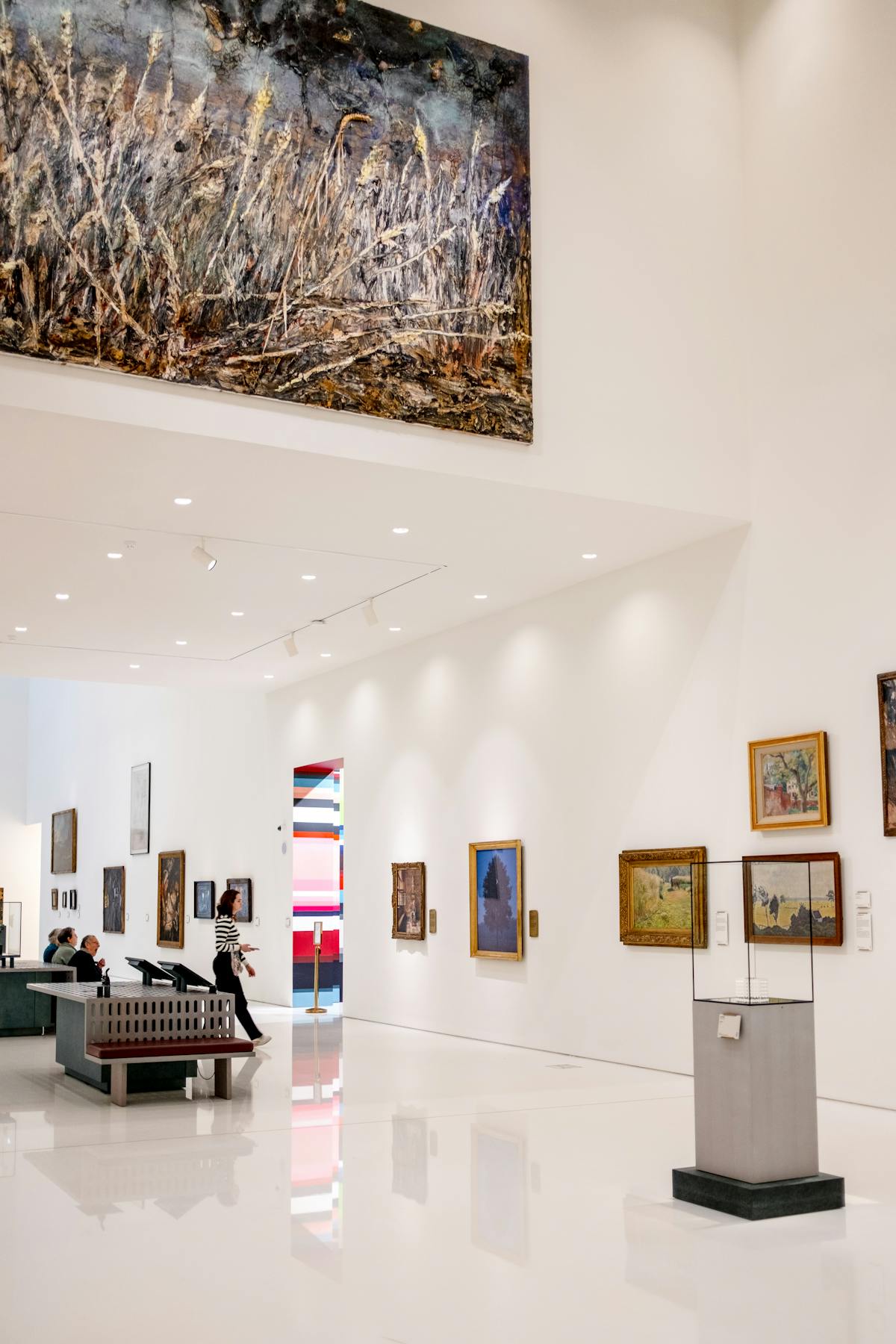
Duration: Full day access | Price: $15 per person | Type: Museum entry ticket (permanent collection)
The standard admission ticket to the Museo Picasso Malaga’s permanent collection. Over 200 works donated by the Picasso family, displayed in the Renaissance galleries of the Palacio de Buenavista. The collection is arranged to show Picasso’s evolution from a classically trained teenager in the 1890s through to the experimental ceramics and sculptures of his final decades.
What makes this museum different from seeing Picasso in Paris or Barcelona is the intimacy. The palace rooms are small. You stand two meters from the canvases. The scale makes the brushwork visible in a way that large museum galleries do not allow. The ceramic pieces — plates, vases, tiles — are displayed at eye level in cases you can circle around, so you see them as objects rather than artworks behind rope barriers.
The $15 price includes same-day re-entry, so you can leave for lunch in the old town and come back in the afternoon when the tour groups have thinned out. That is actually the smart play — visit the first floor in the morning, eat, then return for the second floor and the temporary exhibition (if you bought the combined ticket).
2. Picasso Museum Guided Tour with Skip-the-Line — $41
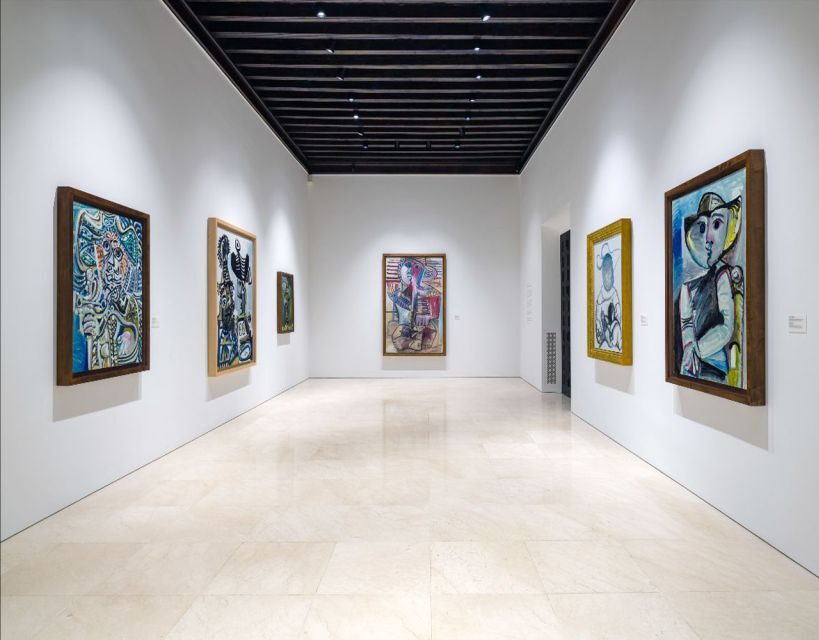
Duration: 1.5 hours | Price: $41 per person | Type: Guided museum tour with skip-the-line entry
This is where the visit shifts from “looking at paintings” to “understanding Picasso.” The guide walks you through the collection chronologically, stopping at key pieces to explain what Picasso was doing technically and emotionally at each stage. The early academic drawings demonstrate that he could paint photorealistic portraits before he was fifteen — which makes the later cubist deconstructions of the human face more interesting, because you know the abstraction was a choice, not a limitation.
The skip-the-line part matters from April through September, when the museum queue can stretch 20-30 minutes. You walk past it. In winter, the line barely exists, so the skip-the-line benefit is less relevant — but the guided experience is worth the premium year-round.
One thing I appreciate about this tour: the guides do not pretend every piece is a masterpiece. They will point to a specific ceramic and say “this one is interesting because…” but also move quickly through rooms where the work is more experimental than impactful. That honesty makes the highlights land harder.
At $41, you are paying $26 more than the basic entry ticket. For 90 minutes of expert commentary that completely changes how you see the collection, that is a reasonable spend. Especially considering that a coffee-table book about Picasso costs more than $26 and does not talk back.
3. Picasso’s Birthplace Museum Entrance — $5
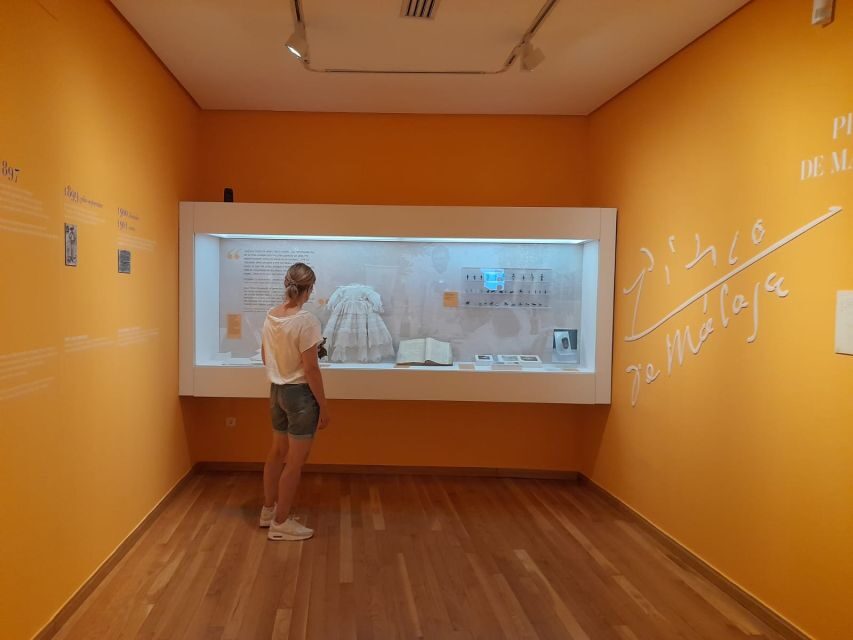
Duration: Full day access | Price: $5 per person | Type: Museum entry ticket
Not the main Picasso museum — this is the actual apartment where Pablo Ruiz Picasso was born on October 25, 1881. The building on Plaza de la Merced has been converted into a small museum displaying family photographs, some of his father’s paintings (Jose Ruiz Blasco was an art teacher), and personal objects from Picasso’s early childhood.
The museum is tiny — two or three rooms, maybe 20-30 minutes if you read everything carefully. But it adds a layer of context that the main museum does not provide. You see the world Picasso was born into: a middle-class Andalusian family, a father who painted pigeons and taught drawing at the local school, a childhood surrounded by Mediterranean light and terracotta colors that would show up in his work decades later.
At $5, this is practically free by museum standards. Pair it with the main Museo Picasso for a morning that covers both Picasso the person and Picasso the artist. The two museums are a three-minute walk apart.
When to Visit
The museum is open Tuesday through Sunday, 10am to 7pm (extended to 8pm in summer, 9pm on Saturdays from July through August). Closed Mondays. Those hours shift slightly for holidays — Christmas, Easter, and a few local Malaga holidays have reduced schedules. Check the official website before a holiday visit.
Best time of day: First thing in the morning or after 4pm. The museum gets hit by organized tour groups between 10:30am and 2pm, and the small palace rooms feel cramped when 30 people are trying to look at the same painting. Early morning gives you near-empty galleries and the best light through the courtyard windows. Late afternoon works too — the groups have moved on and you get a quieter experience.
Best months: November through February. Malaga is a year-round city, but the museum is notably quieter in winter. The coast is still mild (15-18 degrees Celsius), the flights are cheaper, and you will have the galleries mostly to yourself. Avoid August if you can — it is the peak holiday month for both Spanish domestic travelers and Europeans escaping northern weather, and everything in Malaga’s old town feels overcrowded.
The Sunday free entry window: Free during the last two hours before closing on Sundays. Worth it if you are on a tight budget and do not mind a rushed visit with crowds. Not worth it if you actually want to enjoy the art. The free period attracts everyone — families, students, people who would not normally visit a museum — and the atmosphere shifts from gallery to shopping mall.
Tips for Your Visit
Buy timed-entry tickets in advance. Not because the museum sells out every day — it does not — but because the queue at the ticket window can waste 20-30 minutes of your morning. Online tickets let you walk straight to the entrance. During Easter Week (Semana Santa) and August, advance booking is genuinely necessary.
Combine with the birthplace. The Fundacion Picasso Museo Casa Natal is a three-minute walk away on Plaza de la Merced. Budget 30 minutes there. Together with the main museum, you get the full picture of Picasso and Malaga in a single morning.
The basement archaeology is worth seeing. Beneath the palace, there are Phoenician, Roman, and medieval remains discovered during the museum’s construction. Some tickets include this, and you can usually access it for a small supplement. It takes 15 minutes and gives you a look at the layers of civilization under Malaga’s streets.
Photography is not allowed inside the galleries. Phones away. The courtyard and exterior are fair game, but inside the exhibition rooms, no cameras or phones. The museum enforces this, so do not try to sneak shots — the guards are attentive and will ask you to put your phone away.
The museum shop is surprisingly good. Not the usual fridge magnets and overpriced postcards. They stock quality art books, Picasso ceramics reproductions, and prints that are genuinely worth buying. Budget 10 minutes if you are a book person.
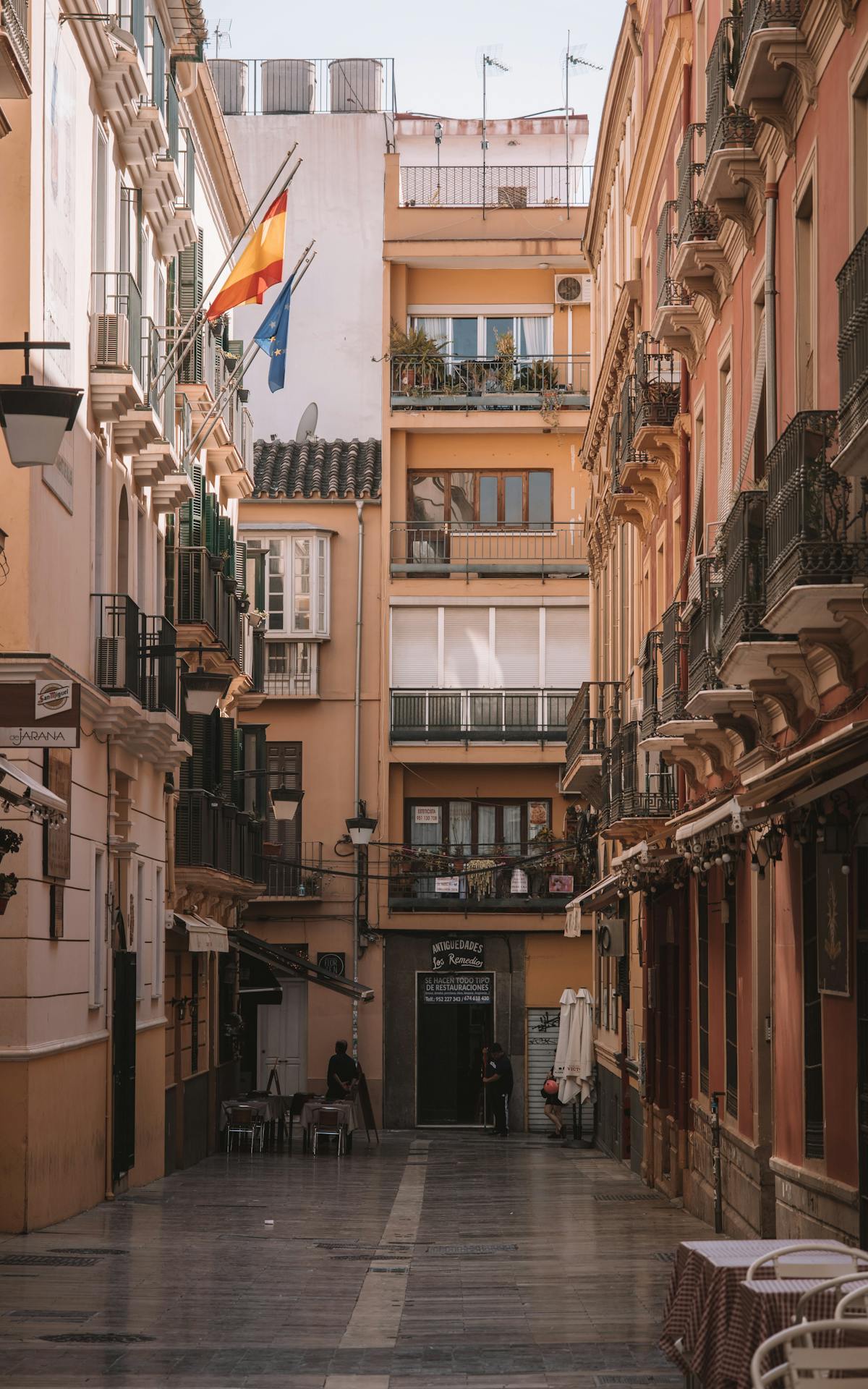
Eat nearby, not at the museum cafe. The museum’s own cafe is fine but overpriced. Walk five minutes to Calle Granada or Plaza de la Merced for better food at half the price. El Pimpi, a famous old bodega just south of the museum, has reasonable tapas and a courtyard with views of the Alcazaba. It is touristy but the food is honest.
What You Will See Inside
The permanent collection spans Picasso’s entire career in roughly chronological order. Here is what to watch for in each section:
Early works (1890s-1900s): Academic paintings and drawings from when Picasso was a teenager studying in Malaga and Barcelona. These are technically brilliant in a conventional way — you can see he mastered realistic portraiture before he was old enough to shave. Look for the portraits of family members, which show a warmth and observation that feels very different from his later reputation as a cold intellectual.
Blue and Rose Periods (1901-1906): Melancholic figures in blue tones, then warmer circus and harlequin subjects. The Malaga collection has intimate pieces from this era rather than the famous large canvases, giving you a sense of Picasso’s daily creative output rather than just the exhibition-ready hits.
Cubism and beyond (1907-1940s): This is where the collection gets dense. Analytical cubism, synthetic cubism, neoclassical experiments, surrealist-influenced work. The museum does a good job of showing how Picasso did not move in a straight line — he would circle back to earlier styles, combine techniques, and contradict himself from one canvas to the next.
Ceramics and late work (1940s-1970s): The ceramics room is a highlight that many visitors do not expect. Picasso made thousands of ceramic pieces in the south of France, and the Malaga museum has a strong selection. Plates painted with faces, bulls, fish. Vases that are also sculptures. Tiles that blur the line between craft and art. The late paintings, made when Picasso was in his 80s and 90s, are loose and aggressive — thick paint, distorted figures, raw energy. Some people find them ugly. They are not. They are just honest.