
They built an entire village on Montjuic for the 1929 International Exhibition. One hundred and seventeen buildings from every corner of Spain — Andalusian whitewashed houses, Basque farmsteads, Castilian palaces, Catalan churches — crammed into a single walkable site. The plan was to tear it all down when the Exhibition ended. Almost a century later, it’s still there.
Poble Espanyol was supposed to be temporary. The architects who designed it — Francesc Folguera and Ramon Reventos — spent months traveling across Spain photographing and measuring real buildings, then recreated them at full scale on Montjuic hill. After the Exhibition closed, the demolition order sat on someone’s desk. Nobody signed it. Barcelona had grown attached.
- In a Hurry? Here Are the Best Poble Espanyol Tickets
- What Is Poble Espanyol, Exactly?
- How Tickets Work
- The Best Tickets and Tours to Book
- 1. Poble Espanyol Skip-The-Line Ticket —
- 2. Poble Espanyol Admission Ticket with Optional Video Guide —
- What You’ll Find Inside
- The Strange History of a Village That Refused to Die
- Tips for Visiting
- Poble Espanyol After Dark
- How It Compares to Similar Attractions
- More Barcelona Guides
In a Hurry? Here Are the Best Poble Espanyol Tickets
Best value: Poble Espanyol Skip-The-Line Ticket — $15. Skip the ticket queue and explore the whole village at your own pace. The most popular option by far.
With video guide: Poble Espanyol Admission Ticket + Optional Video Guide — $15. Same price on Viator, with an optional video guide add-on that gives context to each regional section.
What Is Poble Espanyol, Exactly?
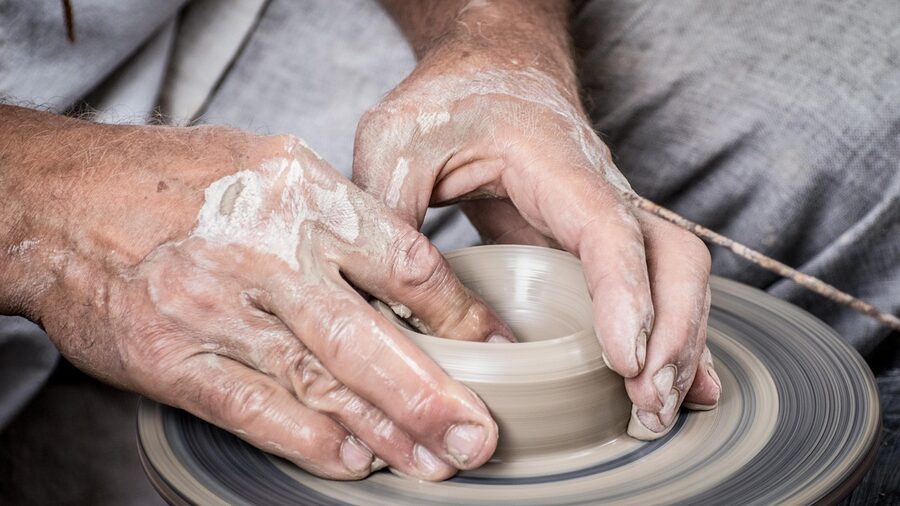
It’s an open-air architectural museum. But calling it a museum undersells it. Poble Espanyol is more like a theme park crossed with an art gallery crossed with a functioning village. Real people work here — glassblowers, potters, jewelers, leather workers — and there are restaurants, bars, and even one of Barcelona’s most famous nightclubs (La Terrazza, which takes over the main square on summer nights).
The concept was ahead of its time. In 1929, most Spanish citizens never traveled beyond their own province. The Exhibition organizers wanted to show Spain to itself — all the regional architecture in one place, so a Catalan worker could see a Basque farmhouse or an Extremaduran palace without leaving Barcelona.
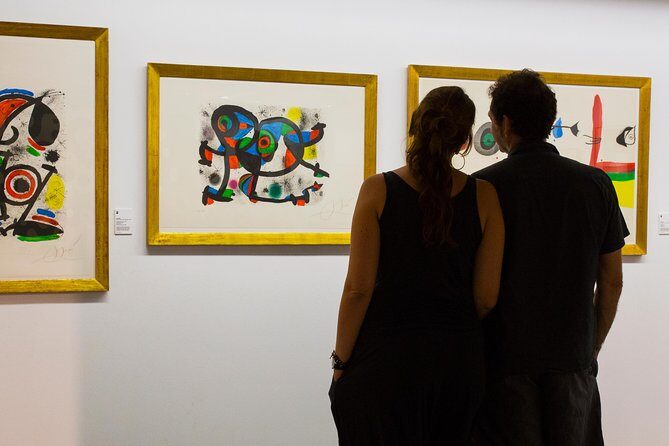
Today it holds the Fran Daurel Collection — a serious private art collection with works by Picasso, Miro, Dali, and other Spanish masters. There’s a separate audiovisual experience called “Barcelona Experience” that covers the city’s history. And the restaurants range from decent tapas to proper sit-down meals with views over the village rooftops.
How Tickets Work
Tickets are simple. $15 gets you in. That covers the whole village — all 117 buildings, the streets, the plaza, the craft workshops, and the Fran Daurel art collection. You can stay as long as you want. Most people spend 2-3 hours.
You can buy at the gate, but the skip-the-line ticket eliminates the queue at the main entrance (which can stretch 15-20 minutes on weekend mornings and summer afternoons). Pre-booking online costs the same $15 and gives you instant entry. No reason not to.
What’s NOT included: Some temporary exhibitions charge separately, and the “Barcelona Experience” audiovisual show costs a few euros extra. The nightclub events (La Terrazza, etc.) have their own admission — that’s a completely separate thing from daytime entry.
Opening hours vary seasonally. Monday is typically 10 AM – 8 PM, Tuesday to Sunday 10 AM – midnight (shorter in winter). On Fridays and Saturdays during summer, it stays open until 3 AM or later because of the nightclub events — though the museum and craft workshops close at their normal time.
Discounts: Children under 4 are free. Kids 4-12 get about 40% off. The Barcelona Card includes free entry, so if you have a Hola Barcelona transport card or city pass, check whether Poble Espanyol is bundled in.
The Best Tickets and Tours to Book
1. Poble Espanyol Skip-The-Line Ticket — $15
This is the ticket to buy. Full access to the entire village, the Fran Daurel art collection (Picasso, Miro, Dali), the craft workshops, and all public spaces. Skip-the-line saves you the entrance queue, which matters on busy summer weekends. Mobile tickets, instant confirmation. Our review breaks down what to see in each section and how to plan your route through the village.
2. Poble Espanyol Admission Ticket with Optional Video Guide — $15
Same price, same access, different platform. The Viator version has an optional video guide add-on that gives background on each architectural section — handy if you want to know the difference between an Aragonese farmhouse and a Galician pazo without reading plaques. Good if you’re already booked on Viator for other Barcelona activities. Our full review covers the video guide quality and whether it’s worth the upgrade.
What You’ll Find Inside
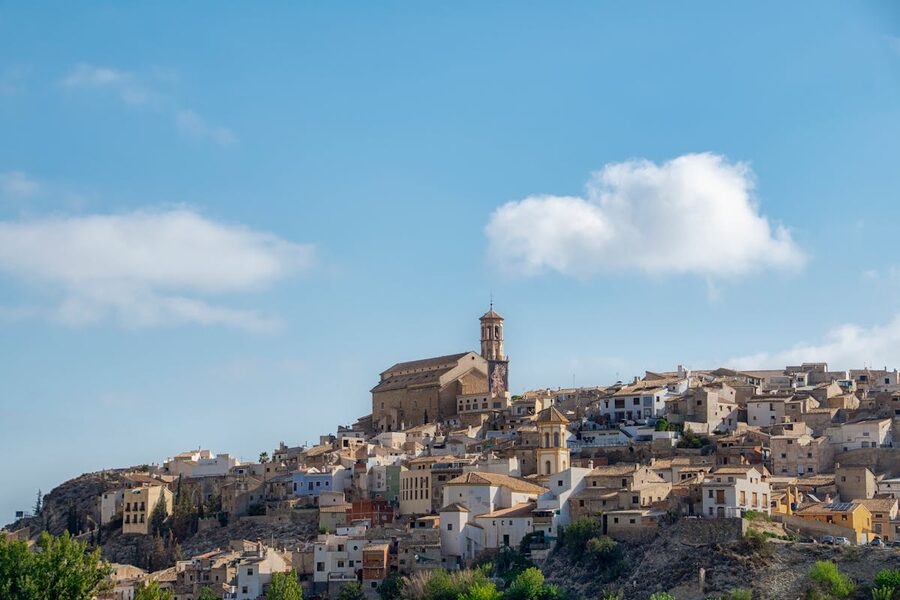
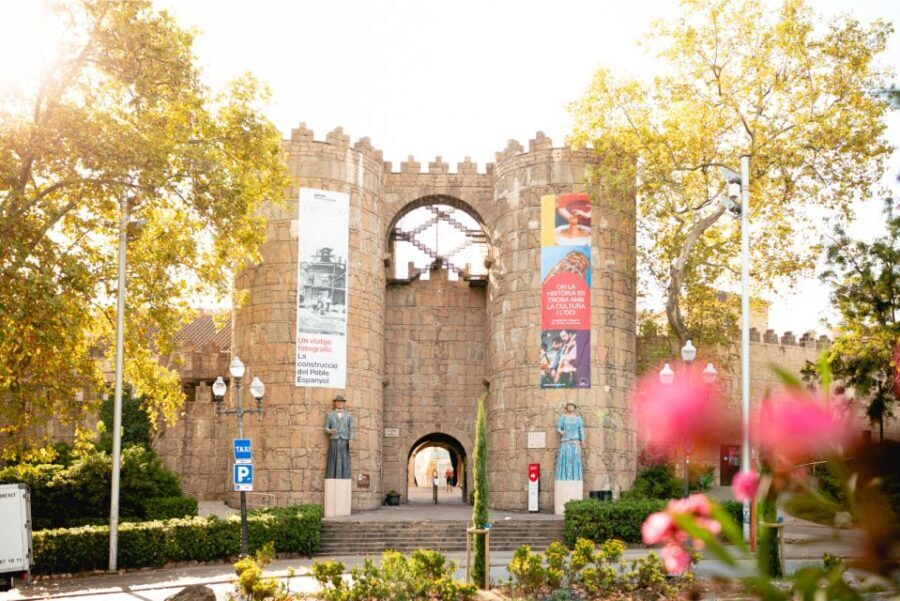
You enter through a monumental gate modeled after the medieval walls of Avila (the best-preserved city walls in Spain). Inside, the layout is basically a condensed version of the country. Each section represents a different autonomous community: Andalusia, Catalonia, Castile, Galicia, the Basque Country, Aragon, Extremadura, and more.
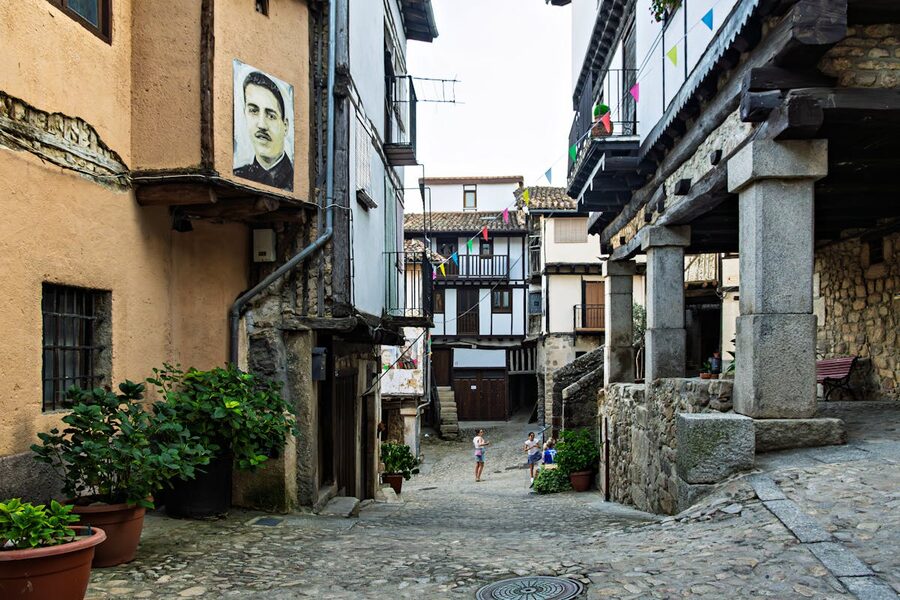
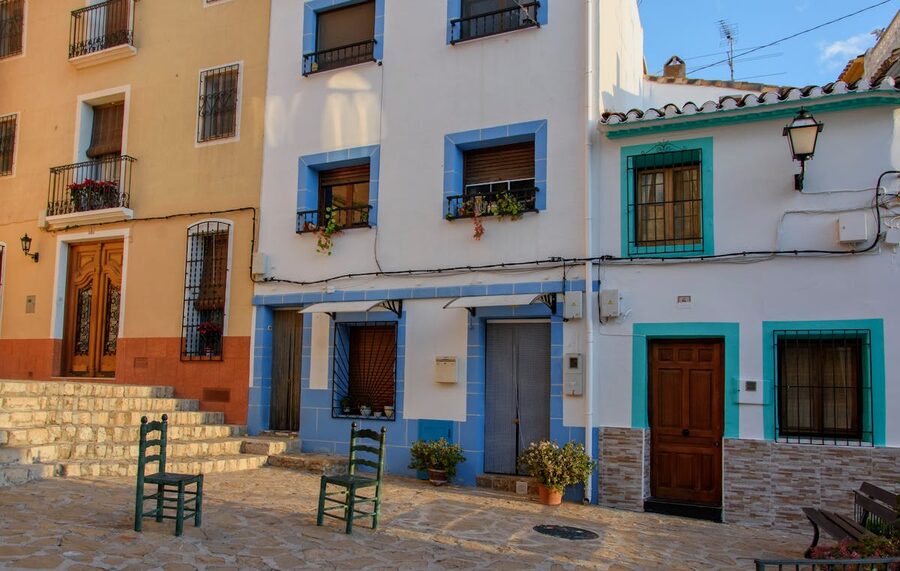
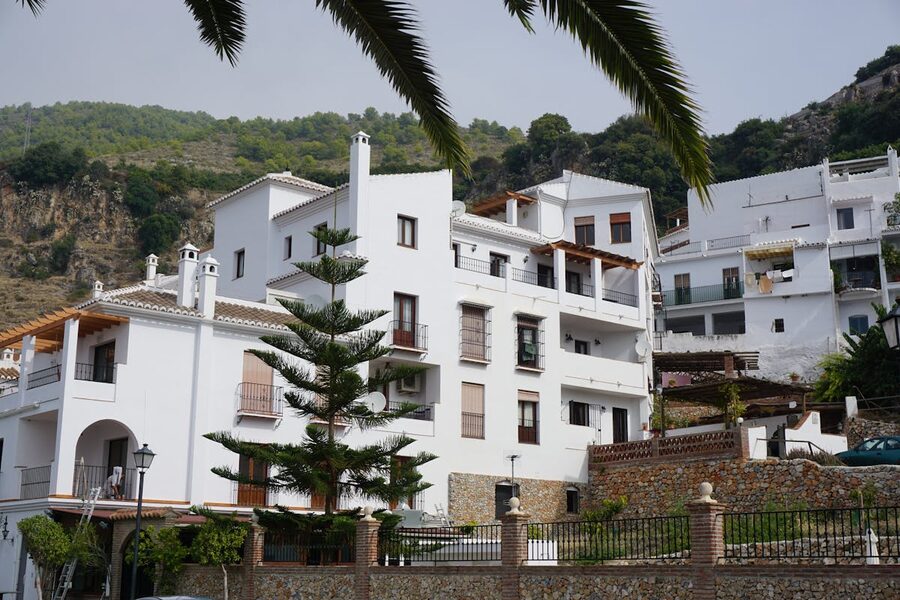
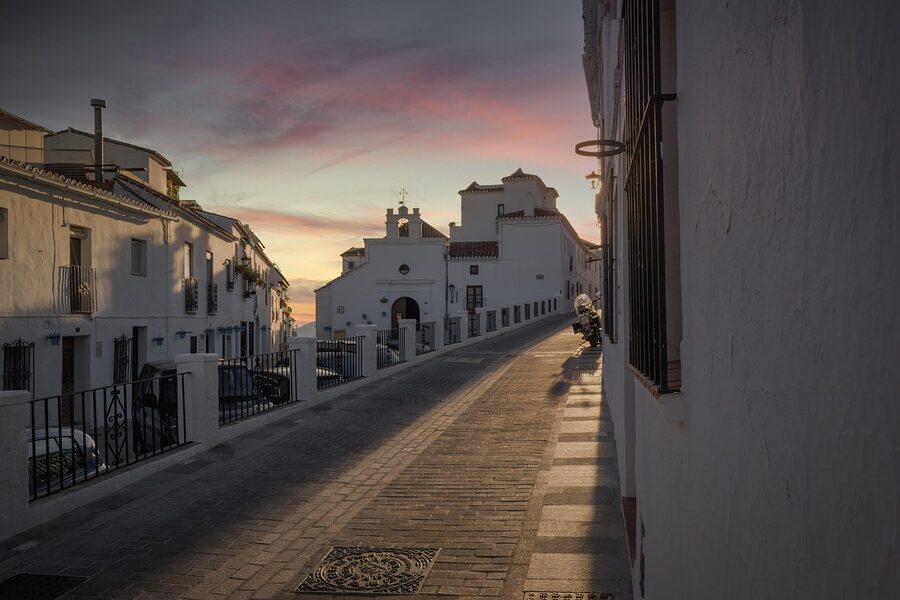
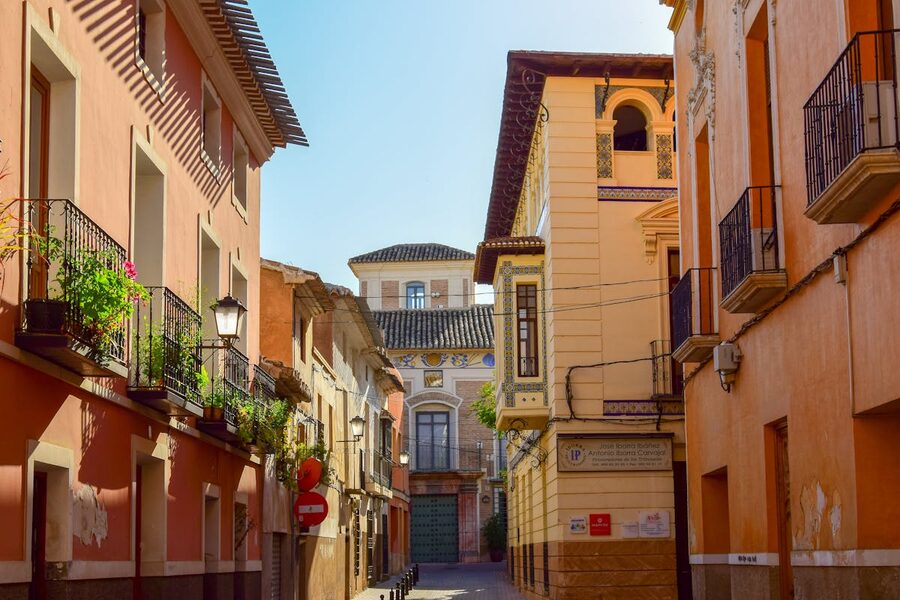
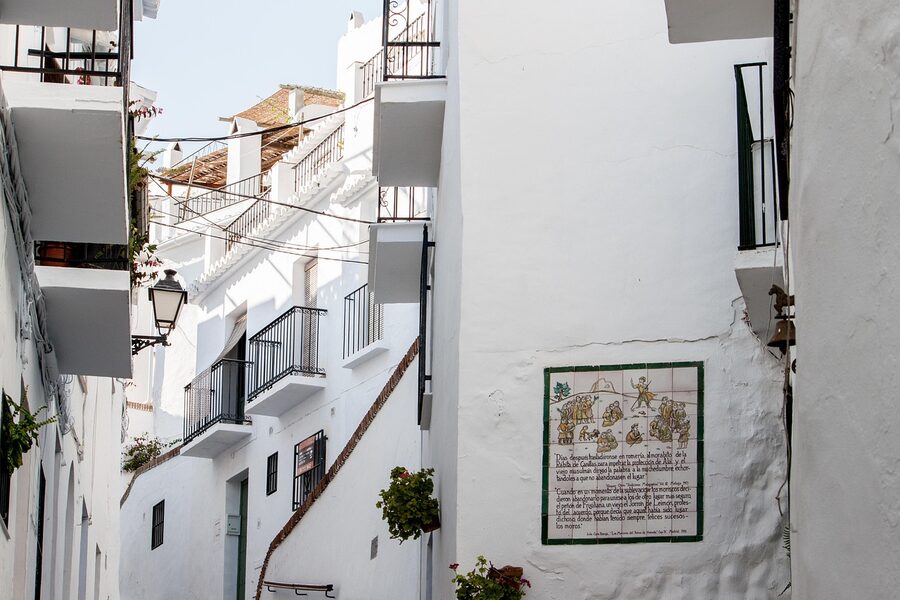
The Andalusian quarter is the most popular. White walls, narrow alleys, flower-draped balconies. It’s also where most of the Instagram photos come from — the light hits those whitewashed surfaces perfectly around mid-morning and late afternoon.
The craft workshops are scattered throughout the village. Glassblowing, ceramics, leather work, jewelry making, textile weaving — these are real artisans producing real goods, not actors performing for travelers. You can watch them work and buy directly from the studios. The glassblowing workshop is particularly worth stopping at — watching someone shape molten glass while you’re standing in a replica Murcian courtyard is a bizarre and wonderful experience.

The Fran Daurel Collection is tucked in one corner and easy to miss if you’re not looking for it. It’s a private collection of 20th-century Spanish art — paintings and sculptures by Picasso, Miro, Dali, Tapies, and Chillida among others. Small but high-quality, and included in the ticket price. If you’re an art person, this alone is worth the $15.
The nightlife is a different animal entirely. La Terrazza opens on summer weekends — it’s an open-air club set in the main plaza of the village, with DJ sets running until 5 or 6 AM. It’s one of the most unusual club venues in Europe. Separate admission, separate tickets, and nothing to do with the daytime museum experience.
The Strange History of a Village That Refused to Die
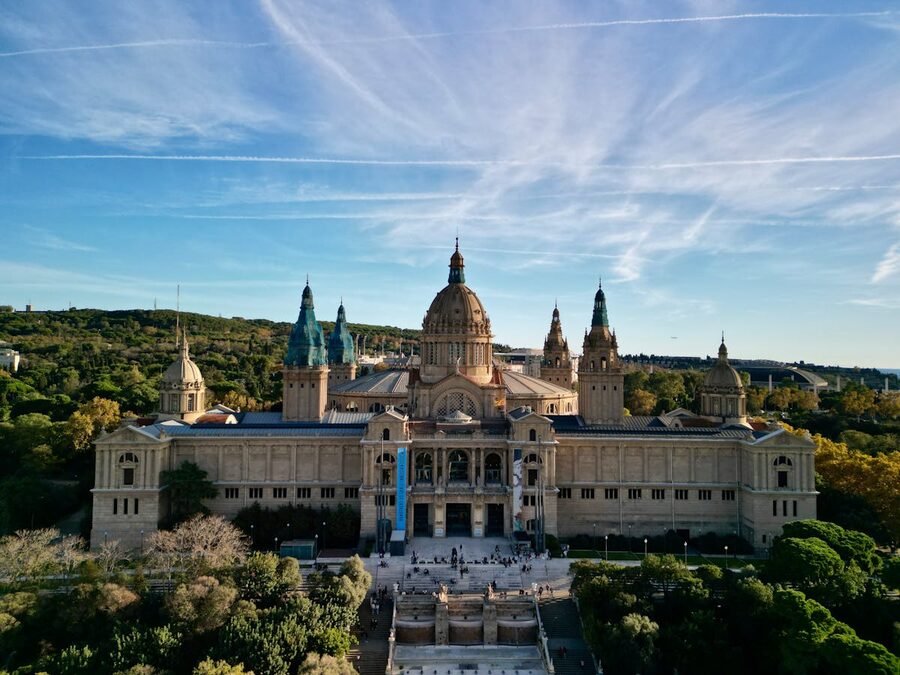
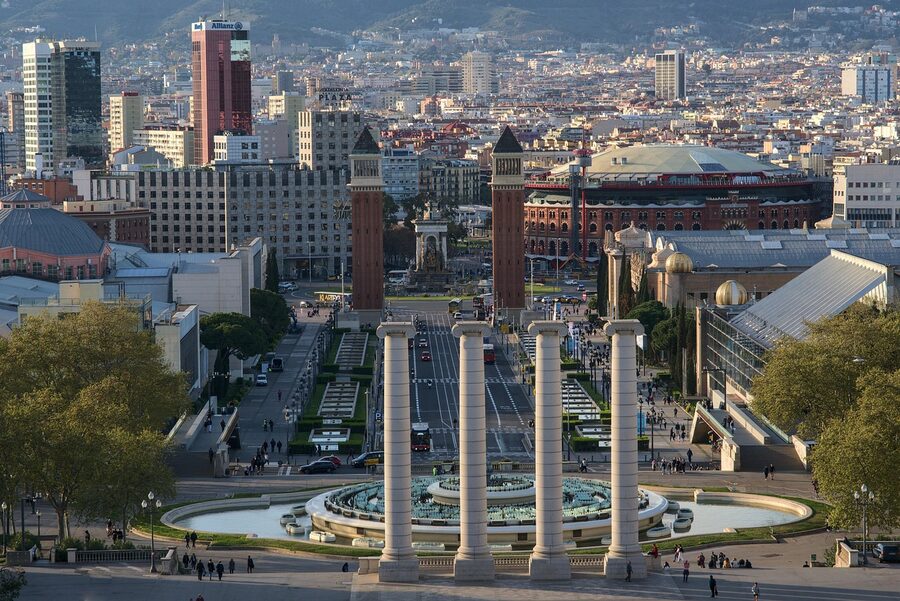
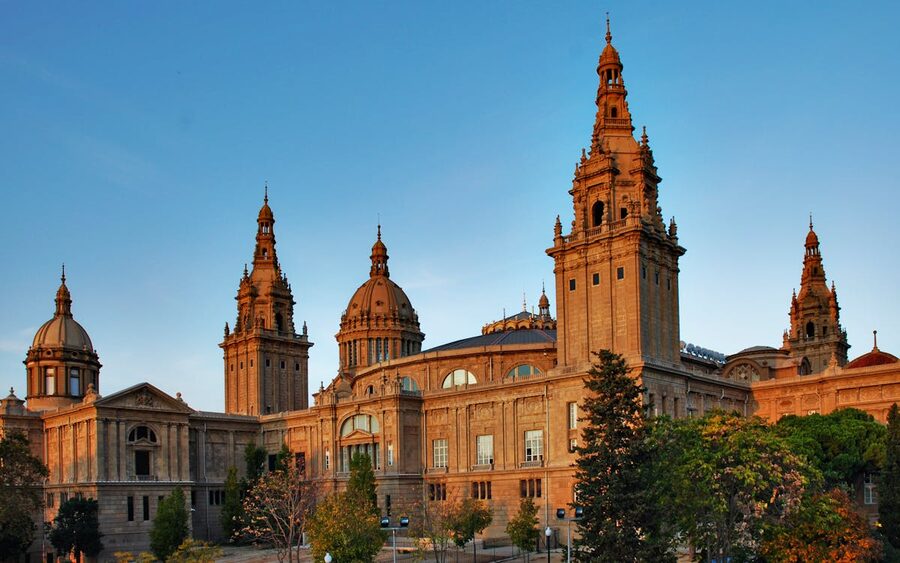
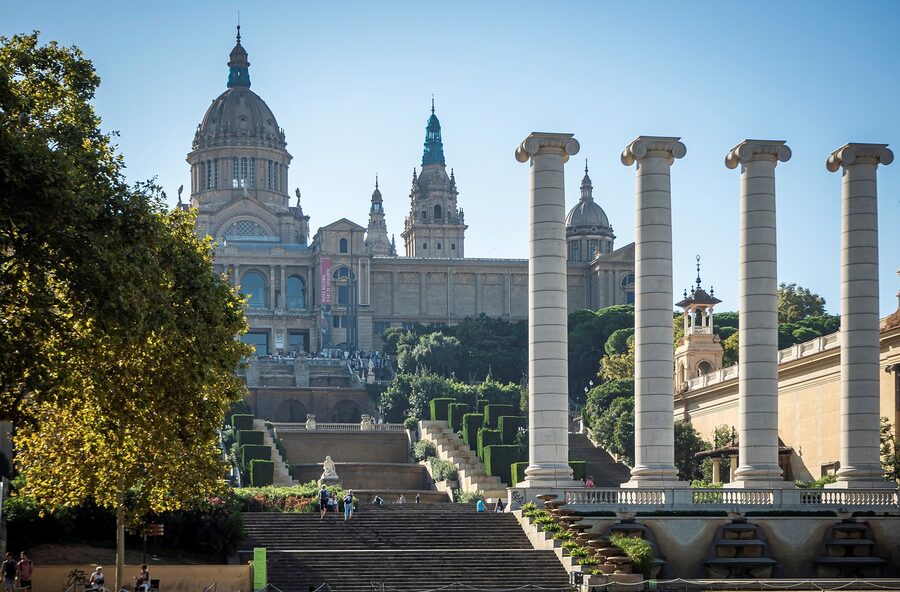
The 1929 Barcelona International Exhibition was a massive bet. The city invested heavily in transforming Montjuic — previously scrubland and military fortifications — into a grand exhibition ground. They built the National Palace (now MNAC), the Magic Fountain, the Olympic Stadium (rebuilt for 1992), and dozens of pavilions.
Poble Espanyol was one of the Exhibition’s signature attractions. But unlike the grand monumental buildings, it was designed as a temporary installation — lightweight construction, meant to last a few months. When the Exhibition closed in January 1930, the plan was demolition.
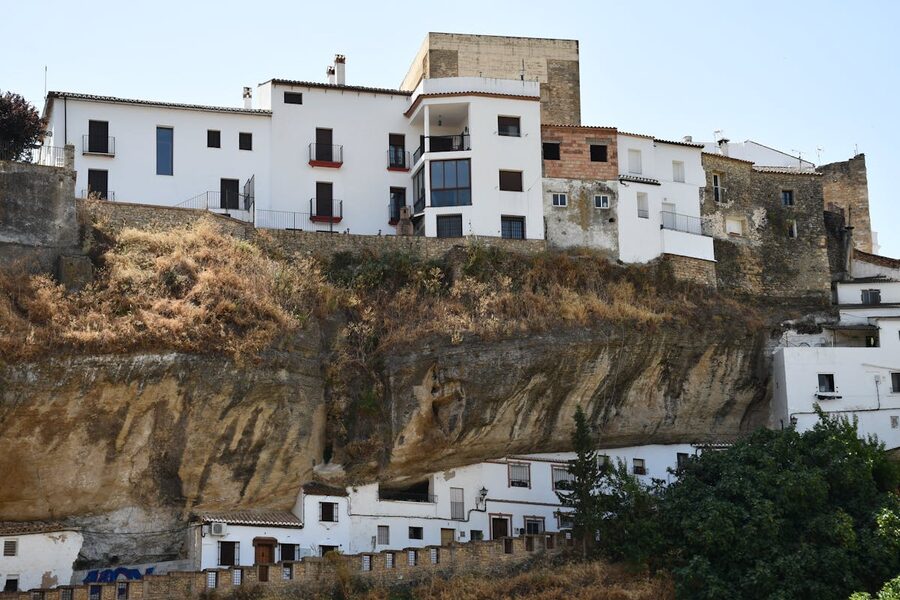
Then the Spanish Civil War started in 1936. The Franco dictatorship followed. Poble Espanyol survived through decades of political upheaval partly through neglect — nobody cared enough to demolish it — and partly because it became a convenient symbol of “Spanish unity” that different regimes could exploit. During the Franco era, it was promoted as evidence that Spain’s diverse regions were really one nation. The irony was that the very regional diversity it celebrated was exactly what Franco was trying to suppress.
After democracy returned, Poble Espanyol was privatized in 1986 and given a major restoration. The craft workshops were expanded, restaurants moved in, and the nightlife scene emerged. By the 1992 Olympics, it was firmly established as a permanent fixture.
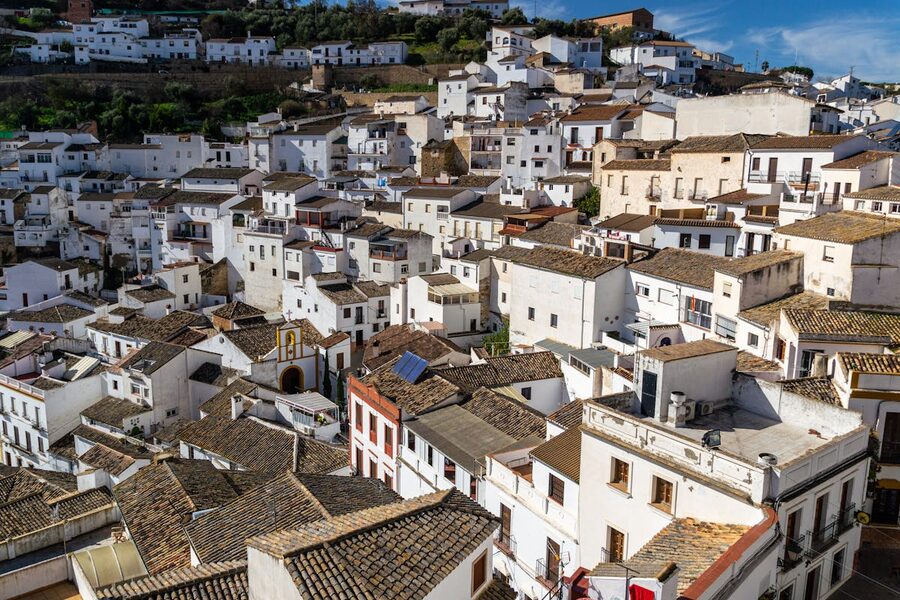
Today it occupies a strange cultural space. It’s a genuine architectural archive — the buildings are accurate replicas of structures that in some cases no longer exist in their original form. It’s also a tourist attraction, a nightlife venue, a craft market, and an art gallery. That layering of purposes is what makes it more interesting than it sounds on paper.
Tips for Visiting
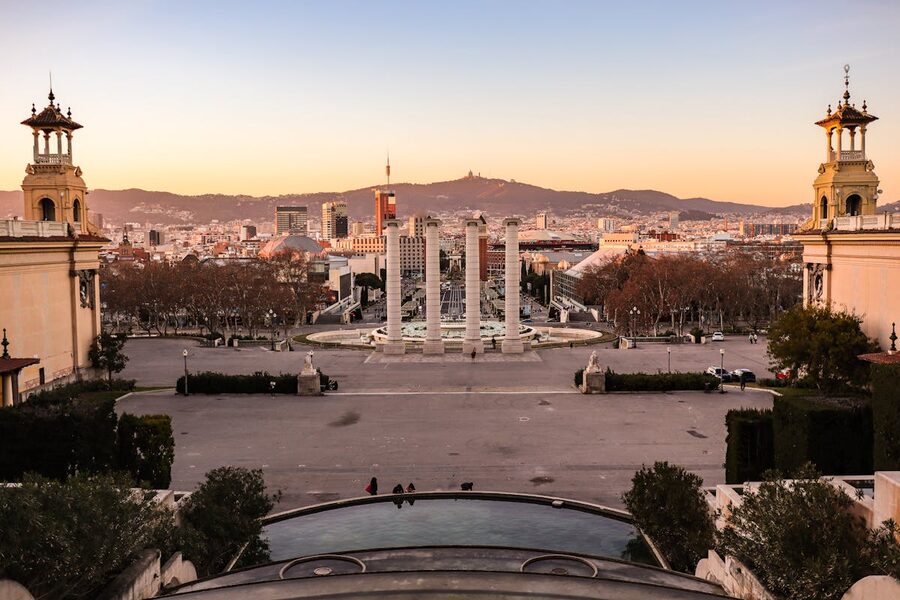
Best time: Late afternoon into early evening. The craft workshops are still open, the light is beautiful in the Andalusian section, and you avoid the midday heat in summer. Weekday mornings are quietest if you want the place nearly to yourself.
How long to spend: Two to three hours covers everything comfortably — the architecture, the art collection, a couple of workshops, and lunch or a drink. Speed-walkers can do it in 90 minutes, but that misses the point.
Getting there: The easiest route is metro to Espanya (L1 or L3), then a 10-15 minute uphill walk past the Magic Fountain and along Avinguda de Francesc Ferrer i Guardia. There’s also bus 13 from Placa Catalunya that stops nearby, or the Montjuic funicular if you’re combining with a Montjuic visit.
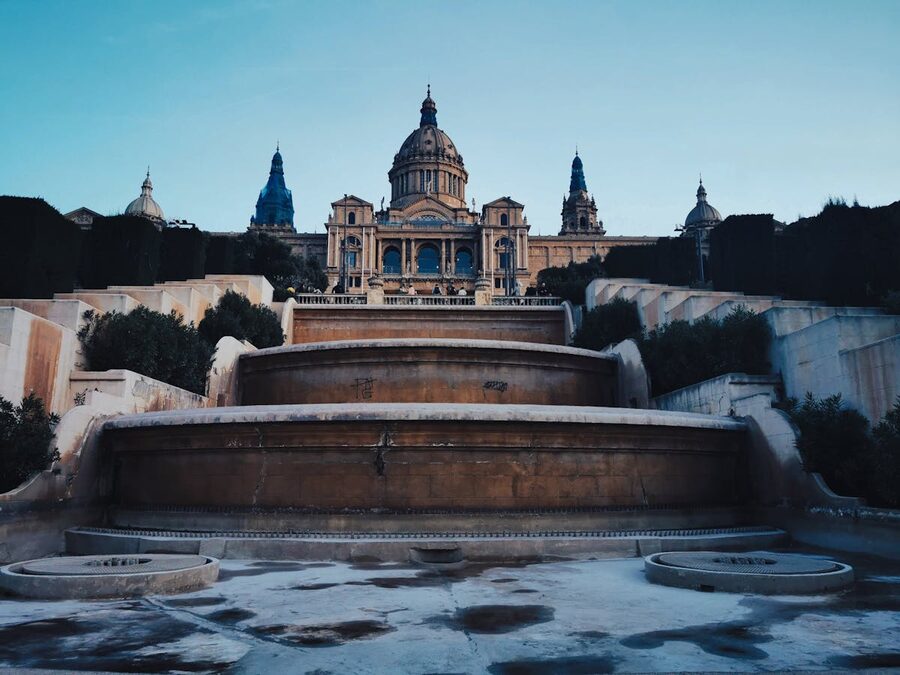
Combine it with Montjuic. Poble Espanyol sits at the base of Montjuic hill. On the same afternoon, you could also hit the Montjuic Castle (cable car or walk), the MNAC art museum, the Joan Miro Foundation, and the Magic Fountain show in the evening. That’s a full day on one hill.
Eat inside or out? The restaurants inside Poble Espanyol are decent but pricey for what you get. If you just want a drink and a snack, the bars in the main plaza are fine. For a proper meal, you’re better off walking back to Placa Espanya or the Parallel neighborhood, where there are better options at lower prices.
Photography: Everything is photogenic. The Andalusian quarter in morning or late afternoon light, the main plaza with its arcades, the craft workshops with their tools and materials — bring a charged battery. No restrictions on photography.
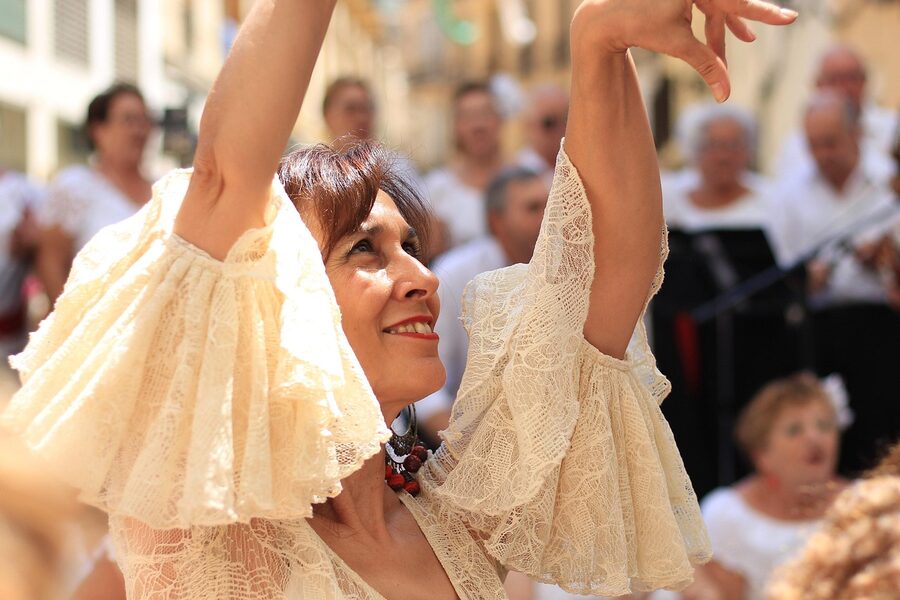
Is it tacky? This is the question everyone asks. Honestly — parts of it walk the line. The gift shops lean souvenir-heavy, and the whole concept of an “architectural zoo” has uncomfortable colonial overtones if you think about it too hard. But the craft workshops are genuine, the art collection is world-class, and the architectural reproductions are done with obsessive accuracy. It’s kitsch on the surface, serious underneath.
Poble Espanyol After Dark
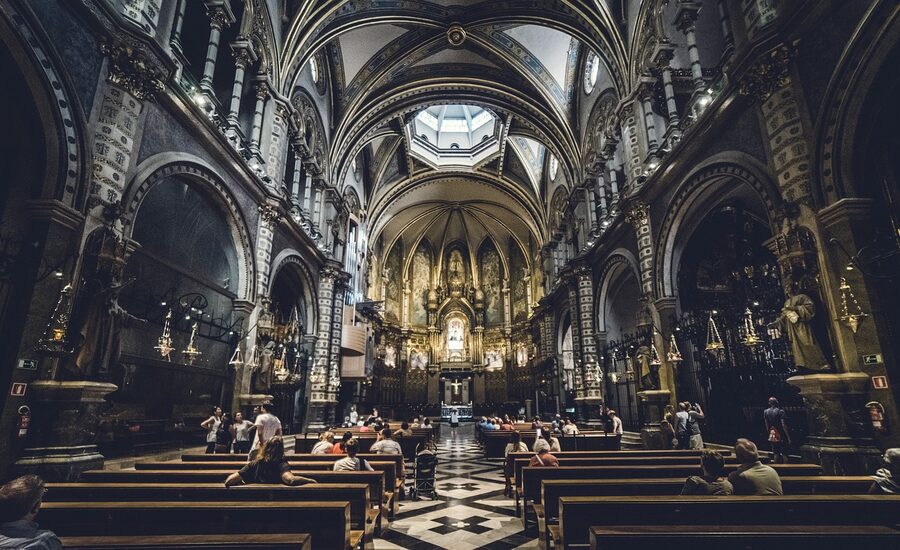
La Terrazza is the main event. It opens from May or June through September, on Friday and Saturday nights. The setup is remarkable — a proper club sound system and DJ booth installed in the open-air main plaza of a fake medieval Spanish village, with stone walls and archways as the backdrop. Doors usually open around midnight, and things run until 5 or 6 AM.
Other clubs and event spaces operate in the village too, depending on the season. The Sala Apolo team runs events there, and there are occasional concerts, food festivals, and cultural events. None of this is included in the regular daytime ticket — check their events calendar for what’s on during your visit.
How It Compares to Similar Attractions
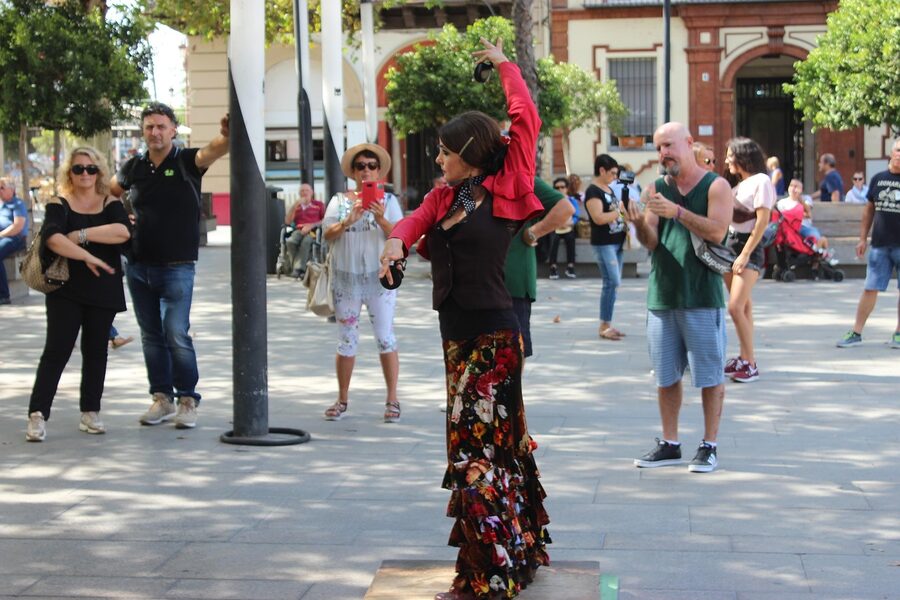
If you’ve been to Skansen in Stockholm or the Museum of Welsh Life in Cardiff, you’ll recognize the concept — open-air museums of traditional architecture. Poble Espanyol predates most of them and covers a whole country rather than a single region.
The difference is that Poble Espanyol doesn’t pretend to be a living history museum. It’s not trying to recreate 1929 Spain. The craft workshops produce contemporary work, the restaurants serve modern food, and the nightclub is decidedly 21st century. It’s architecture preserved, not culture frozen in time.
At $15, it’s also one of the cheaper major attractions in Barcelona. Compare that to Casa Batlló at $35+ or Sagrada Familia at $26+. You get more physical space, more variety, and more time for less money. Not the same depth of experience, but a genuinely different kind of Barcelona afternoon.
More Barcelona Guides
Poble Espanyol works best as part of a bigger Montjuic day — so if you haven’t planned the rest of the hill, our Montjuic guide covers the castle, cable car, and best walking routes. For the Modernista architecture side of Barcelona, start with Sagrada Familia and Casa Batlló, then add Casa Milà and Park Güell if you have time. The Gothic Quarter is the polar opposite of Montjuic — medieval, narrow, and intense — and our Barcelona walking tour guide covers the best ways to explore it with a local. On a practical note, the Hola Barcelona card covers the metro to Espanya station and saves money if you’re planning a multi-day visit.
This article contains affiliate links. If you book through our links, we may earn a small commission at no extra cost to you. This helps us keep producing free travel guides.