
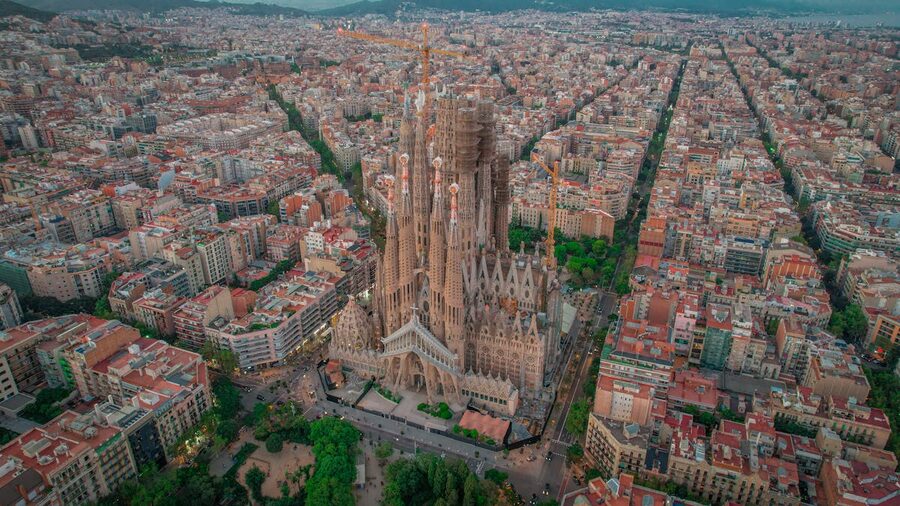
Lluís Domènech i Montaner beat Gaudí in Barcelona’s architecture competition. Twice. And yet most visitors to Barcelona couldn’t name him if you paid them. His masterpiece — the Sant Pau Recinte Modernista — sits about 15 minutes on foot from the Sagrada Familia, at the end of a dead-straight avenue that literally connects the two buildings. One is the most visited monument in Spain. The other? Half empty on most afternoons.
That’s your advantage.
- In a Hurry? Here Are the Best Sant Pau Tickets
- What Exactly Is the Sant Pau Recinte Modernista?
- How Tickets Work
- The Best Tours and Tickets to Book
- 1. Sant Pau Recinte Modernista Entry Ticket —
- 2. Sant Pau Recinte Modernista Entrance Ticket (Viator) —
- 3. Sant Pau Art Nouveau Site — Skip The Line —
- What You’ll Actually See Inside
- The Architect Who Should Be More Famous Than Gaudí
- Tips for Your Visit
- How Sant Pau Compares to Other Modernista Sites
- Practical Details
- Worth Exploring Next in Barcelona
In a Hurry? Here Are the Best Sant Pau Tickets
Best overall: Sant Pau Recinte Modernista Entry Ticket — $21. Standard entry to the full complex with self-guided exploration. The one most people book.
Best on Viator: Sant Pau Recinte Modernista Entrance Ticket — $22. Same access, slightly different booking platform. Good if you already use Viator.
Skip-the-line option: Sant Pau Art Nouveau Site Skip The Line — $26. Worth it during summer or weekend mornings when the ticket desk has a line.
What Exactly Is the Sant Pau Recinte Modernista?
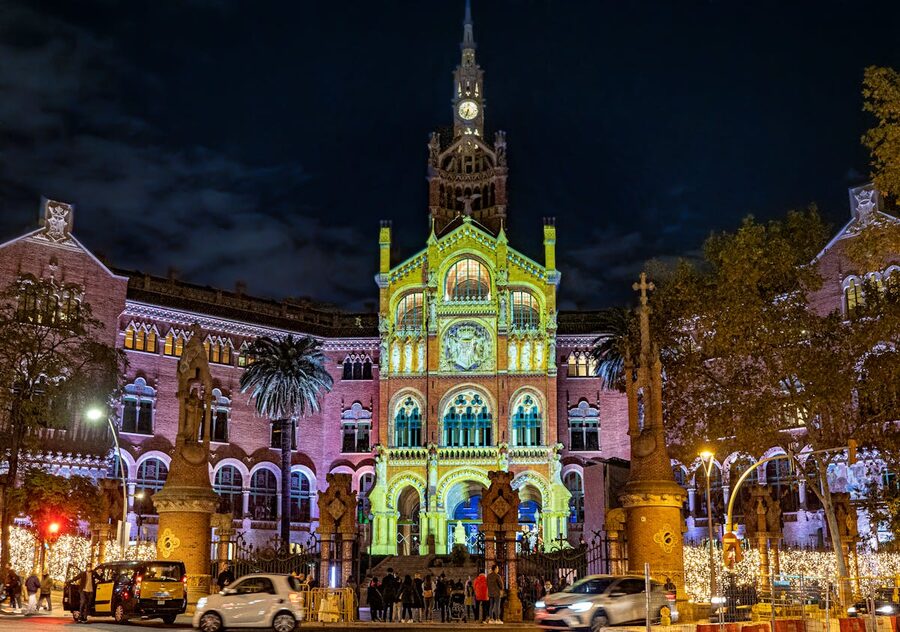
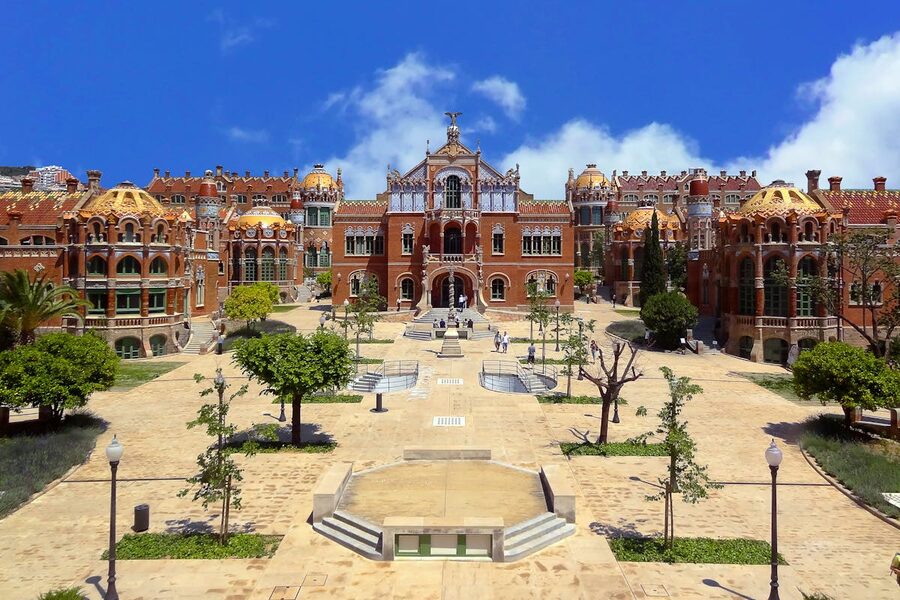
It’s the largest Art Nouveau complex in the world. Not a church. Not a palace. A hospital. Patients were treated here from 1930 all the way until 2009, surrounded by stained glass windows, mosaic domes, sculpted facades, and garden courtyards. The idea was radical for its time: architect Domènech i Montaner believed beauty could help people heal faster.
The complex covers an entire city block — 48 pavilions connected by underground tunnels, each designed for a different medical specialty. When you walk through the grounds, it feels more like a small university campus than a hospital. Gardens between the buildings, ceramic art on every surface, and not a single straight corridor.
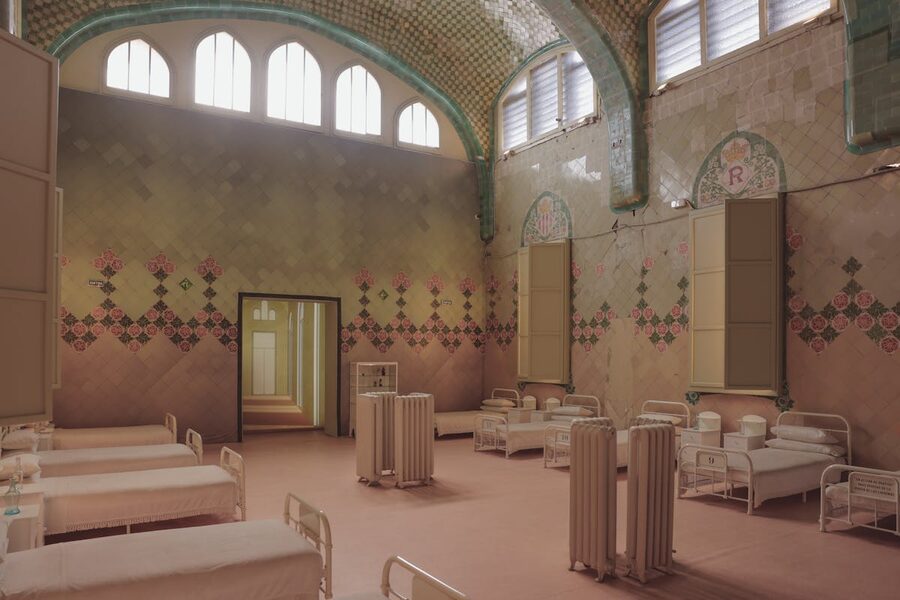
UNESCO gave it World Heritage status in 1997 alongside the Palau de la Música Catalana — both designed by the same architect. After the hospital moved to a modern building next door, the original complex was restored over eight years and reopened to the public in 2014.
How Tickets Work
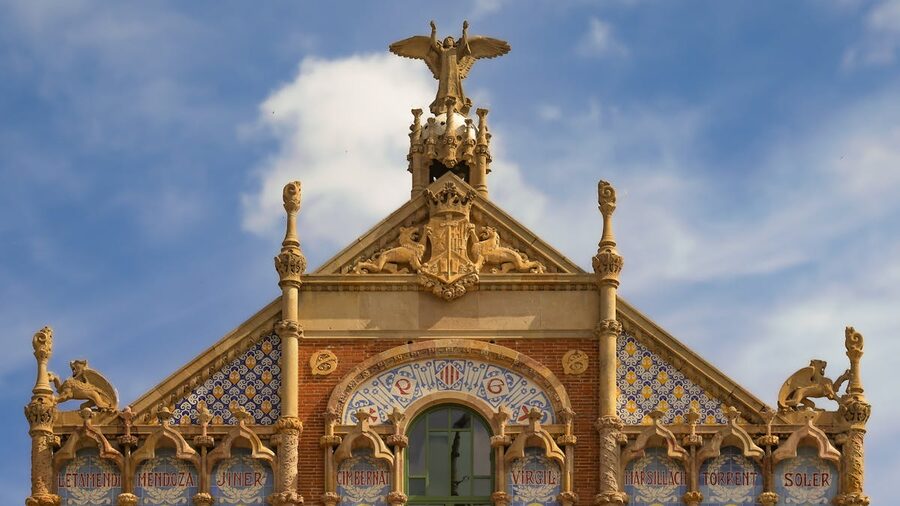
Sant Pau tickets are straightforward. You buy a timed entry ticket (pick a morning or afternoon slot), show up at the main entrance on Carrer de Sant Antoni Maria Claret, and explore at your own pace. No guided tour required unless you want one.
Standard entry costs around $21. That gets you into the main building, the restored pavilions, the underground tunnels, and the gardens. An audioguide is available for a few euros extra at the ticket desk — I’d recommend it if you’re interested in the architecture details, because there’s no information panels in some sections.
The visit takes roughly 1.5 to 2 hours if you’re actually looking at things. Some people rush through in 45 minutes, but then they’re missing the best parts — the underground passages and the upper floor of the administration building.
When to buy: You can usually walk up and buy tickets same-day, especially on weekdays. But pre-booking online locks in your time slot and means you skip the ticket desk entirely. During July, August, and holiday weekends, pre-booking is a good idea because the morning slots sell out.
Free entry days: The complex sometimes offers free entry on the first Sunday of the month and on special cultural days like La Mercè (September 24) and Sant Jordi (April 23). Check their official site before your visit. But fair warning — free days mean crowds, which defeats the whole point of Sant Pau’s peaceful atmosphere.
The Best Tours and Tickets to Book
1. Sant Pau Recinte Modernista Entry Ticket — $21
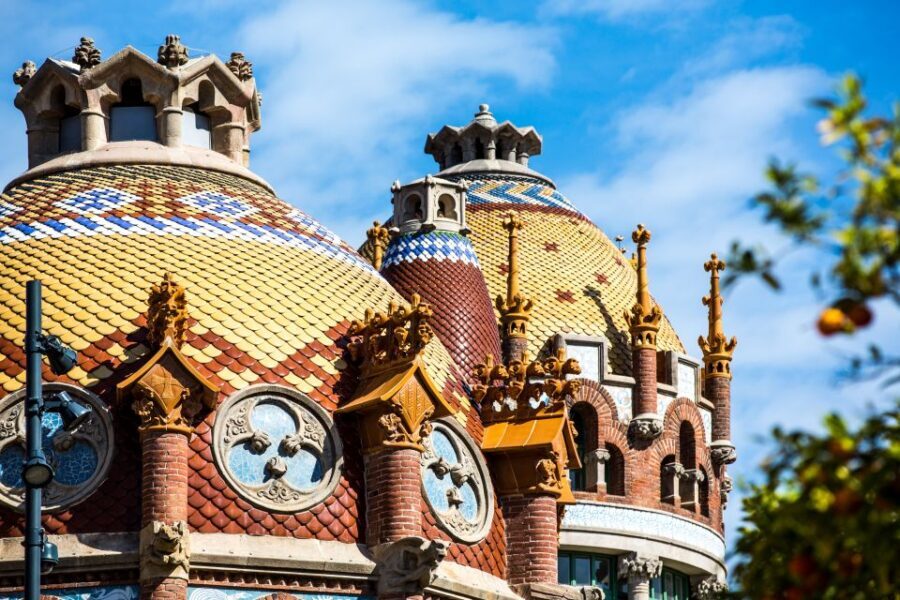
This is the ticket the vast majority of visitors buy, and for good reason. Full access to the complex at your own pace, with timed entry that keeps crowds thin. The booking is instant, and you get mobile tickets — no printing needed. Our detailed review covers what to expect from the self-guided experience, including which pavilions are most worth your time.
2. Sant Pau Recinte Modernista Entrance Ticket (Viator) — $22
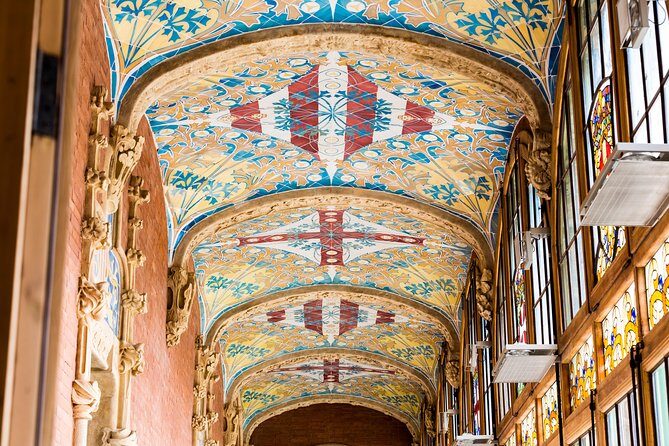
Functionally the same ticket as the GYG option above, just booked through Viator instead. The experience is identical — self-guided access to the full Recinte Modernista. Some people prefer Viator’s interface or already have credits there from previous bookings. The 1-2 hour duration gives you enough time without rushing. Read our full breakdown for tips on timing your visit.
3. Sant Pau Art Nouveau Site — Skip The Line — $26
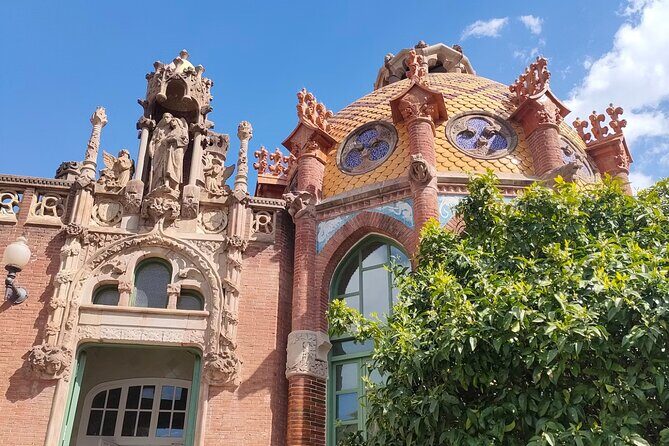
For five dollars more, you skip the ticket line entirely. On a slow Tuesday in March, that’s pointless. On a Saturday morning in August, it’s the smartest five dollars you’ll spend in Barcelona. The ticket includes the same full access — pavilions, tunnels, gardens. As one visitor put it in our review, the site feels like “an in-the-know secret” compared to the packed Gaudí attractions nearby.
What You’ll Actually See Inside
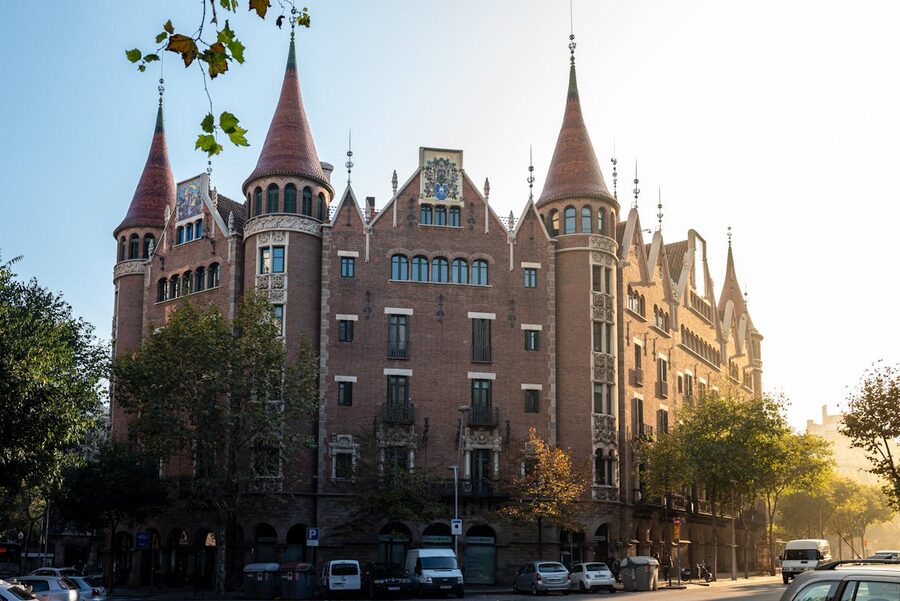
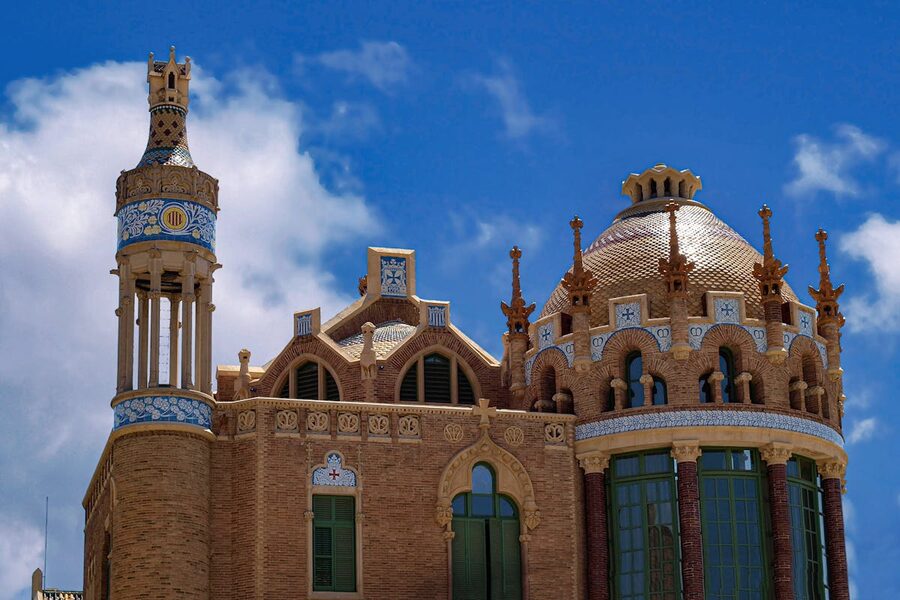
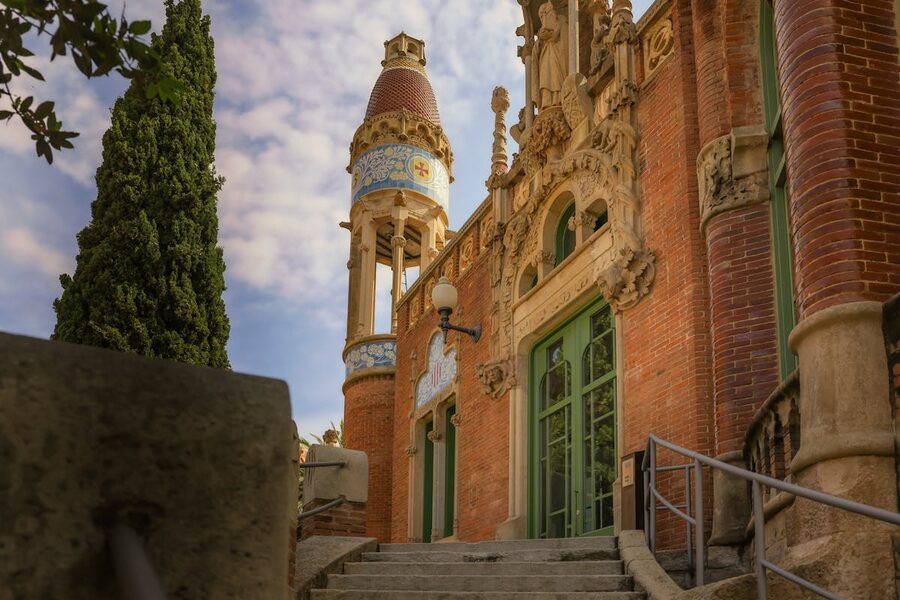
The visit starts at the main administration pavilion. This is the building you see in every photo — the one with the enormous clock tower and the polychrome ceramic facade. Inside, the entrance hall has a ceiling that’ll stop you mid-sentence. Mosaic work, stained glass, and sculpted columns everywhere.
From there, you move through the restored pavilions. Each one was originally a separate medical ward — surgery, pediatrics, infectious diseases — and each has its own architectural personality. Some have vaulted ceilings with floral motifs. Others have geometric tile patterns that look startlingly modern.
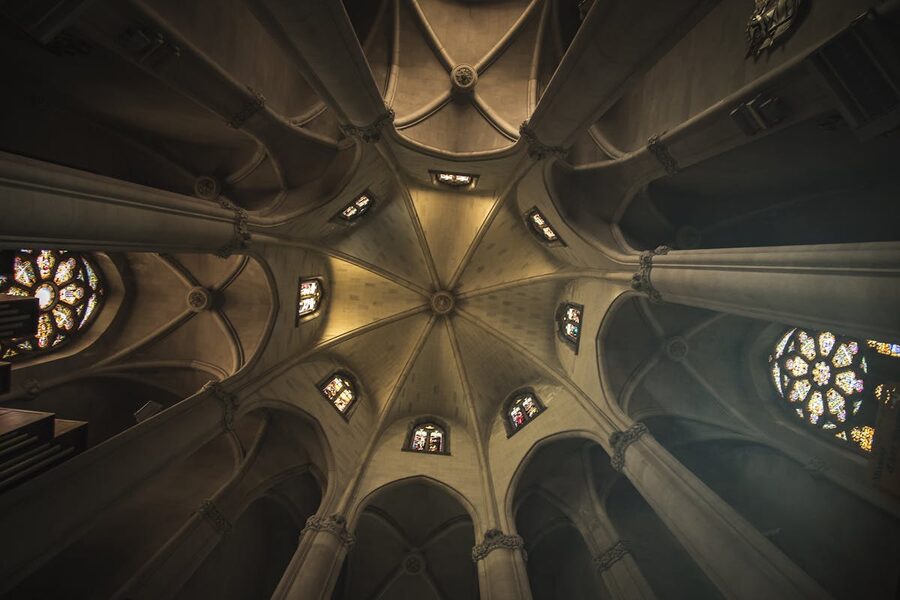
The underground tunnels are the part most visitors don’t expect. A full network of corridors connects all the pavilions below ground — originally used to transport patients and supplies between buildings without going outside. Walking through them feels oddly cinematic. Low ceilings, arched passages, soft lighting.
The gardens between the pavilions are beautiful in spring and early summer. Orange trees, Mediterranean plants, benches where you can sit and actually absorb what you’re looking at. This is where the “beauty aids healing” philosophy makes the most sense — it’s genuinely peaceful.
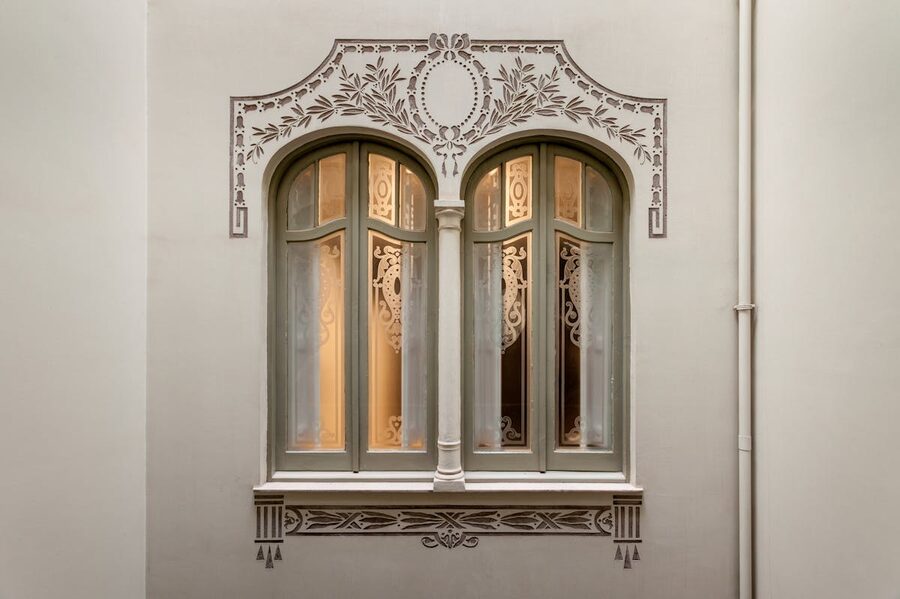
The Architect Who Should Be More Famous Than Gaudí
Here’s a story that deserves more attention. Lluís Domènech i Montaner (1850-1923) was a professor of architecture, a politician, a historian, and arguably the most technically gifted architect in Barcelona during the Modernisme movement. He didn’t just design buildings — he wrote the manifesto that kicked off Catalan Modernisme in the first place. A pamphlet called “In Search of a National Architecture” published in 1878.
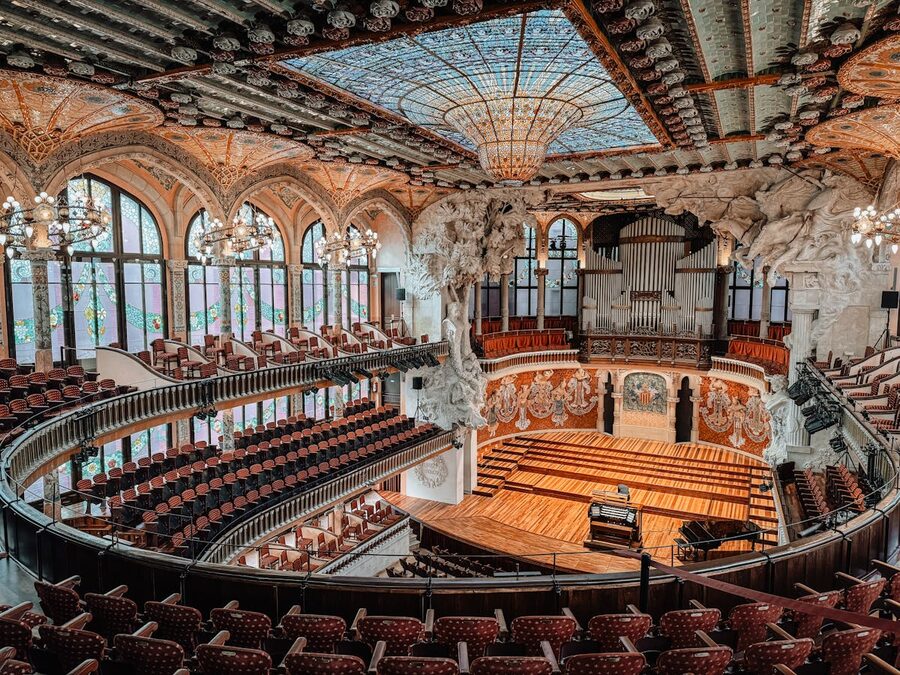
He entered Barcelona’s architecture competitions and won. Repeatedly. He beat Gaudí for the commission to build the Palau de la Música. He beat Gaudí again for the Restaurant of the 1888 World Exhibition (now the Castle of the Three Dragons in Ciutadella Park). In professional circles, he was the bigger deal.
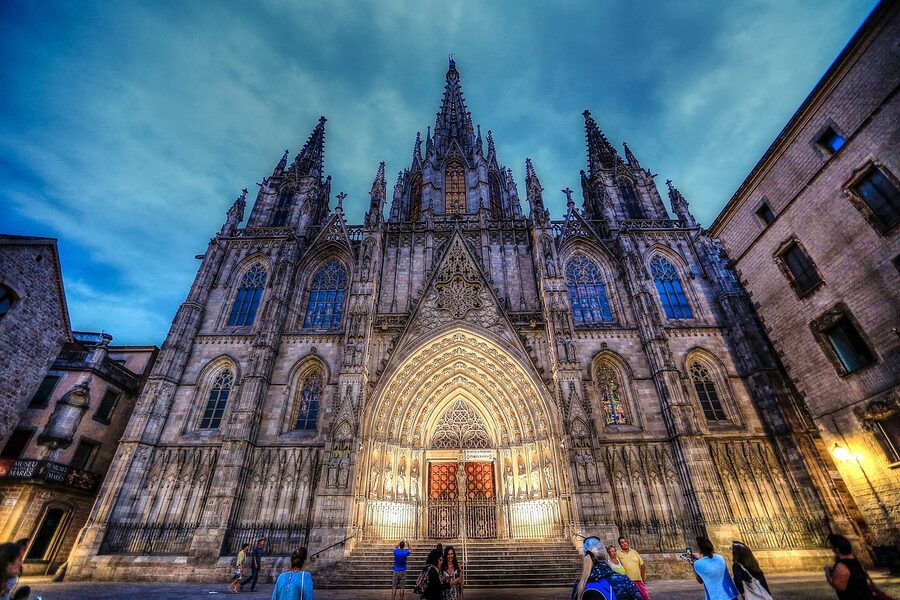
But Gaudí had the Sagrada Familia — a project so ambitious and unfinished that it turned him into a legend. The construction dragging on for over a century became its own story. And stories sell. Domènech i Montaner finished his buildings. They worked. They were beautiful. And precisely because they were complete and functional, they didn’t generate the same mystique.
Sant Pau was his grandest project. Construction started in 1901 and continued until 1930, seven years after his death — his son finished the final pavilions. The original plan called for 48 pavilions (only 27 were built), each angled at 45 degrees to Barcelona’s grid so patients could get maximum sunlight. That’s the kind of detail that doesn’t show up in tourist brochures but completely changes how the building feels when you’re inside.
And then the truly strange part: it was a working hospital until 2009. Actual patients — people getting chemotherapy, having surgery, delivering babies — were treated inside these Art Nouveau pavilions with their mosaic domes and sculpted columns. For decades, medical equipment sat next to stained glass. IV drips hung from iron hooks forged in 1910. The hospital only moved because the old buildings couldn’t accommodate modern medical technology, not because anyone wanted them to close.
Tips for Your Visit
Best time to go: First thing in the morning. The complex opens at 10:00 AM most days (check seasonal hours — winter is 10-5, summer 10-7). The morning light hitting the main facade is when photographers show up, and the crowds don’t arrive until around noon.
Combine it with the Sagrada Familia. The two are connected by Avinguda de Gaudí, a pleasant pedestrian-friendly street lined with cafes. Do Sagrada Familia first (book the earliest slot — 9 AM if possible), then walk down to Sant Pau for a late morning visit. This is the single best architecture morning in Barcelona.
Getting there: Metro station Sant Pau | Dos de Maig (L5, blue line) drops you right at the entrance. You can also walk from Park Güell — it’s about a 25-minute downhill walk through the Guinardó neighborhood, which is a nice route through residential Barcelona.
Photography: Tripods are not allowed inside the pavilions, but hand-held cameras and phones are fine. The interior lighting is dim in some areas — the stained glass windows create beautiful natural light in the morning but the tunnels need your flash or a steady hand.
Accessibility: The main building and gardens are wheelchair accessible. The underground tunnels have some steps, and a few pavilions have narrow doorways. Check at the entrance desk about the accessible route — staff are helpful.
Don’t bother with: The gift shop, honestly. It’s small and mostly sells generic Barcelona souvenirs. The cafe inside the grounds is fine for a coffee but nothing special.
How Sant Pau Compares to Other Modernista Sites
Barcelona has an embarrassment of Modernista architecture. The Sagrada Familia, Casa Batlló, Casa Milà (La Pedrera), Casa Vicens — all Gaudí, all packed with visitors, all expensive. Sant Pau costs roughly a third of what you’d pay for Casa Batlló and has maybe a tenth of the crowd.
The experience is also totally different. Gaudí’s buildings are vertical — narrow apartments, spiral staircases, rooftop terraces. Sant Pau is horizontal — wide pavilions, outdoor gardens, underground corridors. You don’t feel compressed. You feel like you’re wandering through a small Art Nouveau city.
If you’ve already done the main Gaudí trio (Sagrada Familia, Casa Batlló, Park Güell), Sant Pau is the natural next step. It rounds out your understanding of Catalan Modernisme by showing you the OTHER guy — the one who arguably did it better on a practical level.
Practical Details
Address: Carrer de Sant Antoni Maria Claret, 167, 08025 Barcelona
Opening hours: Monday to Saturday 10:00 AM – 6:30 PM (April to October), 10:00 AM – 5:00 PM (November to March). Sundays and holidays 10:00 AM – 3:00 PM. Closed December 25 and January 1.
Price: Around $21 for general admission. Reduced price for seniors (65+), students, and children aged 12-29. Free for children under 12. The audioguide is a few euros extra and worth it.
How long to allow: 1.5 to 2 hours for a proper visit. If you’re a serious architecture or photography enthusiast, you could easily spend 3 hours.
Nearest metro: Sant Pau | Dos de Maig (L5) or Hospital de Sant Pau (L4). Both are a 2-minute walk.
Worth Exploring Next in Barcelona
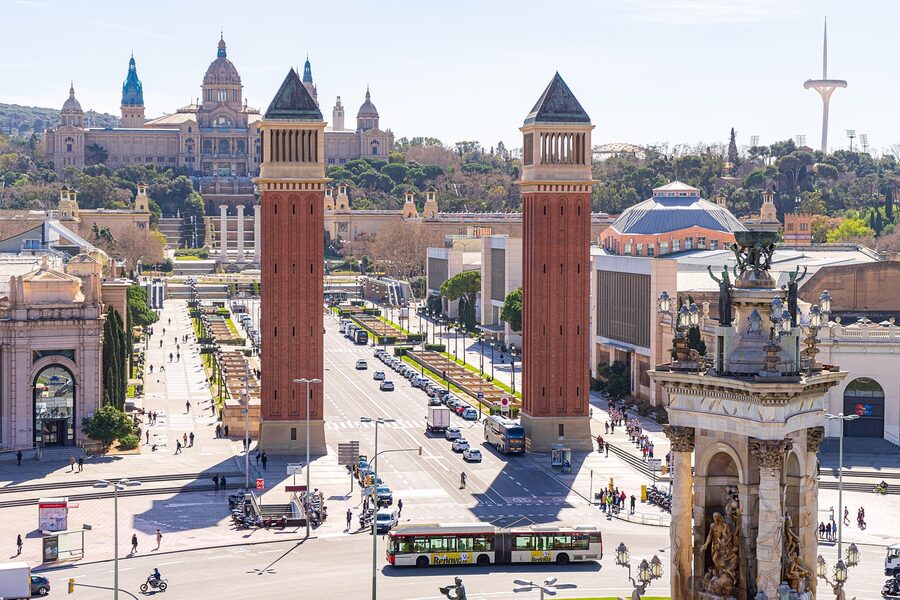
Sant Pau fits perfectly into a Modernista architecture crawl through Barcelona’s Eixample district. If you haven’t already, Sagrada Familia tickets should be at the top of your list — book the earliest morning slot and walk to Sant Pau afterward. From there, Casa Batlló and Casa Milà are both in the Eixample, about a 20-minute walk south. For something completely different, head up to Montjuïc for castle views and the MNAC museum, or wander the narrow lanes of the Gothic Quarter. And if you’re getting around on public transport, the Hola Barcelona card covers unlimited metro and bus rides — it pays for itself within a couple of days.
This article contains affiliate links. If you book through our links, we may earn a small commission at no extra cost to you. This helps us keep producing free travel guides.