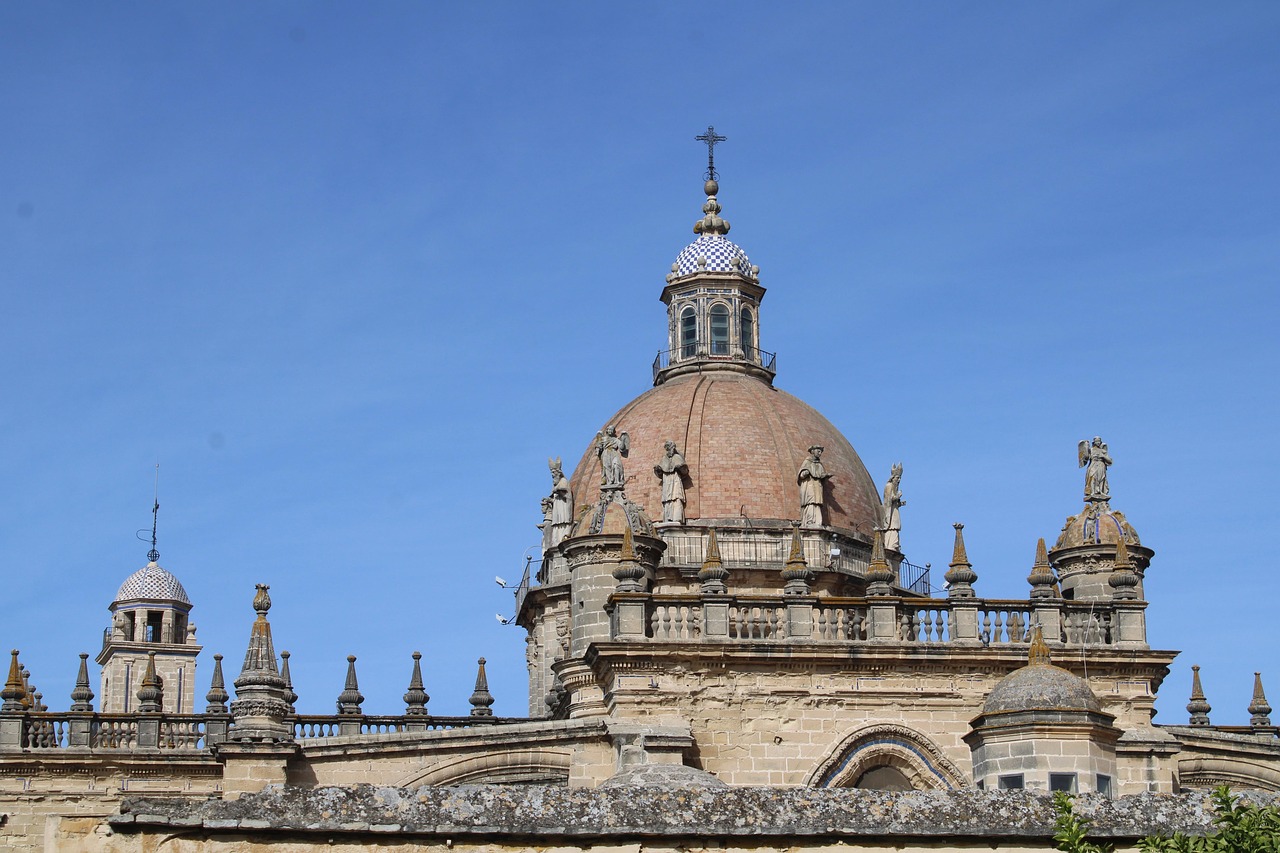
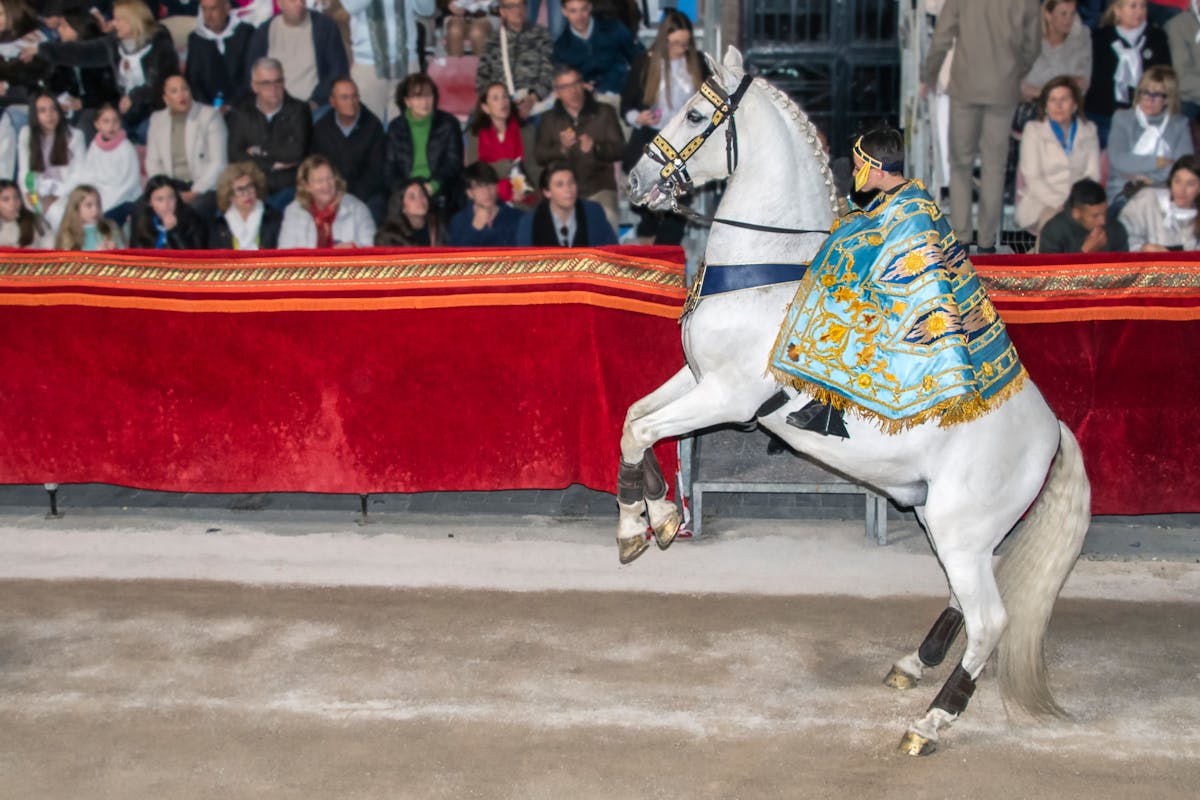
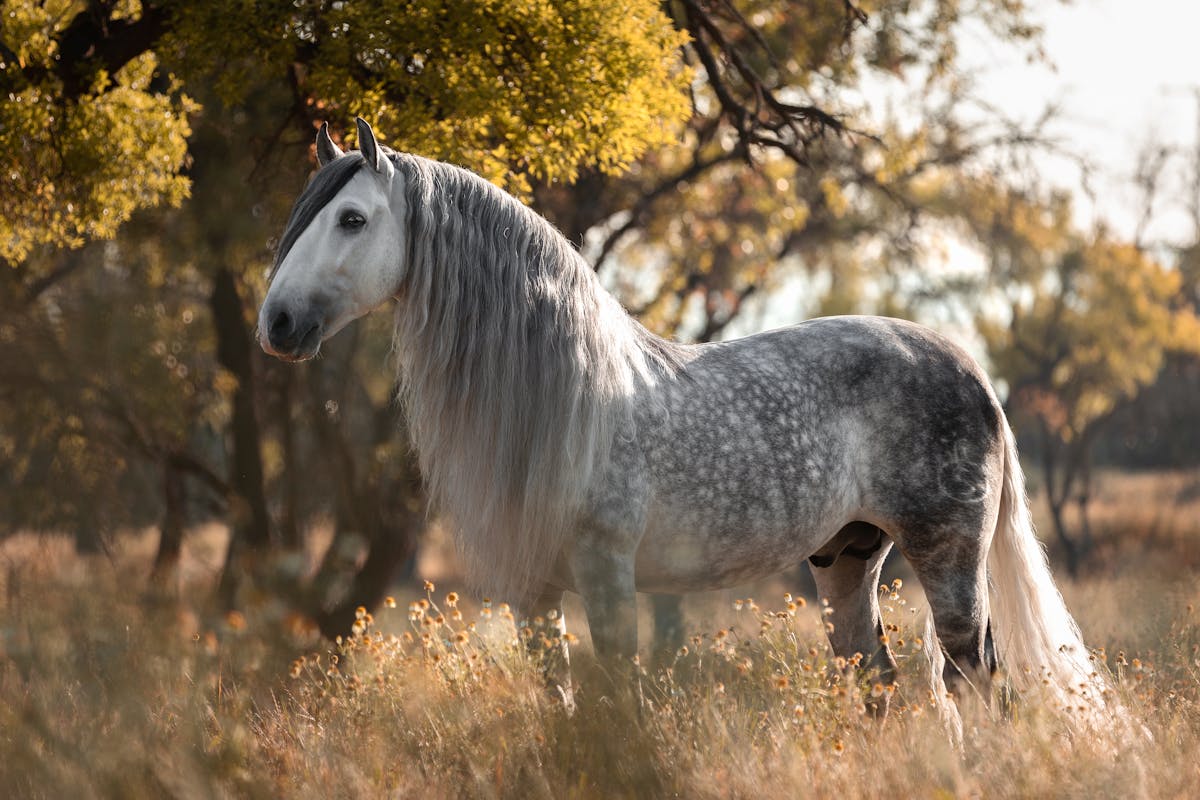
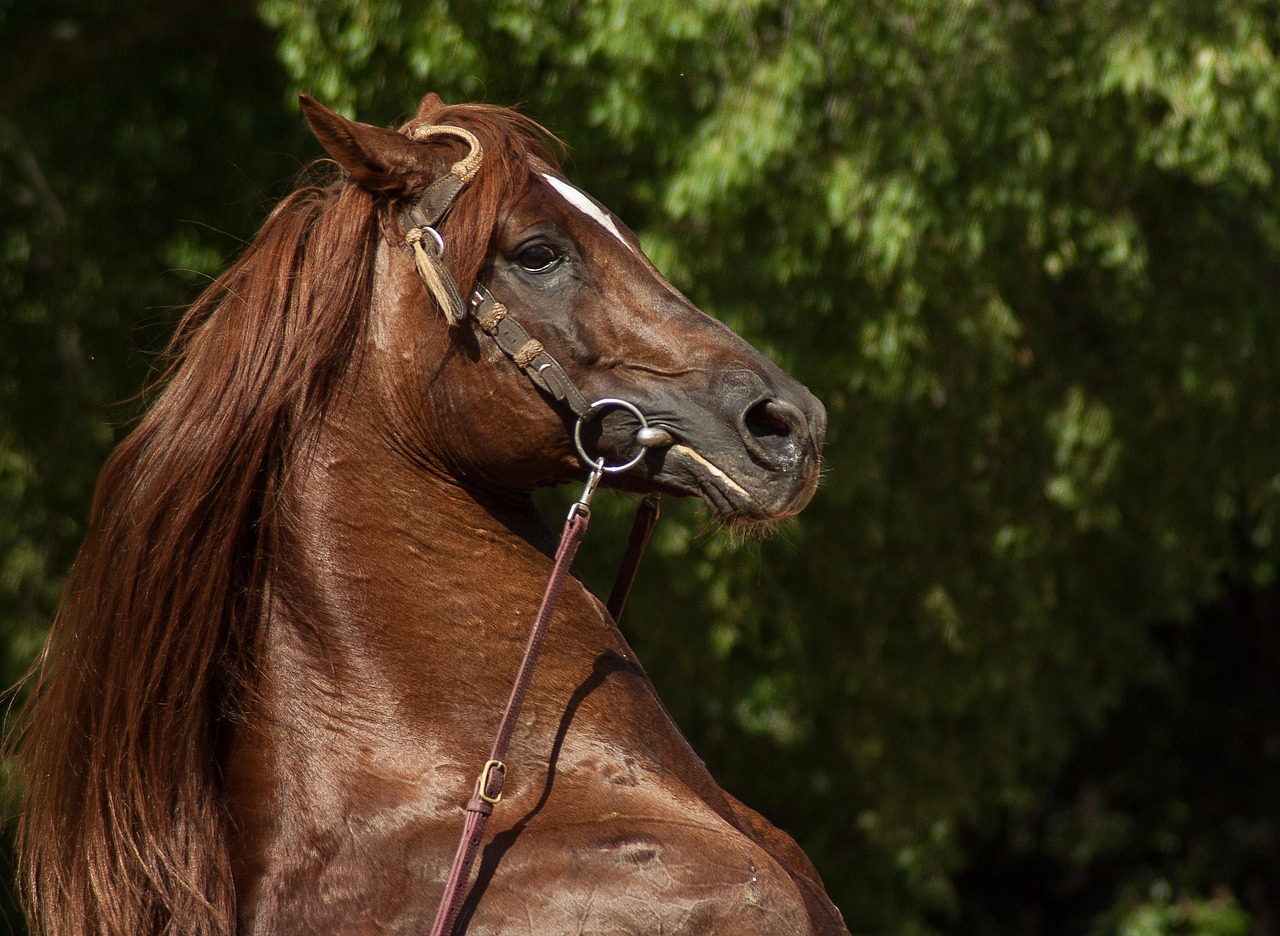
The horse was perfectly still. Not frozen — still, the way a dancer holds a pose. Then the music swelled, and the stallion rose onto its hind legs like it had done this a thousand times before. Because it had.
I went to the Royal Andalusian School of Equestrian Art in Jerez de la Frontera expecting a nice horse show. What I got was closer to a ballet performed by 600-kilogram animals in an 18th-century palace. The show is called How the Andalusian Horses Dance, and that name is not marketing.
The school has been training horses in classical dressage since 1973, but the tradition it draws from goes back centuries — to the royal courts of Europe, where Spanish horses were considered the finest in the world. And honestly? Watching them move, you can see why the reputation stuck.
Best overall: How the Andalusian Horses Dance — $31. The flagship show with choreographed dressage set to Spanish music. This is the one you came for.
Best value: Royal Andalusian School Admission — $18. Morning training session plus the stables, museum, and grounds. Less spectacle, more insight into how the horses actually learn.
Best full experience: Andalusian Horse Dance and Museums — $38. The show plus guided museum access, the carriage collection, and the saddlery workshop. Worth it if you want to go deep.
- What the Show Actually Is
- Tickets: The Show vs Morning Training
- The 3 Best Ways to Book
- 1. How the Andalusian Horses Dance —
- 2. Andalusian Horse Dance and Museums —
- 3. Royal Andalusian School Admission —
- When to Visit
- Getting to the School
- Tips That Will Actually Help
- What You Will See Inside
- More Andalusia Guides
What the Show Actually Is
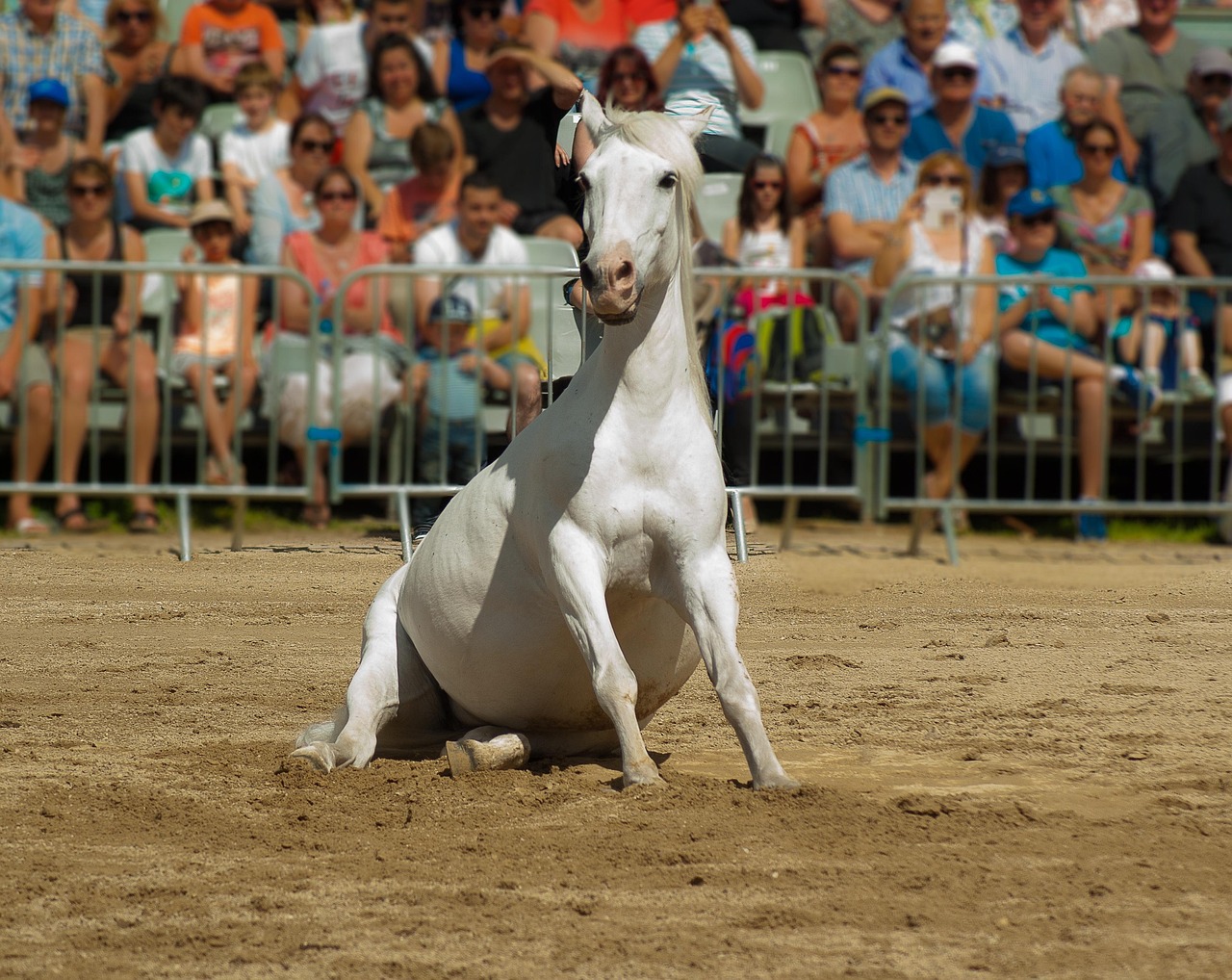
The official name is How the Andalusian Horses Dance, and the school performs it on Tuesdays and Thursdays (sometimes Fridays and Saturdays depending on the season). The show runs about 90 minutes and features a rotating cast of riders and horses performing classical dressage movements set to live or recorded Spanish music.
It is split into several acts. You will see individual riders performing high-school dressage — the piaffe, passage, pirouette, and the dramatic “airs above the ground” where horses literally leave the floor. Then there is a carriage section with teams of horses pulling traditional Andalusian carriages, and a final group performance that brings all the riders together.
The arena holds around 1,600 people and is inside a gorgeous 19th-century building designed by Charles Garnier — yes, the same architect who designed the Paris Opera. The interior has that same grandeur, with ornate ironwork and a sandy arena floor. Every seat has a decent view, though the front preference rows are closer to the action.
Photography is not allowed during the performance, and honestly that made it better. No one holding up phones, no screen glare. Just you, the horses, and the music. It forced me to actually watch.
Tickets: The Show vs Morning Training
There are two completely different experiences you can book, and the price gap is significant enough that it matters.
The Show (How the Andalusian Horses Dance) runs Tuesdays and Thursdays at noon, with extra performances on select Fridays and Saturdays. Official ticket prices from the school’s website: General seating (rows 3-7) is 24 EUR for adults, Preference seating (rows 1-2) is 31 EUR, and there is a VIP tier at 175 EUR that includes a reserved front-row seat and a visit to the stables. Children aged 4-13 pay 15-20 EUR depending on the seat. Under 4 is free.
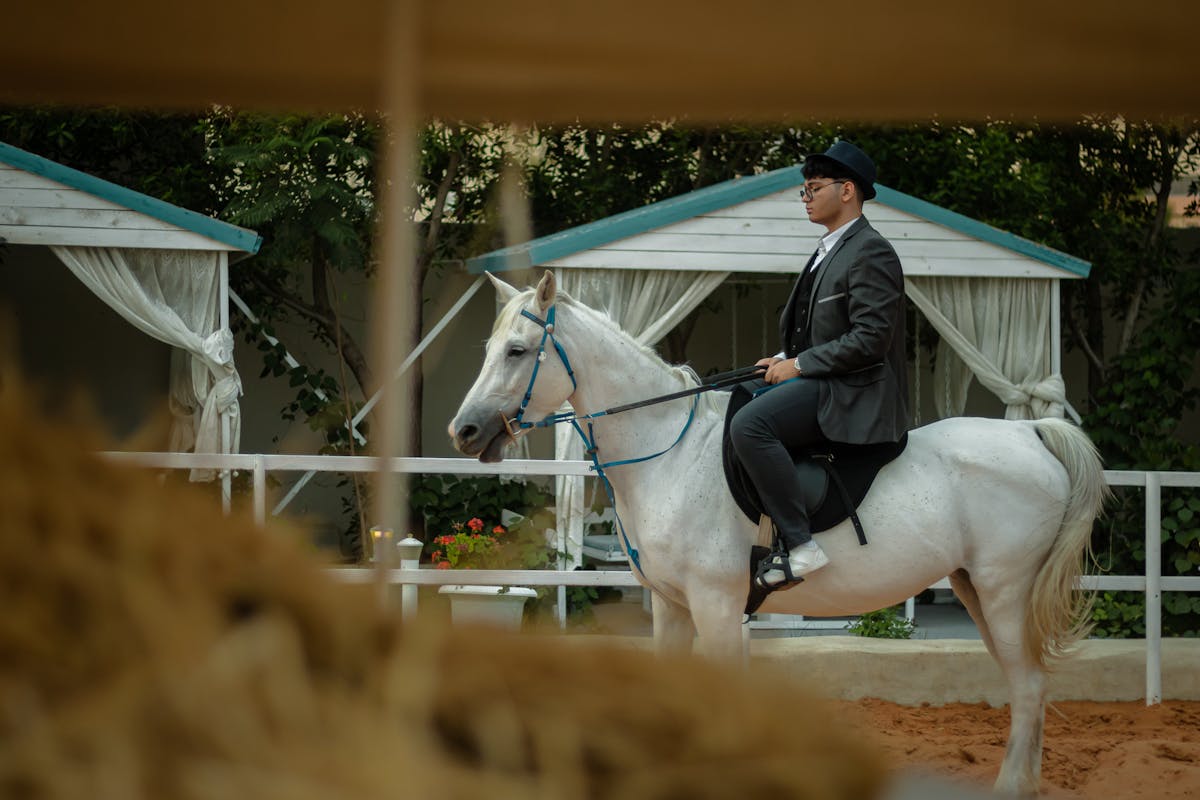
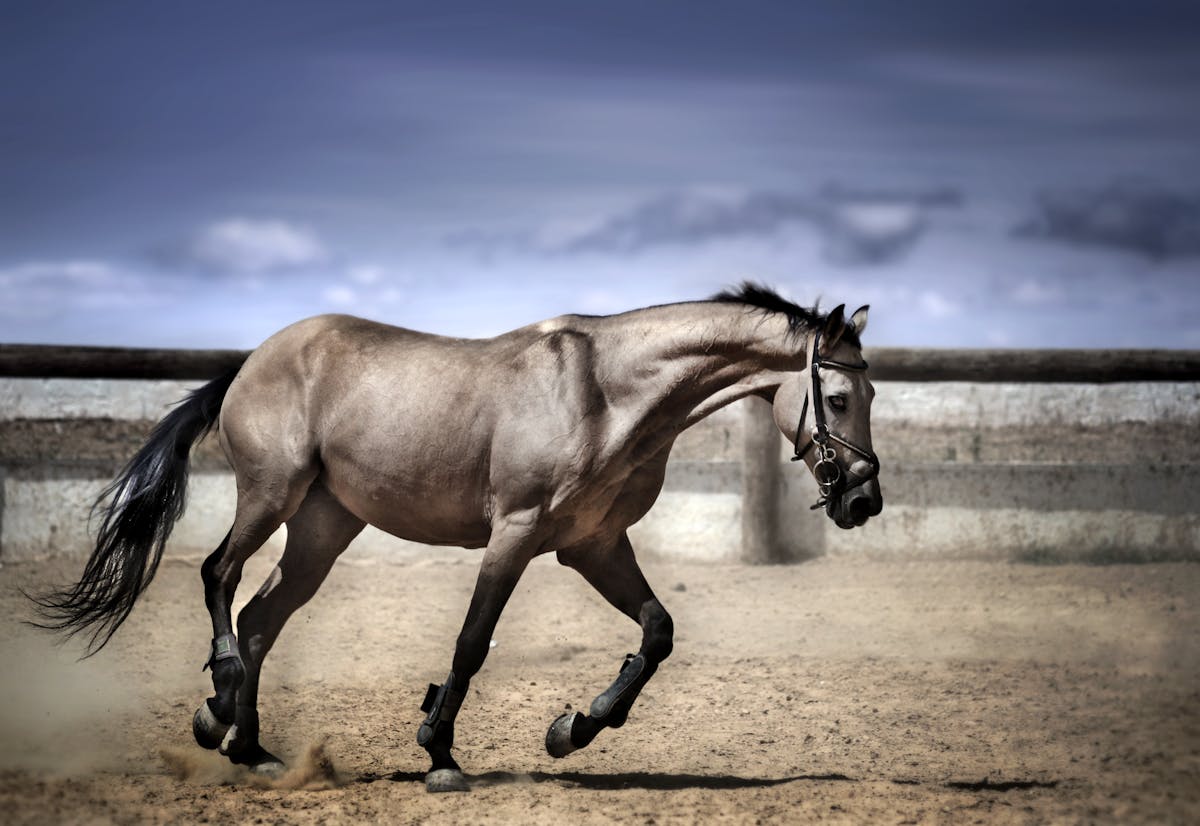
Morning Training runs Monday to Friday from 10:00 to 14:00 (excluding show days). This is a behind-the-scenes look at how the horses and riders prepare. You will see them running through exercises, warming up, and practicing movements that may or may not appear in the next show. It is less theatrical but more genuine. Training visits include access to the stables, the museum of equestrian art, the carriage collection, and the historic saddlery workshop. Tickets for training are around 11-18 EUR depending on whether you go through the official site or a third-party booking platform.
My take: if you can only do one, pick the show. But if you have the whole morning, the training session first and the show after is the ideal combination — you will appreciate the performance so much more once you have seen what goes into it.
The 3 Best Ways to Book
I have gone through the main booking options and ranked them by what you actually get for your money. All three are solid, but they serve different types of visitors.
1. How the Andalusian Horses Dance — $31
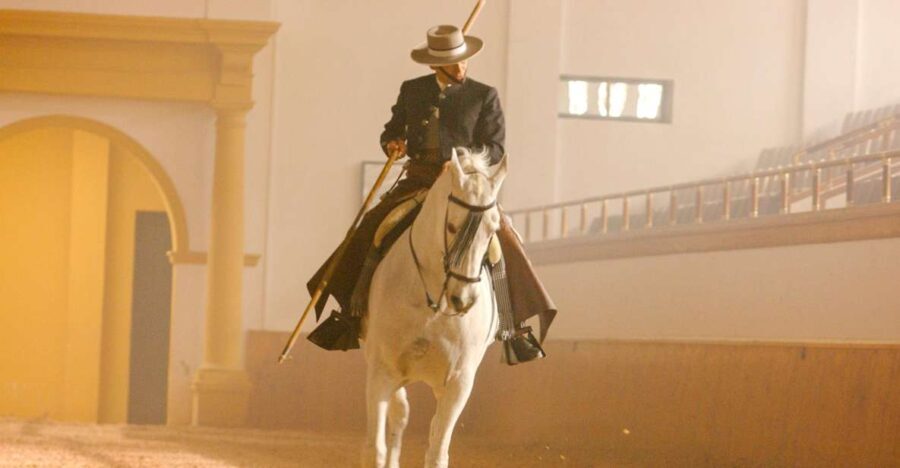
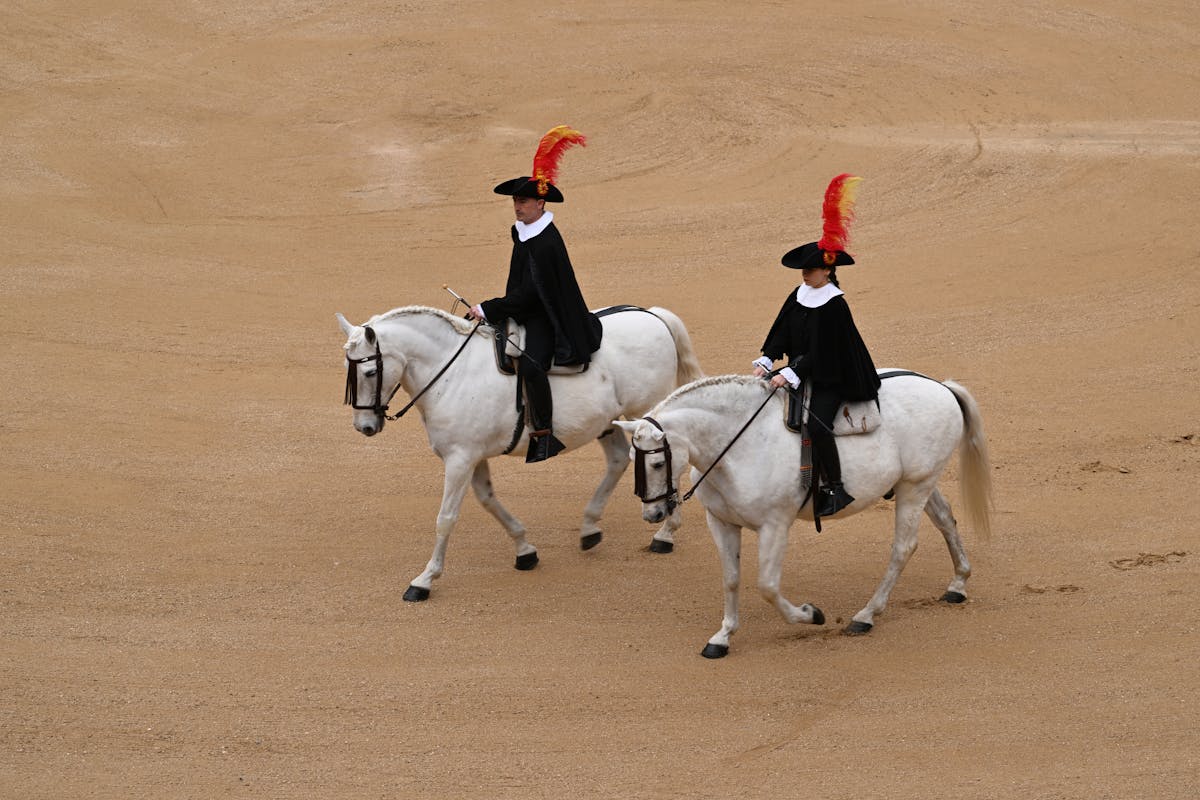
This is the main event. Ninety minutes of choreographed classical dressage with Andalusian stallions, traditional 18th-century costume, and a live or recorded soundtrack of Spanish music. It is held in the school’s stunning Garnier-designed arena, and it is genuinely one of the most memorable things I have done in southern Spain.
At $31 per person for general admission, this is also remarkably good value compared to similar equestrian shows across Europe. The full performance runs about 90 minutes to two hours. It is the most booked experience at the school by a wide margin, and for good reason — this is what you came to Jerez to see.
Book this if you want the full theatrical experience and do not need the behind-the-scenes access. Arrive 20-30 minutes early to grab your seat and soak in the atmosphere of the building itself.
2. Andalusian Horse Dance and Museums — $38
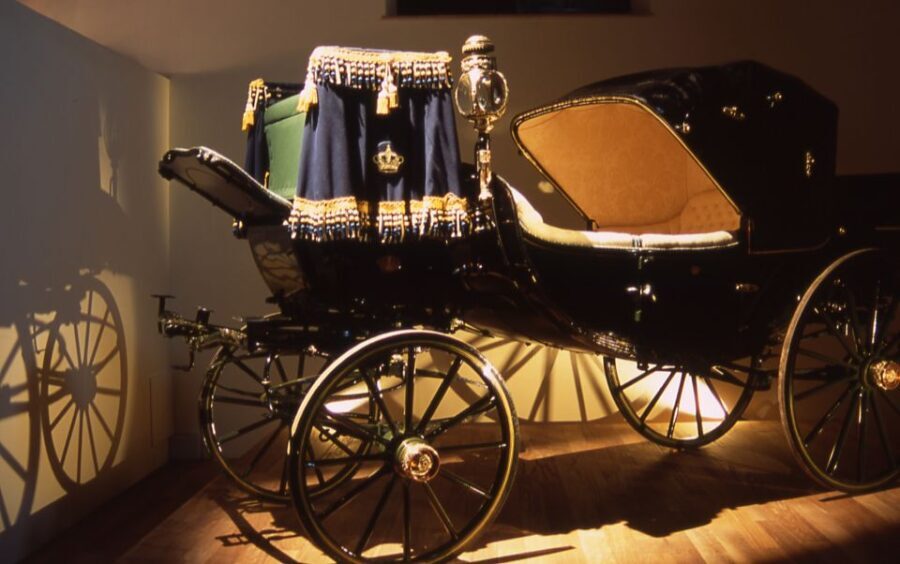
This combines the full show with guided access to parts of the school that standard ticket holders do not see. You get the equestrian art museum, the historic carriage collection (some of these carriages are centuries old), the saddlery workshop where they still make traditional tack by hand, and a walk through the stables.
At $38, it is only $7 more than the show alone, and you get 3.5 hours of content instead of 90 minutes. The combined experience is the best deal here in terms of pure time-to-cost ratio. The museum has a fascinating collection of equestrian paintings, historical saddles, and riding equipment going back to the 16th century.
I would pick this over the standard show if you have a full morning to spare. The museum context makes the dressage movements mean more when you understand the centuries of tradition behind them.
3. Royal Andalusian School Admission — $18
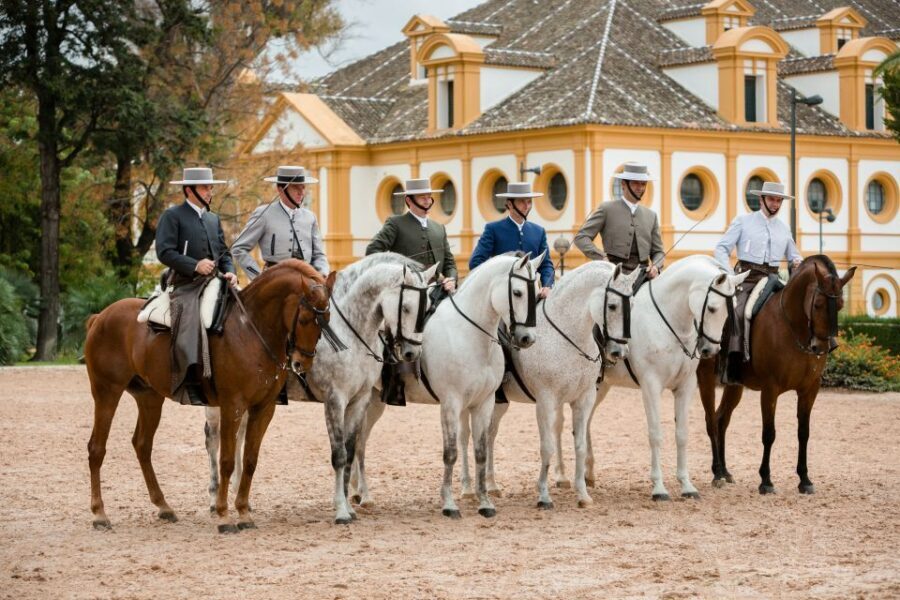
This is the budget option, and it is not a lesser experience — just a different one. For $18, you get a two-hour visit that includes the morning training session, the stables, the museum, and the grounds. You will watch riders working through exercises with their horses, see how the stables are organized, and explore the museum at your own pace.
The training sessions run Monday through Friday (excluding show days), starting at 10:00 AM. The guided tour is led by a school employee who can answer specific questions about the horses and the training process — something you do not get at the show itself.
Pick this if you are on a budget, if you are more interested in the horsemanship than the spectacle, or if you are visiting on a day when the show is not running. But if both are available on the same day and you can afford the extra $13, the show is the one that stays with you.
When to Visit
The show runs year-round, but the schedule changes with the season. During peak months (March through October), performances happen on Tuesdays and Thursdays with occasional Friday and Saturday additions. In the quieter winter months (November through February), it is typically just Tuesdays and Thursdays. Always check the official calendar before booking, because the school also suspends shows during the Feria del Caballo in May and around Christmas.
Spring (April-May) is the best time to visit Jerez for the horses. The weather is warm but not brutal, the Feria del Caballo horse fair takes over the entire city in May, and the school runs extra performances. But spring is also the busiest period — book at least two weeks ahead.
Summer (July-August) is scorching in Jerez. Temperatures regularly crack 40 degrees Celsius. The arena is partially shaded and the seats are undercover, but getting there and back in that heat is unpleasant. If you visit in summer, choose the earliest available slot.
Autumn and winter are underrated. Fewer travelers, cooler weather, and the show runs the same program regardless of season. January is an especially quiet month — you might have the training sessions nearly to yourself.
Getting to the School
The Royal Andalusian School of Equestrian Art sits on Avenida Duque de Abrantes, in the center of Jerez de la Frontera. The address is easy to find — it is the big building with horses out front.
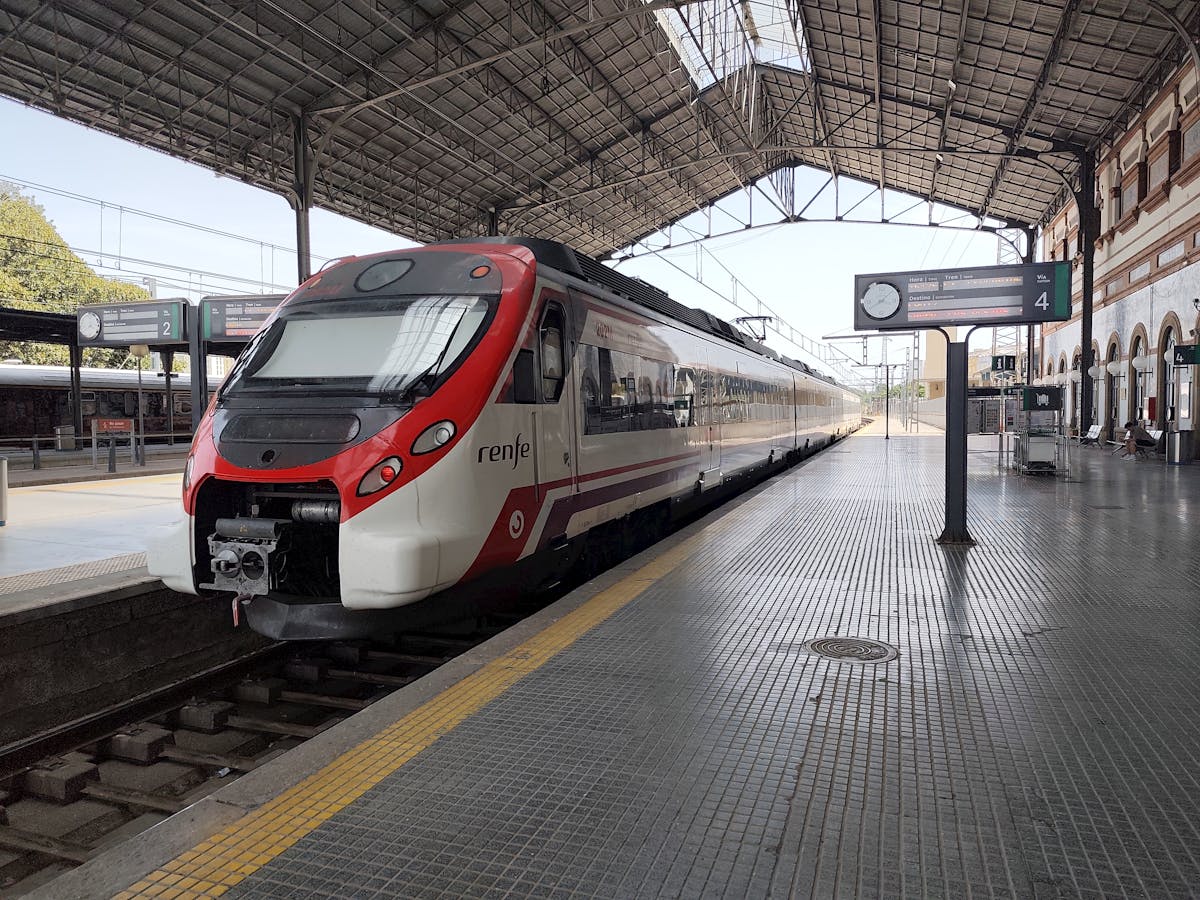
From Seville: The Renfe Cercanias train runs from Seville Santa Justa station to Jerez de la Frontera. It takes about an hour and costs around 7-12 EUR each way depending on the service. Trains leave every 30-60 minutes. From Jerez station, the school is a 15-minute walk northwest through the old town, or a cheap taxi ride.
From Cadiz: Trains run every 30 minutes and take about 35-45 minutes. Cadiz to Jerez is one of the most scenic short train rides in Andalusia — the track skirts the coast and the salt flats of the Bay of Cadiz.
By car: There is a free parking area near the school on Calle Real Escuela de Arte Ecuestre. But Jerez is very walkable once you are in the center, and parking in the old town can be tight on show days.
Day trip from Seville: Totally doable. Catch the 9:30 or 10:00 train from Seville, see the morning training or the noon show, wander Jerez for a couple of hours, hit a sherry bodega, and take the evening train back. It makes a brilliant day trip from Seville.
Tips That Will Actually Help
Book online in advance. Show days sell out, especially in spring and around holidays. General admission is usually available a few days out, but Preference and VIP seats go fast. Booking through GetYourGuide also gives you free cancellation up to 24 hours before.
Arrive early. Doors open 30 minutes before the show starts. Seating within your tier is not assigned (except VIP), so earlier arrival means better pick of the available rows. The front of the general section is nearly as good as the back of the preference section.
No photography during the performance. They enforce this, and they are right to. Put your phone away and watch. You can take photos in the stables, museum, and grounds before and after.
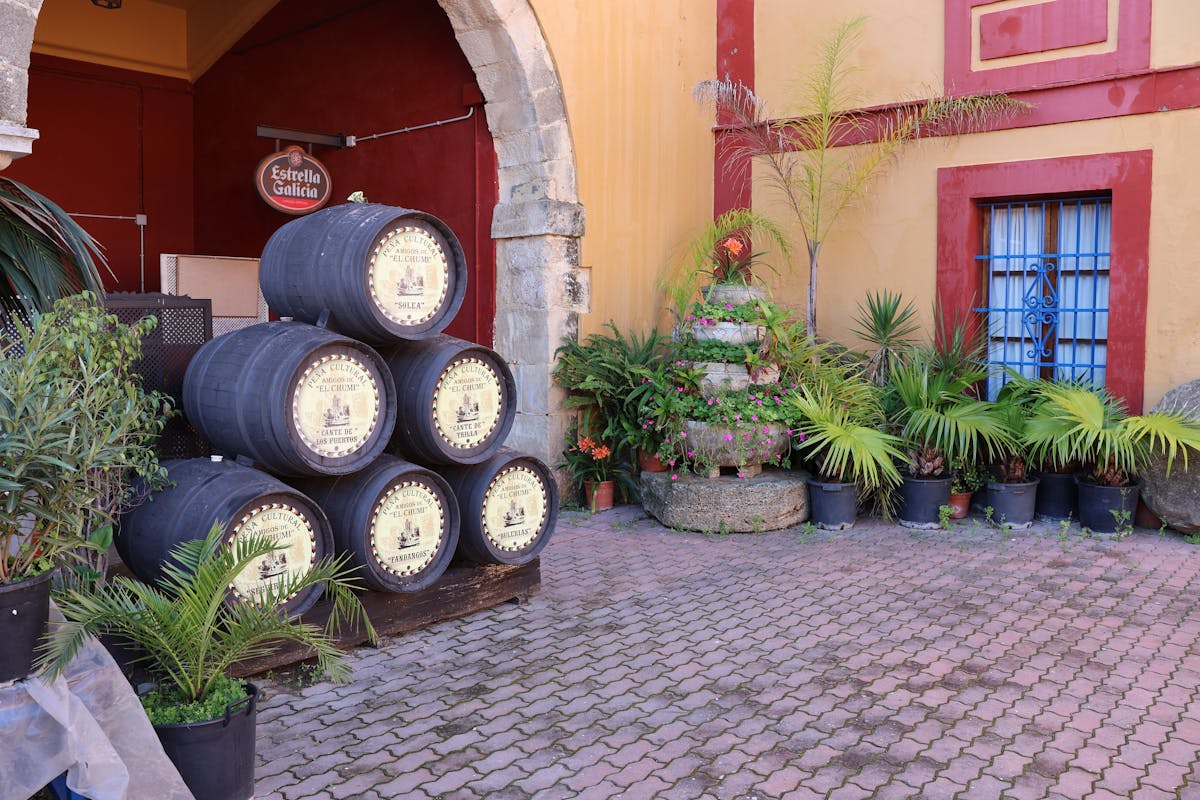
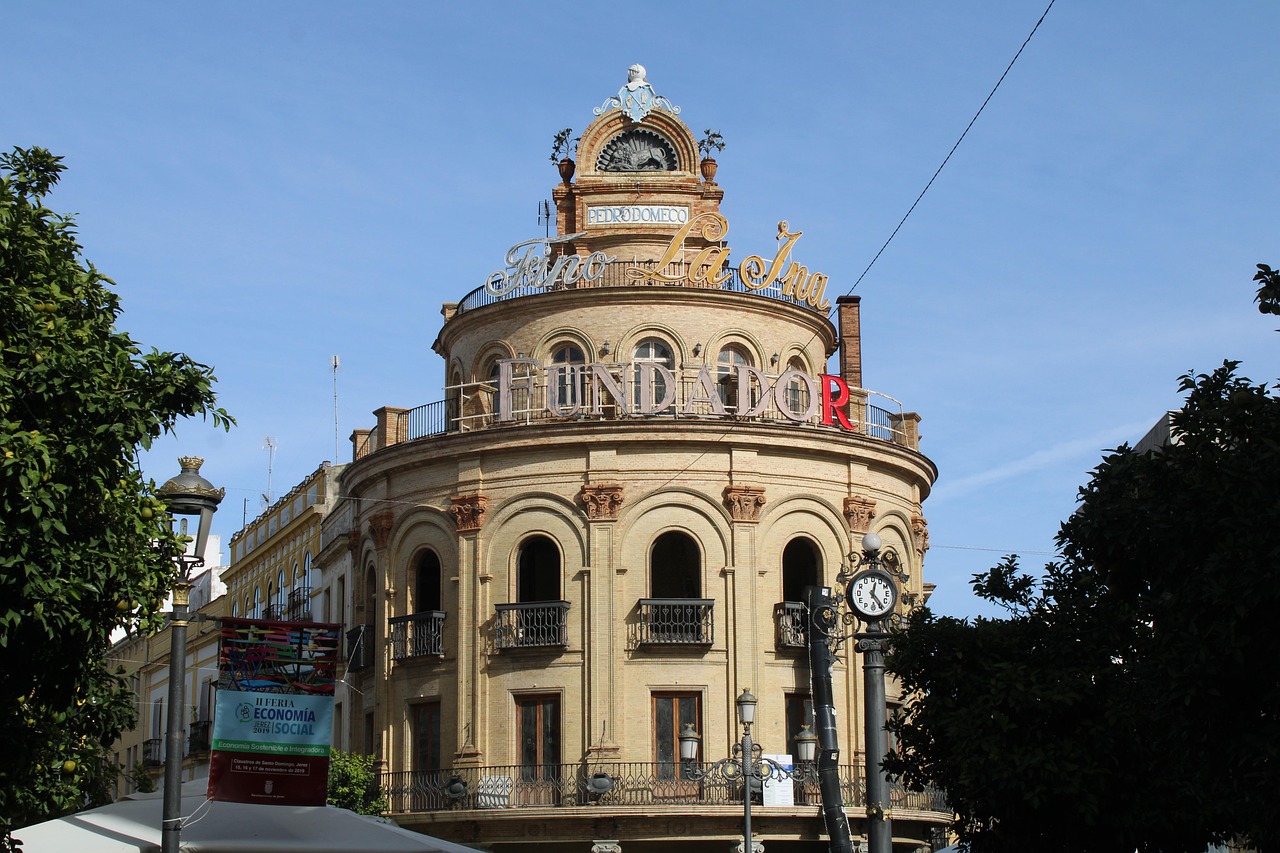
Combine with a sherry bodega visit. Jerez is the sherry capital of the world. Bodegas like Tio Pepe (Gonzalez Byass) and Lustau are a 10-minute walk from the school. A morning show plus an afternoon sherry tasting is one of the best day combinations in Andalusia.
Wear comfortable shoes. If you are doing the museum and training visit, you will be on your feet for a couple of hours walking across cobblestones and stable grounds. Heels are a bad idea.
Kids are welcome. The show is genuinely entertaining for children over 4 or 5. Under that age, the 90-minute seated performance might be a stretch. The training session is more flexible since you can move around.
What You Will See Inside
The school is more than a show venue. The grounds include a museum of equestrian art with paintings, sculptures, and historical riding equipment dating back to the 1500s. There is a carriage museum with restored 18th and 19th-century carriages — some of them absurdly ornate, the kind of thing a duke would ride to a royal wedding. The saddlery workshop is still active and produces traditional Andalusian saddles and bridles by hand.
The stables themselves house around 60 horses at any given time. They are kept in immaculate condition, and the school takes obvious pride in the way the animals are treated. The horses are a specific strain of Purebred Spanish Horse (Pura Raza Espanola), bred for temperament and movement rather than speed or size.
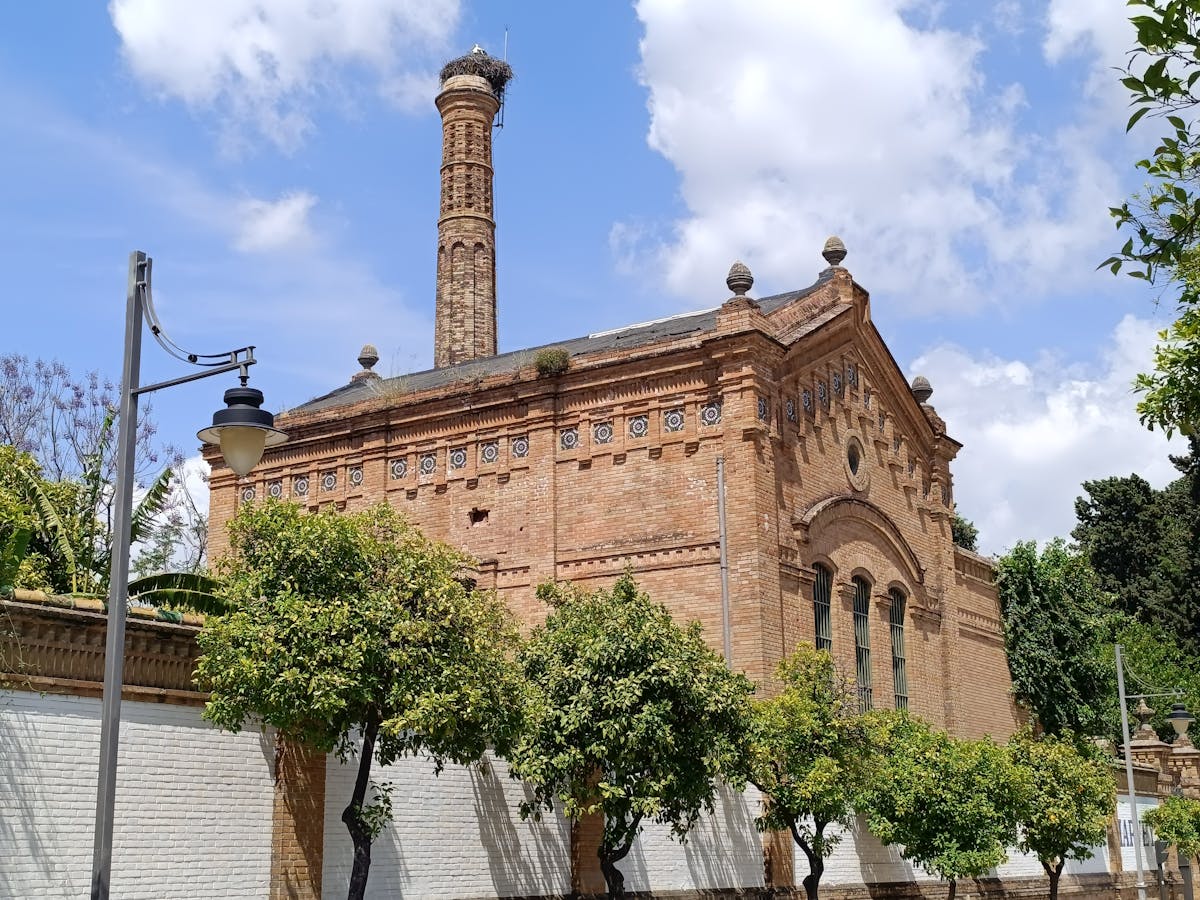
The palace building itself was designed by Charles Garnier in the 19th century as a recreational estate for the Domecq family (of sherry fame, naturally). The architecture is beautiful — think grand staircases, ornamental gardens, and that distinctive Andalusian mix of Moorish and European design elements.