
In the 10th century, Cordoba had a population of 500,000 people. Paris at that time had maybe 20,000. London was a muddy village. Rome was a fraction of its former self. Cordoba was the largest, wealthiest, most educated city in all of Western Europe, and walking through its old quarter today, you can still feel the ambition that built it.
The Mosque-Cathedral alone makes the trip from Seville worth every minute. But Cordoba has so much more than that one building.
- In a Hurry? Top 3 Cordoba Day Trips from Seville
- Why Cordoba Is the Best Day Trip from Seville
- Getting to Cordoba: Train vs. Organized Tour
- The 3 Best Cordoba Day Trips from Seville
- 1. From Seville: Cordoba, the Mosque and Carmona Day Trip — 7
- 2. Cordoba & Carmona with Mezquita, Synagogue & Patios from Seville — 0
- 3. Cordoba City Tour with Mosque-Cathedral from Seville — 9
- The Mezquita: A Building Like No Other
- What Else to See in Cordoba
- A Suggested Itinerary for the Day Trip
- Practical Tips for the Day Trip
- Day Trip vs. Overnight Stay
- More from Seville and Andalusia
In a Hurry? Top 3 Cordoba Day Trips from Seville
Most popular: From Seville: Cordoba, the Mosque and Carmona Day Trip — $117, full day with Mezquita entry and a Carmona stop
Best reviewed: Cordoba & Carmona with Mezquita, Synagogue & Patios from Seville — $120, deep dive into Jewish Quarter and famous patios
Focused option: Cordoba City Tour with Mosque-Cathedral from Seville — $119, dedicated Cordoba visit without the Carmona detour
Why Cordoba Is the Best Day Trip from Seville
The fast train takes 42 minutes. That’s it. You leave Seville’s Santa Justa station, and before you’ve finished your coffee, you’re in a city that was the capital of Al-Andalus — Moorish Spain — for nearly three centuries.
Most day trips from Seville involve an hour or two on a bus to reach something moderately interesting. Cordoba is the exception. Forty-two minutes by train and you’re standing in front of the Mezquita, one of the most extraordinary buildings on earth.
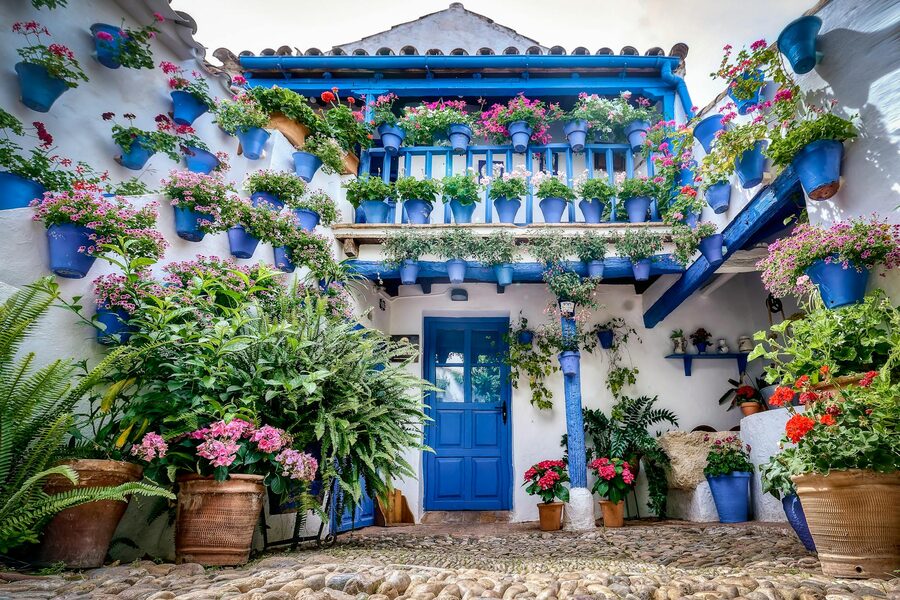
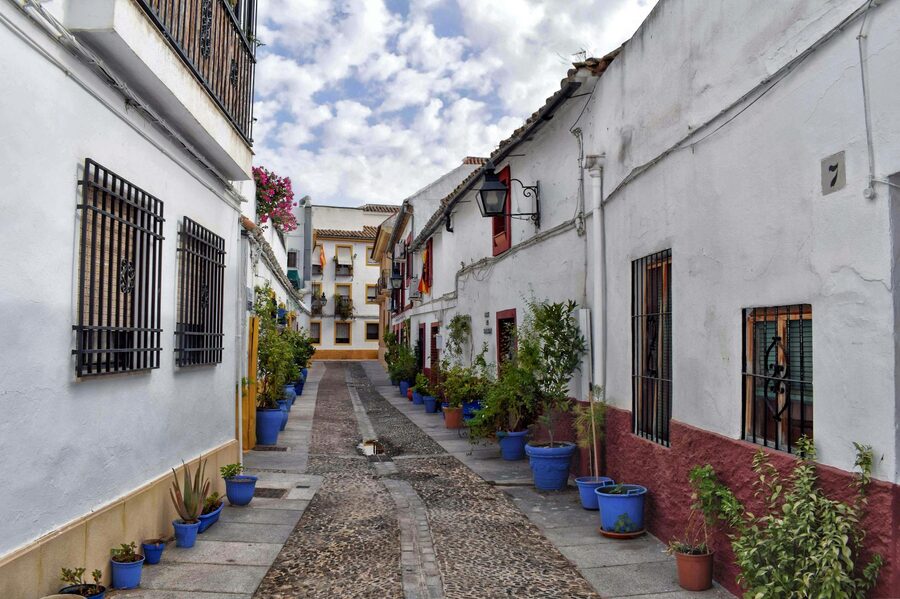
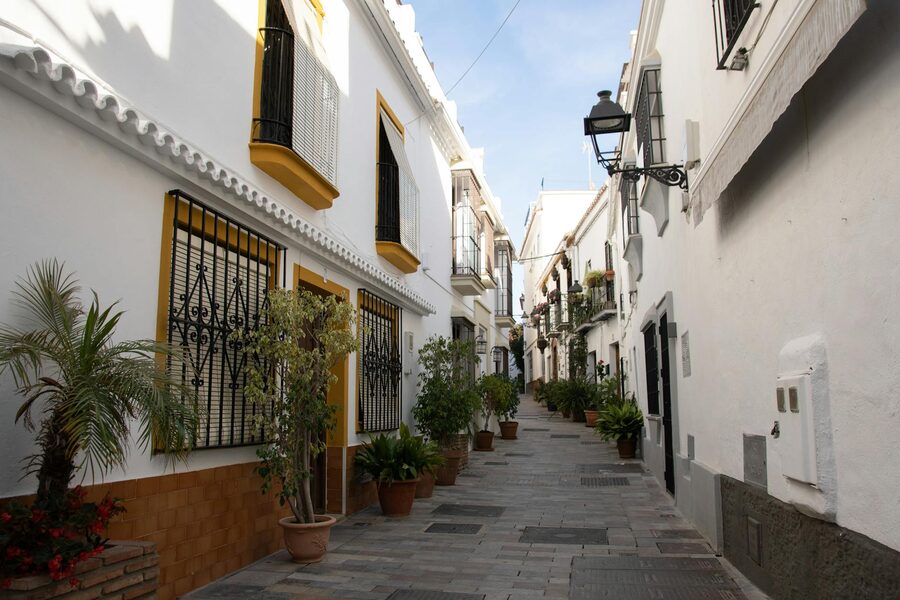
Beyond the Mezquita, there’s the Jewish Quarter with its narrow whitewashed streets and the tiny medieval synagogue (one of only three surviving in Spain). There’s the Alcazar de los Reyes Cristianos, where Ferdinand and Isabella planned the final stages of the Reconquista. And there are the famous Cordoba patios — private courtyards overflowing with flowers that the locals compete to make the most beautiful.
The food is different from Seville, too. Salmorejo (a thicker, creamier version of gazpacho) is a Cordoba original. Rabo de toro (oxtail stew) is served practically everywhere. The local wines from Montilla-Moriles taste like sherry but technically aren’t — they’re made from Pedro Ximenez grapes in a similar solera system, and at their best they’re every bit as complex as a fino from Jerez.
Getting to Cordoba: Train vs. Organized Tour
You have two real options, and they suit different types of travelers.
The train (for independent explorers): Renfe’s AVE high-speed train runs multiple times daily from Seville Santa Justa to Cordoba. Journey time: 42 minutes. Tickets cost around 15-30 euros each way depending on when you book. Buy tickets at renfe.com or the Renfe app — the earlier you book, the cheaper they are. The station in Cordoba is a 20-minute walk from the Mezquita, or you can take a taxi for about 5-7 euros. The walk itself is pleasant, passing through modern Cordoba before you hit the old town walls.
One tip for train travelers: Don’t wait until the morning of your trip to buy tickets. The cheapest fares (around 12-15 euros) sell out quickly, and the walk-up price can be 30+ euros. The Renfe app is straightforward, and you can show your ticket on your phone. Trains run roughly every 30-60 minutes throughout the day, with the first departure around 6:30 AM and the last return around 10:30 PM. That gives you a solid 12-14 hour window if you want a full day.
Organized day tours (for hassle-free visits): A guided tour from Seville handles transport, skip-the-line Mezquita entry, and a local guide who knows exactly where to go in the Jewish Quarter. Most tours also include stops at other sites — Carmona is a common add-on. The trade-off is less free time and a fixed schedule. Tours typically depart Seville around 8-9 AM and return by 6-7 PM. You’ll be in a group of 15-50 people depending on the tour.
The bus option: ALSA runs buses between Seville’s Plaza de Armas station and Cordoba. Journey time is about 2 hours, and tickets cost 10-15 euros. Cheaper than the train, but twice as long. Unless you’re on a very tight budget, the train is worth the extra few euros.
My honest advice: if you’ve been to Spain before and you’re comfortable navigating train stations and buying museum tickets, do it independently. You’ll have more freedom to linger where you want and skip what doesn’t interest you. If this is your first trip and you don’t speak Spanish, the organized tours earn their price by eliminating every logistical question.
The 3 Best Cordoba Day Trips from Seville
1. From Seville: Cordoba, the Mosque and Carmona Day Trip — $117
The most booked Cordoba day trip from Seville, and I can see why. Naturanda Turismo Ambiental runs this 10-hour excursion that packs in the Mezquita (with skip-the-line entry), a walking tour of the Jewish Quarter, the Roman Bridge, and a bonus stop in Carmona — a hilltop town with Roman ruins and a Moorish fortress. Our detailed review breaks down each stop. The Carmona addition genuinely makes this feel like two day trips in one.
2. Cordoba & Carmona with Mezquita, Synagogue & Patios from Seville — $120
Also run by Naturanda, but with a slightly different emphasis. This 9-10 hour tour spends more time in the Jewish Quarter and includes visits to the medieval synagogue and some of Cordoba’s famous flower-filled patios. The Mezquita entry is included, and the guides are the same knowledgeable locals. Our full review explains how it differs from option #1. If the patios and Jewish heritage interest you more than the Roman history in Carmona, this is the better pick.
3. Cordoba City Tour with Mosque-Cathedral from Seville — $119
If you want to focus entirely on Cordoba without splitting the day with Carmona, this 10-hour tour from Naturanda keeps everything in one city. More time in the Mezquita, more time in the old town, more time for a proper lunch. See our review for the complete itinerary breakdown. At $119 it’s priced similarly to the others, but you’re trading breadth for depth.
The Mezquita: A Building Like No Other
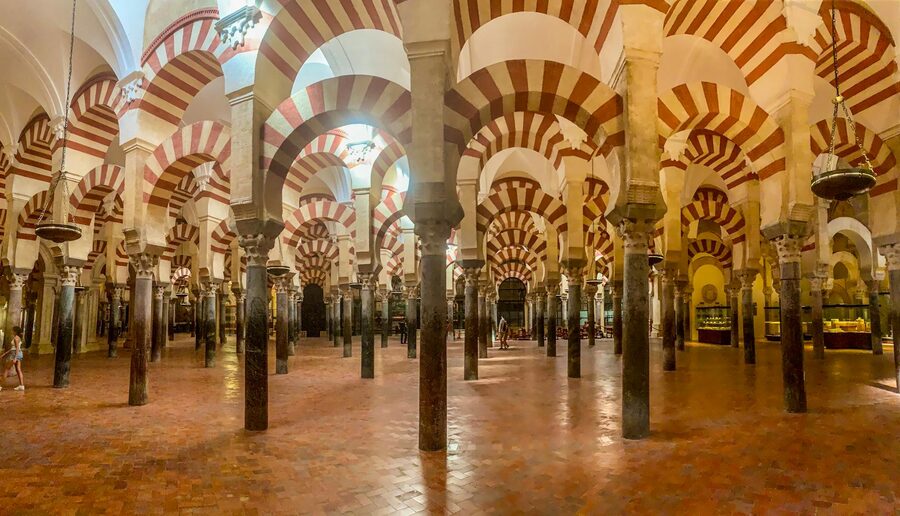
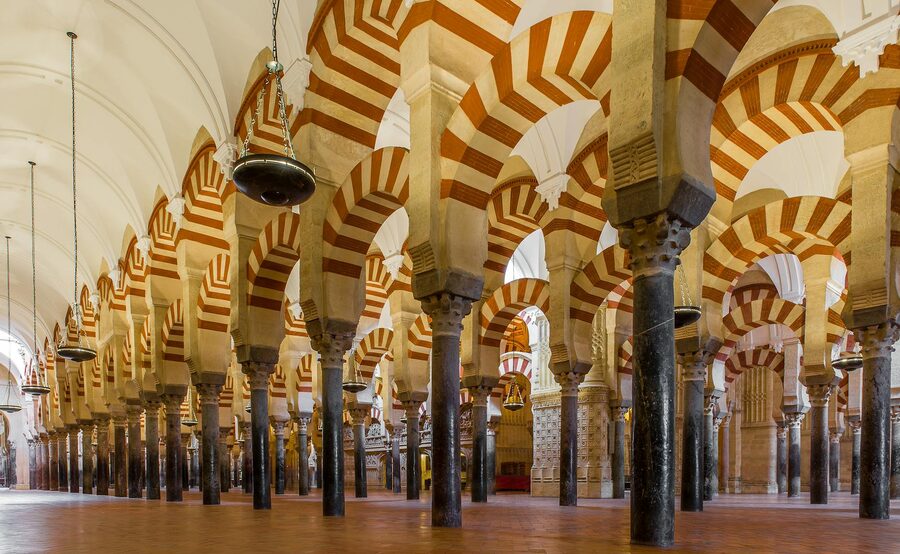
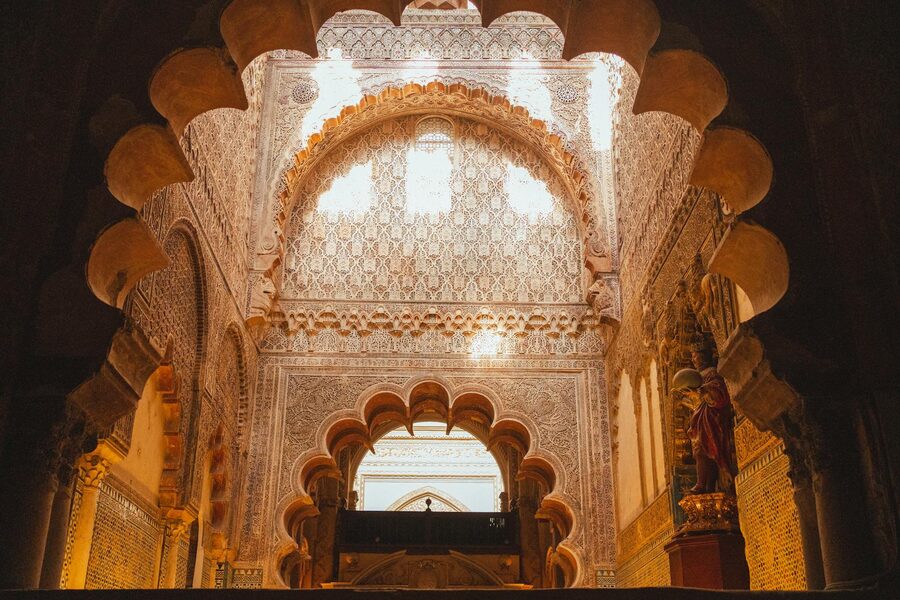
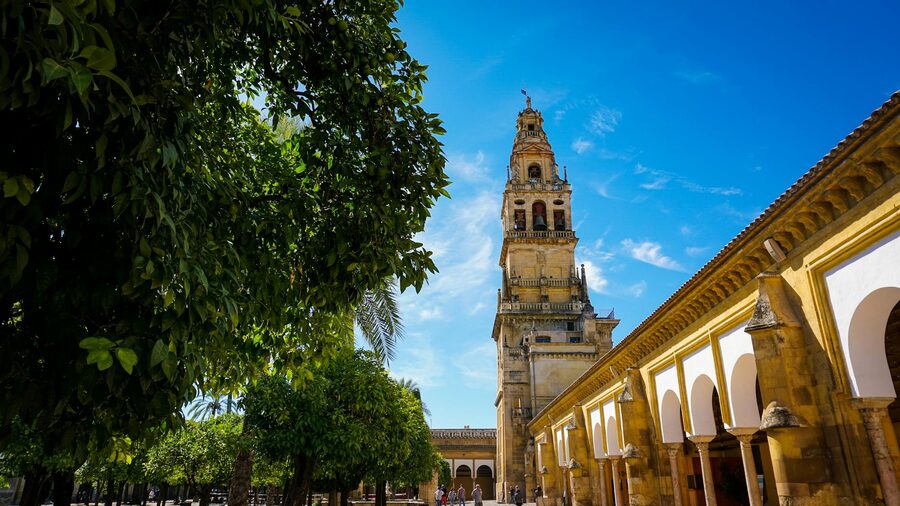
The Mosque-Cathedral of Cordoba — the Mezquita — started as a small mosque in 784 AD under Abd al-Rahman I. He was the last surviving member of the Umayyad dynasty, which had ruled the Islamic world from Damascus until they were overthrown and massacred by the Abbasids. Abd al-Rahman escaped to Spain, established an independent emirate with Cordoba as his capital, and set about building a mosque that would rival anything in the Islamic east.
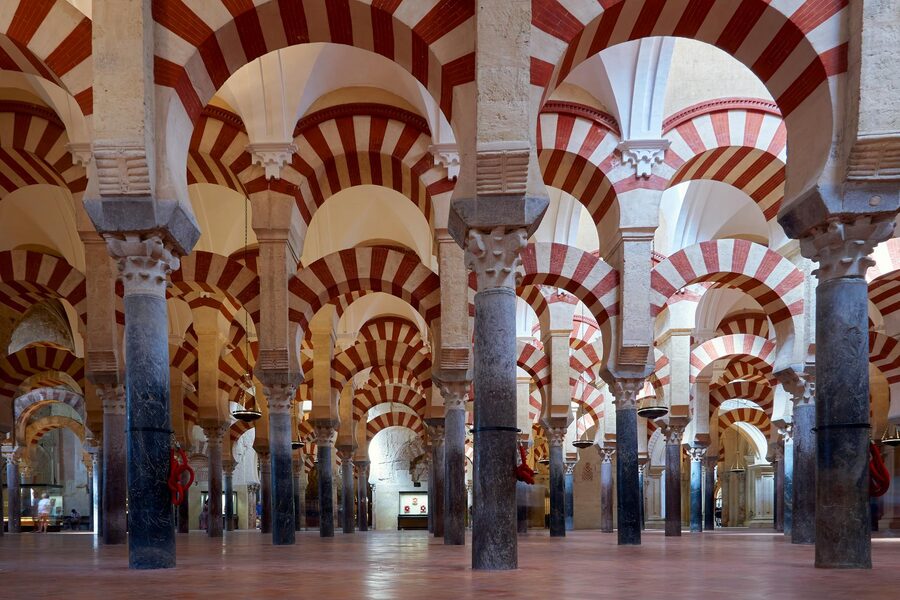
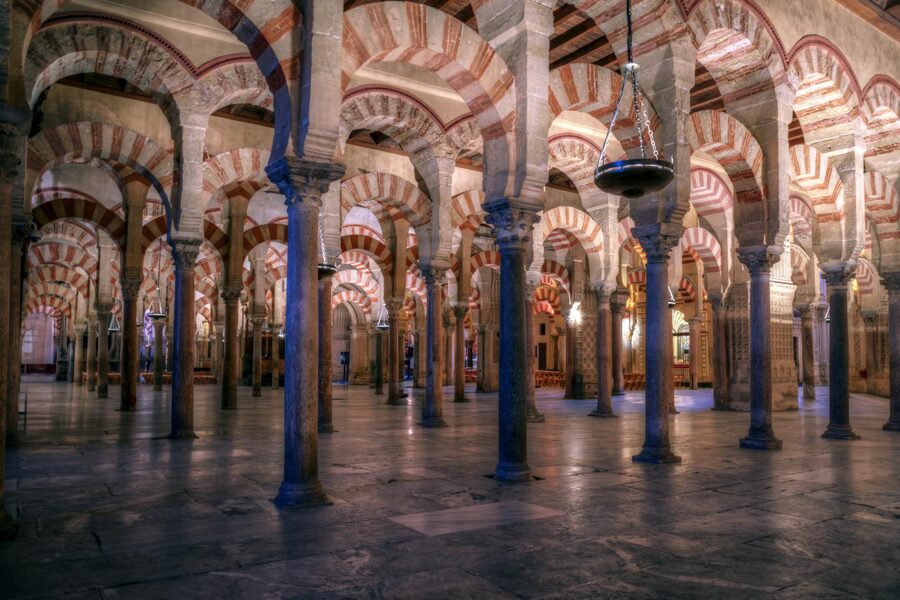
He bought half of a Visigothic church from the local Christian community (they shared the building for a few decades before the mosque was completed) and began construction. The initial mosque was small but already featured the distinctive double arches that would become the building’s signature.
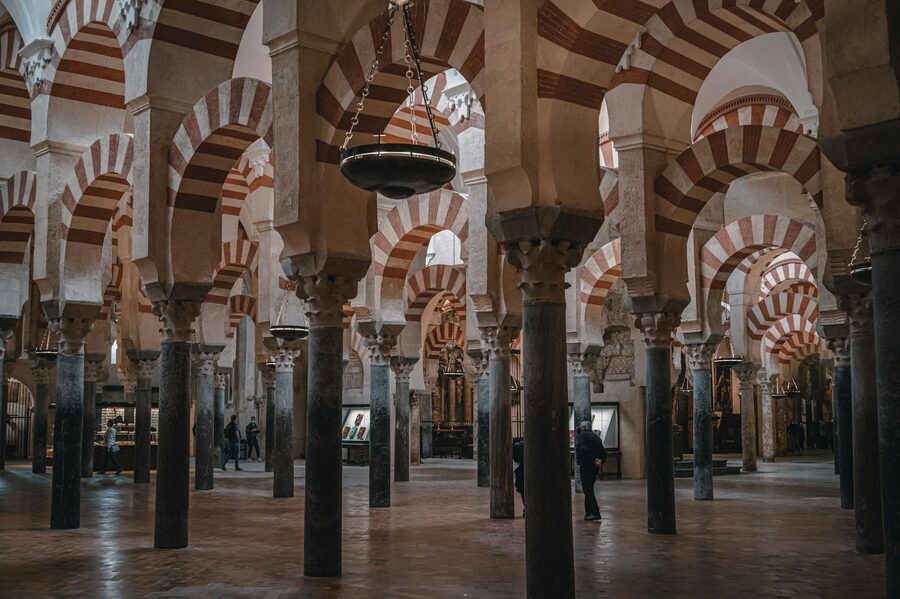
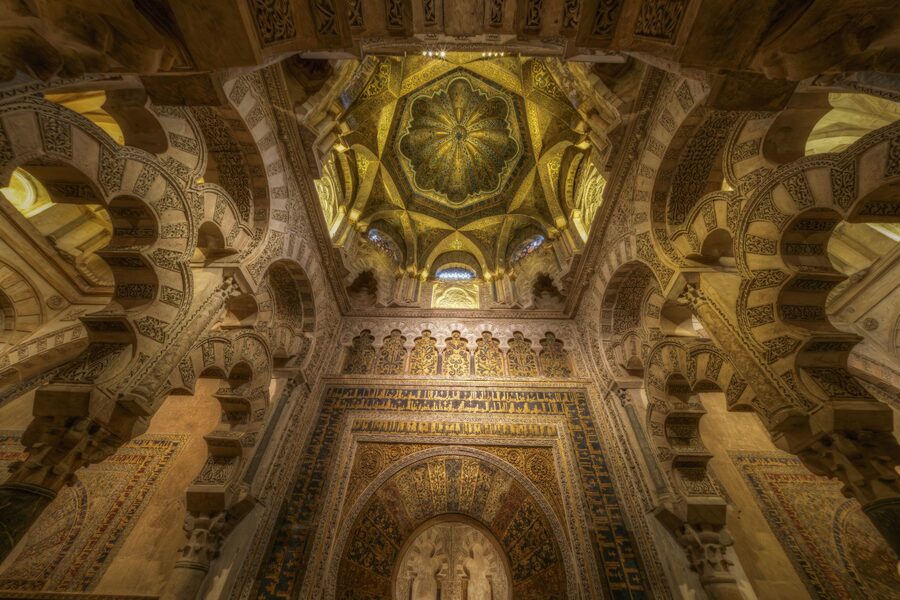
Over the next two centuries, three major expansions transformed it into the largest mosque in the western world. Abd al-Rahman II extended it southward, adding new rows of arches. Al-Hakam II pushed it further south and created the extraordinary mihrab (prayer niche) section with its Byzantine mosaics — he actually wrote to the Byzantine emperor in Constantinople and asked for mosaic artists to be sent to Cordoba. Al-Mansur, the powerful chancellor who ran the caliphate in the late 10th century, expanded it to the east, nearly doubling its footprint.
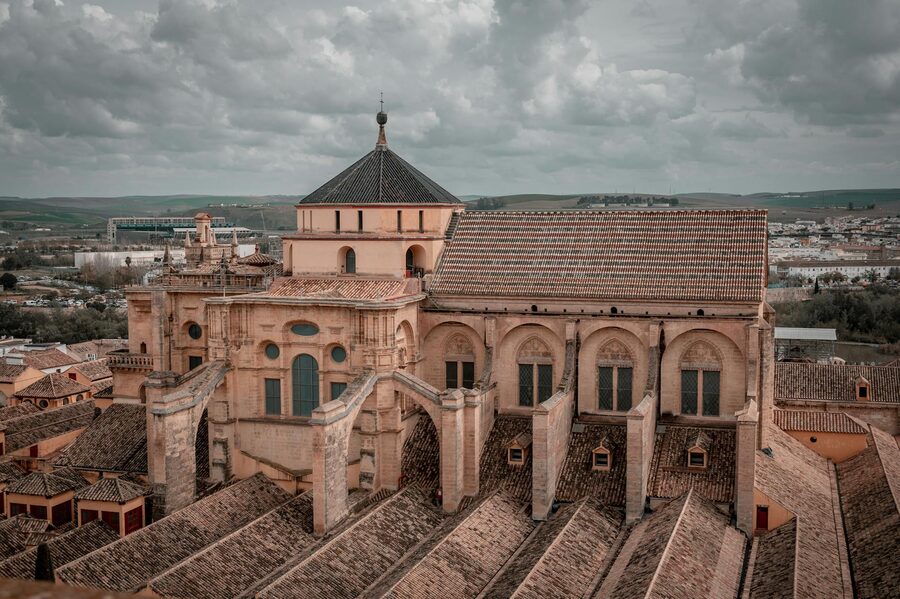
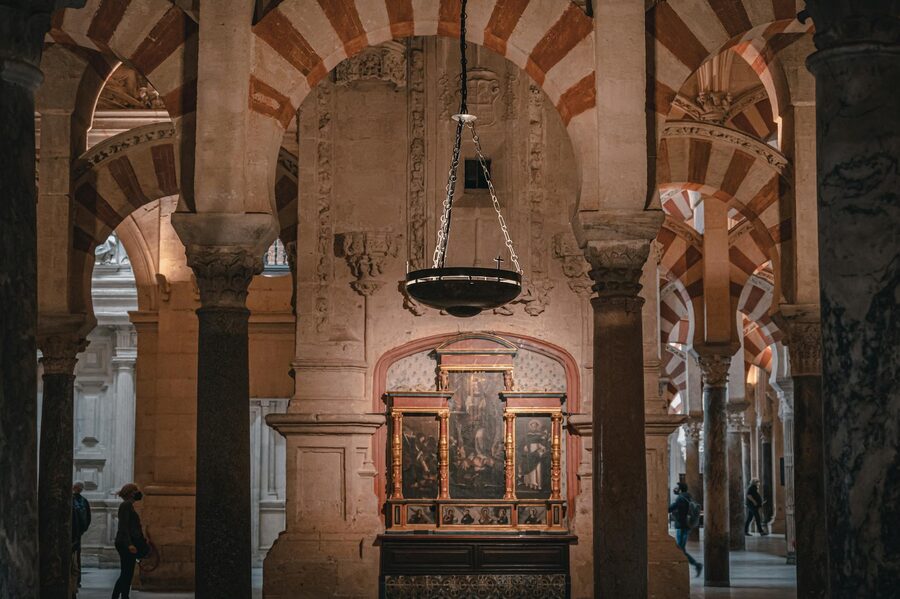
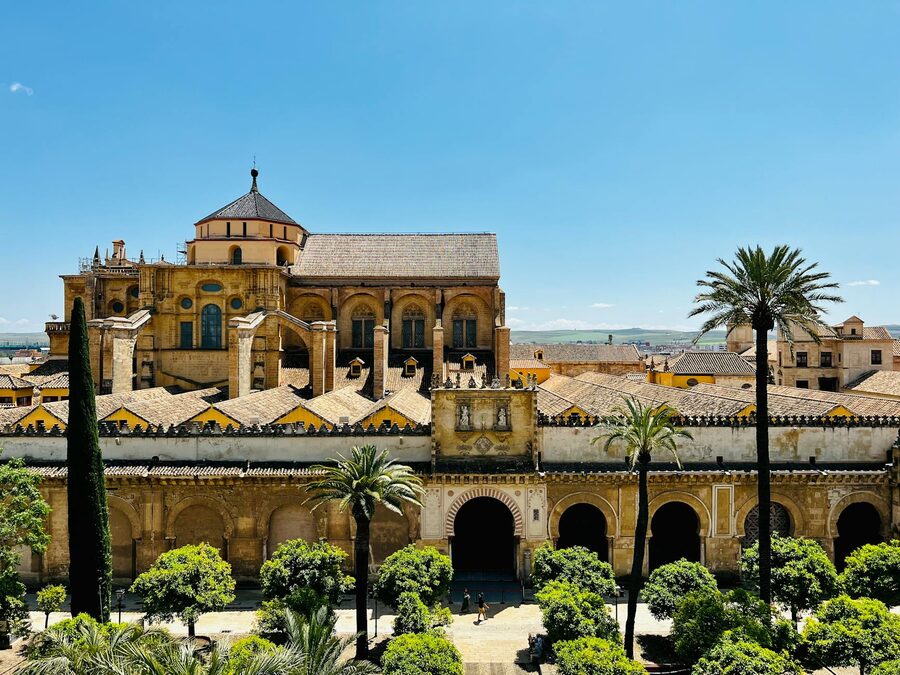
Then came 1236. Ferdinand III conquered Cordoba and the mosque was converted into a cathedral. For nearly 300 years, the two religions coexisted inside the same walls — Christian altars placed between Islamic columns. The arrangement was unusual but apparently worked. Then in the 1520s, the cathedral chapter decided to build a full Renaissance cathedral right in the centre of the mosque.
Charles V, who had approved the construction from afar, visited Cordoba a few years later and saw the result. His reaction has echoed through the centuries — he reportedly told the bishop that they had destroyed something unique in the world to build something that could be found in any city. Whether that quote is exactly accurate or not (it may be apocryphal), the sentiment captures how many visitors feel today.
The cathedral insertion is genuinely beautiful when viewed in isolation. It has soaring vaults, ornate choir stalls, and the kind of light-filled grandeur that Renaissance architects excelled at. But seeing it punched through the middle of the mosque’s forest of arches is jarring. It’s like finding a perfect Victorian parlor in the middle of an ancient forest.
Whether you agree with Charles V’s verdict or not, the collision of Islamic and Christian architecture inside a single building is genuinely unlike anything else. You walk through the forest of horseshoe arches and suddenly find yourself under a soaring Renaissance dome. It’s jarring. It’s beautiful. It’s uncomfortable. That’s the whole point of visiting.
For a deeper look at the Mezquita itself and the best tours to book once you’re in Cordoba, check our guide to Mosque-Cathedral tickets.
What Else to See in Cordoba
The Mezquita deserves at least 90 minutes, but if you’re spending a full day, Cordoba has plenty more.
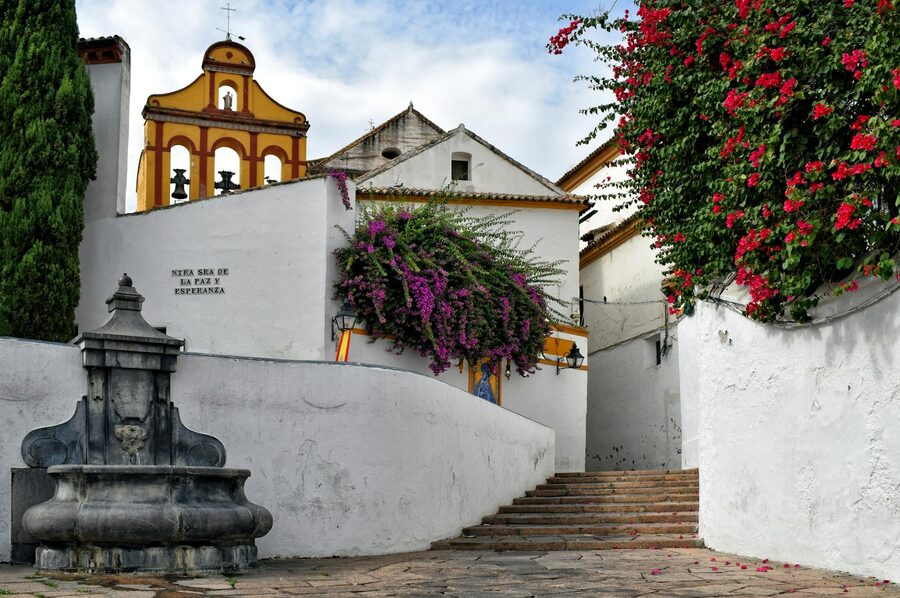
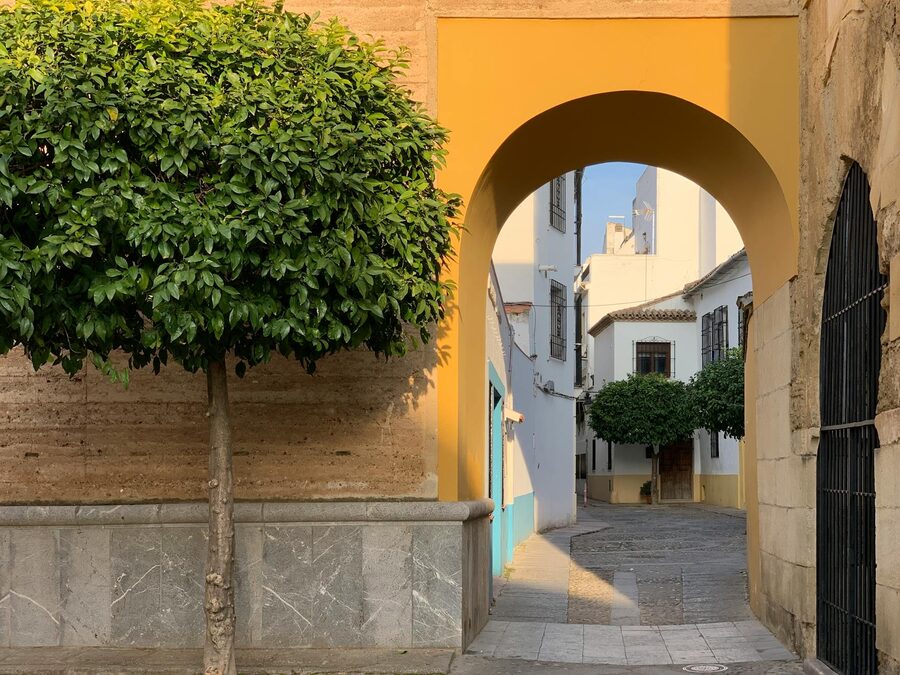
The Jewish Quarter (Juderia). Narrow white lanes, flower-draped balconies, and the 14th-century synagogue — one of only three medieval synagogues surviving in Spain (the other two are in Toledo). Free to enter, and it takes only 10 minutes to see, but the tiny interior with its stucco decorations is surprisingly moving. The Jewish community in Cordoba produced some of the most important figures in medieval Jewish philosophy, including Maimonides, whose bronze statue stands in the Tiberiades Square nearby. Cordoba’s Jews, Muslims, and Christians coexisted here for centuries in what historians call the Convivencia — a period of relative tolerance that ended with the Reconquista and the expulsion of the Jews in 1492.
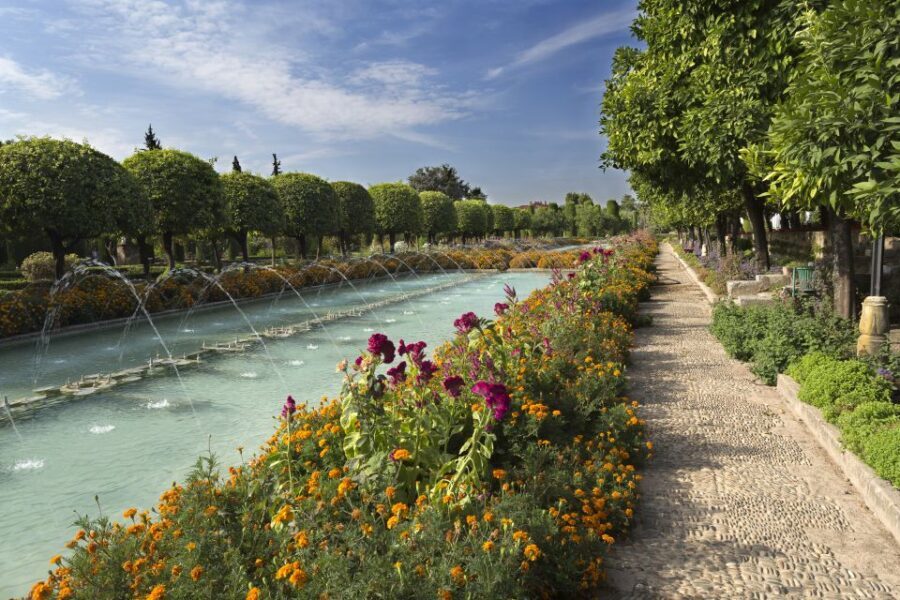
Alcazar de los Reyes Cristianos. The fortress where Ferdinand and Isabella based their operations during the final years of the Reconquista. Columbus pitched his voyage to the Americas to them here in 1486 — there’s a sculpture in the gardens commemorating the meeting. The gardens are the highlight — terraced water features with views across the Roman Bridge. The interior has Roman mosaics discovered beneath the fortress and a collection of stone sarcophagi. Allow about an hour, more if you want to linger in the gardens.
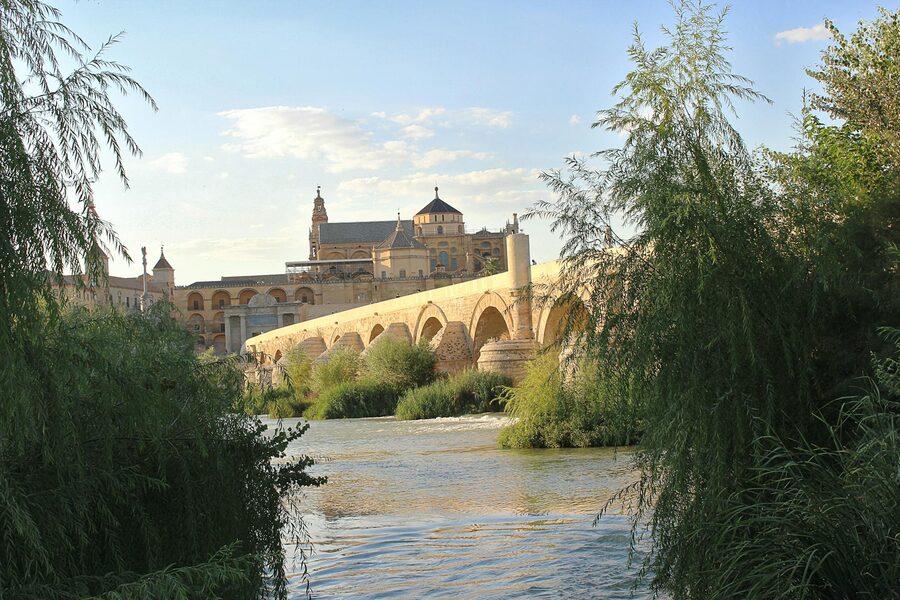
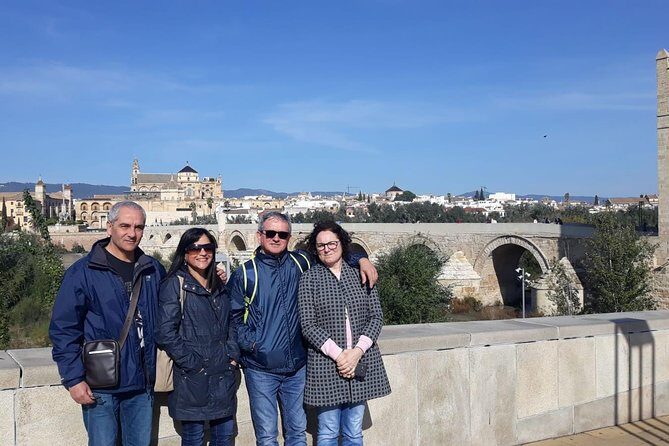
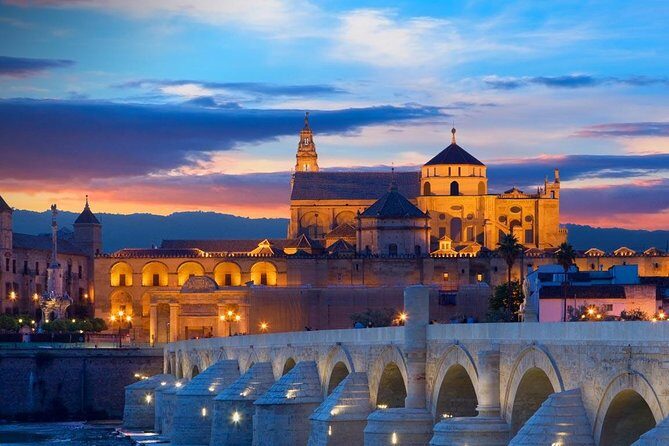
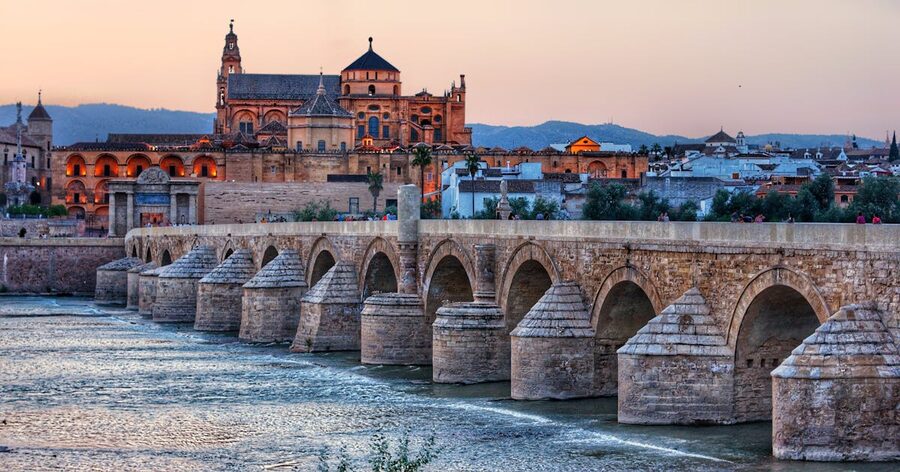
The Roman Bridge. Built in the 1st century BC during the reign of Augustus, this 16-arch bridge across the Guadalquivir connects the old city to the Torre de la Calahorra. It has been rebuilt and repaired numerous times over two millennia, but the basic structure is Roman. Walk across at sunset for the best views of the Mezquita reflected in the water. The Calahorra Tower at the far end has a small museum about the three cultures (Islamic, Jewish, Christian) that shaped Cordoba.
Medina Azahara. About 8 km outside Cordoba, the ruins of a 10th-century palace city built by Abd al-Rahman III. At its peak, it was one of the most magnificent palace complexes in the world — a self-contained city with gardens, government buildings, and a royal residence that reportedly left foreign ambassadors speechless. It was destroyed just 65 years after it was built, sacked during a civil war that ended the Caliphate. The ruins are still being excavated, and the visitor centre is excellent. Getting there requires a bus or taxi from central Cordoba, so it needs its own half-day — only consider this if you’re staying overnight.
The Palacio de Viana. A 15th-century noble palace with 12 interconnected patios, each with a different theme and plant selection. It’s a bit of a walk from the Mezquita (about 15 minutes north), but if you’re interested in the patio culture that makes Cordoba famous, this is the best single place to experience it outside of the May festival. Entry costs about 10 euros and the visit takes roughly 45 minutes.
A Suggested Itinerary for the Day Trip
If you’re doing Cordoba independently, here’s a route that works well:
8:30-9:00 AM: Take an early train from Seville Santa Justa. Buy a coffee at the station.
9:45 AM: Arrive in Cordoba. Walk from the station to the old town (20 minutes) or grab a taxi.
10:00-11:30 AM: Visit the Mezquita. Aim to arrive right at opening (10 AM on most days) to beat the crowds. Spend at least 90 minutes — the building rewards slow exploration.
11:30 AM-12:30 PM: Wander the Jewish Quarter. Visit the synagogue, see the Maimonides statue, get lost in the narrow streets.
12:30-2:00 PM: Lunch. The restaurants near the Mezquita are tourist traps — walk five minutes into the old town for better food at half the price.
2:00-3:00 PM: Visit the Alcazar and its gardens.
3:00-4:00 PM: Walk along the Roman Bridge, visit the Calahorra Tower if interested, or find a shaded plaza and have a cold drink.
4:00-5:00 PM: Free time. Browse the leather shops (Cordoba is famous for leather goods), visit the Viana Palace if you have energy, or simply sit in a plaza and watch the city go by.
5:00 PM onward: Head back to the station for a return train. Or, if you’ve decided to stay overnight, check into your hotel and prepare for an evening Cordoba that the day-trippers never see.
Practical Tips for the Day Trip
When to go: Spring (March-May) and autumn (September-November) are ideal. Summer in Cordoba is brutally hot — temperatures regularly hit 45C/113F in July and August, making it one of the hottest cities in all of Europe. If you must go in summer, take the earliest train and plan to be inside the Mezquita and other buildings during the hottest hours. The heat genuinely affects the experience — I’ve seen travelers sitting in the shade at midday unable to move, and the walk from the station feels twice as long in 42-degree heat.
How long you need: A minimum of 5-6 hours in Cordoba to see the Mezquita, walk the Jewish Quarter, and have lunch. A full day (8+ hours) lets you add the Alcazar, the Roman Bridge, and some aimless wandering — which is half the point. I’d recommend catching a train no later than 9 AM and planning to return around 6-7 PM.
Where to eat: Skip the restaurants directly around the Mezquita — they’re tourist traps with inflated prices and mediocre food. Walk five minutes into the old town and prices drop by half. The Taberna Salinas (open since 1879) does a legendary salmorejo and has a gorgeous tiled interior that’s worth seeing even if you don’t eat. Bar Santos, right next to the Mezquita, is famous for its tortilla espanola — a thick potato omelette served by the slice that draws a line out the door most days. For a sit-down lunch, Casa Pepe de la Juderia on Calle Romero has a shaded courtyard and solid Cordoban cooking at fair prices.
What to order: Salmorejo is non-negotiable. It’s Cordoba’s signature dish — a thick, cold tomato soup drizzled with olive oil and topped with jamón and hard-boiled egg. Better than gazpacho, in my opinion, and you’ll never get it as good as you do in Cordoba. Also try berenjenas con miel (fried aubergines with honey), flamenquín (a breaded pork roll with jamón inside), and the local Montilla-Moriles wines.
Mezquita tickets: Buy online in advance at the cathedral’s official website. Entry costs 13 euros for adults. The morning visit (8:30-9:30 AM, Mon-Sat) is free but you need to reserve a spot — and these free slots disappear quickly. Organized tours include skip-the-line entry, which is one of their biggest selling points. For more ticket options and tips on visiting independently, see our complete Mezquita ticket guide.
Day Trip vs. Overnight Stay
Most people do Cordoba as a day trip, and that works well for seeing the main sights. But if you have the flexibility, one night in Cordoba transforms the experience. The day-trippers leave by 6 PM, and suddenly the entire old town belongs to you. Evening in the Jewish Quarter, with the restaurants setting tables outside and the walls glowing amber in the streetlights, is a completely different Cordoba from the one you see at midday.
The Roman Bridge at night is particularly special. The Mezquita is illuminated, and the reflections in the river are clearer without the daytime glare. The Calahorra Tower on the far bank glows against the dark sky. It’s the kind of scene that photographs poorly but stays in your memory.
If you do stay overnight, the Hotel Maestre is a solid budget pick in the Jewish Quarter — basic rooms but unbeatable location and a rooftop terrace. The Hospes Palacio del Bailio occupies a former palace with Roman ruins visible in its basement — it’s a splurge but one of the most atmospheric hotels in Andalusia. The NH Collection Amistad Cordoba sits right in the Jewish Quarter in a converted mansion with a gorgeous patio.
More from Seville and Andalusia
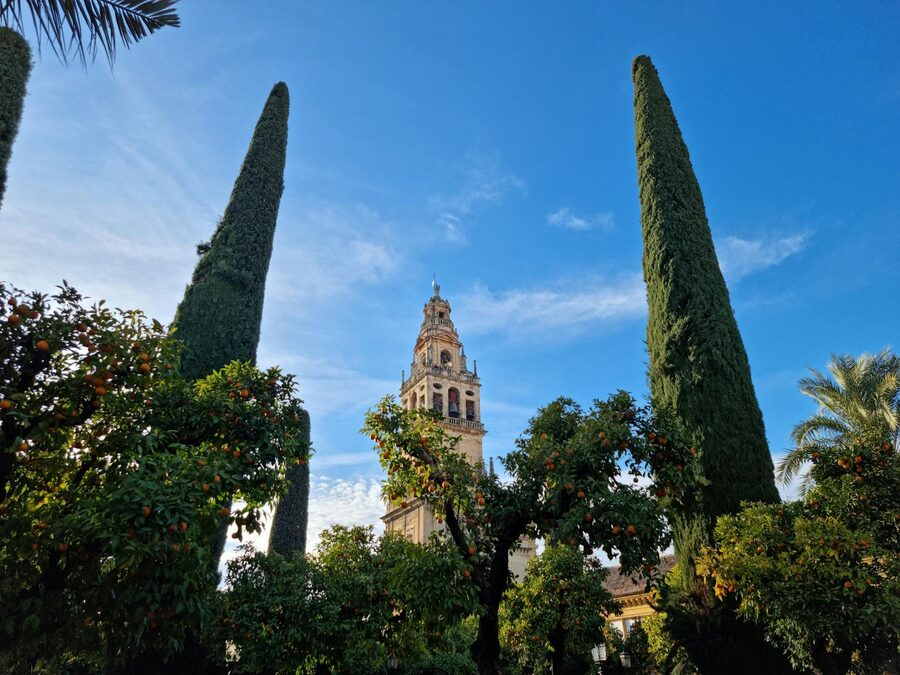
If the Cordoba day trip is in your plans, you’re clearly the type who wants to see more than the hotel pool. Back in Seville, the Cathedral and Giralda have their own Moorish-to-Christian story that pairs beautifully with what you’ll see in the Mezquita. The Giralda was originally a minaret for the Great Mosque of Seville — the same Islamic-to-Christian conversion played out there centuries ago.
The Royal Alcazar takes the Islamic architecture theme further with its Mudejar courtyards — built by Moorish craftsmen for Christian kings, creating a hybrid style that’s uniquely Andalusian. For evening plans, a flamenco show in Seville is the quintessential Andalusian experience, and the performances in the smaller tablaos of Triana and Santa Cruz are far more authentic than the big tourist shows.
If you want to explore Seville on foot, the walking tours of the historic centre cover the neighborhoods around the Cathedral and Alcazar. A tapas tour lets someone else handle the restaurant decisions. And if the Maestranza caught your eye on the walk to the river, our guide to booking a bullring tour covers one of Seville’s most architecturally surprising buildings.
This article contains affiliate links. When you book through these links, we may earn a small commission at no extra cost to you. This helps us keep creating detailed travel guides.