
Between 1730 and 1736, the ground beneath Lanzarote split open and didn’t stop. Six years. Over 100 new volcanic cones pushed through the earth’s surface, burying a third of the island under lava. Twenty-six villages vanished completely. The parish priest of Yaiza, Padre Curbelo, kept a diary of the whole thing, and reading his account today is one of the most unsettling things I’ve done in a long time.
That diary describes rivers of fire, the sea boiling where the lava met the water, dead fish floating to the surface in their thousands. And now, nearly three centuries later, you can drive right through the middle of where all of that happened.
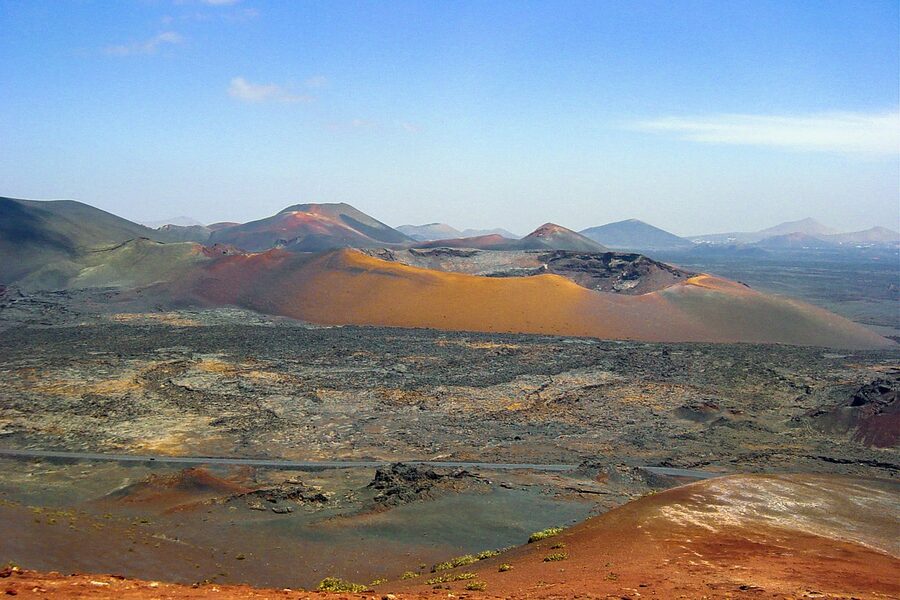
Timanfaya National Park covers about a quarter of the island’s surface. It looks like Mars. It looks like the moon. It looks like nothing else in Europe. And the ground in parts of the park is still so hot that the El Diablo restaurant, designed by the artist and architect Cesar Manrique, cooks meat directly over a volcanic vent. Park staff pour water into holes in the ground and it shoots back up as steam within seconds. This is not a dead volcano. It is a sleeping one.
Best overall: Timanfaya, Jameos del Agua & Cueva de los Verdes Full Day — $105. All three of Lanzarote’s must-see volcanic attractions in one day with a guide who speaks three languages.
Best for hikers: Guided Volcano Hike with Transfers — $50. Small group, actual walking on volcanic terrain that most visitors never get to touch. Raquel is brilliant.
Best full island experience: Timanfaya & Jameos del Agua Full-Day Tour — $88. Covers Timanfaya plus El Golfo, the green lagoon, and the volcanic wine region in one long but worthwhile day.
- How the Ticket System Works
- Official Tickets vs Guided Tours
- The Best Timanfaya Tours to Book
- 1. Timanfaya Park, Jameos del Agua & Cueva de los Verdes Tour — 5
- 2. Guided Volcano Hike with Transfers —
- 3. Timanfaya & Jameos del Agua Full-Day Tour —
- When to Visit Timanfaya
- How to Get There
- Tips That Will Save You Time
- What You’ll Actually See Inside
- Beyond Timanfaya: The Rest of Volcanic Lanzarote
- Jameos del Agua
- Cueva de los Verdes
- El Golfo and Lago Verde
- La Geria Wine Region
- The Manrique Factor
- More Canary Islands Guides
How the Ticket System Works
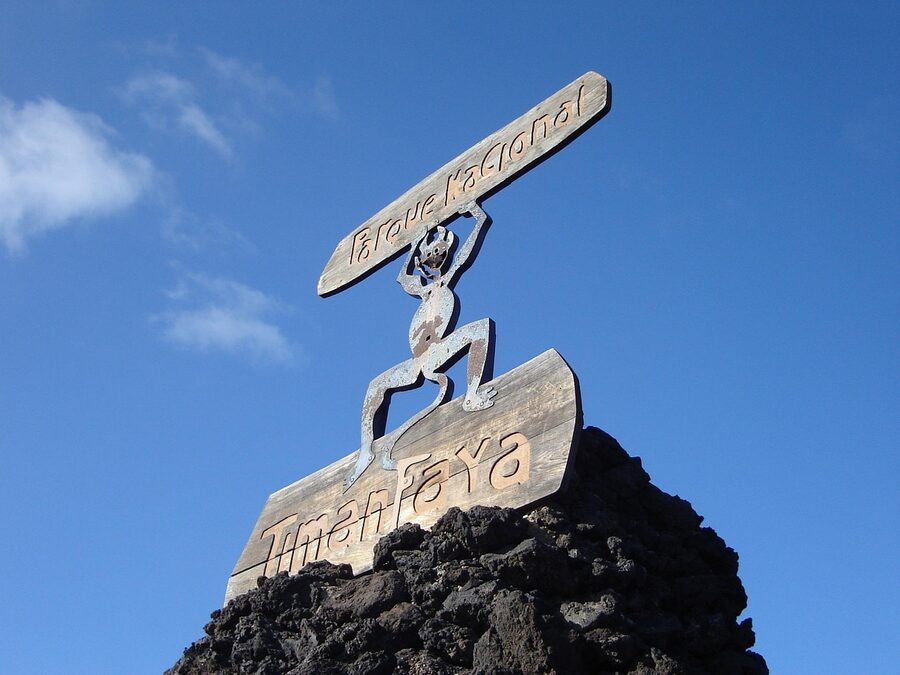
The official ticket system for Timanfaya is managed through the CACT (Centros de Arte, Cultura y Turismo de Lanzarote) website. You buy your ticket online and select a time slot. Entry costs around 12 euros for adults, with reduced prices for children and residents. The ticket gets you onto the coach that runs through the park interior, which is the only way to see the Ruta de los Volcanes (the volcanic route).
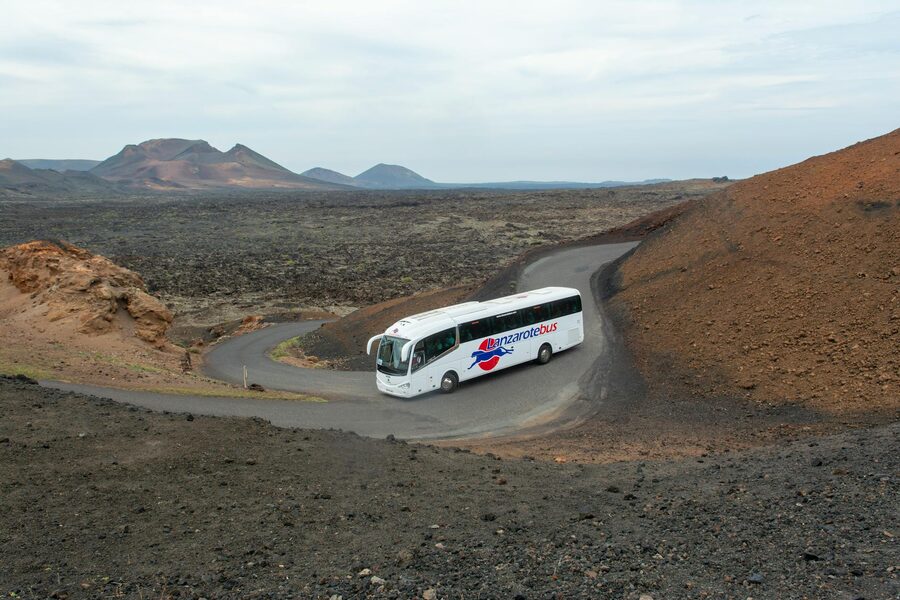
Here is the part that frustrates people. You cannot walk around the park interior on your own. You cannot drive your own car through it. You park in the car park, walk to the Islote de Hilario area where the geothermal demonstrations happen and the El Diablo restaurant sits, and then you board a coach for a 14-kilometre loop through the lava fields. The whole thing takes about 40 minutes. The commentary is in Spanish and English.
Time slots sell out. In peak season (December through February for the winter sun crowd, and July-August for summer holidays), booking a few days ahead is smart. I have heard of people turning up without a ticket and being turned away, especially around midday when the queues are worst.
There are also two guided hiking routes that let you actually walk on the volcanic terrain, but these require a separate permit and advance booking through the national park office. The Tremesana route and the Litoral route are both about 3km and run with small guided groups. Spaces are extremely limited.
Official Tickets vs Guided Tours
The honest truth? Going on your own is cheaper but it is also more limited. You get the bus loop and the geothermal demonstrations at Islote de Hilario. That is it. No context about the eruptions, no stops at El Golfo or the green lagoon, no Jameos del Agua or Cueva de los Verdes. Just the park itself.
A guided tour, on the other hand, typically combines Timanfaya with several other volcanic sites on the island and includes a guide who can actually explain what you are looking at. The full-day tours are long, I won’t pretend otherwise. Nine hours on a bus is a lot. But as one visitor put it, there isn’t really a better way to see all the highlights unless you rent a car and spend several days working through the island yourself.
My take: If you only have one or two days on Lanzarote and don’t have a rental car, book a full-day guided tour. You will see four or five times as much as a self-visit. If you are staying for a week and have your own wheels, buy the official ticket and space out the other attractions across separate days.
The Best Timanfaya Tours to Book
I looked at every Lanzarote volcanic tour available and narrowed it down to three that cover different budgets and styles. All of them include Timanfaya and all of them have strong track records with real visitors.
1. Timanfaya Park, Jameos del Agua & Cueva de los Verdes Tour — $105
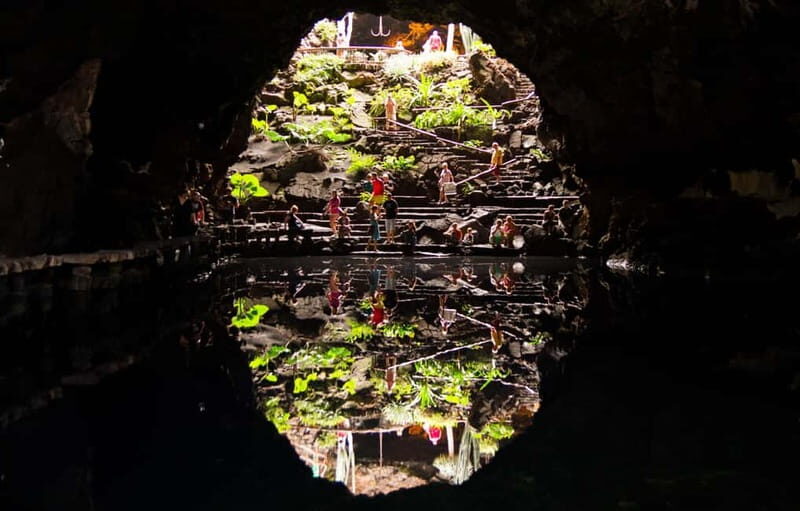
This is the one I’d book if I could only pick a single tour on Lanzarote. It covers the three biggest attractions on the island in one day: Timanfaya National Park, Jameos del Agua (Manrique’s extraordinary cave-turned-concert-hall with its blind albino crabs), and Cueva de los Verdes, the unmodified lava tube that stretches 6km underground and was used as a hiding place from North African pirates in the 1500s.
At $105 per person for a nine-hour day, it actually works out cheaper than buying separate tickets and driving yourself to each place. The guide operates in Spanish, German, and English, and based on what visitors report, the multilingual juggling act somehow works. The bus portions are long but the three stops are genuinely world-class. This is one of the Canary Islands’ strongest days out, full stop.
2. Guided Volcano Hike with Transfers — $50
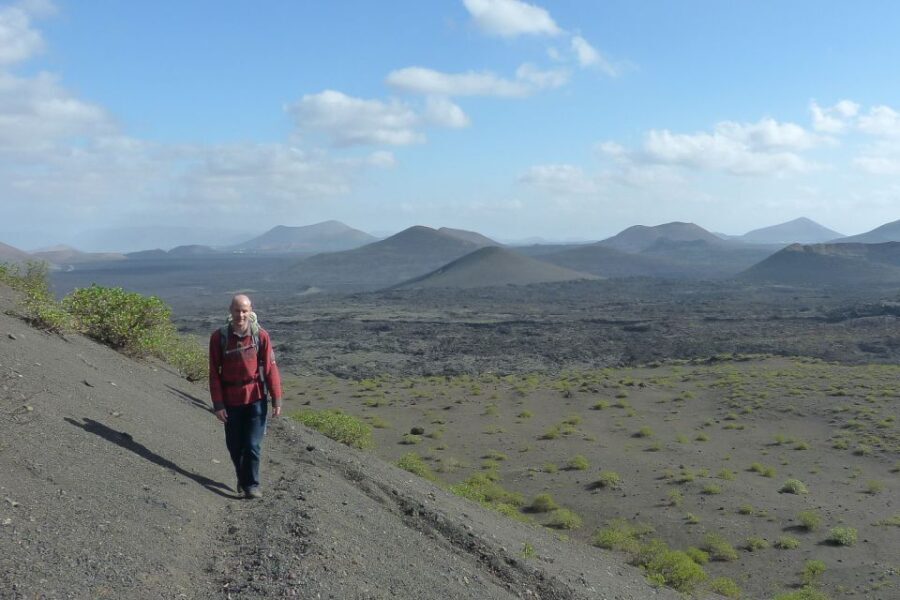
If you want to actually walk on volcanic ground rather than looking at it through a bus window, this is your tour. A small-group guided hike that takes you along the eruption route near the fire mountains, with pickup and drop-off from your accommodation included. At $50 per person for 3.5 to 4 hours, this is also the best value option by a significant margin.
The guide Raquel gets mentioned by name in an unusual number of reviews, which tells you something. She apparently knows the geology inside out and picks up and drops off right near your accommodation. Even on misty, rainy days, people come back saying they’d recommend it. The hike itself isn’t difficult but wear proper shoes because the terrain is uneven volcanic rock. This pairs perfectly with a separate visit to Jameos del Agua or the other volcanic attractions in the Canaries.
3. Timanfaya & Jameos del Agua Full-Day Tour — $88
This is the middle ground. The same core attractions as the first tour but with a slightly different itinerary that includes El Golfo and its green lagoon instead of Cueva de los Verdes. At $88 per person, it saves you a bit compared to the triple-header above, and some people prefer El Golfo’s dramatic half-crater opening onto the sea over the underground lava tube.
The day runs 9-10 hours so bring snacks. The guide is described as personable with impressive language skills, and the tour hits the main sights efficiently. If you had to choose between this and the $105 option, it comes down to whether you’d rather see the green lagoon at El Golfo or the underground caves at Cueva de los Verdes. Honestly, you can’t go wrong either way. Both are worth seeing and both are uniquely Lanzarote.
When to Visit Timanfaya
Opening hours: The park is open daily from 9:00am to 5:45pm, with the last bus departures around 5:00pm. Hours can shift slightly by season, so check the CACT website before you go.
Best time of day: Early morning or late afternoon. The midday slot between 11am and 2pm is when most of the coach tours arrive and the car park fills up. If you are driving yourself, aim to be in the queue by 9:15am or wait until after 3pm. The light is better at those times anyway, warmer and more dramatic for photographs.
Best time of year: Lanzarote’s weather barely changes. It sits at roughly the same latitude as the Sahara, so temperatures hover between 18 and 28 degrees Celsius year-round. The busiest months are December through February (European winter sun seekers) and July-August (school holidays). March to May and September to November are quieter and the weather is practically identical.
One thing nobody tells you: the Calima. This is when Saharan dust blows across from Africa and turns the sky hazy. It can happen any time but is most common in late summer. Visibility drops and the colours in the park look washed out. There is no way to predict it more than a day or two ahead. Just something to know.
How to Get There
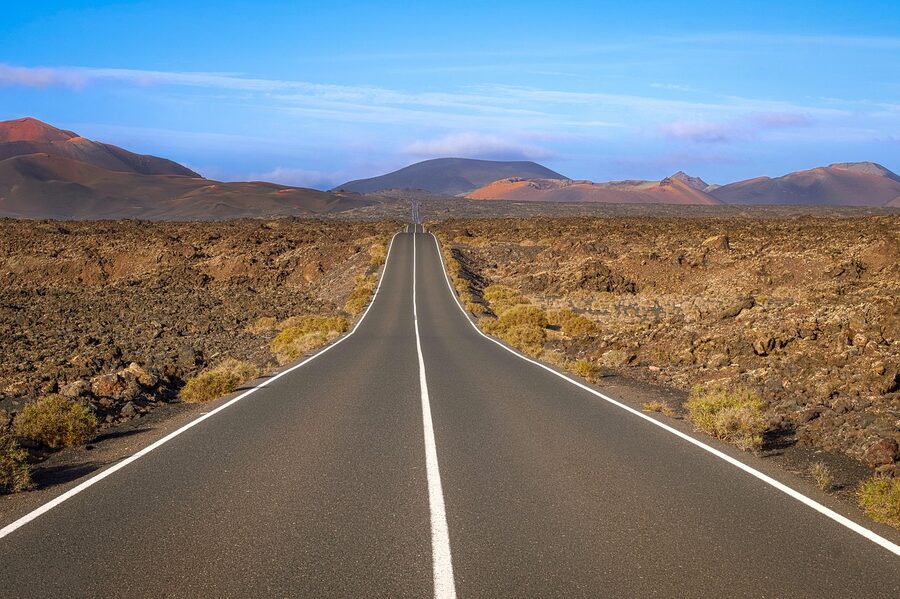
By car: Timanfaya is about 25 minutes from Arrecife (the capital) and 30 minutes from Playa Blanca in the south. Take the LZ-67 road from Yaiza and follow the signs. There is a large car park at Islote de Hilario. Free to park but you still need the entry ticket to get onto the bus route.
By tour bus: All three tours listed above include hotel pickup, which saves the hassle of navigating. If you are on a cruise ship docking at Arrecife, several of the full-day tours specifically cater to cruise passengers with adjusted timing.
No public bus goes directly into the park. There are buses to Yaiza and Tinajo from Arrecife, but from there you would need a taxi or hire car to reach the park entrance. Renting a car in Lanzarote is cheap, often under 20 euros a day, and the island is small enough that nothing is more than 40 minutes from anything else.
Tips That Will Save You Time
Book your time slot online. The queues at the park entrance can stretch to an hour or more in peak season. Having a pre-booked slot means you are in faster. The CACT website works fine on a phone.
Bring a jacket. I know it sounds ridiculous on a volcanic island 100km from the Sahara, but the wind at the higher points in the park can be sharp. The bus has open windows and the Islote de Hilario area is exposed.
Don’t skip El Diablo restaurant. The food is fine, nothing amazing, but the concept of eating meat cooked over an active volcanic vent is something you’ll tell people about. The building is a Manrique design, all circular glass and stone, and the views from the dining area are genuinely special.
Combine with the southern coast. After Timanfaya, drive south to El Golfo to see the green lagoon (Lago Verde), then continue to Los Hervideros where the waves crash through volcanic rock formations. This three-stop route takes about 2.5 hours and is the best half-day drive on the island.
If you’re hiking, wear proper shoes. The volcanic rock is sharp and uneven. Trainers will do but sandals or flip-flops will not. A hat and water are also essential because shade does not exist here.
What You’ll Actually See Inside
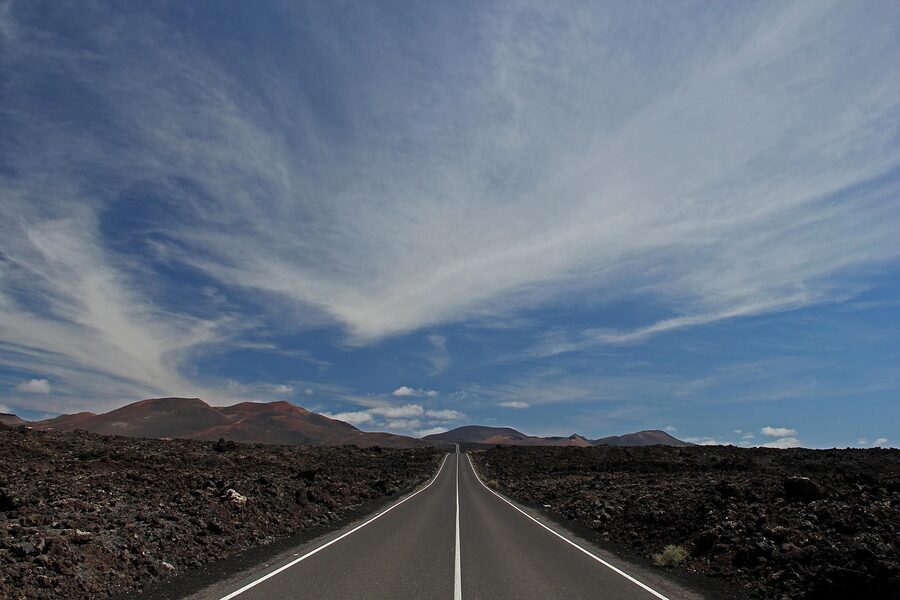
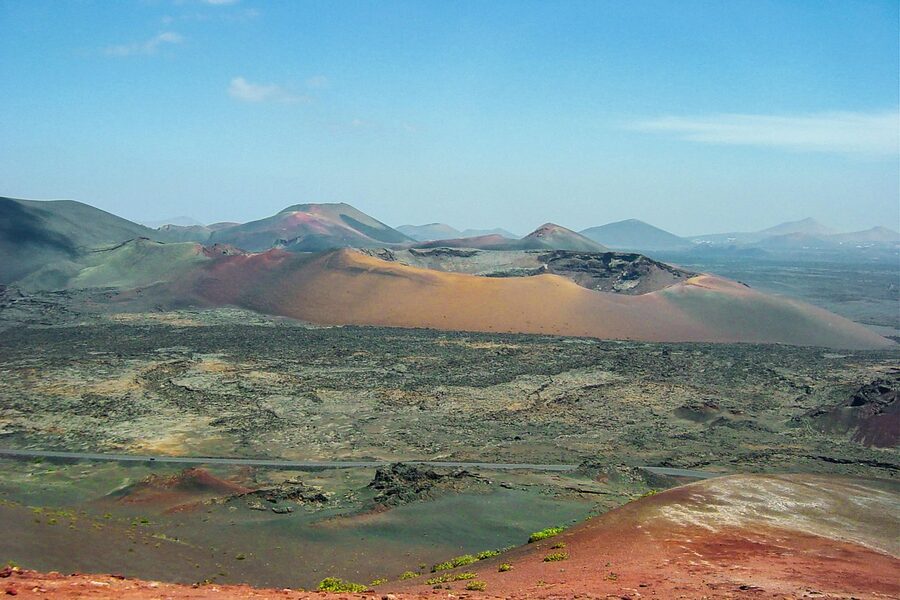
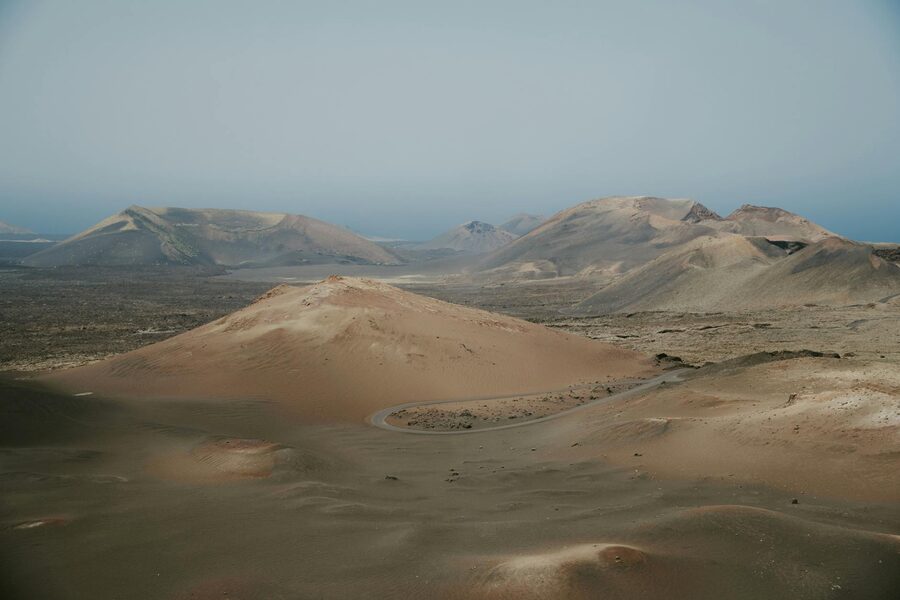
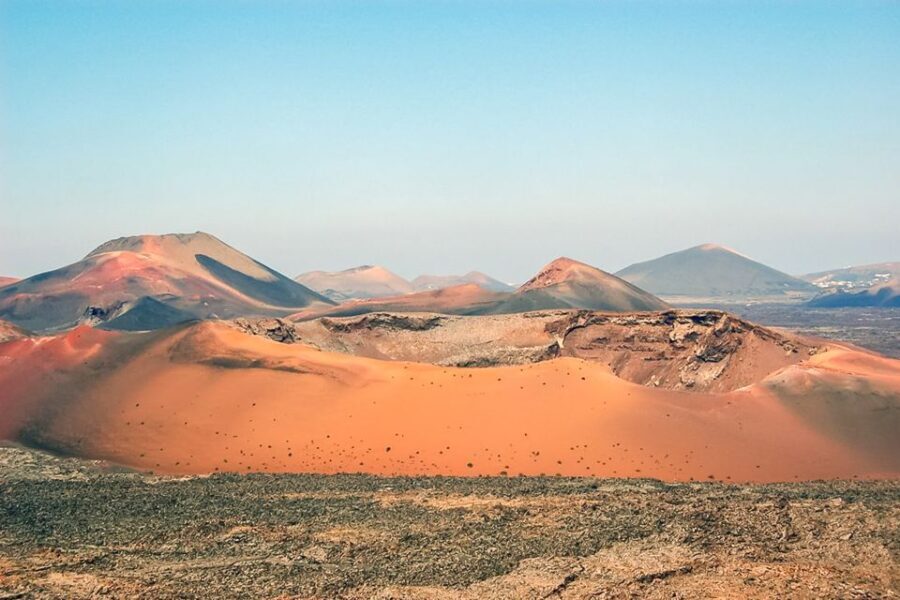
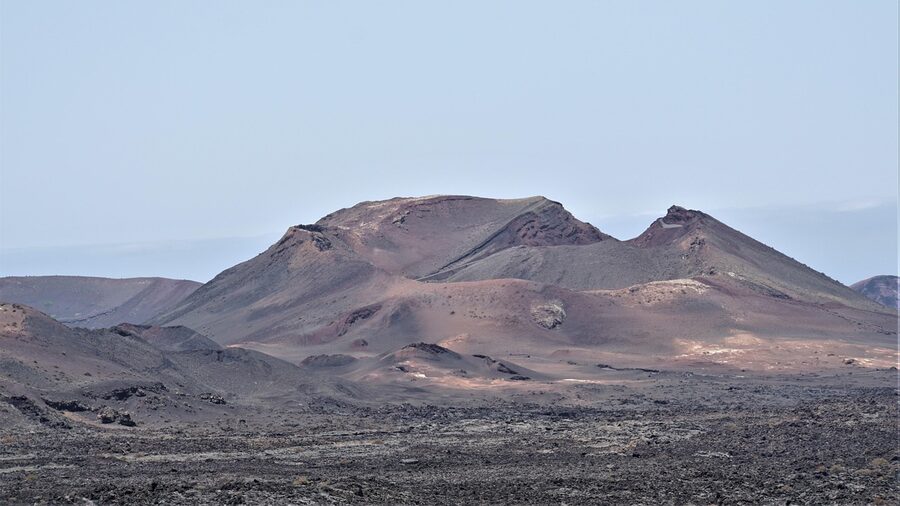
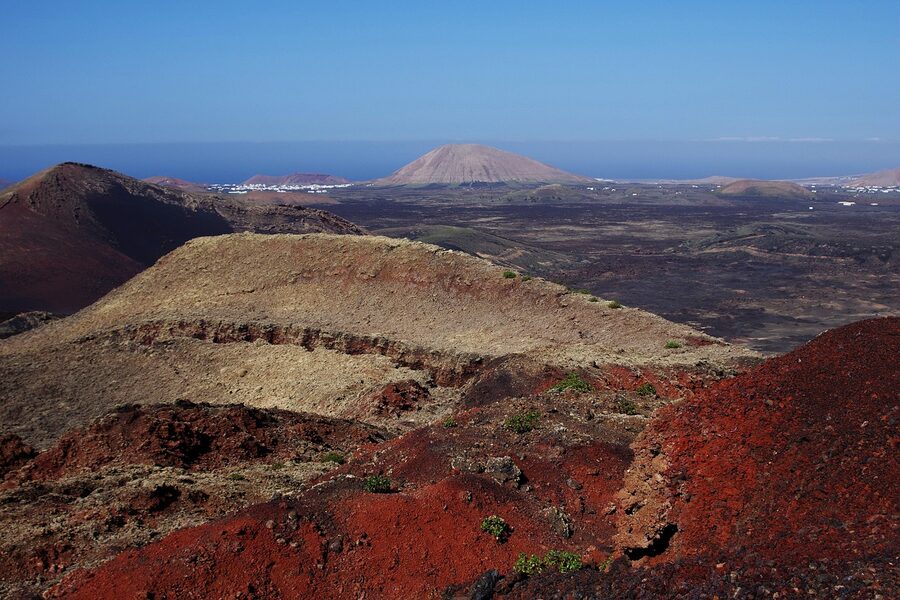
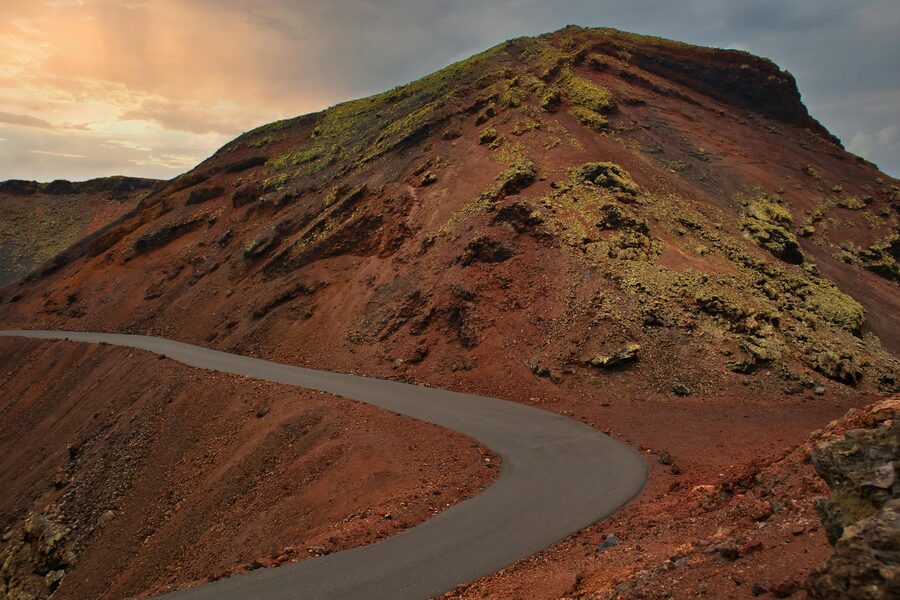
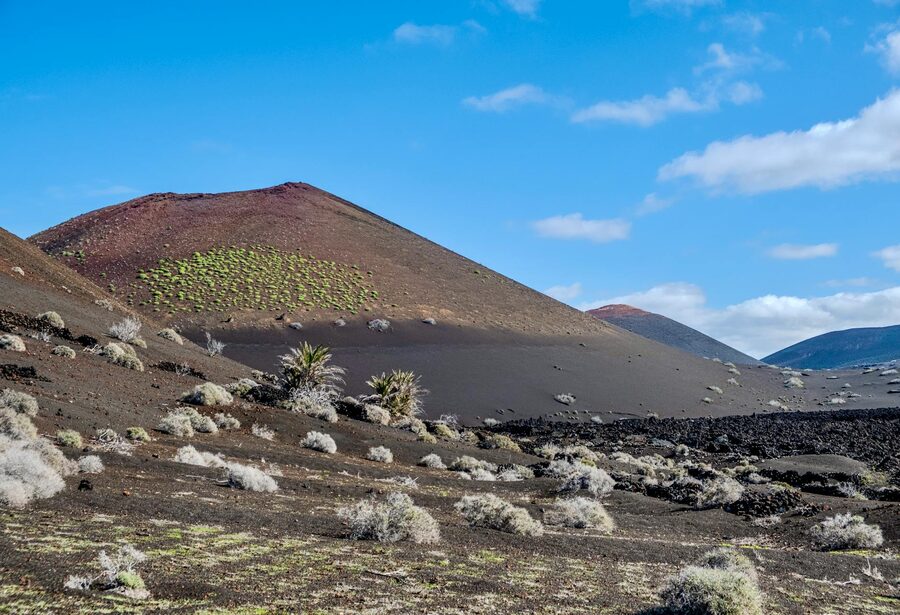
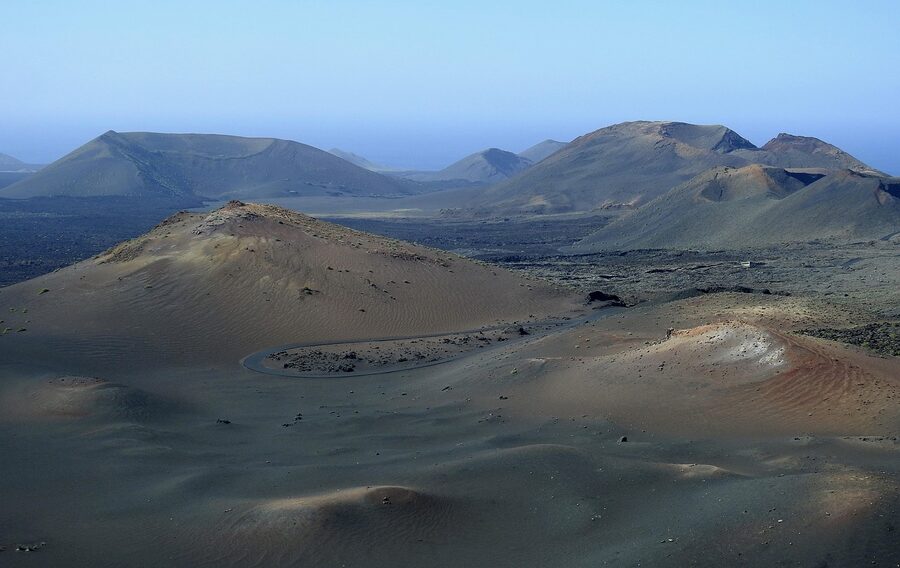
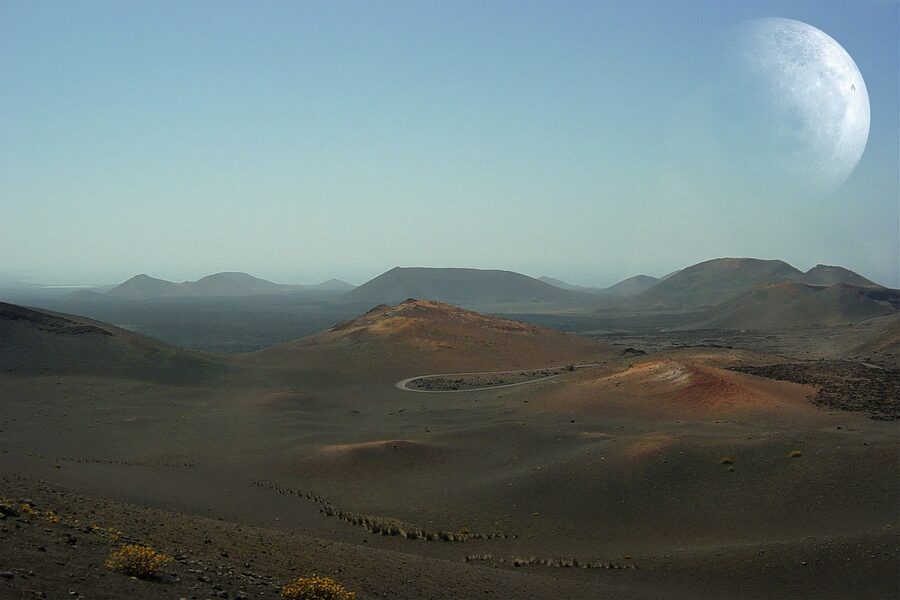
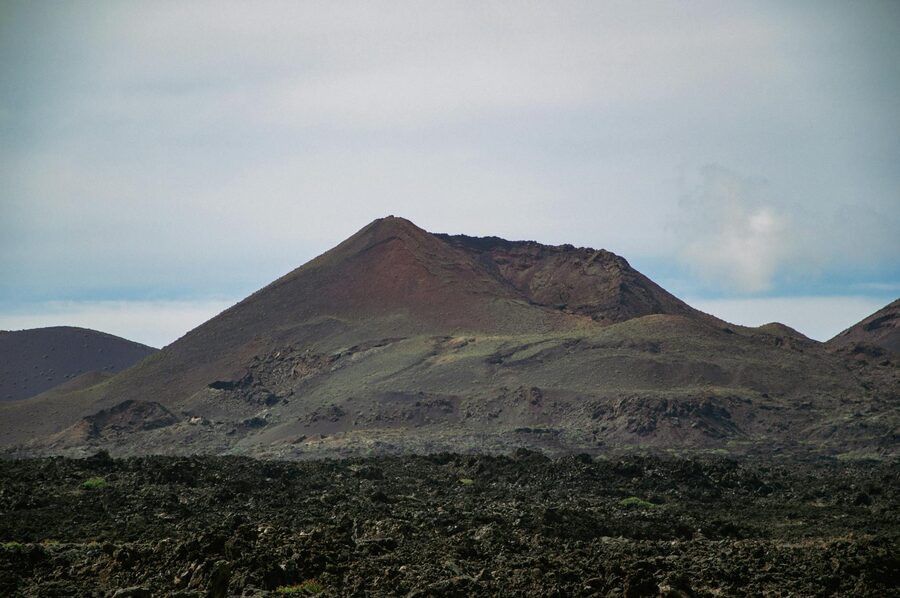
The bus route takes you through the Ruta de los Volcanes, a narrow road that winds between craters and lava fields created during the 1730-1736 eruptions. There are over 25 volcanic cones visible from the route and the landscape changes constantly. Some sections are jet black with jagged lava spires. Others are soft red and orange, almost like sand dunes made of ground-up rust.
At Islote de Hilario, you get the geothermal demonstrations. A park worker will push dry brushwood into a hole in the ground and it ignites spontaneously. Another pours a bucket of water into a different hole and it erupts back as a column of steam. The surface temperature here is around 100 degrees Celsius but just a metre or two below it jumps to over 400 degrees. The demonstrations are impressive even if you have read about them beforehand.
The camel rides at the base of the fire mountains have been running since the 1960s. You can pay separately for a short ride up the slopes on a dromedary, and the views from up there are different enough to be worth it if the queue isn’t too long. Opinions are divided on whether the camels are well-treated. I didn’t see anything concerning but it is worth forming your own view on that.

Beyond Timanfaya: The Rest of Volcanic Lanzarote
If you book one of the full-day tours, you will see most of these. But if you are exploring on your own, here is what else to put on the list.
Jameos del Agua
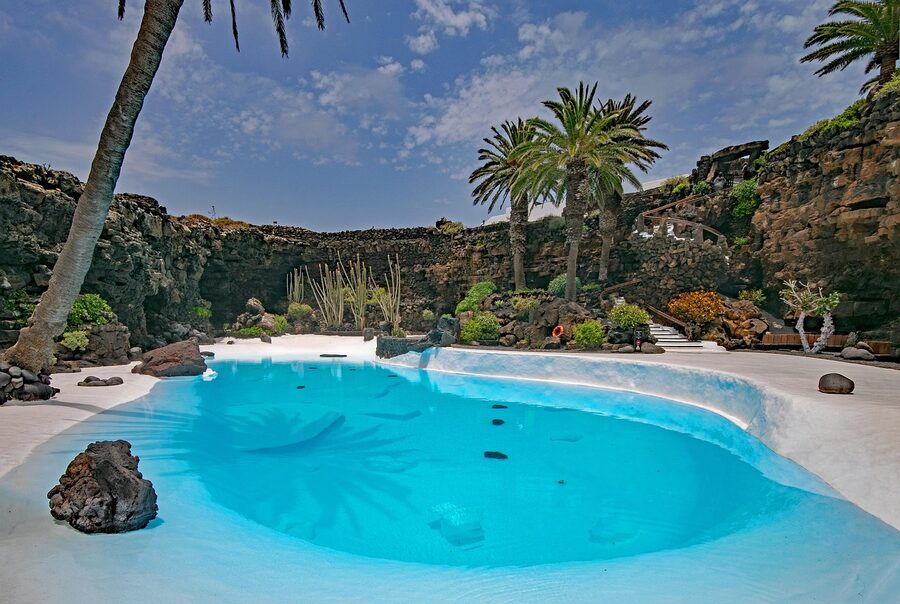
Cesar Manrique converted a collapsed section of the Atlantida lava tube into a concert hall, restaurant, and underground lake. The pool contains blind albino crabs, Munidopsis polymorpha, that exist nowhere else on Earth. The whole place feels like walking into an art installation that happens to be inside a volcano. Entry is around 10 euros.
Cueva de los Verdes
An unmodified lava tube that stretches 6km underground, making it one of the longest in the world. In the 16th century, local people used it as a hiding place from North African pirates. The guided tour takes you through about 1km of the tube, and there is a surprise at the end that I won’t spoil. No artificial lighting was added beyond what the tour uses, so the cave feels genuinely untouched.
El Golfo and Lago Verde
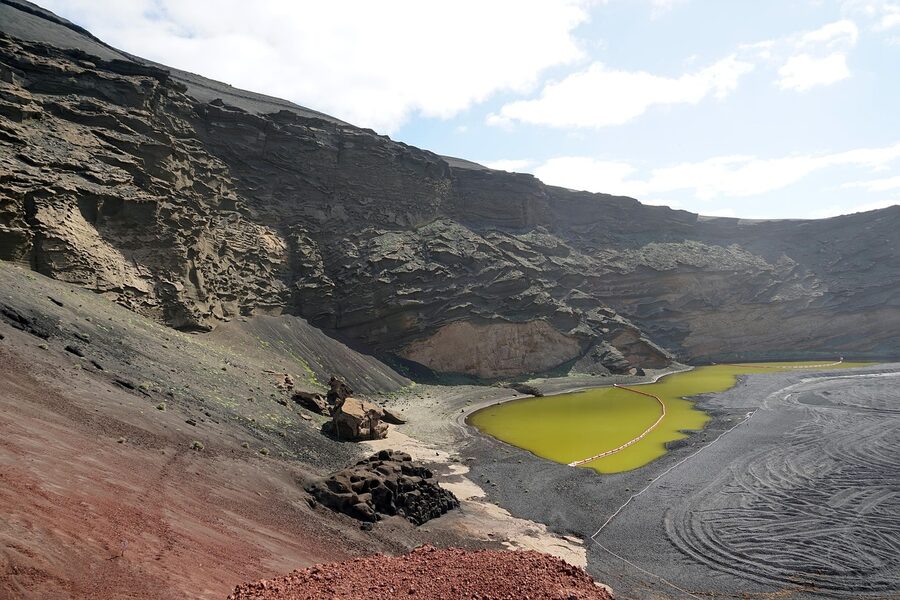
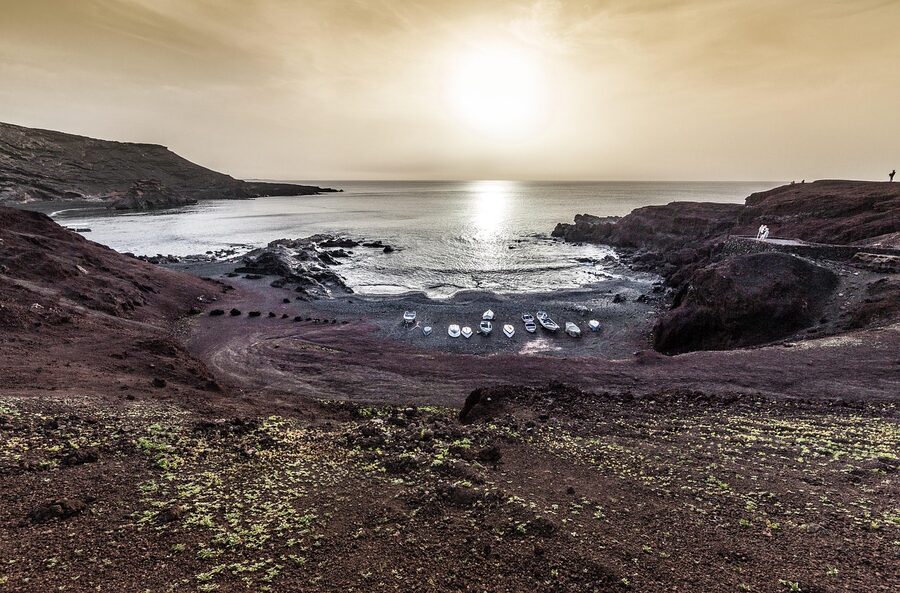
A half-collapsed volcanic crater on the southwest coast where a bright green lagoon sits against a backdrop of jet-black beach and dark red cliffs. The green colour comes from a specific algae species. It is a 10-minute walk from the car park and free to visit. The little fishing village of El Golfo below has several good seafood restaurants where you can eat fresh fish looking out at the Atlantic.
La Geria Wine Region
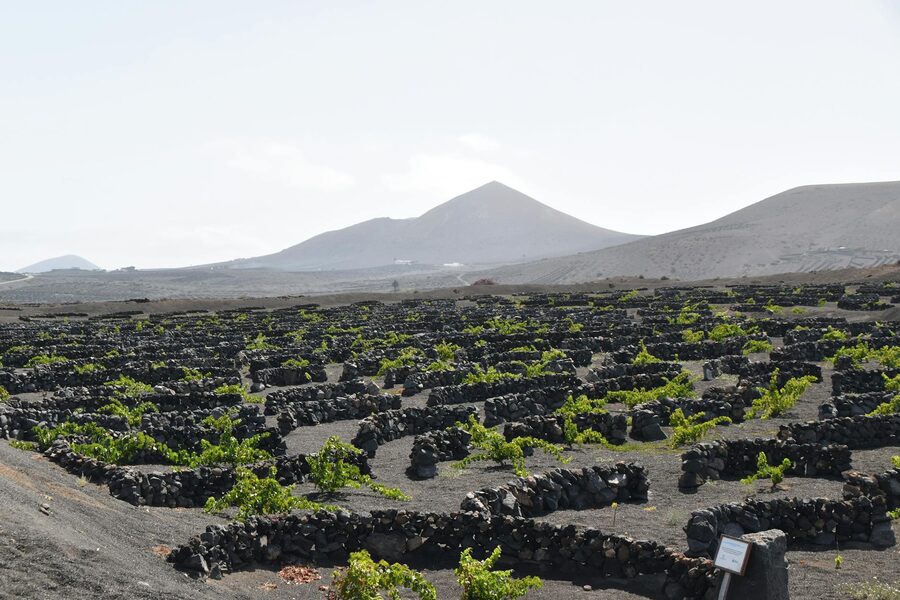
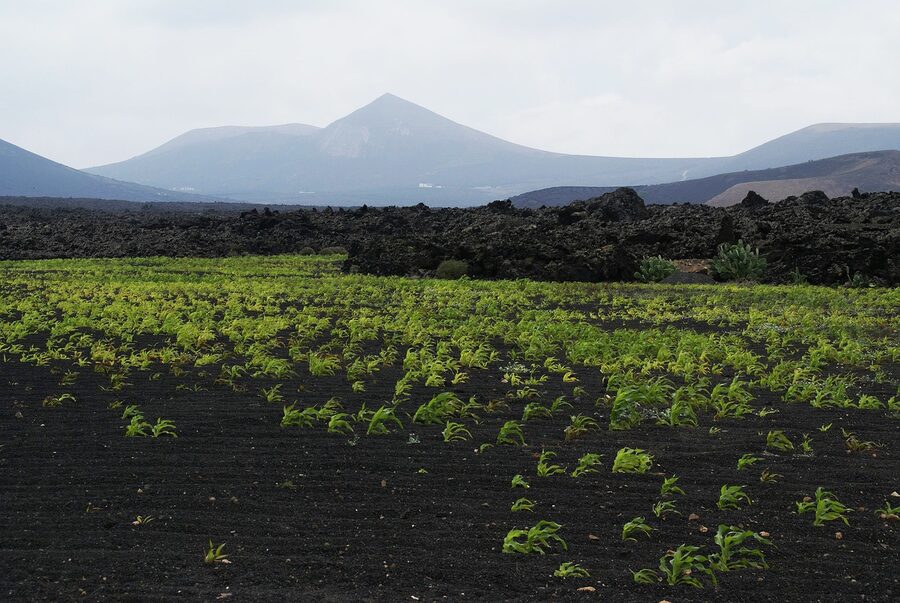
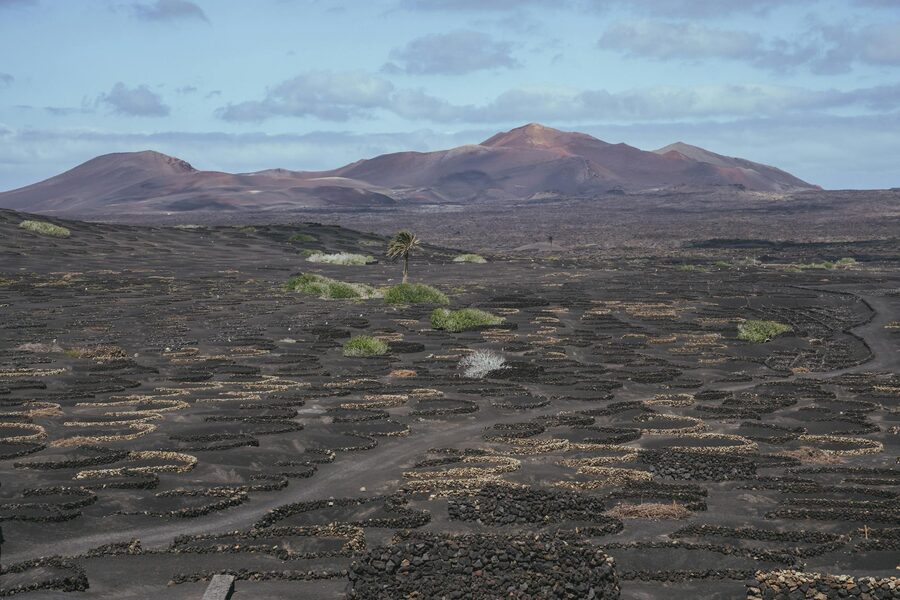
Just south of Timanfaya, the volcanic soil becomes farmland in the most improbable way. Farmers dig cone-shaped hollows into the ash and plant single grapevines at the bottom, then build low stone walls around each one to protect the plant from the wind. The Malvasia grape grown here produces a dry white wine that is genuinely interesting. Several bodegas offer free tastings. Drive through La Geria on your way back from the park and stop at Bodega La Geria or El Grifo, the oldest winery in the Canary Islands.
The Manrique Factor
You cannot understand Lanzarote without understanding Cesar Manrique. Born in Arrecife in 1919, he was an artist and architect who almost single-handedly prevented the island from going the way of Tenerife’s concrete resort strips. He persuaded the local government to ban high-rise buildings and advertising billboards across the entire island. Every building is white with green or blue woodwork. No structure rises above the palm trees. No neon signs or fast food logos line the roads.
Manrique designed the El Diablo restaurant at Timanfaya, Jameos del Agua, the Mirador del Rio viewpoint, and the Cesar Manrique Foundation (his own home, built around five volcanic bubbles). His influence is everywhere and it is the main reason Lanzarote feels so different from every other tourist island in the Atlantic. He died in a car accident in 1992, and you get the sense that the island has been trying to honour his vision ever since.
More Canary Islands Guides
Lanzarote sits at the eastern edge of the Canary Islands, and if your trip takes you to Tenerife as well, there is plenty more to see. Our guide to whale watching in Tenerife covers the best boat trips along the southwest coast, where pilot whales are resident year-round. Mount Teide is Spain’s highest peak and the cable car ride to the summit is worth the early start. For a day with the kids, Siam Park is consistently ranked one of the best water parks in the world, and Loro Parque in Puerto de la Cruz combines a zoo, aquarium, and botanical garden into one genuinely impressive day out.
This article contains affiliate links. If you book a tour through the links on this page, we earn a small commission at no extra cost to you. This helps us keep writing these guides.