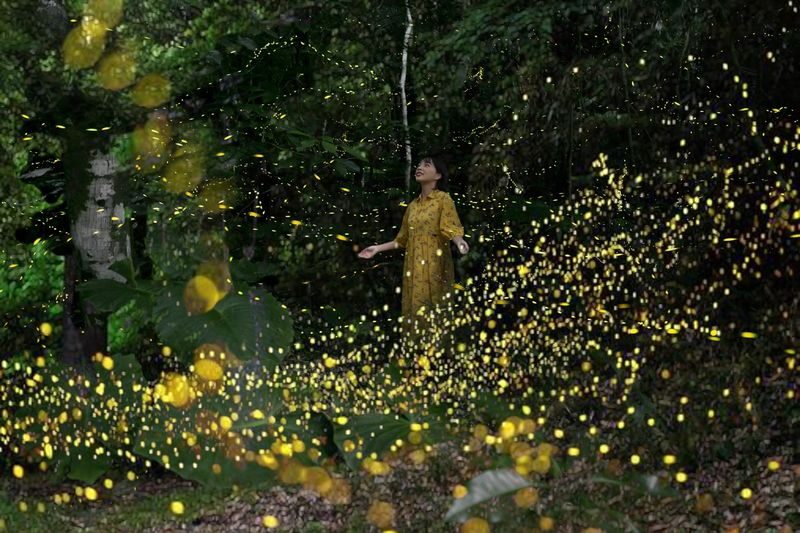
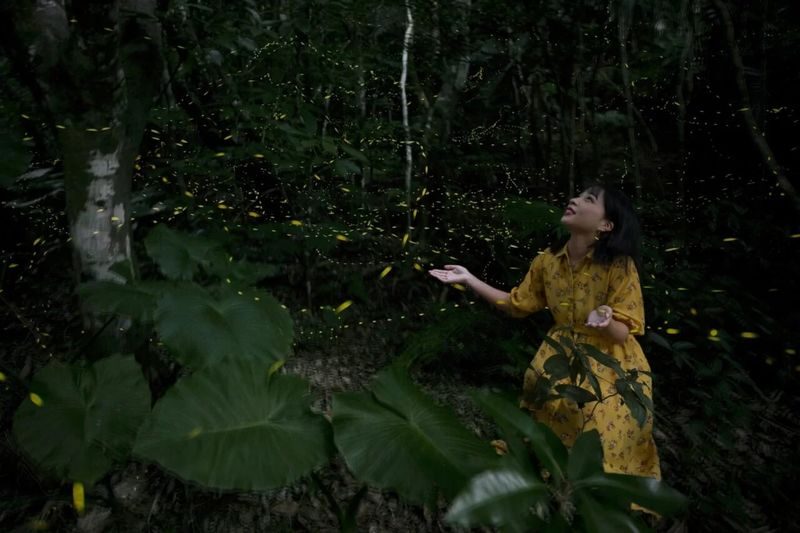
Ishigaki’s Yaeyama hime fireflies put on a brief, natural light show in the forest, with tiny flashes appearing across the dark as the insects glow in unison. This two-hour evening outing takes you to a viewing area that can be hard to find on your own, then gives you time to watch quietly.
I like the small-group feel of a guide-led trip into a difficult-to-reach spot, and the chance to see a local species active only from March to June. I also like that the operator provides round-trip transport and equipment such as rain boots when needed, so you do not have to arrange your own way into the hills.
The trade-off is that the fireflies are wild, not guaranteed performers. Their numbers can vary with season and conditions, and you must keep your phone and other lights off. If you want photos, a long walk, or a guaranteed spectacle, this is not the right evening outing.
- Seasonal spectacle: Yaeyama hime fireflies are active from March to June, with numbers tending to drop as the season advances.
- A short forest visit: Expect about 30 minutes each way by car and roughly an hour at the site, though some of that time is spent getting settled and watching quietly.
- No phone lights or flash photography: The dark is part of the experience, and protecting the fireflies takes priority over pictures.
- A guide handles the hard-to-find location: You meet in town and ride to the viewing area rather than trying to locate it yourself.
- Weather and timing can change the plan: Tours may run in rain, but poor conditions can also affect the display or lead to cancellation.
- A good fit for beginners: Walking is limited, but the site is very dark. The tour is for ages 3 to 65, with additional health and safety restrictions.
- A brief glow in the Ishigaki forest
- The ride from Ishigaki town
- A short walk into the dark
- What the fireflies may look like
- Weather, cancellations, and changing conditions
- Is the price worth it?
- Who should go, and who should skip it
- Should you book this firefly tour?
- FAQ
- When can I see the Yaeyama hime fireflies?
- How long does the tour take?
- Where is the meeting point?
- How long is the drive to the viewing area?
- Can I use my phone or take photos?
- Does the tour run in the rain?
- Is the tour suitable for children?
- What ages are eligible?
- Is the tour conducted in English?
- What is included in the price?
- The Best Of Ishigaki!
- More Evening Experiences in Ishigaki
- More Tours in Ishigaki
- More Tour Reviews in Ishigaki
A brief glow in the Ishigaki forest
 1 / 8
 2 / 8
 3 / 8
 4 / 8
 5 / 8
 6 / 8
 7 / 8
 8 / 8
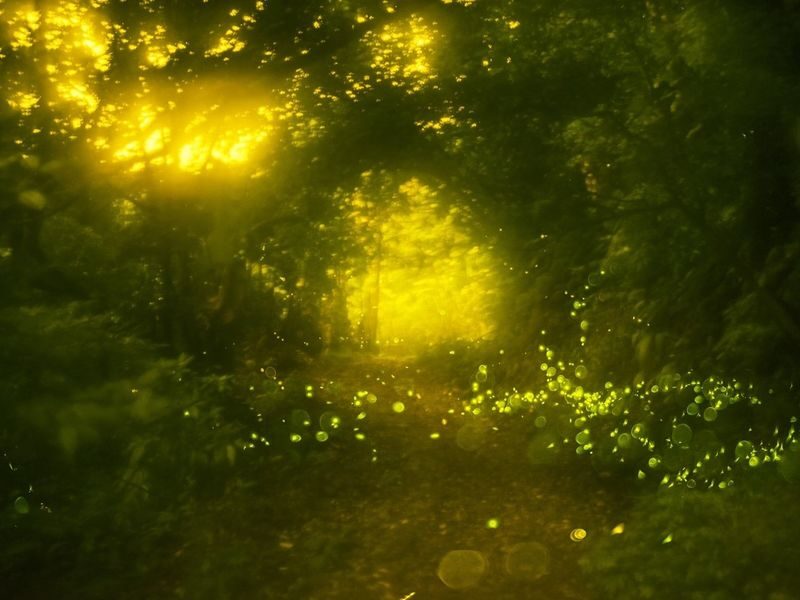
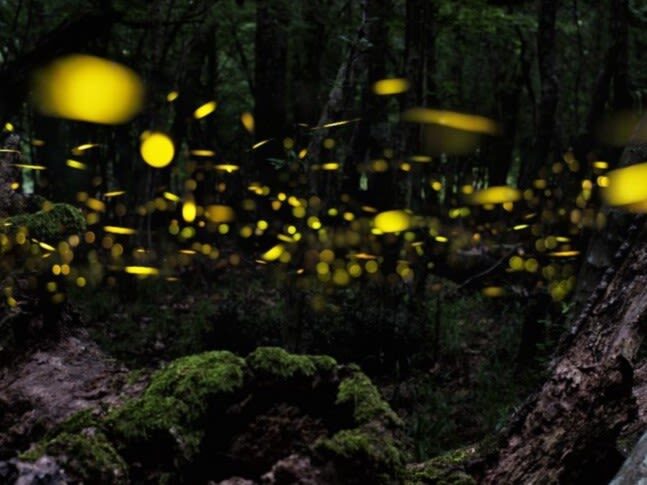
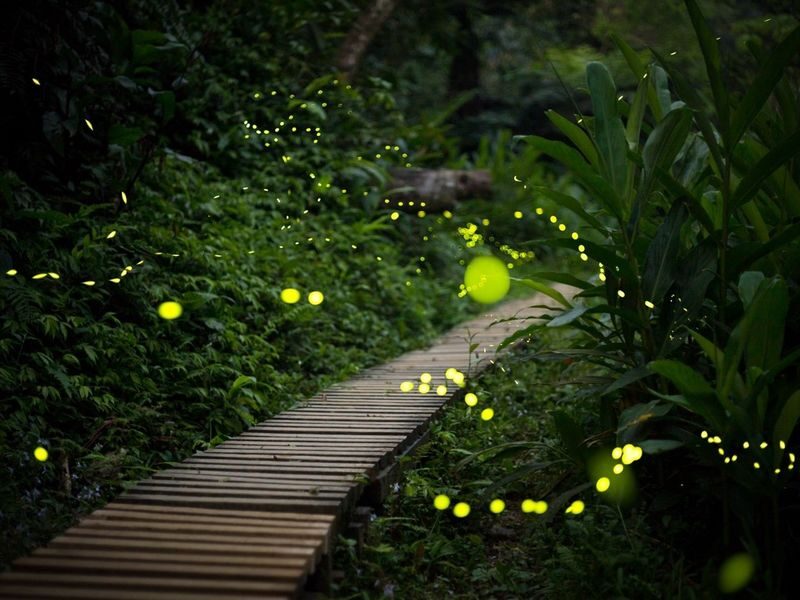
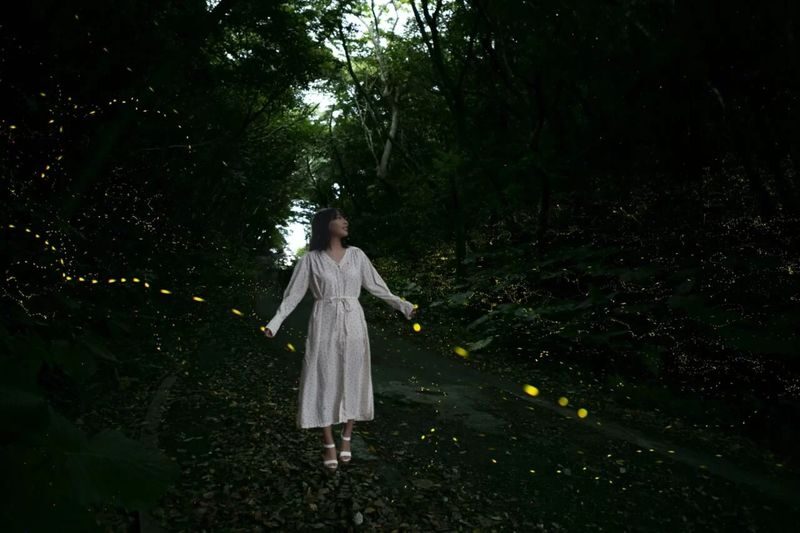
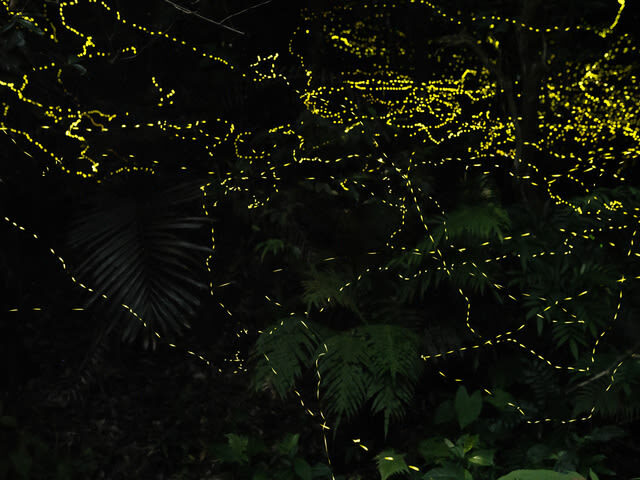
The Yaeyama hime firefly is a small species found on Ishigaki and a nearby island. During its March-to-June season, fireflies flash in a concentrated evening display. The effect can be striking: in a dark forest, even small points of light seem to multiply quickly.
That description needs one practical note. This is wildlife viewing, not a light show with a set start and finish. On a good evening you may see dozens or hundreds of flashes, and some fireflies may fly close by. On a less favorable night you may see only a few, or find that many are hidden among the trees. One person’s magical forest can be another person’s short stop with scattered lights.
The experience is best approached with curiosity rather than a fixed expectation. The fireflies are tiny, so do not expect large, bright lanterns. Their appeal is in seeing many brief flashes against the dark and knowing you are watching an animal that is specific to this part of Okinawa.

👉 See our pick of the Discover 15 Great Snorkeling Experiences In Ishigaki
The ride from Ishigaki town
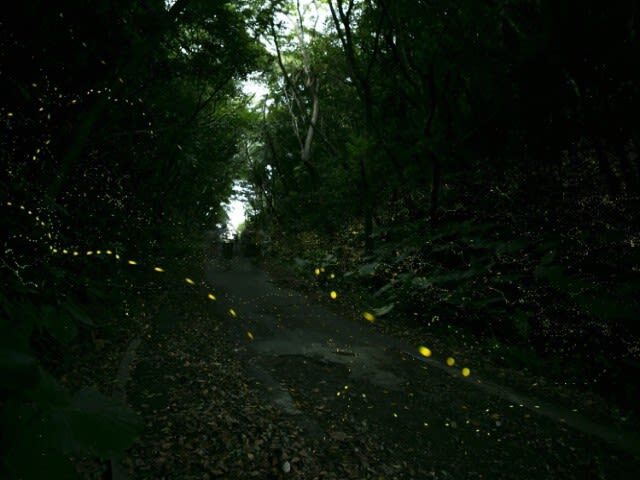
The advertised outing runs from about 18:30 to 20:30, with pickup at the Ishigaki Port Remote Island Terminal or an accommodation in the area. The drive to the viewing place takes around 30 minutes, followed by about 30 minutes back. The route takes you away from town and into the hills, where the forest is dark even before sunset has fully passed.
The ride is more than a transfer. Some guides use the drive to explain what to expect, share background about Ishigaki, or offer local restaurant suggestions for later. Guides named in past outings include Hina, Akari, and Sebastian. Their styles and language skills vary, and the operator notes that a tour may be conducted in Japanese only depending on who is available that day.
Confirm your exact meeting time and pickup point before setting out. The departure time may shift with sunset, and the listed time may not reflect a seasonal adjustment. Check the message sent to the phone number or email address you supplied, and make sure you can receive it while in Japan. If you have not heard from the operator by the day before, contact ISHIGAKI ADVENTURE PiPi through WhatsApp at +81 80-9508-9146.
Arrive five minutes early. The tour’s late-arrival rules are strict, and latecomers or no-shows may be treated as cancellations without a refund. There is no luggage storage or room for large bags on the tour, so leave suitcases at your accommodation or in your vehicle.
You can also read our reviews of more evening experiences in Ishigaki


A short walk into the dark
At the viewing area, your guide leads the group to a place where the fireflies can be watched without using lights. The actual walking is limited, which makes the outing manageable for many beginners and younger children. But limited walking does not mean the site is easy to navigate alone: it becomes very dark, and the group relies on the guide’s voice and instructions to stay together.
Follow the guide’s rules carefully. Do not shine a flashlight, use your phone screen, or take flash photos. Some accounts of the tour describe leaving phones and other belongings in the vehicle because they could be hard to find if dropped in the dark. The rule is practical as well as protective: light can interfere with the fireflies, and a phone is not much use if you cannot see where it has fallen.
You should also resist the urge to touch the insects. The point is to observe them without disturbing their habitat. The tour asks participants not to feed or harm wildlife, and the quiet, dark setting works best when everyone follows the same limits.
Rain boots may be available to borrow, and the operator advertises free equipment rental. This is useful if the path is wet or muddy, but equipment availability and fit may vary. Wear clothes and shoes you do not mind getting damp or dirty, and do not count on the forest being comfortable just because the outing is short.
What the fireflies may look like
The viewing period at the site is around an hour on the schedule, though the time spent watching can be shorter. Some outings have involved roughly 20 to 30 minutes at the spot, depending on conditions and how the evening unfolds. There is no elaborate program once you arrive: you watch, listen to the guide, and let your eyes adjust.
That simplicity is part of the appeal, but it is also worth understanding before you book. This is not a night walk packed with activities. Guides may point out fireflies and other creatures, explain their habits, or share details about the island. The amount of natural-history explanation depends on the guide and the group. The main event remains the fireflies.
If the sky clears, you may also see stars, as some outings have included clear-sky views. Treat that as a bonus, not a promised part of the tour. Clouds, rain, and wind can change what is visible, and the operator cannot control the night sky or the insects.
The fireflies’ numbers tend to decrease as the season progresses. If seeing them is a priority, an earlier date in the March-to-June season may improve your chances, but it cannot guarantee a large display. Weather and natural variation matter too. Ask the operator about current conditions if you are choosing between dates, while keeping in mind that nature can still surprise you.
Weather, cancellations, and changing conditions
The tour information says operations continue in rain. That does not mean every rainy evening will produce a strong display, or that the operator must proceed in unsafe or unsuitable weather. Some outings have continued in rain and still seen many fireflies; another was cancelled because of weather, with a prompt full refund. In other cases, guests were asked whether they wished to continue despite a poor forecast.
So rain is not an automatic reason to give up, but it is a reason to lower your expectations and check messages. A wet evening may mean muddy ground, damp clothing, limited visibility, and fewer fireflies. If the operator cancels, the stated policy provides a full refund when the tour is cancelled by the host. For a customer cancellation, a full refund is available if you cancel at least 24 hours before the activity date.
The tour may also change its schedule due to traffic or weather. Because sunset shifts through the season, the actual departure time may differ from the time you first saw. Keep your phone available before the outing, but switch it off or keep its light fully covered at the viewing site.
Is the price worth it?
The price starts at $30.95 for a two-hour trip. That is reasonable if you value the ride to a hard-to-find location, a guide, insurance, and the chance to see an unusual local species without arranging transport yourself. The tour also includes round-trip transfers from the stated meeting area and professional guide services. It can be especially useful if you are staying in town and do not want to navigate a dark rural road after sunset.
The value depends on how you measure the evening. You are paying for access and guidance, not for a long activity or a guaranteed number of fireflies. Some nights bring a dense display; on others the insects are few or tucked behind trees. If the fireflies are sparse, the visit may feel short for the price. If the forest fills with tiny lights, the brief viewing can feel like a rare experience worth the fare.
There may be participant perks such as coupons for restaurants and local tips, but these are extras rather than the core reason to book. The operator, ISHIGAKI ADVENTURE PiPi, reports a large guiding operation and holds an Okinawa Prefectural Public Safety Commission safety certification for marine leisure providers. The company says its guides hold water-rescue qualifications. That certification is reassuring about the operator’s safety standards, though this is a forest wildlife outing, not a water activity.


Who should go, and who should skip it
This tour suits nature lovers, first-time firefly watchers, and anyone looking for a quiet evening that is different from Ishigaki’s beach and boat outings. It can work for families with children aged three and up, provided a child is comfortable in the dark and can follow instructions. The walk is short, but the darkness is real, and children who fear it may find the experience unsettling.
The listed eligibility is ages 3 to under 66. The activity is not recommended for pregnant people, infants, older adults, people with disabilities, or people with high blood pressure, epilepsy, heart disease, asthma, or other serious medical conditions. If you have a pre-existing condition, contact the operator before booking. Anyone who appears intoxicated may be refused participation without a refund, and pets are not allowed.
This is not ideal for someone who needs a predictable schedule, wants to photograph every moment, or expects a guided nature lecture throughout the evening. It is also a poor match if you are uncomfortable standing quietly in darkness. Go for the chance to see a fleeting natural display, not for a checklist of attractions.
Should you book this firefly tour?
I would book it if I were visiting Ishigaki between March and June, could accept a variable wildlife display, and wanted an easy way to reach the forest with a guide. The main strengths are the access to a location that is difficult to find independently, the short walk, and the possibility of seeing the fireflies flash together in the dark.
Before paying, confirm the current departure time, pickup details, language for that evening, and weather outlook. Pack light, leave large bags behind, and plan to watch rather than photograph. If you can let the night unfold on its own terms, this can be a memorable two hours. If you need a guaranteed show, choose a different activity.
Ishigaki Island: Sunset & Limited-Time Yaeyama Hime Firefly Watching Tour (Okinawa)
“it was cancelled by the host because of the weather, anyway the communication is very efficient and clear, fully refunded very quickly too.”
FAQ
When can I see the Yaeyama hime fireflies?
They are active from March to June. Their numbers tend to decrease as the season progresses, but a particular night’s display cannot be guaranteed.
How long does the tour take?
The outing is scheduled for about two hours, generally from 18:30 to 20:30. The schedule may change due to traffic, weather, or sunset timing.
Where is the meeting point?
Pickup is listed at the Ishigaki Port Remote Island Terminal or an accommodation. Confirm the exact place and time in the message sent before the tour.
How long is the drive to the viewing area?
The drive is about 30 minutes each way. The viewing stop is listed as about one hour, though the time spent watching may be shorter.
Can I use my phone or take photos?
No. Lights are prohibited at the viewing site, and you are instructed to turn off your smartphone. Flash photography is not permitted.
Does the tour run in the rain?
The tour information says operations continue in rain, but weather can affect viewing conditions and the operator may cancel. Check the operator’s messages before departure.
Is the tour suitable for children?
Children aged three and older may participate. The site becomes very dark, so consider whether your child will be comfortable following the guide in darkness.
What ages are eligible?
Participants must be at least three and under 66. The activity is not recommended for infants, older adults, pregnant people, people with disabilities, or people with certain medical conditions.
Is the tour conducted in English?
An English or Japanese-speaking guide is included, but the tour may be conducted in Japanese only depending on availability that day. Confirm language before booking if it is important to you.
What is included in the price?
The price includes a professional guide, round-trip transfers from the meeting area, tax, and insurance provided by the operator. Meals, drinks, accommodation, parking admission, personal expenses, and tips are not included.