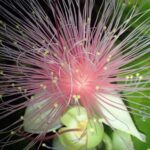
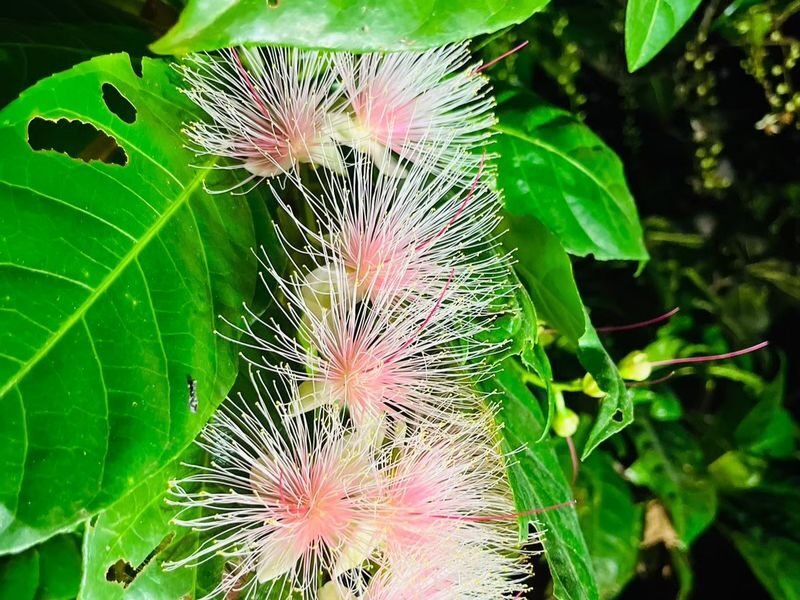
Sagarihana has a brief moment in the night: this unusual flower opens and falls before morning. That fleeting window gives the Ishigaki night walk its appeal. I like the chance to seek out a plant you cannot simply admire at any hour, and I like that the outing is a walk rather than just a quick look at a display.
The main catch is that the night’s conditions matter. A recent group had more than 20 people with one guide, and some participants became separated. Cloudy weather can also hide the stars, and animal sightings may be sparse.
- Key points to know
- A flower with a very short night
- What the night walk is like
- The flower, the stars, and the wildlife
- Group size can shape the experience
- Is .95 good value?
- Who should book this Ishigaki night tour?
- Booking advice before you go
- Should you book it?
- FAQ
- Where does the tour take place?
- What is the tour focused on?
- What package is available?
- How much does the tour cost?
- Is booking confirmed instantly?
- Can I cancel for a refund?
- Are stars and animal sightings guaranteed?
- The Best Of Ishigaki!
- More Evening Experiences in Ishigaki
- More Tours in Ishigaki
- More Tour Reviews in Ishigaki
Key points to know
 1 / 7
 2 / 7
 3 / 7
 4 / 7
 5 / 7
 6 / 7
 7 / 7
- The flower is the main event: Sagarihana, or Barringtonia racemosa, is known as a one-night flower because it falls overnight.
- Expect a walk: The outing is described as a night walk, not a drive or a stationary viewing session.
- Wildlife is not guaranteed: One outing produced a spider sighting, but little else.
- Stars depend on the sky: Poor weather can mean no star views at all.
- Group management matters: A group of more than 20 with one guide proved difficult to keep together.
- The price starts at $30.95: That is a modest entry point for a guided night outing, but value depends on the flower being in season and conditions cooperating.

👉 See our pick of the Discover 15 Great Snorkeling Experiences In Ishigaki
A flower with a very short night
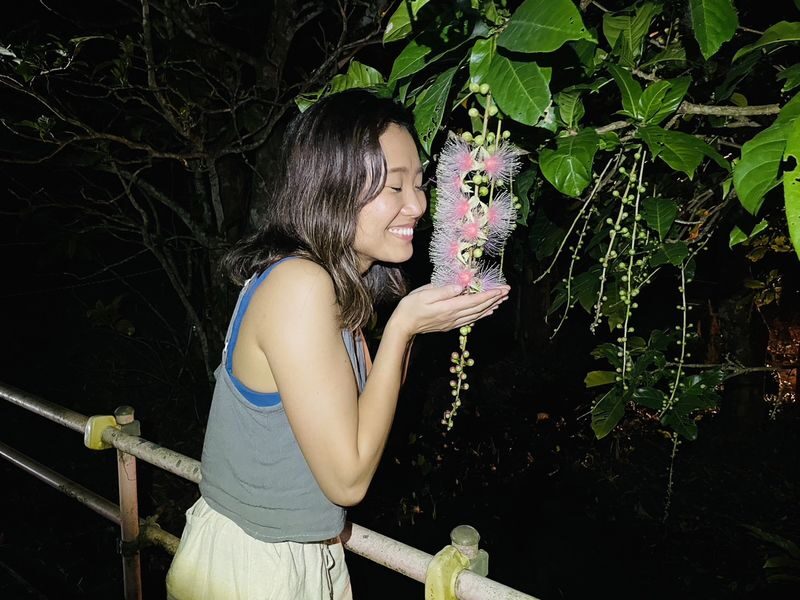
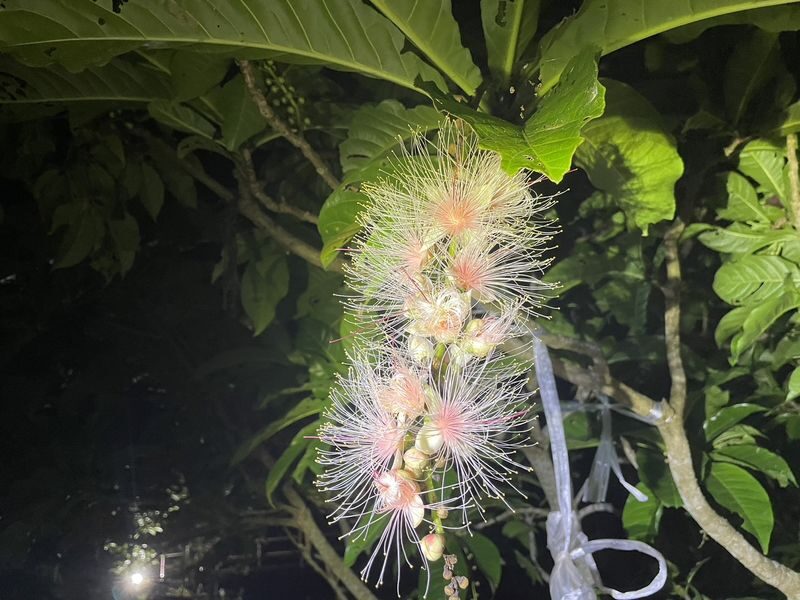
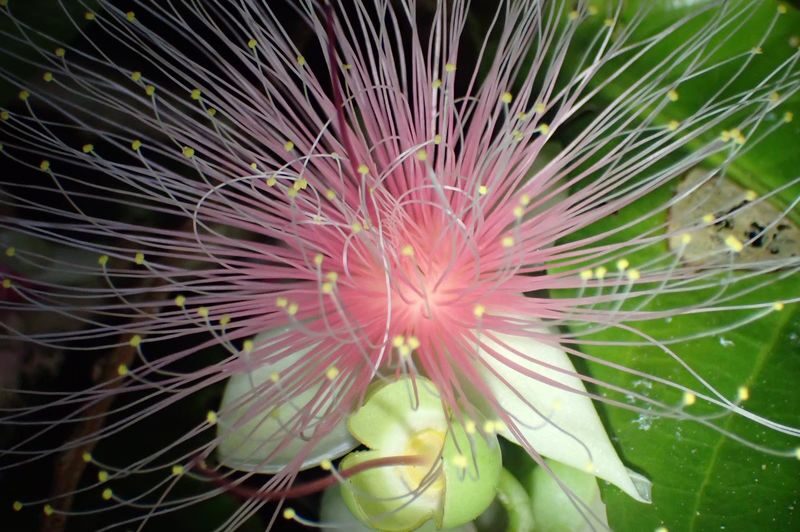
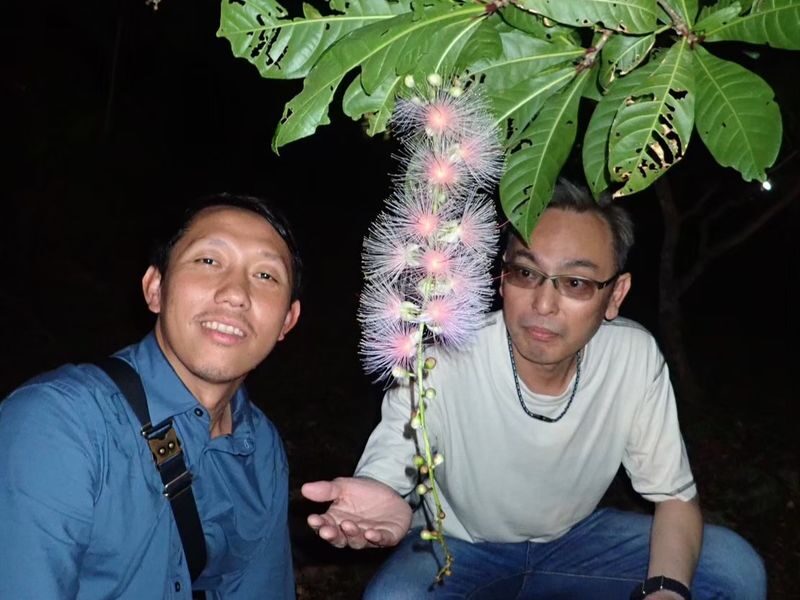
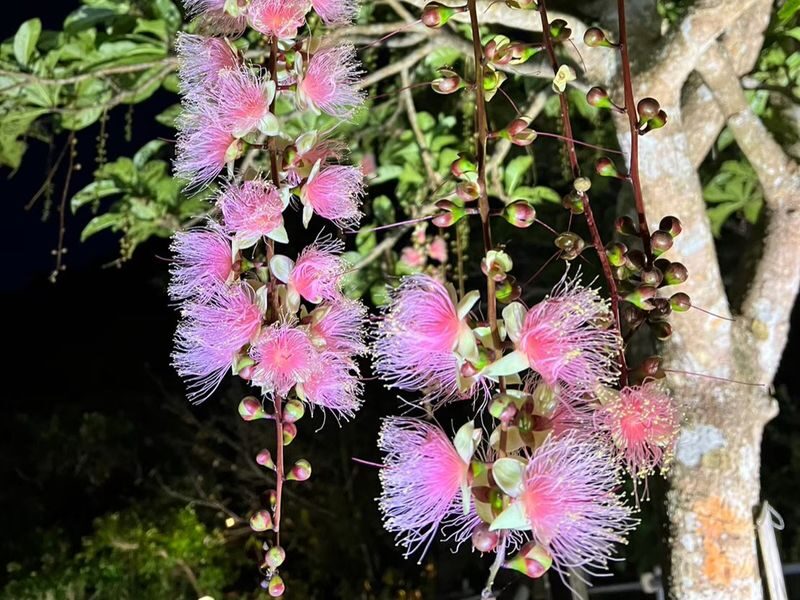
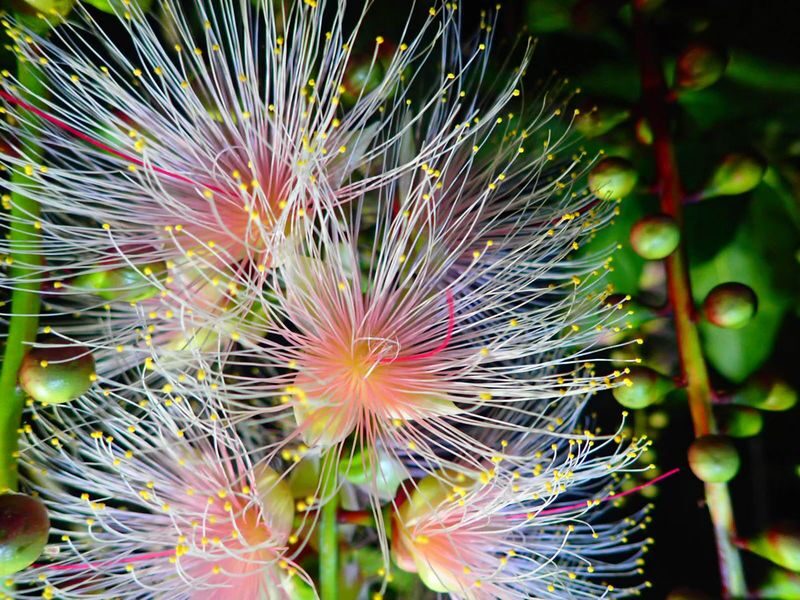
The tour centers on Sagarihana, known in English as Barringtonia racemosa. Its nickname, the one-night flower, points to the central draw: it blooms and falls overnight. That short life gives the outing a sense of occasion. You are not going to a garden where the same bloom will wait for you tomorrow.
The limited window is also the main uncertainty. The activity is presented as a limited-time offering, but no specific dates, bloom forecasts, or guarantee of seeing flowers are provided. If seeing Sagarihana is the reason you are booking, check the timing and current bloom conditions before paying. The flower’s brief appearance makes timing more important than it would be on an ordinary botanical walk.
The name may be unfamiliar, but the idea is easy to grasp. This is a night outing built around noticing something that is easy to miss in daylight, and easy to miss altogether if nature does not keep the schedule you hoped for. That is part of the charm, but it should shape your expectations.
You can also read our reviews of more evening experiences in Ishigaki


What the night walk is like
The package is called the Ishigaki Night Sagarihana Flower Viewing Tour. It is described as a walk, and the available details do not spell out a route, duration, meeting point, transport, or a stop-by-stop plan. I would not assume a long trek or a particular trail from the name alone.
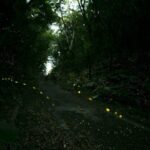
The likely rhythm is straightforward: join the group, walk at night, and look for the flower. Beyond that, the specifics are not stated. There is no confirmed list of stops or a stated promise that the outing includes a wildlife walk or a stargazing lesson. A recent outing did involve attempts to watch the stars and notice animals, but those should be treated as possible parts of the night rather than guaranteed features.
A night walk has a different pace from a daytime sightseeing stop. You need time to look carefully, stay near the guide, and adjust to darkness. If you enjoy small discoveries more than a packed itinerary, that slower format may suit you. If you want a tightly scheduled tour with several named stops, the details here are too limited to know whether it will meet that expectation.
The flower, the stars, and the wildlife
The most distinctive reason to go is the flower itself. A plant that blooms and falls overnight offers a rare, time-sensitive subject, and the night setting is central to that experience. Still, no exact bloom count or viewing guarantee is provided, so it is sensible to see this as a chance to look for Sagarihana, not a promise of a close-up encounter.
Stars and animals may add interest, but they are less dependable. One outing had weather that prevented star viewing. The same night-walk format can also produce very few animal sightings: one participant saw spiders and little else. That is a useful reality check if you are picturing a night full of wildlife.
I would think of any stars or creatures as a bonus. The flower is the stated focus, while weather and animal activity can change the feel of the outing. A clear sky can make the night more rewarding; cloudy conditions can leave you with the walk itself and whatever details you spot along the way.
Group size can shape the experience
The biggest practical concern is not the flower or the weather. It is keeping a group together in the dark. One recent group had more than 20 people led by a single guide, and participants became separated without the guide noticing. Multiple groups were also running at once, making the outing noisy and chaotic.
That does not prove every departure will be crowded, but it is a real reason to ask about expected group size and guide-to-participant ratio before booking. At night, a smaller group can make it easier to hear instructions, stay close, and look without feeling rushed. If you are traveling with children or anyone who is uncomfortable walking in a group after dark, ask how the guide handles headcounts and separation.
Stargazing etiquette was another weak point during the crowded outing. If you hope to enjoy the sky, a group that is noisy or unclear on basic courtesy can make that harder. Ask whether stargazing is part of the planned activity or simply something the group may try if the weather allows.
Is $30.95 good value?
With a starting price of $30.95, the tour is not a major expense compared with many guided activities. The value comes from having a reason and a guide for an unusual nighttime search, rather than from a long list of included stops. If the flower is blooming and the group is well managed, the price may feel fair for a distinctive evening outdoors.
But value depends heavily on what you expect. If you are paying mainly for guaranteed flower viewing, clear stars, or abundant wildlife, the available information does not support those promises. Weather can block the sky, animal sightings may be few, and the flower’s short bloom window creates uncertainty. In poor conditions, you may come away remembering a walk more than a rare natural sight.
At this price, I would book for the chance to see Sagarihana and enjoy a night walk, not for a guaranteed show. Before you commit, confirm the likely flower timing and ask about group size. Those two details will do more to help you judge the value than the headline price alone.


Who should book this Ishigaki night tour?
This outing suits curious plant lovers, night-walk fans, and visitors who are happy to let nature set the pace. It may also appeal if you have already seen Ishigaki by day and want a different kind of evening. The flower’s fleeting bloom gives the tour a clear purpose, and the walk itself can still be pleasant when wildlife is scarce.
It is less suited to anyone who needs a guaranteed sighting or a detailed, fixed itinerary. Stargazing enthusiasts should be especially realistic: clear skies are not assured, and a large group can make quiet sky-watching difficult. If you need a quieter outing, ask whether a smaller departure is available rather than assuming the group will be small.
Booking advice before you go
Instant confirmation is offered, and free cancellation is available if you cancel at least 24 hours before the activity date, using destination local time. That gives you some flexibility if your plans change, but it does not remove the uncertainty around bloom timing or weather.
The tour’s details do not state its duration, exact route, transport arrangements, or what equipment is supplied. Ask about those points before setting your evening plans. It is also worth confirming whether the flower is currently expected to bloom and how many people are booked for your departure.
Should you book it?
Book if the short-lived Sagarihana flower interests you and you are comfortable with a simple night walk whose best sights depend on nature. At $30.95, it can be a worthwhile, distinctive evening, especially if you treat stars and wildlife as extras.
Hold off if you need guaranteed blooms, abundant animal sightings, or a quiet stargazing session. First ask about current flower conditions and group size. Those answers will tell you more than any promise of a mysterious night in the forest.
Ishigaki Island Night Barringtonia racemosa Viewing Tour
FAQ
Where does the tour take place?
The activity is in Ishigaki, Japan.
What is the tour focused on?
It focuses on viewing Sagarihana, also called Barringtonia racemosa, a flower described as blooming and falling overnight.
What package is available?
The listed package is the Ishigaki Night Sagarihana Flower Viewing Tour.
How much does the tour cost?
The starting price is $30.95.
Is booking confirmed instantly?
Yes. Instant confirmation is offered.
Can I cancel for a refund?
Yes. You can receive a full refund if you cancel at least 24 hours before the activity date, using destination local time.
Are stars and animal sightings guaranteed?
No guarantee is provided. Weather prevented star viewing on one outing, and one participant saw only spiders.