

Contents
- An Authentic Look at Japanese Sweets Making in a Private Tokyo Home
- Key Points
- A Deep Dive into Wagashi Making in Tokyo
- The Itinerary: Step-by-Step
- Tasting and Cultural Context
- Ingredients and Accessibility
- Authenticity and Personal Touch
- Practical Details: What You Need to Know
- What to Consider
- Who Will Love This Experience?
- Final Thoughts: Is It Worth It?
- FAQ
- More Dessert Tours in Tokyo
- More Private Tours in Tokyo
- More Tour Reviews in Tokyo
- More Tokyo experiences we've covered
An Authentic Look at Japanese Sweets Making in a Private Tokyo Home
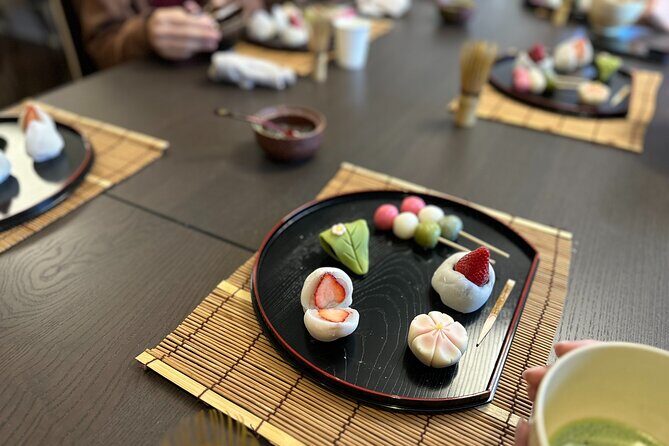
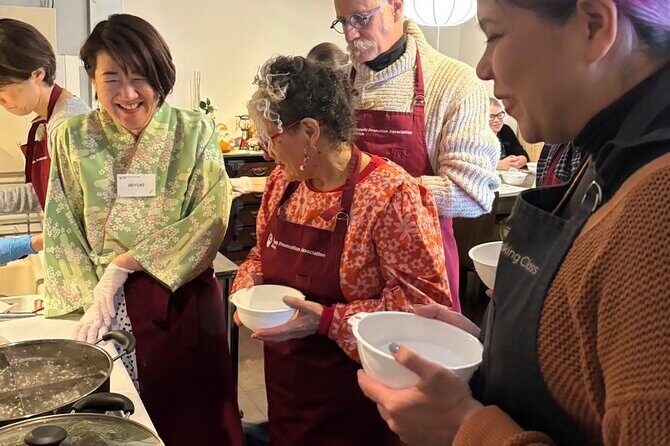
Imagine spending a relaxed afternoon in a local Tokyo home, learning how to craft traditional Japanese sweets (wagashi) from scratch. For around $91, you’ll join a small group—usually just a handful of others—and get hands-on experience in a private studio that feels more like a friend’s cozy kitchen than a tourist trap. The class lasts about 2 hours and 30 minutes, making it a perfect half-day activity for those craving a genuine, immersive taste of Japanese culture.
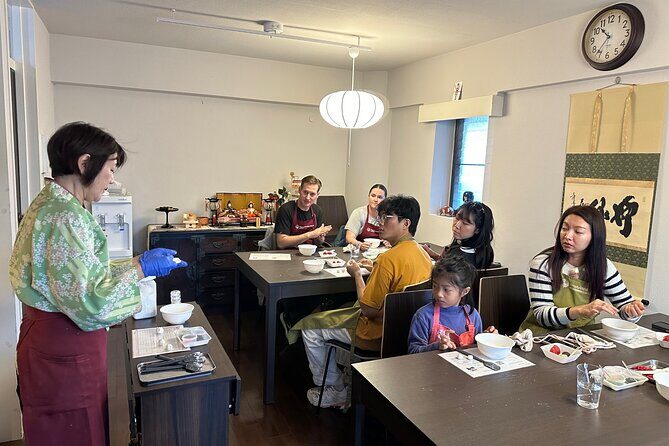
What truly makes this experience stand out? First, the personal attention you receive from your host, who guides you through each step of making mochi and nerikiri—both delicious and beautiful. Second, the chance to visit a local Tokyoite’s home offers a rare window into everyday life in Japan, adding a layer of authenticity that larger, commercial workshops can’t match.
A few things to consider: the class is held in a private home, so it’s important to be comfortable with a more intimate setting. Also, transportation to the meeting point is not included, and children under 4 are not permitted, which may impact families or groups with very young kids. This workshop is best suited for those who genuinely want to learn a craft, enjoy tasting authentic sweets, and appreciate cultural stories behind the food.
If you’re curious about Japanese culinary traditions, love crafting with your hands, or want a meaningful souvenir in the form of new skills and recipes, this class fits the bill perfectly.
Key Points
- Small group size ensures personalized guidance and attention.
- Authentic experience in a local home offers cultural insights beyond the usual tourist spots.
- Hands-on crafting of mochi and nerikiri makes for a memorable, edible souvenir.
- Includes tasting of sweets with matcha green tea and insights into Omotenashi, Japan’s hospitality spirit.
- Plant-based, gluten-free ingredients emphasize health and tradition.
- Flexible scheduling with morning or afternoon options caters to different itineraries.
Prefer personalized experiences? Here are other private options we've covered in Tokyo
A Deep Dive into Wagashi Making in Tokyo
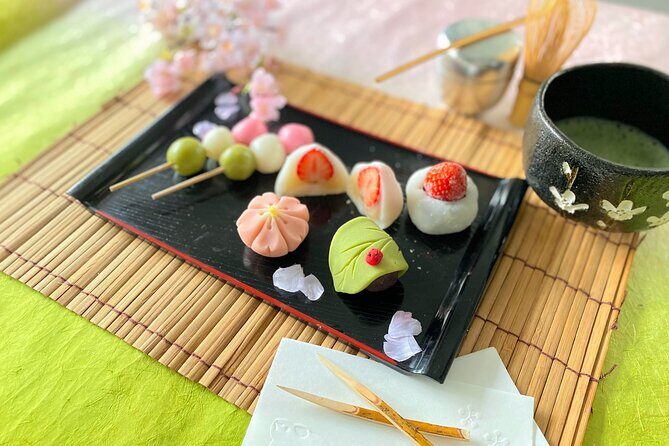
Taking part in this wagashi-making class offers much more than just learning a new skill; it’s an entry into Japan’s intricate culture of sweets. Wagashi, often associated with tea ceremonies and seasonal festivals, are as much about art and symbolism as they are about taste. This class, led by a certified Nerikiri Art Instructor, helps you understand not only how to shape these delicate confections but also their significance through brief storytelling during the session.
The Itinerary: Step-by-Step
The class begins with a short presentation about the role of mochi and wagashi in Japanese culture. Your guide, Miho or Yukka, will share stories about seasonal traditions and festivals, helping you appreciate each sweet’s deeper meaning. This storytelling aspect turns a simple cooking class into a cultural lesson.
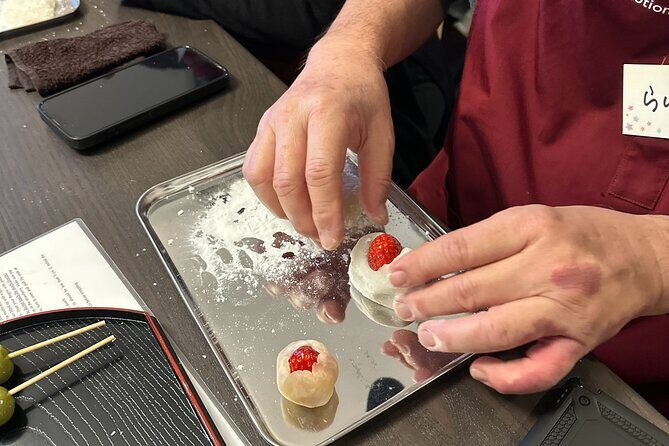
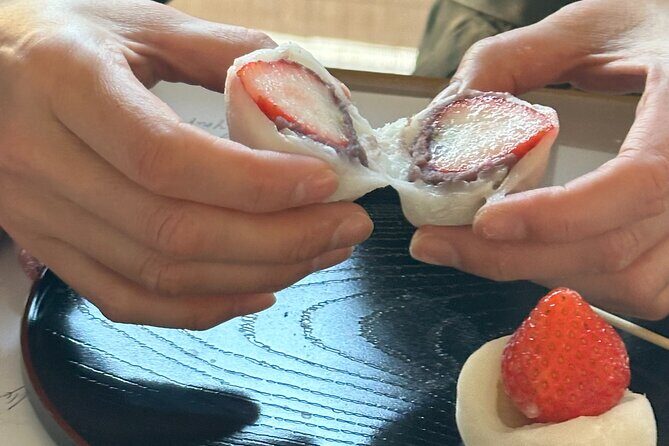
Next, you’ll learn to make Strawberry Daifuku Mochi and Three-color Dango—classic treats enjoyed across Japan. You’ll get your hands dirty kneading, shaping, and assembling these soft, chewy delights. As one reviewer noted, “Yukka gave such great instructions and was very patient,” making sure everyone understood how to achieve the right texture and appearance.
The highlight, however, is nerikiri, a sweet dough used to sculpt artistic wagashi that resemble seasonal motifs—think cherry blossoms or leaves. You’ll learn how to color and shape the dough, guided step-by-step by your instructor. Several reviews emphasize how much artistry goes into these sweets, with one saying, “both beautifully artistic and sweetly delicious,” capturing the experience’s blend of craftsmanship and culinary pleasure.
Tasting and Cultural Context
After creating, the class concludes with a tasting session paired with matcha green tea—which you will learn to prepare yourself. This moment ties into the Omotenashi spirit, Japan’s famous hospitality, and the Tea Ceremony traditions. The instructor shares insights into this hospitality culture, deepening your understanding of how these sweets are more than just snacks—they are expressions of care and artistry.
Ingredients and Accessibility
All ingredients used are plant-derived and gluten-free, appealing to health-conscious travelers or those with dietary restrictions. Aprons are provided, and an English recipe sheet helps you recreate your treats at home. The instructor’s fluency in English is a big plus, making explanations clear and accessible.
While in Tokyo, here are other experiences we've covered
- At an Antique Shop, Tea Ceremony and Japanese Sweets Forming
- Japanese Traditional Sweets making
- Japanese Traditional Sweets making and Tea Ceremony
- Japanese dried-type Sweets (Ohigashi) making
- Making Wagashi (Japanese sweets) at Tokyos Koboji Temple
- Make traditional sweets “Nerikiri” and matcha in Shibuya
Authenticity and Personal Touch
Many reviews mention how special it is to learn in a local home environment. One traveler said, “It was my pleasure having your family in my class,” emphasizing the personal connection. Others appreciated the practical advice on where to shop for tools and ingredients in Tokyo, turning the experience into a valuable resource beyond the session.
Practical Details: What You Need to Know
- Duration: Approximately 2.5 hours, a perfect half-day activity.
- Price: Around $91, which includes the sweets-making lesson, tasting, apron, recipe sheet, and tea.
- Meeting Point: Located in Meguro, easily accessible by public transportation.
- Group Size: Max of 8 travelers, ensuring personalized guidance.
- Schedule: Choose between morning or afternoon sessions to fit your plans.
- Age Limit: Minimum age 4, but children under 4 are not allowed for safety reasons.
- Cancellation Policy: Free cancellation up to 24 hours in advance, offering peace of mind.
What to Consider
While the experience offers incredible value, it’s in a private home setting, so expect an intimate atmosphere—no large crowds or commercial feel. Transportation isn’t included, so plan your route accordingly. Also, for families with very young kids, check the age restrictions.
Who Will Love This Experience?
This class is a fantastic choice for culture lovers eager to learn traditional Japanese crafts. If you enjoy culinary arts or want a hands-on activity that results in edible souvenirs, you’ll find this especially rewarding. It’s also ideal for small groups or families, as many reviews highlight shared moments of joy and pride in creating beautiful sweets.
Travelers keen on authentic experiences that go beyond tourist menus** will appreciate the chance to visit a local’s home and gain insider knowledge about Tokyo life. Those looking for a delicious, memorable activity that combines history, art, and food will find plenty to love here.
Final Thoughts: Is It Worth It?
Absolutely. For a reasonable price, you get a chance to learn a new craft, enjoy authentic Japanese flavors, and connect with local culture—all in an intimate setting that’s far more meaningful than a cookie-cutter workshop. The focus on personal attention and cultural storytelling gives this experience depth that sticks with you long after you leave.
If you’re someone who appreciates culinary artistry, wants to understand Japanese traditions, or simply loves tasting sweet treats, this class offers a genuine slice of Tokyo life. It’s a perfect half-day escape from sightseeing, turning your visit into a memorable, hands-on journey.
FAQ
How long is the class?
The experience lasts approximately 2 hours and 30 minutes, providing enough time to learn, create, and taste without feeling rushed.
What is included in the price?
Your fee covers the sweets-making lesson, tasting of sweets with matcha tea, aprons, an English recipe sheet, and tea. No additional food or drinks are necessary unless specified.
Can I combine this with other activities?
While not explicitly stated, the flexible schedule allows you to fit this between other sightseeing options. You might also request to combine it with a mochi-making class.
Are there any age restrictions?
Children as young as 4 years old can participate, but children under 4 are not allowed due to safety reasons.
Is transportation included?
No, transportation to and from the meeting point in Meguro is not included, so plan your route accordingly.
What should I wear?
Aprons are provided, so just wear comfortable clothing suitable for hands-on activity.
Is the class suitable for vegetarians or those with dietary restrictions?
Yes, all ingredients are plant-derived and gluten-free, making it suitable for vegetarians and those with gluten sensitivities.
How many people will be in the class?
A maximum of 8 travelers ensures plenty of personalized attention.
Will I get a chance to see the instructor’s work?
Absolutely. The instructor is a certified Nerikiri Art Instructor and will demonstrate her techniques, which you can then try yourself.
Can I buy tools or ingredients afterward?
Many reviews mention the instructor offering advice on where to shop for tools and ingredients in Tokyo, so you can continue your wagashi journey at home.
Embark on this sweet, cultural adventure to deepen your understanding of Japan’s beloved confections and enjoy a uniquely personal experience in Tokyo.
More Dessert Tours in Tokyo
- Making cute Japanese sweets with clay in Tokyo
- Macha and Japanese Sweets-Making Experience
- Tokyo: Japanese Sweets Making Experience
- Matcha Tea Ceremony Experience with Japanese Sweets in Tokyo
- Traditional Japanese Sweets Nerikiri Experience with Matcha Tea
- Licensed Guide “Wagashi” (Japanese Sweets) Experience Tour (Tokyo)
More Private Tours in Tokyo
- Tokyo Haneda Airport (HND) to Tachikawa City – Arrival Private Transfer
- Nikko Full-Day Private Tour from Tokyo Return by Bullet Train
- Tokyo Tsukiji Fish Market Private Food Tour
- Mt Fuji & Lake Kawaguchi Private Day Trip from Tokyo
- Tokyo Shibuya Private Highlights and Hidden Gem Walking Tour
- Private Custom Tour in Tokyo
More Tour Reviews in Tokyo
- Tokyo Astronaut Tour in Space Suit Drive the Tiny Moon Car
- Mount Fuji Popular Sightseeing Tour
- Shinjuku Ni-chome LGBT Bar Hopping Tour with Local Guide
- Tokyo:Meiji Shrine,Imperial Palace,Asakusa,Odaiba,cruise
- Sake Tasting and Japanese Calligraphy Experience
- Tokyo Haneda Airport (HND) to Tachikawa City – Arrival Private Transfer
More Tokyo experiences we've covered
- Our Picks For The 11 Best Workshops & Classes In Tokyo
- 11 Fantastic Wine Tours In Tokyo
- What Are The Best Walking Tours In Tokyo? Our Top 15 Picks
- 15 Top Vegan & Vegetarian Tours In Tokyo (With Reviews & Prices)
- We Rank The 15 Best Tours In Tokyo
- 13 Top-Rated Tokyo Spa & Hot Springs Experiences
- Tokyo’s 15 Best Shopping & Market Tours (With Prices & Reviews)
- The 15 Best Private Driver Services In Tokyo
- The 15 Top Photography Experiences In Tokyo: Which Is Best?
- The Top 5 National Park Tours In Tokyo
- The 15 Most Popular Massage & Relaxation Services In Tokyo
- 15 Of The Best Lunch Experiences In Tokyo