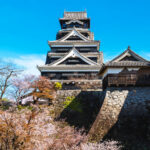
Suizenji Garden is a fine place to slow down and look closely: its paths, pond and carefully arranged scenery have been enjoyed for about 400 years. This experience lets you enter in a kimono or yukata, with the practical work of choosing and dressing taken care of at a shop just steps from the gate.
I like two things in particular: garden admission is included, so the rental leads straight into a worthwhile outing, and staff help you put on the outfit rather than leaving you to puzzle over the layers and sash. A small bag and a seasonal keepsake add useful value.
The trade-off is that hair styling and accessories cost extra, and the included photo is a single posed shot, not a photographer following you around the garden. The shop can also get busy, so leave room in your schedule for choosing an outfit and getting dressed.
- At a glance
- Getting dressed beside Suizenji Garden
- Picking a kimono or seasonal yukata
- A garden walk, not a guided tour
- What the price includes, and what it does not
- Timing, comfort and useful details
- Who will enjoy this experience most
- Should you book the Suizenji kimono rental?
- FAQ
- Is admission to Suizenji Garden included?
- What comes with the kimono or yukata rental?
- Is hair styling included?
- When do I need to return the outfit?
- Are there outfits for men and children?
- What seasonal gifts are provided?
- The Best Of Kumamoto!
- More Tours in Kumamoto
- More Tour Reviews in Kumamoto
At a glance
 1 / 8
 2 / 8
 3 / 8
 4 / 8
 5 / 8
 6 / 8
 7 / 8
 8 / 8
- Suizenji Garden is practically next door: The rental shop is about a 20-second walk from the garden.
- Your outfit is dressed for you: The rental includes a kimono or yukata, obi, underwear and Japanese footwear.
- Garden entry and one photo are included: The photo is a posed keepsake, generally taken indoors or near the shop.
- The wardrobe is broad, but not unlimited: More than 150 kimonos are kept in stock, with options for men and children. Lace styles are offered at the same price, though selection may be smaller.
- Season changes the finishing touches: Tabi socks and zori sandals are used in kimono season; yukata season calls for bare feet and geta, with a Kumamon fan as the seasonal gift.
- Plan to return by 5 p.m.: Hair accessories cost an additional ¥990, and returning the outfit at Josaien may involve an extra charge.

👉 See our pick of the Kumamoto’s 5 Top Walking Tours (With Prices)
Getting dressed beside Suizenji Garden
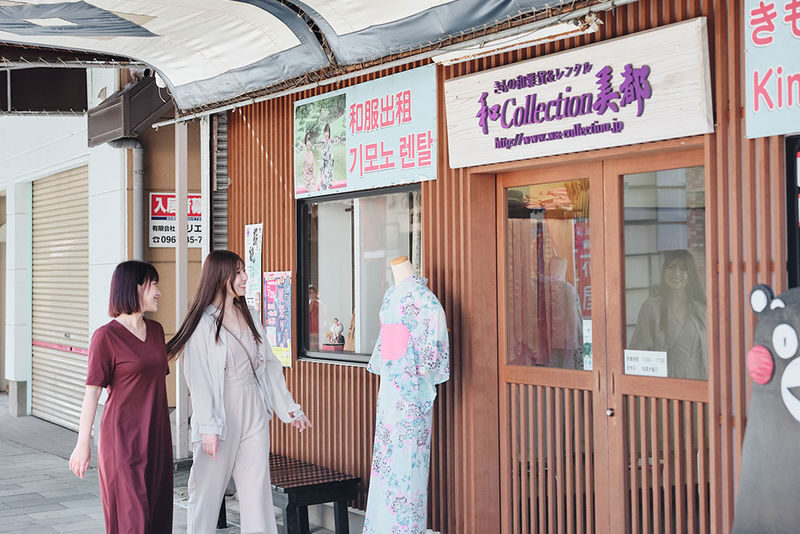
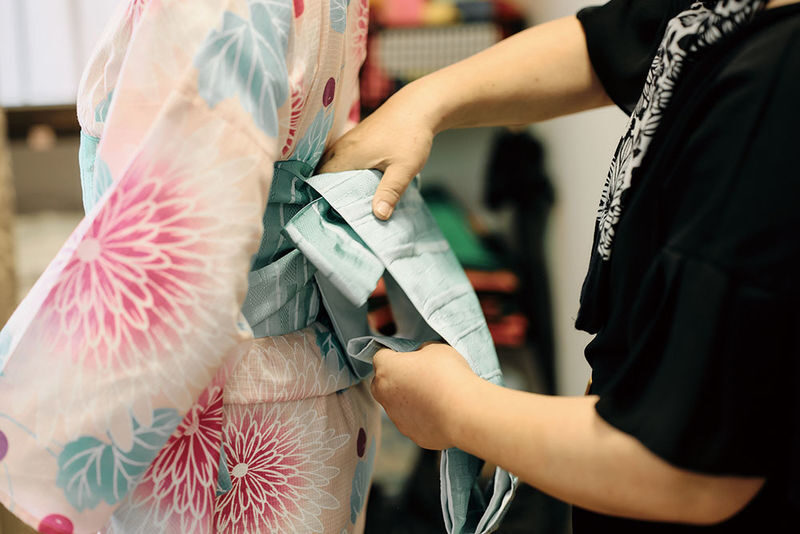
The experience begins at the Suizenji store, next to Suizenji Jojuen Garden. You do not need to arrive carrying your own kimono accessories: the rental covers the garment, obi, kimono underwear, footwear and a drawstring bag. Staff help with dressing, an important part of the value. A kimono is not simply a robe you throw on and tie; the layers and sash need to sit correctly if you want to walk comfortably and feel properly put together.
The boutique is run by a Kumamoto kimono business with more than 50 years of history. Its staff are accustomed to helping visitors choose colors and combinations, and the experience does not depend on fluent Japanese. Simple English may be available, but you can still make choices by pointing, trying options and taking the staff’s suggestions.
You will have time to select a design, though the pace can depend on how many people arrive at once. Some visitors have found the staff patient and helpful when they were undecided; a tour group or a busy period can make the process feel hurried. If choosing from many patterns takes you a while, arrive with enough time before your planned garden visit.
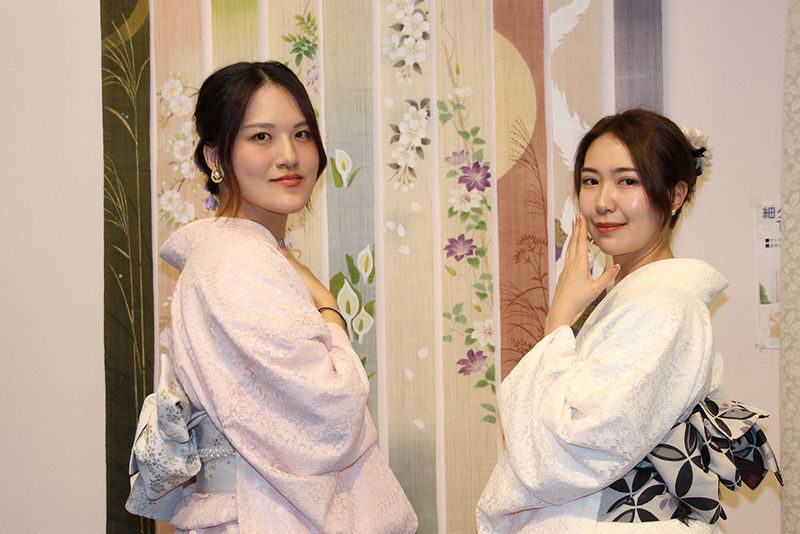
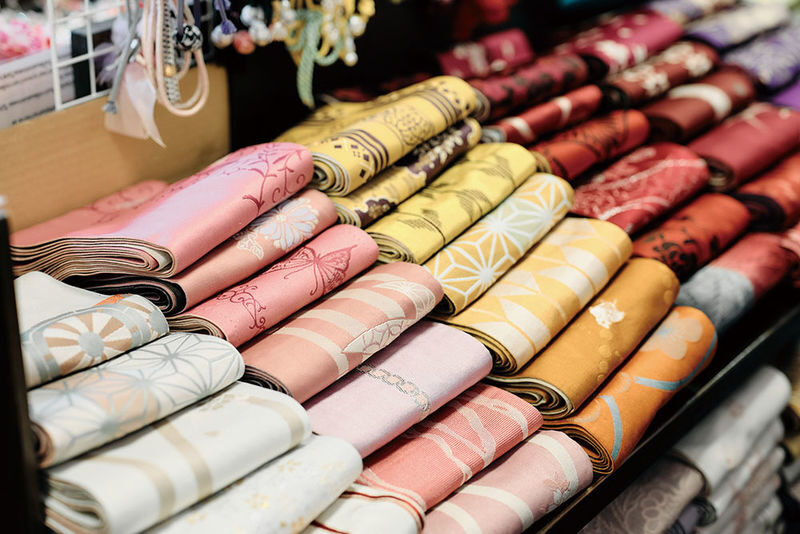
There are more than 150 kimonos in stock, as well as lace options for the same rental price. The range includes men’s and children’s garments, too. The selection is not identical across categories, however: men’s designs may be fewer, and lace choices can be more limited than traditional patterns. One person who needed a larger size found a yukata that fit, but sizing is not guaranteed for every body type. If fit is a concern, ask staff before committing to a style.
You can also read our reviews of more tours and experiences in Kumamoto.



Picking a kimono or seasonal yukata
The season determines which garment makes sense. In kimono season, you wear tabi socks with zori sandals. In yukata season, the outfit is lighter, and you wear wooden geta on bare feet. The exact seasonal handout changes as well: the experience describes patterned tabi socks in kimono season and a Kumamon fan in summer.
The listing’s included items mention tabi socks and a patterned drawstring bag, while the seasonal notes specify a fan during yukata season. Since the keepsake can vary with the season, do not count on receiving every item at once. The socks and bag are described as yours to keep, which makes them a pleasant practical extra rather than something you must return with the rental.
Staff can help you match the kimono, obi, bag and socks, or you can take your time making the choices yourself. If you are unsure, accept some advice on color pairing. The goal need not be a perfect costume; a combination that feels comfortable to you will make the walk and the photographs more enjoyable.
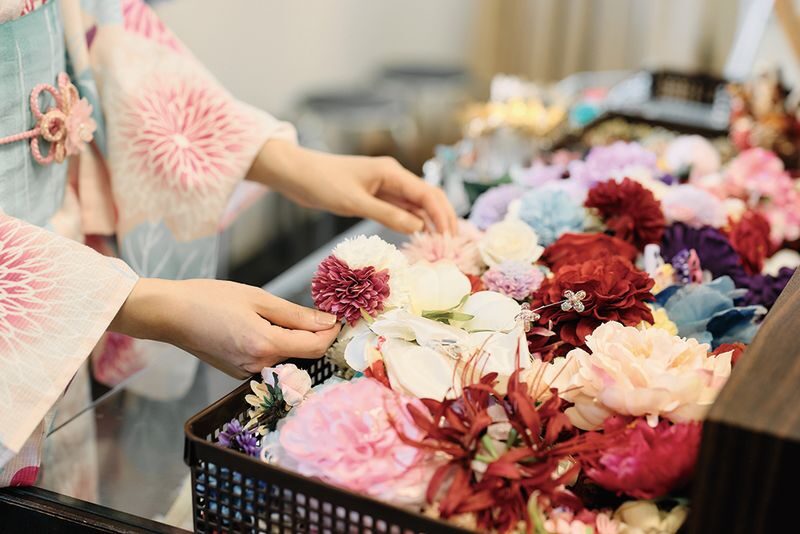
Hair accessories are not included. You can rent them for ¥990, but hair styling and makeup are not part of the standard package. Some visitors have been pleased with an add-on hairstyle, while others have expected it to be included and felt disappointed. If a particular look matters to you, clarify what the ¥990 covers before you book, and plan to do your own makeup.
A garden walk, not a guided tour
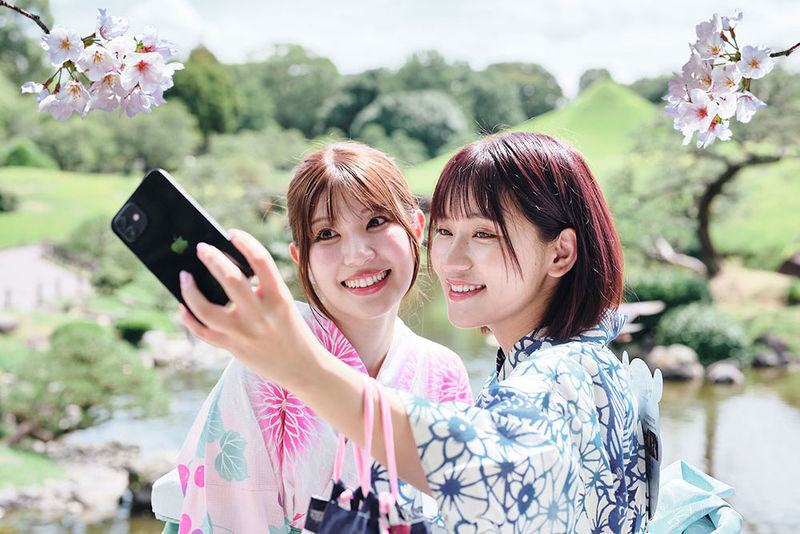
Once dressed, you head into Suizenji Garden on your own. Admission is included, and the entrance is about 20 seconds from the shop. That proximity is a real advantage: you do not have to navigate across town in unfamiliar footwear, and you can begin taking photos among the garden’s scenery almost as soon as you are ready.
The garden is known for its 400-year history and its many photo spots. A kimono or yukata gives the visit a different rhythm: you may find yourself pausing to notice how the fabric looks against the garden’s paths and views rather than hurrying from one sight to the next. The rental is a good fit if you want a cultural activity that also gives you time outdoors, without a set group route or guide schedule.
There is no guided garden itinerary included. You are free to explore at your own pace, but that also means you need to plan your own time and make your own way between photo spots. The package includes one photo, not a photographer who accompanies you around the grounds. The included shot is generally staged at the shop or indoors, so bring your own phone or camera if you want pictures throughout the garden.
Rain can complicate the outing. A kimono or yukata is still wearable in poor weather, but moving around outdoors and keeping warm may be less pleasant. If the forecast looks wet, allow for a slower garden visit and make use of shelter where available. The outfit and footwear are part of the experience, but they are not as carefree as your usual walking clothes.
What the price includes, and what it does not
The starting price is $27.80. For that, the package combines the garment rental, obi, underwear, footwear, dressing assistance, garden admission and one photo. It also includes a small bag and a seasonal item. Because you get both the outfit and entry to Suizenji Garden, the price can be good value if you planned to visit the garden anyway.
There are extra costs to keep in mind. Hair accessories cost ¥990, while makeup and hair setting are not included in the standard package. Transportation and parking are also excluded, as are personal expenses and tips. You can return the outfit at Josaien, but that option carries an additional charge.
The free photo is best treated as a small memento, not a photoshoot. If your main aim is a set of polished portraits, consider whether you want to arrange separate photography. If you mainly want the pleasure of wearing traditional clothing in a beautiful setting, the included photo is a bonus rather than the heart of the deal.
The price can look especially attractive for families because children’s options are available and admission is included. Still, the activity has no age limit, not a promise that every garment will fit every person. Check any particular sizing needs with the shop ahead of time.
Timing, comfort and useful details
You must return your kimono or yukata by 5 p.m. the same day. That gives you a daytime outing rather than an evening rental, so start early enough to enjoy getting dressed and exploring the garden without watching the clock. The rental’s exact duration is not specified, and the time spent choosing and dressing may vary with the number of customers.
The outfit is designed to be worn through the day, but comfort depends on the season, fit and footwear. One person praised the careful dressing and found a suitable yukata despite needing a larger size. Another had trouble with slippery socks and footwear. If your sandals feel loose or unstable, say so before leaving the shop. A quick adjustment is better than spending the garden walk concentrating on your feet.
There is space to leave luggage other than valuables, according to the experience details. Use that option for bags you do not need, but keep important belongings with you. Restrooms are available before changing, so it is sensible to use one before putting on the outfit.
The activity is described as wheelchair- and stroller-accessible, and it has no age limit. It is not recommended for pregnant women or for people with certain medical conditions, including high blood pressure or epilepsy. If any of these points apply to you, check with the operator before booking.

Who will enjoy this experience most
I would choose this rental if you want a relaxed cultural stop with a clear payoff: you dress in a kimono or yukata, walk straight into a historic garden and have time to take your own pictures. It suits couples, families and solo visitors who enjoy choosing colors and do not mind spending part of the visit in formal clothing.
It is also a sensible choice if you want to try a kimono without bringing any equipment or sorting out the dressing yourself. The staff assistance, included garden ticket and short walk between shop and park keep the logistics simple. The seasonal fan or socks and take-home bag are modest extras, but they help the package feel more complete.
I would look elsewhere if your priority is a long professional photoshoot, included hairstyling or a very broad choice of men’s and lace designs. Those are not guaranteed here. Likewise, if you want to wear the outfit into the evening, the 5 p.m. return limit rules that out.
Should you book the Suizenji kimono rental?
Book it if Suizenji Garden is already on your Kumamoto plans and you would enjoy seeing it in traditional dress. The close location, dressing help, admission ticket and included keepsakes make this a practical way to turn a garden visit into a more memorable outing, especially at a starting price of $27.80.
Before you book, decide whether you want to pay extra for hair accessories, ask about fit if needed, and leave enough time for choosing and dressing. Bring your own camera for garden photos, check your footwear before setting off, and be back by 5 p.m. If you are after an accompanied photoshoot or a full hair-and-makeup package, this is not that experience.
Kumamoto Suizenji Kimono and Wahuku experience
“Kumamoto Suizenji Kimono, a first-time experience. The owner and staff were very polite and courteous. In summer, they give out Kumamoto fans, and…”
FAQ
Is admission to Suizenji Garden included?
Yes. The package includes admission to Suizenji Garden, also called Suizenji Jojuen Garden.
What comes with the kimono or yukata rental?
The rental includes a kimono or yukata, obi, kimono underwear, Japanese footwear and a small drawstring bag. Admission to the garden and one photo are included as well.
Is hair styling included?
No. Hair styling and makeup are not included in the standard package. Hair accessories can be rented for ¥990.
When do I need to return the outfit?
You must return the kimono or yukata by 5 p.m. on the same day. Returning it at the Josaien store is possible for an additional charge.
Are there outfits for men and children?
Yes. The shop has options for men and children. The range can vary by category, and men’s designs may be fewer than women’s.
What seasonal gifts are provided?
The experience describes Japanese-patterned tabi socks during kimono season and a Kumamon fan during yukata season. A patterned drawstring bag is also included and can be kept.