- Discover Kyoto’s Newly Opened Tea Ceremony at Sanjo Chasuian
- Key Points
- What Makes This Tea Ceremony Special?
- The Itinerary in Detail
- What Travelers Say
- Practical Tips for Your Visit
- Who Should Book This Experience?
- Final Thoughts
- FAQ
- The Best Of Kyoto!
- More Tour Reviews in Kyoto
- Not for you? Here's more nearby things to do in Kyoto we have reviewed
Discover Kyoto’s Newly Opened Tea Ceremony at Sanjo Chasuian
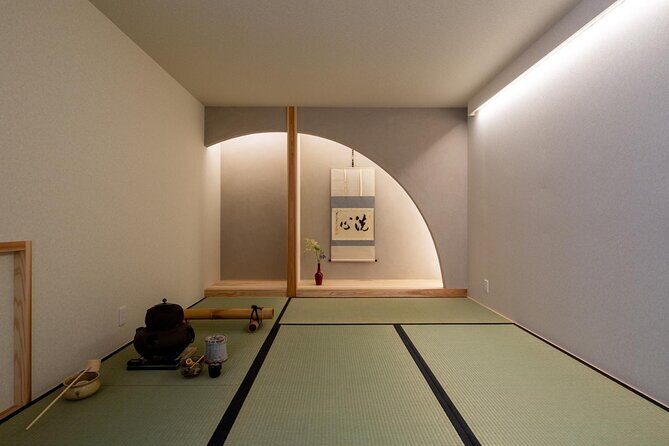
Nestled just a five-minute walk from Subway Karasuma Oike Station, the newly opened Tea Ceremony & Sake Tasting Kyoto at Sanjo Chasuian offers an authentic glimpse into Japan’s cherished tea traditions. For around $40, you’ll spend about an hour learning, tasting, and making your own matcha, all in a calm, beautifully arranged space that emphasizes mindfulness and respect. This experience is perfect for those curious about Japanese culture, whether you’re a first-timer or a seasoned traveler eager for a deeper connection.
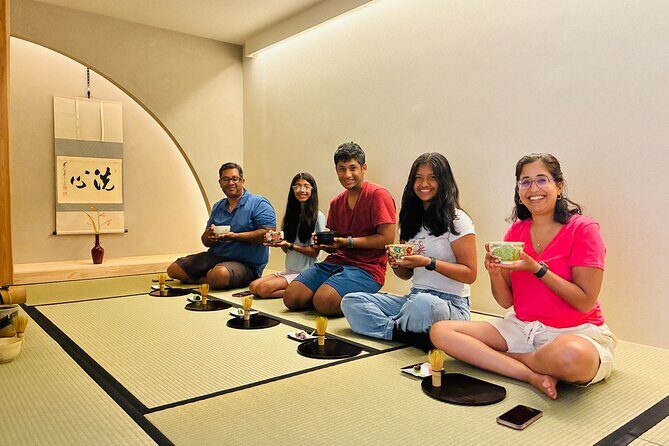
What we particularly appreciate about this experience is the hands-on approach—you’re not just watching but actively whisking your own bowl of matcha, which makes it more memorable. Plus, the inclusion of seasonal Japanese sweets provides a delightful treat that perfectly complements the tea. Another highlight is the serene setting with a Nijiriguchi, the crawl-in entrance symbolizing leaving the outside world behind, helping you truly unwind.
A potential consideration is that timeliness is strict—arriving even a minute late means missing out, with no refund. So, it’s important to arrive a few minutes early. This tour best suits adults or families with older children who appreciate cultural experiences, especially those eager to learn about the symbolism and technique behind the tea ceremony.
👉 See our pick of the We Rank Kyoto’s 15 Top Workshops & Classes
Key Points
- Authentic Experience: Hands-on participation with guidance in English makes this a genuine introduction to Japanese tea traditions.
- Serene Setting: The tea room’s peaceful atmosphere, complete with a Nijiriguchi, enhances mindfulness and immersion.
- Skilled Hosts: Amazingly gracious guides, like Yuko, who explain the history and meaning behind each step clearly.
- Good Value: For around $40, you get two matcha bowls, seasonal sweets, and an in-depth cultural lesson.
- Convenient Location: Walkable from central Kyoto subway stations, making it easy to include in a busy sightseeing day.
- Limited Late Entry: Strict timing rules mean you must be punctual—important to note for travelers with tight schedules.
You can also read our reviews of more tours and experiences in Kyoto.

What Makes This Tea Ceremony Special?
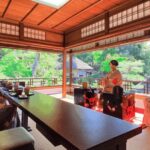
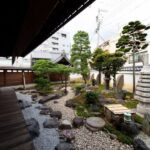
Kyoto’s tea culture is deeply symbolic, emphasizing zen principles of mindfulness, respect, and harmony. This experience at Sanjo Chasuian captures that beautifully, giving visitors an opportunity to participate actively rather than just observe. The intimate group setting, capped at ten travelers, ensures personalized attention and plenty of chances to ask questions.
The location is ideal: a tranquil space with a traditional tea room that includes a Nijiriguchi—a crawl-in entrance designed to symbolize leaving the outside world behind. This little architectural feature encourages a mental shift from the hustle of Kyoto streets to a mindful moment of quiet.
The hosts’ explanations are delivered in English, making the process accessible regardless of your language skills. Visitors consistently remark on the friendly, expert guidance—something that elevates the experience from a touristy demo to a meaningful cultural lesson. As one guest put it, “Our host was incredibly gracious and a wonderful teacher of the history, the why as well as the how of matcha.”
The Itinerary in Detail
Meeting and Setting:
You’ll gather at the Sanjo Chasuian venue, conveniently located in central Kyoto. Once inside, you’re invited into a quiet, immaculate space designed to foster serenity. Entry begins five minutes before the scheduled start, and once the session begins, the door is locked—timeliness is key.
Introduction and Cultural Context:
Your host begins with a brief explanation of the history and significance of the tea ceremony. Expect insights into the symbolic gestures, the use of proper utensils, and the importance of mindfulness in each movement. As one reviewer notes, “Our host explained every detail and then had us prepare matcha.”
Hands-on Matcha Preparation:
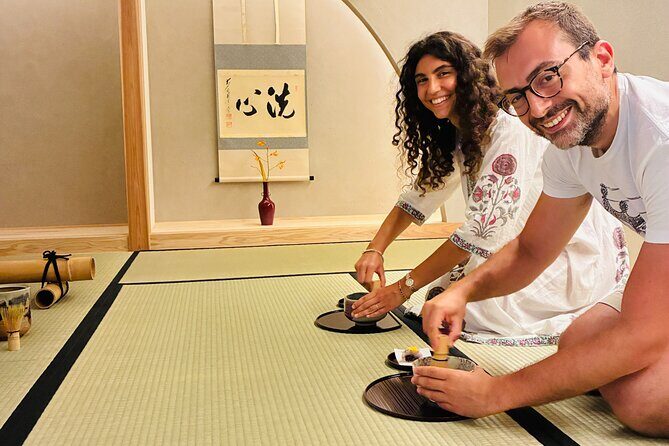
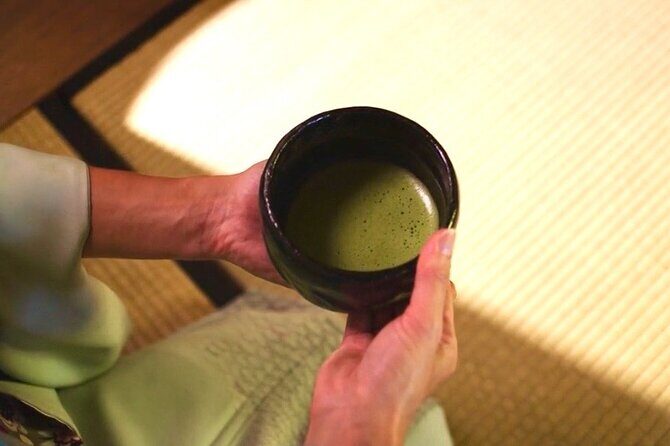
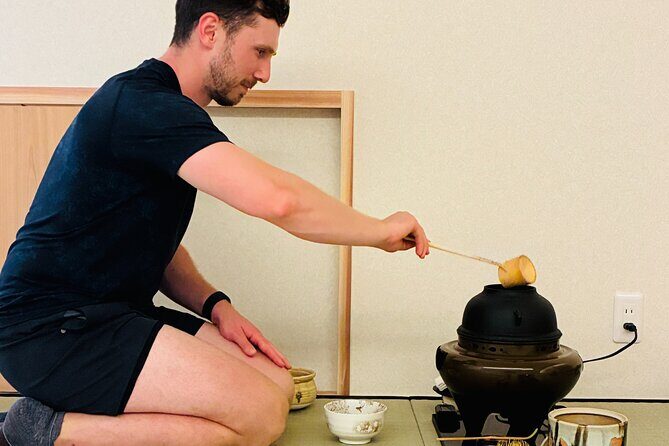
Next, you select a tea bowl and learn how to whisk your own matcha—an activity that many find surprisingly calming. Watching your host demonstrate the precise movements helps you understand the ritual’s underlying meaning. Guests often comment on how this active participation makes the experience more memorable.
Enjoying the Tea and Sweets:
After your preparation, you’ll taste two servings of matcha—one made by the host, and one you whisk yourself. Alongside, you’ll enjoy traditional seasonal Japanese confections, often beautifully crafted from a century-old Kyoto sweet shop. These sweets are not just tasty but also visually stunning, and many reviews mention them as a highlight.
Additional Options:
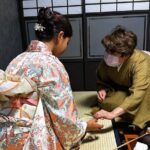
For an extra touch of tradition, guests can opt to wear an Uchikake kimono (¥1,500). It’s a fun way to add an authentic photo opportunity and immerse even further in Japanese culture.
Closing and Reflection:
The experience wraps up with a chance to purchase matcha, tea bowls, or other souvenirs. Many travelers leave with a deeper appreciation of the ritual’s symbolism and a sense of Zen calmness.
What Travelers Say
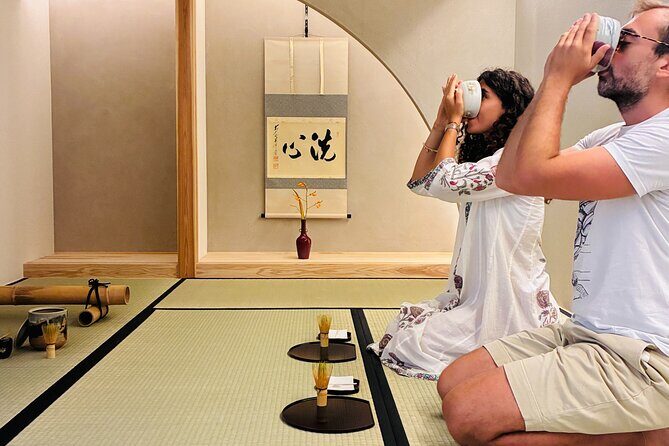
Reviewers absolutely love the personalized attention and insightful explanations. Comments like “Our host was incredibly gracious” and “The instructor answered all questions patiently” highlight the quality of guidance. Multiple guests mention how the relaxing atmosphere and beautiful setting helped them feel at peace, even in a bustling city.
The value for money is also a common theme—at just over $40, the experience includes not only the demonstration but also two cups of matcha and sweets, making it well worth the price. Many mention that they appreciated the opportunity to make their own matcha, which turns a simple tasting into a hands-on cultural lesson.
Some travelers warn about the strict timing—arriving late means missing the experience entirely, so punctuality is essential. The option to wear a kimono adds a fun twist, and many say it’s a worthwhile splurge for those interested in traditional dress and photography.
Practical Tips for Your Visit
- Arrive a few minutes early to ensure you don’t miss the start—timing is strict.
- Wear socks or bring a pair; shoes are not permitted in the tea room.
- Consider the private plan if traveling with young children or needing an interpreter.
- Be prepared for a calm, quiet environment—this isn’t a lively or noisy experience.
- If interested, ask about the kimono experience on the day—¥1,500 adds a fun photo opportunity.
- The venue is easy to find; just follow the green matcha ice cream cone symbol on Google Maps for the exact location.

Who Should Book This Experience?
If you’re looking for an authentic, educational, and peaceful introduction to Japan’s cherished tea culture, this tour is ideal. It suits travelers who appreciate hands-on activities and want a meaningful cultural connection. Families with children over five, or those with a curiosity about Japanese traditions and mindfulness practices, will find it particularly rewarding.
It’s also a great addition for those staying in central Kyoto, as the location makes it easy to include alongside sightseeing. Whether you’re on a cultural trail or seeking a tranquil escape from busy temples, this experience offers a genuine taste of Japanese hospitality.
Final Thoughts
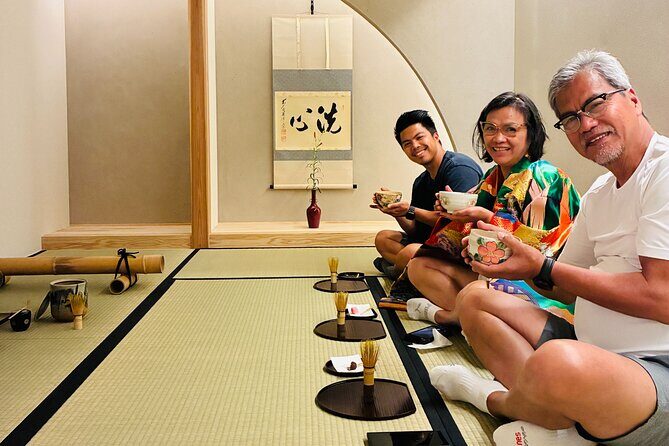
The Kyoto Newly Opened Tea Ceremony at Sanjo Chasuian offers a rare opportunity to participate actively in a tradition that’s been integral to Japanese life for centuries. For just over $40, you gain insight into the art of matcha preparation, enjoy beautiful seasonal sweets, and step into a space designed to promote mindfulness and respect.
The expert guidance and serene environment make this a worthwhile activity for anyone interested in Japanese culture, whether you’re a first-time visitor or a seasoned Japanophile. The hands-on nature and personalized explanations ensure this isn’t just a tourist trap but a meaningful cultural experience.
If you value authenticity, tranquility, and a chance to learn through participation, book this tea ceremony. It’s a small, intimate experience that leaves a lasting impression—one that might inspire a new appreciation for Japan’s spiritual and culinary traditions.
FAQ
How long is the tour?
The experience lasts approximately 1 hour, from start to finish, including hands-on preparation, tasting, and explanation.
Is the experience suitable for children?
While the tour is generally geared toward adults, children over 5 may participate if booked under a private plan. The standard shared plan requires guests to be at least 5 years old.
Do I need to book in advance?
Yes, reservations are strongly recommended, especially since the tour is popular, and timing is strict. Booking online ensures your spot.
Can I wear traditional kimono attire?
Yes, there is an optional Uchikake kimono experience available for ¥1,500, which can be arranged on the day.
What is included in the price?
You will receive two cups of matcha (one prepared by the host, one you whisk yourself) and traditional seasonal confections.
Are there any extra costs?
Apart from the optional kimono experience, no. Souvenirs like tea bowls or matcha are available for purchase.
Is there any transportation needed?
The venue is within walking distance from central Kyoto subway stations. No additional transportation is necessary.
This Kyoto tea ceremony at Sanjo Chasuian stands out as a well-organized, authentic experience that balances educational value, relaxation, and fun participation. Whether you’re diving into Japanese culture for the first time or want a peaceful moment amidst your sightseeing, it offers genuine insight and delightful tastes—highly recommended for those who seek something more meaningful than just taking photos.